
民营经济发展

Search documents
民营经济促进法5月20日起施行,南京各界热议
Nan Jing Ri Bao· 2025-05-22 02:20
Group 1 - The "Private Economy Promotion Law" officially took effect on May 20, marking a milestone in the development of China's private economy [1] - The law establishes a comprehensive legal protection system aimed at resolving operational challenges faced by private enterprises and stimulating high-quality development [1][2] - The law emphasizes principles of "equality," "fairness," and "parity," appearing 26 times, which helps break down industry barriers and promotes fair competition [2] Group 2 - The law addresses critical issues in Chapter 7, focusing on the protection of private economic rights against potential infringements by public authorities [2] - The law is expected to enhance the confidence of private enterprises, enabling them to better manage risks and stimulate vitality in a complex external environment [2][4] - The law's implementation is seen as a timely response to the challenges faced by the private economy, encouraging investment and innovation [4] Group 3 - The law is anticipated to provide institutional solutions for technology-driven private enterprises, allowing them to focus on innovation and industry upgrades [3] - Companies like Manbang Group are planning to leverage opportunities in AI and automation to enhance logistics efficiency and safety [3] - The law is expected to create a more favorable development ecosystem for private enterprises, promoting sustainable growth [4][6] Group 4 - The Nanjing Arbitration Committee has introduced measures to optimize the business environment, including reducing arbitration costs and improving case management [5] - In 2024, the committee received 1,648 cases involving private enterprises, accounting for 66.7% of total cases, with a dispute amount of 3.5 billion [5] - Financial institutions like Nanjing Bank are actively supporting private enterprises, with a loan balance exceeding 227 billion, reflecting an 8.46% increase [6]
将法律红利转化为民营经济发展动力
Jing Ji Ri Bao· 2025-05-21 22:40
Core Viewpoint - The implementation of the Private Economy Promotion Law marks a significant milestone in the development of China's private economy, aiming to optimize the development environment and stimulate high-quality growth [1][2]. Legal Framework - The law establishes a legal foundation for the development of the private economy, reflecting the government's consistent support for private enterprises and enhancing legal protections for their growth [2][4]. - It incorporates fundamental policies and effective practices regarding private economic development into legal form, thereby reinforcing the rule of law [2]. Confidence Boost - The law is expected to enhance the confidence of private enterprises, as it emphasizes principles such as equal treatment, fair competition, and common development throughout its 78 articles [3]. - Individual businesses, which constitute a significant part of the private economy, are anticipated to benefit from the legal provisions, leading to innovative business models and increased operational confidence [3]. Implementation and Support - There is a strong focus on the implementation of supporting policies to ensure the law's effectiveness, with 53 policy measures being planned for rollout [4][5]. - The government aims to address concerns of private enterprises by improving the legal framework and ensuring consistency and operability across related laws [4]. Economic Impact - The law is expected to play a crucial role in stabilizing market expectations and fostering a conducive environment for private enterprises, which are vital for economic growth and job creation [3][4].
江苏保障民企享受同等待遇(落实促进民营经济发展的政策措施)
Ren Min Ri Bao· 2025-05-21 22:12
"区里全力保障,项目预计今年年底封顶,明年下半年投用。"工程建设加速推进,江苏知原药业股份有 限公司总裁谢宏伟满怀期待。 今年1月,江苏省发布入选今年省级民间投资重点产业项目库的200个项目,在用地、资金等要素保障方 面给予省重大项目同等待遇。知原药业的新药生产基地及研发试验中心项目,就是其中之一。 同等待遇,怎样保障? 无锡市锡山区,"寸土寸金"。坐落于此的知原药业,在用地方面却没耗费太多力气。 "我们一期厂房正对面,有区里预留的成片土地,项目的建设用地就来自这里。"谢宏伟说,"这样紧密 相邻的布局,便于优化资源配置,有利于形成产业集聚效应。" "在用地上予以优先保障,正是同等待遇的一个体现。"锡山区发展改革委主任孟振华表示。 一个重点项目,从落地到开工要经过20多个关键环节,涉及10多个部门。把这些流程走下来,知原药业 基建部主任武培文却不觉得麻烦。这背后,是政策加码、服务加力。项目的每个流程节点,都在锡山区 发展改革委"挂图作战",有专班牵头抓总,相关部门提前介入、并联操作,推进相关工作。 对于生物医药企业,环评是一大挑战。经测算,知原药业项目的有机废气排量虽符合国家标准,但指标 替代仍有0.9吨的缺口 ...


民营经济促进法正式实施,民企盼更多参与重大项目、科技攻关等
2 1 Shi Ji Jing Ji Bao Dao· 2025-05-21 13:58
21世纪经济报道记者周潇枭北京报道5月20日,《中华人民共和国民营经济促进法》正式实施,明确了 民营经济组织与其他各类经济组织享有平等的法律地位、市场机会和发展权利,无疑给数量众多的民企 吃下一颗"定心丸"。 民营经济促进法的出台,为保障民企的各类合法权益给出了法律依据。5月20日下午,国家发展改革委 会同科技部、司法部、市场监管总局、金融监管总局、全国工商联举办"民营经济促进法面对面"活动, 通过与民企代表当面沟通交流,了解民企的相关诉求,并围绕民营经济促进法的规定和配套措施进行解 答。 21世纪经济报道记者从现场获悉,云账户、卓胜微(300782)、杭州纵横通信(603602)股份有限公 司、赛力斯(601127)、亿航智能、悦宾饭馆等多家企业代表参会并发言。 参会企业普遍表示,作为第一部专门关于民营经济发展的基础性法律,民营经济促进法为民企公平参与 市场竞争提供了法律保障,表明了国家对民营经济和民企发展的关切。与此同时,部分参会企业还围绕 解决融资难融资贵、参与国家科技攻关、知识产权保护、帮助企业出海、趋利性执法、参与国家重大项 目等提出了具体关切。更多配套举措相继出台 民营经济促进法第一次将坚持"两个 ...
拆壁垒、破垄断,《民营经济促进法》让公平竞争起跑线真正“平”起来
Huan Qiu Wang· 2025-05-21 12:50
Core Viewpoint - The implementation of the "Private Economy Promotion Law" marks a significant shift in China's approach to private economic development, transitioning from policy support to legal protection, thereby establishing a new era of equal competition for private enterprises [1][3]. Summary by Sections Legal Framework - The "Private Economy Promotion Law" is China's first foundational law specifically addressing private economic development, consisting of 9 chapters and 78 articles, which enshrines the principle of "two unwavering" and clarifies the legal status of private enterprises [3]. - The law establishes a legal framework of "non-prohibition, equal protection," aiming to dismantle market barriers and ensure fair competition [3][4]. Market Access and Competition - Article 10 of the law introduces a nationwide negative list system for market access, providing clear guidelines for private enterprises [3]. - Article 11 mandates government bodies to implement fair competition review systems and regularly eliminate policies that hinder a unified national market [3]. - Article 14 prohibits any restrictions or exclusions against private economic organizations in public resource transactions [3]. Industry Impact: Shared Electric Bicycle Sector - The shared electric bicycle industry, characterized by high marketization and private capital density, serves as a testing ground for the law's effectiveness [4][7]. - Despite clear policy directions, the industry faces multiple hidden barriers, such as fragmented access rules and local protectionism, which hinder new entrants [5][6]. Regulatory Actions and Enforcement - The law empowers antitrust and unfair competition enforcement agencies to prevent and address monopolistic behaviors and administrative abuses that restrict competition [7]. - A special action initiated by the State Administration for Market Regulation aims to rectify administrative power abuses and remove local protectionist barriers [7][8]. Future Directions - Local governments are urged to adhere strictly to the law, eliminate local protectionism, and ensure fair competition for shared electric bicycle enterprises [8]. - The ongoing efforts to clear market access barriers and establish a scientific quota distribution mechanism are expected to invigorate industry innovation [8][9]. - The law's implementation is anticipated to create a new industry ecosystem characterized by fair competition, effective regulation, and legal protection, ultimately enhancing the vitality of the private economy in China [10].

以法治力量护航新征程 民营经济发展再添新动能
Yang Shi Wang· 2025-05-21 07:18
央视网消息:5月20日,《民营经济促进法》开始落地实施,围绕民营企业关切的项目、人才、融资等热点问题,各地破除隐性 壁垒、激活创新动能,一系列促进民营经济发展的政策措施密集出台、协同发力,民营企业发展信心不断提升,民营经济活力持续增 强,为经济高质量发展注入强劲动能。 重大项目宽准入 拓展民企发展空间 科技与教育融合 助力民企产业升级 民营企业提供了80%以上的城镇劳动就业,但发展所需的高端人才不足,一直是困扰民营企业发展的普遍难题。河北邢台将产业 创新和科技创新深度融合,助力民营企业产业升级。 打通融资难堵点 免除民企后顾之忧 "融资难、融资贵"一直是制约民营企业发展的一个现实堵点,金融监管总局、国家发展改革委相关负责人表示,将会同有关部门 和地方,切实推动解决民营企业关切的投融资、涉企执法等问题。 深圳有"民营经济第一城"之称,4月份,深圳民营企业进出口规模居内地城市首位,《民营经济促进法》持续优化民营经济发展 环境,企业感受到实实在在的收获。 金融监管总局相关负责人介绍,按照民营经济促进法要求,对小型微型民营企业,从资本监管、不良容忍、尽职免责等方面提出 一系列差异化的政策,提高银行放贷积极性,特别是让 ...
金十数据全球财经早餐 | 2025年5月21日
Jin Shi Shu Ju· 2025-05-20 23:04
特朗普:不通过税收法案的替代方案就是大幅增税 伊朗最高领袖哈梅内伊:认为与美国的核谈判不会成功 特朗普官宣"黄金穹顶"防御计划 欧盟正考虑对俄气进口实行零配额 马斯克:承诺在五年内继续担任特斯拉的首席执行官,星链未来有可能上市 男生普通话版 下载mp3 女声普通话版 下载mp3 粤语版 下载mp3 西南方言版 下载mp3 东北话版 下载mp3 上海话版 下载mp3 今日优选 美媒爆料:以色列正在准备袭击伊朗的核设施 5年期和1年期LPR均下调10个基点 发改委:必须加以整治"内卷式"竞争,进一步完善促进民营经济发展的制度机制 央行行长潘功胜:要实施好适度宽松的货币政策,满足实体经济有效融资需求 大额存单产品即将全面迈入"1时代" 市场盘点 周二,因美联储官员对经济发表了更为谨慎的言论,同时交易员们期待着美国与日本即将举行的会谈,其中可能包括作为贸易协议一部分的汇率讨论。美元 指数继续走软,并跌至100大关附近,最终收跌0.34%,报100.02。基准的10年期美债收益率收报4.491%;对货币政策更敏感的两年期美债收益率收报 3.977%。 受益于市场仍然存在一定程度的不确定性,现货黄金先跌后涨,在欧盘时段开 ...

民营经济促进法实施首日,河南搭建政企“连心桥”
Sou Hu Cai Jing· 2025-05-20 19:23
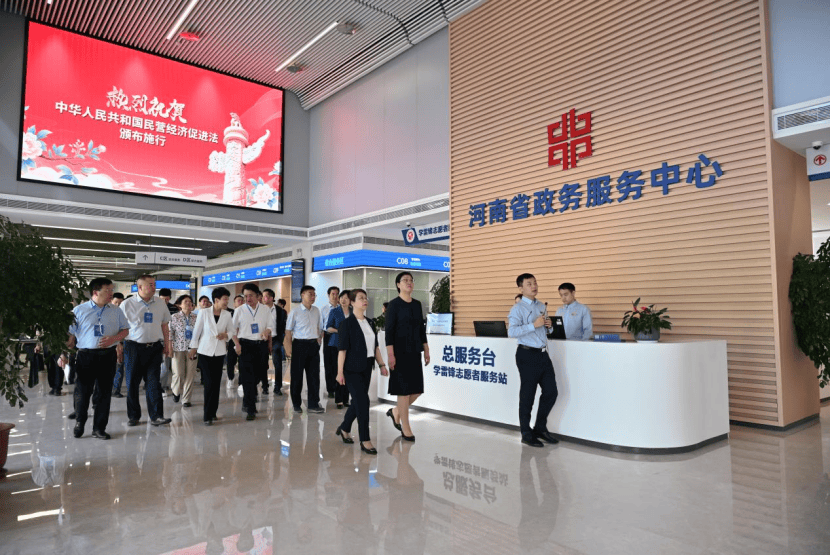
据了解,民营经济促进法是我国首部专门关于民营经济发展的基础性法律,第一次将"毫不动摇巩固和发展公有制经 济,毫不动摇鼓励、支持、引导非公有制经济发展""促进民营经济健康发展和民营经济人士健康成长"写入法律,第一 次明确民营经济法律地位,第一次明确规定"促进民营经济持续、健康、高质量发展,是国家长期坚持的重大方针政 策"。 活动现场,企业家们实地参观了省政务服务中心、了解了"12345"政务服务便民热线运行机制,并与省住房和城乡建设 厅行政审批办公室的相关负责人面对面交流。 省行政审批政务信息管理局党组书记、局长于燕介绍,政务环境是营商环境的重要组成部分,今年以来,河南省聚 焦"四高四争先",牢固树立大抓营商环境的鲜明导向,围绕融入服务全国统一大市场建设,将"高效办成一件事"作为 主抓手,擦亮"一网通办、一网通管、一窗收办"等服务品牌,为企业在豫发展打造办事多元、流程最优、材料最简、 成本最低的服务环境。 据介绍,目前,河南省推动上线22项"高效办成一件事",其中涵盖涉企事项13项,覆盖企业从开办到退出全生命周 期,横跨工程建设、交通运输等多个领域,服务企业650万家(次)。 依托省、市12345热线开设企业服 ...
民营经济促进法今起实施 川企代表畅谈发展新机遇
Zhong Guo Qing Nian Bao· 2025-05-20 15:52
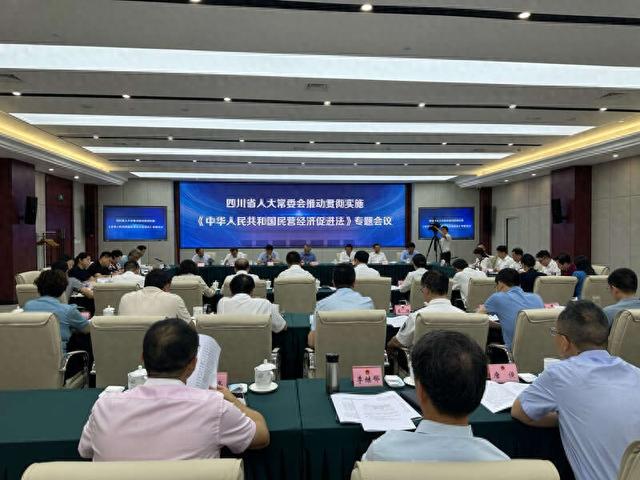
中青报·中青网记者 陈晓 5月20日,我国第一部专门关于民营经济发展的基础性法律──《中华人民共和国民营经济促进法》(以 下简称《民营经济促进法》)正式施行。 民营经济促进法将对四川民营企业和民营经济带来何种影响?四川企业对这部法律出台有何感受?他们 还有哪些建议?5月19日,四川省人大常委会举行推动贯彻实施《中华人民共和国民营经济促进法》专 题会议,9名民营企业家代表就促进民营经济促进法贯彻实施、推动全省民营经济高质量发展建言献 策。 大常委会推动贯彻实施《中华人民共和国民营经济促进法》专题会议现场。中青报·中青网记者陈晓/摄 "定心丸""强心针",代表们在发言和采访中多次提到这两个词。"信心比黄金更重要。"在四川科道芯国 智能技术公司董事长朱琳琳看来,出台民营经济促进法,是把信心呵护转化成法治力量,是促进民营经 济发展的根本性、长期性的大举措。 极米科技股份有限公司董事长钟波十分关注民营经济促进法立法进程,并亲眼见证民营经济促进法表决 通过的时刻。在他看来,这部法律正式颁布实施,将进一步推动我省的民营经济发展,创造更加公平、 公正、透明的市场竞争环境,激发创新活力和发展动力。 钟波提到的公平竞争的市场环境 ...
整理:5月20日欧盘美盘重要新闻汇总
news flash· 2025-05-20 15:49
Domestic News - The central bank governor emphasized the need for an appropriately loose monetary policy to meet the effective financing needs of the real economy and maintain reasonable growth in the total financial volume [1] - In April, the total electricity consumption in China reached 772.1 billion kilowatt-hours, a year-on-year increase of 4.7%. From January to April, the cumulative electricity consumption was 3,156.6 billion kilowatt-hours, up 3.1% year-on-year, with industrial power generation accounting for 2,984 billion kilowatt-hours [1] - The National Development and Reform Commission is working to further improve the institutional mechanisms that promote the development of the private economy [1] - Several banks have recently lowered the interest rates on fixed-term deposits and large-denomination certificates of deposit, with large-denomination products soon entering the "1 era" [1] - China successfully launched the Zhongxing 3B satellite, which is primarily used for voice, data, and broadcasting transmission services [1] International News - The Reserve Bank of Australia cut the benchmark interest rate by 25 basis points to 3.85%, marking a return to the "3" range for the first time in two years [2] - The Bank of Japan's report revealed market divisions, raising concerns about the liquidity crisis in ultra-long-term government bonds [2] - The European Union approved the 17th round of sanctions against Russia, with more sanctions in the pipeline [3] - The issuance of European bonds has surged at a record pace, surpassing one trillion euros [3]