
赛事经济

Search documents
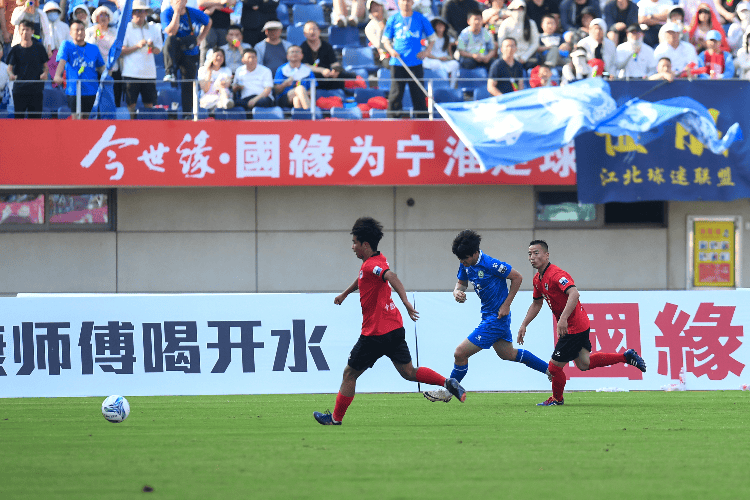
以体育赛事为引擎,激发消费新活力
Sou Hu Cai Jing· 2025-08-24 09:02
Group 1 - The core viewpoint emphasizes the importance of stimulating sports consumption demand and expanding sports consumption scenarios to better meet the upgrading needs of the public [2] - The total scale of China's sports industry reached 3.67 trillion yuan in 2023, with an average annual growth rate of 10.3%, and the added value reached 1.49 trillion yuan [2] - The proportion of sports service industry, led by competition performance and fitness leisure, increased from 68.7% in 2020 to 72.7% in 2023 [2] Group 2 - Sports activities can significantly boost related product and service demands, as well as promote the development of industries such as dining, transportation, and accommodation through sports tourism [3] - The "Su Super" league in Jiangsu has become a phenomenon, driving up consumption in local culture, food, and leisure, while also increasing sales of sports merchandise [3] - A survey indicated that 95.9% of spectators incurred additional expenses beyond ticket purchases, with average spending for out-of-town visitors ranging from 1,000 to 2,000 yuan [3] Group 3 - The State Council meeting highlighted that developing the sports industry and consumption is a crucial part of the strategy to expand domestic demand [4] - Key strategies to further unleash sports consumption potential include improving infrastructure, expanding consumption scenarios, and enhancing service quality [4] - It is essential to avoid homogenized competition by tailoring sports events to local economic development, social foundations, and resource endowments [4]

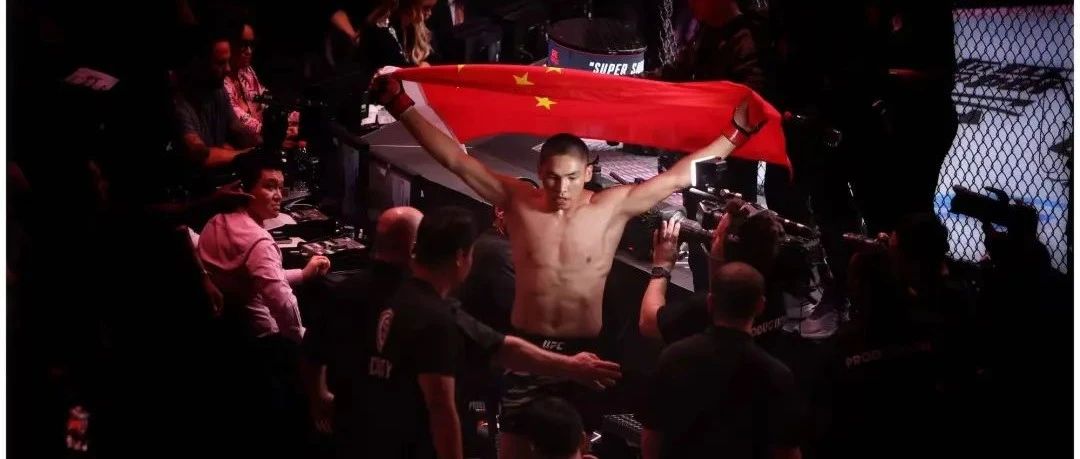
“门票不到一分钟售罄”!时隔6年,UFC重返上海
第一财经· 2025-08-24 08:52
Core Viewpoint - The article highlights the significance of the recent UFC event in Shanghai, marking a return to mainland China after six years, and emphasizes the growing popularity of MMA and UFC in the region, driven by local support and increasing fan engagement [4][10][18]. Group 1: Event Significance - The UFC event in Shanghai is part of the "Shanghai Summer" international consumption season, aiming to boost consumer confidence and economic activity through sports events [4][12]. - UFC President Dana White noted that the tickets for the Shanghai event sold out in under a minute, indicating strong demand and interest in MMA in China [4][12]. - Shanghai plans to host over 180 major international and domestic events this year, reflecting its commitment to becoming a global sports city by 2025 [12]. Group 2: UFC's Growth in China - UFC's investment in China, including the establishment of the Performance Institute (PI), has significantly contributed to its growth and the commercialization of MMA in the country [14]. - The UFC has over 7 million fans globally, with 155 million fans in China, showcasing the sport's expanding reach [15]. - The presence of champions like Zhang Weili has elevated the profile of MMA in China, inspiring new athletes and increasing participation in the sport [14][15]. Group 3: Future Plans - Dana White expressed confidence in the emergence of a male champion from China, which could further ignite interest in the sport [18]. - UFC plans to continue bringing more high-level events to China over the next five years, indicating a long-term commitment to the market [18]. - The article suggests that UFC is exploring opportunities for higher-tier events, such as digital fights, to be held in China [18].
UFC重返上海,一场赛事与一座城的共生密码
Di Yi Cai Jing· 2025-08-24 06:16
Core Insights - UFC's return to mainland China after six years marks a significant milestone for the organization, with plans for more high-level events in the next five years [1][8] - Shanghai is positioned as a key hub for UFC in Asia, supported by local government and sports authorities [2][5] - The growth of MMA and UFC in China is evident, with increasing fan engagement and athlete development [3][6] Group 1: Event and Market Dynamics - UFC's event in Shanghai sold out in under a minute, indicating strong demand and interest in MMA [1] - The Shanghai government aims to host over 180 major international and domestic events this year, enhancing the city's sports economy [1][5] - UFC's global strategy includes bringing events to various locations, emphasizing the importance of Shanghai as a destination for combat sports [2][4] Group 2: Financial Performance and Growth - UFC's parent company, TKO Group, reported a total revenue of $1.41 billion for 2024, a year-on-year increase of 8.8% [6] - The EBITDA for UFC reached $800 million, reflecting a 6.1% growth [6] - China is identified as a crucial revenue source for UFC, with 155 million fans in the country and significant engagement on social media platforms [6][7] Group 3: Athlete Development and Cultural Impact - Zhang Weili, a prominent Chinese MMA athlete, highlights the transformative impact of UFC on athletes' lives and the growing acceptance of MMA in society [3][7] - The establishment of Performance Institutes (PIs) in China supports the training and development of new talent [7] - UFC's commercial success in China is expected to create more opportunities for athletes and enhance the country's cultural representation on a global stage [7][8]
多维度解读·增速超10% 体育产业成国民经济中极具活力增长极
Yang Shi Wang· 2025-08-24 02:46
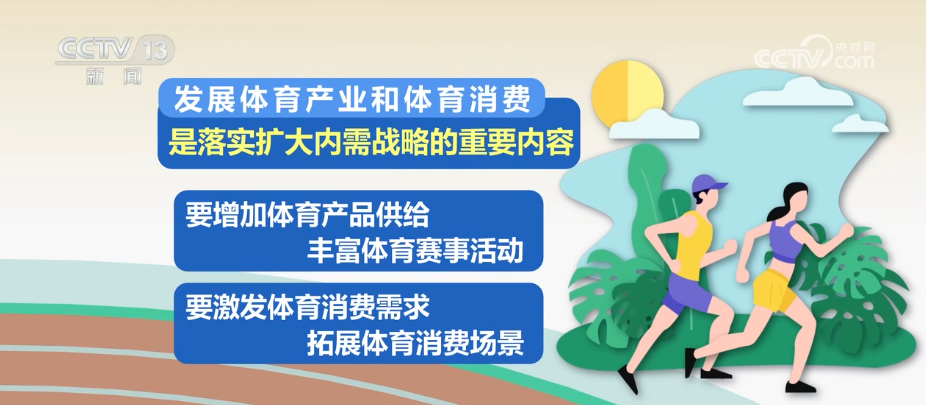
Core Viewpoint - The Chinese government is focusing on unlocking the potential of sports consumption and promoting high-quality development in the sports industry, emphasizing the need to cultivate new growth points and build a modern sports industry system [1][5]. Industry Growth - China's sports industry has seen an average annual growth rate of over 10% in the past five years, with significant developments in event economy, outdoor industry, and ice and snow economy, indicating substantial sports consumption potential [4]. - The sports industry is considered a crucial part of the strategy to expand domestic demand, with a focus on increasing the supply of sports products and enriching sports events [5][7]. Market Dynamics - The sports industry can directly stimulate economic growth and foster deep integration with manufacturing, services, culture, tourism, and health sectors, leading to new business models and optimizing industrial structure [5][7]. - The sports goods manufacturing industry is a vital foundation of the sports industry, with a growing and innovative product system catering to various groups and scenarios [7][11]. Product Development - China has developed a comprehensive product system for ice and snow equipment, covering all needs from individual to venue, and showcasing Chinese-made sports equipment at the 2024 Paris Olympics [9]. - The sports goods manufacturing sector comprises over 63,000 production units, with an annual output value exceeding 1 trillion yuan, accounting for 40% of the total sports industry scale [11]. Export and Competitiveness - In 2024, China's sports goods export is projected to reach nearly $28.4 billion, reflecting a year-on-year growth of 6.8%, enhancing international competitiveness and influence [11]. Event Economy - The rapid development of sports events, such as marathons, has significantly expanded the market for running shoes and apparel, indicating a growing trend in sports consumption driven by events [16][17]. - Regional cooperation in hosting events is seen as a key trend for developing the sports industry and creating regional brand events [19].
“小”比赛拉动“大”市场:赛事经济火爆出圈 显著拉动城市消费活力
Yang Shi Wang· 2025-08-23 08:19
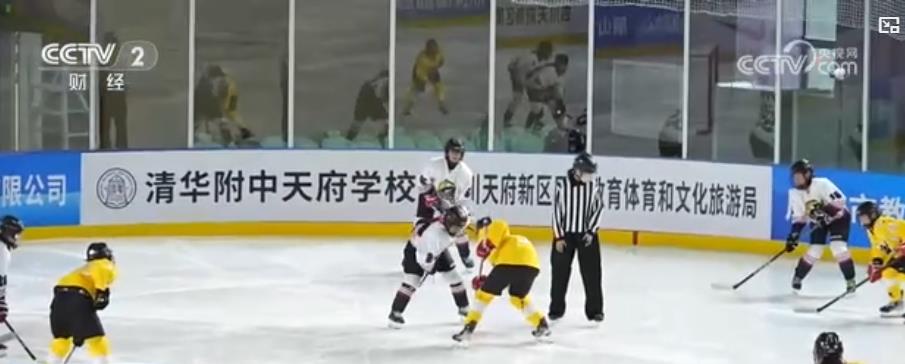
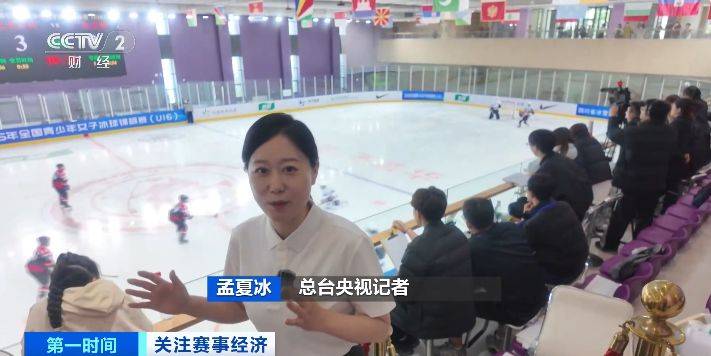
Core Insights - The sports economy is thriving this summer, with local events leveraging regional resources to stimulate larger markets [1] - The National Youth Women's Ice Hockey Championship in Meishan, Sichuan, attracted over 200 young athletes and significantly boosted local consumption [1][4] Economic Impact - The event generated over 5.5 million yuan in local dining and accommodation revenue, leading to a 58.37% increase in hotel occupancy rates [6] - Local consumption vouchers were introduced during the event, enhancing spending in accommodation, dining, shopping, and transportation [6] Equipment Demand - There is a rapid increase in demand for professional ice hockey equipment, both in physical stores and online platforms [6] - Sales of ice hockey helmets surged over 400% year-on-year, while ice hockey shoes saw a 195% increase [10]
“小”比赛拉动“大”市场!这个冰球赛拉动当地消费超550万元→
Sou Hu Cai Jing· 2025-08-23 06:48
Core Insights - The event economy is thriving this summer, with local competitions leveraging regional resources to stimulate larger markets [1] - The National Youth Women's Ice Hockey Championship in Meishan, Sichuan Province, attracted over 200 young athletes and significantly boosted local consumption [1][7] Event Details - The championship features 15 matches held over six days, with free tickets available through online reservations, leading to full attendance at every match [5] - The venue is the largest ice hockey competition site in Southwest China, covering an area of 1,800 square meters [3] Economic Impact - The event generated over 5.5 million yuan in local dining and accommodation consumption, with hotel occupancy rates increasing by 58.37% [7] - Local hotels reported nearly full occupancy, with dining services experiencing over 100 patrons per meal [9] Consumer Incentives - During the event, local authorities issued over 1,700 consumption vouchers, stimulating an additional 4 million yuan in spending [11][13] - The vouchers provided discounts on accommodation, dining, shopping, and transportation, further enhancing consumer activity [11]
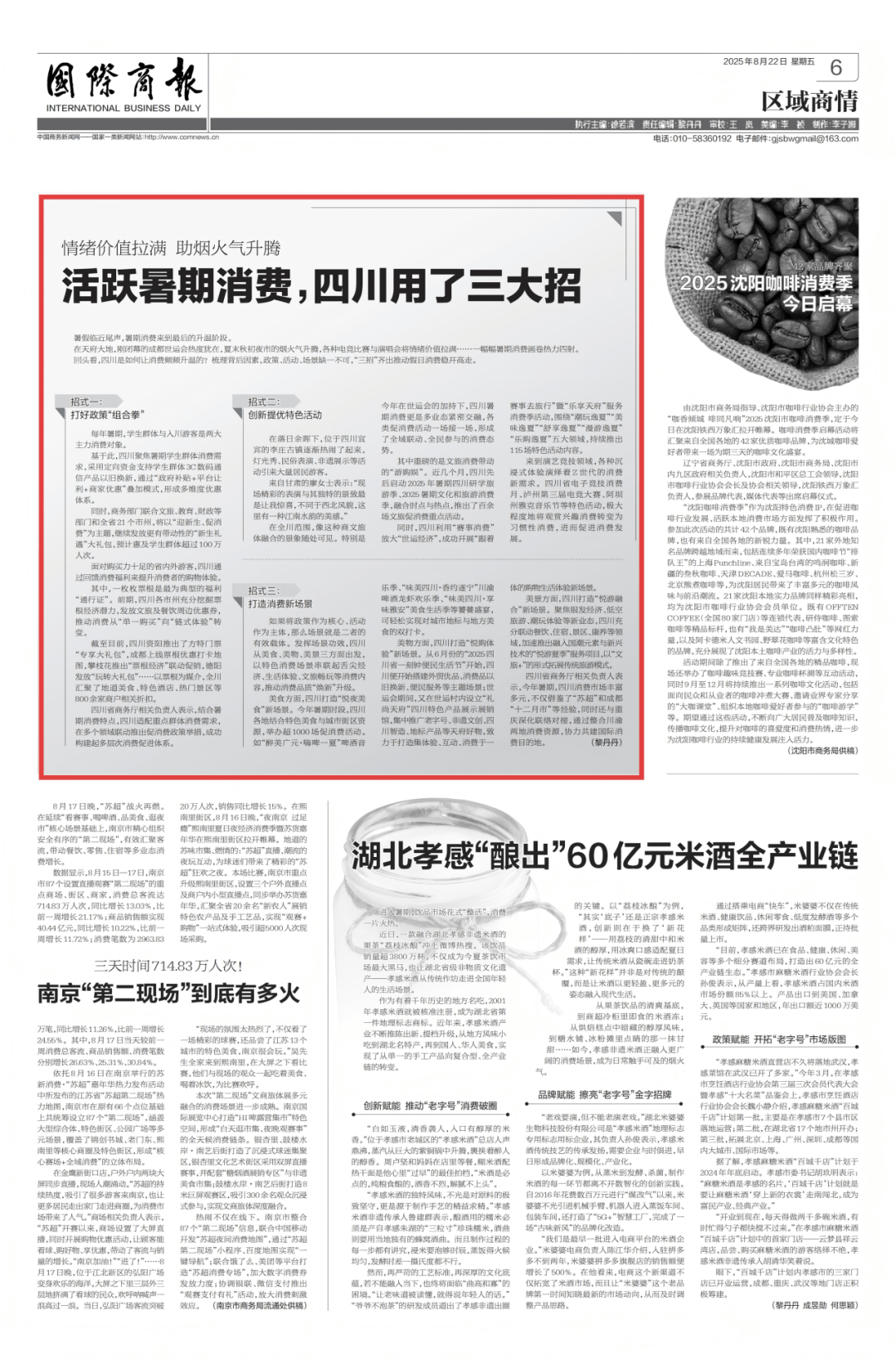
活跃暑期消费,四川用了三大招
Sou Hu Cai Jing· 2025-08-22 06:51
Core Viewpoint - Sichuan has implemented three key strategies to boost holiday consumption, leveraging policies, activities, and new consumption scenarios to stimulate economic growth during the summer season [8][9][10]. Group 1: Policy Initiatives - Sichuan focuses on student consumption by providing targeted financial support for 3C digital communication products through a combination of government subsidies, platform discounts, and merchant promotions, creating a multi-dimensional discount system [9]. - The government plans to distribute "new student benefits" packages to over 1 million students, enhancing the shopping experience for both local and visiting consumers [9]. - Various cities in Sichuan have launched promotional campaigns utilizing "ticket root economy," offering discounts at over 800 merchants, including local cuisine and popular tourist attractions [9]. Group 2: Innovative Activities - The province has organized numerous cultural and tourism events, including the "2025 Summer Cultural and Tourism Consumption Season," which features over 100 promotional activities [10]. - Events like the Sichuan Electronic Sports Month and the third Luzhou eSports Competition have transformed spectator interest into habitual consumption, significantly boosting local economic activity [10]. - The integration of cultural and tourism activities has created a vibrant atmosphere, attracting both residents and tourists to participate in various events [10]. Group 3: New Consumption Scenarios - Sichuan has developed new consumption scenarios focusing on food, goods, and scenic experiences, enhancing the quality of consumer engagement [11][12]. - Over 1,000 promotional activities have been organized around local cuisine, such as the "Drunken Beautiful Guangyuan" beer music season, which connects culinary experiences with urban landmarks [11]. - The province has introduced "Yue You Fusion" scenarios that incorporate elements of low-altitude tourism and modern technology, aiming to create a comprehensive shopping and lifestyle experience [12].
西湖:双浦“村BA”收官,带火文旅消费
Hang Zhou Ri Bao· 2025-08-22 02:27
下午5点,总决赛尚未开场,东江嘴村健身广场上已是一番热闹景象,一场汇聚双浦特色的乡村市 集提前聚拢人气。 省级非遗九曲红梅红茶、九曲红梅冰激凌、九曲红梅啤酒……走进市集,首先感受到的是迎面而来 的阵阵茶香。"没想到在双浦,茶叶能玩出这么多花样,不仅有常规认知的红茶,还有各种衍生产品, 非常新奇的一次体验。"从富阳特意赶来看球的球迷陈先生笑着说道。 总决赛现场,一名金发碧眼的姑娘吸引了大家的目光。原来,杭州国际青年创意营成员、"海外达 人"卡丽娜循着加油呐喊声,来到现场与球迷一起感受夏夜的火热激情。"我把今天逛市集和观赛的体验 拍成了视频,让更多粉丝和网友能感受民间赛事的风采,吹江风喝红茶看比赛,太惬意了!" "本届'村BA'上演了67场精彩比拼,现场观赛球迷破5万人次,现场服务的志愿者超400人次。"双浦 镇社会事务办负责人介绍道,"总决赛前,CBA明星球员孙铭徽为我们录制了呼吁文明观赛的视频,我 们也准备了文明观赛的手牌分发给球迷,在多方合力下,总决赛氛围热烈又井然有序,展现了乡村的文 明风貌。" 总决赛比赛现场 卡丽娜在市集玩嗨了 开场灯光秀、扣篮表演和硕大的电子屏幕,酷炫程度堪比全明星周末;锣鼓表演、村 ...

7月全社会用电量创新高 透过用电量突破看我国产业发展新趋势
Yang Shi Wang· 2025-08-22 01:57
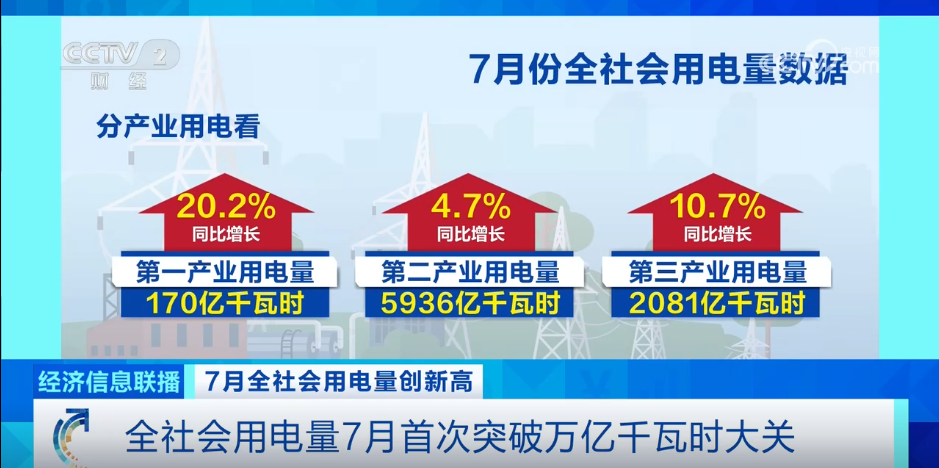
Core Insights - In July, China's total electricity consumption reached 10,226 billion kilowatt-hours, marking a year-on-year increase of 8.6%, and this is the first time monthly consumption has surpassed the trillion-kilowatt-hour mark [1][3] - The growth in electricity consumption reflects new trends in industrial development, driven by high temperatures and stable industrial production [1][3] Electricity Consumption by Sector - The primary sector consumed 17 billion kilowatt-hours, up 20.2% year-on-year; the secondary sector consumed 5,936 billion kilowatt-hours, up 4.7%; and the tertiary sector consumed 2,081 billion kilowatt-hours, up 10.7% [3][5] - The secondary sector's electricity consumption showed a continuous recovery, with a growth rate of 4.7%, an increase of 1.5 percentage points from the previous month [5] High-Technology and Service Industries - The electricity consumption in high-tech and equipment manufacturing industries is leading the growth, while the internet and related services saw a significant increase of 28.2% year-on-year [5] - The new energy vehicle manufacturing sector also experienced a substantial growth of 25.7% in electricity consumption [5] Emerging Consumption Drivers - New electricity consumption drivers include data centers, electric vehicle charging services, and the sports economy, particularly in regions like Zhejiang, Jiangsu, and Guangdong [5][9] - In Jiangsu, the restaurant industry's electricity consumption surged over 25% year-on-year, driven by events like local football leagues [7] Peak Load and Energy Management - High temperatures have led to record electricity loads in several regions, prompting the State Grid to enhance cross-regional power transmission and initiate residential energy-saving actions [10][11] - In Anhui, the peak load reached 68.57 million kilowatts, a 7.92% increase from the previous year, while Jiangsu's peak load also set a new record at 156 million kilowatts, up 6.12% year-on-year [11]
“苏超”是这样带动380亿元消费的
Jiang Nan Shi Bao· 2025-08-21 15:33
Core Insights - The "Su Super" event has significantly boosted local consumption, generating 38 billion yuan in economic value, showcasing the integration of sports with culture, tourism, and commerce [1] - The development of sports events has transitioned from government-led initiatives to market-driven and community-participated models, which is fundamental to their economic impact [2] - The "Su Super" event has catalyzed a series of promotional activities across Jiangsu, leading to substantial increases in consumer traffic and sales in various commercial areas [3] Group 1 - The "Su Super" event attracted over 60,000 attendees in a single match, contributing to a total consumption of 38 billion yuan across Jiangsu [1] - In the first half of the year, 511 key sports events across seven regions generated over 16 billion yuan in related consumption, averaging over 30 million yuan per event [1] - During the Hangzhou Asian Games, surrounding areas experienced consumption growth of over 40% [1] Group 2 - The "Su Super" event has seen vibrant participation, with nearly 25,000 fans attending a match in Taizhou, and related activities generating over 100,000 yuan in sales within three hours [2] - The "Su Super" event's viewing points across 16 commercial complexes attracted a total of 280,000 visitors, with a week-on-week increase of over 60% in foot traffic [2] - The "Su Super" event has led to a 13.03% year-on-year increase in consumer traffic and a 10.22% increase in sales in Nanjing's commercial areas during the event period [3]