通用人工智能

Search documents
3999美元入手“本地OpenAI”,这台「个人超算」可能“改变一切”
AI研究所· 2025-10-16 10:03
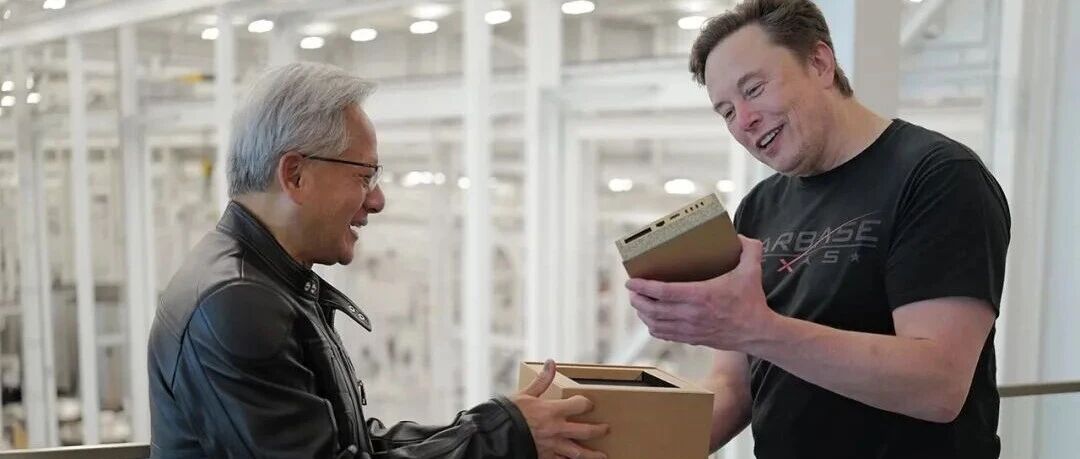
Core Viewpoint - NVIDIA has officially launched the DGX Spark personal AI supercomputer, priced at $3,999, marking a significant shift in AI computing capabilities from traditional data centers to personal devices [1][4]. Product Overview - The DGX Spark is a compact supercomputer that compresses the core capabilities of traditional data center supercomputers into a desktop-sized device, enabling personal ownership of AI computing power [4][6]. - It features NVIDIA's GB10 Grace Blackwell super chip, NVIDIA ConnectX®-7 200Gb/s network card, and NVIDIA NVLink™-C2C technology, providing up to 1 PFLOP AI performance [9]. - The system supports local execution of AI models with up to 200 billion parameters for inference and fine-tuning of models with 70 billion parameters, significantly reducing the cost and complexity of AI development [9][12]. Historical Context - The launch of DGX Spark follows a previous delivery of the DGX™-1 supercomputer to Elon Musk in 2016, showcasing the evolution of AI computing from large, expensive systems to affordable, compact solutions [10][11]. - The comparison between DGX-1 and DGX Spark highlights advancements in GPU architecture, performance, power consumption, and size, with the new model being significantly more efficient and accessible [11]. Market Implications - DGX Spark is positioned as a productivity tool for AI developers, enabling them to operate independently of cloud services, thus democratizing access to AI capabilities for startups and small teams [12][16]. - Despite its potential, there are criticisms regarding its performance claims, with some experts suggesting that its capabilities may not justify the price compared to traditional gaming PCs [12][13][14]. Conclusion - The DGX Spark represents a pivotal moment in AI computing, potentially igniting a new era of personal supercomputing and expanding opportunities for AI exploration and development [16].


苹果(AAPL.US)“桌面机器人”剑指特斯拉!大摩:一个规模超全球GDP数倍的市场正在打开
智通财经网· 2025-10-16 01:20
Group 1 - Apple plans to expand its production operations in Vietnam to manufacture next-generation smart home devices, including a desktop robot expected to launch around 2027 [1] - The desktop robot will feature a 9-inch display mounted on a motorized arm, designed to follow users and adjust angles during interactions, aimed at assisting with household or work tasks [1] - This move into consumer-grade desktop robotics may impact Tesla, as Apple collaborates with BYD for the assembly, testing, and packaging of the new smart home products [1] Group 2 - Morgan Stanley highlights Apple's decision as a significant moment in the transition of artificial intelligence from the digital realm to the physical world, suggesting unprecedented collaborations between tech and industrial companies [2] - The potential market for physical AI could exceed several times the global GDP of $115 trillion, with Apple, valued at $3.6 trillion, poised to have a decisive impact on the robotics sector [2] - The involvement of major tech companies in robotics, supported by advancements in general artificial intelligence, indicates an intensifying competition for top talent in AI and manufacturing [2]


重庆:“十四五”期间科技创新能级实现新跃升
Zhong Guo Xin Wen Wang· 2025-10-15 12:08
Core Insights - Chongqing has positioned technological innovation at the core of its development strategy during the "14th Five-Year Plan" period, aiming to enhance its innovation capabilities and drive high-quality development [1][2] Group 1: Investment and Innovation Capacity - Chongqing's total R&D investment has exceeded 80 billion yuan, with its comprehensive technological innovation index ranking first in Western China [1] - The city has implemented a "double increase" action plan for high-tech and technology-based enterprises, resulting in 9,123 high-tech companies and 75,600 technology-based enterprises, which are 2.1 times and 2.8 times the figures from 2020, respectively [2] Group 2: Innovation Platforms and Collaboration - Chongqing has established a city-wide innovation platform system, including 1,297 innovation base platforms, which have doubled since the end of the "13th Five-Year Plan" [1][2] - The city has accelerated the construction of a national technology transfer demonstration zone, significantly increasing the technology contract transaction volume to 97.424 billion yuan, more than five times the amount in 2020 [2] Group 3: Future Goals and Strategic Focus - Chongqing aims to build a nationally influential technological innovation center, enhancing the impact of innovation platforms and competitiveness in key industrial chains [3]
打造更高水平创新活力之城 杭州再出新政
Mei Ri Shang Bao· 2025-10-14 22:39
Group 1 - Hangzhou ranks 13th in the 2025 Global Innovation Index, marking a one-place increase from the previous year and maintaining a position in the top 15 for four consecutive years, highlighting the city's strong innovation identity [1] - The "Implementation Plan" aims to enhance the innovation ecosystem by increasing government investment in technology and stimulating various innovation entities, including enterprises, universities, research institutes, and healthcare organizations [1] Group 2 - By 2030, total technology innovation investment in Hangzhou is projected to reach 400 billion yuan, with R&D expenditure intensity increasing to 4.5% [2] - The plan sets specific targets for 2027, including a total technology innovation investment of 300 billion yuan, with over 100 billion yuan in R&D funding and government investment of 50 billion yuan [2] - Four key areas for government technology innovation investment have been established: research platforms, talent cultivation, concept verification centers, and technology incubators, aiming for these areas to account for 60% of government investment by 2027 [2] Group 3 - The plan emphasizes the importance of enterprises in driving innovation and sets a goal to cultivate 100 "new eagle" enterprises annually, while optimizing the structure of technology enterprises [3] - Support for enterprises includes promoting R&D funding systems and increasing coverage for R&D subsidies, with a target of 60% coverage for industrial enterprises' R&D institutions [3] - The plan also aims for at least 80% of city-level major technology projects to involve enterprises as leaders or participants, and it enhances the R&D funding system for state-owned enterprises [3] Group 4 - The "Implementation Plan" provides guidance for increasing innovation investment levels in universities, research institutes, and healthcare organizations, focusing on enhancing high-level innovation platforms [4] - It includes initiatives like the "Partner Program" for innovation platforms and the "Double Ten Platform" for technology achievement transformation in Hangzhou [4] - The plan outlines regulations for improving the organizational support for technology innovation investment [4]
智慧健康科技(01715.HK)拓展大健康、数字医疗、康养与全周期健康服务业务
Ge Long Hui· 2025-10-14 11:47
Core Insights - The company is responding to the growing opportunities in the health industry driven by global demographic changes and increasing health awareness, particularly in China, where the aging population and digital technology are expanding the "silver economy" market [1][2] Group 1: Business Expansion Strategies - The company aims to enhance its health-related business by focusing on the development of a comprehensive health service ecosystem that covers prevention, diagnosis, medication, rehabilitation, and care [1] - A new subsidiary, Shenzhen Can Dong Health Technology Co., Ltd., has been established to create an intelligent health management platform utilizing General Artificial Intelligence (AGI) and digital technology for real-time health data monitoring [1] - The platform will integrate features such as dynamic health monitoring, risk assessment, personalized health interventions, and medication reminders, with plans to connect to medical institutions and home care services [1] Group 2: High-End Healthcare and Elderly Care Industry - The company is actively expanding its business in the high-quality healthcare and elderly care sector by forming strategic partnerships with various enterprises to explore opportunities in biomedicine, rehabilitation care, and health management [2] - A joint venture has been established in Anhui to leverage resources in research, production, and distribution, with expectations of generating positive cash flow by 2026 [2] Group 3: Health and Personal Care Product Trade - The company recognizes the significant growth potential in the health and personal care product market for the elderly and plans to enhance its e-commerce presence while establishing a comprehensive supply chain [2] - Initial cooperation agreements have been reached with suppliers from various regions, aiming to introduce a diverse range of personal health care products, with stable revenue expected by Q4 2025 [2] Group 4: Strategic Importance and Future Outlook - The business expansion is a strategic move based on market trends and the company's resource advantages, focusing on a dual-driven model of "technology + health" and "products + services" [3] - The company plans to increase investments in digitalization, AGI, and biotechnology to enhance its service capabilities and industry competitiveness, aiming to create long-term sustainable value for shareholders and investors [3]
AI 如何听说读写?北航教授与顺义小学生畅聊何为人工智能
Xin Jing Bao· 2025-10-14 10:08
Core Insights - Beijing has introduced artificial intelligence general education courses for primary and secondary school students starting this fall, aiming to enhance understanding of AI and its implications in society [1][4] - The initiative is part of a broader effort to promote scientific literacy and the spirit of innovation among youth, aligning with the goals of Beijing's international technology innovation center [4] Group 1: AI Education and Development - The concept of artificial intelligence has evolved since around 1940, experiencing three waves of development, reflecting the persistent efforts of scientists [1][2] - Notable events in AI history, such as AlphaGo defeating human champions and the rise of ChatGPT, are highlighted to illustrate AI's advancements [1][2] - AI is described as a beneficial tool created by humans, with ongoing research addressing questions about AI consciousness, emotions, and ethical considerations [2][3] Group 2: AI Applications and Future Directions - AI technologies are being applied across various fields, including education, autonomous driving, healthcare, personal assistance, and e-commerce [2][3] - The speaker encourages students to think creatively and address real-life problems as a pathway for AI innovation and development [3] - The overarching message emphasizes that AI should serve humanity and contribute positively to society, urging students to learn and utilize AI for societal benefits [3][4]
2025全球十大工程成就发布!DeepSeek、人形机器人等入选
机器人圈· 2025-10-14 09:07
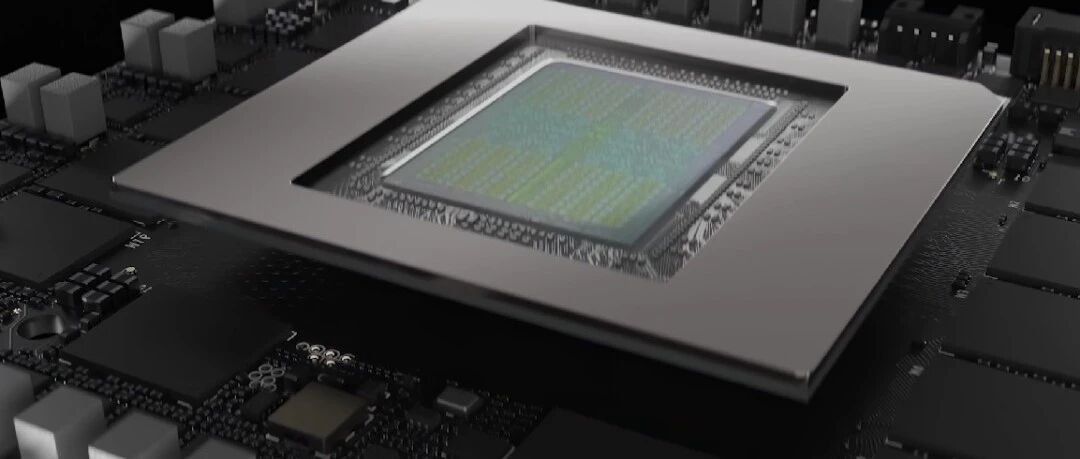
Core Viewpoint - The article highlights the announcement of the "2025 Global Top Ten Engineering Achievements," showcasing significant engineering innovations that have been completed in the last five years and have a global impact [3][5]. Group 1: Overview of the Achievements - The "2025 Global Top Ten Engineering Achievements" includes antibody-drug conjugates, Blackwell GPU architecture, DeepSeek open-source large language model, full ocean depth manned submersible, high-performance carbon fiber composites, humanoid robots, Perseverance Mars rover, Euclid space telescope, South-to-North Water Diversion Middle Route Project, and the Taklamakan Desert Locking Project [5][28]. Group 2: Detailed Descriptions of Selected Achievements - The Perseverance Mars rover, which landed on Mars on February 19, 2021, utilizes advanced technologies for autonomous navigation and sample collection, marking a significant step in the exploration of extraterrestrial life [7]. - The Euclid space telescope, launched on July 1, 2023, is designed to explore dark matter and dark energy, providing crucial insights into the early universe and cosmic evolution [9]. - The full ocean depth manned submersible "Limiting Factor" reached the Mariana Trench's Challenger Deep, demonstrating advancements in deep-sea exploration technology [12]. - The South-to-North Water Diversion Middle Route Project, operational since August 25, 2022, is a major cross-basin water diversion project in China, optimizing water resource allocation and promoting ecological restoration [14]. - The Taklamakan Desert Locking Project, completed on November 28, 2024, aims to combat desertification and protect surrounding ecosystems through innovative engineering solutions [17]. Group 3: Technological Innovations - The Blackwell GPU architecture, released in March 2024, significantly enhances AI computational efficiency and energy efficiency, supporting the training and inference of trillion-parameter models [19]. - The DeepSeek open-source large language model, launched between December 2024 and January 2025, aims to democratize AI technology and accelerate its integration across various industries [21]. - High-performance carbon fiber composites are revolutionizing manufacturing with their lightweight and high-strength properties, impacting sectors such as aerospace and renewable energy [28]. Group 4: Characteristics of the Achievements - The achievements reflect advanced technological levels and significant breakthroughs in engineering, showcasing innovations that push the boundaries of current capabilities [28]. - They demonstrate systemic innovation through technology integration and resource collaboration, as seen in the Perseverance rover and humanoid robots [28]. - The projects highlight the potential to drive new industries and economic growth, particularly in materials science and AI applications [29].
OpenAI万亿美元砸向算力
2 1 Shi Ji Jing Ji Bao Dao· 2025-10-13 23:17
Core Insights - OpenAI is expanding its product and business landscape by planning to invest a total of $1 trillion in building an AI computing network [1] - The recent partnership with AMD involves deploying 6 GW of AMD GPU chips, with the first phase of 1 GW set to begin in the second half of next year [1][2] - The collaboration includes a unique "equity-for-chips" model, allowing OpenAI to purchase up to 160 million shares of AMD stock at a price of $0.01 per share [1] Investment and Partnerships - OpenAI has signed agreements worth up to $1 trillion this year with various companies, including AMD, NVIDIA, Oracle, and CoreWeave, highlighting its intense pursuit of computing power [2] - NVIDIA announced a $100 billion investment to support OpenAI's next-generation AI model deployment, with at least 10 GW of NVIDIA systems planned [2] Industry Context - The race for general artificial intelligence has made computing power a critical resource in the AI technology competition [3] - Other tech giants are also heavily investing in AI supercomputing, with Meta building a 5 GW data center cluster, and Amazon investing approximately $11 billion in its Trainium 2 chip [4] Competitive Landscape - AMD's main competitor, NVIDIA, has a stronghold in the AI framework ecosystem, which poses a challenge for OpenAI as it seeks to diversify its computing supply [4] - OpenAI's large-scale procurement of AMD GPU chips could provide significant support for AMD's chip and software development, potentially challenging NVIDIA's market dominance [4] Technological Advancements - OpenAI's Sora 2 video model represents a significant leap in AI video generation technology, introducing a "World Simulation Model" that simulates real-world physics and logic [5][6] - The launch of Sora 2 has sparked discussions around copyright and ethical issues, as it raises concerns about creator rights [6] Business Strategy - OpenAI is moving beyond being a traditional model supplier and aims to create a complete ecosystem from computing power to content [7] - The company is actively expanding its enterprise market presence through collaborations with companies like Spotify and Zillow, indicating a shift towards a more integrated business model [7] Financial Challenges - Despite being a capital magnet in the AI industry, OpenAI faces significant financial challenges, with projections indicating a loss exceeding $5 billion by 2025 [8] - The ambitious $1 trillion investment in AI infrastructure raises questions about potential investment bubbles, although OpenAI's CEO acknowledges the existence of "bubble-like" conditions in the AI sector [9] Future Outlook - OpenAI's substantial investments in computing power and product development may position it to navigate the commercialization challenges faced by AI companies [10]

股价飙升超10%!OpenAI与博通再签重磅协议:计划未来四年合作部署10千兆瓦定制化芯片和网络设备64
美股IPO· 2025-10-13 16:03
Core Insights - OpenAI has signed a multi-year agreement with Broadcom to deploy 10 gigawatts of AI data center capacity, marking a significant step into the era of large-scale AI infrastructure [1][3][6] - This agreement follows OpenAI's previous deals with Nvidia and AMD, highlighting the increasing demand for computational power in the AI industry [3][10] Agreement Details - OpenAI will handle hardware design while Broadcom will focus on development and manufacturing, with server rack deployment expected to start in the second half of 2026 and complete by the end of 2029 [3][6] - The scale of 10 gigawatts is equivalent to the electricity consumption of over 8 million American households and represents a shift towards industrial-scale AI infrastructure [6][10] Market Impact - Following the announcement, Broadcom's stock price surged over 10% in trading [3] - Broadcom has seen its stock price increase nearly sixfold since late 2022, benefiting significantly from the generative AI boom [9][13] Competitive Landscape - The collaboration positions OpenAI alongside major cloud computing players like Alphabet and Amazon in the custom chip development arena, aiming to reduce reliance on Nvidia's expensive processors [9][10] - Broadcom's custom AI chips, referred to as XPU, are in high demand, with a reported $10 billion order from an unnamed new client, speculated to be OpenAI [9][12] Future Outlook - OpenAI's CEO Sam Altman indicated that even with 10 gigawatts, the company is still far from achieving its goal of general artificial intelligence, suggesting that this is just the beginning [8][16] - The company currently operates just over 2 gigawatts of computational capacity, which is sufficient for its existing services but not enough to meet the rapidly growing demand [17][18]

OpenAI砸万亿美元搞算力
2 1 Shi Ji Jing Ji Bao Dao· 2025-10-13 10:11
Core Insights - OpenAI has entered a multi-billion dollar partnership with AMD to deploy 6 GW of AMD GPU chips, which is equivalent to the electricity consumption of 5 million American households [1][6] - The collaboration includes a unique "equity for chips" model, allowing OpenAI to purchase up to 160 million shares of AMD stock at $0.01 per share, with a target stock price of $600 [2][12] - OpenAI's ambition is to build a 250 GW AI infrastructure by 2033, highlighting the intense competition for computing power in the AI industry [6][12] AMD and OpenAI Partnership - The initial deployment of 1 GW of AMD MI450 GPU chips is set to begin in the second half of next year, with projections of generating over $100 billion in new revenue for AMD over the next four years [1][2] - AMD's stock surged over 36% following the announcement, marking its largest single-day gain in nine years and increasing the company's market value by nearly $80 billion [2][12] AI Computing Power Race - OpenAI's partnership with AMD is part of a broader trend where major tech companies are investing heavily in AI computing infrastructure, with OpenAI signing deals worth up to $1 trillion this year [6][7] - Competitors like Nvidia, Meta, and Amazon are also making significant investments in AI infrastructure, indicating a fierce race for computing resources [6][7] Sora 2 Video Model Launch - OpenAI introduced the Sora 2 video model and Sora App, which allows users to create videos with advanced features, making AI video generation accessible to non-experts [9][10] - The Sora 2 model represents a significant advancement in AI video technology, simulating real-world physics and enabling rapid action control for users [9][10] OpenAI's Business Strategy - OpenAI is expanding its partnerships across various industries, including collaborations with Spotify and Zillow, to integrate AI products into diverse market scenarios [12][13] - The company aims to create a complete ecosystem from computing power to content, moving beyond traditional model supplier roles [12][13] Financial Challenges - Despite its growth and partnerships, OpenAI faces significant financial challenges, with projections indicating a loss exceeding $5 billion by 2025 and a total funding requirement rising from $35 billion to approximately $114 billion by 2026 [13][14] - The company is navigating the potential for an investment bubble in the AI sector while striving to demonstrate real value creation [14][15]