双碳目标

Search documents
中电联:预计2026年太阳能发电装机规模将首次超过煤电
2 1 Shi Ji Jing Ji Bao Dao· 2026-02-02 08:41
Group 1: Power Consumption Forecast - The report predicts that national electricity consumption will grow by 5%-6% year-on-year in 2026, reaching approximately 10.9 to 11 trillion kilowatt-hours [1] - The expected GDP growth of around 5% in 2026, along with the elasticity of electricity consumption, supports this consumption growth forecast [1] - The peak electricity load for the year is anticipated to be between 1.57 to 1.63 billion kilowatts [1] Group 2: Power Supply Forecast - The report indicates that by the end of 2026, the installed capacity of solar power will surpass that of coal power for the first time, with wind and solar combined accounting for about half of the total installed capacity [2] - It is expected that over 400 million kilowatts of new generating capacity will be added in 2026, with more than 300 million kilowatts coming from renewable energy sources [2] - The total installed capacity is projected to reach around 4.3 billion kilowatts, with non-fossil energy sources making up 2.7 billion kilowatts, representing 63% of the total [2] Group 3: Power Supply and Demand Balance - The report forecasts a general balance between power supply and demand in 2026, with localized tightness during peak periods that can be mitigated through inter-provincial and inter-regional cooperation [3] - During summer, certain regions like Southwest, Central China, and East China may experience tighter supply-demand balance, while winter conditions are expected to maintain overall balance [3] - Extreme weather or tight primary energy supply could lead to temporary imbalances, but coordinated efforts on both supply and demand sides are expected to ensure stable electricity supply [3]

上海建工开创科技文化场馆“新旧融合”更新模式
Sou Hu Wang· 2026-02-02 08:32
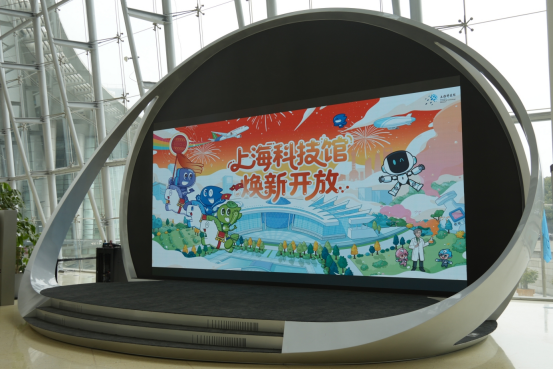
Core Insights - The Shanghai Science and Technology Museum has undergone a significant systematic upgrade, introducing a "new-old integration" model that preserves the main structure while modernizing the mechanical and electrical systems, setting a replicable benchmark for similar venues in China [1][4][11] Group 1: Project Overview - The upgrade project, initiated in 2023, is the largest systematic renovation since the museum's opening in 2001, focusing on the theme of "Nature, Humanity, and Technology" to create a world-class science and technology museum [3][4] - The total investment for the renovation is approximately 820 million yuan, with construction divided into two main phases: building repairs and exhibition updates, expected to be completed by December 2025 and January 2026, respectively [4][6] Group 2: Renovation Details - The renovation involves a total area of 100,600 square meters for building repairs and 21,000 square meters for exhibition updates, making it the largest single renovation project among global science museums [4][6] - The museum will feature ten themed exhibition areas, including "Rainforest Secrets" and "Material Cube," along with a 1,300 square meter "Future Innovation Camp" educational space [6][7] Group 3: Goals and Innovations - The renovation aims to achieve four main objectives: being more advanced, smarter, more integrated, and greener, reflecting a new exploration in science display and public education [7][9] - The project incorporates advanced digital technologies for an interactive and immersive experience, enhancing visitor engagement through smart systems for navigation and exhibit management [9][11] Group 4: Environmental and Economic Impact - The renovation aligns with carbon neutrality goals, utilizing green building technologies to improve energy efficiency by over 15%, and includes a rainwater recycling system expected to save approximately 7,990.9 cubic meters of water annually [9][11] - This project not only enhances public cultural facilities but also strengthens Shanghai's position in technology, culture, and urban development, contributing to the growth of related industries and improving the city's international image [11]


瑞浦兰钧首现年度盈利,双轮驱动战略开启成长强周期
Zhi Tong Cai Jing· 2026-02-02 08:12
Core Viewpoint - RuiPu LanJun (00666) has announced its first profit forecast since its listing, expecting a net profit of RMB 630 million to RMB 730 million for the year ending December 31, 2025, marking a turnaround from a net loss of RMB 1.353 billion in 2024, driven by increased battery shipments and improved cost efficiency [1][3] Group 1: Financial Performance - The company is set to achieve a significant profit turnaround, with a projected net profit of RMB 630 million to RMB 730 million for 2025, compared to a net loss of RMB 1.353 billion in 2024 [1] - The positive financial outlook is attributed to two main factors: increased shipments of power and energy storage batteries, and enhanced capacity utilization along with cost reduction measures [1][3] Group 2: Market Position and Product Development - In the power battery sector, RuiPu LanJun's products cover various applications including passenger vehicles, commercial vehicles, and engineering machinery, establishing stable partnerships with leading domestic and international automakers [1] - The company has achieved a 78.5% year-on-year increase in power battery shipments, reaching 13.53 GWh in the first half of 2025, ranking seventh in domestic lithium iron phosphate battery installations [1] - In the new energy heavy truck battery market, the company has seen a 278.74% year-on-year increase in battery installations, securing a market share of 8.14%, maintaining the second position nationally [2] Group 3: Technological Innovation and R&D - RuiPu LanJun has established three R&D centers in Shanghai, Wenzhou, and Jiashan, employing 1,072 R&D personnel and holding 2,977 patents as of June 30, 2025 [2] - The company’s flagship 54Ah power battery cell has become a benchmark in the hybrid market, while its 392Ah energy storage cell has passed extreme safety tests, demonstrating a cycle life exceeding 10,000 times [2] Group 4: Industry Context and Future Outlook - The company benefits from a unique supply chain synergy with Qingshan Group, which provides stable and cost-effective raw material supplies, enhancing its bargaining power amid raw material price fluctuations [3] - With the global energy transition accelerating and increasing penetration of new energy vehicles, RuiPu LanJun is well-positioned to leverage its technological and supply chain advantages for future growth [3] - The company aims to focus on core technology iterations, expand high-capacity energy storage cell development, and optimize its cost structure while mitigating geopolitical risks [3]
媒体报道丨国家能源局:“十五五”期间将加大氢能政策支持力度
国家能源局· 2026-02-02 05:20
Core Viewpoint - The article emphasizes the strategic importance of hydrogen energy in China's future energy system, highlighting its role in achieving carbon neutrality and promoting innovation across various industries [2][3]. Group 1: Policy and Planning - The National Energy Administration (NEA) will collaborate with the National Development and Reform Commission to enhance hydrogen energy industry planning and policy support during the 14th Five-Year Plan period [2]. - Key initiatives include strengthening core technology research, advancing hydrogen energy pilot projects, establishing a standard certification system, and deepening international cooperation [2][3]. Group 2: Industry Development - Hydrogen energy is recognized as a crucial component of the new energy system, contributing significantly to the development and consumption of renewable energy [3]. - By the end of 2025, China's renewable energy hydrogen production capacity is expected to exceed 250,000 tons per year, marking a doubling from the previous year [3]. - Several projects in regions such as Xinjiang, Ningxia, Inner Mongolia, and Jilin have been completed, facilitating a more integrated hydrogen production, storage, and application process [3].

2026绿色氢氨醇油技术论坛举办
Guo Ji Jin Rong Bao· 2026-02-02 04:45
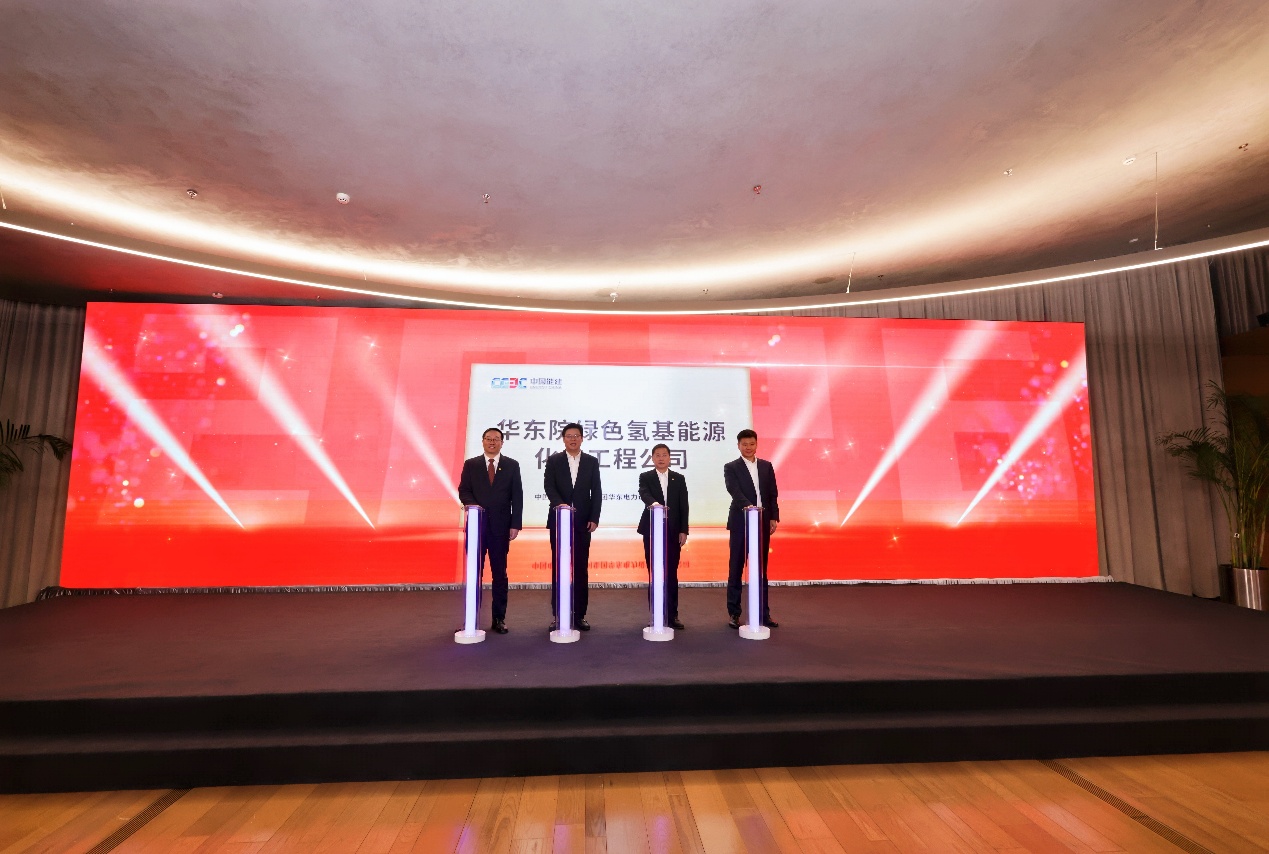
Core Viewpoint - The establishment of the Green Hydrogen-based Energy Chemical Engineering Company by the East China Electric Power Design Institute marks a significant step towards advancing green hydrogen energy initiatives in China, aligning with national strategies for energy transformation and carbon neutrality goals [1][4][6]. Group 1: Company Initiatives - The newly formed Green Hydrogen-based Energy Chemical Engineering Company aims to create a specialized platform for hydrogen energy engineering and consulting, leveraging existing research and practical experience [3]. - The company will focus on key technologies such as biomass pretreatment, gasification, green certification, and product transportation, contributing to various domestic and international green hydrogen projects [3]. - The company is positioned to enhance innovation in areas like renewable energy consumption, low-carbon coal power, and carbon capture utilization [3]. Group 2: Industry Context - The forum themed "Green Hydrogen Builds the Foundation, Energy Creates the Future" gathered experts and industry leaders to discuss the development paths, technological directions, and application prospects of new energy forms represented by green hydrogen [3]. - The Chief Scientist of China Energy Construction emphasized that green hydrogen energy is a crucial pathway for energy system transformation and deep decarbonization in China [4]. - The East China Electric Power Design Institute is committed to strengthening technological research and design, ensuring advanced capabilities in the green hydrogen fuel sector [4]. Group 3: Regional Support - The Deputy District Mayor of Putuo District highlighted the East China Electric Power Design Institute's contributions to the energy sector and its role in supporting local industrial development [5]. - The establishment of the new company is seen as a proactive response to national strategies and a strategic move to seize opportunities in the green low-carbon industry [5]. - Putuo District will actively support the development of the Green Hydrogen-based Energy Chemical Engineering Company, facilitating the transformation of forum outcomes into practical projects in the hydrogen energy sector [5]. Group 4: Future Directions - The East China Electric Power Design Institute plans to focus on core technology innovation and engineering practice in the green hydrogen energy sector [6]. - The company aims to foster an open and cooperative industrial ecosystem to reduce costs and promote large-scale applications of green hydrogen technologies [6]. - Emphasis will be placed on team building, leveraging a structure that combines experienced professionals with new talent to enhance service capabilities across the entire industry chain [6].
首程控股(00697)投资华夏中核清洁能源REIT 加码基础设施资产领域
智通财经网· 2026-02-02 04:16
Core Viewpoint - The investment by the company in the 华夏中核清洁能源 REIT represents a significant step towards the valuation reassessment and revitalization of high-quality clean energy infrastructure assets, contributing to the high-quality development of the clean energy industry and the improvement of the green financial system [1] Group 1 - The investment is made through the company's wholly-owned subsidiary, 首程基石, in the 华夏中核清洁能源 REIT, which is backed by the Xinjiang 波波娜 Hydropower Station, the largest operational hydropower project in the region [1] - The successful listing of the 华夏中核清洁能源 REIT aligns with national REITs strategic deployment and "dual carbon" policy goals, serving as an innovative practice for social capital participation in green energy infrastructure construction [1] - The company plans to continue increasing its investment in China's smart infrastructure asset sector, leveraging its first-mover advantage in the REITs field and collaborating with leading industry players to create a closed-loop management service for the entire lifecycle of smart infrastructure assets [1]
以地热能支撑零碳园区建设——专访万江新能源股份有限公司董事长陈泽民
Zhong Guo Neng Yuan Wang· 2026-02-02 03:39
Core Viewpoint - Geothermal energy is gaining traction as a clean, efficient, and stable renewable energy source in the context of China's "dual carbon" goals, with expanding application scenarios and significant opportunities for development in the energy sector [1][2]. Industry Development - China possesses approximately 1/6 of the global geothermal resources and leads in direct utilization, accounting for about 37.7% of the global total [2]. - The development of geothermal energy technology has advanced significantly, with innovations such as containerized geothermal power generation reducing construction time to 1/10 and costs to 1/2 compared to international standards [2]. - The shift towards geothermal energy is crucial for achieving carbon neutrality and enhancing energy security, especially given China's reliance on imported fossil fuels [2]. Zero Carbon Park Construction - The construction of zero carbon parks presents new opportunities for geothermal energy, with the EU's carbon border adjustment mechanism emphasizing the importance of sustainable energy supply systems [3]. - Notable projects include the Liaoning Shenyang Sino-German High-end Equipment Manufacturing Industrial Park and the Zhengzhou Airport Economic Zone, which utilize geothermal energy for clean heating solutions [3]. Economic Benefits - Implementing geothermal heating in buildings can save significant amounts of natural gas and reduce energy expenditures, with estimates suggesting a savings of approximately 3 billion yuan annually for every 100 million square meters of buildings [4]. - The transition to geothermal energy not only lowers carbon emissions but also significantly reduces operational costs, as demonstrated in projects like the one in Xinxiang, Henan [4]. Future Prospects - The geothermal industry is expected to develop into a distinctive industrial cluster worth over 100 billion yuan, driven by continuous technological advancements and supportive government policies [5]. - The growth of the geothermal sector is anticipated to encompass a wide range of applications, including residential heating, hospitals, schools, and industrial uses, contributing to new economic growth points and production capabilities [5].

免费注册参会!生物基化学品与材料专场,3月杭州,第五届中国合成生物学及生物制造大会
synbio新材料· 2026-02-02 03:35
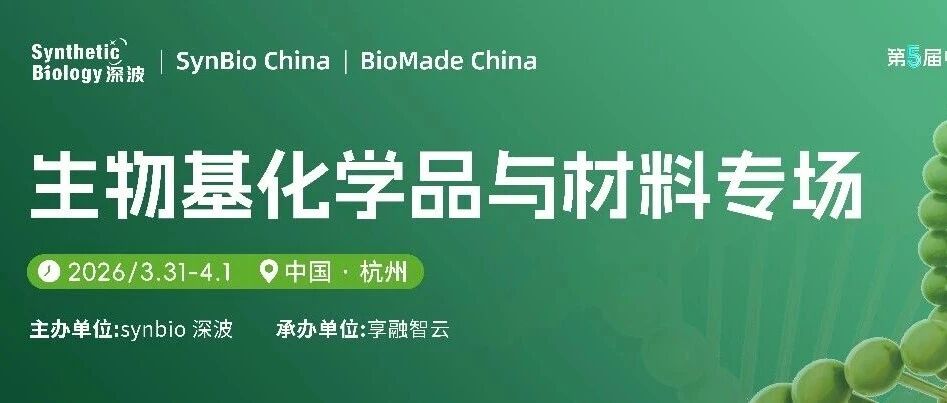
在全球推进绿色转型与"双碳"目标的战略背景下,生物基化学品与材料作为生物制造产业的核心支 柱,凭借原料可再生、全生命周期低碳环保等核心优势,正加速替代传统石油基产品,在包装、纺 织、汽车等领域展现出广阔应用前景,成为全球产业绿色转型的关键赛道。 我国高度重视该领域发展,将生物基新材料列为关键战略材料,多项产业扶持政策持续落地。然 而,产业仍面临包括综合成本竞争力、原料供应链稳定、产品性能优化及终端市场接受度等关键问 题。 基于此, 2026年3月31日-4月1日 ,"第五届中国合成生物学及生物制造大会"将在杭州举办,其中设 置 【 生物基化学品与材料专场】 ,旨在汇聚产学研用多方智慧,破解产业发展难题,助力生物基 化学品与材料产业高质量发展。 大会介绍 0 1 大会时间 | 2026年3月31日-4月1日 大会地点 | 杭州市 大会规模 | 1000人 主办单位 | synbio深波 承办单位 | 享融智云 媒体支持 | synbio新农食、synbio新美护、synbio新材料、生物制造圈、合成生物学俱乐部 扫码 免费 报名参会 ↓↓↓ 论坛设置 0 2 拟定话题 0 3 *以大会现场实际议程为准 王女士 ...
南网能源(003035) - 003035南网能源投资者关系管理信息20260202
2026-02-02 01:14
Group 1: Business Strategy and Transformation - The company aims to implement "service doubling" and "energy-saving doubling" initiatives to expand market opportunities and enhance service capabilities [2][3] - Establishment of a digital service company to focus on comprehensive energy digital operations and maintenance services, transitioning from a single "investment holding" model to a dual focus on "lean investment + high-end services" [3][4] - The company is enhancing its core competencies in comprehensive energy engineering services and digitalization through strategic partnerships and acquisitions [3][6] Group 2: Zero Carbon Initiatives - The company is actively developing multiple zero-carbon projects, including the Guangzhou Industrial Control Zero Carbon Park and the Guizhou Power Grid Innovation Park [4][5] - National policies are supporting the development of zero-carbon parks, aligning with the company's strategic shift towards "lean investment + high-end services" and expanding its energy-saving and carbon reduction business [5][6] - The company has established a strong brand in energy-saving services, supported by a team of experts and a comprehensive service experience [5][6] Group 3: Financial Performance and Growth Projections - The company expects to achieve profitability by 2025, driven by stable growth in the energy-saving business and improved performance of biomass projects [6][7] - The company plans to strengthen its core business and identify new growth areas by establishing a tiered industrial system that integrates mature, incremental, and new business models [7][8] Group 4: Future Business Development Plans - In 2026, the company will focus on expanding its mature business, optimizing marketing channels, and enhancing project management efficiency to solidify its market position [8][9] - The company aims to deepen its incremental business by developing green building solutions and innovative business models that leverage technology and service integration [9][10] - Exploration of new business avenues such as hydrogen energy and the establishment of a future business incubation mechanism to extend into high-value industries [9][10]
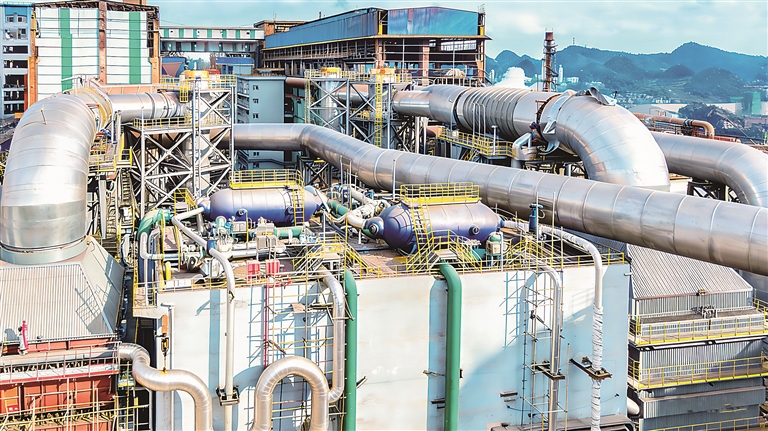
走近大国重器丨用二氧化碳发电——探访“超碳一号”示范工程
Zhong Yang Ji Wei Guo Jia Jian Wei Wang Zhan· 2026-02-02 00:51
Core Viewpoint - The "Supercritical Carbon Dioxide" (S-CO2) power generation technology, developed by China National Nuclear Corporation (CNNC), has successfully transitioned from laboratory to commercial application, marking a global first in utilizing supercritical CO2 for power generation [7][17]. Group 1: Technology Overview - The S-CO2 power generation system can improve power generation efficiency by over 85% and increase net power output by more than 50% compared to traditional steam-based systems [8]. - The technology simplifies the system, reduces equipment requirements, and cuts operational space by 50% [8]. - The process involves compressing, heating, expanding, and cooling supercritical CO2, which operates at temperatures above 31°C and pressures exceeding 73 standard atmospheres [10]. Group 2: Development Journey - The development of S-CO2 technology began in 2009, with the team facing significant challenges due to a lack of existing research and experience in this field [11]. - The team overcame various technical hurdles, including creating a unique sealing structure to prevent leaks under high temperature and pressure conditions [12]. - The project took nearly a decade to develop a comprehensive dynamic control system to ensure efficient operation [12]. Group 3: Commercial Application and Impact - The "Supercarbon One" demonstration project has been operational since December 20, 2025, at Shougang Water Steel, successfully converting waste heat from steel production into clean electricity [9][17]. - The project is expected to generate an additional 70 million kWh of electricity annually, increasing revenue by nearly 30 million yuan and reducing carbon emissions by several tons [17]. - The technology is positioned to support China's "dual carbon" goals and is included in key national energy innovation plans [15][18]. Group 4: Future Prospects - The CNNC plans to expand the application of S-CO2 technology to various energy sources, including thermal, nuclear, and renewable energy systems, aiming for modular and intelligent power generation solutions [17]. - A 50 MW demonstration project combining molten salt storage with S-CO2 power generation is set to begin in 2024, highlighting the ongoing commitment to innovation in this field [18].