绿色转型

Search documents
安徽出台有色金属产业升级方案!优化国有企业考核机制,强化资源开发与技术创新导向
Xin Lang Cai Jing· 2026-01-19 13:16
Core Viewpoint - The Anhui Provincial Manufacturing Strong Province Construction Leading Group Office has issued the "Implementation Plan for the Optimization and Upgrading of the Nonferrous Metal Industry in Anhui Province," aiming for the nonferrous metal industry revenue to exceed 500 billion yuan by 2027, with the cultivation of two trillion-level industries in copper and aluminum, and two hundred billion-level industries in magnesium and lead, along with the addition of four hundred billion-level enterprises [3][4][14]. Group 1: Industry Goals - The plan sets a target for the nonferrous metal industry to achieve a revenue of over 500 billion yuan by 2027, focusing on optimizing the copper industry, expanding the aluminum and magnesium industries, and enhancing other sectors like molybdenum and lead [3][6][16]. - The strategy includes the establishment of a "1+2+N" industrial layout, which emphasizes the improvement of the copper industry and the growth of aluminum and magnesium industries [3][4][14]. Group 2: Key Tasks - The plan outlines 14 specific measures across five areas: optimizing industrial structure, promoting green transformation, expanding effective investment, strengthening standard leadership, and optimizing the industrial ecosystem [4][14][18]. - Key tasks include enhancing innovation capabilities, developing deep processing, and ensuring mineral resource security, with a focus on collaborative development between smelting and processing [7][17]. Group 3: Green Transformation - The plan emphasizes energy conservation and carbon reduction, promoting green and low-carbon technologies, and establishing a green supply chain management system for nonferrous metal production [8][19]. - It aims to implement a clean production audit and certification system, optimizing logistics and promoting the recycling of metals [19]. Group 4: Investment Expansion - The plan calls for strengthening key project construction, focusing on critical links in the copper, aluminum, magnesium, and molybdenum industrial chains, and ensuring timely production and operation of major projects [18]. - It also encourages the upgrading of equipment and the implementation of intelligent transformation across various enterprises [18]. Group 5: Standard Leadership - The plan includes the implementation of national standards and supports enterprises in participating in the formulation and revision of industry standards [18]. - It aims to cultivate brands in key areas such as copper-based new materials and high-end aluminum alloys, enhancing the competitiveness of Anhui's products [18]. Group 6: Industrial Ecosystem Optimization - The plan promotes the development of industrial clusters, supporting the concentration of enterprises in smelting, processing, and downstream applications [18]. - It encourages cross-industry mergers and acquisitions and aims to enhance the stability of the industrial chain through international cooperation and resource integration [18].


我国胶制品行业绿色转型进入“主动控碳” 新阶段
Zhong Guo Xin Wen Wang· 2026-01-19 11:29
Core Viewpoint - The rubber products industry in China is entering a new phase of "active carbon control" with the introduction of the first national standard focusing on the carbon footprint of rubber products, promoting a comprehensive carbon footprint management system covering the entire lifecycle from "planting to production to recycling" [1][2] Group 1: Industry Overview - The rubber products industry is a crucial part of the national economy, with products used in over 10 key sectors including transportation, healthcare, and industry, contributing to 2.3% of the total industrial carbon emissions in the country [1] - The industry has faced challenges in its green transition due to high energy consumption, low recycling rates, and a lack of standards [1] Group 2: New Standard Implementation - The newly released standard, titled "Quantification Methods and Requirements for Greenhouse Gas Product Carbon Footprint of Rubber Products," aims to establish a comprehensive system that is tailored to the characteristics of the rubber industry, focusing on full lifecycle coverage, category-specific details, and local adaptation [1] - The standard includes specific calculation rules for natural rubber and synthetic rubber, addressing emissions from planting, processing, and recycling, thereby filling a gap in the industry's calculation methods [1][2] Group 3: Impact on the Industry - The implementation of this standard is expected to promote carbon reduction and quality improvement in the rubber products industry, enhancing the market competitiveness of high-end products [2] - It will also provide critical support for carbon reduction in downstream sectors such as transportation and healthcare, contributing to the achievement of China's dual carbon goals [2]
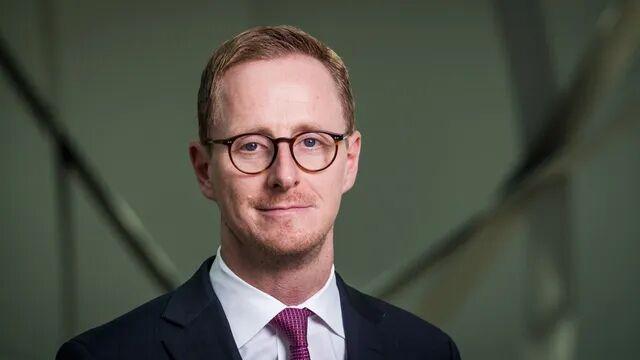
德意志银行董事总经理穆勒:资金正在更换配置方式
Di Yi Cai Jing Zi Xun· 2026-01-19 09:00
Core Insights - The World Economic Forum (WEF) 2026 annual meeting opened in Davos, Switzerland, with the International Monetary Fund (IMF) projecting a global economic growth rate of 3.1% amid increasing trade tensions and policy uncertainties [2] - The focus of discussions has shifted from broad consensus statements to specific mechanisms and bottlenecks that can guide investment decisions [2] Group 1: AI and Investment Trends - AI is now being discussed within the framework of real economic constraints, with its impact extending beyond software to energy, infrastructure, and natural resources [4] - The expansion of AI and data centers is driving early investments in power grid infrastructure, with European utility companies reallocating funds towards transmission and distribution network upgrades [4][5] - Water management is identified as a long-term investment opportunity, with projects focusing on water reuse, leakage control, and smart networks gaining traction [4] Group 2: Investment Strategy Adjustments - There is a pragmatic re-adjustment in the market regarding green investments, with no systemic return differences between sustainable and non-ESG investments, influenced by macroeconomic conditions [6] - Investors are shifting from concentrated bets on single themes to more goal-oriented portfolio construction, integrating sustainability as a tool for managing long-term transition risks alongside AI and infrastructure [6] - The evaluation of AI investments should focus on specific application improvements rather than relying solely on macro narratives, as these improvements may lead to profitability and cash flow over time [6][7] Group 3: Policy Signals and Funding Flows - The effectiveness of discussions at the Davos Forum in influencing policy and funding flows hinges on the clarity of actionable signals rather than mere statements [8] - Key indicators include alignment of policy dynamics with existing official roadmaps, specific commitments to market infrastructure, and the connection of financing paths to real economic bottlenecks [8]

直击达沃斯|德意志银行董事总经理穆勒:资金正在更换配置方式
Di Yi Cai Jing· 2026-01-19 08:20
Group 1 - Generative AI is transforming from a software application to a real demand for energy, infrastructure, and natural resources, indicating its broad impact as a general-purpose technology [1][3] - The current economic environment characterized by high interest rates and low growth is reshaping asset allocation, with international funds increasingly focusing on sectors closely related to cash flow and key infrastructure, particularly utilities [3] - The expansion of AI and data centers is driving early investments in the power grid, with European utility companies reallocating capital expenditures towards transmission and distribution network upgrades [3] Group 2 - Discussions around green investment are not reversing direction but are undergoing a pragmatic adjustment, with sustainable investment being integrated into a broader investment framework alongside AI, healthcare, and infrastructure [4] - Investors are shifting from concentrated bets on single themes to more goal-oriented portfolio construction, viewing sustainability as a tool for managing long-term transition risks [4] - The assessment of AI's long-term value must consider resource constraints, including the supply of critical materials and environmental costs, as these factors are becoming essential in investment analysis [4] Group 3 - The effectiveness of discussions at the Davos Forum in influencing policy direction and capital flows hinges on the release of executable signals rather than mere statements [5] - Key indicators include the alignment of policy dynamics with existing official roadmaps and collective goals, as well as specific commitments that facilitate cross-border capital flows [5] - The connection between real economic bottlenecks and clear financing pathways is crucial for increasing the likelihood of private capital follow-up, particularly in areas like AI infrastructure linked to power, grid, and water resources [5]
巅峰对决,创新闪耀!2025“兴火·燎原”创新马拉松西部赛区决赛圆满收官
Xin Lang Cai Jing· 2026-01-19 08:17
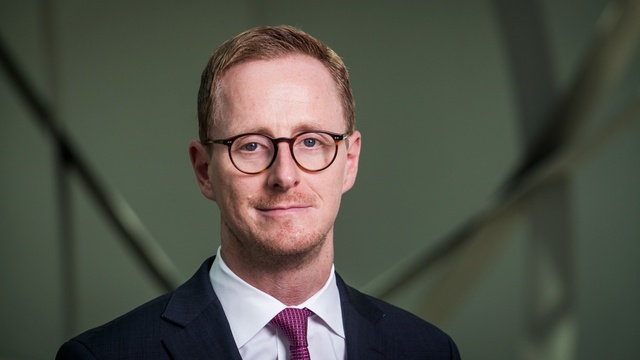
Core Insights - The 2025 "Xinghuo·Liaoyuan" Innovation Marathon Western Regional Finals successfully concluded in Wuhan, gathering top innovation teams, financial experts, scholars, and industry leaders to explore new paths for technology-driven high-quality financial development in the West [2][17] - The event serves as a platform for collaboration and innovation, aligning with the urgent needs for industrial upgrading and improving livelihoods in the West, emphasizing the concept of "technology empowering finance, and finance serving the real economy" [2][17] Group 1: Event Overview - The competition attracted 201 projects covering various fields such as financial technology, industrial digitalization, and smart livelihood [30] - The finals showcased impressive projects addressing pain points in the banking industry, including intelligent risk control and data security [22][7] Group 2: Key Contributions - Ouyang Hongbing, a professor at Huazhong University of Science and Technology, highlighted that digital economy and green transformation are core directions for industrial upgrading, with financial technology being a crucial link for their collaborative development [4][19] - The event's innovative projects, such as intelligent data management systems and AI-driven risk governance frameworks, align with the financial needs of industrial transformation [22][4] Group 3: Award Winners - The top three projects that advanced to the national finals include: - "Dynamic Micro-Isolation System for Cloud Platforms" by Beijing Qiangwei Lingdong - "Retail Business Marketing Platform for Accelerated Digital Precision Marketing" by Yingtian Di - "AI Reconstruction of Industrial Decision-Making" by Pushi Tu Intelligent [10][25] Group 4: Future Directions - The event underscored the need to focus on breakthroughs in hard technology and digital empowerment of industries, positioning financial technology as a key engine for promoting high-end and green development in the region [5][20]

生态向美,产业向绿,绘就绿色转型广西新图景
Zhong Guo Fa Zhan Wang· 2026-01-19 08:01
Core Viewpoint - The article emphasizes the importance of comprehensive green transformation in Guangxi as a key strategy for sustainable development, highlighting the region's achievements in ecological protection and economic growth through innovative practices. Group 1: Ecological Protection and Achievements - Guangxi has achieved a clean energy generation share of 66.3% and surpassed a total output value of over 1 trillion yuan in the forestry and grassland industry [1] - The region boasts a forest coverage rate of 62.5%, with 98.1% of days having good air quality and 100% of surface water meeting quality standards, placing it among the top in the country [1] - Guangxi is recognized as a global biodiversity hotspot, with over 30 endangered species and four internationally important wetlands [2] Group 2: Innovative Economic Models - The "Ecological+" model in Guangxi promotes a circular agricultural system, integrating photovoltaic power generation, water management, and ecological farming, leading to a 20% increase in aquaculture output [3] - The region has created various ecological brands, enhancing its agricultural supply chain and achieving a total ecological value assessment exceeding 8 trillion yuan [3] Group 3: Forestry and Economic Development - Guangxi's forest stock volume is 930 million cubic meters, with innovative economic models in forest management contributing to sustainable development and rural revitalization [4] - The province has implemented a forestry reform mechanism that has led to over 15 million acres of collective forest land being managed, benefiting nearly 70,000 farmers [5] Group 4: Green Industry and Low-Carbon Transition - Since the 14th Five-Year Plan, Guangxi has focused on increasing the "green content" of its industries, establishing a comprehensive carbon peak and carbon neutrality policy framework [7] - The region's renewable energy capacity has seen an annual growth of 40%, with a total installed capacity of 113 million kilowatts by October 2025, and a significant increase in green electricity trading [8] Group 5: Future Plans and Goals - Guangxi aims to enhance its circular economy planning and expand green electricity trading, targeting a non-fossil energy share of over 50% by 2030 [10]
京东工业+大觉新材“双碳”破局
Guan Cha Zhe Wang· 2026-01-19 07:22
Group 1 - The core viewpoint emphasizes that the green transition is essential for the high-quality development of the manufacturing industry in China, driven by the "dual carbon" goals and specific targets outlined in the 14th Five-Year Plan [1] - The collaboration between JD Industrial and Dajue New Materials provides a replicable model for the environmental revolution in manufacturing, addressing the demand for eco-friendly packaging materials [1] Group 2 - The global plastic pollution issue is worsening, with 2024 plastic consumption projected to reach 500 million tons, of which 399 million tons will become waste, leading to significant environmental challenges [2] - Under the "dual carbon" goals, various Chinese government departments have mandated that by 2027, the usage rate of biodegradable materials in agriculture should reach 35%, pushing for the replacement of traditional materials in sectors like express delivery and takeout [2] Group 3 - Traditional manufacturing faces multiple challenges in green transformation, including high transition costs, insufficient initial production capacity of green materials, and the inability of cost-sensitive consumer brands to absorb the premium [2][3] - The technological barriers for eco-friendly materials are high, with key technologies concentrated in a few companies, and weak supply chain collaboration hampers the availability of compliant green materials [3] Group 4 - Dajue New Materials has developed three green technology systems: biodegradable, bio-based, and recycling, to provide comprehensive eco-friendly alternatives for the manufacturing sector [4] - The bio-based system utilizes sugarcane as a raw material, replacing petroleum-based materials and achieving negative carbon emissions, while also maintaining functionality comparable to traditional plastic [4] Group 5 - The recycling system focuses on industrial packaging, with a project that produced 2,500 tons of PCR (Post-Consumer Recycled) packaging materials in just six months, significantly reducing carbon emissions [5] - The biodegradable system targets single-use materials, with products made from cassava and bamboo being applied in express delivery and takeout, addressing the pollution caused by traditional plastics [5] Group 6 - Dajue New Materials' collaboration with JD Industrial aims to leverage JD's market strengths to enhance Dajue's market presence, facilitating the large-scale release of quality green products [6][7] - JD Industrial's digital capabilities support Dajue by optimizing production and inventory management, significantly improving efficiency and reducing inventory turnover days [8] Group 7 - The partnership allows Dajue to focus on technology development while JD Industrial handles market integration and capacity scheduling, achieving cost reduction and compliance for manufacturing companies [9] - The collaboration promotes the establishment of production standards for eco-friendly materials, advancing the standardization and environmentalization of industrial consumables [9]
2025年中国绿色转型取得新进展
Zhong Guo Xin Wen Wang· 2026-01-19 06:58
Core Insights - In 2025, China made significant progress in developing new productive forces and green transformation, with a focus on clean energy and green economy [1] Group 1: Clean Energy Development - Clean energy generation from hydropower, nuclear, wind, and solar sources increased by 8.8% compared to the previous year [1] - The proportion of non-fossil energy in total energy consumption rose by approximately 2 percentage points year-on-year [1] - Production of green energy equipment and materials saw rapid growth [1] Group 2: New Energy Vehicles - The annual production and sales of new energy vehicles exceeded 16 million units [1] - New energy vehicles accounted for over 50% of domestic new car sales [1] Group 3: Traditional Industry Transformation - Significant improvements were noted in the green transformation of traditional industries, with major energy-consuming sectors like building materials, steel, and non-ferrous metals showing a marked decrease in energy consumption per unit of added value compared to the previous year [1] Group 4: Overall Economic Quality - Progress was made in innovation-driven development, industrial quality enhancement, digital empowerment, and green transformation, leading to higher quality and more sustainable economic growth [1]
10万亿度电,观察中国能源体系变革的窗口
Xin Lang Cai Jing· 2026-01-19 06:51
Core Insights - China's total electricity consumption is projected to exceed 10 trillion kilowatt-hours by 2025, marking a significant milestone as it surpasses the combined electricity consumption of the EU, Russia, India, and Japan, and is more than double that of the United States [1] - The increase in electricity demand is driven by the rise of new productive forces, competitive pricing advantages, and the electrification of residential life, indicating a structural revolution towards a greener energy system [1] Group 1 - The contribution of the tertiary sector and urban residents to the annual electricity growth is 50%, highlighting their role as the main drivers of this increase [1] - The proliferation of electric vehicles and the emergence of new consumption scenarios, alongside the demand from emerging industries like AI and the digital economy, are accelerating the transition towards a high value-added industrial structure [1] Group 2 - By May 2025, China's cumulative installed capacity of photovoltaic power generation is expected to exceed 1 billion kilowatts, accounting for 30% of the total installed capacity and nearing half of the global share [2] - The share of thermal power generation is projected to decrease to approximately 40%, indicating a significant shift towards renewable energy sources [2] Group 3 - The transition to a new power system dominated by renewable energy sources is essential, addressing challenges such as the volatility of wind and solar power and the mismatch between energy supply and demand [2][3] - A new energy infrastructure that integrates generation, grid, load, and storage is necessary, focusing on four pillars: transitioning coal power, developing large-scale energy storage, creating a smart system for supply-demand balance, and optimizing transmission networks [2][3] Group 4 - The establishment of a unified national electricity market and the reform of pricing mechanisms are crucial for driving the green transition, ensuring that electricity prices reflect supply-demand dynamics and environmental costs [3] - The milestone of 10 trillion kilowatt-hours signifies not only a peak in energy production capacity but also the need for a modern energy system that is secure, efficient, clean, flexible, and interactive, supporting China's modernization efforts [4]
构筑全球知识神经网络 欧洲经济研究院以33国提供经济政策研究
Sou Hu Cai Jing· 2026-01-19 06:25
Core Insights - The European Economic Research Institute (EERI) is gaining attention for its unique decentralized global network and microdata research methods, providing solutions to complex global economic issues with both European perspectives and global considerations [1][3]. Group 1: Global Network - EERI has established a strong global research collaboration system, expanding its network to 33 countries and regions, with key nodes in the UK, Germany, Russia, the US, and Hong Kong, surpassing traditional centralized think tank models [3]. - This network aims to aggregate localized data and insights from different economies to address borderless challenges such as supply chain restructuring and green transformation [3]. Group 2: Regional Deepening - EERI's offices in Asia and Europe have recently undergone strategic upgrades, enhancing the network's effectiveness [4]. - The Hong Kong office, approved by the Hong Kong government in 2025, will focus on coordinating research centers in the Greater Bay Area and connecting it with the global economy [4]. - The German office has deepened its functions to strengthen research on industrial policy, energy transition, and digital economy, providing robust data models for European policy-making [4]. Group 3: Research Depth - EERI utilizes high-granularity data to reveal the heterogeneous impacts of economic shocks, demonstrating that supply chain disruptions can cause losses in the automotive industry that are 2 to 3 times greater than in energy-intensive sectors [5]. - This analysis helps avoid "one-size-fits-all" policy traps and contributes to a multi-layered "economic resilience toolbox" for policymakers [5][8]. Group 4: Future Outlook - EERI is building a responsive and self-evolving "economic knowledge ecosystem" through its expanding global network, connecting local economic realities with global trends [6]. - The enhanced functions of key hubs like Hong Kong and Germany will facilitate more efficient connections between regional economic dynamics and global trends [6]. Group 5: Strategic Recommendations - EERI suggests creating a "heat map" of global supply chain dependencies and establishing dynamic reserve mechanisms for strategic raw materials and intermediate goods [8]. - It advocates targeted green subsidies and digital investments to cultivate local backup or alternative capacities in key areas, reducing systemic risks [8]. - EERI is also involved in building cross-national policy simulation and coordination platforms to enhance global economic research standards and mutual recognition of results [8].