自主创新

Search documents
中国外贸迎来新拐点!5506亿顺差背后,民营企业突围与全球贸易新布局
Sou Hu Cai Jing· 2025-09-20 04:16
Core Insights - China's total import and export value in the first quarter reached 10.3 trillion yuan, a slight increase of 1.3% year-on-year, with exports at 6.13 trillion yuan (up 6.9%) and imports at 4.17 trillion yuan (down 6%) [1][10] Group 1: Private Sector Performance - Private enterprises showed remarkable performance with a 5.8% increase in import and export value, now accounting for 56.8% of the total [3][5] - These enterprises have demonstrated flexibility and rapid response to market changes, allowing them to adapt more quickly than larger, traditional firms [3][5] Group 2: Trade with the United States - The trade surplus with the U.S. reached 550.6 billion yuan (approximately 76.6 billion USD), with exports to the U.S. hitting a record high of 830.4 billion yuan while imports were only 279.8 billion yuan [5][6] - The disparity in trade figures is attributed to the nature of goods traded, with China exporting consumer goods and low to mid-end manufacturing products while importing resource-based and high-tech products from the U.S. [5][6] Group 3: Strategic Shifts in Imports - A strategic shift in import channels has occurred, with a 1.4% decline in imports from the U.S. as China increasingly sources soybeans and natural gas from Brazil and Australia [6][14] - This shift reflects a proactive approach to ensure stable supply and pricing, demonstrating a well-planned response to external pressures [6][15] Group 4: Impact of Tariffs - Despite high tariffs imposed by the U.S., China's exports to the U.S. have not only remained stable but have also increased, highlighting the resilience of consumer demand for Chinese goods [7][8] - The burden of tariffs has largely fallen on American consumers, with estimates suggesting an additional annual cost of 1,800 USD per household due to increased prices [8][20] Group 5: Technological and Resource Resilience - China's advancements in technology, particularly in integrated circuits, and its dominance in rare earth resources are key factors contributing to its economic resilience [9][20] - The interplay between technological innovation and resource management is crucial for maintaining competitive advantages in the global market [9][20] Group 6: Regional Trade Dynamics - Exports to ASEAN countries grew by 8.1% and to the EU by 3.7%, indicating a warming trend in these markets [13][20] - The Regional Comprehensive Economic Partnership (RCEP) has facilitated trade by standardizing rules and reducing costs, benefiting private enterprises that diversify their manufacturing and sourcing strategies [13][20]

驰宏锗业布局产业链——用稀有锗造就“红外眼”
Jing Ji Ri Bao· 2025-09-19 22:12
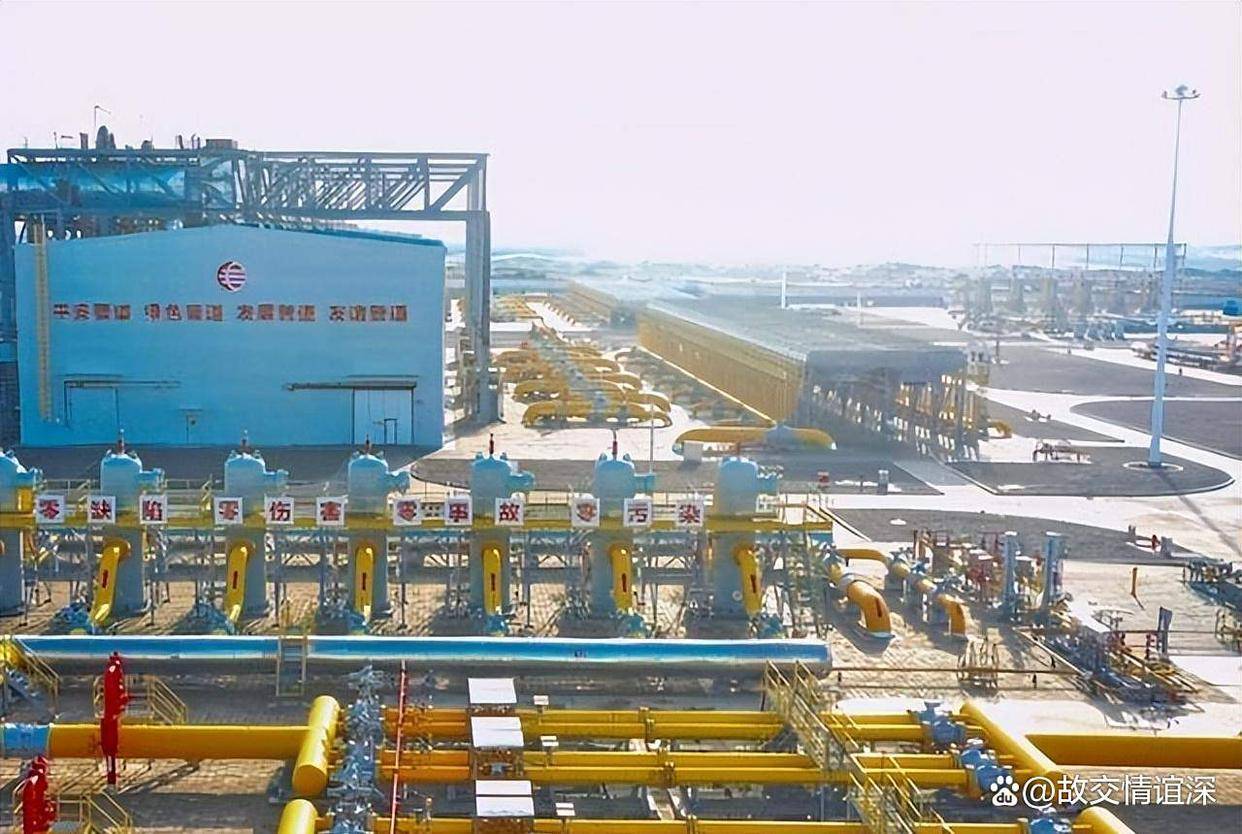
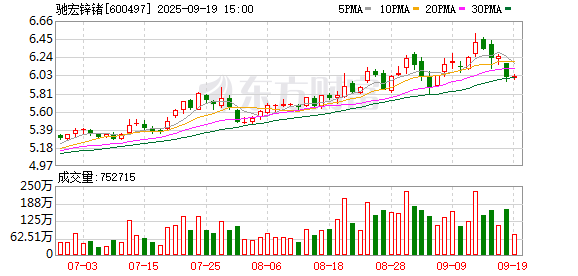
Core Insights - The company Yunnan Chihong Zinc & Germanium Co., Ltd. has established itself as a key player in the germanium industry, producing various germanium products for high-tech applications such as aerospace, fiber optics, and infrared optics [2][3] - The company has developed a complete infrared germanium industry chain, including raw materials, single crystals, and optical components, with an annual production capacity of 60 tons of germanium metal [2][3] - The company has successfully launched a production line for ultra-pure germanium tetrachloride, which is crucial for fiber optic preform production, achieving an annual capacity of 30 tons [3] Industry Developments - The company is focusing on high-value downstream products, including infrared germanium single crystals and optical components, which are widely used in industrial inspection and security monitoring [3] - A new industrial CT intelligent early warning system has been developed based on infrared thermal imaging technology, enabling non-contact monitoring of equipment parameters [3] - The company is collaborating with various research institutions and universities to enhance its technological capabilities and talent development in the germanium sector [4] Future Outlook - The company aims to drive high-quality development in the germanium industry through a combination of independent innovation and the absorption of external technologies [4]

美西方又一次破防:中国发现万吨级铀矿,一举成铀矿大国!
Sou Hu Cai Jing· 2025-09-19 11:17
Core Viewpoint - Nuclear energy is a critical arena in great power competition, and control over uranium resources equates to control over future energy security [1] Group 1: Historical Context - Initially, China had minimal uranium resources, with only 17.4 million tons identified from 1950 to 2000, failing to rank in the top ten globally [3][5] - By 2009, China's nuclear power capacity surged, requiring 9,830 tons of uranium annually, while domestic production was only 1,885 tons, leading to a significant shortfall of 8,000 tons [3][5] Group 2: Challenges Faced - China relied heavily on uranium imports from countries like Kazakhstan, Australia, and Namibia, facing challenges such as price volatility and geopolitical pressures [5][14] - The phrase "we are a nuclear power but a uranium-poor country" encapsulated the frustration within China's nuclear industry during this period [5] Group 3: Breakthroughs in Uranium Exploration - A shift in geological exploration theory led Chinese geologists to explore sedimentary basins for uranium, resulting in the discovery of significant deposits in regions like Ordos and Tarim [7][9] - The introduction of innovative exploration methods, such as "coal-uranium co-exploration" and "oil-uranium co-exploration," drastically reduced costs and doubled efficiency [9][12] Group 4: Recent Discoveries and Developments - The discovery of the Daying uranium mine in the Ordos Basin, with over 50,000 tons of reserves, marked a significant milestone in China's uranium mining history [11] - By 2025, China is expected to have discovered one-third of its total uranium resources in the past decade, establishing four major uranium mining bases [13] Group 5: Future Projections - China's uranium self-sufficiency is projected to rise from under 20% in 2020 to over 40% by 2025 and potentially exceed 60% by 2030, reducing reliance on imports [14] - The shift in uranium resource control is expected to alter the international uranium pricing dynamics, enhancing China's bargaining power [14][16] Group 6: Strategic Implications - The advancements in uranium mining signify a move towards energy independence for China, impacting its nuclear power generation and military capabilities [16][19] - The goal is to establish a global uranium supply chain and enhance China's position in the international energy landscape [16][19]

苏州工业园区创新联合体观察|华兴源创:“组团”激发集成电路测试行业创新动能
Xin Hua Cai Jing· 2025-09-19 07:52
Core Insights - The establishment of innovation consortia is crucial for integrating innovation chains, overcoming key industrial technology bottlenecks, and enhancing core competitiveness in industries [1][4][10] - Suzhou Huaxing Yuanchuang Technology Co., Ltd. (Huaxing Yuanchuang) has led the formation of a large-scale mixed-signal integrated circuit testing and mass production technology innovation consortium, collaborating with 12 domestic companies and research institutions to accelerate breakthroughs in high-end digital and mixed-signal chip testing technology [1][2][3] Company Development - Huaxing Yuanchuang, founded in 2005, has evolved from a small repair service provider to a leading global supplier of industrial automatic testing equipment and complete line system solutions, recognized as one of Jiangsu Province's top 100 innovative enterprises for several years [1][2] - The company has developed a fully domestic chip inspection machine after four years of collaboration with 37 domestic chip manufacturers, utilizing 82 types of materials, resulting in a product for next-generation micro-display screen testing [2][3] Industry Context - The global semiconductor equipment market is valued at approximately $100 billion, with the testing equipment segment accounting for about $8 billion, showing steady growth [2] - The SOC chip testing equipment holds a significant 58% market share in the semiconductor testing machine market, but this technology has been predominantly monopolized by companies from the US and Japan, highlighting a critical need for breakthroughs in China's semiconductor industry [2][3] Collaborative Innovation - The consortium aims to integrate resources across the entire integrated circuit testing industry chain, ensuring comprehensive coverage from raw material supply to chip design, manufacturing, testing equipment development, and testing services [3][4] - The consortium has established a collaborative mechanism focusing on addressing common key technologies, promoting long-term and systematic strategic innovation [5][6] Talent Development - A talent cultivation system has been established among consortium members, including the co-authorship of educational materials and practical training for engineers to enhance their skills in using testing platforms [6][9] - The consortium emphasizes the importance of talent collaboration as a key factor in achieving effective resource integration and innovation [6][9] Government Support - The Suzhou Industrial Park has created a supportive environment for innovation consortia, facilitating collaboration between enterprises and research institutions, and providing financial backing through state investment funds [7][10] - The park has seen the establishment of multiple innovation consortia, with a focus on integrating industry, academia, and research to tackle critical technological challenges [10]

首都产业一线科技人才走进高校系列宣讲正式启动
Xin Jing Bao· 2025-09-19 07:03
Group 1 - The core theme of the initiative is to inspire youth through the experiences of frontline scientific talents in various fields, emphasizing the importance of practical efforts in achieving national technological independence and modernization [1][2]. - A total of 36 frontline scientific talents from 12 key sectors, including integrated circuits, artificial intelligence, and biomedicine, have been selected to form a speaking group to share their experiences and insights with students [2][3]. - The initiative aims to foster a sense of mission among youth by sharing real stories of overcoming challenges and promoting independent innovation in technology [2][3]. Group 2 - Hu Weiwu, chairman of Loongson Technology, highlighted the importance of mastering "root technologies" for building a self-sufficient information industry in China, emphasizing the need for persistent efforts in innovation [3][4]. - Sheng Jingwei, founder of Beijing Kunmai Medical Technology, shared his journey in developing quantum brain magnetometry technology, showcasing the importance of domestic production and innovation in medical devices [4][5]. - Wang Shaolan, president of Beijing Zhipu Huazhang Technology, discussed the development of a national-level AI model, stressing the necessity of mastering every aspect of technology to avoid dependency on foreign technologies [5][6].

艾为电气:自主创新驱动技术迭代,打造新能源汽车控制器“硬核”实力
Cai Fu Zai Xian· 2025-09-19 04:45
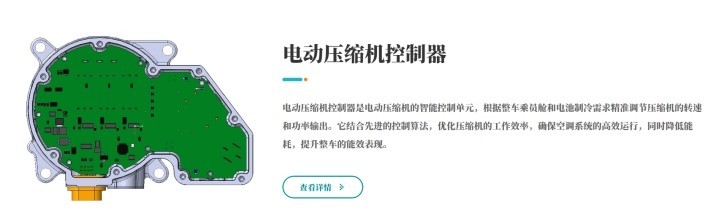
Core Insights - The rapid development of domestic electric vehicles has led to increased attention on the related industrial chain, particularly companies like Shenzhen Aiwei Electric Technology Co., Ltd. (Aiwei Electric), which specializes in digital control and power electronics products for electric vehicles [1] - Aiwei Electric's main product, the thermal management high-voltage controller, is a new component for electric vehicles compared to traditional fuel vehicles, impacting vehicle safety, range, and intelligence [1] - The company has established a technology research and development system centered around a technology platform, focusing on iterative upgrades, customized development, and new product development, ensuring industry leadership in technological advancement and product innovation [1] Technology Platform - Aiwei Electric has developed a "mature, unified, efficient, stable, reliable, and intelligent" software and hardware platform through continuous iteration and development [2] - The intelligent control algorithm software platform can accommodate diverse product needs, enhancing software development efficiency, while the power electronics hardware platform utilizes standardized circuit topology and advanced simulation platforms to improve development efficiency and cost control [2] Core Technologies - The company has accumulated over 17 core technologies in software algorithms, semiconductor applications, and product engineering design, focusing on high reliability, energy efficiency, precision, high voltage, low noise, and low cost [4] - Innovations such as the motor intelligent control algorithm and a low-resource operating system have optimized product performance and reduced costs, allowing for significant simplification of product architecture [4] - Aiwei Electric has gained recognition from leading Tier 1 customers and has become the largest third-party supplier of thermal management high-voltage controllers for electric vehicles in China, establishing strong market competitiveness and brand recognition [4]

中国创造!“电力高铁”领跑世界
Jin Rong Shi Bao· 2025-09-18 14:19
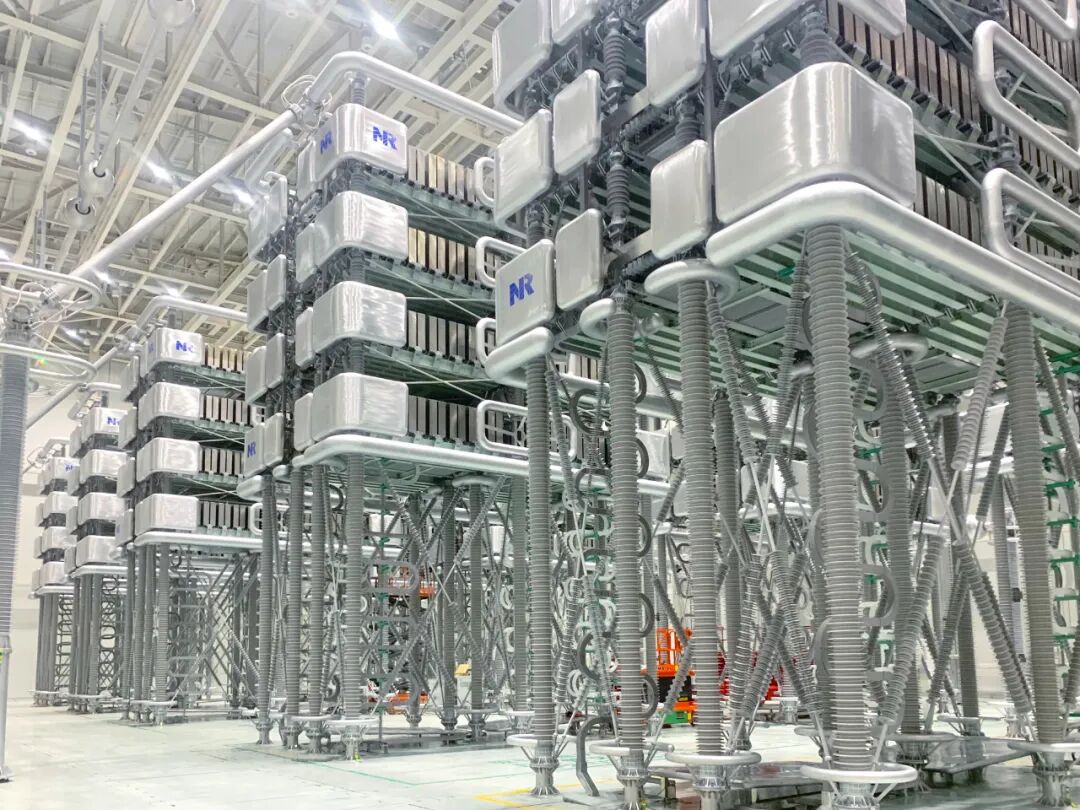
Core Viewpoint - The article highlights the advancements and significance of China's ultra-high voltage (UHV) technology, particularly the Baihetan-Jiangsu ±800 kV UHV direct current project, which facilitates the efficient transmission of clean hydropower from Sichuan to Jiangsu, addressing long-term power supply challenges in East China [1][3]. Group 1: UHV Technology and Its Impact - The Baihetan-Jiangsu ±800 kV UHV direct current project provides 30 billion kWh of electricity annually to Jiangsu, equivalent to half a year's electricity consumption for Changzhou [3]. - The project showcases the capabilities of flexible direct current transmission technology, which is considered a key solution for integrating large-scale renewable energy [3][5]. - China has established the world's largest UHV power grid, spanning 40,000 kilometers, and is leading the global market in UHV technology [5]. Group 2: Company Innovation and Global Presence - Borui Electric, a key player in UHV technology, has participated in 19 out of 23 existing UHV direct current projects in China and has developed the world's highest voltage level (±1100 kV) converter stations [3][5]. - The company emphasizes independent innovation and talent development, positioning itself as a national manufacturing champion and a leader in technological advancements [3][5]. - Borui Electric's equipment has gained a competitive edge in international markets, outperforming established companies like Siemens in reliability [5]. Group 3: Regional Manufacturing and Investment - Changzhou has emerged as a hub for advanced manufacturing, housing over 5,400 high-tech enterprises and forming ten major advanced manufacturing clusters [5]. - Local companies are increasingly investing abroad, with 759 enterprises involved in 1,146 overseas projects, contributing over $5 billion in investments in Belt and Road Initiative countries [5].
干春晖:制造业高质量发展的理论贡献与实践路径
Jing Ji Ri Bao· 2025-09-18 00:06
Core Viewpoint - The manufacturing industry is crucial for national economic stability and security, with a focus on high-quality development and self-innovation to overcome existing challenges and enhance global competitiveness [1][2][3]. Group 1: Importance of Manufacturing - Manufacturing is described as the "ballast stone" of a major country's economy, essential for national security and modernization [1]. - China's manufacturing sector has maintained its position as the largest globally, but faces challenges such as reliance on key technologies and supply chain resilience [1]. - The dual mission of advancing manufacturing includes supporting Chinese-style modernization and addressing issues arising from industrial civilization [1]. Group 2: Strategic Directions - The emphasis is on high-end, intelligent, and green development of the manufacturing sector, with self-innovation as a key to breaking technology monopolies [2][4]. - The approach combines efficiency and equity, integrating technological progress with civilizational evolution [2]. Group 3: Theoretical Foundations - Advanced thought and theory are essential for guiding high-quality development in manufacturing, rooted in Marxist political economy [3]. - The development philosophy prioritizes improving people's lives and enhancing welfare, linking employment stability to common prosperity [3]. Group 4: Development and Safety - A dialectical approach to development and safety is necessary, focusing on building industrial strength while enhancing safety through collaborative efforts [4]. - The integration of ecological protection with economic development is highlighted, showcasing successful transformations in traditional industries [4]. Group 5: Unique Development Path - China's manufacturing development is characterized by a "parallel advancement" model, integrating industrialization, informatization, and intelligentization [8]. - This model has allowed China to achieve significant industrialization in a shorter time frame compared to developed countries, leveraging institutional advantages [8]. Group 6: Global Contributions - China's high-quality manufacturing development serves as a response to global industrial challenges, promoting cooperation and sustainable practices [9][10]. - The focus on green technology and sustainable practices aims to balance economic growth with environmental protection, showcasing a shift from traditional industrialization paths [10]. Group 7: Systematic Transformation - The coordinated development of high-end, intelligent, and green manufacturing is essential for systemic transformation, emphasizing the integration of technology, innovation, and value [12]. - The push for high-end upgrades involves overcoming core technology barriers and fostering new industries while revitalizing traditional sectors [12][13]. Group 8: Green Transition - The transition to green manufacturing emphasizes sustainable development across the entire lifecycle, with a significant number of national-level green factories established [13]. - The commitment to low-carbon development is seen as both a requirement for high-quality growth and an opportunity for new industrialization [13].
万华化学荣获中国质量奖 山东烟台实现零的突破
Jing Ji Ri Bao· 2025-09-17 09:03
Group 1 - The core viewpoint of the article highlights that Wanhua Chemical Group has won the China Quality Award due to its quality management model centered on customer orientation and driven by independent innovation and digital intelligence [1] - Wanhua Chemical is recognized as a global leader in the polyurethane industry and the most competitive MDI manufacturer, with a focus on three main business areas: polyurethane, petrochemicals, and fine chemicals [1] - The company has developed an integrated quality management model over 40 years, which emphasizes collaborative management across the entire value chain, driven by independent innovation and digital technology [1] Group 2 - Wanhua Chemical has achieved significant technological advancements, holding 17 globally pioneering technologies and over 8,200 high-quality invention patents, along with receiving national science and technology awards six times [1] - The Yantai Huangbohai New Area has established a quality award cultivation system that focuses on policy guidance, precise nurturing, and comprehensive service to enhance enterprise quality [1] - The cultivation system emphasizes intellectual property, standard innovation, quality improvement, and brand development as key areas of focus [1]

腾讯云适配国产芯片并升级AI 鹏扬数字经济ETF迎投资机遇
Sou Hu Cai Jing· 2025-09-17 07:40
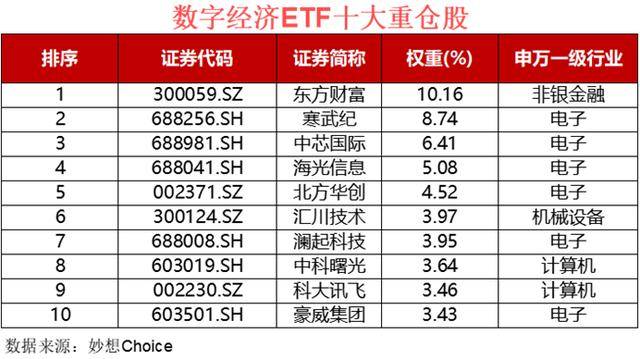
Group 1 - A-shares saw all three major indices rise, with the technology sector performing notably well, as evidenced by the Pengyang CSI Digital Economy Theme ETF (560800) increasing by 1.59% to a price of 1.025 yuan and a trading volume exceeding 35 million yuan [1] - Tencent Cloud's recent announcement to adapt to domestic chips and upgrade AI technology signifies a deepening of domestic technology companies' efforts in independent innovation and domestic substitution, enhancing the application scenarios for domestic chips and supporting the development of AI technology [1][2] - The State Council's recent approval of a pilot implementation plan for the market-oriented allocation of factors in certain regions aims to explore new mechanisms for the market-oriented allocation of data elements, providing institutional support for the development of the digital economy [1] Group 2 - In the short term, Tencent Cloud's adaptation of domestic chips is expected to expand the procurement and application scale of domestic chips, providing business support to related semiconductor and chip companies, while also helping cloud service providers reduce hardware procurement costs and alleviate supply chain pressures [2] - Long-term, Tencent Cloud's decision to fully adapt to domestic chips reflects the active construction of a technology supply chain that is not reliant on external sources, indicating a structural shift in the entire industry towards independent innovation and supply chain security [2] - The Pengyang CSI Digital Economy Theme ETF (560800) tracks the CSI Digital Economy Theme Index (931582), covering core industries such as semiconductors, software development, and computer equipment, with key weighted stocks including leading chip companies like SMIC and Cambrian [2][3]