产业互联网

Search documents
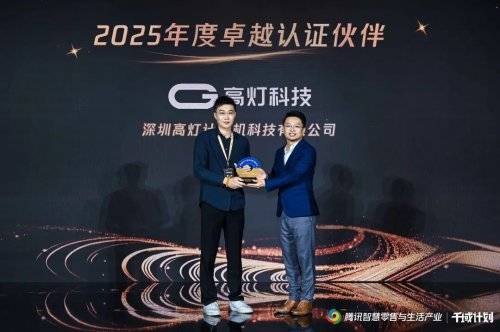
赋能实体经济,高灯科技获腾讯生态权威认可
Sou Hu Cai Jing· 2025-12-18 12:51
"千域计划"作为腾讯智慧零售与生活产业构建数字生态的核心载体,2025 年交出亮眼答卷:合作项目 数量同比增长超 150%,整体合作金额突破 1.5 亿元,"被集成" 新型合作模式实现 153% 的高速增长。 2025 年千域认证体系全面升级,从技术实力、生态协同、跨行业服务、社会价值等多维度综合考评, 认证结果已成为行业极具公信力的选型参考。高灯科技与众多领军企业联袂入选,印证了其在 AI 技术 落地、公共服务与零售生态融合等领域的突出优势。 多年来,高灯科技与腾讯在技术协同、生态共建、场景拓展等方面深度携手,精准契合千域计划 "AI、 出海、全域经营" 核心方向,与国家数字经济高质量发展战略同频共振。高灯科技将公共服务数字化解 决方案与腾讯生态深度融合,在数字就业、智慧交通、数字农人、智慧能源等领域搭建起民生服务与数 字经济的沟通桥梁,成为产业互联网创新实践的鲜活样本。 高灯科技始终坚信生态价值在于共生共荣。未来将持续以技术创新破局,深化与腾讯及生态伙伴的协 同,让数字技术更接地气、更暖人心,在赋能民生与产业升级的道路上务实前行。 作为腾讯发起成立的核心生态企业,高灯科技与腾讯的合作从业务协同到价值共生, ...


燕加隆集团:以BuildMost平台构建产业互联网生态
Sou Hu Cai Jing· 2025-12-17 06:37
Core Viewpoint - Yanjialong Group, founded in 1997, has evolved into a global leader in integrated engineering project solutions under the leadership of Chairman He Yixin, covering the entire home building materials industry chain and industrial internet platform operations [1] Group Overview - The company aims to "create beautiful living spaces for humanity" and has developed a unique "offline full-chain service + online platform ecosystem" dual-engine model [3] - Yanjialong provides comprehensive one-stop integrated solutions for high-end engineering projects, serving over 100,000 projects in more than 200 countries and regions [3] - The online platform BuildMost integrates nearly 20,000 Chinese factories and over 60,000 global design service providers, attracting over 300,000 professional buyers [3] Competitive Advantages - The company's core competitiveness stems from three unique systems: a full-cycle service chain that reduces costs while enhancing project quality, an all-encompassing industrial internet ecosystem, and a strong capability in global resource integration developed over nearly 30 years [4] - Yanjialong has successfully navigated international trade barriers, achieving significant victories in various international intellectual property and anti-trade barrier lawsuits, which have lowered industry patent fees by at least 35% [5] Strategic Developments - In 2018, the company upgraded its strategy to create the BuildMost international industrial internet platform, transitioning from product supplier to an industrial ecosystem operator [6] - The platform aims to link factories, design service providers, construction service providers, investors, and consumers globally, establishing a multi-language online and offline market [7] Future Outlook - The company faces challenges in the export economy, including uncertainties in the SWIFT payment system and logistics cost fluctuations [7] - Yanjialong's vision is to become the "global resource allocation hub" in the engineering project field, ensuring that every building and living space meets human expectations for a better life [7]

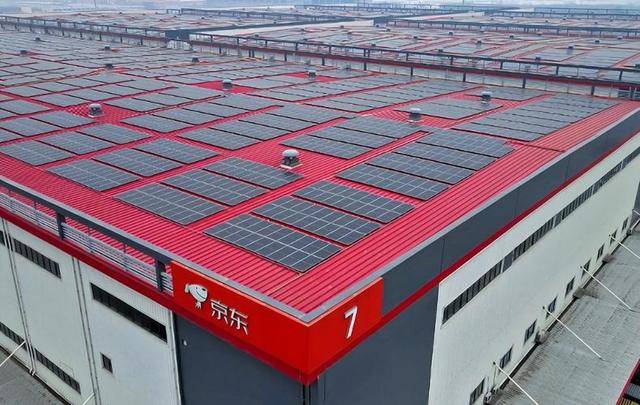
某东不只卖家电!工业板块港交所正式上市,募资将近28亿港币?
Sou Hu Cai Jing· 2025-12-16 08:27
Core Viewpoint - The company has successfully transitioned from a traditional e-commerce platform to a comprehensive industrial procurement service, leveraging AI and supply chain innovations to revolutionize the manufacturing procurement system in China [1][3][30] Group 1: Company Overview - The company, known for its e-commerce operations, has launched its industrial division, raising nearly HKD 2.8 billion upon its listing on the Hong Kong Stock Exchange [1] - The industrial division evolved from the company's enterprise business, which initially focused on purchasing office supplies [3] Group 2: Innovations and Services - The company identified inefficiencies in industrial procurement, leading to the creation of a standardized product library called "Mercator," which simplifies the purchasing process by unifying non-standard products [5][7] - The introduction of the JoyIndustrial AI model has significantly accelerated the standardization process, achieving in one year what would typically take five years [7] - The company has transformed its role from merely a product supplier to a "procurement hospital," offering in-depth services such as system diagnostics and material coding [10] Group 3: International Expansion - The company is expanding its operations internationally, with plans to open its first overseas physical store in Thailand, capitalizing on the global manufacturing trend [11][13] - It aims to replicate its successful domestic supply chain model in international markets, addressing the high costs associated with MRO procurement [13][15] Group 4: Market Position and Strategy - The company has captured 4.1% of the MRO market share in 2024, significantly outpacing its nearest competitor [23] - Its ambition is to become the "operating system" for industrial procurement, providing comprehensive services from diagnostics to continuous optimization [23][30] - The company is also venturing into the BOM (Bill of Materials) sector, particularly in emerging fields like robotics and renewable energy, to capitalize on future market growth [25][26] Group 5: Industry Impact - The company's efforts address the inefficiencies in China's production service sector, aiming to enhance the overall procurement process and strengthen the national industrial chain [28][30] - The listing of the industrial division marks a significant milestone in the evolution of China's industrial internet, emphasizing the importance of technology and industry understanding in improving efficiency [30]
致景科技荣膺2025产业互联网千峰奖“产业AI 30强”
Sou Hu Cai Jing· 2025-12-12 11:25
千峰奖已连续发布七年,是衡量产业互联网企业市场成长价值的重要标尺。此次入选,不仅是行业对致 景科技AI技术与产业深度融合成果的高度认可,更标志着致景科技以AI重塑纺织服装产业的价值创造 方式,推动行业实现从"连接赋能"迈向"智能重构"的关键跨越。 未来,致景科技将继续深化AI与产业互联网的融合创新,聚焦"AI+自动化"战略方向,以原生AI能力持 续激活产业潜能,携手产业伙伴共建开放、协同、高效的产业互联网生态,助力纺织服装产业互联迈向 共生共荣、价值共创的新阶段。 近日,"2025产业互联网千峰奖"评选结果正式揭晓。致景科技凭借在AI技术助推纺织服装产业提质增效 的实践成果与技术引领价值,入选"产业AI 30强"榜单。 近年来,致景科技深刻洞察AI时代的产业变革逻辑,致力于将AI从辅助工具内化为深度融合于产业互 联网底层架构的全新生产力。围绕自研的致景服装AI大模型,致景科技构建起基于供应链驱动的AI路 径,全面打通从消费端需求洞察到制造端柔性生产的价值通路,重新定义全链路效能体系,形成"AI引 领-供应链驱动-资源整合-协同增效-生态增值"的产业价值闭环,实现对行业传统生产关系的深度重构。 ...

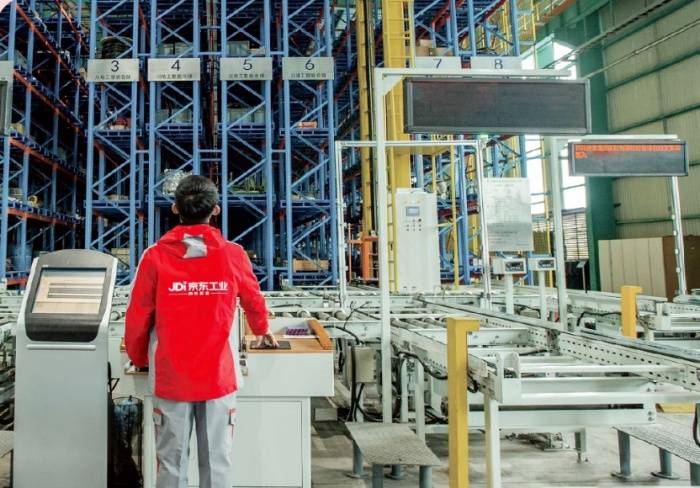
拆解刚上市的京东工业:如何掀起一场静悄悄的工业革命?
Sou Hu Cai Jing· 2025-12-12 03:20
Core Viewpoint - JD Industrial's successful listing on the Hong Kong Stock Exchange marks a significant milestone in China's industrial digital transformation, raising approximately HKD 28.27 billion with a subscription rate of 60.25 times in Hong Kong and 7.88 times internationally [2][3]. Group 1: Industrial Supply Chain Development - The integration of consumer internet and industrial internet is recognized as a key industry consensus, with industrial internet requiring a deeper understanding of complex business processes and traditional work habits [3][4]. - JD Industrial has established a clear implementation path through horizontal integration, vertical deepening, and technology-driven approaches, successfully linking nearly 160,000 suppliers with diverse customer demands [6][7]. - The company has launched the "Taipu" integrated supply chain solution, which enhances operational efficiency and reduces costs through intelligent decision-making and process optimization [10][11]. Group 2: Financial Performance and Market Position - JD Industrial is projected to be the largest service provider in China's industrial supply chain technology and services market by 2024, with a market share of 4.1%, significantly ahead of its competitors [7][8]. - Revenue is expected to grow from approximately CNY 14.1 billion in 2022 to CNY 20.4 billion in 2024, with a compound annual growth rate of 20.1%, while net profit is forecasted to improve from a loss of CNY 1.27 billion to a profit of CNY 760 million [7][8]. Group 3: Future Growth Strategies - JD Industrial aims to leverage its listing to enhance industrial supply chain capabilities and expand geographically, with 35% of the funds raised allocated for supply chain enhancement and 25% for regional expansion [12][15]. - The company has set an ambitious target to reduce costs in the industrial supply chain by CNY 1 trillion over five years, capitalizing on the digital transformation of the industry [14][15]. - JD Industrial is also focusing on international expansion, providing comprehensive services to Chinese enterprises venturing abroad, addressing challenges in supply chain management [17][18].
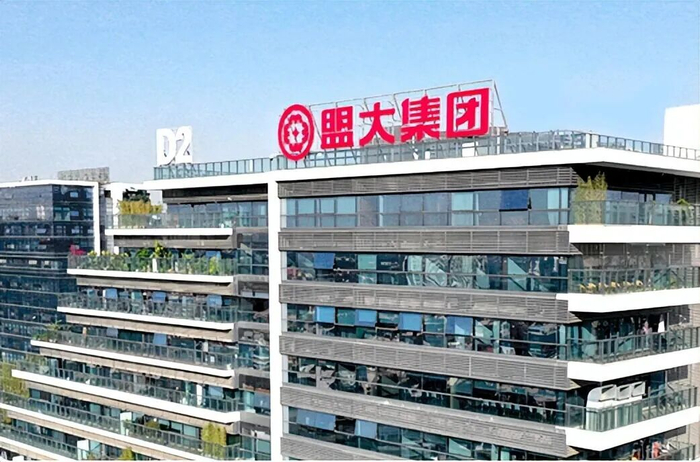
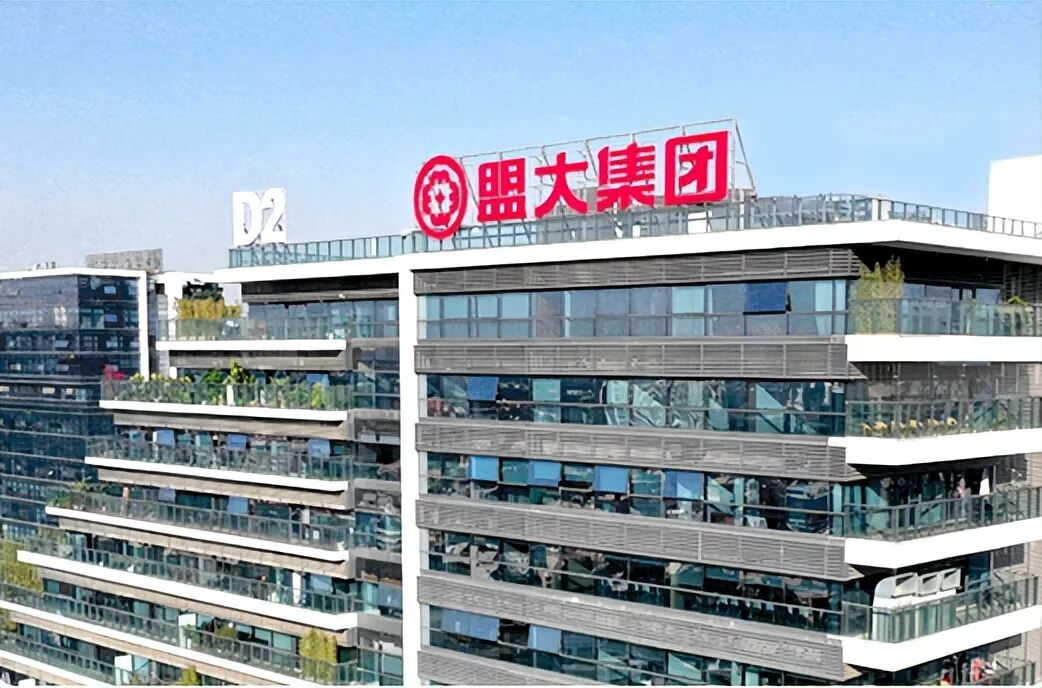
37天,2400亿帝国崩塌!百万老板的血汗钱去了哪?揭秘一个产业互联网巨头的致命转型
Xin Lang Cai Jing· 2025-12-08 22:23
Core Insights - The collapse of the Mengda Group, once a leading player in the industrial internet sector, occurred within 37 days, revealing the risks of excessive financialization in the industry [1][3] - The incident has led to significant financial losses for investors, with estimates suggesting that over 3,000 investors are involved, potentially amounting to 4 billion yuan [12] Group 1: Company Overview - Mengda Group, established in 2010, evolved from a small industry website to a major online platform covering the entire plastic chemical industry chain, claiming a transaction volume exceeding 240 billion yuan and serving over 1 million clients [4][3] - The company was recognized as a "national high-tech enterprise" and was considered a model for digital transformation in traditional industries, attracting investments from top-tier firms [4][3] Group 2: Triggering Events - The collapse was triggered by a protective measure taken by law enforcement during a money laundering investigation, which led to the freezing of bank accounts associated with Mengda, causing panic among clients [6][3] - Following the account freezes, a wave of withdrawal requests ensued, leading to a liquidity crisis for the company [8][6] Group 3: Financial Mismanagement - Mengda Group's financial troubles were exacerbated by its shift from serving the real economy to engaging in financial arbitrage, with significant losses reported due to overdue payments and bad debts from small and medium-sized enterprises [11][9] - The company had constructed a funding pool model that bypassed financial regulations, leading to a situation where investor funds were used inappropriately, resembling illegal fundraising activities [11][5] Group 4: Investor Impact - The collapse has resulted in widespread financial distress for investors, with many unable to withdraw their funds, leading to a loss of trust in the platform [12][9] - Mengda's case serves as a cautionary tale for the industrial internet sector, emphasizing the importance of compliance and sustainability in business models [12][11]
找钢集团孟龙:三大战略驱动 以AI重塑B2B交易生态
2 1 Shi Ji Jing Ji Bao Dao· 2025-12-06 14:01
Core Insights - The conference "21st Century Outstanding Board Annual Meeting" focused on the theme "New Blueprint, New Opportunities" and discussed the development opportunities of the industrial internet during the 14th Five-Year Plan period [1] Group 1: Company Strategy - The company has established three core strategies: globalization, diversification, and comprehensive AI integration to promote the digital upgrade of the industrial raw materials sector [1] - The company is expanding its global footprint, particularly in Southeast Asia and the Middle East, to replicate its successful domestic platform model and capture the vast infrastructure market [1] Group 2: Business Expansion - The company is extending its business from a single steel focus to a full range of industrial materials, currently covering sectors such as electrical appliances and non-ferrous metals [1] - The company anticipates that an increasing number of industrial raw materials will be traded online, marking a shift towards a more efficient and secure trading model [1] Group 3: AI Application - The company envisions applying AI in the B2B sector, where the long transaction chains and rapid price fluctuations present significant opportunities for AI integration [2] - The company plans to utilize AI to optimize complex pre-sale and post-sale processes, aiming to enhance the efficiency of the B2B trading ecosystem significantly [2]
找钢集团孟龙:三大战略驱动,以AI重塑B2B交易生态
2 1 Shi Ji Jing Ji Bao Dao· 2025-12-06 13:25
12月5日至6日,由南方财经全媒体集团主办,21世纪数字传媒承办的南方财经论坛"21世纪卓越董事会 年会"在广州南方财经大厦盛大召开。大会以"新蓝图,新机遇"为主题。 在大会圆桌讨论环节,就产业互联网在"十五五"期间的发展机遇话题,找钢集团董秘孟龙在会上发言分 享。 (原标题:找钢集团孟龙:三大战略驱动,以AI重塑B2B交易生态) 21世纪经济报道记者 彭新 他表示,作为钢铁行业一站式服务平台,找钢集团确立了全球化、多品种化及全面AI化三大核心战 略,旨在进一步推动工业原材料产业的数字化升级。 在全球化布局方面,孟龙指出,当前中国基建、地产及工业能力正迎来一波强劲的出海浪潮。顺应这一 趋势,找钢集团已重点布局东南亚及中东等"一带一路"沿线国家,将国内成熟的平台模式复制至海外, 以捕捉广阔基建市场空间。 他认为,未来越来越多的工业原材料将通过线上模式进行交易,这种更高效、更安全的新兴模式,已成 为整个行业发展的必然趋势。 此外,孟龙特别提到将AI应用于B2B行业的愿景。他指出,B2B行业交易链路长、价格波动快,是AI应 用的一个大场景。找钢集团计划利用AI优化复杂的售中售后环节,致力于使用AI Agent(智能 ...
又一巨头暴雷!收割2400亿元,百万人资金打水漂,创始人主动投案
Xin Lang Cai Jing· 2025-12-06 13:25
Core Insights - The article discusses the downfall of a once-prominent Chinese B2B platform, Mengda Group, which has trapped millions of business owners and raised 240 billion yuan, revealing it as a "financial black hole" [1] Group 1: Company Background - Mengda Group was established in 2010 and became a giant in the plastic chemical industry, claiming to serve over 1 million clients and facilitating online trade worth over 240 billion yuan [5][4] - The company was recognized as a "national high-tech enterprise" and ranked among the top 10 B2B platforms in China, showcasing its strong market position [5][4] - Mengda's business model expanded from B2B to B2C, including e-commerce live streaming, which was marketed as a response to government calls for boosting consumption [9][11] Group 2: Crisis Development - The crisis began on September 4, 2025, when a judicial procedure led to the freezing of Mengda's accounts, triggering panic among clients and a subsequent run on withdrawals [16][18] - By October 24, 2025, Mengda's founder publicly acknowledged the liquidity crisis, stating that the company had to mobilize cash resources from all subsidiaries to address the withdrawal surge [21][18] - Within 37 days, the company's reputation collapsed, leading to a significant loss of trust among clients and investors [26] Group 3: Business Model Analysis - Mengda's platforms, "Liuke Yunbang" and "Xiaogu Shoufu," were found to operate under a model that blurred the lines between service and investment, effectively creating a "funding pool" [27][31] - The reliance on continuous inflow of new funds to sustain operations and meet withdrawal demands exposed the vulnerabilities of their business model [31] - The company's shift from serving the real economy to financial speculation ultimately led to its downfall, as it failed to maintain the integrity of its operations [35][36]
2025产业互联网发展报告
Sou Hu Cai Jing· 2025-12-05 14:14
Core Insights - The 2025 Industrial Internet Development Report indicates that the industrial internet is entering a growth phase characterized by large-scale value creation, with a focus on industrial AI, deep value chains, and international expansion as key transformative directions [1][7]. Group 1: Annual Progress of the Industrial Internet - The industrial internet is transitioning from a capital-closed effect phase to a growth phase driven by large-scale value creation, with industrial AI, international expansion, and deep supply chains as critical keys to unlocking this new cycle [7]. - Nearly 80% of enterprises are experiencing growth, with a notable trend where the number of profitable companies exceeds those with revenue growth [17][21]. - The software and information technology sector accounts for 39% of the industrial internet landscape, highlighting its foundational role in driving digital transformation [10]. Group 2: Capital Market Trends - The capital market is witnessing a surge in investment in embodied intelligence, with state-owned funds becoming significant partners, focusing on industrial collaboration and regional economic contributions [1][24]. - In 2025, over 70 investment events were recorded in the industrial internet sector, with embodied intelligence receiving more than 63% of the total funding, indicating a strong market interest in this area [25][27]. - State-owned capital is increasingly becoming a crucial funding source, covering key areas such as digital supply chains and industrial digital technology, thus promoting regional digitalization and cluster development [27][29]. Group 3: Policy Trends and Practices - The policy focus is shifting from "cloud adoption" to "AI+", emphasizing the value of data assetization and prioritizing industrial e-commerce as a key area [1]. - The report highlights a significant trend towards the integration of AI in operational processes, with companies increasingly adopting AI technologies across various business functions [42][43]. Group 4: New Models and Cases - The report outlines that over 50% of enterprises are investing in AI innovation, while 74% are focused on restructuring their value chains through digital platforms [32]. - Various companies are actively pursuing international expansion, leveraging digital infrastructure and localized operations to tap into global markets [38][39]. - The application of AI technologies is becoming a core component of business processes, enhancing efficiency and decision-making across supply chains and operational workflows [42][43].