
健康管理

Search documents
云南白药集团“舒列安”京东健康全网首发 携手深耕前列腺健康管理
Zhong Jin Zai Xian· 2026-01-15 06:53
Core Insights - Yunnan Baiyao Group's subsidiary, Guoyao Innovation, launched the proprietary traditional Chinese medicine product "Shulianan® Shulianan Capsules" on JD Health, targeting chronic non-bacterial prostatitis in men suffering from lower urinary tract symptoms [1][4] - The product aims to address the high prevalence of chronic prostatitis, particularly in men aged 30-39 and 60-69, where the incidence rates are 34.4% and 36.4% respectively [3] - The launch reflects Yunnan Baiyao's commitment to the "Healthy China" strategy and its focus on providing effective health solutions, showcasing its strategy of "big products + secondary development" [4] Product Details - Shulianan Capsules are derived from the traditional Yi medicine "Song Lou Zheng" and utilize the single herb "Da Fa Biao" to treat symptoms such as frequent urination, urgency, and pain associated with chronic non-bacterial prostatitis [3] - The development of Shulianan Capsules is based on modern pharmacology and clinical evaluation, validating its efficacy through systematic pharmacological and clinical research [3] Strategic Collaboration - The launch on JD Health represents a deepening of the strategic partnership established in April 2025, focusing on supply chain, retail, and innovative marketing collaboration [4] - JD Health will leverage its full-channel network to enhance the product's accessibility, integrating online consultations and patient education to create a comprehensive management experience [4] - Future initiatives will explore digital marketing, patient education projects, and the integration of online and offline services to develop a user-centered chronic disease management ecosystem [4]




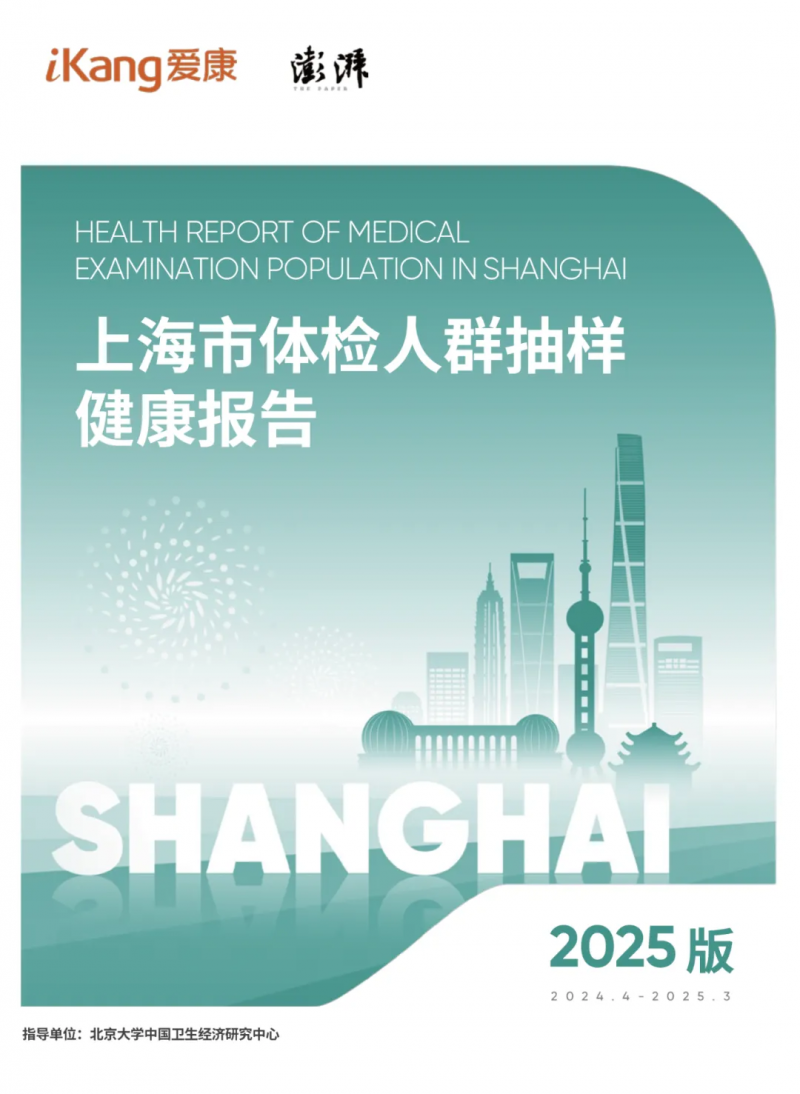
这些指标需重点关注,爱康国宾张黎刚解析上海市体检人群“成绩单”
Sou Hu Wang· 2026-01-15 05:03
Core Insights - The 2025 Shanghai Health Report reveals the health status and potential risks of Shanghai residents based on data from 673,700 health check-ups conducted by Aikang Group from April 1, 2024, to March 31, 2025, highlighting a continuous increase in seven abnormal health indicators over five years [4][5][18]. Group 1: Health Indicators - The report identifies seven health abnormalities that have shown a rising trend: prostate abnormalities, thyroid nodules, fatty liver, increased body mass index (BMI), breast nodules, carotid artery abnormalities, and elevated total cholesterol (TC) [4]. - The cancer detection rate among the health check-up population in Shanghai is at least 2.20‰, indicating that over two individuals per 1,000 check-ups are diagnosed with cancer, surpassing the national average [5][18]. Group 2: Cancer Insights - Among the diagnosed cancer patients, thyroid cancer is the most prevalent, with 668 cases, followed by lung cancer, cervical cancer, breast cancer, and prostate cancer [18]. - The report highlights a concerning trend of younger individuals being diagnosed with cancer, particularly thyroid cancer, where 34.43% of cases are in individuals under 40 years old [23][24]. Group 3: Women's Health - The report indicates a significant increase in the detection rates of breast nodules among women, with a current detection rate of 43.15%, which has risen over 17 percentage points in the past five years [28]. - Young women aged 20 to 29 show the highest positivity rate for high-risk HPV at 14.80%, emphasizing the need for increased awareness and preventive measures against cervical cancer [33]. Group 4: Health Management and Technology - Aikang Group emphasizes the importance of transforming health data into actionable insights, promoting the idea that individuals are responsible for their health [15][44]. - The integration of artificial intelligence in health management is highlighted as a means to provide personalized health check-up services, enhancing the accuracy and efficiency of health assessments [41][43].
健康管理小帮手别用错
Xin Lang Cai Jing· 2026-01-14 16:31
Group 1 - The core viewpoint of the articles emphasizes the importance of scientifically using health management devices and understanding their data, as well as the necessity of proper training in emergency response skills [1][6]. Group 2 - Home medical devices such as electronic blood pressure monitors and blood glucose meters are increasingly entering households, but there is a common misconception that they can be used without professional guidance [2]. - The use of home non-invasive ventilators requires professional diagnosis and regular adjustments based on individual health conditions, rather than being treated as simple consumer products [2]. - Accurate measurements with devices like electronic blood pressure monitors depend on proper cuff size and usage conditions, highlighting the need for awareness of operational details [2]. Group 3 - Wearable devices like smart bands and watches provide health monitoring data that should be viewed as lifestyle reminders rather than medical diagnostic tools [3]. - The accuracy of sleep monitoring features in wearable devices is limited compared to professional sleep studies, and users should not overly stress about occasional abnormal readings [3]. Group 4 - The Automated External Defibrillator (AED) is crucial for emergency response during cardiac arrest, with the first few minutes being critical for survival [4]. - Proper training in CPR and AED usage is essential for the public to effectively respond to emergencies, and there is a push for more AEDs in public spaces [5][6]. Group 5 - The promotion of AEDs must be accompanied by widespread training in emergency skills, with various organizations actively conducting public training sessions [6]. - The effectiveness of health management devices ultimately relies on the users' scientific literacy and understanding of their proper use [6].
AED、智能手环、电子血压计……健康管理“小帮手”别用错
Xin Hua She· 2026-01-14 08:43
Group 1 - The increasing prevalence of home medical devices and health equipment, such as AEDs, smart wristbands, and electronic blood pressure monitors, is enhancing public health management [1] - The National Health Commission is inviting experts to educate the public on the scientific use of these devices and the interpretation of monitoring data [1] Group 2 - Common misconceptions about home medical devices include using them without proper guidance or relying solely on their readings for treatment decisions [2] - Specific devices, like home respiratory machines, require medical evaluation and parameter adjustments based on professional assessments [2] - The accuracy of home medical devices can be influenced by personal usage, environment, and individual health status, necessitating professional consultation for treatment adjustments [2] Group 3 - Wearable devices, such as fitness trackers, should not be used as diagnostic tools or substitutes for medical examinations, as their data can be affected by various factors [3] - Users are advised to maintain a rational perspective on health monitoring data and seek professional medical advice when significant changes in health indicators occur [3] Group 4 - The critical time for effective CPR after cardiac arrest is within 4 to 6 minutes, emphasizing the importance of timely intervention [4] - The correct steps for using an AED include assessing consciousness and breathing, calling emergency services, and performing chest compressions [4] Group 5 - The operation of an AED is straightforward, guided by voice prompts, making it accessible for public use [5] - The promotion of AEDs in public spaces is part of a broader initiative to enhance emergency response capabilities, with training programs being offered to the public [5] - The integration of technology in health management is making it more accessible, highlighting the importance of scientific understanding and correct usage of health devices [5]
国家卫健委:智能穿戴设备不能代替医学检查
Xin Lang Cai Jing· 2026-01-13 09:25
Core Viewpoint - The rise of wearable devices has increased their popularity for health monitoring, but they should not be used as substitutes for professional medical diagnosis and treatment [2][3]. Group 1: Wearable Device Functionality - Wearable devices, such as smartwatches and fitness bands, offer features like heart rate, blood oxygen saturation, and sleep monitoring for daily health management [2]. - These devices primarily serve for self-monitoring in daily life and cannot replace professional medical examinations [2][3]. Group 2: Limitations of Wearable Devices - The accuracy of wearable devices is limited due to environmental factors, wearing methods, and sensor precision, which prevents them from achieving the accuracy of professional medical equipment [2][3]. - Users should not make health diagnoses based solely on the data from these devices, as physiological indicators like blood pressure and blood sugar naturally fluctuate [2][3]. Group 3: Health Monitoring and Lifestyle Guidance - Wearable devices can help users assess their health status and alert them to potential health risks, promoting a healthier lifestyle [3]. - Significant changes in monitored health indicators should prompt users to seek professional medical evaluation [3].
前字节核心产品骨干做了款AI项链,他想分析老外的每一餐丨产品观察
36氪· 2026-01-12 13:35
Core Viewpoint - The article discusses the innovative approach of OdyssLife in the health monitoring sector, particularly focusing on the launch of their AI necklace, Odyss N1, which aims to provide comprehensive dietary and exercise tracking through advanced technology [4][5][15]. Group 1: Product Overview - Odyss N1 is the world's first Always-On smart necklace that integrates multi-modal perception capabilities, including image, audio, and motion sensing, to continuously monitor users' dietary and exercise behaviors [5][6]. - The necklace weighs less than 30 grams and features a discreet design that allows for comfortable all-day wear, providing a wide-angle view of the user's dining area [8]. - The device employs a unique "frame capture" technique to efficiently gather data on food intake and physical activity without the need for continuous video recording, thus conserving battery life [9][10]. Group 2: Market Potential - The global wearable device market is projected to exceed 560 million units by 2024, with the core health monitoring segment expected to reach a market size of approximately $65 billion to $80 billion [14]. - OdyssLife targets a specific demographic of 25 to 50-year-old North American users, capitalizing on the structured nature of their meal preparation and shopping habits, which facilitates accurate data collection [12][15]. Group 3: User Experience and Data Privacy - Odyss N1 aims to provide a seamless user experience by eliminating the need for manual input, as traditional dietary tracking apps often lead to user frustration due to their cumbersome processes [9][11]. - The product is designed with privacy in mind, ensuring that no raw images or audio recordings are stored, and only structured data related to food intake and activity levels is retained for user insights [17][18]. Group 4: Competitive Landscape - The article highlights the existing competition in the health monitoring space, including successful products like the Oura ring and Whoop bands, which focus on sleep and exercise monitoring, respectively [14]. - OdyssLife's entry into the market is seen as a response to the growing demand for innovative health monitoring solutions, particularly in the dietary tracking segment, which remains relatively untapped [15][16].

一滴指尖血,20分钟测出免疫力
Zhong Guo Jing Ji Wang· 2026-01-12 09:04
Group 1 - The company Shanghai Huizhong Cell Biology Technology Co., Ltd. has developed a technology that allows for the quantification of immune system data from a drop of fingertip blood within 20 minutes, making it easier for the public to assess their immune health [2][5] - Immune function is critical for health, as it determines the body's ability to resist infections and maintain internal stability. Imbalances in immune response can lead to health issues, such as infections or autoimmune diseases [2][3] - Traditional blood tests provide limited insights into immune cell status, necessitating more precise assessments of immune cell types, particularly CD4+, CD8+, and NK cells, to understand immune health better [3] Group 2 - The company has achieved four key technological advancements: testing from fingertip blood, non-cold chain transport, portable operation, and low-cost implementation, which facilitate easier immune assessments for healthcare institutions [5][6] - The company has provided immune assessments for nearly 5 million people annually, with its products used in nearly a thousand medical institutions across 31 provinces, including prestigious hospitals [6] - There is a growing demand for convenient immune testing solutions, particularly among populations with chronic diseases, those undergoing immune therapies, and individuals with immune function abnormalities, aligning with global health management trends [6]

前字节核心产品骨干做了款AI项链,他想分析老外的每一餐|产品观察
3 6 Ke· 2026-01-12 02:05
Core Insights - The article discusses the innovative approach of OdyssLife in the health tech sector, particularly through its AI necklace, Odyss N1, which aims to monitor dietary and exercise behaviors continuously [1][2]. Company Overview - OdyssLife has launched the Odyss N1, the world's first Always-On smart necklace that integrates multi-modal sensing capabilities to track users' eating and exercise habits [2][3]. - The necklace is designed to be lightweight (under 50g) and offers a discreet design that allows for continuous wear without discomfort [3]. Product Features - Odyss N1 utilizes a combination of visual, audio, and motion sensing to gather data on users' dietary habits, including the type and quantity of food consumed, as well as exercise activities [4][5]. - The visual component employs a "frame-slicing" technique to capture images efficiently, allowing for accurate food recognition and measurement while maintaining low power consumption [4][5]. - The product aims to provide personalized dietary strategies based on real-life data, addressing common issues faced by users of traditional dietary tracking apps [3][4]. Market Potential - The global wearable device market is projected to exceed 560 million units by 2024, with the core health monitoring segment estimated to reach between $65 billion and $80 billion [7]. - OdyssLife targets a specific demographic of 25 to 50-year-olds in North America, where home cooking is prevalent, making it easier to gather accurate data on food consumption [6][7]. Competitive Landscape - The smart ring market, led by companies like Oura, has seen significant success, while Odyss N1 enters a relatively untapped market focused on dietary monitoring [7][8]. - Existing products in the smart necklace category have primarily focused on emotional detection and daily recording, indicating a gap that Odyss N1 aims to fill [7]. Challenges and Considerations - Privacy concerns regarding data collection and user comfort in public settings pose challenges for the adoption of wearable health devices like Odyss N1 [8][9]. - OdyssLife has implemented measures to ensure user privacy by not storing original images or audio recordings, focusing instead on providing structured health data [9][10]. - The company differentiates itself by not positioning its product as a medical device, instead emphasizing lifestyle enhancement through dietary and exercise monitoring [9][10].
蚂蚁阿福的火,ChatGPT Health的势,都指向讯飞医疗的“慢功夫”
Xin Lang Cai Jing· 2026-01-11 10:23
Core Insights - The Hong Kong stock market is experiencing a surge in AI company listings, with notable examples including Zhiyu and MiniMax, which have seen record oversubscription rates and significant market valuations [1][2] - The competitive landscape for medical AI has evolved, with major players like Ant Group's Aifu and OpenAI's ChatGPT Health entering the market, indicating a shift towards health management as a high-frequency AI usage scenario [2][5] - The focus of competition has shifted from whether AI can perform tasks to who can deliver deeper, longer-lasting, and verifiable solutions in the medical AI space [7][20] Market Dynamics - The entry of major tech companies into the health AI sector is driven by the value of establishing a vertical entry point in a competitive AI landscape, where health data integration presents a unique opportunity [8][9] - The medical health sector is characterized by a data flywheel effect, where collaboration among government, institutions, and users can create a sustainable business model [9] - The competition is not just about functionality but also about building trust and compliance in data handling, which is crucial for long-term success [17] Company Strategies - iFlytek Medical has taken a different approach by focusing on the grassroots medical system, emphasizing compliance, delivery, and scalability over creating a viral consumer product [12][14] - The company has secured a significant project with the National AI Application Pilot Base, which positions it to define standards and operational frameworks in the medical AI sector [14][20] - iFlytek Medical's strategy involves enhancing its health management capabilities while maintaining a focus on professional boundaries and sustainability, contrasting with the more rapid growth strategies of its competitors [15][18] Competitive Landscape - The competition between iFlytek Medical and Ant Group's Aifu represents two distinct approaches: an "entry-type" model focused on consumer engagement versus a "system-type" model aimed at embedding AI within existing medical frameworks [15][20] - The future of competition will hinge on who can establish a true data feedback loop and integrate AI capabilities into real-world medical processes, ensuring compliance and operational sustainability [16][18] - The market is witnessing a shift in value perception, where sustainable revenue structures and replicable delivery capabilities are becoming more critical than mere product popularity [19][20]
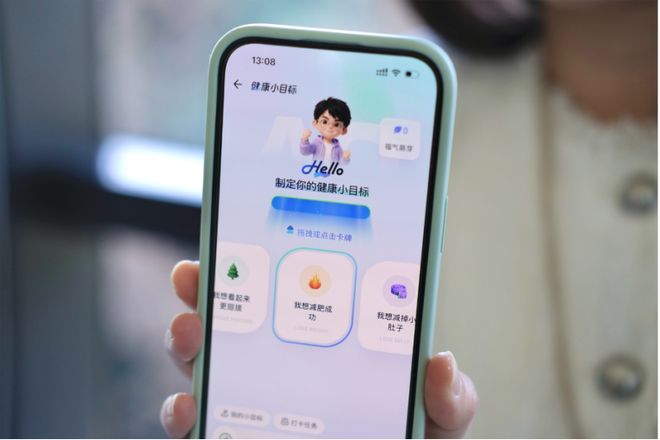
当人工智能遇上健康管理 健康险风险减量能否破局
Jin Rong Shi Bao· 2026-01-08 03:42
Core Insights - The insurance industry is transitioning from traditional financial compensation models to a customer-centric service model, focusing on risk reduction through proactive health management [1][4] - The establishment of the Ping An Health Management Company marks a significant step in integrating health management services with health insurance, aiming to enhance customer engagement and reduce claims [1][2] Group 1: Health Management Integration - Ping An Health has reported a service revenue of 159 million yuan in the first half of 2025, providing health management services to over 4.8 million customers, reflecting a year-on-year growth of 21.4% [2] - Other companies, such as China Pacific Insurance and China Ping An, have also established health management subsidiaries to enhance their competitive edge in the health insurance market [3][4] - Health management services are becoming a standard feature in health insurance products, even in basic insurance offerings, which now include services like health consultations and chronic disease follow-ups [2][3] Group 2: Shift from Passive to Active Management - The health insurance sector is undergoing a transformation from passive risk compensation to active health management, aiming to lower claim rates and improve customer retention [4][5] - The importance of health management is recognized as a core component for product competitiveness and sustainable industry development, especially in the context of rising health demands and clearer basic insurance roles [4][5] Group 3: Challenges and Opportunities - Despite the recognized importance of health management, low user awareness and service utilization rates remain significant challenges for the industry [5] - The Chinese government has issued guidelines to promote the integration of health insurance and health management, emphasizing the need for preventive measures and improved public understanding of health insurance [6][7] - Artificial intelligence (AI) is seen as a potential solution to enhance service delivery and efficiency in health management, with applications in personalized health interventions and dynamic assessments [6][7]

