原子级制造

Search documents
一把“纳米钥匙”开启产业未来
Xin Hua Ri Bao· 2025-10-22 22:33
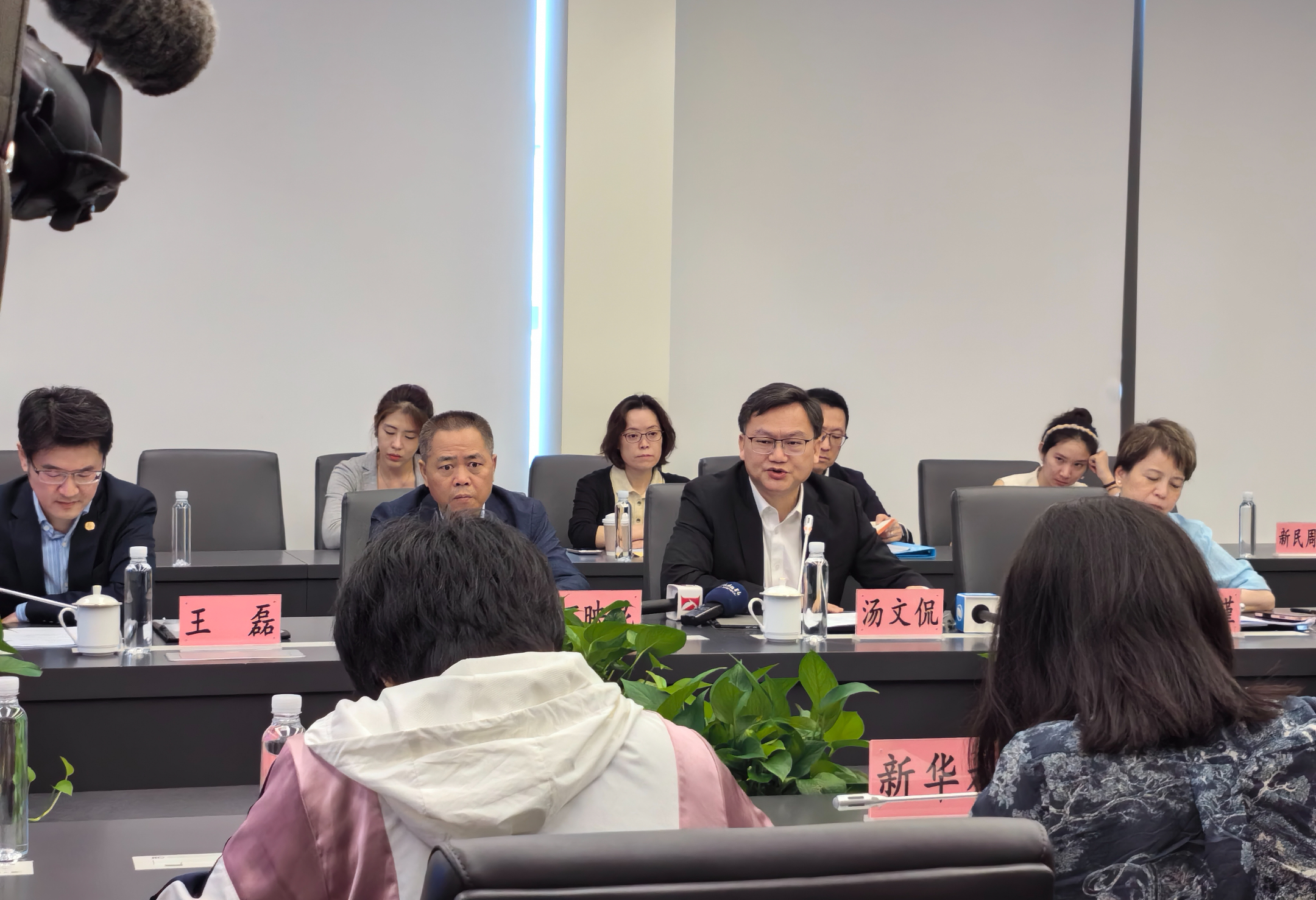
Core Insights - The 15th China International Nanotechnology Industry Expo showcased innovations in micro-nano manufacturing, third-generation semiconductors, and nano health, featuring over 450 exhibitors and 605 cutting-edge reports across a 25,000 square meter exhibition area [1][2] Group 1: Advanced Manufacturing - Atomic-level manufacturing is recognized as the "ultimate form" of manufacturing technology, enabling the creation of new materials, devices, and systems through energy application at the atomic level [2] - The Suzhou Institute of Nano-Tech and Nano-Bionics presented its Nano Vacuum Interconnect Experimental Station, the world's first large scientific device integrating material growth, device processing, and testing analysis, which supports the development of quantum technology and nano applications [2] Group 2: Standards and Regulations - The 2025 National Standards for Nano New Materials were announced, with increasing participation from Suzhou's research institutions and tech enterprises in the formulation of national standards to address critical material technology challenges [3] Group 3: Industry Empowerment - Nano technology is seen as a key enabling technology for future industries, enhancing the performance of embodied robots through the development of sensitive micro-sensors and lightweight structural components [4] - The complexity and broad applicability of nanotechnology necessitate collaboration between the scientific and industrial sectors to drive innovation and address challenges [4] Group 4: Industry Collaboration - The expo has attracted over 7,900 enterprises and more than 150,000 attendees since its inception in 2010, establishing itself as a significant international event for the nanotechnology industry [5][6] - The event emphasized the importance of showcasing cutting-edge technologies while facilitating a supply-demand platform for the industry, with an innovative interactive mechanism to promote technology transfer [7] Group 5: Regional Development - Suzhou has become a leading region for the nanotechnology industry in China, with over 1,500 related enterprises and an industrial output value of 197.51 billion yuan last year [8] - The city aims to enhance the integration of production, education, research, and application, fostering a robust innovation ecosystem to transition more research outcomes from laboratories to production lines [8]
三维天地:检验检测管理平台服务的半导体客户中,暂无ALD或ALE设备厂家
Zheng Quan Ri Bao· 2025-10-21 11:38
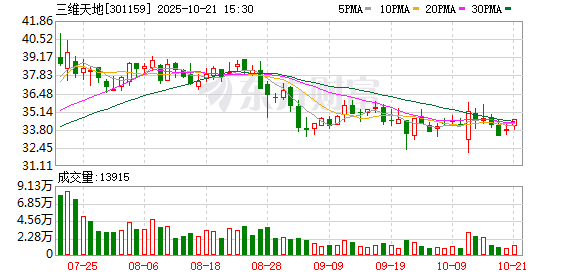
Core Viewpoint - The company, Sanwei Tiandi, is currently focusing on the semiconductor sector, particularly in the context of atomic-level manufacturing, which is seen as a future industry with significant technological and economic implications [2]. Group 1: Company Insights - Sanwei Tiandi has indicated that among its semiconductor clients, there are currently no manufacturers of ALD (Atomic Layer Deposition) or ALE (Atomic Layer Etching) equipment [2]. - The company is aware of the technological challenges and innovations associated with atomic-level manufacturing and is committed to closely monitoring advancements in related technologies and national strategic initiatives [2]. - The company plans to upgrade and iterate its main business products to better serve clients in the relevant fields as the industry moves towards commercialization [2].

三维天地(301159.SZ):检验检测管理平台服务的半导体客户中,暂无ALD或ALE设备厂家
Ge Long Hui· 2025-10-21 06:36
Core Viewpoint - The company, Sanwei Tiandi (301159.SZ), has indicated that there are currently no ALD or ALE equipment manufacturers among its semiconductor clients, highlighting a gap in the market for advanced atomic-level manufacturing technologies [1] Group 1: Company Insights - The company is focused on the semiconductor sector and is actively monitoring developments in atomic-level manufacturing, which is characterized by its technical challenges and potential for innovation [1] - The company plans to upgrade and iterate its main business products to better serve clients in related fields, aligning with national strategic interests [1] Group 2: Industry Context - Atomic-level manufacturing is identified as a future industry with significant technological and economic implications, currently transitioning from theoretical innovation and key technological breakthroughs to industrialization [1]
芯片制造的终极范式:原子级制造
3 6 Ke· 2025-10-15 11:52
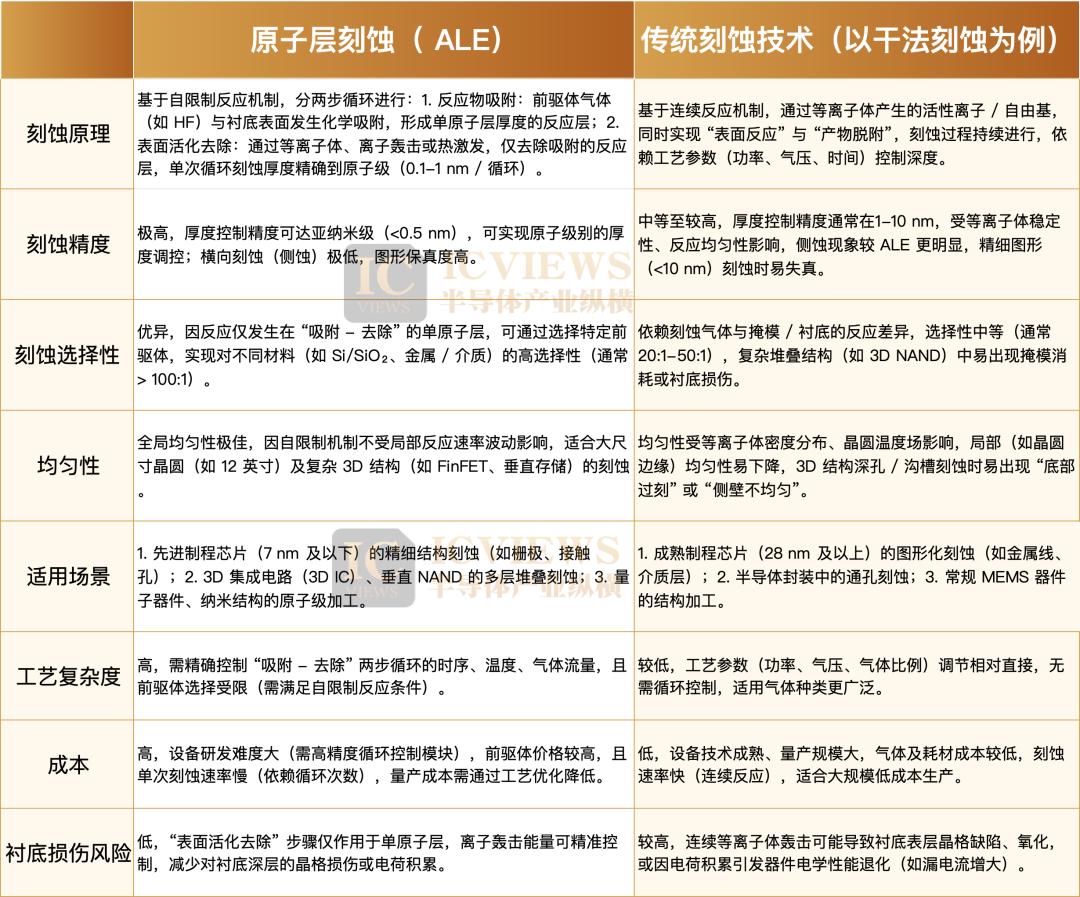
Core Insights - The article discusses the emergence of atomic-level manufacturing technology as a revolutionary advancement in chip production, enabling precise control over atomic arrangements, which significantly enhances chip performance and reduces size and power consumption [1][2]. Group 1: Atomic-Level Manufacturing Overview - Atomic-level manufacturing is recognized as the future direction of manufacturing, achieving unprecedented precision and miniaturization, and is considered the "ultimate form" of manufacturing technology [2]. - The core goal of atomic-level manufacturing is to manipulate materials at the atomic level, allowing for the creation of customized materials with specific atomic arrangements [2]. - This technology fundamentally shifts the manufacturing paradigm from traditional material and structure-based performance to a model where atomic control directly determines product performance [3]. Group 2: Key Technologies in Atomic-Level Manufacturing - Atomic Layer Deposition (ALD) is a critical technology in atomic-level manufacturing, known for its high control over film thickness and uniformity, making it essential in advanced semiconductor processes [4]. - Atomic Layer Etching (ALE) is another vital technology that allows for high-precision material removal at the atomic level, ensuring accuracy in chip manufacturing [5]. - The article compares ALE with traditional etching techniques, highlighting ALE's superior precision and lower risk of substrate damage [6]. Group 3: Policy Support and Industry Development - The Chinese government is increasingly supporting atomic-level manufacturing through various policies, recognizing its strategic importance and potential for innovation [8][10]. - Significant initiatives include the establishment of research centers and innovation alliances aimed at fostering collaboration between academia and industry [9][11]. - The government has outlined plans to integrate atomic-level manufacturing into national action plans, emphasizing its role in enhancing the competitiveness of China's manufacturing sector [10]. Group 4: Industry Challenges and Opportunities - Domestic companies are actively entering the atomic-level manufacturing space, with some achieving breakthroughs in core technologies and applications [11]. - Despite progress, challenges remain, including the need for advancements in design software, self-assembly processes, and in-situ detection technologies [11]. - The industry is urged to establish comprehensive standards covering materials, equipment, and products to facilitate further development [11].


50余家低空经济企业集聚浦口高新区
Nan Jing Ri Bao· 2025-10-14 02:35
Core Insights - Nanjing Tianqing Aerospace Technology Co., Ltd. has established a drone research and development base in Pukou High-tech Zone, accelerating the development of the low-altitude economy in the region [1][2] - Pukou District is recognized as a core area for civil unmanned aerial vehicle testing in China, contributing significantly to Nanjing's low-altitude economic growth [1][3] - The Pukou High-tech Zone has attracted over 50 key enterprises across the entire low-altitude economy value chain, establishing a comprehensive ecosystem for technology research, manufacturing, and operational services [1][2] Group 1 - The establishment of the drone base aligns with national strategies for low-altitude economic development, enhancing the region's industrial transformation [2] - The project encompasses various drone types, including fixed-wing, swarm, and vertical take-off and landing models, facilitating research, testing, and core component manufacturing [2] - Pukou High-tech Zone has signed 42 new projects this year, focusing on high-energy and leading projects to strengthen its industrial capabilities [3] Group 2 - The Nanjing Low-altitude Comprehensive Flight Base has become a key training ground for drone pilot certification, with over 8,000 training and examination participants this year [4] - The base features extensive facilities, including a runway, multiple take-off and landing areas, and a large hangar, making it a premier location in the Yangtze River Delta for aviation equipment testing [4][5] - Pukou has opened four drone flight zones covering 630 square kilometers, providing ample testing and operational conditions for drone operators [5] Group 3 - Pukou High-tech Zone is developing a modern technology industrial city with a focus on low-altitude economy, integrated circuits, and atomic-level manufacturing [6] - The region is also advancing in satellite manufacturing, aiming to create a comprehensive ecosystem that integrates research, manufacturing, and application [7] - The establishment of the Nanjing Atomic Manufacturing Research Institute in collaboration with Nanjing University aims to promote advanced technology in atomic-level manufacturing [6]
A股五张图:持股持币?持一颗红心过国庆!
Xuan Gu Bao· 2025-09-30 10:32
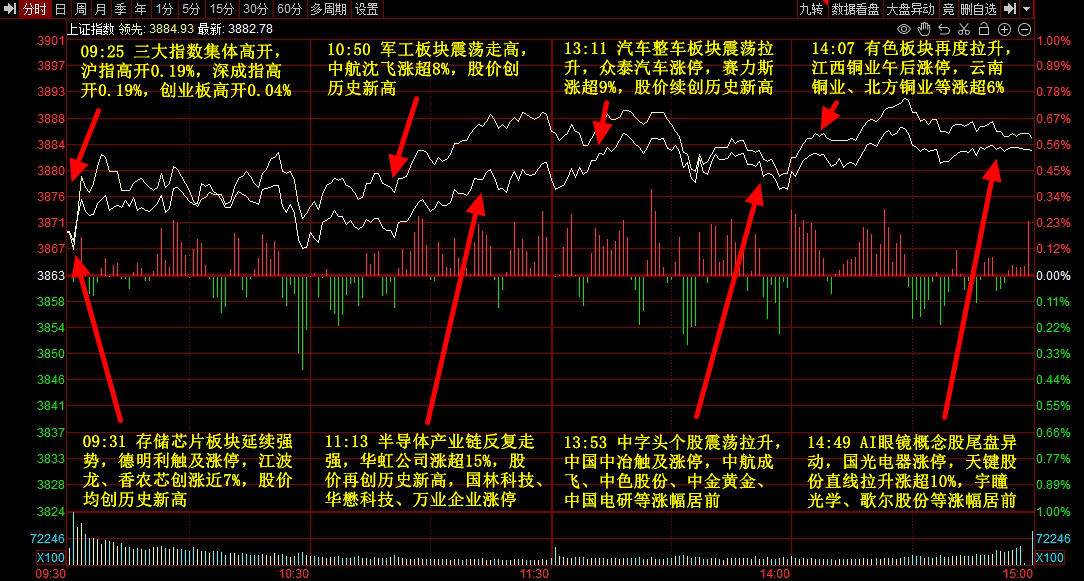
Market Overview - The market remained relatively calm before the National Day holiday, with the Shanghai Composite Index and Shenzhen Component Index closing up 0.52% and 0.35% respectively, while the ChiNext Index remained flat [4] - Various sectors showed strong performances, including AI video, storage, and non-ferrous metals, with several stocks hitting the daily limit up [3] AI Video Sector - OpenAI plans to release a new version of the Sora video generator as an independent application, leading to significant stock price increases for companies like Wangda Software and Danghong Technology, both hitting the daily limit up [11] - The Sora AI video sector saw a resurgence after a long period of inactivity, with related stocks experiencing notable gains [11] New Energy Vehicles - The new energy vehicle sector showed strong performance, with multiple stocks such as Songyuan Safety and Fulin Precision hitting the daily limit up [12] - The sector's growth is largely driven by lithium battery concepts, particularly solid-state batteries, with companies like Seres and Dongfeng Motors seeing substantial gains [12] Atomic-Level Manufacturing - The Ministry of Industry and Information Technology is considering including atomic-level manufacturing in the upcoming 14th Five-Year Plan, which is expected to create investment opportunities in this strategic sector [7] - Stocks like Guolin Technology and Del Future saw significant price increases following the announcement, reflecting market interest in the new direction outlined in the plan [7] Technology Sector - Fangzheng Technology received a large order from NVIDIA, leading to a significant stock price increase, with the company expected to see substantial performance improvements in the second half of the year [15] - The stock's rise was also influenced by market rumors regarding competitors, indicating a competitive landscape in the technology sector [15][16]
华尔街见闻早餐FM-Radio|2025年9月30日
Sou Hu Cai Jing· 2025-09-29 23:27
Market Overview - Technology stocks supported the three major US stock indices, which rose for two consecutive days to a one-week high, with Nvidia up over 2% and Micron up over 4% [1] - The US Treasury bonds saw a rise, with the ten-year yield declining for the first time in four days [1] - Bitcoin surged nearly $4,000, surpassing the $114,000 mark, while Ethereum rebounded over 4% [1] - Crude oil prices fell over 3%, marking the largest drop in three months, with WTI down over 4% [1] - Gold prices hit a historical high, with spot gold rising nearly 2% to break the $3,800 mark for the first time [1] Key News - The Central Committee of the Communist Party of China held a meeting to discuss documents to be submitted for review at the 20th Central Committee's Fourth Plenary Session [11] - The National Development and Reform Commission announced a new policy financial tool with a total scale of 500 billion yuan, aimed at supporting private enterprises' deep participation in the "Artificial Intelligence +" initiative [11][12] Company News - Facing competition from the iPhone 17, analyst Guo Mingqi lowered the shipment target for Xiaomi 17 by 20% [17] - Anthropic launched Claude Sonnet 4.5, claiming it to be the "best coding model globally" [17][23] - OpenAI plans to launch Sora 2, an independent app that defaults to using copyrighted content, which has sparked controversy [17] Industry Insights - The A-share market is experiencing a bull market characterized by high volume, moderate enthusiasm, and distinct structural features, with no clear bubble signals [18] - The semiconductor industry is seeing significant developments, with Shenzhen's new semiconductor company attracting external investors [15] - The education sector is undergoing transformation due to digital technology and AI, with a focus on enhancing digital education services [24]

晚报 | 9月30日主题前瞻
Xuan Gu Bao· 2025-09-29 14:53
Education Sector - The National Smart Education Platform is advancing its application pilot work, emphasizing the role of digital technology, especially AI, in reshaping knowledge structures and educational methods [1] - The Chinese smart education market is projected to exceed 900 billion yuan by 2025, with a compound annual growth rate of 21% [1] - The Ministry of Education aims for 90% coverage of smart campuses in primary and secondary schools by 2025, indicating a shift from "tool empowerment" to "ecological reconstruction" in education [1] Superconducting Industry - A new world record of 35.1 Tesla for steady-state magnetic fields has been achieved by a collaborative effort led by the Chinese Academy of Sciences [2] - This breakthrough in superconducting technology is expected to enhance the domestic high-temperature superconducting materials industry and support applications in various fields such as MRI, aerospace, and efficient power transmission [2] - The global superconducting materials market is anticipated to exceed $25 billion by 2030, with significant growth expected in China's market share [2] Atomic-Level Manufacturing - The Central Political Bureau is discussing the inclusion of atomic-level manufacturing in the 14th Five-Year Plan, highlighting its strategic importance [3] - The focus will be on high-end manufacturing needs, including integrated circuits and aerospace, to enhance core materials and components [3] Macro and Industry News - The Central Political Bureau is formulating the 15th Five-Year Plan for economic and social development [4] - The National Development and Reform Commission is supporting the development of domestic computing power and models [4] - The Ministry of Industry and Information Technology aims for an average annual revenue growth of 3.5% in the machinery industry from 2025 to 2026 [4]
智造未来可期 第二十五届工博会23日开幕
Guo Ji Jin Rong Bao· 2025-09-12 12:53
Core Points - The 25th China International Industry Fair (CIIF) will be held from September 23 to 27 at the National Exhibition and Convention Center in Shanghai, with a theme of "Industrial New Quality, Intelligent Manufacturing Without Boundaries" and an exhibition area of 300,000 square meters, expected to set historical records in scale and international participation [1][3] Group 1: Exhibition Highlights - The fair will showcase high-end, intelligent, and green technologies, serving as a core display window for industrial achievements during the 14th Five-Year Plan period [3] - Key exhibits include the C919 large passenger aircraft and the domestically produced cruise ship "Aida·Magic City," along with 1,500 projects aimed at enhancing industrial capabilities and 80 advanced manufacturing clusters from various countries [3] - Innovations in AI and manufacturing will be highlighted, such as a machine tool achieving the world's first "zero human experience" for autonomous processing paths and a domestic oral surgery robot utilizing AI for safer procedures [3] Group 2: International Participation - The event will attract nearly 3,000 exhibitors from 28 countries and regions, with international exhibitor space reaching new heights [4] - The Saudi exhibition group will present achievements related to industrial transformation and smart manufacturing as part of Saudi Arabia's Vision 2030 [4] - The fair will focus on cutting-edge fields such as superconductors, atomic-level manufacturing, brain-computer interfaces, and quantum technology, showcasing future industry results [4] Group 3: Special Exhibitions and Events - The exhibition will feature a framework of "1+3+9+10," including one high-profile opening ceremony, three major special exhibitions, nine industry-themed exhibitions, and ten key industry summits [4] - The "National New Industrialization and '14th Five-Year' Major Industrial Achievements Exhibition" will cover approximately 2,000 square meters, divided into three main areas: achievements, advanced manufacturing clusters, and industrial innovation [4][5] Group 4: Product Launches - The fair will see the debut of nearly 300 global firsts and around 200 China firsts, including advanced robotics and industrial control technologies [7] - Notable exhibits include ABB's compact collaborative robot PoWa, which boasts an industrial-grade speed of 5.8 meters per second, and a heavy-duty robot with a 5,000-kilogram load capacity from domestic company ChaiFu [7] Group 5: Visitor Engagement - The fair has received appointment requests from professional buyers from 102 countries and regions, with overseas visitor numbers doubling compared to the previous year, marking a historical high [8] - A "China Manufacturing Experience Day" will be introduced, inviting international representatives for interactive discussions on various themes [8]


智造未来可期,第二十五届工博会23日开幕
Guo Ji Jin Rong Bao· 2025-09-12 12:52
Group 1 - The 25th China International Industry Fair (CIIF) will be held from September 23 to 27 at the National Exhibition and Convention Center in Shanghai, with a theme of "Industrial New Quality, Intelligent Manufacturing Without Boundaries" and an exhibition area of 300,000 square meters, expected to set historical records in scale and international exhibitor participation [1][2] - The fair will showcase high-end, intelligent, and green industrial achievements, including significant national projects like the C919 large passenger aircraft and the domestically produced cruise ship "Aida·Magic City" [4][5] - The event will feature nearly 3,000 participating enterprises from 28 countries and regions, with a record high international exhibitor area, including a Saudi delegation showcasing achievements related to the Saudi Vision 2030 [5][6] Group 2 - CIIF will focus on cutting-edge fields such as superconductors, atomic-level manufacturing, brain-computer interfaces, and quantum technology, presenting future industry achievements like second-generation high-temperature superconducting tapes and quantum encryption networks [6] - The exhibition will introduce a new framework of "1+3+9+10," which includes one high-profile opening ceremony, three major special exhibitions, nine industry-themed exhibitions, and ten key industry summits [6] - Hundreds of new products will debut at the fair, with nearly 300 global premieres and around 200 China premieres, featuring leading companies in industrial control technology, metal sheet processing, and industrial robotics [8][9]