
宏观审慎管理体系

Search documents
潘功胜,最新发声
财联社· 2026-01-22 10:05
Core Viewpoint - The article emphasizes the importance of financial stability and the implementation of a moderately loose monetary policy to support China's economic growth and modernization efforts during the 14th Five-Year Plan period [1][2]. Group 1: Implementation of Monetary Policy - The People's Bank of China (PBOC) will continue to implement a moderately loose monetary policy, focusing on stabilizing economic growth and ensuring reasonable price recovery as key considerations [2]. - The PBOC plans to utilize various monetary policy tools, such as reserve requirement ratio (RRR) cuts and interest rate reductions, to maintain ample liquidity and align social financing scale and money supply growth with economic growth and price expectations [2]. - There is still room for further RRR and interest rate cuts this year, with an emphasis on managing interest rate policies to keep financing costs low [2]. Group 2: Structural Policy Adjustments - The PBOC has introduced several structural monetary policies, including a 0.25 percentage point reduction in the interest rates of various structural monetary policy tools [3]. - Specific measures include a dedicated 1 trillion yuan relending for private enterprises and an increase in relending quotas for agricultural and small enterprises by 500 billion yuan to 4.35 trillion yuan [3]. - The PBOC aims to maintain stable financial markets and manage expectations, ensuring the RMB exchange rate remains stable within a reasonable range [3]. Group 3: Dual Pillars for Financial Strength - The PBOC is focused on building a robust monetary policy system and a comprehensive macro-prudential management framework to support high-quality financial development [4]. - Key initiatives include optimizing the monetary policy target system, enhancing the mechanism for market-based interest rate formation, and improving the structure of monetary policy tools [5][6][7]. - The PBOC will also enhance communication and transparency regarding policies to foster a credible and systematic market communication mechanism [9]. Group 4: Enhancing Financial Services for the Real Economy - The PBOC aims to guide financial institutions to support domestic demand, technological innovation, and small and micro enterprises, which are crucial for high-quality development [14]. - Specific measures include a 500 billion yuan relending for consumer services and pensions, as well as increased support for technology innovation and small enterprises through various financial instruments [15]. - Collaboration with other government departments will be strengthened to improve the effectiveness and accessibility of financial services [15]. Group 5: Global Financial Governance and Cooperation - The PBOC will promote global financial governance reforms and international cooperation, advocating for a fair and inclusive global financial governance system [16]. - Efforts will include enhancing the openness of the financial sector, promoting the internationalization of the RMB, and supporting the development of a cross-border payment system [17]. - The PBOC will actively participate in international financial governance and cooperation, focusing on macro policy coordination and the establishment of international financial regulatory rules [17][18].

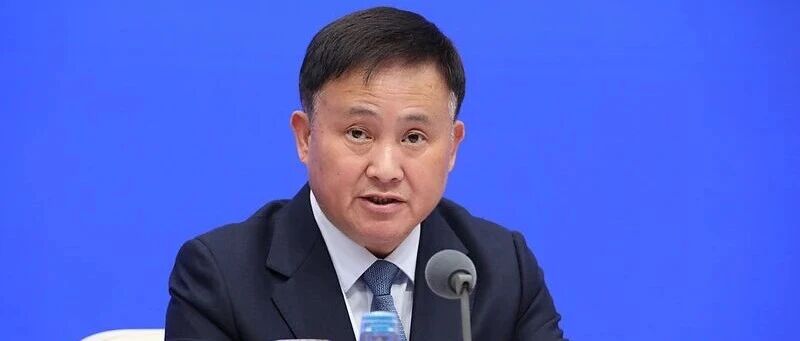
潘功胜最新发声!继续实施好适度宽松的货币政策
Sou Hu Cai Jing· 2026-01-22 09:55
Core Viewpoint - The article emphasizes the importance of creating a favorable monetary and financial environment to support high-quality economic development in China, as outlined in the "14th Five-Year Plan" [1] Group 1: Monetary Policy Implementation - The People's Bank of China (PBOC) will continue to implement a moderately loose monetary policy, focusing on stabilizing economic growth and ensuring reasonable price recovery [2] - The PBOC plans to utilize various monetary policy tools, including reserve requirement ratio (RRR) cuts and interest rate reductions, to maintain ample liquidity and align social financing scale with economic growth [2][3] - Specific measures include lowering the interest rates of structural monetary policy tools by 0.25 percentage points and increasing the quotas for agricultural and small enterprise loans [3] Group 2: Financial System Development - The PBOC aims to construct a scientific and robust monetary policy system and a comprehensive macro-prudential management system to promote high-quality financial development [4] - Key initiatives include optimizing the monetary policy target system, enhancing the market-based interest rate formation mechanism, and improving the structural monetary policy tool system [5] Group 3: Support for Real Economy - The PBOC will enhance financial support for key areas such as domestic demand expansion, technological innovation, and small and micro enterprises [7] - Specific actions include establishing a 500 billion yuan re-loan for consumer services and pensions, increasing re-loan quotas for technological innovation, and supporting small and micro enterprises through dedicated financial instruments [8] Group 4: Global Financial Cooperation - The PBOC will actively promote global financial governance reform and international financial cooperation, emphasizing multilateralism and open reform [9] - Initiatives include deepening financial sector openness, enhancing cross-border payment systems, and participating in international financial governance and cooperation [10]
权威访谈·开局“十五五”|营造良好货币金融环境 有力支撑经济高质量发展——访中国人民银行党委书记、行长潘功胜
Xin Hua She· 2026-01-22 09:37
Core Viewpoint - The article emphasizes the importance of creating a favorable monetary and financial environment to support high-quality economic development in China, as outlined in the "14th Five-Year Plan" [1] Group 1: Monetary Policy Implementation - The People's Bank of China (PBOC) will continue to implement a moderately accommodative monetary policy to promote stable economic growth and reasonable price recovery, focusing on integrating both incremental and stock policies [2] - The PBOC plans to maintain ample liquidity by flexibly using various monetary policy tools such as reserve requirement ratio (RRR) cuts and interest rate reductions, with room for further adjustments in 2026 [2][3] - Structural monetary policy tools will be optimized, including a 0.25 percentage point reduction in the interest rates of various structural monetary policy tools and an increase in the quotas for agricultural and small enterprise loans [3] Group 2: Financial System Development - The PBOC aims to construct a scientific and robust monetary policy system and a comprehensive macro-prudential management system as strategic measures for promoting high-quality financial development during the "14th Five-Year Plan" [4] - Key areas of focus include optimizing the monetary policy target system, improving the mechanism for basic currency issuance, and enhancing the market-based interest rate formation and transmission mechanisms [4] Group 3: Support for Real Economy - The PBOC will enhance financial support for key areas such as expanding domestic demand, technological innovation, and small and micro enterprises, which are crucial for high-quality development [6][7] - Specific measures include a dedicated 500 billion yuan for consumer services and elderly care loans, increasing the quotas for agricultural and small enterprise loans, and supporting the issuance of financial bonds by eligible financial institutions [7] Group 4: Global Financial Governance - The PBOC will actively promote global financial governance reform and international financial cooperation, emphasizing multilateralism and the internationalization of the renminbi [8] - Efforts will include deepening institutional openness in the financial sector, enhancing cross-border payment systems, and participating in international financial governance and cooperation [8]
营造良好货币金融环境 有力支撑经济高质量发展——访中国人民银行党委书记、行长潘功胜
Xin Lang Cai Jing· 2026-01-22 09:32
Core Viewpoint - The article emphasizes the importance of creating a favorable monetary and financial environment to support high-quality economic development in China, as outlined in the "14th Five-Year Plan" [1][12]. Group 1: Implementation of Monetary Policy - The People's Bank of China (PBOC) will continue to implement a moderately accommodative monetary policy to promote stable economic growth and reasonable price recovery, with a focus on integrating incremental and stock policies [2][13]. - The PBOC plans to maintain ample liquidity by flexibly using various monetary policy tools such as reserve requirement ratio (RRR) cuts and interest rate reductions, aligning the growth of social financing and money supply with economic growth and price level expectations [2][13]. - There is still room for further RRR and interest rate cuts this year, and the PBOC will ensure effective execution and supervision of interest rate policies to keep the overall financing costs low [2][13]. Group 2: Structural Monetary Policy Tools - The PBOC has lowered the interest rates on various structural monetary policy tools by 0.25 percentage points and established a dedicated 1 trillion yuan re-loan for private enterprises [3][14]. - The PBOC has increased the re-loan quota for agricultural and small enterprises by 500 billion yuan to 4.35 trillion yuan and for technological innovation and transformation by 400 billion yuan to 1.2 trillion yuan [3][14]. - The PBOC aims to maintain stable financial markets and manage expectations while ensuring the RMB exchange rate remains stable at a reasonable level [3][14][15]. Group 3: Financial System Development - The PBOC is focused on constructing a scientific and robust monetary policy system and a comprehensive macro-prudential management system as strategic measures for high-quality financial development during the "14th Five-Year Plan" [4][16]. - The PBOC will optimize the monetary policy target system, emphasizing intermediate variables and reducing the focus on quantitative targets to enhance the effectiveness of interest rate adjustments [4][16]. - The PBOC plans to improve the market-based interest rate formation and transmission mechanisms to ensure smooth transmission from central bank policy rates to market benchmark rates [5][16]. Group 4: Enhancing Financial Services for the Real Economy - The PBOC will enhance financial support for key areas such as expanding domestic demand, technological innovation, and small and micro enterprises, which are crucial for promoting high-quality development [7][20]. - Specific measures include a dedicated 500 billion yuan re-loan for consumer services and elderly care, and the promotion of financial product innovation to meet diverse consumer financial needs [7][20]. - The PBOC will also increase support for technological innovation by raising the re-loan quota for technology and transformation projects and merging tools to support private enterprises [7][21]. Group 5: Global Financial Governance and Cooperation - The PBOC aims to deepen institutional openness in the financial sector and promote high-level opening of financial services and markets, while supporting the internationalization of the RMB [10][22]. - The PBOC will develop a multi-channel, comprehensive, secure, and efficient cross-border payment system and enhance international cooperation in cross-border payments [10][22]. - The PBOC will actively participate in international financial governance and cooperation, including global macro policy coordination and the formulation of international financial regulatory rules [11][23].
对接国家“十五五”规划 香港财库局定下金融业四大重点方向
智通财经网· 2026-01-22 07:05
Core Viewpoint - The Hong Kong Financial Services and the Treasury Bureau has outlined a mid-to-long-term vision to integrate the financial sector with national development, focusing on enhancing market advantages, supporting high-quality economic development, deepening internal and external connectivity, and safeguarding financial security [1][2]. Group 1: Enhancing Market Advantages - Hong Kong's market is characterized by high openness and internationalization, with robust legal frameworks and talent aggregation. The bureau aims to enhance stock market competitiveness, facilitate the return of Chinese concept stocks, strengthen offshore RMB business, and attract family offices by optimizing the tax system to boost asset management competitiveness [1]. Group 2: Supporting High-Quality Economic Development - The bureau plans to promote fintech to assist mainland tech companies in raising funds in Hong Kong, explore new opportunities in bulk commodities and gold trading, accelerate the development of green finance, and deepen cooperation with the Greater Bay Area carbon market pilot [1]. Group 3: Deepening Internal and External Connectivity - The bureau will expand connectivity through existing frameworks like Stock Connect and Bond Connect, including initiatives such as incorporating real estate investment trusts into connectivity schemes and optimizing cross-border payment systems. Hong Kong aims to act as a "super connector" to help mainland enterprises expand internationally and attract foreign businesses and capital [2]. Group 4: Safeguarding Financial Security - The "14th Five-Year Plan" emphasizes the need to improve the macro-prudential management system. The Hong Kong government will work closely with regulatory bodies to enhance market supervision, prevent systemic risks, and improve cross-border risk monitoring in collaboration with national financial management departments [2].
焦点访谈丨金融“活水”赋能经济发展 城市更新托举美好生活
Sou Hu Cai Jing· 2026-01-22 00:47
Group 1: Monetary Policy and Economic Development - The People's Bank of China (PBOC) will implement a moderately loose monetary policy in 2026 to support stable economic growth and high-quality development, aligning with the "14th Five-Year Plan" goals [5][11][33] - The PBOC has introduced eight policy measures, including the first structural interest rate cut in 2026, to direct more financial resources towards technology, green initiatives, and small and micro enterprises, facilitating economic restructuring [3][6] - The average reserve requirement ratio for financial institutions is currently 6.3%, indicating room for further cuts, while the net interest margin has stabilized at 1.42% since 2025, providing a favorable environment for interest rate reductions [7][9] Group 2: Financial Support for Key Sectors - The PBOC will allocate 500 billion yuan for consumer and elderly care loans, and increase the quota for technology innovation loans from 800 billion yuan to 1.2 trillion yuan, targeting high R&D investment private SMEs [9][18] - An additional 5 trillion yuan will be allocated for agricultural and small enterprise loans, with a dedicated 1 trillion yuan for private enterprises, enhancing financing accessibility for these sectors [9][29] - The PBOC emphasizes the importance of financial institutions in supporting domestic demand, technological innovation, and small and micro enterprises as part of a strategy to strengthen domestic circulation and promote high-quality development [9][11] Group 3: Urban Development and Housing Quality - The Ministry of Housing and Urban-Rural Development plans to implement urban renewal actions in 2026, focusing on improving living conditions and environments for residents [17][20] - The "Good House" initiative aims to enhance housing quality through better standards, designs, materials, and maintenance, with a comprehensive deployment outlined in the recent guidelines [24][26] - The ministry will adopt a targeted approach to real estate regulation, emphasizing localized strategies to stabilize the housing market and support reasonable financing needs of real estate companies [29][31]
焦点访谈|稳中求进、提质增效 经济“活水”这样浇灌美好生活
Yang Shi Wang· 2026-01-21 13:35
Core Viewpoint - The focus is on the implementation of the "14th Five-Year Plan" starting in 2026, emphasizing high-quality development and the support of the real economy through monetary policy measures [1][2]. Monetary Policy - The People's Bank of China (PBOC) will continue to implement a moderately loose monetary policy to support stable economic growth and high-quality development, ensuring a favorable financial environment for the "14th Five-Year Plan" [2]. - The PBOC has a rich toolbox of monetary policy instruments, including traditional tools like reserve requirement ratio (RRR) cuts and interest rate reductions, as well as structural monetary policy tools [2][3]. - There is still room for further RRR and interest rate cuts in 2026, with the current average RRR at 6.3% and a stabilized net interest margin of 1.42% observed since 2025 [3]. Structural Support - The PBOC aims to optimize the design and management of structural monetary policy tools to enhance support for key areas such as domestic demand expansion, technological innovation, and small and micro enterprises [5]. - Specific measures include a dedicated 500 billion yuan for consumer and elderly care loans, increasing the technology innovation loan quota to 1.2 trillion yuan, and raising the agricultural and small enterprise loan quotas to 4.35 trillion yuan [5]. Financial Stability - The PBOC emphasizes the importance of maintaining financial market stability to support high-quality development of the real economy, including managing expectations and stabilizing the RMB exchange rate [9]. - A comprehensive macro-prudential management system will be established to address the interconnections between macroeconomic operations and financial risks [7]. Urban Development - In 2026, urban renewal projects will be initiated, focusing on improving living conditions and environments, with a commitment to high-quality urban development [11]. - The Ministry of Housing and Urban-Rural Development will implement city-specific strategies to address urgent community issues, such as parking and aging infrastructure [13]. Real Estate Market - The real estate market will be stabilized through precise policies tailored to individual cities, supporting reasonable financing needs of real estate companies and addressing housing demands [15][16]. - The focus will be on enhancing the quality of housing through better standards, designs, materials, and maintenance, transitioning from new construction to the renovation of existing properties [15][16].
建设安全高效的中央对手清算机构 全力服务金融市场稳健运行和高质量发展
Jin Rong Shi Bao· 2026-01-09 02:07
Core Viewpoint - The 20th Central Committee's Fourth Plenary Session emphasizes the strategic deployment for accelerating the construction of a financial power during the "14th Five-Year Plan" period, focusing on building safe and efficient financial infrastructure, with the Shanghai Clearing House playing a crucial role in this initiative [1]. Group 1: Importance of Central Counterparty Clearing - The establishment of a safe and efficient central counterparty clearing institution is vital for ensuring the stable operation and high-quality development of the financial market, serving as a historical mission to support the construction of a financial power [1]. - Central counterparties are essential for the modern financial system in China, acting as a key platform for financial policy transmission, resource allocation, and risk management [2]. - They play a critical role in macro-prudential management, helping to prevent and mitigate financial risks through effective risk management mechanisms [2]. Group 2: Achievements During the 14th Five-Year Plan - The Shanghai Clearing House has developed six major platforms, including the largest OTC foreign exchange clearing platform globally and a leading RMB asset allocation platform, significantly contributing to the high-quality development of the financial market [4]. - The scale of centralized clearing business increased from 417 trillion yuan in 2020 to 819 trillion yuan by 2025, with an average annual growth rate of approximately 14.4% [4]. - The bond custody increased from 24.5 trillion yuan to 49.9 trillion yuan, with an average annual growth rate of about 15.3% [4]. Group 3: Product Innovation and Risk Management - The Shanghai Clearing House has established a comprehensive central counterparty clearing service system covering five major categories, becoming a significant provider of financial products and services [5]. - It has developed innovative products in various fields, including foreign exchange, interest rates, and credit derivatives, enhancing market competitiveness [6]. - The risk management system has been recognized both domestically and internationally, successfully meeting the highest international standards and receiving cross-border regulatory certifications [6]. Group 4: Internationalization and Open Financial Market - The Shanghai Clearing House aims to create a "one-point access" hub for domestic and international financial markets, enhancing cross-border service chains through innovative products [7]. - It has established itself as a key player in international financial governance, with its standards being adopted by over 99% of mainstream peers globally [7]. - The focus on international cooperation and the Belt and Road Initiative aims to expand the depth and breadth of cross-border connectivity [8]. Group 5: Future Goals for the 15th Five-Year Plan - The Shanghai Clearing House plans to establish itself as the main registration and custody institution for overseas RMB bond assets, promoting the "Yulan Bond" model and expanding its international network [10]. - It aims to become a central counterparty for overseas RMB financial products, enhancing the supply of RMB clearing products and providing risk hedging tools for foreign investors [10]. - The goal is to become the primary centralized clearing institution for OTC bulk commodity trading, integrating various financial services to support the healthy development of the real economy [11].
持续完善中央银行制度 支撑金融强国建设
Jing Ji Ri Bao· 2026-01-06 03:41
Core Viewpoint - A strong central bank is essential for building a financial powerhouse, as highlighted in the recommendations from the 20th Central Committee of the Communist Party of China, which emphasizes the need for a scientific and robust monetary policy system and comprehensive macro-prudential management system to support high-quality financial development during the 14th Five-Year Plan period [1][2]. Group 1: Central Bank's Role and System - The central bank serves as the core of the financial system, evolving with economic changes and establishing widely accepted goals and functions. The People's Bank of China (PBOC) was established in 1948, marking the beginning of the exploration of the central banking system in China [2]. - The PBOC aims to maintain currency stability and financial stability as dual objectives, with the monetary policy system and macro-prudential management system serving as foundational tools for macro management [2][3]. - The PBOC's focus during the 14th Five-Year Plan includes enhancing the monetary policy framework, improving the macro-prudential management system, and ensuring effective policy transmission mechanisms [3][4]. Group 2: Monetary Policy Framework - A scientific and robust monetary policy system is crucial for sustainable economic growth, requiring a balance between price-based and quantity-based tools while addressing external shocks [4][5]. - The PBOC emphasizes the importance of maintaining a steady monetary policy, dynamically achieving a balance among currency stability, economic growth, full employment, and international balance of payments [5][6]. - The relationship between short-term and long-term goals, growth and risk prevention, and internal and external factors must be carefully managed to enhance financial stability and support economic transformation [6][7]. Group 3: Macro-Prudential Management - The macro-prudential management system is essential for preventing systemic financial risks, requiring improvements in cross-departmental and cross-market regulatory frameworks [8][9]. - The PBOC has initiated the construction of a macro-prudential policy framework since the 2008 financial crisis, establishing a system that reflects China's unique characteristics [8][10]. - The PBOC plans to enhance the monitoring and assessment of systemic financial risks, improve risk prevention measures for key institutions, and continuously enrich the macro-prudential management toolbox [10][11].
持续完善中央银行制度
Jing Ji Ri Bao· 2026-01-05 22:05
强大的中央银行是建设金融强国必须具备的关键核心金融要素之一。党的二十届四中全会通过的《中共 中央关于制定国民经济和社会发展第十五个五年规划的建议》提出,构建科学稳健的货币政策体系和覆 盖全面的宏观审慎管理体系。这是"十五五"时期推动金融高质量发展、加快建设金融强国的战略举措, 为完善中央银行制度指明了方向。 支撑金融强国建设 中央银行是金融体系的中枢,随着经济变迁而演进发展,形成了一系列被广泛接受的基本目标和职能定 位。中央银行制度是一国最重要的货币金融管理制度。我国于1948年成立了中国人民银行,开启了中央 银行制度的探索之路,经过改革开放以来特别是党的十八大以来的不断实践,构建了一系列既符合经济 金融普遍规律,又具有鲜明中国特色的中央银行制度。 《中共中央关于制定国民经济和社会发展第十五个五年规划的建议》提出,完善中央银行制度,构建科 学稳健的货币政策体系和覆盖全面的宏观审慎管理体系,畅通货币政策传导机制。 中央银行以维护币值稳定和金融稳定为双目标,货币政策体系和宏观审慎管理体系是中央银行实施宏观 管理的两项基础性工具,是实现双目标的双支柱。构建科学稳健的货币政策体系和覆盖全面的宏观审慎 管理体系,有利于 ...