极限施压

Search documents
马杜罗:美国为石油而来,“骚扰与威胁”不断升级
Xin Hua She· 2025-12-01 09:03
Group 1 - The core viewpoint of the article is that U.S. military deployments in the Caribbean are aimed at seizing Venezuela's oil resources, posing risks to both Venezuela's oil production and global energy market stability [1][2] Group 2 - Since August, the U.S. has escalated "harassment and threats" against Venezuela, deploying over 10 warships and approximately 15,000 troops, along with conducting over 20 airstrikes that resulted in over 80 deaths [2] - Venezuela's President Maduro emphasizes the country's commitment to defending its energy resource sovereignty and calls for OPEC and OPEC+ to enhance communication regarding the potential impacts of U.S. actions on the market and member interests [2] Group 3 - U.S. President Trump issued a controversial statement urging airlines and pilots to consider Venezuelan airspace as fully closed, which has drawn strong condemnation from Venezuela and criticism from the international community [3] - Trump clarified that his warning about Venezuelan airspace was not an indication of an imminent airstrike and described a recent phone call with Maduro without disclosing details [3] Group 4 - In response to U.S. threats, Venezuela's military conducted nationwide coastal defense exercises, establishing defense points and deploying artillery and air defense systems along the coast [4] Group 5 - Venezuela's Vice President Rodríguez stated that the country has activated all multilateral mechanisms under international law to respond to the "U.S. blockade of airspace" [5]
热点问答丨“全面关闭”委内瑞拉空域,美国要动武?
Xin Hua She· 2025-12-01 00:51
Core Viewpoint - The article discusses the implications of U.S. President Trump's declaration that the airspace over Venezuela is "fully closed," signaling potential military escalation in the region [1][2]. Military Actions - Trump indicated that the U.S. military has already prevented approximately 85% of maritime drug trafficking from Venezuela and plans to begin land operations soon [1]. - The U.S. has deployed multiple naval vessels, including the largest aircraft carrier, the USS Gerald R. Ford, in the Caribbean Sea near Venezuela [1]. - Since September, over 20 vessels identified as "drug trafficking boats" have been sunk by the U.S. military, resulting in more than 80 deaths [1]. Impact on Aviation - The U.S. Federal Aviation Administration (FAA) issued a warning about the dangers of flying over Venezuelan airspace due to escalating military activities, leading several airlines to cancel flights [3]. - Following the FAA's warning, airlines such as Gol Airlines, Avianca, and Iberia canceled flights to and from Venezuela, while the Venezuelan government revoked operating licenses for six foreign airlines [3]. Reactions from Various Parties - The Venezuelan government condemned Trump's remarks as a violation of its sovereignty and initiated multilateral mechanisms to respond to the U.S. actions [4]. - Leaders from Colombia, Cuba, and the Bolivarian Alliance expressed that no country has the right to close another nation's airspace, warning of unpredictable consequences for peace and stability in Latin America and the Caribbean [5]. - Some U.S. politicians criticized Trump's approach, arguing that it risks leading to another costly foreign war without congressional authorization [5]. - Analysts suggest that Trump's statements represent an escalation of aggressive actions against Venezuela, potentially preparing for airstrikes or increasing psychological pressure on the Venezuelan government and its citizens [5].
输给中国后,特朗普又败了,巴西得到美国特殊待遇,卢拉高呼胜利
Sou Hu Cai Jing· 2025-11-24 05:08
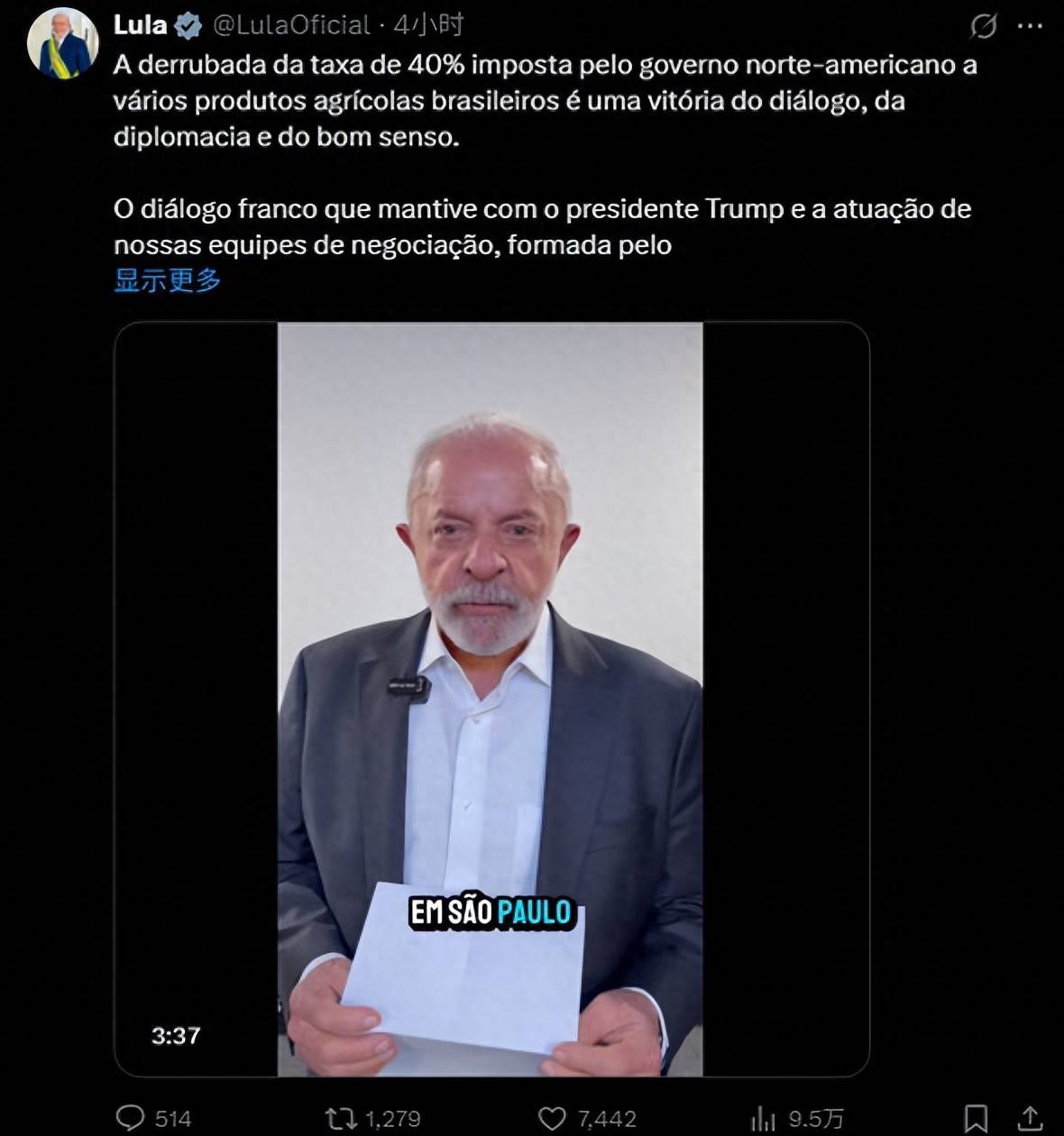
Core Viewpoint - Trump's decision to lower tariffs on certain Brazilian products signifies a significant diplomatic setback for his administration, highlighting the ineffectiveness of his pressure tactics against Brazil [3][5][9] Group 1: Tariff Policies and Economic Impact - The Trump administration previously imposed a series of tariffs on Brazil, including a 10% reciprocal tariff and an additional 40% punitive tariff on essential agricultural products like beef, coffee, and fruits [5] - The intention behind these tariffs was to leverage Brazil's economic dependency to force concessions in negotiations, but the Lula government did not yield as expected, leading to a stalemate [5][8] - The rising food prices in the U.S. due to these tariffs sparked public backlash, undermining Trump's negotiating position [5][7] Group 2: Diplomatic Strategies - Lula's diplomatic approach contrasted sharply with Trump's, as he recognized Brazil's inability to confront the U.S. directly and opted for a strategy that avoided substantial concessions while maintaining dignity [7][8] - Lula characterized Trump's tariff reduction as a victory for dialogue and diplomacy, emphasizing the importance of honest communication and negotiation teams [7] - The situation illustrates that maintaining respect and dignity in international relations can lead to successful outcomes, as demonstrated by Brazil's resilience against U.S. pressure [9] Group 3: Shifts in International Relations - The outcome of this diplomatic engagement signals a potential shift in international political dynamics, suggesting that the era of U.S. unilateralism may be waning [8][9] - Brazil's success in this scenario serves as a model for other developing countries facing similar pressures from dominant powers, indicating that steadfastness can yield respect and victory [8][9]

特朗普吹嘘美国养活了解放军,指示美财长打电话,要中国报恩
Sou Hu Cai Jing· 2025-11-20 07:43
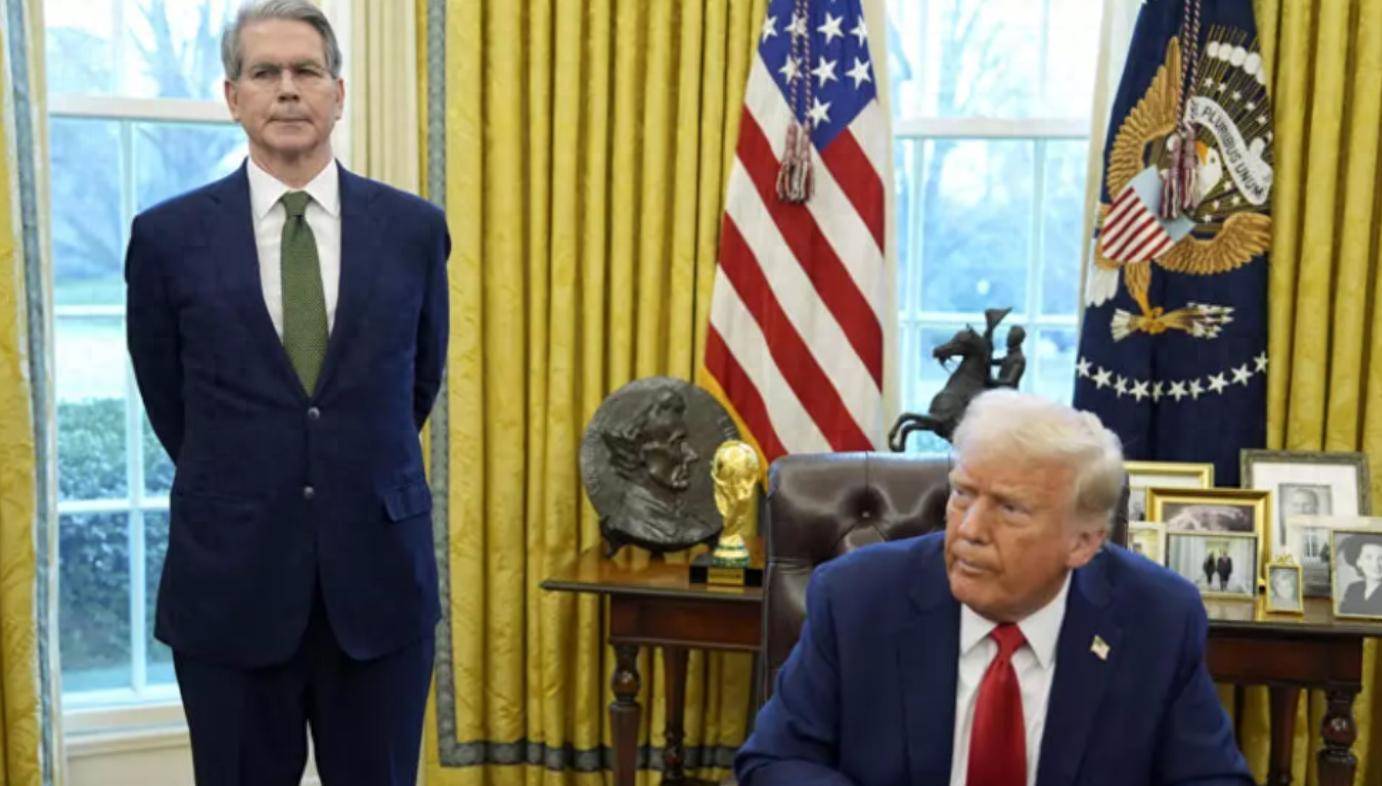
Core Viewpoint - The ongoing tensions between the US and China are highlighted by Trump's recent statements, which suggest that the US is indirectly funding the Chinese military and are aimed at pressuring China to purchase more American agricultural products [1][5][10]. Group 1: US-China Trade Relations - The US and China had previously agreed to a temporary truce in their trade war, but tensions have resurfaced with the US approving arms sales to Taiwan, violating commitments and damaging mutual trust [3][5]. - Despite China's cancellation of restrictions on US rare earth exports, the US continues to exert pressure, threatening tariffs if China does not comply with demands for a rare earth agreement [3][8]. Group 2: Military and Economic Implications - Trump's claims that US funding has supported the Chinese military's rise are unfounded, as trade between the two nations is mutually beneficial rather than one-sided [12][14]. - The US Navy has expressed concern over advancements in the Chinese military, particularly with the commissioning of new ships, indicating a need for the US to closely monitor China's military developments [8][10]. Group 3: Trump's Strategy and Miscalculations - Trump's approach of extreme pressure and bargaining has led to a perception of failure in the trade war, as he continues to express dissatisfaction with the outcomes [10][14]. - The rhetoric surrounding military funding serves as a pretext for increasing US military spending and developing nuclear capabilities, while also hinting at the potential resumption of trade hostilities if negotiations falter [14].
韩国一战,特朗普成大赢家,美国却输惨了,我们没赢但胜利了
Sou Hu Cai Jing· 2025-11-02 20:53
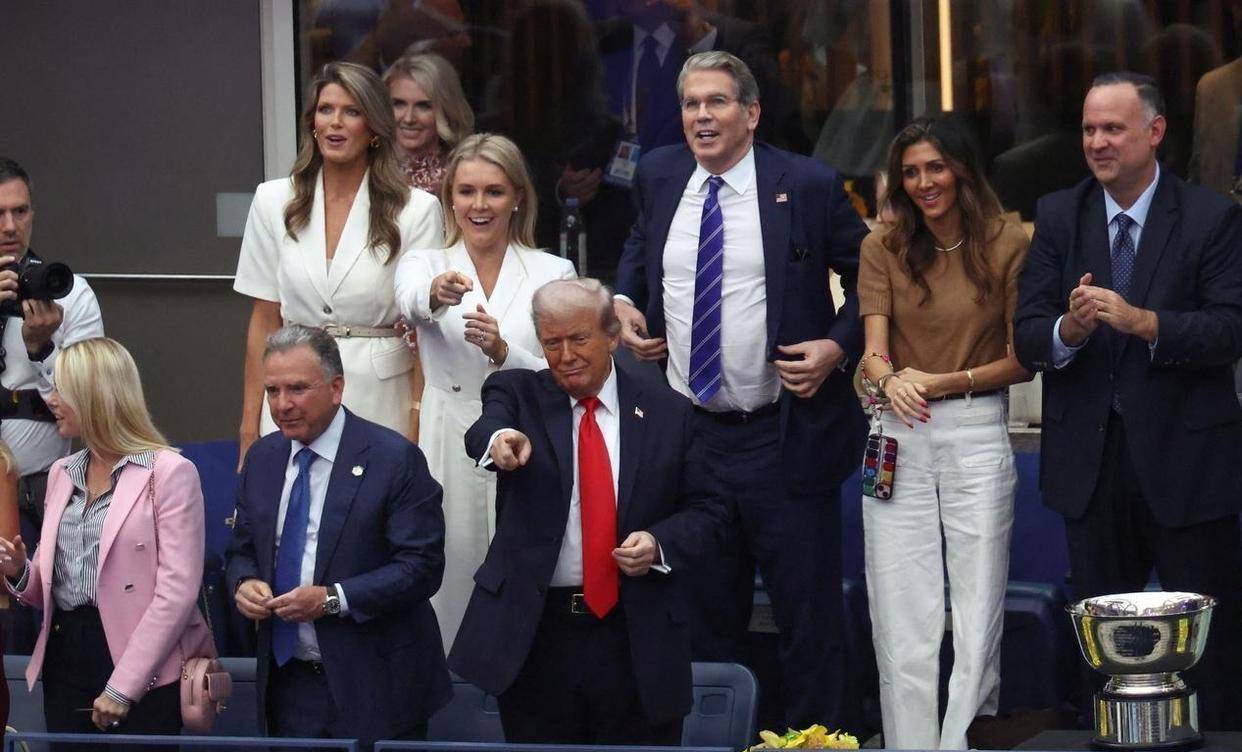
Core Viewpoint - The article discusses the implications of Trump's tariff strategy on global trade, highlighting how countries like South Korea have succumbed to pressure while others like China, Canada, and India resist. The underlying truth of the trade war extends beyond surface agreements [1]. Group 1: Trade Agreements and Economic Impact - Trump announced a trade agreement with South Korea, imposing a 15% tariff on Korean exports to the U.S., while South Korea will maintain zero tariffs on U.S. products [3]. - South Korea committed to investing $350 billion in U.S.-controlled projects and purchasing $100 billion of U.S. liquefied natural gas [3]. - The total commitment of $450 billion from South Korea represents about 25% of its GDP, which is significant for a country with an annual GDP of less than $2 trillion [7]. Group 2: Negotiation Dynamics - The negotiation process for South Korea was chaotic, with the team pursuing U.S. Treasury Secretary Mnuchin aggressively, indicating the high stakes involved [7]. - The pressure from larger economies like Japan and the EU, which made substantial investment commitments, left South Korea feeling isolated and compelled to compromise [9]. Group 3: Resistance Strategies - China has adopted a systematic approach to counter U.S. tariffs, including controlling rare earth exports, which impacts U.S. military companies [11]. - Canada has responded with reciprocal measures, threatening to cut off electricity supplies to the U.S., reflecting the deep economic integration between the two nations [11]. - India has shown resilience against tariff threats, emphasizing its critical role in U.S. supply chains, particularly in mobile manufacturing [11]. Group 4: Long-term Consequences - While Trump appears to have secured several agreements, the actual implementation of these agreements may face significant delays and challenges [12]. - The agreements, including those with South Korea, reveal potential issues, such as the reliance on loans and guarantees rather than direct investment [12]. - The U.S. tariff policies are reshaping global supply chains, with a focus on regional trade agreements that prioritize U.S. interests [12]. Group 5: Shift in Global Alliances - Countries are subtly moving towards reducing dependence on the U.S., with South Korea advancing free trade talks with China even as it signs agreements with the U.S. [13]. - The unpredictability of U.S. policies is eroding trust among allies, leading to a potential decline in U.S. influence and credibility in global markets [13].
美官员放话:就算“贸易休战”,还要调查中国,幸好中方留了一手
Sou Hu Cai Jing· 2025-11-02 09:40
Core Viewpoint - The recent U.S.-China trade talks have resulted in a temporary "trade truce," but the U.S. continues to investigate China's compliance with previous trade agreements, indicating ongoing tensions in the economic relationship [1][3]. Group 1: U.S. Actions and Strategies - The U.S. Trade Representative, Greer, stated that despite the truce, investigations into China's adherence to trade agreements will persist, reflecting a dual strategy of political negotiation and pressure [1][5]. - The U.S. is maintaining its "America First" policy, using trade reviews as a means to safeguard economic security, but this approach has led to negative impacts on the U.S. economy, including rising prices for American households [5]. - The U.S. Senate has passed a resolution to end the tariffs imposed during the Trump administration, highlighting the growing economic pressure on American families due to these policies [5]. Group 2: China's Response and Strategy - China has anticipated U.S. actions and has prepared countermeasures, including a review of export control measures and a conditional pause on port fees, indicating a strategic approach to the ongoing trade conflict [3][6]. - The Chinese government has emphasized the need to compress the list of issues while expanding cooperation, showcasing its willingness to engage in dialogue while rejecting unilateral pressure [7]. - China has announced a one-year suspension of previously planned export control measures on rare earths, which are critical for high-tech industries, signaling a gesture of goodwill while retaining leverage [6][7]. Group 3: Broader Implications - The ongoing "covert conflict" under the guise of a truce will ultimately depend on both parties finding a balance of interests, with China demonstrating cooperation through increased agricultural imports [10]. - If the U.S. continues its strategy of extreme pressure, it risks negative consequences for itself, emphasizing the need for dialogue over confrontation in a deeply interconnected global economy [10].
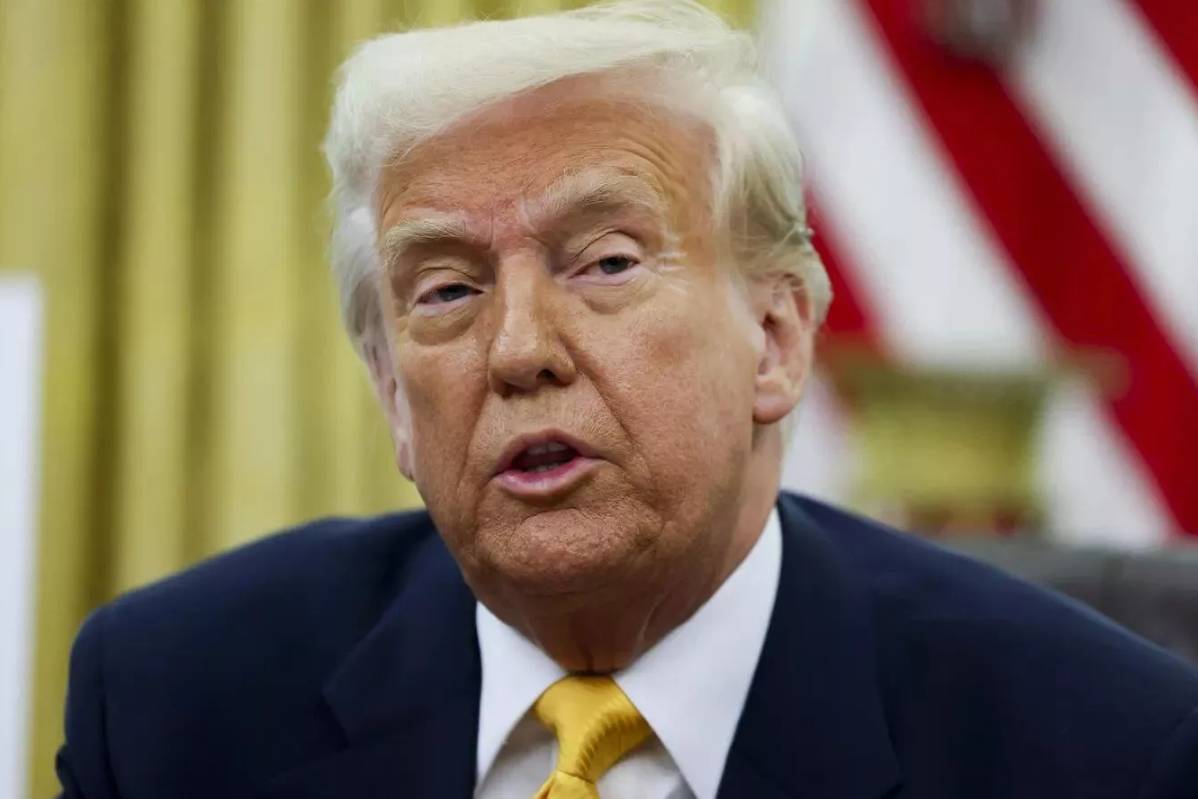
特朗普还是服软了,贸易战暂告段落,5千亿外资涌入!
Sou Hu Cai Jing· 2025-10-31 18:50
Group 1 - The fifth round of China-US trade negotiations concluded on October 26 in Kuala Lumpur, with unexpected yet reasonable outcomes, as President Trump made rare concessions [1] - US Treasury Secretary Mnuchin announced the cancellation of the plan to impose 100% tariffs on Chinese goods originally set for November 1, indicating a clear softening of the US stance in the trade war [1] - The negotiations highlighted the importance of rare earth elements, which are crucial for high-tech industries, with China controlling a significant portion of the global supply chain [3] Group 2 - Trump's initial hardline approach included threats of a complete decoupling from China, but internal pressures from his economic advisory team revealed the potential severe impact on the US high-tech sector [5][7] - The upcoming midterm elections in the US posed a significant political risk for Trump, as losing support from agricultural states affected by trade tensions could jeopardize his administration's future [8] - A preliminary consensus was reached during the negotiations, with China potentially agreeing to purchase large quantities of US soybeans and delaying export controls on US rare earths for a year [8] Group 3 - China's firm stance during the negotiations emphasized its commitment to safeguarding its core interests, suggesting that the US may have made concessions under pressure [8] - Recent data from China's Ministry of Commerce indicated a significant increase in foreign investment, with nearly 49,000 new foreign-funded enterprises established and actual foreign capital utilization reaching 573.75 billion RMB in the first nine months of the year, reflecting growing international confidence in the Chinese market [9] - The trade war is viewed as a broader contest between two development models and governance philosophies, with China advocating for cooperation and mutual benefit in a globalized world [9][10]
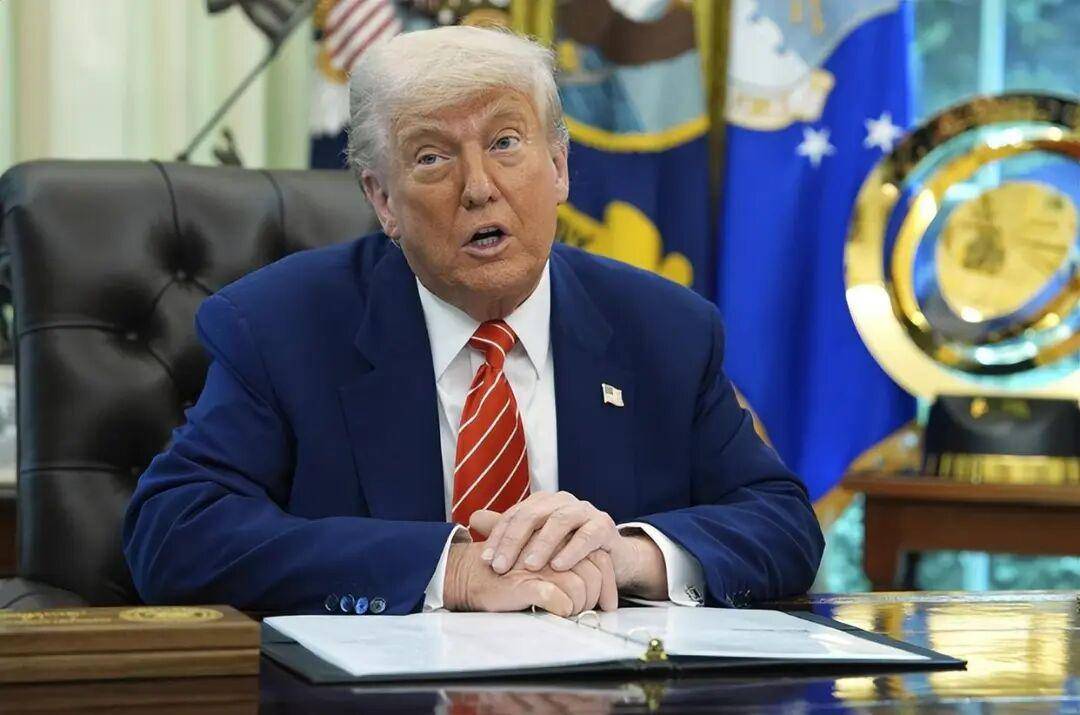
果然是美国害怕的人:李成刚一句话定调中美谈判!美方撤回100%关税
Sou Hu Cai Jing· 2025-10-29 05:33
Core Points - The sixth round of US-China trade talks concluded in Kuala Lumpur, lasting over 10 hours, focusing on tariffs, rare earth controls, and agricultural trade, with a notable absence of heated disputes and a rare mention of "constructive discussions" and "preliminary consensus" [1][2] - US Treasury Secretary Bessent stated that a "very successful framework" was established, confirming that the US will not impose a 100% tariff on China, while President Trump expressed optimism about reaching a comprehensive agreement [1][2] - Despite the positive tone, the talks did not yield substantial results on key issues, with the US unable to force concessions from China on core topics, while China maintained its strategic bottom lines regarding rare earth controls and technology autonomy [2][4] Group 1: Negotiation Dynamics - The talks revealed a shift in negotiation dynamics, with China gaining the upper hand in conflict escalation, as evidenced by the US stock market's decline and the US government's hesitance to implement tariffs due to market reactions [4][5] - China's counter-strategy evolved from "reciprocal retaliation" to "precise strikes," targeting specific US interests, such as agricultural support in Trump's states and investigations into US companies like Google and Nvidia [4][6] - The negotiations highlighted China's control over 92% of global rare earth refining capacity, making it a critical resource for high-tech industries, which pressured the US to abandon the 100% tariff threat in exchange for limited concessions from China [6][8] Group 2: Strategic Implications - The trade war has inadvertently strengthened the consensus in China regarding the need for an independent industrial system, with a growing recognition that self-sufficiency is crucial in a weaponized global economy [5][12] - The preliminary consensus reached in the talks represents a mutually beneficial transaction, with the US seeking stable rare earth supplies and market access, while China aims for relaxed technology restrictions and a return to normal trade conditions [10][12] - The upcoming APEC summit at the end of October may serve as a platform for further discussions, with the potential for the preliminary framework to be translated into specific agreements, although historical patterns suggest the US may reconsider its commitments [10][12]
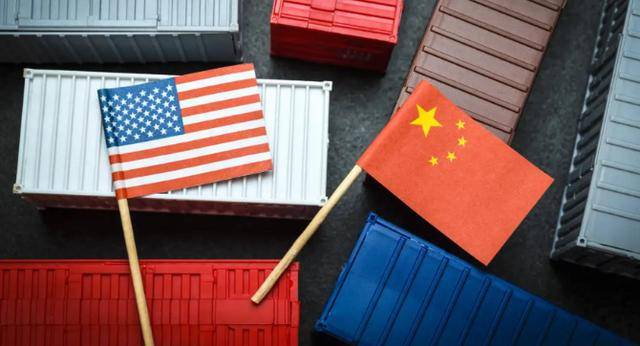
稀土只是前戏!当着全世界的面,美国学者坦言:中方还有一张“王牌”没打,特朗普无能为力
Sou Hu Cai Jing· 2025-10-21 12:25
Core Insights - The article discusses the impact of trade tensions between the U.S. and China, particularly focusing on the recent escalation involving tariffs and China's export controls on rare earth elements, which are crucial for various industries [1][8] - It highlights the deep reliance of the U.S. on Chinese imports in critical sectors such as pharmaceuticals and agriculture, suggesting that this dependency poses significant risks to U.S. public health and agricultural productivity [3][5] Group 1: Trade Tensions and Market Reactions - The U.S. stock market experienced a significant downturn, with major indices falling and tech giants losing over $700 billion in market value following the announcement of increased tariffs on Chinese goods [1] - The immediate trigger for this market reaction was China's decision to expand its export controls on rare earth elements, which are essential for technology and defense industries [1][8] Group 2: U.S. Dependency on Chinese Imports - The U.S. is heavily reliant on China for essential pharmaceuticals, with 96% of hydrocodone and 90% of ibuprofen imports coming from China, indicating a vulnerability in public health [3] - The dependency extends to active pharmaceutical ingredients, where China and India account for 82% of the U.S. FDA-registered components, complicating any potential alternative sourcing strategies [3][5] Group 3: Agricultural Implications - The agricultural sector in the U.S. also faces risks due to reliance on Chinese chemical intermediates for pesticides, which could lead to significant crop losses if supply chains are disrupted [5] - This dependency on Chinese supplies is seen as a more substantial threat than tariff barriers, as it directly affects the livelihoods of American farmers and the overall economy [5][6] Group 4: Internal U.S. Economic Challenges - The article points out that the real economic growth rate in the U.S. could be as low as 0.1% when excluding investments in artificial intelligence, indicating underlying economic fragility [6] - There is a growing divide among U.S. stakeholders, with major pharmaceutical companies opposing restrictions on Chinese imports due to their significant business ties, highlighting the complexities of the trade conflict [6][8]
一觉醒来,特朗普收到了北京的答复,中方不按美国剧本走,商务部给出一句话,让他死心了
Sou Hu Cai Jing· 2025-10-16 02:26
Core Points - The U.S. is facing significant market turmoil following China's announcement to tighten rare earth controls, leading to a 3.5% drop in the Nasdaq index and a loss of approximately $770 billion in market value for U.S. tech companies [1] - Trump's threats of imposing a 100% tariff on Chinese goods and other aggressive measures have been met with a firm response from China, indicating a shift in strategy from passive to active engagement [3][5] - China's reliance on rare earths is critical for U.S. military and high-tech industries, with 87% of U.S. weapon system components and 95% of superhard materials depending on Chinese supplies [3] Group 1 - The U.S. administration's response to China's rare earth export controls has been characterized by confusion and inconsistency, with Trump initially threatening tariffs but later expressing a desire to maintain dialogue [1][3] - China's strategy includes a comprehensive approach to counter U.S. pressure, utilizing rare earth resources as leverage while maintaining open channels for negotiation [5][7] - The U.S. is struggling to find alternative sources for rare earths, with efforts to stockpile and develop domestic production facing significant challenges and delays [7][9] Group 2 - The political landscape in the U.S. is complicated by the upcoming 2026 midterm elections, with Trump seeking to demonstrate a tough stance on China to gain voter support [5] - China's response to U.S. tactics reflects a well-prepared strategy, indicating that the U.S. has limited options to counteract China's leverage in the rare earth market [9] - The ongoing trade tensions have shifted the focus from tariff scales to the control of key resources and technology standards, with China implementing measures to trace the end-users of rare earth exports [5][7]