轻资产

Search documents
盘点沪市再融资2025:发行规模已近6900亿元 机制创新激活科创动能
Zheng Quan Shi Bao Wang· 2025-12-22 09:14
Core Insights - The refinancing scale in the Shanghai Stock Exchange (SSE) has reached nearly 690 billion yuan in 2025, significantly supporting the optimization of capital structures and enhancing technological innovation and industrial upgrades for listed companies [1] Group 1: Refinancing Efficiency - The efficiency of refinancing review in the SSE has improved significantly in 2025, with a notable acceleration following the implementation of the "1+6" policy measures for the Sci-Tech Innovation Board on June 18 [2] - As of December 19, 2025, the review cycle for refinancing projects has been compressed to around 2 months, with some projects approved in as little as 40 days [3] Group 2: Simplified Procedures - The simplified procedure for refinancing has proven effective, allowing companies to quickly raise funds without extensive review processes, thus enhancing financing efficiency [4] - Companies like Zhimingda have successfully utilized the simplified procedure to raise 208 million yuan for research and development projects, addressing urgent financing needs [4] Group 3: Support for High-Tech Enterprises - The "light asset, high R&D investment" standard has been adopted by 14 companies on the Sci-Tech Innovation Board, allowing them to raise a total of 35.12 billion yuan, thus facilitating innovation and growth [6][7] - This standard has become a primary choice for high-growth "hard tech" companies, with significant participation from sectors such as new-generation information technology and biomedicine [7][8]
沪市再融资审核最快40天完成!“高研发投入”标准撬动351亿活水
Di Yi Cai Jing· 2025-12-22 08:39
Group 1 - The review process for refinancing in the Shanghai market has accelerated, with 37 new refinancing projects approved since the fourth quarter of 2025, reducing the average review period to around 2 months [1] - Notable projects such as Xianghe Industrial, Haitian Flavoring, and Aiwei Electronics completed their convertible bond approvals in under 50 days, with Xianghe Industrial achieving the fastest approval at just 40 days [1] - The "light asset, high R&D investment" standard has become a primary choice for companies on the Sci-Tech Innovation Board for refinancing, with 14 companies adopting this standard since its introduction in October 2024, aiming to raise a total of 35.12 billion yuan [1] Group 2 - Zhimingda's recent issuance of new shares marks the first project utilizing the "light asset, high R&D investment" simplified refinancing procedure, significantly shortening the review time and addressing urgent financing needs [2] - The "light asset, high R&D investment" standard supports companies in maintaining their ongoing research funding, facilitating advancements in commercial aerospace and unmanned equipment projects [2]
最快40天!沪市再融资审核提速,“高研发投入”标准撬动351亿活水
Di Yi Cai Jing· 2025-12-22 08:17
Core Insights - The refinancing review process has been significantly expedited, with an average approval cycle of around 2 months, marking a reduction from previous timelines [1][2][3] - The "light asset, high R&D investment" standard has become a primary choice for companies on the Sci-Tech Innovation Board for refinancing, with 14 companies adopting this standard since its introduction in October 2024, aiming to raise a total of 35.12 billion yuan [1][6] Group 1: Refinancing Review Process - A total of 37 refinancing projects were approved in the Shanghai market from the fourth quarter of 2025 to December 19, with the fastest project taking only 40 days for approval [1][3] - The simplified refinancing procedure allows companies to autonomously decide on fundraising uses, enhancing efficiency by eliminating the need for exchange review inquiries [2][3] - The implementation of the simplified procedure has been extended from the Sci-Tech Innovation Board to the main board, further facilitating refinancing processes [2] Group 2: Adoption of New Standards - The "light asset, high R&D investment" standard has been adopted by 14 companies, with the total proposed financing amounting to 35.12 billion yuan, representing 38% of the number of companies and 76% of the financing amount in 2025 [1][6] - Companies like Zhimin Da have successfully issued new shares under this standard, significantly shortening the review time and addressing urgent financing needs [1][6][8] - The standard has allowed companies to exceed the previous 30% limit on liquidity ratios, thereby increasing R&D investment and innovation capabilities [6] Group 3: Impact on Companies - Companies such as Microchip Biotech and Lianrui New Materials have reported that rapid approval of their refinancing projects will enhance their funding sources and accelerate innovation in drug development [4][3] - The successful adoption of the "light asset, high R&D investment" standard has enabled companies to align their fundraising efforts with national economic development strategies [6][7] - The focus on real business and funding needs has been emphasized by companies to ensure the success of their refinancing applications [8]


兴蓉环境(000598) - 2025年12月17日投资者关系活动记录表
2025-12-17 11:24
Group 1: Business Development and Strategy - The company focuses on water and environmental protection, emphasizing both "internal growth and external mergers" to enhance its development strategy [2] - Plans to expand water resource management in Chengdu and surrounding areas, while also exploring markets outside the province [2] - Aims to develop "light asset" businesses, including entrusted operations and technical consulting [2] Group 2: Project Scale and Operations - Current operational and in-construction water supply projects have a capacity of approximately 4.3 million tons per day [3] - Wastewater treatment projects exceed 4.8 million tons per day, and waste incineration power generation projects have a scale of 12,000 tons per day [3] Group 3: Pricing Mechanism - Water supply prices are adjusted based on national policies and agreements, requiring approval from government price authorities [4] - Wastewater treatment service fees are typically adjusted every 2 to 3 years, with provisions for temporary adjustments based on significant cost changes [4] Group 4: Accounts Receivable and Financial Management - The company has seen an increase in accounts receivable due to market expansion, but overall collection rates have remained stable [5] - Future capital expenditures are expected to decrease as projects are completed, leading to improved free cash flow and potential increases in dividend levels [6]

白酒经销商大逃亡:3000家门店关闭背后的生存法则
Sou Hu Cai Jing· 2025-12-01 12:01
Group 1 - The core viewpoint of the article highlights the significant challenges faced by the Chinese liquor industry, particularly the decline in wholesale prices of Moutai below 1600 yuan, leading to widespread store closures and a shift in business strategies [1] Group 2 - The industry is transitioning from a "stockpiling for price increase" model to a "zero inventory and fast turnover" approach, with distributors reducing warehouse space by 80% and adopting a T+7 model for inventory management [2] - Diversification strategies are being implemented, with liquor stores increasing the sale of fast-moving consumer goods (FMCG) to boost customer traffic by 40%, despite liquor sales dropping to 15% of total revenue [3] Group 3 - Regional specialization is becoming crucial, with successful distributors focusing on local markets, such as wedding services, and achieving inventory turnover rates 2.3 times faster than those with broader strategies [4] - The survival of liquor businesses now depends on cash flow management, scenario-based operations, supply chain collaboration, data analysis capabilities, and localized services, emphasizing practicality over prestige in a challenging market [4]

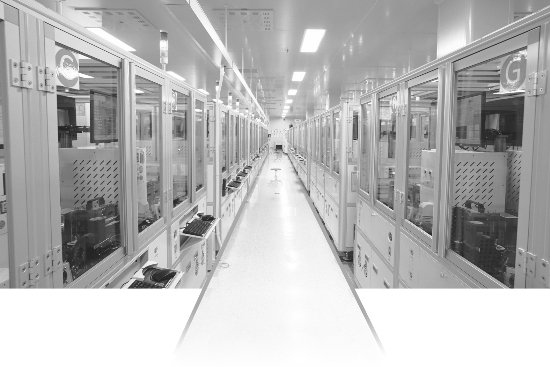
● 本报记者 黄灵灵艾比森COB生产车间 公司供图
Zhong Guo Zheng Quan Bao - Zhong Zheng Wang· 2025-11-29 00:01
艾比森COB生产车间 公司供图 从1996年怀揣500元借款自甘肃南下深圳,到如今带领艾比森成为市值超60亿元的全球LED显示领域领 军企业,艾比森董事长丁彦辉用20余年时间,书写了一部励志创业史。 面对行业产能过剩、竞争无序等困境,艾比森以"品牌化+轻资产+数字化"战略破局,带领企业在行业 内卷中逆势突围,更以"至真"的经营哲学,在全球市场搭建起跨文化信任的桥梁。 展望"十五五",丁彦辉表示,艾比森将坚持高端品牌定位,加大研发投入,持续深耕细分领域,致力打 造全球LED显示技术与应用的领导品牌。 ● 本报记者 黄灵灵 ...

信达地产:公司坚持“稳中求进、以进促稳”的稳健经营策略
Zheng Quan Ri Bao Wang· 2025-11-21 09:43
Core Viewpoint - The company acknowledges the ongoing challenges in the real estate market due to continuous adjustments, emphasizing a strategy focused on stability and progress to navigate the complex market environment [1] Company Strategy - Since 2025, the company has adopted a prudent operational strategy of "seeking progress while maintaining stability" to address the severe market conditions [1] - The company aims to balance the improvement of new business sources with the revitalization of existing assets [1] Business Focus - Key areas of focus include broadening business sources, accelerating capital recovery, enhancing capability building, and improving organizational efficiency [1] - The company is committed to innovating its business and profit models, actively developing distressed real estate investments and light-asset businesses [1] Long-term Development - The combination of light and heavy business models is expected to support the company's long-term sustainable development [1]

旭辉控股启动组织架构调整:撤销5个分区 设立华东、华南两区
Xin Jing Bao· 2025-11-11 04:44
Core Viewpoint - CIFI Holdings has initiated a new round of organizational restructuring to streamline its operations and focus on core regions, reflecting a strategic shift towards a "light asset, low debt, high quality" model [2][3] Group 1: Organizational Restructuring - CIFI Holdings has dissolved several regional groups and established new ones, specifically the East China and South China regional divisions, to enhance strategic management and business development [2] - The new organizational structure now includes East China, South China, Beijing, West China, and Shandong platforms, indicating a move from a "dispersed" to a "concentrated" structure [2] Group 2: Strategic Shift - The restructuring aligns with CIFI Holdings' future transformation goals, moving away from a "high leverage, high debt, high turnover" model to focus on three core areas: rental income, self-operated development, and real estate asset management [2] - The company aims to benchmark against international firms like Blackstone and plans to achieve a turnaround within three years [2] Group 3: Sales Performance - For the first three quarters of the year, CIFI Holdings reported a cumulative contract sales amount of 13.06 billion yuan and a contract sales area of approximately 1.2477 million square meters, with an average contract sales price of 11,000 yuan per square meter [3] - The equity attributable to shareholders from contract sales amounted to 6.7 billion yuan [3] Group 4: Debt Restructuring - CIFI Holdings has successfully passed resolutions for its offshore debt restructuring at a special shareholder meeting, which includes issuing mandatory convertible bonds to significantly reduce debt and optimize capital structure [3] - The major shareholder's previous loan of over 500 million Hong Kong dollars will also be converted into equity, and a 10-year equity incentive plan for the team has been introduced to stabilize and motivate the team post-restructuring [3]
旭辉控股启动组织架构调整:撤销5个分区,设立华东、华南两区
Bei Ke Cai Jing· 2025-11-11 04:16
Core Insights - CIFI Holdings has initiated a new round of organizational restructuring to streamline its operations and focus on core regions [1][2] - The restructuring involves the dissolution of several regional groups and the establishment of East China and South China regional divisions, indicating a shift from a decentralized to a more centralized structure [2] - The company aims to transition from a high-leverage, high-debt model to a low-leverage, high-quality approach, focusing on rental income, self-operated development, and real estate asset management [2] Organizational Changes - The East China regional division will oversee strategic operations in Shanghai, Zhejiang, Jiangsu, Fujian, Anhui, and Jiangxi, while the South China division will manage Guangdong, Hunan, Hubei, Guangxi, and Hainan [2] - The new organizational structure now includes East China, South China, Beijing, West China, and Shandong platforms, reflecting a strategic contraction and deeper focus on core areas [2] Financial Performance - For the first three quarters of the year, CIFI Holdings reported a cumulative contract sales amount of 13.06 billion yuan and a contract sales area of approximately 1.2477 million square meters, with an average contract sales price of 11,000 yuan per square meter [2] Debt Restructuring - On October 31, CIFI Holdings announced that its overseas debt restructuring resolutions were approved at a special shareholder meeting, which includes issuing mandatory convertible bonds for significant debt reduction and optimizing capital structure [3] - The major shareholder's previous loan of over 500 million Hong Kong dollars will be converted into equity, and a 10-year team equity incentive plan will be launched to stabilize and motivate the team during the recovery phase post-restructuring [3]
美凯龙(601828)季报点评:25Q3扣非亏损收窄 经营性现金流逐季向好
Ge Long Hui· 2025-11-08 04:59
Core Viewpoint - Meikailong's financial performance in Q1-Q3 2025 shows significant revenue decline and net losses, attributed to weakened demand in the home retail market and increased tenant retention incentives [1][2]. Financial Performance - For Q1-Q3 2025, Meikailong reported revenue of 4.969 billion yuan, a year-on-year decrease of 18.62%, and a net loss attributable to shareholders of 3.143 billion yuan [1]. - In Q3 2025, revenue was 1.632 billion yuan, down 13.24% year-on-year, with a net loss of 1.243 billion yuan [1]. - The company's gross margin improved to 61.89% for Q1-Q3 2025, up 2.47 percentage points year-on-year, and 62.69% for Q3 2025, up 6.07 percentage points year-on-year [2]. Business Operations - The company is accelerating its business model upgrade, with positive developments in new sectors such as appliances, automotive, home decoration design, and lifestyle businesses, contributing to a stabilization in rental rates [2]. - As of September 2025, the occupancy rate of self-operated malls increased from 83.0% at the end of 2024 to 84.7% [2]. - The automotive business area increased by 0.3 percentage points in Q3 2025, reaching a total operational area of 260,000 square meters across 44 cities [2]. Cost and Expenses - The expense ratio for Q1-Q3 2025 was 57.65%, an increase of 2.88 percentage points year-on-year, with specific expense rates for sales, management, R&D, and financial costs reported [3]. - In Q3 2025, the expense ratio rose to 63.19%, up 3.70 percentage points year-on-year [3]. Cash Flow and Future Outlook - Operating cash flow showed significant improvement, with a net inflow of approximately 640 million yuan for the first three quarters of 2025, an increase of about 1.17 billion yuan year-on-year [4]. - The company is expected to continue its "light asset, heavy operation, and deleveraging" strategy, with projected revenues of 6.915 billion yuan, 7.732 billion yuan, and 8.223 billion yuan for 2025-2027, reflecting a year-on-year growth of -11.59%, 11.82%, and 6.34% respectively [4].