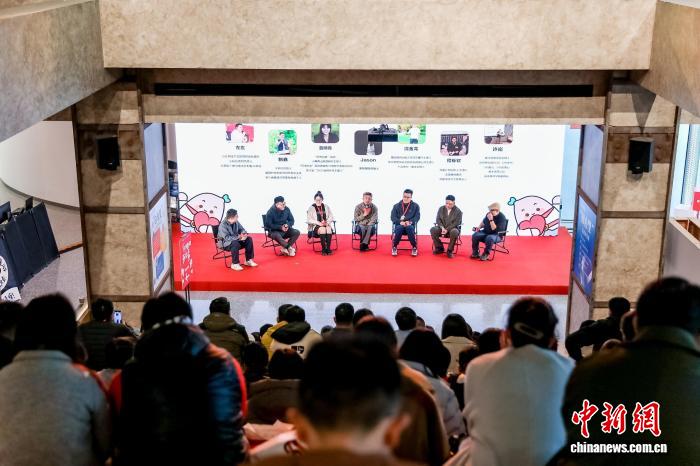
青年创业

Search documents
青春小店 蕴含大能量(民生一线)
Ren Min Wang· 2025-12-29 00:40
Core Insights - The article highlights the "Youth Small Shop" initiative by the China Youth Entrepreneurship and Employment Foundation, which aims to support young entrepreneurs by addressing their needs and challenges in starting businesses [1][7] Group 1: Challenges Faced by Young Entrepreneurs - Many young entrepreneurs face financial constraints, with startup costs often exceeding their available funds, such as the community canteen in Xi'an struggling to cover initial expenses [2] - Lack of knowledge about policies and social experience serves as an invisible barrier for young entrepreneurs, making it difficult for them to navigate business operations [2][3] Group 2: Support Mechanisms - The "Youth Small Shop" project provides comprehensive support, including rent-free spaces and resources for young entrepreneurs, enabling them to focus on their business without financial burdens [3][4] - Local organizations are actively involved in providing resources, such as workspace subsidies and training sessions on taxation and business registration, to help young entrepreneurs succeed [5][6] Group 3: Community Impact and Social Responsibility - The initiative encourages young entrepreneurs to create products that meet community needs, such as affordable meals for the elderly and culturally relevant products that support local farmers [6][7] - The program fosters a cycle of support where young entrepreneurs not only benefit from assistance but also contribute back to their communities, enhancing social responsibility [7]
一场属于青年创业者的崇礼相聚,即将发生|甲子光年
3 6 Ke· 2025-12-26 06:37
Core Insights - The article emphasizes the importance of balance and positioning for entrepreneurs in the face of changing trends and uncertainties in the market [2][3] - The upcoming Chongli Forum aims to foster a long-term dialogue among young entrepreneurs, focusing on the theme "Standing New" [3][9] Group 1: Forum Overview - The Chongli Forum will take place from January 23 to 25, 2026, and is positioned as a significant platform for innovation in China's technology industry [3][9] - The forum will feature various sessions, including keynote speeches, panel discussions, and interactive workshops, aimed at addressing real-world problems and exploring new variables in technology [4][10][12] Group 2: Key Themes and Discussions - The theme "Standing New" represents a conscious choice to actively engage with future trends rather than passively following fleeting fads [3][8] - Discussions will focus on the transition from model narratives to value creation, particularly in the context of AI and its practical applications [10][11] - The forum will explore the concept of "long slope and thick snow," questioning how AI can provide certainty in uncertain times [12] Group 3: Entrepreneurial Engagement - The "AI 8 Minutes" session will challenge entrepreneurs to present their projects succinctly, focusing on real problems and solutions without the use of slides [13][15] - The "氪金玩家牌桌" (Investment Player's Table) will facilitate honest discussions about investment strategies and the essence of returns in the AI sector [22][23] - The forum will also include a focus on the evolution of creator IP and its significance in the current market landscape [32][33] Group 4: Experiential Learning - The forum will incorporate hands-on experiences, such as skiing activities, to foster connections among participants in a relaxed environment [37][39] - The event aims to create lasting memories and collaborations through informal interactions during social gatherings [36][39]



助力青年创业者想法落地
Ren Min Ri Bao Hai Wai Ban· 2025-12-25 01:47
据悉,海淀创业园"HI创引力计划"为青年创新者打造"空间+服务+生态"三维赋能平台,面向全球招募青 年创新创业团队,聚焦海淀创新与国际资源联动,打造青年人才创业引力空间。计划提供灵活办公空间 及首年场地费减免等优惠,搭配全周期孵化、资质申报等一站式服务,设立高强度创业加速营,链接创 投资源与产业共性技术平台,同时构建全球化合作生态,提供出海支持,全方位降低创业门槛、赋能项 目成长。 本报电(张舟)近日,由北京海外学人中心指导,中国北京(海淀)留学人员创业园等机构联合主办 的"2025U8青年创新论坛暨GNIS新质生产力国际合作沙龙"举办。 (责编:郝孟佳、刘凡) 本次活动中,中关村创业大厦以"HI创青年引力空间"全新定位亮相,同步启动的海淀创业园"HI创引力 计划",成为赋能全球青年创新的关键举措。 ...
四川成都大邑县:一群年轻人在雪山小城书写文旅大业
Xin Lang Cai Jing· 2025-12-20 23:09
Group 1 - The article highlights the entrepreneurial spirit of young individuals in Dayi County, Sichuan, focusing on their efforts to promote local agricultural products and integrate traditional industries with modern practices [1][3] - The "Qing" event organized by the Youth League Committee of Dayi County aimed to explore themes of youth entrepreneurship and rural revitalization, showcasing the potential for young people to realize their dreams in this region [1][2] - Dayi County is recognized for its rich cultural and tourism resources, being a top county in tourism strength in China, which aligns with the local government's goal of deepening the integration of culture, commerce, and tourism [2][3] Group 2 - Young entrepreneurs in the area, such as Gu Xianqing, are leveraging the internet to modernize traditional food production, exemplified by his successful promotion of "Xueshan La Rou" (snow mountain cured meat) [3][4] - The local government is actively supporting youth entrepreneurship through various initiatives, including financial products like "Qing Chuang Plan" and "Rong Qing Loan," aimed at empowering young innovators [3][4] - The collaborative and supportive atmosphere among local entrepreneurs is noted as a key factor in attracting and retaining young talent in Dayi County, fostering a sense of community and shared success [2][3]
团长沙市委助力青年创业:链接八方资源 孵化人生梦想
Xin Lang Cai Jing· 2025-12-19 23:35
Group 1 - The core idea of the articles revolves around the rise of youth-driven businesses in Changsha, particularly in the context of new consumption trends and the support from local government initiatives [2][6]. - "Wang Pangzi Chao Huo," a snack brand led by 23-year-old Wang Xinyu, has successfully modernized traditional snack offerings and expanded its market presence through innovative flavors and social media engagement [1][6]. - Changsha is positioning itself as an international consumption center, fostering a unique ecosystem for new consumer brands, with over 20 emerging companies poised for public listing [2][6]. Group 2 - The "Changsha Youth Shop" support plan has been launched to encourage innovative and socially valuable youth entrepreneurship, resulting in 108 participants in just two months [3]. - The local government is actively facilitating financial support for new consumer brands, with Agricultural Bank planning to provide 10 billion yuan in loans over five years [2][3]. - The "Di Dao Changsha Min Yi Guan," a cultural experience space, has attracted nearly 700,000 visitors in eight months, showcasing local heritage and contemporary consumer products [5].
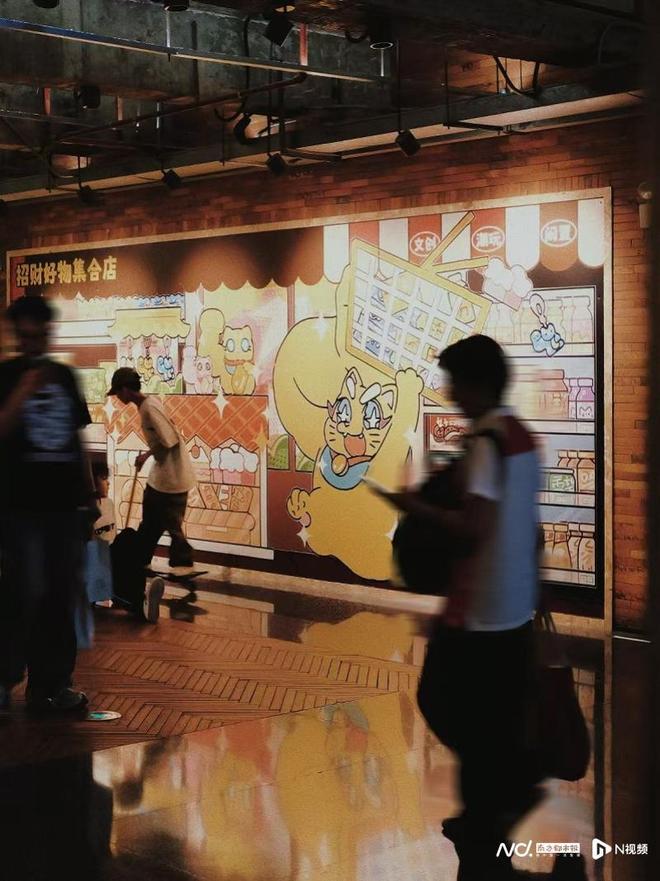
从潮玩到“深圳手信”,“招财”主理人织就青春创业共生体
Nan Fang Du Shi Bao· 2025-12-18 07:36
在深圳福田梅林街道的A Park深圳数字艺术公园,一间名为"八方来$"的招财好物集合店正成为年轻人 交换创意、联结梦想的温暖据点。90后深圳本地主理人陈泽锋从潮玩赛道出发,用一家小店悄然编织起 支持青年创业的共生网络。 从"买卖潮玩"到"传递城市故事":创业转型的灵感迸发 陈泽锋的创业征程,始于一次勇敢而主动的转型。最初,他从婚礼策划领域涉足商业,通过赚取潮玩差 价初步接触潮玩市场,而后逐渐"深陷其中"。在深入探索潮玩世界的过程中,他深刻领悟到:"潮玩绝 非普通的商品,它是年轻人心灵的寄托,承载着设计师们独特的故事与天马行空的创意。"然而,他发 现市面上的潮玩逐渐同质化、"大众似乎只认得那几个大牌"。与此同时,他常听到游客感慨:"深圳没 什么特色手信。" 一个念头由此萌生:能否做真正代表深圳的创意产品?于是,陈泽锋凭借着对"搞钱"这一深圳青年共识 的敏锐洞察,将其与本土文化紧密相连,毅然决然地提出了"打造深圳手信"的创业方向。他跑遍广东各 地,亲自挑选那些能唤起儿时记忆、具有地道风情的文创产品。一家以"招财"为名的小店落地生根—— 它不仅关乎"搞钱"的务实精神,更想留住一座城市鲜活的青春记忆。 当"青春小店" ...
江苏青年创业大赛收官 49个项目喜提扶持“大礼包”
Xin Hua Ri Bao· 2025-12-16 23:01
本次大赛评委来自中行、农行、工行、建行、交行、江苏银行等江苏金融机构,江苏毅达、南京紫 金科创、苏州元禾控股等创投机构,还有一些创业孵化基地代表、创业企业家、创业导师等,在确保评 审专业性的同时,也为参赛选手打开了通向广阔资源的大门。所有参赛选手均有机会获得创业富民贷、 创业补贴、社保补贴等个性化政策服务包;享受运营管理、人才引进、融资对接、市场拓展、创业培 训、专家指导等针对性创业服务。对获奖的技术技能+创业项目优先列入专项职业能力考核规范开发计 划,符合条件的列入新职业(工种)申报计划。人社部门还将引导参赛项目入驻优质创业基地,帮助落 实优惠政策,在创业指导、资源对接、场地支持等方面提供便利条件。 大赛设置民生需求+创业项目、技术技能+创业项目、劳务品牌+创业项目3个赛道。民生需求+创业 项目,重点面向"衣食住行游购娱"等消费场景,主要包括夜间经济、直播电商、养老托幼、文化体育、 环境保护、农业生产、医疗健康、教育培训等民生领域。技术技能+创业项目,重点面向先进制造业、 非物质文化遗产传承等技能人才和乡土人才培育集聚行业,其中先进制造业项目主要包括高端装备、新 材料、新能源、信息技术、智能制造、轨道交通、 ...
山东共青团为“青春小店”量身定制成长路径 让小梦想在烟火气中绽放大光彩
Zhong Guo Qing Nian Bao· 2025-12-12 22:30
Core Insights - The "Youth Shops" are becoming a significant force driving the youth economy, serving as incubators for entrepreneurial dreams while facing challenges such as insufficient customer flow and lack of resources [1] Group 1: Attracting Customers - Initial challenges for "Youth Shops" include building brand awareness and attracting the first batch of customers [2] - The "Youth City Recommendation Officer" initiative by the Jining Youth League has helped local entrepreneurs like Gong Ting, who faced low visibility for her handmade leather goods store, by leveraging local university resources and tourism influence [2][3] - The support from the Youth League has led to increased recognition and customer loyalty for Gong Ting's shop, allowing her to offer personalized services [3] Group 2: Strengthening Operations - The key to transforming short-term interest into long-term patronage lies in addressing operational shortcomings and enhancing core competitiveness [4] - The "West Youth Quality Shop" initiative in Qingdao has been instrumental in promoting local youth shops, including the "Evening Wind with You" café, which has seen a significant increase in customer traffic due to official recognition [4][5] - The café's owner, Wang Xiaotong, has gained confidence to expand her business, opening a second location [5] Group 3: Building an Ecosystem - Systematic support is essential for the long-term development of "Youth Shops," encouraging collaboration rather than isolated efforts [6] - The "Jinan Imprint" shop has successfully integrated local culture and youth engagement, becoming a popular destination through strategic partnerships and promotional efforts [6][7] - The Jinan Youth League is implementing the "Spring City Youth Shop" cultivation plan to support a hundred innovative shops, creating a comprehensive ecosystem of policy support, skills training, resource linking, and community backing [7]
苏州多举措助力特色小店发展,消费潜力加速释放
Sou Hu Cai Jing· 2025-12-12 15:11
Group 1 - The central economic work conference has prioritized "domestic demand as the mainstay, building a strong domestic market" as the first of eight key tasks for the upcoming year, focusing on boosting consumption [1] - Small shops are considered the smallest cells of the economy and serve as a "power source" for new consumption scenarios and business formats [1] - During the 14th Five-Year Plan period, Jiangsu's total retail sales of consumer goods have consistently ranked among the top in the country, indicating effective measures to elevate the consumption market [1] Group 2 - In Suzhou's Gusu District, a commercial center is assisting a flower shop owner, Zhang Ying, with her store preparations, showcasing a structured approach to opening new businesses [3] - The "Suzhou Youth Shop Owner Competition" was launched to support young entrepreneurs, providing them with free services for store planning, product design, and operational promotion [5] - Regular quarterly meetings are held for small shop owners to share experiences and address operational challenges, facilitating connections with financial institutions for funding needs [7] Group 3 - A local bank's manager stated that they offer specialized low-interest financial support to merchants in need of funds [9] - The local youth committee aims to connect government policies and resources with shop owners, enhancing access to industry resources [11] - The integration of local特色小店 (characteristic small shops) has led to the creation of themed routes, promoting Gusu Old Street as a trendy destination for young people [12] Group 4 - The rise of various特色小店 (characteristic small shops) reflects the local efforts to stimulate market vitality and optimize the consumption ecosystem [14] - Jiangsu province has over 14.6 million business entities, with a total retail sales of consumer goods reaching 38,816.8 billion yuan from January to October this year, marking a 4.0% year-on-year growth and ranking first in the country [14]

全国120余位主理人齐聚浙江安吉聊透“村咖”新玩法
Zhong Guo Xin Wen Wang· 2025-12-05 12:12
Core Insights - The "Village Coffee" conference held in Anji, Zhejiang, gathered over 120 village coffee operators and industry representatives to explore new pathways for rural development through coffee [1][4] Group 1: Economic Impact - Anji has seen the emergence of 332 village coffee shops, contributing to rural development and embodying the concept that "green mountains and clear waters are as valuable as mountains of gold and silver" [1] - In the past three years, Anji has launched 617 youth entrepreneurship projects centered around "Village Coffee," attracting 38,000 young people to the area [1] - The "Village Coffee" initiative has led to 856 young entrepreneurs returning to their hometowns, generating revenue of 750 million yuan and increasing collective income in Anji County by over 18.6 million yuan [1] Group 2: Talent Development - Anji Youth Innovation Academy has trained over 6,000 young talents and issued 751 special vocational certificates in rural operations [4] - The academy aims to deepen national cooperation and support the growth of small and beautiful rural cultural tourism industries [4] Group 3: Conference Activities - The conference featured the release of the "Anji Village Coffee Tour Map," detailing the distribution and characteristics of village coffee shops in Anji [5] - Notable brand founders shared practical experiences on brand operation and community building during the "Big Coffee Open Mic" session [5][6] - Participants visited successful projects like "Deep Blue Plan" and "Waterfall Coffee," experiencing the ecological value transformation model of "natural scenery + coffee" [5] Group 4: Future Collaborations - The conference concluded with multiple cooperation intentions, with many external operators planning to collaborate with Anji brands to bring the "Anji experience" back to their hometowns [5]