
双碳目标

Search documents
“度电碳排放全国最低”背后的云南绿色实践
Xin Lang Cai Jing· 2026-02-01 12:03
Group 1 - The core point of the articles highlights Yunnan's commitment to renewable energy, showcasing its low carbon emissions per kilowatt-hour and significant green power capacity [1][2] - Yunnan's carbon dioxide emissions per kilowatt-hour stand at 0.13 kg, the lowest in the country, with green electricity installed capacity exceeding 155 million kilowatts by the end of 2025 [1] - The province is focusing on optimizing its energy structure by leveraging its water, wind, and solar resources, which is reflected in the growing share of renewable energy in its power generation [1] Group 2 - Yunnan is advancing carbon footprint accounting and certification for key industrial products to enhance market competitiveness, particularly for "new three samples" products [2] - The collaboration between relevant departments and the Yunnan Provincial Academy of Ecological Environment Science aims to establish carbon footprint accounting methods and certification mechanisms for typical industries [2] - Yunnan is set to accelerate its green transformation during the 14th Five-Year Plan period, aiming to become a significant clean energy base in China while implementing dual control of carbon emissions [2]
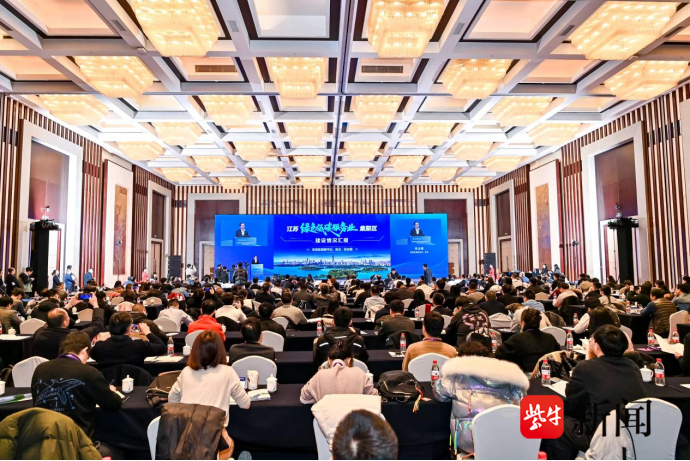
中国环境科学学会碳足迹专委会在南京玄武区成立
Yang Zi Wan Bao Wang· 2026-02-01 11:42
Core Viewpoint - The establishment of the Carbon Footprint Professional Committee by the Chinese Society for Environmental Sciences marks a significant step towards promoting green and low-carbon development in Jiangsu, particularly in the Xuanwu District of Nanjing, which aims to become a hub for green low-carbon services and innovation [4][10]. Group 1: Carbon Management and Services - Jiangsu, as a major manufacturing province, is focusing on green low-carbon circular development as a necessity for industrial transformation and a strategic choice for national policy implementation [1]. - Xuanwu District is developing a comprehensive service system around carbon management, certification, trading, finance, and training, aiming to support energy-saving initiatives in manufacturing [1][10]. - The Carbon Footprint Professional Committee will coordinate research, standards, and applications to support the national carbon footprint management system [4]. Group 2: Innovation and Industry Practices - Xuanwu is integrating green low-carbon initiatives into its urban transformation, focusing on technological breakthroughs and industry integration to build the International Digital Carbon Valley (GDC) [4][6]. - The district has hosted events that offset carbon emissions through voluntary carbon reduction projects, demonstrating a commitment to ESG principles [6]. - Notable projects include the purchase of 2,000 tons of marine carbon credits and the selection of the Jiahui Building renovation as a model for green low-carbon initiatives in Jiangsu [6]. Group 3: Attracting High-Quality Resources - Xuanwu is attracting leading enterprises and high-level platforms, such as the China Energy Conservation Data Company and the British Standards Institution, to enhance its green low-carbon industry ecosystem [7]. - The establishment of the National Battery Product Digital Passport project aims to improve the competitiveness of the battery industry through digital management and data sharing [9]. Group 4: Future Development Goals - The district plans to leverage the establishment of the Carbon Footprint Professional Committee to accelerate the development of the International Digital Carbon Valley, enhancing public service platforms for carbon footprint, green finance, and carbon trading [10]. - Xuanwu aims to create a comprehensive ecosystem for carbon management and training, positioning itself as a leader in digital ecological civilization [10].

新股消息 | 天地和兴递表港交所 2024年位居中国工业网络安全市场第一位
智通财经网· 2026-02-01 09:04
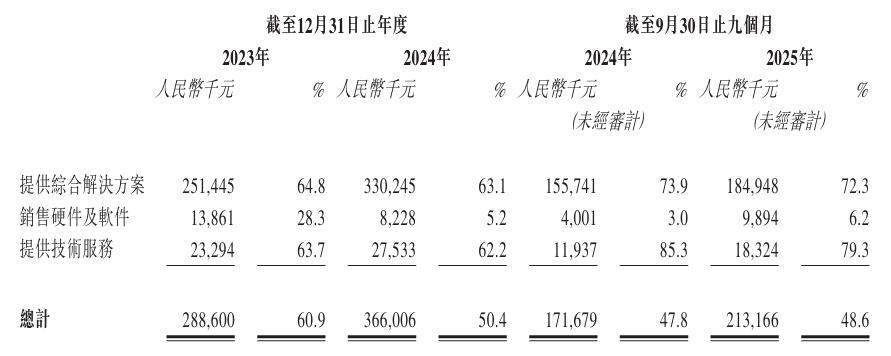
Company Overview - Tian Di He Xing Technology Co., Ltd. (天地和兴) submitted its listing application to the Hong Kong Stock Exchange on January 30, 2024, with CITIC Securities International and Orient Securities International as joint sponsors [1] - Established in August 2007, the company is a prominent provider of industrial cybersecurity and energy digitalization solutions in China, focusing on customized solutions to protect IT and OT assets from cyber threats [1][2] - The company holds a market share of approximately 6.7% in the Chinese industrial cybersecurity market, ranking first in the sector, with an 8.4% share in the energy sector [1] Financial Performance - The company reported revenues of approximately RMB 474 million, RMB 727 million, RMB 359 million, and RMB 439 million for the fiscal years 2023, 2024, and the nine months ending September 30 for 2024 and 2025, respectively [4] - Gross profits for the same periods were approximately RMB 289 million, RMB 366 million, RMB 172 million, and RMB 213 million, with corresponding gross profit margins of 60.9%, 50.4%, 47.8%, and 48.6% [5] - The company recorded total losses of approximately RMB 193 million, RMB 46 million, RMB 103 million, and RMB 95 million for the fiscal years 2023, 2024, and the nine months ending September 30 for 2024 and 2025, respectively [7] Market Overview - The overall market size of China's industrial cybersecurity sector is projected to grow from RMB 4.1 billion in 2020 to RMB 9.6 billion in 2024, with a compound annual growth rate (CAGR) of 24.2% [8] - The energy sector's industrial cybersecurity market is expected to expand from RMB 1.8 billion in 2020 to RMB 4.4 billion in 2024, with a CAGR of 24.7% [9][11] - The market for energy digitalization solutions is anticipated to grow from RMB 17.2 billion in 2020 to RMB 47.6 billion in 2024, with a CAGR of 17.4% [14] Client Base and Partnerships - The company has provided industrial cybersecurity solutions for over 6,000 projects across various industries, including power, petrochemicals, rail transportation, smart manufacturing, metallurgy, and municipal water supply [2] - More than 50% of the company's clients are core central state-owned enterprises regulated by the State-owned Assets Supervision and Administration Commission [2] - The revenue contribution from state-owned or state-controlled enterprises was 69.3%, 69.7%, and 80.8% for the years ending in 2023, 2024, and the nine months ending September 30, 2025, respectively [2]
加个“活扣”,环氧树脂的“跷跷板难题”破解了
Xin Lang Cai Jing· 2026-02-01 08:57
Core Viewpoint - Epoxy resin, often referred to as the "invisible backbone" of modern industry, is widely used in high-end applications such as mobile circuit board encapsulation, wind turbine blade support, and aircraft body reinforcement, but it faces challenges in balancing high strength, heat resistance, toughness, and processability, known as the "seesaw dilemma" [1][2][4]. Group 1: Industry Challenges - The global market for epoxy resin has exceeded $13 billion, driven by its excellent adhesion, mechanical strength, and chemical resistance [4]. - The "seesaw dilemma" and environmental issues arise from the molecular structure of epoxy resin, which leads to significant waste, particularly in the wind energy sector, where approximately 5,800 tons of epoxy resin composite materials become waste annually due to decommissioned wind turbine blades [5][6]. Group 2: Innovative Solutions - A research team led by Professor Wang Huaiyuan has developed a new type of epoxy resin that combines high-temperature resistance, high toughness, and recyclability, providing a solution for the green transformation of high-end materials [2][12]. - The new epoxy resin achieves a strength of 78 MPa and a glass transition temperature exceeding 245°C, allowing it to withstand pressures equivalent to 1.5 adult buffaloes and improving heat resistance by approximately 15% compared to existing high-end products [12][13]. Group 3: Environmental Impact and Applications - The new epoxy resin features self-healing capabilities and recyclability, allowing for multiple reprocessing and physical recycling with performance degradation of no more than 10%, breaking the limitations of traditional epoxy resins that are permanently set after curing [13][14]. - This innovation has broad application prospects, including the production of superhydrophobic, high thermal conductivity coatings that can significantly reduce the operating temperature of chips by 15-20°C, addressing heat dissipation issues in 5G base stations and high-performance chips [14].
ESG投融资、低碳与能源转型、自然资本、绿色科技与建筑投融资等领域,致力于为中国与全球绿色
北京绿色金融与可持续发展研究院· 2026-02-01 06:42
Investment Rating - The report does not explicitly state an investment rating for the shipping and maritime industry. Core Insights - The green transformation of the shipping and maritime industry is urgent and necessary, driven by the International Maritime Organization's (IMO) greenhouse gas reduction strategy, which mandates a reduction of at least 20% by 2030 and aims for net-zero emissions by 2050 [14][22]. - The report emphasizes that the dual paths of carbon reduction technologies and green fuel alternatives are essential for achieving the industry's green transformation [25][28]. - China's shipping industry is positioned as a key player in the global transition, with a significant share of green ship orders and a robust capacity for green methanol production [26][28]. Summary by Sections 1. Research Background - The shipping industry is crucial for global trade, accounting for over 90% of international goods transport, and faces significant pressure to decarbonize due to its contribution to greenhouse gas emissions [21]. - The report highlights the need for a systematic assessment of carbon reduction technologies and green fuel alternatives to meet the IMO's targets [22][30]. 2. Carbon Reduction Technology System and Market Development Space - The shipping industry's carbon reduction efforts are evolving from isolated improvements to a comprehensive technology system that includes energy alternatives, intelligent operations, and infrastructure upgrades [35][36]. - The report outlines a multi-path approach to carbon reduction, integrating various technologies such as green fuels, electrification, and digital optimization [37][38]. 3. Research on Various Green Fuels and Their Replacement Paths - The report defines green fuels as those with significantly lower greenhouse gas emissions throughout their lifecycle compared to traditional fossil fuels, emphasizing the strategic importance of transitioning to these fuels for the shipping industry [53]. - It identifies key green fuels, including LNG, biodiesel, green methanol, green ammonia, and green hydrogen, and assesses their suitability for maritime applications [54]. 4. Development Strategies and Recommendations - The report suggests that large shipping companies should adopt green transformation strategies that align with national carbon neutrality goals and international regulations [28]. - It advocates for the establishment of a resilient and sustainable framework for the green shipping industry, emphasizing the need for collaboration across the supply chain [28].
2026年地方政府专项债重点支持领域和谋划要点
Sou Hu Cai Jing· 2026-02-01 06:10
Core Viewpoint - The 2026 local government special bond policy will undergo significant optimization, emphasizing "relaxation and empowerment" along with "precise drip irrigation" to support infrastructure and public welfare projects with stable revenue streams [1] Group 1: Urban Renewal Sector - The urban renewal sector will account for 25%-30% of the special bond issuance, focusing on "bridging gaps and improving quality" with clear priorities and funding requirements [1] - Key projects include urban village renovations, old community upgrades, and underground pipeline improvements, with funding support ratios and operational revenue requirements established [2] Group 2: Safety Sector - The safety sector will represent 20%-25% of the funding, targeting food security, energy security, and supply chain safety, with a focus on quantifiable assessments and precise funding allocation [3] - Specific investments will include high-standard farmland construction, energy storage upgrades, and critical technology development [4] Group 3: New Quality Productivity Cultivation - This sector will receive at least 15% of the funding, concentrating on infrastructure for strategic emerging industries, while excluding projects without physical assets [5] - Key areas of investment include low-altitude economy, quantum technology, chip production, and renewable energy infrastructure [6] Group 4: "Two Heavy" Sector - The "Two Heavy" sector will account for 20%-25% of the funding, aligning with national strategic deployments and focusing on major regional development projects and safety capabilities [7] - Investments will support cross-regional transportation projects and public health emergency systems [8] Group 5: Green and Low-Carbon Sector - This sector will receive 5%-7% of the funding, aimed at achieving carbon neutrality goals through projects that provide both ecological benefits and operational revenue [9] Group 6: Livelihood Security Sector - The livelihood security sector will account for 3%-5% of the funding, focusing on public service upgrades in education, healthcare, and elderly care [10] Group 7: Rural Revitalization Sector - This sector will represent 2%-3% of the funding, supporting rural infrastructure improvements and aligning with food security needs [11] Group 8: Key Application Points - Projects should align with policy directions, focusing on urban renewal, new quality productivity, and safety sectors [11] - Emphasis on thorough preparation of project documentation and clear project boundaries to avoid overlaps with ineligible projects [12] - Diverse revenue models should be established to ensure financial sustainability and compliance with funding requirements [13] - Application materials must clearly articulate project value and adhere to submission standards [14] - Strengthening communication with relevant authorities and establishing a project reserve library for efficient management [15][16][17]
【展望二〇二六】构筑能源强国新格局
Jing Ji Ri Bao· 2026-01-31 23:03
Core Viewpoint - The development of a strong energy nation is crucial for China's economic and social progress, emphasizing the need for comprehensive enhancement of energy technology, industrial chains, and system capabilities to boost international competitiveness and support sustainable development [1]. Group 1: New Energy System Construction - The new energy system is the main focus in building a strong energy nation, with a shift from top-level design to comprehensive construction during the "14th Five-Year Plan" and "15th Five-Year Plan" periods [2]. - The goal is to significantly increase the share of non-fossil energy, with plans to add over 20 million kilowatts of wind and solar power capacity annually by 2026 [2]. - The development of clean energy sources such as wind, solar, hydro, and nuclear power will be prioritized, while also promoting biomass, geothermal, and marine energy as supplementary sources [2]. Group 2: Clean Utilization of Fossil Energy - The transition to cleaner and more efficient use of fossil energy is essential during the transitional period, with coal power being upgraded to serve as a flexible and stable backup for renewable energy [3]. - By 2026, initiatives will be implemented to enhance coal power's low-carbon development through technology upgrades and innovative mechanisms [3]. - A new electric power system will be established to ensure efficient distribution and utilization of clean energy, including the construction of high-voltage lines and smart grids [3]. Group 3: Challenges in New Energy Development - The rapid growth of new energy capacity has led to challenges in the power system, including difficulties in transmitting green electricity from western regions to eastern cities and the volatility of renewable energy generation [6]. - The National Energy Administration aims to promote integrated development of new energy by 2030, enhancing reliability and market competitiveness [6][7]. - The optimization of power system regulation capabilities is crucial, with a goal to significantly improve these capabilities by 2027 to support the integration of over 20 million kilowatts of new energy annually [8]. Group 4: Coal Consumption Trends - Coal consumption in China has shown signs of decline, with a negative growth rate for the first time since 2017, but short-term demand is expected to remain resilient due to the need for coal in power generation and chemical industries [10]. - The long-term trend indicates a gradual reduction in coal consumption as part of the carbon peak strategy, with coal's role shifting from a primary energy source to a backup energy source [11]. - The integration of coal and new energy is emphasized, with initiatives to develop renewable energy in coal-producing regions and promote clean energy alternatives [11][12]. Group 5: Future Energy Technologies - The "15th Five-Year Plan" highlights the importance of future industries such as hydrogen energy and nuclear fusion, which are seen as key components for ensuring energy security and sustainable development [14]. - Hydrogen energy is recognized for its potential but faces challenges in achieving market competitiveness due to a lack of sufficient application scenarios [15]. - The development of nuclear fusion is positioned as a long-term goal, with significant investments and research needed to overcome technical and commercial hurdles [16]. Group 6: Overall Energy Strategy - Building a strong energy nation is a strategic task for the "15th Five-Year Plan" and is essential for China's modernization efforts, requiring collaboration among government, enterprises, and society [17].
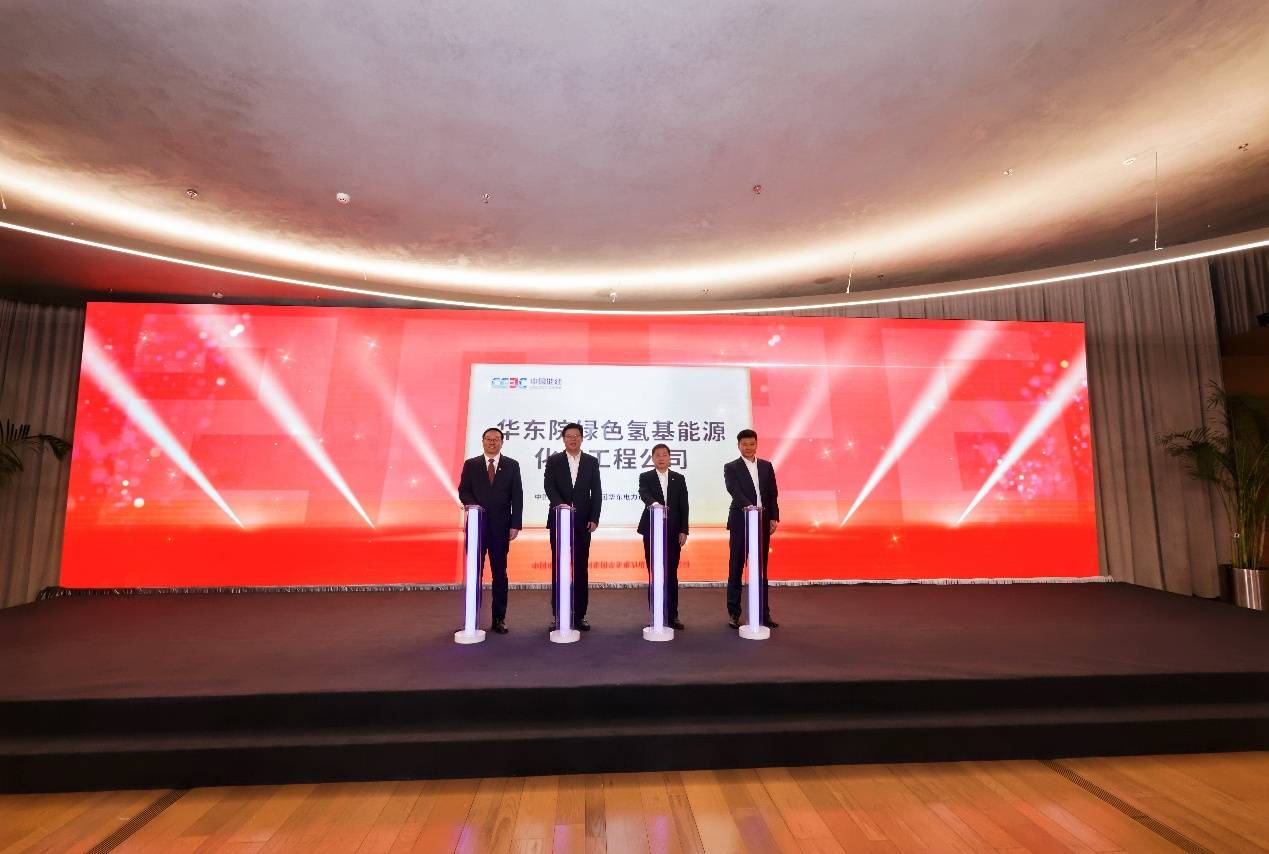
华东院重点布局绿色氢基能源 绿色氢基能源化工工程公司揭牌
Sou Hu Cai Jing· 2026-01-31 14:20
Core Viewpoint - The establishment of the Green Hydrogen-based Energy Chemical Engineering Company by the East China Electric Power Design Institute (华东院) aims to create a specialized and tangible platform for hydrogen-based energy engineering and consulting, aligning with national strategies and market demands [1][2][6] Group 1: Company Initiatives - The new company will focus on key technology research in biomass pretreatment, gasification islands, green certification, and product transportation, having participated in several major domestic and international green hydrogen projects [1][2] - The company plans to deepen research in hydrogen-based energy technologies and explore innovations in areas such as new energy consumption, low-carbon coal power, and carbon capture and utilization [1][2] Group 2: Industry Context - The forum themed "Green Hydrogen Builds the Foundation, Energy Creates the Future" gathered experts to discuss development paths, technological directions, and application prospects of new energy forms represented by green electricity for hydrogen, ammonia, and methanol [4] - The Chief Scientist of China Energy Construction emphasized that green hydrogen energy is a key pathway for the transformation and deep decarbonization of the energy system in China and globally [4] - The company aims to leverage its advantages in energy power planning, technology research and development, and international cooperation to achieve breakthroughs in the green hydrogen fuel sector [4][6] Group 3: Regional Support - The Deputy District Mayor of Putuo District highlighted the importance of 华东院 as a leading enterprise in the energy engineering field, contributing significantly to the development of the energy sector and supporting local industrial growth [5] - The district will fully support the development of the new company, facilitating the transformation of forum outcomes and promoting the establishment of more hydrogen energy technologies, projects, and talent in the region [5] Group 4: Future Directions - 华东院 will continue to prioritize green hydrogen energy as a strategic emerging business, showcasing its commitment to high-quality and differentiated development [6] - The company will focus on core technology innovation, engineering practice, and building a mutually beneficial industrial ecosystem to reduce costs and promote large-scale applications [6]
申万宏源赵伟:2026年中国经济瞄准服务消费与“新”新基建
Xin Hua She· 2026-01-31 14:16
Core Viewpoint - The core viewpoint emphasizes the importance of "consolidating the foundation and making comprehensive efforts" for China's economic stability in 2026 amidst a complex environment [1] Group 1: Economic Foundations - "Consolidating the foundation" refers to the reinforcement and deepening of the industrial system, market foundation, and institutional framework established during the 14th Five-Year Plan [1] - "Comprehensive efforts" indicates that the pace of policy implementation and advancement in development and reform-related areas will accelerate [1] Group 2: Key Economic Drivers for 2026 - Service consumption is expected to see a significant release of pent-up demand due to the ongoing implementation of service industry opening policies [1] - The "new" new infrastructure focuses on systematically reducing social logistics costs through digitalization and intelligent methods, enhancing the efficiency of economic operations by strengthening urban transportation hubs and developing multimodal transport [1] - Green investment will continue to promote the green transformation of industries in line with the "dual carbon" goals [1]

科技+新能源巨头入核热潮起,核电迎来多元新格局:机械设备
Huafu Securities· 2026-01-31 14:15
Investment Rating - The industry rating is "stronger than the market" indicating that the overall return of the industry is expected to exceed the market benchmark index by more than 5% in the next 6 months [13]. Core Insights - Major technology and new energy companies are entering the nuclear power sector, creating a diversified new landscape for nuclear energy in China. Companies like Alibaba and Geely are investing in coastal nuclear power projects, focusing on stable energy to support computing power demands [3][4]. - The policy environment is increasingly favorable for private investment in nuclear power, with the proportion of private capital expected to rise to 10% by 2024. This trend is supported by the integration of AI and nuclear energy, which is anticipated to deepen as the demand for computing power grows [4]. - Small Modular Reactors (SMR) are highlighted as a key solution to meet the energy demands of AI, with significant interest from technology giants. Companies are developing tailored energy solutions for data centers using SMR technology [5]. Company Summaries - **Jingye Intelligent**: Plans to establish a subsidiary focused on SMR technology for AI data center power supply [6]. - **Jia Electric**: Its main helium fan is the only power device for the fourth-generation high-temperature gas-cooled reactor's primary circuit, leading in the nuclear power business segment [6]. - **Guoguang Electric**: Provides critical components for the ITER project, focusing on filter and cladding systems [6]. - **Lanshi Heavy Industry**: Covers the entire nuclear energy supply chain from upstream nuclear fuel systems to downstream spent fuel processing [6]. - **Kexin Electromechanical**: Produces high-temperature gas-cooled reactor products and has developed domestic alternatives for new fuel transport containers [6]. - **Hailu Heavy Industry**: Services various reactor types, including third and fourth-generation reactors and fusion reactors [6]. - **Jiangsu Shentong**: Secured over 90% of orders for nuclear-grade butterfly valves and ball valves for new nuclear power projects in China [6].


