平台经济

Search documents
事关互联网平台价格行为,三部门重磅发布
Zheng Quan Shi Bao· 2025-08-23 02:25
Core Points - The announcement of the "Internet Platform Pricing Behavior Rules (Draft for Public Comment)" aims to guide operators in lawful pricing practices and enhance market regulation [1][2][3] - The rules focus on four main areas: guiding lawful pricing, clarifying pricing display requirements, regulating pricing competition, and establishing a collaborative governance mechanism [1][4] Group 1: Background and Purpose - The rapid development of the platform economy in China has necessitated clearer regulations to protect consumer interests and ensure fair pricing practices [3] - Existing laws provide general guidelines, but specific regulations for the platform economy are needed to create a transparent and predictable pricing supervision mechanism [3][4] Group 2: Key Provisions of the Rules - The rules emphasize the importance of operators' rights to set prices independently and prohibit unreasonable restrictions on pricing behavior by platform operators [7][8] - Clear requirements for price marking are established, including the necessity for transparent promotional rules and clear communication of subsidies [8][9] - The rules aim to prevent unfair pricing practices such as predatory pricing, price discrimination, and misleading pricing information [10][11] Group 3: Collaborative Governance Mechanism - The rules advocate for enhanced cooperation among government departments, industry associations, and platform operators to ensure compliance and effective regulation [12] - A structured approach to internal compliance management within platforms is encouraged, including the establishment of complaint channels and quality control measures [12] - Industry self-regulation is promoted, with associations encouraged to guide operators in adhering to pricing norms [12] Group 4: Implementation Timeline - The public comment period for the rules is set for one month, after which feedback will be reviewed and incorporated into the final document [13]
事关互联网平台价格行为,三部门重磅发布!
Zheng Quan Shi Bao· 2025-08-23 02:15
Core Points - The announcement of the "Internet Platform Pricing Behavior Rules (Draft for Public Comment)" aims to guide operators in lawful pricing practices and enhance market regulation [1][2][3] - The rules focus on four main areas: guiding lawful pricing, clarifying pricing display requirements, regulating pricing competition, and establishing a collaborative governance mechanism [1][4] Group 1: Background and Purpose - The rapid development of the platform economy in China has necessitated clearer regulations to protect consumer interests and ensure fair pricing practices [3] - Existing laws provide general guidelines, but specific regulations for the platform economy are needed to create a transparent and predictable pricing supervision mechanism [3][4] Group 2: Key Provisions of the Rules - The rules emphasize the importance of operators' rights to set prices independently and prohibit unreasonable restrictions on pricing behavior by platform operators [7][10] - Clear requirements for price marking are established, including the necessity for transparent promotional rules and clear communication of subsidies [8][9] - The rules aim to prevent unfair pricing practices such as predatory pricing, price discrimination, and misleading pricing information [10][11] Group 3: Collaborative Governance Mechanism - A collaborative governance framework is proposed, involving government departments, industry associations, and platform operators to ensure compliance and self-regulation [12] - The rules call for enhanced regulatory cooperation among relevant government bodies to monitor pricing behavior effectively [12] - Industry associations are encouraged to promote self-discipline among operators to protect the rights of smaller merchants [12] Group 4: Implementation Timeline - The public comment period for the draft rules is set for one month, after which feedback will be reviewed and incorporated into the final document [13] - The implementation will include a necessary adjustment period for operators to align their internal management systems with the new regulations [13]
国家发改委等:《互联网平台价格行为规则》出台时,将为经营者留出必要的适应调整期
Zheng Quan Shi Bao Wang· 2025-08-23 01:28
Core Viewpoint - The National Development and Reform Commission, the State Administration for Market Regulation, and the National Internet Information Office have jointly drafted the "Internet Platform Pricing Behavior Rules (Draft for Comments)" to promote the healthy development of the platform economy and are currently soliciting public opinions [1] Group 1 - The draft rules aim to implement the decisions and deployments of the Central Committee of the Communist Party of China and the State Council [1] - The agencies involved will revise and improve the rules based on the feedback received during the public consultation [1] - An adjustment period will be provided for operators when the rules are officially issued [1]
国家发展改革委、市场监管总局、国家网信办重磅发布!
Mei Ri Jing Ji Xin Wen· 2025-08-23 01:28
Group 1 - The core viewpoint of the article is the introduction of the "Internet Platform Pricing Behavior Rules (Draft for Comments)" aimed at promoting healthy development in the platform economy and ensuring compliance with pricing regulations [1][2]. Group 2 - The background for the establishment of the "Behavior Rules" includes the rapid development of the platform economy in China, which has positively impacted the real economy and consumer needs, necessitating more detailed regulatory requirements [2]. - The overall approach to formulating the "Behavior Rules" emphasizes a balance between promoting development and regulatory compliance, focusing on standardizing pricing behavior and enhancing transparency [3][4]. Group 3 - The "Behavior Rules" apply to platform operators and platform internal operators, defining them as entities providing online business venues and those selling goods or services through these platforms [5]. Group 4 - The "Behavior Rules" guide operators in exercising their right to set prices autonomously, requiring platform operators to establish reasonable charging standards and protect the pricing rights of internal operators [6]. Group 5 - The "Behavior Rules" specify requirements for clear pricing display, including the need for explicit price marking, clear promotional rules, and transparent subsidy information [7][8]. Group 6 - The "Behavior Rules" aim to regulate pricing competition behaviors, detailing standards for identifying unfair pricing practices such as predatory pricing and price collusion [9][10][11]. Group 7 - The "Behavior Rules" propose a collaborative governance mechanism, emphasizing the roles of various departments, platform compliance management, and industry self-regulation to maintain fair competition in the market [12][13]. Group 8 - The "Behavior Rules" are currently in a public consultation phase lasting one month, after which feedback will be analyzed and incorporated before the final implementation [14].


三部门就《互联网平台价格行为规则》公开征求意见
Sou Hu Cai Jing· 2025-08-23 01:25
Core Viewpoint - The rapid development of the platform economy in China has positively impacted the real economy, new productive forces, and the needs of the people, necessitating more detailed regulatory requirements to ensure fair competition and protect the rights of operators and consumers [1]. Group 1: Key Aspects of the Proposed Rules - The proposed rules aim to guide operators in setting prices autonomously, specifying that platform operators must not impose unreasonable restrictions on the pricing behavior of operators within the platform [2][3]. - The rules clarify the requirements for price labeling, detailing the standards that platform operators and internal operators must follow for pricing transparency and promotional activities [2][3]. - The rules seek to regulate price competition behavior, providing specific standards and regulatory requirements to maintain order and integrity in price competition among operators [2][3]. - A collaborative governance mechanism is proposed, emphasizing the need for cooperation among government departments, industry associations, and platform operators to promote self-regulation and compliance in pricing behavior [2][3].
降抽成只是开始,网约车市场生态重构
2 1 Shi Ji Jing Ji Bao Dao· 2025-08-22 13:49
Core Insights - The recent reduction in commission caps by major ride-hailing platforms like Didi and T3 to 27% and Cao Cao to 22.5% reflects a significant shift in the industry aimed at benefiting drivers and addressing regulatory pressures [1][3] - The average commission for Didi is projected to drop to 14% by 2024, indicating a move towards a more sustainable revenue model for drivers [1] - The ride-hailing market is experiencing saturation, with a mere 1.6% increase in daily order volume reported in June [1][2] Industry Trends - As of June 30, 2025, there are 389 licensed ride-hailing platforms in China, with a slight increase in the number of platforms [2] - The compliance rate of orders among the top 10 platforms varies, with Didi ranking lower in terms of order compliance [2] - The average income for drivers is under pressure, with reports indicating that some drivers earn less than 4,000 yuan per month after expenses [2][3] Regulatory Impact - The collective action of lowering commission rates by major platforms is seen as a response to increased regulatory scrutiny since the implementation of the "Sunshine Action" in 2022 [3] - Regulatory measures are pushing for greater transparency and fairness in commission structures, which is expected to lead to stricter compliance requirements for platform economies [3] Market Dynamics - Despite the increase in licensed vehicles and drivers, the average daily income for drivers has decreased, highlighting the challenges of income stability in a competitive environment [3][4] - Drivers are facing a trust crisis regarding the transparency of earnings and deductions, leading to dissatisfaction and financial strain [5] - The industry is shifting towards a more sustainable model, with platforms needing to balance commission reductions with operational costs and driver welfare [6]
“十四五”期间我国企业净增近2000万户,市场监管总局最新发声
Zheng Quan Shi Bao Wang· 2025-08-22 09:12
Group 1: Market Regulation Achievements - The National Market Regulation Administration has improved the regulatory system for enterprise-related fees, continuously reducing operational costs for businesses, resulting in a net increase of 19.99 million enterprises and 33.946 million individual businesses during the "14th Five-Year Plan" period [1][2] - The introduction of the "Fair Competition Review Regulations" has established rigid institutional constraints against issues like malicious competition in investment promotion and administrative monopolies, with 4,218 obstructive policies abolished and 239 administrative monopoly cases investigated [1][2] Group 2: Consumer Protection and Efficiency - A total of 89.028 million complaints were handled by market regulation departments, recovering economic losses of 21.71 billion yuan for consumers, while consumer associations processed 5.749 million complaints, recovering 5.78 billion yuan [2] - The time to open a restaurant has been reduced from 37 days to 15 days, and the number of documents required for business information changes has been streamlined from 23 to 6 [2] Group 3: Platform Economy Regulation - The market regulation authority is addressing potential risks in the platform economy, such as algorithm abuse and disorderly competition, by balancing innovation encouragement and regulatory development [3][4] - Significant actions have been taken against market irregularities, including the removal of 4.541 million illegal product listings and the investigation of 105,000 internet-related cases [4] Group 4: Pharmaceutical Industry Growth - The pharmaceutical industry in China ranks second globally, with 204 innovative drugs and 265 innovative medical devices approved during the "14th Five-Year Plan," and 50 innovative drugs approved in the first seven months of this year [5][6] - The National Medical Products Administration has implemented dynamic supervision covering the entire drug lifecycle, focusing on key areas such as online sales and clinical trial management, while conducting over 200,000 drug inspections annually [6]
“三只羊”“东北雨姐”被“点名” 市监总局:查办电商领域重大案件
Sou Hu Cai Jing· 2025-08-22 08:10
22日上午,国务院新闻办举行"高质量完成'十四五'规划"系列主题新闻发布会。市场监管总局副局长、 国家标准化管理委员会主任邓志勇表示,我国平台经济正处于转型发展的关键时期,过去五年中,数字 技术与各行各业加速融合,新业态新模式不断涌现,带来了新的经济增长点,但流量优先、算法滥用、 竞争失序等潜在风险,也影响着平台经济的健康发展。市场监管总局坚持管促结合,刚柔并济,维护网 络交易秩序,净化网络市场环境。 他介绍,市场监管总局对乱象出重拳,会同有关部门持续开展网络市场监管专项行动,共督促平台删除 违法商品信息454.1万条,责令停止平台服务网店5.8万个次,查处涉网类案件10.5万件。突出强化直播 电商乱象治理,加大违规行为监测处置力度,查办"三只羊""东北雨姐"等直播电商领域重大案件。督促 网络交易平台全面取消仅退款,解除自动跟价、强制运费险等不合理限制;提升收费合理性和透明度, 要求外卖平台规范促销行为,理性参与竞争,共建良好生态。 2024年10月12日,辽宁省本溪县市场监管局确认网红"东北雨姐"所属传媒公司直播推广的红薯粉条送检 样品"未检出红薯源性成分",拟决定对雨姐传媒作出没收违法所得和罚款共计165 ...

“三只羊”“东北雨姐”等被点名,国家市场监管总局最新发声
Mei Ri Jing Ji Xin Wen· 2025-08-22 07:38
Core Viewpoint - The State Administration for Market Regulation (SAMR) has made significant progress in promoting high-quality development during the "14th Five-Year Plan" period, focusing on building a unified national market and eliminating local protectionism and market monopolies [1][3][4]. Group 1: Measures Taken by SAMR - SAMR has initiated special enforcement actions to curb the abuse of administrative power, resulting in the investigation of 239 administrative monopoly cases and the elimination of over 8,000 local standards [1][5]. - The agency has revised the Anti-Monopoly Law for the first time in 15 years and has updated the Anti-Unfair Competition Law to strengthen the legal basis for competition policy [3][4]. - SAMR has established a comprehensive review mechanism for fair competition, scrutinizing 42,200 important policy measures and providing feedback on 11,400 of them to prevent policies detrimental to the unified national market [4][5]. Group 2: Focus on Key Areas - The agency has intensified monitoring and assessment of monopoly risks in key sectors, particularly in the platform economy, to prevent disorderly competition [4][7]. - SAMR has conducted special enforcement actions in the livelihood sector, addressing monopolistic practices in pharmaceuticals, water supply, gas, and construction materials, effectively reducing public living costs [4][5]. - The agency has reviewed 3,400 cases of operator concentration and penalized 145 cases of illegal concentration, thereby maintaining fair competition in the market [4][5]. Group 3: Platform Economy Regulation - SAMR is balancing regulation and promotion in the platform economy, addressing issues like algorithm abuse and unfair competition while fostering healthy industry development [7][8]. - The agency has implemented various regulations to enhance enforcement efficiency, including the "Network Transaction Supervision Management Measures" and guidelines for anti-monopoly in the platform economy [7][8]. - SAMR has taken strong actions against online market irregularities, removing 4.541 million pieces of illegal product information and shutting down 58,000 non-compliant online stores [8].
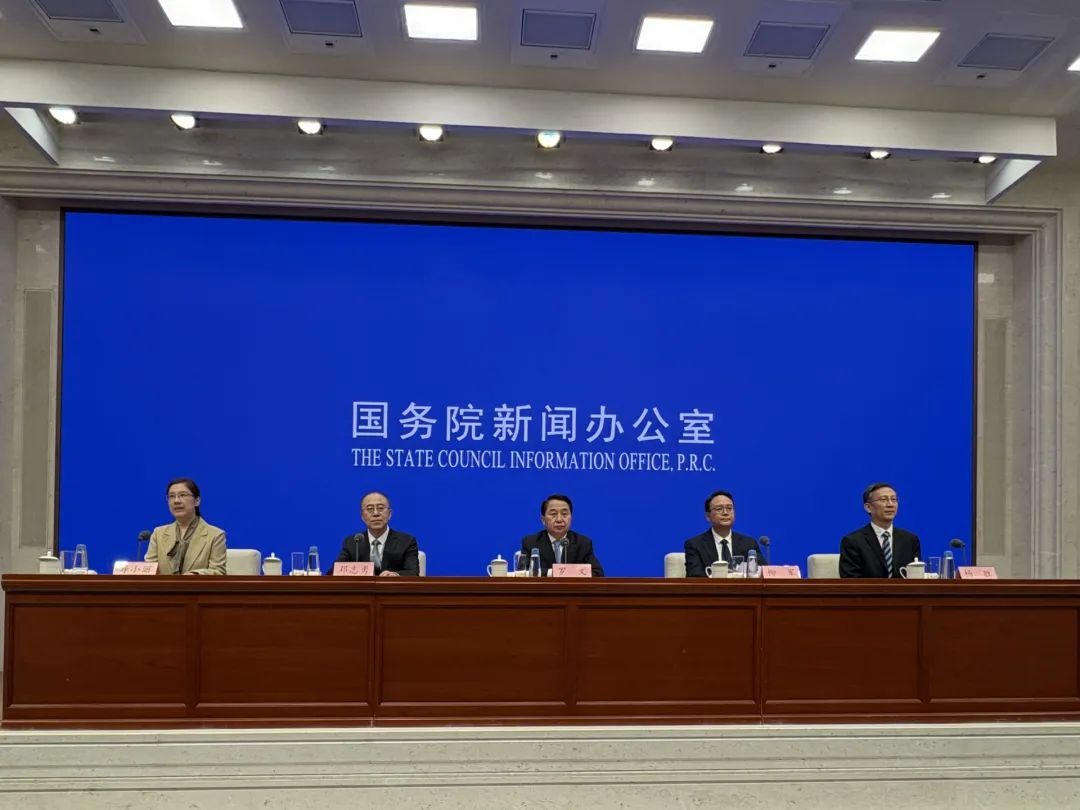
坚持管促结合、刚柔并济促进平台经济健康发展 对乱象“出重拳”治理
Yang Shi Wang· 2025-08-22 07:29
Core Viewpoint - The Chinese platform economy is undergoing a critical transformation, with the government emphasizing the need for regulatory measures to ensure healthy development while promoting innovation and competition [1][3] Group 1: Regulatory Actions - The State Administration for Market Regulation (SAMR) has urged platforms to delete 4.541 million pieces of illegal product information and has ordered the suspension of services for 58,000 online stores [1][3] - A total of 105,000 internet-related cases have been investigated and addressed by the SAMR [3] Group 2: Policy Framework - SAMR is constructing a policy framework to promote orderly competition and innovative development within the platform economy [3] - The agency has issued guidelines to encourage platforms to enhance compliance management mechanisms [3] Group 3: Market Environment - The integration of digital technology with various industries has led to new economic growth points, but issues such as traffic prioritization, algorithm abuse, and disorderly competition pose risks to the healthy development of the platform economy [1]