养老金融

Search documents
未雨绸缪还是生存刚需 解码险企年度“战略蓄水”
Zhong Guo Zheng Quan Bao· 2025-12-08 20:53
Core Viewpoint - Insurance companies are actively increasing their capital through various means, including equity financing and bond issuance, to strengthen their financial stability and meet regulatory requirements in a challenging economic environment [1][2][3]. Group 1: Capital Increase Activities - Multiple insurance companies have completed or announced capital increases this year, totaling hundreds of billions, with life insurance companies leading the way [2][3]. - Ping An Life announced a capital increase of approximately 20 billion yuan, aimed at accelerating business development and enhancing solvency [2]. - Other notable capital increases include China Postal Life's increase from 28.663 billion yuan to 32.643 billion yuan and CITIC Prudential Life's increase from 4.86 billion yuan to 7.36 billion yuan [2]. Group 2: Bond Issuance - Issuing perpetual bonds has become a mainstream method for insurance companies to enhance their core solvency ratios [3]. - Companies such as New China Life, Taikang Life, and Ping An Life have announced bond issuance plans to support their capital needs [3]. - China Ping An also issued zero-coupon convertible bonds worth 11.765 billion Hong Kong dollars to fund its future business development [3]. Group 3: Strategic Focus on Pension Finance - Taikang Life's capital increase and bond issuance reflect its commitment to the pension finance sector, aligning with national policies promoting the development of commercial insurance annuities [4][5]. - The company has managed pension assets totaling 670 billion yuan, with a strong market presence in enterprise annuities and personal pensions [5]. - Taikang Life maintains a robust solvency position, with a comprehensive solvency ratio of 222.42% and a core solvency ratio of 131.41% as of the end of the third quarter [5]. Group 4: Regulatory Environment - The "Solvency II Phase II" rules have heightened the demand for capital replenishment among insurance companies, necessitating proactive measures to ensure compliance by the 2025 deadline [7][8]. - Regulatory requirements stipulate that companies must maintain a comprehensive solvency ratio of at least 150% and a core solvency ratio of at least 75% to engage in personal pension business [7]. - The transition period for these regulations has been extended to the end of 2025 to allow companies to adjust to the new requirements [8].

上海银行30周年:从三个故事感受一家银行的“点滴用心,相伴成长”
Sou Hu Cai Jing· 2025-12-08 14:37
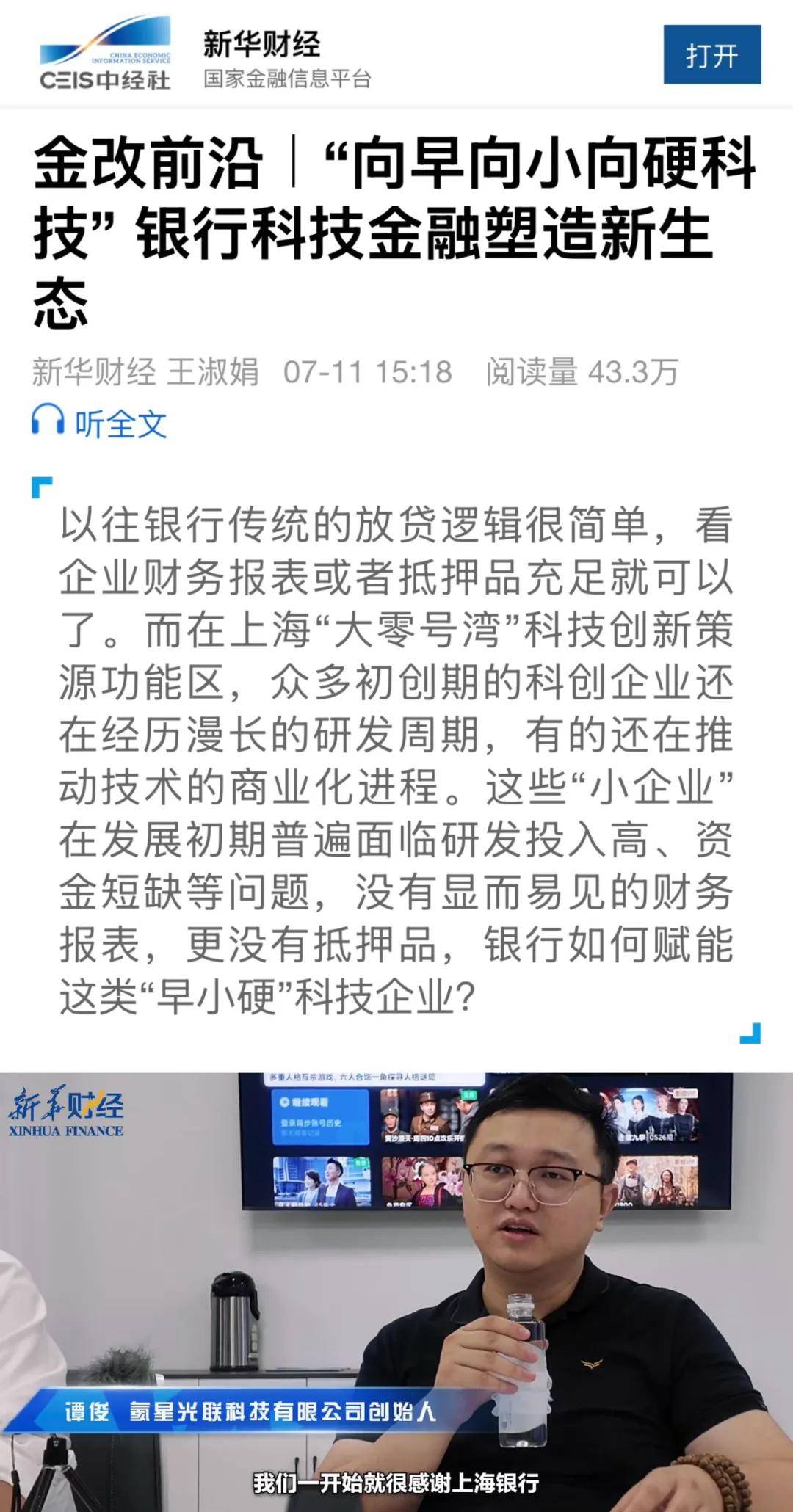
Core Insights - Shanghai Bank has evolved over 30 years, from its origins in local credit cooperatives to a significant player in the financial sector, emphasizing its mission of making life better through finance [1] - The bank has focused on supporting small and micro enterprises, contributing to local economic development, and fostering a sense of community [1] Group 1: Technological Financial Services - Shanghai Bank's Minhang branch identified a promising startup, Qionglong Technology, and provided crucial support through a credit loan of 8 million yuan, marking the first bank credit for the company [8][10] - The bank utilized a "technology flow" assessment model to evaluate the startup's potential, despite its lack of revenue and collateral [8][10] - Over four years, the bank increased its support to Qionglong Technology, raising the credit limit to 50 million yuan and expanding services to include cross-border settlements and funds supervision [10][12] Group 2: Cross-Border Financial Services - Shanghai Bank has developed a comprehensive cross-border financial service ecosystem, including cross-border investment and financing, and digital payment solutions [29] - The bank's cross-border payment capabilities have evolved significantly, with transaction volumes increasing from over 10 billion USD in 2005 to more than 160 billion USD by 2025 [29] - The introduction of digital RMB in cross-border payments marks a significant advancement in the bank's service offerings, enhancing transaction speed and efficiency [29] Group 3: Pension Financial Services - Shanghai Bank pioneered the socialization of pension distribution in China, becoming one of the first banks to offer this service in 1998 [30][33] - The bank has developed a comprehensive pension financial service model, evolving from basic pension distribution to include wealth management and intelligent services [46] - Currently, Shanghai Bank serves approximately 6 million elderly clients, maintaining a leading market share in pension services in Shanghai [46]


产融携手共绘五篇新章 北上协密集调研三家银行解码金融高质量发展
Zhong Guo Zheng Quan Bao· 2025-12-08 13:12
Core Viewpoint - The Beijing Listed Companies Association (北上协) is conducting a series of research activities focused on "high-quality financial development and the five major topics," engaging with major banks to explore how financial institutions can empower the real economy through various financial innovations [1][6]. Group 1: Beijing Bank - Beijing Bank prioritizes technology finance as its "first strategy" and emphasizes specialized and innovative enterprises as its "number one project" [2]. - The bank's board secretary highlighted that technological innovation is a core driver for reshaping the global economic landscape and that finance plays a crucial role in supporting technological innovation and industrial upgrades [2]. - The association's secretary-general expressed the importance of high-quality financial development as a support for national economic growth and encouraged listed companies to leverage financial market resources for innovation [2]. Group 2: Agricultural Bank - Agricultural Bank focuses on serving rural revitalization, with 40% of its loans and 44% of its deposits located in county areas [3]. - The bank is committed to urban business development while maintaining a collaborative operational model between urban and rural areas [3]. - The discussions during the research highlighted the bank's practices in technology finance and digital transformation, clarifying the direction for collaboration between enterprises and financial institutions [3]. Group 3: Postal Savings Bank - Postal Savings Bank aims to serve agriculture, rural areas, and small and medium-sized enterprises, enhancing service quality and creating new development momentum [4]. - As of Q3 2025, the bank reported positive growth in revenue and profit, with a net interest margin of 1.68% and a non-performing loan ratio of 0.94%, indicating strong performance in the industry [4]. - The bank's strategy focuses on aligning financial resources with key areas of economic development in the capital [4]. Group 4: Financial Development Strategies - The association emphasizes the need for financial companies to focus on strategic planning, risk prevention, technology empowerment, international cooperation, and talent development to ensure long-term growth [5]. - The "five major topics" are seen as essential for enhancing the quality of service to the real economy and mitigating systemic risks [6]. Group 5: Future Directions - The implementation of the "five major topics" is expected to transform banking service models, shifting from traditional collateral-based assessments to a focus on technology and future potential [6]. - Suggestions from company representatives include optimizing risk assessment models for technology finance and enhancing green finance standards [7]. - The association plans to continue facilitating high-quality exchanges and training sessions to foster collaboration among listed companies [7].



中小银行没有躺平
Xin Lang Cai Jing· 2025-12-08 12:19
Core Viewpoint - The banking industry, particularly small and medium-sized banks, is facing unprecedented operational pressures, with net interest margins declining to historical lows and non-performing loan ratios increasing, prompting a search for strategic solutions among industry leaders [1][3][4]. Group 1: Current Challenges - The net interest margin for commercial banks has dropped to 1.42%, with city commercial banks and rural commercial banks at 1.37% and 1.58% respectively [1][10]. - 11% of city commercial banks are classified as "red zone" high-risk institutions, with rural cooperative institutions and village banks facing even higher risk proportions [3][12]. - The total non-performing loan balance reached 3.5 trillion yuan, increasing by 883 billion yuan from the previous quarter, with a non-performing loan ratio of 1.52% [3][12]. Group 2: Performance Disparities - Among A-share listed banks, city commercial banks are outperforming, with 14 out of 17 reporting revenue growth and 16 reporting net profit growth [4][13]. - Chongqing Bank showed significant performance, achieving a revenue of 11.74 billion yuan and a net profit of 4.879 billion yuan, both up by over 10% year-on-year [4][13]. - In contrast, many joint-stock banks reported declines in both revenue and net profit, with Ping An Bank's revenue down by 9.8% [4][13]. Group 3: Strategic Responses - Differentiated competition is emphasized as crucial for survival, with banks sharing experiences on integrating into regional economies and cultures [6][14]. - The focus on "guarding the fundamentals" while innovating through digital empowerment is highlighted as essential for rural commercial banks [6][14]. - A customer-centric approach with precise industrial financial layouts is recommended for sustainable differentiation in a low-interest-rate environment [6][14]. Group 4: Technological Empowerment - Technology is identified as a key tool for small and medium-sized banks to enhance competitiveness, with funding cost gaps narrowing significantly [7][16]. - Investment in technology, particularly artificial intelligence, is increasing, with banks allocating 6% to 8% of revenue to tech R&D [7][16]. - Successful AI applications in banking have already shown significant impacts, such as a loan growth of over 50 million yuan from an AI marketing project [7][16]. Group 5: Retail Transformation and Wealth Management - Retail banking and wealth management are becoming critical areas for transformation, with many city commercial banks reporting retail asset management growth exceeding 10% [8][17]. - Jilin Bank emphasizes that strengthening retail business can significantly enhance profitability and reduce risk [8][17]. - The development of pension finance is seen as a new opportunity, with specific strategies tailored to local demographics [8][17].

广东重磅发布,23次提及金融,信息量大
2 1 Shi Ji Jing Ji Bao Dao· 2025-12-08 05:34
Core Viewpoint - The Guangdong "14th Five-Year" planning proposal emphasizes the strategic role of finance in supporting technological innovation, industrial upgrading, and high-quality development, integrating finance into the construction of a strong technological province [1][3]. Financial Strategy and Innovation - Finance is positioned not just as a resource allocation tool but as a core engine driving technological self-reliance and new development momentum [3]. - The proposal outlines a comprehensive innovation chain that includes "basic research + technological breakthroughs + results transformation + technology finance + talent support" to enhance regional innovation system efficiency [3]. Investment and Capital Development - The document details the creation of an innovative entrepreneurial investment and financing system, fostering high-quality venture capital institutions, and guiding capital towards early, small, long-term, and hard technology investments [3][4]. - It emphasizes the need for collaboration between finance, fiscal policy, and state-owned assets to strengthen government investment fund systems and enhance the effectiveness of fund utilization [4]. Financial Sector Growth - The proposal envisions the construction of a "financial strong province," promoting the development of technology finance, green finance, inclusive finance, pension finance, and digital finance [4]. - It encourages national financial institutions to increase resource allocation in Guangdong and deepen strategic cooperation with large domestic and foreign financial institutions [4]. Market and Investment Dynamics - The proposal aims to leverage government investment to stimulate private sector participation in major projects, enhance private investment activity, and increase the proportion of private investment [4]. - It calls for reforms in the investment and financing system to broaden diversified investment channels and establish a market-driven investment growth mechanism [4]. Risk Management - The proposal highlights the importance of preventing and mitigating risks associated with real estate and small financial institutions to maintain economic and financial security [4].

河南“十五五”规划建议:稳步扩大债券发行规模 完善企业上市培育体系
Zheng Quan Shi Bao Wang· 2025-12-07 23:56
人民财讯12月8日电,中共河南省委关于制定河南省国民经济和社会发展第十五个五年规划的建议发 布,其中提到,积极推动现代金融高质量发展。做优做强金融体系,推进地方法人金融机构立足地方、 专注主业、完善治理、错位发展,支持在豫金融机构提供多元化服务。用好多层次资本市场,稳步扩大 债券发行规模,完善企业上市培育体系,提升中原股权交易中心功能作用,积极推进资金入豫,引育长 期资本、耐心资本。大力发展科技、绿色、普惠、养老、数字金融,健全同科技创新相适应的"政银担 保投"联动机制,发展绿色金融市场和碳市场,健全针对民营、小微和涉农主体的普惠金融服务机制, 加大对健康产业、养老产业等的金融支持,加强金融机构数字化转型和数字经济金融服务。健全地方金 融监管体系。完善并购、破产、置换、资产证券化等政策。 ...
聚焦养老金融可持续发展 业内共议养老财富管理新路径
Zheng Quan Ri Bao· 2025-12-07 15:35
Group 1: Core Perspectives - The development of pension and long-term life insurance is essential to address aging, with financial investments in modern industries providing long-term returns and enhancing elderly consumption capacity [1] - Effective pension wealth management is crucial for building an asset-based pension system, aligning with the central government's objectives for pension finance [1] - The need for public pensions to maintain basic support while adjusting replacement rates for different income levels is emphasized, alongside the development of appealing pension financial products [1] Group 2: Policy Recommendations - Continuous policy innovation is necessary to expand pension coverage and enhance fiscal support measures for personal pensions, including exploring tax incentives for low-income groups [2] - Improving investment research capabilities is vital to ensure the preservation and appreciation of pension wealth, while also enhancing service supply adaptability [2] - The integration of pension products with quality elderly care services is highlighted as a key competitive advantage in the pension financial market [2] Group 3: Multi-Pillar Development - Relying solely on pay-as-you-go systems or individual accumulation models is unsustainable; a multi-pillar approach to pension development is necessary for effective asset management [3] - Diverse financial institutions and younger demographics should participate in the development of pension services, reflecting the varied needs of the aging population [3]
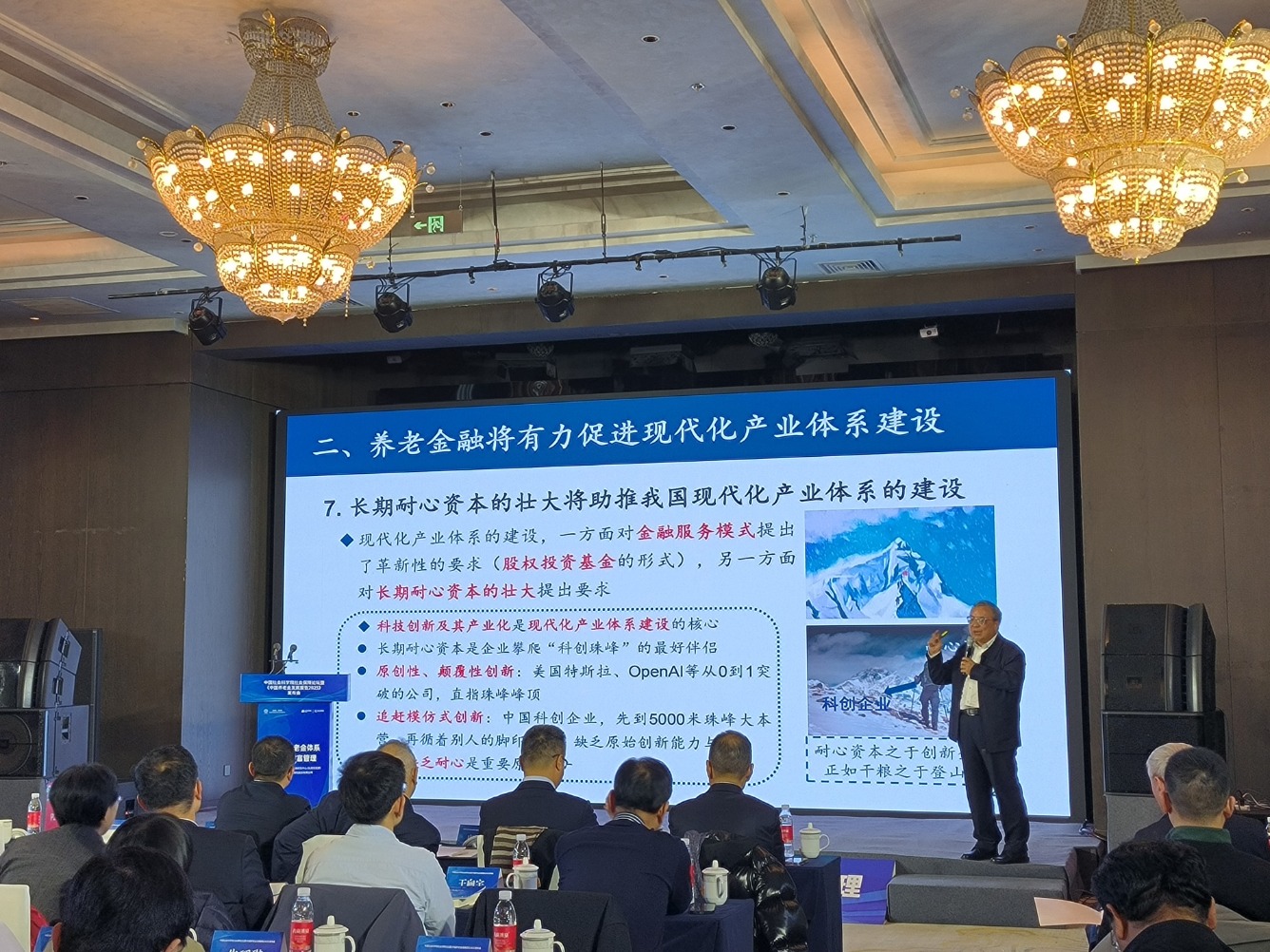
如何发展长期耐心资本?专家热议资产型养老金体系建立
Mei Ri Jing Ji Xin Wen· 2025-12-06 11:03
Core Viewpoint - The development of pension and long-term insurance is crucial for addressing aging population challenges in China, leveraging financial investments to enhance both returns and services for the elderly [1][3]. Group 1: Pension and Long-term Insurance Development - The financial system in China is large and well-funded but lacks sufficient capital, making pensions and long-term insurance the only true long-term patient capital [1]. - There is a significant gap between China's pension asset scale and its GDP ratio compared to Western countries, necessitating a focus on expanding pension assets and establishing an asset-based pension system [3]. - The development of pension wealth management should adopt a long-term perspective, prioritizing value acquisition over short-term financial returns [3]. Group 2: Challenges and Solutions in Pension Coverage - The narrow coverage of enterprise annuities is attributed to high basic social insurance contribution rates, which primarily involve state-owned enterprises, leaving private and small enterprises underrepresented [4]. - High establishment thresholds, management costs, and inconvenient investment options hinder the attractiveness of enterprise annuities, suggesting a need for reforms such as lowering contribution burdens and promoting collective annuity plans for small businesses [4]. - The balance between government tax incentives and future financial burdens is essential for developing the second and third pillars of pension finance [3].
陈泽:经推算,到2035年我国银发经济规模可达到31万亿
Xin Lang Cai Jing· 2025-12-06 08:38
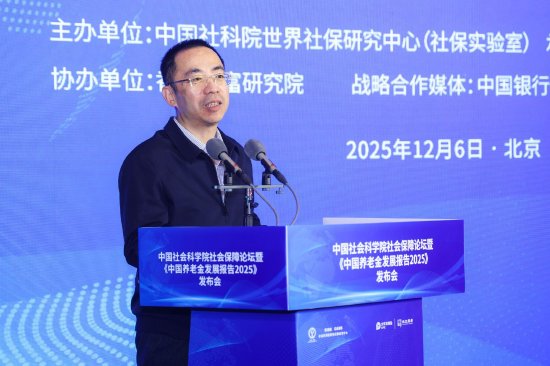
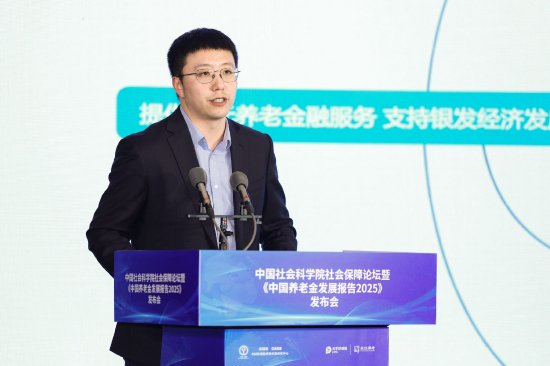
专题:中国社会科学院社会保障论坛暨《中国养老金发展报告2025》发布式 12月6日金融一线消息,中国社会科学院社会保障论坛暨《中国养老金发展报告2025》发布会今日召 开,长江养老保险股份有限公司养老金融研究中心研究员陈泽出席并分享了长江养老金融研究中心对于 养老金融支持银发经济的成果。 陈泽指出,经测算,2023年我国银发经济规模达到了12.55万亿,其间年化增长率8.55%,推算到2035年 规模可以达到31万亿。 陈泽表示,养老金融的三个方面分别与银发经济构成了基础性关系、内生构成性关系以及投资工具性关 系。具体来看,养老金金融是银发经济的发展基础,它的发展重点是保障合理的养老金融水平,提升老 年人支付能力,支撑银发经济消费需求;养老服务金融是银发经济的内生构成,主要是需要加大政策的 支持力度,来帮助老年人盘活资产;养老产业金融是银发经济主要投资工具,需要养老金等耐心资本优 势,支持周期长、利润低的银发经济的事业。 12月6日金融一线消息,中国社会科学院社会保障论坛暨《中国养老金发展报告2025》发布会今日召 开,长江养老保险股份有限公司养老金融研究中心研究员陈泽出席并分享了长江养老金融研究中心对于 养 ...
赵宇龙:商业保险在发展养老金融方面具备三方面的独特优势
Xin Lang Cai Jing· 2025-12-06 04:59
Core Viewpoint - The forum highlighted the unique advantages of commercial insurance in developing pension finance, emphasizing its role in addressing longevity risk, long-term fund management, and product diversification [3][4][6]. Group 1: Advantages of Commercial Insurance - Longevity Risk Management: Commercial annuities effectively transfer longevity risk through actuarial techniques and a large pool of insured individuals, allowing for lifelong payouts and addressing insufficient pension savings [4][10]. - Long-term Fund Management: Insurance funds are stable and patient capital, with extensive experience in managing long-term asset-liability matching and risk control, which is essential for the capital-intensive and long-cycle nature of the pension industry [4][10]. - Product Diversification: The evolution of pension services towards home, community, and institutional care has led to a more refined and diverse demand for products, including various types of insurance that cater to different demographics and needs [5][11]. Group 2: Regulatory Support and Industry Development - Regulatory Focus: The National Financial Regulatory Administration is actively supporting the development of commercial pension insurance, with initiatives like the launch of dedicated commercial pension insurance trials in 2021 and their normalization in 2023 [6][12]. - Product Availability: Over 120 personal pension products are currently available in the market, reflecting the industry's response to the growing demand for pension solutions [6][12]. - Financial Contributions: By the "14th Five-Year Plan" period, the accumulated reserves for commercial pension and health insurance reached 11 trillion yuan, with significant payouts for health-related claims and the establishment of 130 pension community projects [6][12].