关税战

Search documents
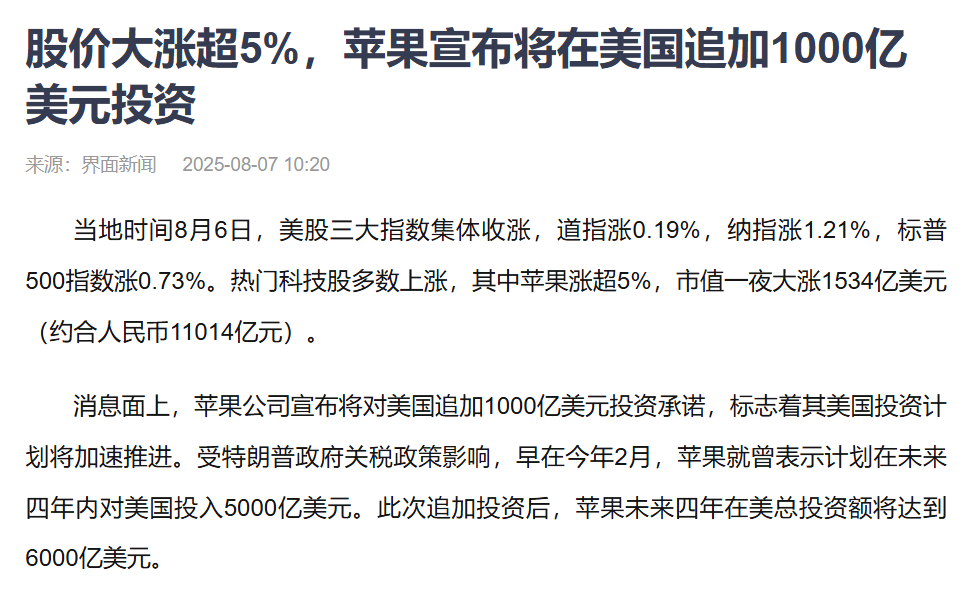
川普巧施连环计,库克怒掏7000亿。
Sou Hu Cai Jing· 2025-08-18 16:15
Core Viewpoint - Apple is set to announce a significant investment of $700 billion in the U.S., which includes $600 billion for domestic construction and an additional $100 billion for the American Manufacturing Program (AMP) [2][4]. Group 1: Investment Details - The $700 billion investment will be spread over four years, averaging about $175 billion per year, which exceeds Apple's annual net profit of approximately $100 billion and accounts for nearly half of its total revenue [4][19]. - The AMP plan includes procurement and investment in suppliers, which are essential for Apple's operations, thus much of this investment may not represent new spending but rather a reallocation of existing expenses [15][19]. Group 2: Strategic Implications - This investment can be seen as a "protection fee" to secure favorable treatment from the U.S. government amid ongoing trade tensions, particularly with China and India [5][10]. - Apple's production in India has surged, with Indian-assembled smartphones accounting for 44% of U.S. imports, and iPhone exports from India increasing by 240% year-on-year [8][10]. Group 3: Political and Economic Context - The investment serves multiple purposes: it provides political capital for the Trump administration, creates jobs in the U.S., and allows Apple to maintain its global supply chain stability [20][22]. - Previous commitments by Apple to invest in the U.S. have typically resulted in only 15% to 25% of the promised amounts being new cash investments, indicating that the actual financial impact may be less than the headline figure suggests [19][22].


美国第一夫人写给普京的信&关税是谁付&美国政府计划入股英特尔
Sou Hu Cai Jing· 2025-08-18 15:03
Group 1 - The U.S. government plans to invest in Intel to support the company amid challenges in the AI era, highlighting the stark contrast between Intel's struggles and the successes of competitors like Nvidia and AMD [11][13] - Potential funding options for Intel include converting existing grants into equity, obtaining new funding, or combining grants with other financing sources [13] Group 2 - A report from Goldman Sachs analyzes the cost-sharing model of tariffs imposed during the Trump administration, indicating that U.S. companies currently bear 64% of the costs, while this is projected to decrease to below 10% in the future, shifting more burden onto consumers [10] - The report suggests that by 2025, U.S. consumers will be responsible for 67% of tariff costs, raising concerns about the long-term impact on American consumers [10] Group 3 - Data from the U.S. Bureau of Economic Analysis and the U.S. Census Bureau shows that in 2024, the U.S. imported $3 billion worth of goods from Russia, while the EU imported $41.9 billion, indicating ongoing trade relations despite sanctions [14][16] - The commentary suggests that these trade figures may not include undisclosed energy transactions, raising questions about the transparency of trade practices [16] Group 4 - Former UK Prime Minister Boris Johnson criticized the U.S.-Russia summit, labeling it as a distasteful event in international diplomacy, which he believes will provide important lessons for Trump [17][19] - Johnson's past actions, including opposing peace agreements and advocating for continued conflict, are noted as contributing factors to the ongoing Russia-Ukraine conflict [21]


开征50%关税,莫迪想不明白,美国把印度往死里整?鲁比说出实话
Sou Hu Cai Jing· 2025-08-18 12:37
Group 1 - The core issue revolves around the disparity in how the US treats India and China, highlighting the concept of "hard power" versus "soft power" in international relations [1][5] - The US imposed a 50% tariff on Indian imports, which is significant but has limited impact on India's economy as it only constitutes 2.5% of India's GDP [1] - The US aims to disrupt India's military cooperation with Russia, which is valued at $6 billion annually, while simultaneously pushing for favorable trade terms for American agricultural products [1] Group 2 - The US's approach to China is more cautious due to the potential global economic repercussions of sanctions, particularly concerning oil prices [7][9] - The US is currently focused on the Russia-Ukraine situation, which influences its trade policies and relations with both China and India [9][11] - India's perceived lower value in the eyes of the US has made it a target for punitive measures, contrasting with the more strategic handling of China [11]
百利好晚盘分析:通胀不容乐观 谨慎押注降息
Sou Hu Cai Jing· 2025-08-18 09:27
黄金方面: 美国最新CPI为2.7%,低于市场预期的2.8%,但明显处于上升通道。美国7月PPI环比上涨0.9%,为2022年4月以来的最大涨幅, 同比涨幅从前值的2.4%上涨至3.3%,是今年3月以来的新高。整体而言美国通胀数据并不乐观,对降息的限制依然很大。 目前市场押注美联储会在9月降息,芝商所"联邦利率观察工具"显示,美联储9月降息25个基点的概率高达84.6%,市场几乎笃定 9月会降息,但美联储官员并未给出更多指引,降息可能只是市场的一厢情愿。 智昇研究投资策略师市场策略师鹏程认为,在通胀高企的情况下,美联储也会投鼠忌器,贸然降息,通胀可能会继续走高,会 对美国经济形成更大的冲击,投资者应对美联储降息持谨慎态度。 技术面:黄金日线受长期均线支撑明显,但上升与下跌力度都不强。1小时周期价格进入前期成交密集区,短期趋势改变,且价 格站上均线系统。短线可关注下方3341美元一线的支撑。 美元指数: 近期美元指数处于震荡调整的态势,当下市场对美元的前景也较为犹豫,长期来看,特朗普追求弱势美元,一直力主降息,甚 至不惜干扰美联储的决策。美联储为维护自身独立性,也一直强调当下不符合降息的条件。 结合美国当下的通 ...
被打疼了?美方试探与中国打关税战,欧洲领导人做了同一个动作
Sou Hu Cai Jing· 2025-08-18 03:49
Group 1 - The core issue of the US-China trade conflict is highlighted by the recent silence from G7 leaders when US Treasury Secretary Mnuchin proposed a 200% secondary tariff on China, indicating a significant divide in economic strategies between the US and Europe [3][5][7] - European countries are deeply intertwined with China through their supply chains, making it difficult for them to support US-led sanctions against China, as evidenced by comments from European diplomats regarding their reliance on Chinese manufacturing [3][5] - The US's imposition of tariffs has led to increased costs for American consumers while simultaneously boosting Chinese exports to the US, demonstrating the counterproductive nature of such tariffs [3][7][9] Group 2 - China's recent sanctions against two European banks serve as a strategic response to EU sanctions, targeting the financial sector to exert pressure while leaving room for future negotiations [5][9] - The economic interdependence between Europe and China is underscored by statements from European officials, warning against attempts to decouple from China, with some noting that European banks earn significantly more in China than in North America [5][9] - The US's attempts to form a "anti-China tariff alliance" face resistance from European nations, who are cautious about the potential economic repercussions of aligning too closely with US policies [9][11]
从尼克松冲击到特朗普冲击——关税战后的美政策走向与应对
Sou Hu Cai Jing· 2025-08-18 02:50
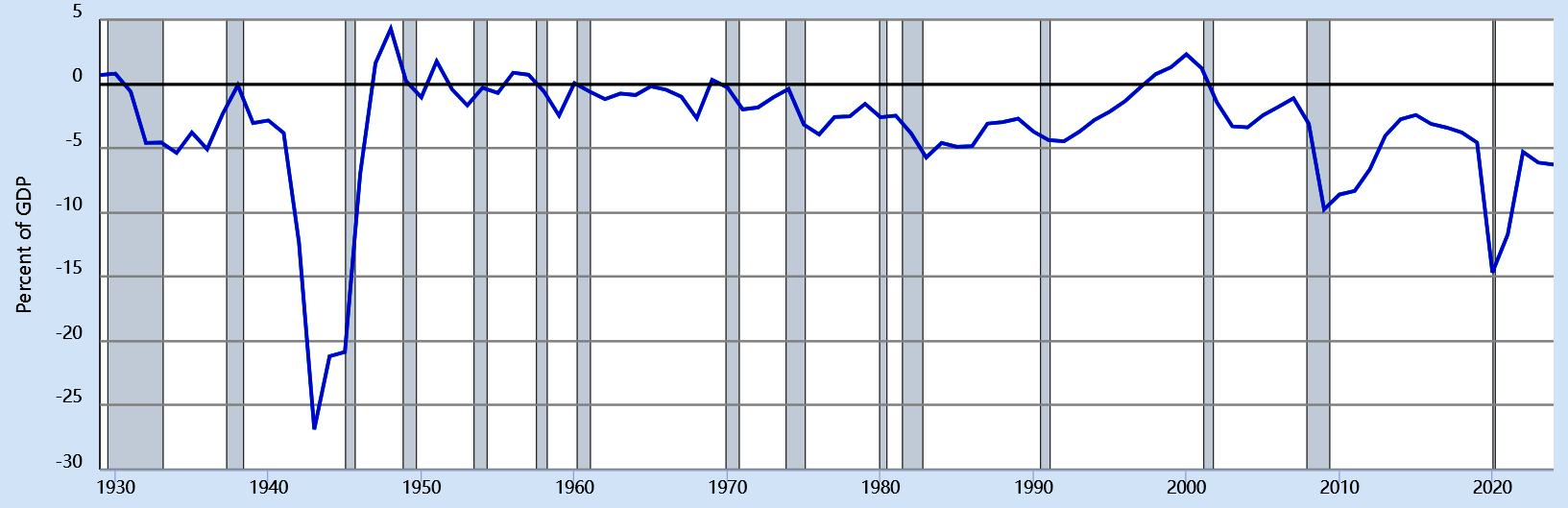
Group 1: Nixon Shock - The Nixon administration implemented a 10% temporary import tariff in 1971 as part of a broader economic policy to stimulate the economy and address trade imbalances, which ultimately contributed to the collapse of the Bretton Woods system [2][3][11] - The Nixon Shock was characterized by a combination of domestic fiscal stimulus and external measures, including the suspension of gold convertibility and the imposition of tariffs, aimed at stabilizing the dollar's position in the international monetary system [3][10] - The political success of the Nixon tariffs was evident, as they garnered significant public support, with initial approval ratings reaching 71% and peaking at 85%, aiding Nixon's re-election in 1972 [9][10] Group 2: Comparison with Trump Tariffs - Both Nixon and Trump administrations attributed trade deficits to external factors, neglecting internal economic imbalances, and framed their policies around the narrative of "unfair competition" from trade partners [12][13] - The use of tariffs as a negotiating tool was a common strategy, with Nixon leveraging tariffs to prompt currency adjustments from Japan and West Germany, while Trump sought to use tariffs to extract concessions from China and the EU [13][15] - The Trump administration's tariffs face greater challenges in achieving substantial results due to the geopolitical landscape, where key trading partners like China are less reliant on U.S. military support compared to Nixon's era [15][16] Group 3: Economic Implications - The Nixon tariffs temporarily alleviated the dollar crisis but failed to address underlying structural issues, leading to a return of trade deficits and contributing to the onset of stagflation in the U.S. economy [10][21] - The current economic environment under Trump is marked by significant fiscal imbalances, with federal debt reaching $36 trillion, raising concerns about sustainability and the potential for long-term economic instability [14][19] - Historical evidence suggests that tariffs and currency manipulation alone cannot resolve the issue of deindustrialization, as the U.S. manufacturing sector has shifted towards high-end capital-intensive industries, leaving lower-end manufacturing vulnerable to offshoring [21][24] Group 4: International Monetary System - The Nixon Shock marked the beginning of significant changes in the international monetary system, leading to the eventual collapse of the Bretton Woods framework and the transition to a more flexible exchange rate regime [11][25] - The current international monetary environment is evolving, with the potential for a more diversified currency system as countries seek alternatives to the U.S. dollar, particularly in light of concerns over the dollar's stability and the U.S. government's fiscal policies [17][26] - The shift towards a multipolar currency system could diminish the U.S. dollar's dominance, as more countries consider using the euro and yuan as alternatives, thereby impacting the global economic landscape [26][27]
24小时内,中方连出两记重拳,警告盟友,想要给美国当炮灰,必将付出沉重代价
Sou Hu Cai Jing· 2025-08-18 02:28
面对加拿大无视中国关切的态度,中国曾多次给予机会,然而卡尼政府始终无动于衷。直到中国商务部宣布将对所有 加拿大公司征收75%的保证金,才正式反击。这项政策自8月14日起生效,实际上是对加拿大油菜籽倾销行为的一次明 确回应。 实际上,中国的这项反倾销调查在去年9月就已启动,但为何直到现在才落下重锤?原因很简单:中国一直在等待一个 最佳时机。中国是世界上最大的油菜籽进口国,而加拿大的油菜籽出口市场,近一半都依赖中国。2024年,加拿大对 中国出口的油菜籽总值接近50亿加元。一旦保证金政策实施,意味着中国可能停止从加拿大进口油菜籽,这一变动立 刻引发市场波动,油菜籽期货价格在8月12日急剧下跌了6.5%。 眼看着加拿大正处于油菜籽的收割季节,农民们本应享受丰收的喜悦,却不得不面对前所未有的困境。由于市场的不 确定性,许多农民未能提前签订销售合同,现在只能眼睁睁看着收获的油菜籽烂在地里,既卖不出去,又要承担高额 的仓储费用,农民们的处境堪称无奈。路透社采访了一位新加坡的油菜籽贸易商,他直言:"中国这次的反击真的很 狠,75%的保证金几乎宣告了我们不再购买加拿大的油菜籽。"整个加拿大的油菜籽产业链,从种植、加工到销售, ...
巴铁突然出手搅局印度?8月16日,关税困局传来新消息
Sou Hu Cai Jing· 2025-08-16 23:21
Group 1 - The core situation for India under Prime Minister Modi is precarious, facing multifaceted pressures beyond a simple tariff war [1] - The U.S. has imposed a 50% tariff on Indian exports, significantly impacting trade, particularly in textiles, pharmaceuticals, and machinery [3] - The unexpected increase in tariffs has left India unprepared, leading to substantial delays in exports and complaints from local vendors [3] Group 2 - Amidst the crisis, a diplomatic breakthrough occurred with a visit from the Chinese Foreign Minister, indicating a shift in India's approach to the tariff conflict [5] - The discussions between India and China focused on not only tariff strategies but also broader geopolitical dynamics, with India adopting a more humble stance [5] - Successful outcomes from the talks included expedited approvals for Chinese industrial parks in southern India and revised cooperation agreements with tech giants [5] Group 3 - The crisis has adversely affected Indian citizens, leading to rising smartphone prices and long queues at gas stations, sparking public discontent [7] - Social media has become a platform for protests against tariffs, with notable cultural shifts observed in public discourse [7] - Western media has reported on these changes, highlighting a potential pivot in India's strategic orientation towards the East [7] Group 4 - India's industrial chain is less developed compared to China's, presenting significant challenges for the Modi government in addressing economic concerns [9] - The U.S. remains poised for negotiations, indicating a willingness for India to return to the bargaining table [9] Group 5 - Modi's government faces multiple challenges, including political pressures from domestic opposition, military threats from Pakistan, and energy trade dynamics with Moscow [11] - The outcome of the tariff war remains uncertain, with fluctuating international relations impacting India's strategic decisions [11] - Despite the challenges, Modi's administration has demonstrated adaptability and a willingness to change in response to the crisis [11]
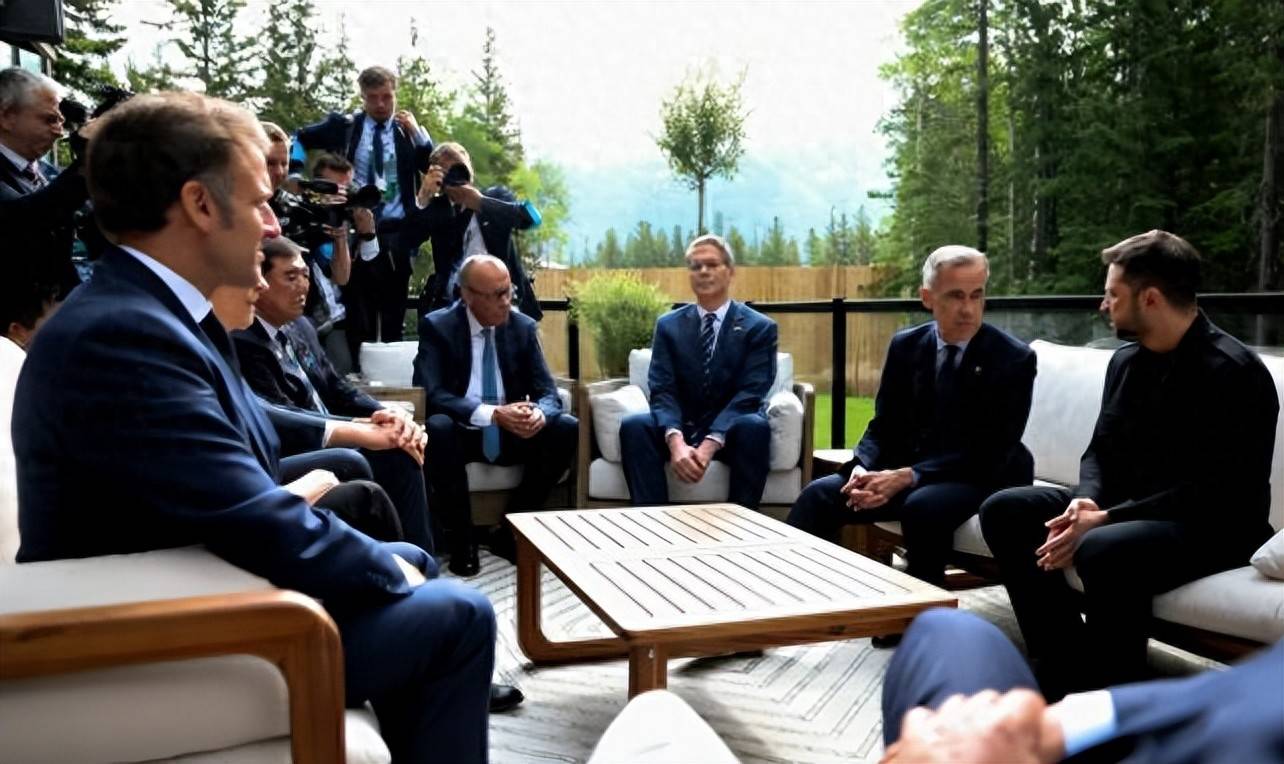
一听到要跟中国打关税战,欧洲各国领导人低头沉默了
Sou Hu Cai Jing· 2025-08-16 20:03
Group 1 - The G7 summit in June 2025 highlighted the economic tensions between the US and Europe, particularly regarding the proposed 200% tariffs on Chinese goods linked to Russian energy purchases, which left European leaders in silence due to their economic dependencies [1][3][5] - Europe’s economic reliance on China is significant, with trade volumes reaching $785.8 billion in 2024, making China a crucial market for major European economies like Germany, France, and Italy [3][5] - The proposed tariffs would severely impact European industries, particularly the German automotive sector, which relies heavily on Chinese sales, and the French luxury goods market, which is significantly dependent on Chinese consumers [5][11] Group 2 - The US has a history of exerting economic pressure on Europe, as seen in the 2025 tariff negotiations that resulted in a $1.3 trillion investment commitment from the EU and a $750 billion purchase of US energy, leading to a decline in trust among European nations [7][9] - European leaders are increasingly cautious of US unilateralism, with France and Germany expressing the need for Europe to maintain its independence and not become a pawn in US strategies [9][11] - In response to US pressures, Europe is strengthening ties with China, exemplified by a significant agreement on electric vehicle tariffs and ongoing high-level visits to enhance bilateral cooperation in various sectors [11][13] Group 3 - The silence from European leaders at the G7 summit signifies a rejection of US unilateralism and reflects a shift in the global economic landscape, where emerging economies are also moving towards a more multipolar approach [13][15] - The challenge for Europe lies in balancing its security reliance on the US with its economic ties to China, as any aggressive tariff actions from the US could provoke substantial retaliatory measures from Europe targeting key US industries [15]
加征100%关税?吓不倒中国后,特朗普转身对印度出手,莫迪懵了
Sou Hu Cai Jing· 2025-08-16 13:38
Core Points - The Trump administration announced a 25% tariff on Indian imports starting August 1, 2023, as part of a broader strategy of imposing "reciprocal tariffs" on countries that have not reached trade agreements with the U.S. [1][3] - The rationale behind the tariff includes addressing the significant trade deficit with India and India's military purchases from Russia, which Trump highlighted as a reason for the punitive measures [3][5] - India's response has been cautious, with the government expressing a desire for a fair trade agreement while also indicating it will take necessary measures to protect its national interests [6][8] Group 1 - The U.S. will maintain tariffs around 15% for countries that have trade agreements, while imposing higher tariffs on those without agreements, with India being the primary target [1] - Trump's announcement was followed by complaints about the trade deficit, indicating a focus on economic imbalances in U.S.-India relations [3] - The ambiguity in India's response suggests a lack of immediate strategy to counter the U.S. tariffs, reflecting the rapidity of the U.S. decision [5] Group 2 - The bilateral trade volume between India and the U.S. is projected to be approximately $129 billion in 2024, highlighting the significance of this relationship for India's economy [6] - India's government reaffirmed its commitment to achieving a balanced trade agreement with the U.S. while also preparing to defend its economic interests [6] - The U.S. strategy appears to be aimed at using India as an example to deter other countries, particularly China, from purchasing Russian oil, which could further strain U.S.-India relations [8][10]