贸易保护主义

Search documents
记者观察丨法国皮具、瑞士钟表、德国汽车……业绩集体“跳水”
Xin Hua She· 2025-11-17 09:16
Core Viewpoint - The European high-end manufacturing industry, particularly luxury goods, is facing significant pressure due to U.S. tariff policies, leading to a collective decline in performance among companies in this sector [2]. Group 1: Impact on European Brands - European luxury brands, including French leather goods, Swiss watches, and German luxury cars, are experiencing a sharp decline in performance as a direct result of U.S. trade protectionism measures [2]. - The tariff storm is not only damaging the profits of European brands but also severely impacting consumer confidence in the U.S. market [2]. Group 2: Market Reactions - In response to the ongoing tariff pressures, European companies are being forced to raise prices to offset costs, which in turn is causing American consumers to tighten their spending [2]. - The sustained impact of tariffs is leading to short-term profit pressures for European high-end manufacturing firms, with significant uncertainty regarding the industry's growth prospects [2].
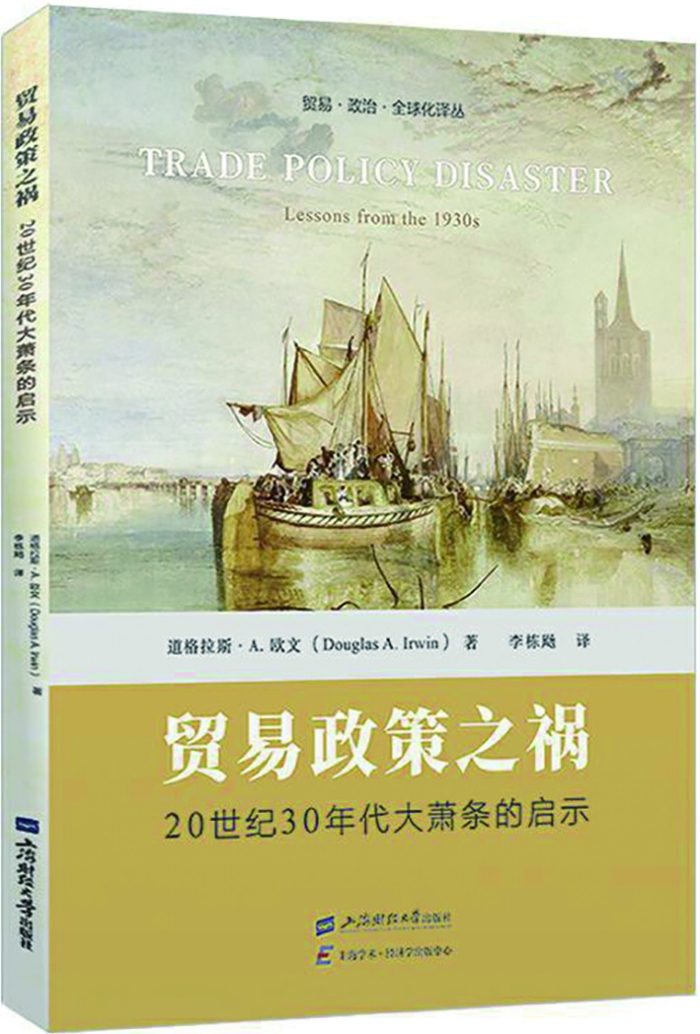
解构贸易保护主义的历史轮回——读《贸易政策之祸》
Shang Hai Zheng Quan Bao· 2025-11-16 17:55
Core Viewpoint - The book "Trade Policy Disaster" by Douglas A. Irwin examines the historical recurrence of trade protectionism, particularly during the Great Depression of the 1930s, and its implications for modern economic policy [2][8]. Group 1: Trade Protectionism - Trade protectionism is characterized by self-sufficiency and beggar-thy-neighbor policies, often implemented through high tariffs, import quotas, and foreign exchange controls, leading to the collapse of the international trade system [3][4]. - Once trade barriers are established, they can trigger retaliatory measures from other countries, resulting in a downward spiral that severely hampers global trade and economic recovery [3][8]. Group 2: Causes of Trade Protectionism - The author critiques the notion that trade protectionism arises solely from "special interest politics," arguing that during the Great Depression, the rapid decline in trade outpaced production, reducing external competitive pressures on domestic producers [4][5]. - The limited policy toolbox during the 1930s, particularly the adherence to the gold standard, restricted countries' ability to implement monetary policy, forcing governments to resort to trade restrictions [5][6]. Group 3: Historical Evidence - The book provides empirical evidence from 1930s Europe, where countries faced international balance of payments issues and divided into two models: those maintaining the gold standard and implementing trade protectionism, and those allowing currency devaluation for trade openness [7][8]. - Countries that abandoned the gold standard and adopted flexible monetary policies experienced less trade restriction and better economic recovery during the Great Depression, while those that maintained fixed exchange rates saw a dramatic 25% decline in global trade from 1929 to 1932 [8][9]. Group 4: Contemporary Relevance - The study highlights a persistent policy dilemma: during economic crises, countries must carefully balance their exchange rate and trade policies, recognizing the inherent conflicts between the two [9]. - The historical context of the gold standard's "trilemma" continues to resonate today, as developed economies face similar challenges in managing trade barriers and currency devaluation amidst economic pressures [9].

管涛:中国出口韧性从何而来
Di Yi Cai Jing· 2025-11-16 13:21
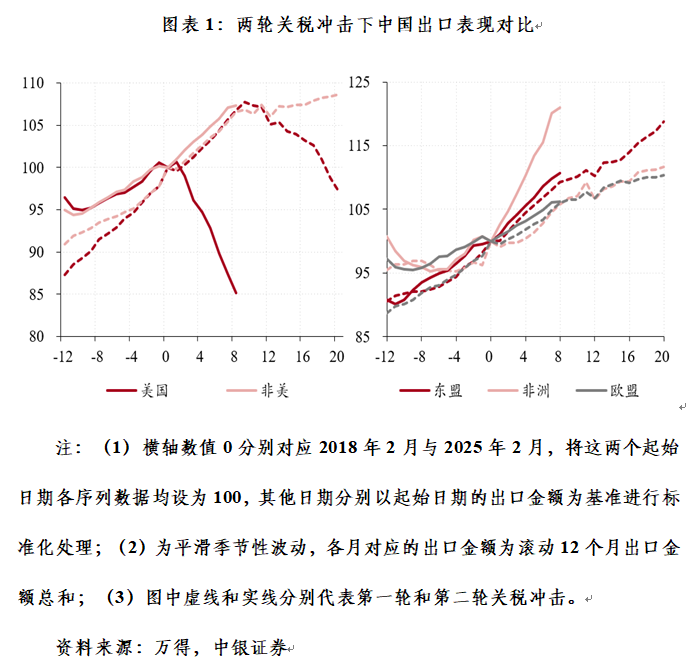
Core Viewpoint - China needs to be vigilant about the weakening momentum of global economic growth and the recurring external trade conflicts that may disrupt external demand in the coming year [1] Group 1: Export Market Diversification - The trade conflict initiated by Trump has led to a significant increase in tariffs on Chinese exports, with rates rising from 34% to as high as 125% [2][3] - Despite the intensified trade conflict, China's reliance on the U.S. for exports has decreased, with the share of exports to the U.S. dropping from around 20% at the end of 2018 to about 10% [3][4] - China's exports to ASEAN and Africa have seen significant growth, with year-on-year increases of 14.3% and 26.1% respectively, contributing positively to overall export growth [4] Group 2: Export Product Structure Optimization - The structure of China's export products has improved, with the share of high-tech industrial products rising to 53.3% in September 2023, marking a historical high [5][7] - The growth in high-tech industrial exports has been driven by machinery and audio-visual equipment, which saw their export shares increase to 42.6% and 8.5% respectively [5][7] - The RCA index for various industrial products indicates that while labor and resource-intensive products have seen a decline in comparative advantage, other categories have shown significant improvement [9][12] Group 3: Concerns Behind Export Resilience - A significant portion of China's exports consists of intermediate goods, with 51.1% of total exports being intermediate products, indicating a reliance on further processing in other countries like Vietnam [13][15] - The IMF report highlights that while China's intermediate goods trade has increased, the export of final goods remains primarily directed towards Europe and North America, raising concerns about the sustainability of this trade structure [15] - The continuous decline in export prices since 2023 has led to a trend of "trading price for volume," which may provoke increased trade protectionism against China [15][17]
德国要步美国后尘了?欧盟准备对华商品征税,零关税时代即将结束
Sou Hu Cai Jing· 2025-11-16 09:08
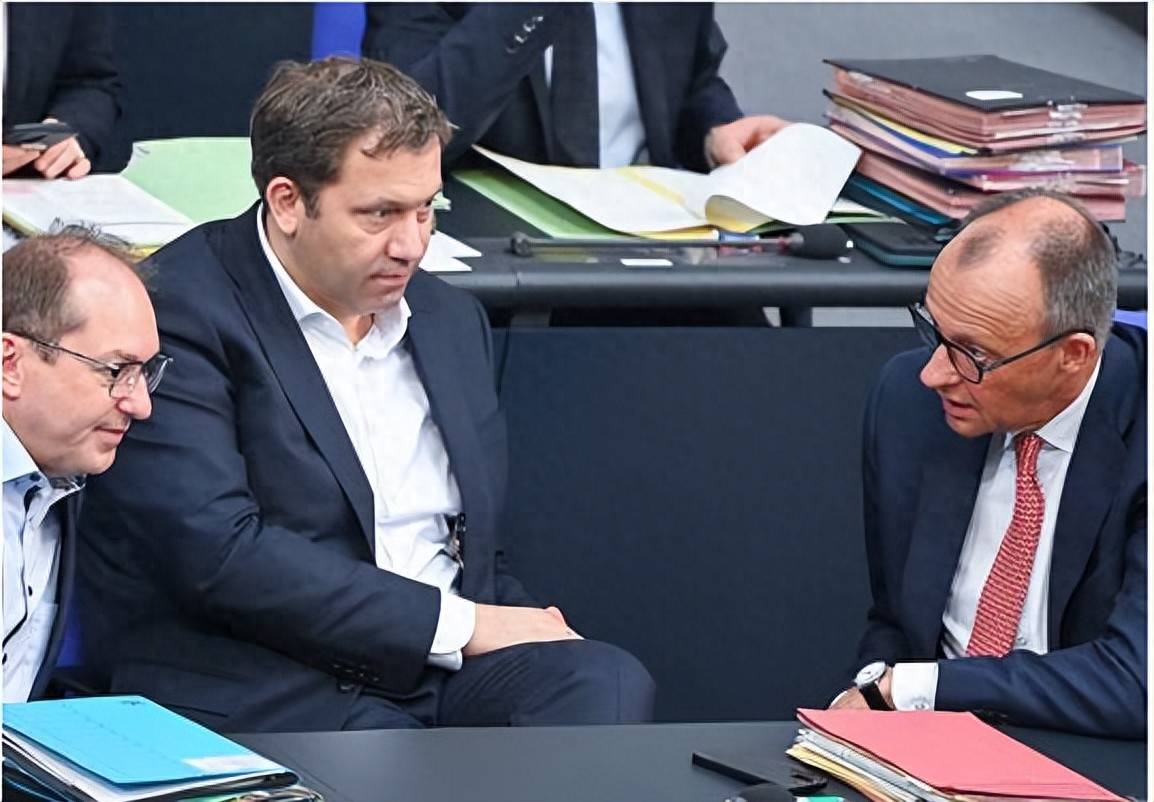
根据欧盟最新数据显示,每年超过46亿件小额包裹涌入欧盟市场,其中91%源自中国的电子商务平台,如SHEIN、Temu等。这些平台凭借价格优势、迅速 的物流体系,迅速占据了欧洲消费者的心智。然而,正是这种占领,使得欧洲本土制造业和零售行业感受到了前所未有的压力,促使他们在政策上采取措施 来反击。 没有人会否认,中国的跨境电商发展迅猛,然而这场商业风暴背后,却是深刻的产业结构危机。德国及其他欧洲国家的传统制造业面临着成本上升的问题, 同时又要面对来自中国制造的激烈竞争,这使得保护主义的声音愈加响亮。 在全球经济的复杂舞台上,德国内部的焦虑和西方国家对中国崛起的防范再次爆发。德国副总理兼财政部长拉尔斯·克林拜尔日前的激烈言辞:"我们不想要 中国垃圾",不仅引起了媒体的关注,更是对中欧经济关系的一次强烈冲击。这句看似简单的话,实际上道出了欧洲国家面对中国低价商品日益增长的担 忧,也揭示了他们在国际贸易中的保护主义倾向。 更为严重的是,若欧盟各国真的如愿以偿地实施这一政策,消费者的支出成本将大幅上升,最终收益的也许并不是本土企业,而是继续受到影响的普通民 众。例如,美国在实施类似政策后,消费者平均承担了每年超过110亿 ...
欧盟准备对中国出手,结束零关税时代,德国财长竟大言不惭:不要中国垃圾!
Sou Hu Cai Jing· 2025-11-16 06:12
克林拜尔在欧盟财长会议上推动的加快对中国小额进口包裹征税的决议,引起了外界的广泛关注。这一举措被许多人视为德国对中国采取的主动 挑战。根据欧盟委员会的数据显示,2024年,欧洲市场上将接收46亿件小包裹,而其中高达91%的包裹来自中国。这一数据不仅展示了中国电商 在欧洲市场的强势崛起,也暗示着市场竞争正在变得日益激烈。 作为推动该决议的核心人物之一,克林拜尔更是公开宣称"不要中国垃圾",并高喊"我们需要尽快保护自己的市场"。他的言辞直白而充满攻击 性,似乎意图通过提高关税来保护本土产业免受竞争。然而,这样的政策真能实现预期的效果吗? 即将于本月17日在北京举行的中德高级别财金对话,表面上看是中德双方进一步加强经贸合作的一次重要机会,但在此之前,德国副总理克林拜 尔却在公众舆论上火上加油,公开表达了对中国电商的强烈不满。这一举动引发了我们对当前中欧关系、经济形势以及未来发展趋势的深思。 自中德两国建立全面战略伙伴关系以来,双方在经济、政治等多个领域的合作逐步加深。中国已成为德国最大的贸易伙伴,而德国也在中国市场 中占据着重要地位。然而,随着全球化进程的变化和国际局势的复杂化,中德关系逐渐出现了更多的摩擦与矛盾。 ...

欧盟要对中国电商收税了,德国财长表示:不要中国垃圾!
Sou Hu Cai Jing· 2025-11-15 16:51
Core Viewpoint - The statement by German Finance Minister Lars Klingbeil regarding "no Chinese junk" reflects deep concerns over the impact of low-priced Chinese cross-border e-commerce products on the European market, prompting discussions on imposing high tariffs on small packages valued under 150 euros [1][3]. Group 1: Economic Impact - A significant 91% of small packages entering the EU originate from China, which has disrupted local retail, textile, and fast fashion industries due to competitive pricing and efficient logistics [1]. - Germany's economy is experiencing a downturn, attributed to global economic slowdowns and the outsourcing of manufacturing, leading to weakened internal competitiveness [3]. - The proposed policy changes may result in higher costs and longer wait times for consumers, particularly affecting low-income groups who may see prices double due to tariffs [3]. Group 2: Policy Implications - The effectiveness of the EU's tax measures remains uncertain, as Chinese e-commerce's advantages stem from advanced production capabilities and flexible supply chains, potentially keeping prices lower than local products even with tariffs [5]. - The EU's desire to "restore fairness" may not align with consumer priorities, which focus on price, quality, and shopping experience, suggesting that simplistic policy measures may not suffice in a globalized economy [5]. - The shift from cooperation to confrontation in trade relations could lead to detrimental outcomes for both Europe and China, highlighting the need for dialogue and collaboration to navigate economic challenges [7]. Group 3: Internal EU Dynamics - There may be dissent among EU member states regarding the protectionist measures, as not all countries may support such policies, indicating potential complications in implementation [7]. - The complex internal environment of the EU suggests that while Germany and France may appear united in pushing for these tariffs, actual consensus may be harder to achieve [7].
德国财长:低于150欧元的都是垃圾,中国别卖来欧洲,我们不想要
Sou Hu Cai Jing· 2025-11-15 11:10
Group 1 - Germany's finance minister supports imposing high tariffs on Chinese goods to protect local industries, particularly the steel sector, which is facing significant challenges [6][10][22] - Thyssenkrupp plans to lay off 11,000 employees by 2030 and is considering divesting its steel business due to declining production and profitability [4][10] - The German steel industry has seen a decline in production, with steel output down 11.6% and rolled steel production down 8.6% in the first half of 2025 [4][10] Group 2 - The proposed tariff increase could raise import duties on foreign steel to 50%, while reducing tax exemptions by 47%, which may lead to increased costs for German manufacturers reliant on Chinese components [8][14] - Concerns have been raised by various sectors, including small and medium-sized enterprises, about the negative impact of tariffs on supply chains and overall competitiveness [20][22] - The trade relationship between China and Germany is characterized by mutual dependence, with Germany importing €130 billion worth of goods from China in 2024, including critical components for its automotive and machinery sectors [17][20] Group 3 - The German government faces internal divisions regarding the tariff proposal, with significant opposition from various industry groups who fear that tariffs will exacerbate existing challenges rather than provide relief [20][22] - The current energy cost disparity, with German electricity prices being 2 to 4 times higher than China's, is a significant factor contributing to the competitiveness issues faced by German industries [10][12] - Historical examples of cooperation between China and Germany highlight the potential for mutual benefit, suggesting that tariffs may not be the best solution to current industrial challenges [24][26]

访华前夕,德国副总理口出狂言,不要“中国垃圾”,谁给它的勇气
Sou Hu Cai Jing· 2025-11-15 10:36
Group 1 - The EU finance ministers agreed to impose tariffs on imported packages valued under €150, primarily targeting low-cost goods from China, to combat tax avoidance and protect local retailers [2] - The EU Council announced that starting next year, packages below €150 will no longer be exempt from tariffs, aiming to address the influx of millions of small packages from China [2][7] - Some EU countries, particularly France and Germany, plan to implement this policy as early as the first quarter of 2025, reflecting a shift towards more aggressive trade protectionism [2][7] Group 2 - The German Vice Chancellor's remarks about rejecting "Chinese junk" highlight the growing hostility among some European politicians towards China, indicating a shift from a win-win approach to strategic competition [3][5] - The EU's stance on tariffs against China is seen as part of a broader trend of increasing protectionism, driven by domestic economic pressures and rising populism within member states [7] - This selective protectionism against China undermines the EU's commitment to free trade, potentially leading to higher prices for consumers and marginalization of the EU in global value chains [7][8] Group 3 - In the short term, the EU may boost local businesses' performance through these measures, but long-term consequences could mirror the detrimental effects of U.S. trade protectionism, harming the EU's international standing [8]
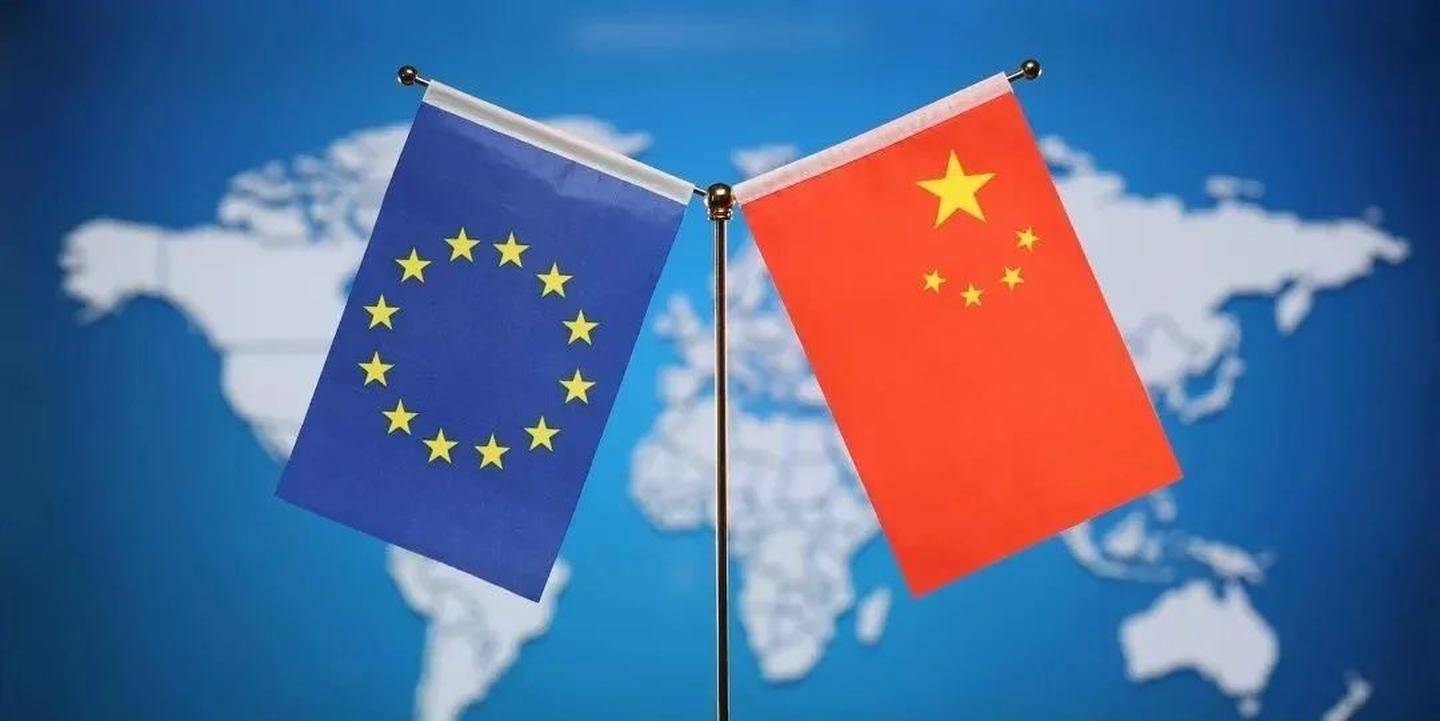
就在刚刚,欧盟成员国正式宣布了,正式通过取消小包裹免税政策,美媒:针对东方的商品。
Sou Hu Cai Jing· 2025-11-15 07:07
政策调整背后,是欧盟部分成员国的利益诉求。德国财长会前就直言"不想要某亚洲大国垃圾",实则是保护本土产业。德国相关企业、意大利时尚协会等也 纷纷呼吁取消免税,认为该国商品价格优势抢了他们的市场。 就在刚刚,欧盟成员国有了新动作。2025年11月14日,欧盟正式通过取消小包裹免税政策,且实施时间大幅提前,从原计划的2028年提前至2026年初。按照 新规,150欧元以下的包裹都要交税,每个直邮件得多掏2欧元手续费,走本地仓库还要额外加0.5欧元。 欧盟此举意图明显,数据显示,2024年有46亿个免税包裹涌入欧盟,其中91%来自某亚洲大国,每秒就有145个包裹落地,且65%的包裹存在低报价值逃税 情况,一年下来让欧盟少收50亿欧元税款,这成了欧盟推动政策调整的直接原因。 面对欧盟这一政策,该亚洲大国外交部明确表态,希望欧盟遵守市场经济规则,给予企业公平待遇,言外之意直指政策针对该国跨境电商。政策调整已对相 关从业者造成影响,深圳一位做服装生意的老板就发愁,此前每天往欧盟发2000多件货靠免税盈利,如今关税和手续费增加,利润空间被压缩。实质是除了 少部分传统高科技术产品与农牧渔等产品外,欧美日能拿出来与该亚洲大国交 ...
美国给瑞士加39%关税,瑞士寻求多国帮忙,公投让政策难推进
Sou Hu Cai Jing· 2025-11-14 18:21
Economic Impact - The U.S. has imposed a 39% tariff on Swiss goods, significantly higher than the EU's 15% and the UK's 10%, posing a severe challenge to Switzerland's export-dependent economy, where exports account for approximately 70% of GDP [3][5] - The pharmaceutical industry, which constitutes nearly 60% of Switzerland's exports to the U.S., is particularly hard hit, with potential additional tariffs of 100% on drugs being threatened by the U.S. [5][10] - High tariffs have begun to disrupt normal economic operations in Switzerland, leading to increased costs and compressed profits for export companies, with some small and medium-sized enterprises facing existential threats [9][10] Strategic Response - In response to U.S. economic pressure, Switzerland is shifting from a focus on bilateral cooperation to actively building alliances to mitigate the impact [10][16] - Switzerland is reassessing the necessity of deeper economic integration with Europe, considering the acceleration of a bilateral agreement with Brussels that was reached in December 2024 [12][16] - The country has also initiated a "Future Investment and Trade Partnership" with smaller developed economies like New Zealand, Norway, and Singapore, aiming to form a robust defensive alliance [12][14] Political Considerations - Switzerland's democratic system, based on referendums, may slow down the implementation of policies necessary for economic recovery, as any agreement with the EU must be approved by public vote [17][21] - Public support for deeper European integration is rising in light of the U.S. tariffs, with major business groups beginning to advocate for closer trade ties with Europe [19][21] - However, uncertainties remain regarding public sentiment, which could be influenced by future economic conditions and external policies, posing a challenge for the Swiss government in balancing interests [21][24] Conclusion - The U.S. tariff crisis represents not only an economic challenge but also a test of Switzerland's long-standing neutrality and traditional development model [22][24] - Switzerland's evolving strategy from bilateral cooperation to multilateral alliances reflects a pragmatic approach to navigating the complexities of modern international trade dynamics [22][24]