
智能制造

Search documents
2026-2032年金刚石工具行业细分市场调研及投资可行性分析报告
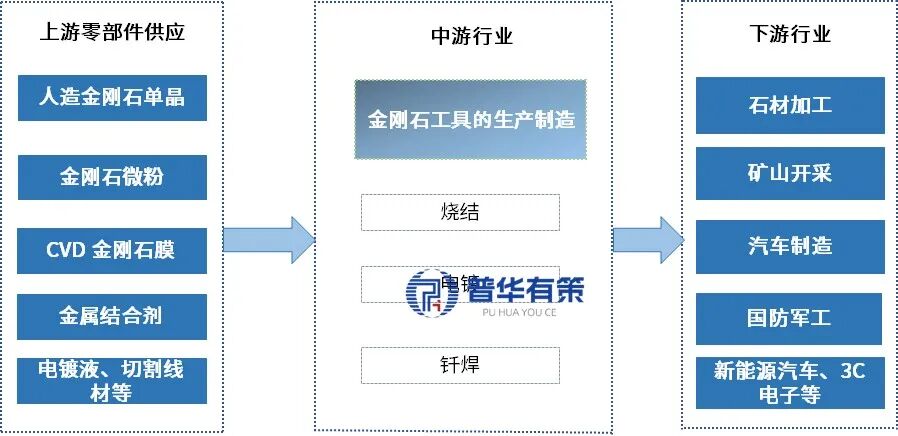
Xin Lang Cai Jing· 2026-01-21 13:49
Industry Overview - The diamond tool industry is characterized by the use of synthetic diamond as the core grinding component, which is combined with resin, metal, or ceramic binders to form specialized processing tools. These tools offer significant advantages in processing efficiency and application versatility compared to traditional tools, earning them the title of "industrial teeth" [1][26] - The application boundaries of diamond tools are expanding, penetrating traditional fields such as stone processing, mining, and civil engineering, as well as pillar industries like automotive manufacturing, transportation, defense, and high-tech sectors such as semiconductors and renewable energy [1][26] Market Growth - The global diamond wire saw market is projected to reach approximately $1.2 billion by 2024, with a stable growth forecast of a compound annual growth rate (CAGR) of 6%, potentially reaching about $2.064 billion by 2033. China is expected to dominate this market, with a projected market size of approximately 4.272 billion yuan in 2024, growing to around 6.233 billion yuan by 2030 [2][27] Industry Chain Analysis - The diamond tool industry chain consists of upstream synthetic diamond materials and other raw materials, midstream production and manufacturing of diamond tools, and downstream applications across various industrial sectors. The industry chain is becoming increasingly refined as synthetic diamond technology matures and market applications expand [3][28] Barriers to Entry - **Technical Barriers**: The industry has high technical barriers due to the need for expertise across multiple disciplines, including inorganic non-metallic materials, powder metallurgy, and polymer materials. New entrants face challenges in accumulating the necessary technical knowledge and achieving customer recognition [6][31] - **Brand and Channel Barriers**: The effectiveness of diamond tools directly impacts downstream customer productivity, leading to a strong emphasis on brand reputation and service capabilities. Establishing a competitive sales and service channel requires significant resource investment and experience, making it difficult for new entrants to compete [6][32] - **Talent Barriers**: The diverse applications of diamond tools necessitate a high level of professional talent across research, production, and technical support. The long training and development cycles for skilled personnel create significant barriers for new entrants [6][33] Development Trends - **Technological Innovation**: Emerging technologies such as nano-diamond and laser processing are reshaping the research and production systems of diamond tools, leading to breakthroughs in processing precision and efficiency, as well as extended product lifespans [9][34] - **Diversification and Customization**: The product supply is extending towards diversification and customization to meet the specific needs of various applications, enhancing customer loyalty and competitive differentiation [10][35][36] - **Globalization**: The industry is expanding its market reach internationally, with companies actively seeking to penetrate both domestic and overseas markets to increase market share and application coverage [11][37] - **Digital Transformation**: The integration of industrial internet, AI, and big data is driving the industry towards smart and digital solutions, improving operational efficiency and responsiveness across the supply chain [12][38] - **Sustainability**: The industry is shifting towards environmentally friendly practices, focusing on clean energy and low-pollution processes, which aligns with global sustainability goals [13][39] - **Supply Chain Security**: There is an increasing emphasis on domestic production and self-sufficiency in key materials, enhancing the industry's resilience against supply chain disruptions [14][40] - **Service Innovation**: Companies are transitioning from being mere product suppliers to comprehensive service providers, offering value-added services that strengthen customer relationships and enhance profitability [15][41] Competitive Landscape - The diamond tool industry initially concentrated production resources in developed countries like Italy and Germany, which have maintained a technological lead. However, China has transformed from a market reliant on imports to a global manufacturing powerhouse, now leading in production scale and technological capabilities [16][42] - Key players in the industry include Guilin Tebang, Tian Shiyuan, Bantong New Materials, and others, which have established significant operational capabilities and competitive advantages in technology and product innovation [18][43][44]

山东钢铁:公司高度重视智能制造
Zheng Quan Ri Bao Wang· 2026-01-21 13:45
Core Viewpoint - Shandong Steel (600022) emphasizes the importance of intelligent manufacturing and considers robotic technology as a key driver for the smart transformation of steel manufacturing [1] Group 1: Intelligent Manufacturing Initiatives - The company has developed 205 sets of industrial robots covering processes such as ironmaking, steelmaking, and rolling [1] - The company’s subsidiary, Shanxin Software, has also created a machine vision AI intelligent detection system for sintering and automatic measurement for molten iron [1] Group 2: Market Applications and Collaborations - The developed equipment plays a significant role internally and has successfully entered multiple enterprises, including Ansteel and Liugang [1] - The applications span various fields such as steel manufacturing, mechanical processing, and logistics transportation [1] Group 3: Future Development Considerations - Future business development is influenced by market demand, industry competition, and technological iteration [1]

我国化妆品产业蓬勃发展 美妆企业向“新”求变
Zheng Quan Ri Bao Wang· 2026-01-21 13:12
Group 1: Market Overview - In 2025, China's cosmetics market is projected to reach a record high with a total transaction value exceeding 1.1 trillion yuan, specifically 1,104.245 billion yuan, representing a year-on-year growth of 2.83% [1] - Domestic brands continue to lead in competitiveness, increasing their market share to 57.37% [1] - The retail growth in cosmetics indicates strong industry recovery resilience, with consumer demand shifting towards quality, efficacy, and brand value [1] Group 2: Policy Support and Industry Development - Recent government policies have been introduced to support the beauty industry, including innovation incentives, standard improvements, and brand cultivation [2] - The National Medical Products Administration released 24 reform opinions and 48 specific measures aimed at enhancing innovation support and regulatory efficiency in the cosmetics sector [2] - A comprehensive support system has been established to ensure safety while encouraging the development of silver-haired products and personalized services [2][3] Group 3: Innovation and Transformation in Beauty Enterprises - Domestic beauty companies are actively seeking innovation and transformation, focusing on raw material innovation, technological empowerment, and channel reform [4] - Companies like Shandong Sanyuan Biotechnology are investing in forward-looking research on cosmetic raw materials with cost and process advantages [4] - Artificial intelligence and smart manufacturing are being utilized to enhance operational efficiency and consumer experience, with applications in product development and customer service [4] Group 4: Channel Development - Proya Cosmetics has partnered with Yixin Tang Pharmaceutical Group to enter the offline OTC (over-the-counter) medical research channel, focusing on a systematic layout of "medical research empowerment and cosmetic synergy" [5]
儒拉玛特与越疆达成战略合作
Bei Jing Shang Bao· 2026-01-21 11:20
Core Viewpoint - Shenzhen Yujiang Technology Co., Ltd. and Juramart Automation Technology (Suzhou) Co., Ltd. have signed a strategic cooperation agreement focusing on advanced applications in intelligent manufacturing and robotics technology [1] Group 1 - The partnership aims for comprehensive and in-depth collaboration between the two companies [1]
兆龙互连:公司将继续关注市场需求,加强产品研发和创新
Zheng Quan Ri Bao Wang· 2026-01-21 10:47
证券日报网讯1月21日,兆龙互连(300913)在互动平台回答投资者提问时表示,随着信息化、数字化 和智能化时代的到来,云计算、大数据、人工智能、智能制造等新兴技术迅猛发展,对于大容量、高速 率、高可靠性和高质量的数据传输需求在不断增加,这为公司的核心产品,包括千兆、万兆布线系统连 接产品、数据中心中高端光布线产品、高速铜缆及连接产品、工业电缆及连接产品等,带来了增量市场 机遇。公司将继续关注市场需求,加强产品研发和创新,积极拓展市场,巩固市场竞争力,提升公司的 盈利能力。 ...
为“中国智造”持续注入新动能 一批领航级智能工厂将亮相
Bei Jing Shang Bao· 2026-01-21 10:21
Core Viewpoint - The Ministry of Industry and Information Technology (MIIT) of China is promoting the development of leading smart factories to enhance the country's manufacturing competitiveness and support the digital transformation of the global manufacturing industry [1][6]. Group 1: Development of Smart Factories - Over 35,000 basic-level, more than 8,200 advanced-level, and over 500 excellent-level smart factories have been established, along with 15 leading smart factories [4]. - The first batch of 15 leading smart factories showcased their advancements at the 2025 World Intelligent Manufacturing Conference, achieving an average production efficiency increase of 29% and a reduction in product defect rates by 47% [5]. - The leading smart factories have integrated artificial intelligence into over 70% of their business scenarios, creating over 6,000 vertical domain models and facilitating the large-scale application of more than 1,700 key intelligent manufacturing equipment and industrial software [5]. Group 2: Strategic Initiatives - The MIIT, in collaboration with several government departments, aims to cultivate a batch of leading smart factories that represent the highest level of global intelligent manufacturing, serving as a model for the overall upgrade of China's manufacturing industry [6]. - A four-tier system for smart factory cultivation has been initiated, focusing on basic, advanced, excellent, and leading levels, with specific requirements for AI application scenarios [7]. - The MIIT plans to continue implementing intelligent manufacturing projects and support leading enterprises in exploring future manufacturing models, which will help overcome bottlenecks in high-end and intelligent development in the manufacturing sector [8].

“制造业大区”佛山顺德:已确立“两世界一小城”发展定位!
2 1 Shi Ji Jing Ji Bao Dao· 2026-01-21 08:08
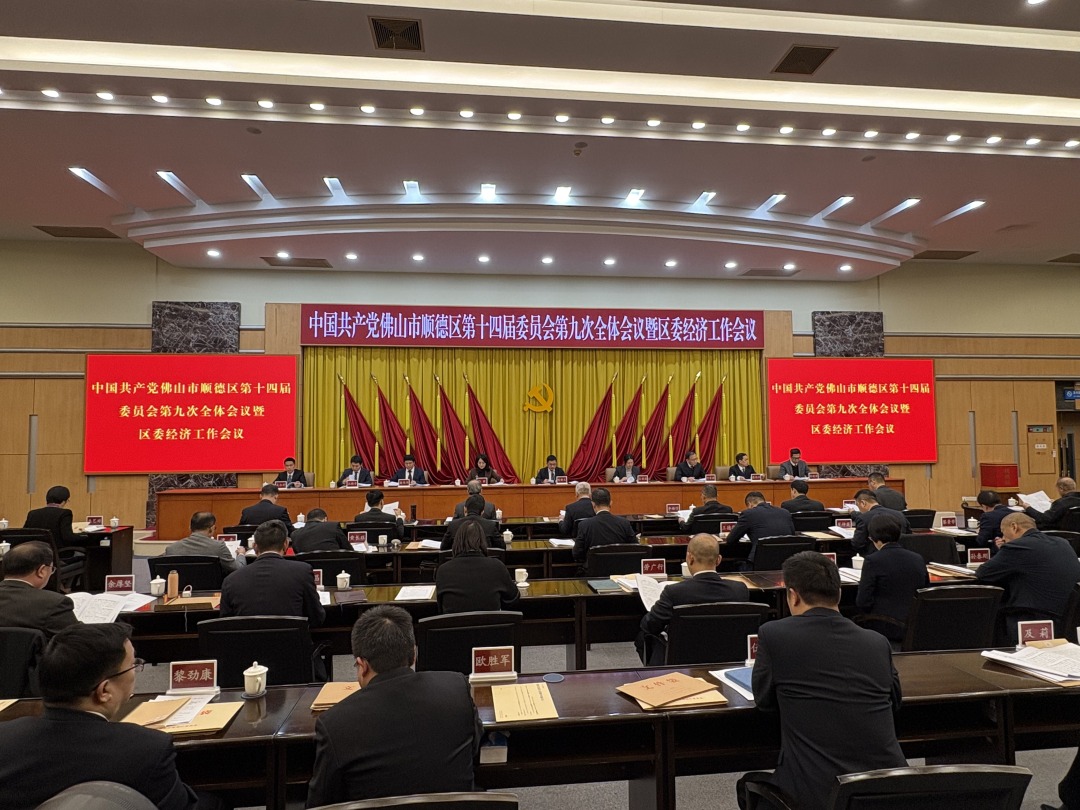
其中,陈新文提出顺德将走好"文城互济、文经相融、因文善治、因文立名"的实践路径。确立"两世界一小城"(世界智能制造高地、世界级旅游目的地、 岭南文化精致小城)发展定位。此外,顺德还启动了多项创新改革举措:企业服务中心启动运营,在全省首推容错审批、AI赋能招投标、"土改"20条等。 在国资国企改革上,顺德启动了新一轮国资国企"1314"改革战略,截至目前,区属国企资产规模达1648.1亿元,增长12%。 在经济建设上,去年,顺德区地区生产总值、规上工业增加值增速领跑全市。在相关经济指标上,顺德可圈可点。例如,百强企业营收额增长27%。国家 级、省级制造业单项冠军企业分别从9家增至13家、42家增至62家。高企数量增长69%,规上企业研发机构覆盖率超60%,规上企业数字化转型覆盖率从 70%提升至80%。 1月21日,中共佛山市顺德区委十四届九次全体会议暨区委经济工作会议在当地召开。过去一年,"十四五"顺利收官,作为"全国百强区"之首的佛山市顺 德区,这里的现代化建设迈上新台阶。 据佛山市委常委、顺德区委书记陈新文所作报告,过去一年,顺德锐意改革开放,激活发展内生动力。 在"百千万工程"上,顺德区交出三年初见成效 ...
我国已启动第二阶段6G技术试验!工信部最新发布会,信息量超大→
证券时报· 2026-01-21 08:00
Core Insights - The article highlights the achievements and future plans of China's industrial and information technology sectors, emphasizing growth in manufacturing, technological innovation, and the development of emerging industries. Group 1: Industrial Growth and Achievements - In 2025, the industrial added value of large-scale industries is expected to grow by 5.9% year-on-year, with the manufacturing sector maintaining a stable GDP share, aiming for 16 consecutive years as the world's largest manufacturing nation [1] - The production of industrial robots increased by 28% year-on-year, while new energy vehicle sales reached 16.49 million units, also up by 28.2% [1] - Investment in emerging fields such as aerospace and equipment manufacturing has shown double-digit growth [1] Group 2: Technological Innovation - The first phase of 6G technology trials has resulted in over 300 key technology reserves, with the second phase recently initiated [1] - 5G and gigabit optical networks have been integrated into 91 out of 97 national economic categories, with industrial internet achieving full coverage across 41 industrial categories [1] Group 3: Future Industry Development - The Ministry of Industry and Information Technology (MIIT) plans to support local governments in developing future industries and increase government investment fund efforts [2] - By 2025, the number of humanoid robot manufacturers in China is expected to exceed 140, with over 330 humanoid robot products released [4] - The digital industry revenue is projected to reach approximately 38.3 trillion yuan by the end of 2025, with profits of 3.1 trillion yuan, marking increases of about 39.5% and 48.4% respectively compared to the end of the 13th Five-Year Plan [5] Group 4: Artificial Intelligence and Employment - The core scale of China's artificial intelligence industry is expected to exceed 1.2 trillion yuan by 2025, with over 6,000 AI companies anticipated [7] - AI has penetrated over 70% of business scenarios in leading smart factories, facilitating the evolution of intelligent manufacturing from automation to autonomy [8] - The MIIT emphasizes the importance of addressing employment restructuring due to technological advancements, advocating for the cultivation of talent that understands both AI and manufacturing [9] Group 5: Consumer Goods and Material Innovation - The consumer goods industry is projected to grow by 3.7% year-on-year in 2025, accounting for 26.1% of all large-scale industries [10] - The MIIT aims to promote coordinated innovation in advanced materials, focusing on key strategic materials and the integration of AI in material development [11]
工信部:近期已启动第二阶段6G技术试验,AI已渗透领航级智能工厂70%以上业务场景
Hua Er Jie Jian Wen· 2026-01-21 06:07
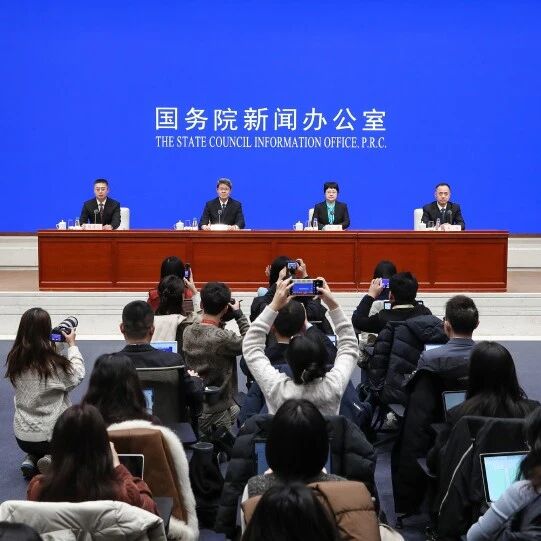
Core Viewpoint - The press conference highlighted China's significant advancements in industrial and information technology development, with a focus on 5G and AI, aiming for high-quality growth and innovation by 2025 [1][6]. Group 1: 5G and 6G Development - China has established 4.838 million 5G base stations, covering all towns and 95% of administrative villages, with over 1.2 billion 5G users [3][50]. - The country holds 42% of the global share of essential 5G standard patents, and the first phase of 6G technology trials has been completed, with over 300 key technologies reserved [3][50]. Group 2: AI and Emerging Industries - By 2025, the core AI industry in China is expected to exceed 1.2 trillion yuan, with over 6,000 AI companies anticipated [5][6]. - AI applications have penetrated over 70% of business scenarios in leading smart factories, with more than 6,000 vertical models developed [8][28]. Group 3: Technological Innovations - Innovations in materials such as perovskite, permanent magnet materials, and power batteries are at an internationally advanced level, with significant advancements in quantum technology [4][22]. - The manufacturing sector has seen a 28% increase in industrial robot production and a 28.2% rise in new energy vehicle sales [17][23]. Group 4: Support for Future Industries - The Ministry of Industry and Information Technology (MIIT) plans to support local governments in developing future industries and increase investment from government funds [9][24]. - A focus on training and developing a workforce skilled in both AI and manufacturing is emphasized to address employment restructuring due to technological advancements [10][39]. Group 5: Small and Medium Enterprises (SMEs) - In 2025, the value added by industrial SMEs is projected to grow by 6.9%, with over 14,000 specialized and innovative SMEs cultivated [12][44]. - The MIIT will implement a "14th Five-Year Plan" to enhance the development environment for SMEs and ensure timely payments to them [45][46]. Group 6: Information Infrastructure - The construction of information infrastructure has been prioritized, with significant advancements in mobile and fixed networks, including 5G and gigabit optical networks [49][50]. - The MIIT aims to enhance the application of information infrastructure across various sectors, ensuring continuous upgrades and technological advancements [51].
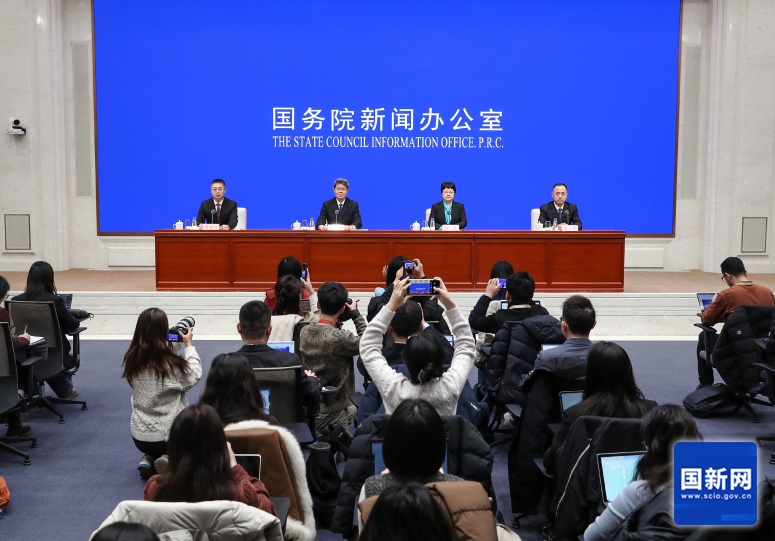
工信部:支持领军企业探索未来制造模式,持续培育“领航工厂”
Xin Jing Bao· 2026-01-21 05:50
Core Viewpoint - The establishment of leading smart factories is a strategic initiative by China to seize opportunities in industrial intelligence development and build future manufacturing competitive advantages [1][2] Group 1: Development of Leading Smart Factories - The Ministry of Industry and Information Technology (MIIT) will collaborate with multiple departments to promote the development of leading smart factories starting in 2025, with the first batch of 15 factories showcased at the 2025 World Intelligent Manufacturing Conference [1] - Leading smart factories meet high efficiency, precision, flexibility, and quality production requirements, setting transformation benchmarks for their respective industries [1] - Average production efficiency has increased by 29%, and product defect rates have decreased by 47% due to the transformations in these factories [1] Group 2: Integration of Artificial Intelligence - Over 70% of business scenarios in leading smart factories have integrated artificial intelligence, resulting in the accumulation of over 6,000 vertical domain models [1] - The application of more than 1,700 key intelligent manufacturing equipment and industrial software has led to the formation of industrial intelligent entities capable of perception, decision-making, and execution [1] Group 3: Value Creation and Industry Collaboration - Leading smart factories not only provide high-end products but also extend to scalable customization, industry chain collaboration, and predictive maintenance, transforming from "product manufacturers" to comprehensive providers of "products + services + solutions" [2] - These factories have facilitated the collaborative upgrade of over 1,300 upstream and downstream enterprises, promoting an overall upgrade of the industry chain towards high-end [2] Group 4: Future Plans and Global Impact - The MIIT will continue to cultivate smart factories in a gradient manner, supporting leading enterprises to explore future manufacturing models and nurturing more leading smart factories to drive overall industry transformation [2] - The aim is to summarize best practices and create replicable technical guidelines, standards, and solutions to share across the industry, positioning leading smart factories as sources of technology, standards, and rules, and accelerating their promotion overseas [2]