能源转型

Search documents
瑞银Joni Teves:金价上半年或冲击5000美元 白银和铜价结构性支撑渐强
Xin Lang Cai Jing· 2026-01-21 00:03
随着全球宏观不确定性加剧,贵金属及基本金属的市场走势备受关注。瑞银贵金属策略师Joni Teves日 前在接受记者专访时表示,多元化配置需求是本轮金价上行的核心驱动力,机构投资者、零售投资者及 各国央行均在增持黄金以应对宏观不确定性。她预计金价上半年仍有上攻动能,若市场对美联储独立性 的担忧持续升温,金价在上半年有望冲击5000美元/盎司关口。白银则受益于金价上涨的带动及自身供 需缺口收窄,今年或挑战100美元/盎司。铜市场在能源转型需求拉动下,供需格局趋紧,价格中枢有望 抬升。 人民财讯1月21日电,1月20日,国际金价在避险需求推动下再度刷新历史新高,伦敦金现货价格、 COMEX黄金期货价格双双突破4700美元/盎司。2026年以来,国际贵金属市场延续强势格局,铜价亦在 高位运行。 ...
白银基金溢价率超37% 投资火热同时注意风险
Shang Hai Zheng Quan Bao· 2026-01-20 23:49
银价的不断攀升,再一次带动相关基金创出价格新高。 截至1月20日22时发稿,COMEX白银期货价格再创新高,盘中一度触及95.78美元/盎司。与此同 时,国投白银LOF在复牌后先抑后扬,并创出场内价格新高,截至当日收盘,其涨幅达到6.09%,场内 溢价率达到37.57%。 白银基金溢价超30% 1月20日,国际白银期货价格盘中再创新高。Choice数据显示,截至1月20日22时发稿,2026年以 来,COMEX白银期货价格涨幅已经超过30%。 (责任编辑:康博) 毕梦姌补充道,同时,地缘政治冲突多点升级,避险资金涌入贵金属市场,而白银市场规模小于黄 金,弹性优势使其涨幅远超黄金。 投资火热的同时注意风险 "中长期而言,只要全球能源转型趋势不改、白银供需缺口未修复,价格基础就不会动摇。但短期 而言,银价高位震荡加剧,需警惕回调风险。当前白银价格已快速兑现预期,上海期货交易所多次上调 交易保证金与持仓限额,供需博弈将加剧波动,还需警惕全球主流叙事收敛带来的价格回撤风险。"毕 梦姌提示道。 对于国投白银LOF的投资,毕梦姌认为,一是要注意溢价收敛下的压力释放。高溢价状态下,获利 资金选择落袋为安,导致场内价格向基金 ...
瑞银:金价上半年或冲击5000美元 白银和铜价结构性支撑渐强
Zhong Guo Zheng Quan Bao· 2026-01-20 23:15
1月20日,国际金价在避险需求推动下再度刷新历史新高,伦敦金现货价格、COMEX黄金期货价格双 双突破4700美元/盎司。2026年以来,国际贵金属市场延续强势格局,铜价亦在高位运行。 随着全球宏观不确定性加剧,贵金属及基本金属的市场走势备受关注。瑞银贵金属策略师Joni Teves日 前在接受中国证券报记者专访时表示,多元化配置需求是本轮金价上行的核心驱动力,机构投资者、零 售投资者及各国央行均在增持黄金以应对宏观不确定性。她预计金价上半年仍有上攻动能,若市场对美 联储独立性的担忧持续升温,金价在上半年有望冲击5000美元/盎司关口。白银则受益于金价上涨的带 动及自身供需缺口收窄,今年或挑战100美元/盎司。铜市场在能源转型需求拉动下,供需格局趋紧,价 格中枢有望抬升。 金价后市仍有上涨空间 Teves表示,黄金市场正经历结构性变化,多元化配置已成为推动金价上涨的核心动力。这一趋势体现 在机构投资者、零售投资者和官方部门等各类需求主体。在宏观环境充满不确定性、政策可预测性下降 的当下,投资者迫切需要分散风险,而黄金正是这一趋势的最大受益者。 从价格走势看,瑞银对今年年末金价的基准预测为4500美元/盎司,但 ...

金价上半年或冲击5000美元 白银和铜价结构性支撑渐强
Sou Hu Cai Jing· 2026-01-20 23:05
Group 1: Gold Market Insights - The gold market is experiencing structural changes, with diversification becoming the core driver of price increases, as various demand sources, including institutional investors, retail investors, and central banks, are increasing their gold holdings to mitigate macroeconomic uncertainties [2][3] - UBS predicts a baseline gold price of $4,500 per ounce by year-end, but current prices have already surpassed this level. The upward momentum is expected to continue in the first half of the year, potentially reaching $5,000 per ounce if concerns about the Federal Reserve's independence persist [2][3] - Political uncertainties and weaker-than-expected U.S. economic data are significant risk factors that could trigger new buying in the gold market [2][3] Group 2: Silver Market Dynamics - Silver prices are primarily driven by gold prices, but the influence of supply and demand fundamentals is gradually increasing. The market is currently experiencing the longest period of supply-demand gap on record, with declining inventories [4][5] - UBS sets a year-end target price for silver at $75 per ounce, with potential for greater elasticity in the first half of the year. If gold reaches $5,000 per ounce, silver could also challenge the $100 per ounce mark [4][5] - The silver market is characterized by higher volatility, and investors are advised to maintain flexibility in their positions due to the lack of central bank support [5] Group 3: Copper Market Outlook - The copper market is expected to see tightening supply-demand dynamics, with demand growth projected at 2.5% to 3% by 2026, while supply growth is anticipated to be less than 1% [6][7] - Energy transition and infrastructure development are key drivers of copper consumption growth, with sustainable demand trends expected to continue [6][7] - Recent price increases in copper have been partially driven by speculative funds, and a potential pullback could lead to a market correction, which may ultimately strengthen the foundation for future price movements [6][7]
机构称金价上半年或冲击5000美元
Sou Hu Cai Jing· 2026-01-20 22:53
1月21日,随着全球宏观不确定性加剧,贵金属及基本金属的市场走势备受关注。瑞银贵金属策略师 Joni Teves日前在接受采访时表示,多元化配置需求是本轮金价上行的核心驱动力,机构投资者、零售 投资者及各国央行均在增持黄金以应对宏观不确定性。她预计金价上半年仍有上攻动能,若市场对美联 储独立性的担忧持续升温,金价在上半年有望冲击5000美元/盎司关口。白银则受益于金价上涨的带动 及自身供需缺口收窄,今年或挑战100美元/盎司。铜市场在能源转型需求拉动下,供需格局趋紧,价格 中枢有望抬升。 (中证报) 来源:滚动播报 ...
瑞银Joni Teves: 金价上半年或冲击5000美元 白银和铜价结构性支撑渐强
Zhong Guo Zheng Quan Bao· 2026-01-20 21:05
1月20日,国际金价在避险需求推动下再度刷新历史新高,伦敦金现货价格、COMEX黄金期货价格双 双突破4700美元/盎司。2026年以来,国际贵金属市场延续强势格局,铜价亦在高位运行。 随着全球宏观不确定性加剧,贵金属及基本金属的市场走势备受关注。瑞银贵金属策略师Joni Teves日 前在接受中国证券报记者专访时表示,多元化配置需求是本轮金价上行的核心驱动力,机构投资者、零 售投资者及各国央行均在增持黄金以应对宏观不确定性。她预计金价上半年仍有上攻动能,若市场对美 联储独立性的担忧持续升温,金价在上半年有望冲击5000美元/盎司关口。白银则受益于金价上涨的带 动及自身供需缺口收窄,今年或挑战100美元/盎司。铜市场在能源转型需求拉动下,供需格局趋紧,价 格中枢有望抬升。 ● 本报记者葛瑶 金价后市仍有上涨空间 Teves表示,黄金市场正经历结构性变化,多元化配置已成为推动金价上涨的核心动力。这一趋势体现 在机构投资者、零售投资者和官方部门等各类需求主体。在宏观环境充满不确定性、政策可预测性下降 的当下,投资者迫切需要分散风险,而黄金正是这一趋势的最大受益者。 从价格走势看,瑞银对今年年末金价的基准预测为45 ...
金价上半年或冲击5000美元白银和铜价结构性支撑渐强
Zhong Guo Zheng Quan Bao· 2026-01-20 21:05
1月20日,国际金价在避险需求推动下再度刷新历史新高,伦敦金现货价格、COMEX黄金期货价格双 双突破4700美元/盎司。2026年以来,国际贵金属市场延续强势格局,铜价亦在高位运行。 随着全球宏观不确定性加剧,贵金属及基本金属的市场走势备受关注。瑞银贵金属策略师Joni Teves日 前在接受中国证券报记者专访时表示,多元化配置需求是本轮金价上行的核心驱动力,机构投资者、零 售投资者及各国央行均在增持黄金以应对宏观不确定性。她预计金价上半年仍有上攻动能,若市场对美 联储独立性的担忧持续升温,金价在上半年有望冲击5000美元/盎司关口。白银则受益于金价上涨的带 动及自身供需缺口收窄,今年或挑战100美元/盎司。铜市场在能源转型需求拉动下,供需格局趋紧,价 格中枢有望抬升。 ● 本报记者 葛瑶 金价后市仍有上涨空间 在下行风险方面,Teves提示需关注三点:一是若美国公布一系列强劲经济数据,可能对金价形成阶段 性压力;二是若政治不确定性出现缓和迹象,可能触发获利了结;三是农历新年后实物需求进入传统淡 季,任何负面的宏观因素都可能导致金价出现较深回调。但她同时表示,金价下方存在支撑:各国央行 预计将继续逢低买入, ...
安东油田服务(03337) - 公告 - 二零二五年第四季度运营情况及二零二六年第一季度展望
2026-01-20 14:42
香港交易所及結算所有限公司及香港聯合交易所有限公司對本公告的內容概不負責,對其準確 性或完整性亦不發表任何聲明,並明確表示,概不就本公告全部或任何部分內容而產生或因依 賴該等內容而引致的任何損失承擔任何責任。 公告 二零二五年第四季度運營情況及二零二六年第一季度展望 安東油田服務集團(「本公司」,連同其附屬公司,合稱「本集團」)董事會(「董事 會」)欣然公告二零二五年十月一日至十二月三十一日之三個月(「本季度」)的運營 情況及在手訂單。 二零二五年第四季度運營概述 第四季度,受供需趨於寬鬆、關稅前景不確定性等影響,疊加地緣風險,國際油 價呈現較大波動。同時,全球天然氣產業在亞洲及中東等地區需求驅動下火熱發 展,LNG產業鏈相關投資與項目開發持續活躍。 本集團升級「油氣(能源)資產增值管理一體化服務公司」戰略定位,與客戶聯合 創新,提供一體化解決方案,持續發展全球市場平台,迭代優化合夥創新創業管 理,持續打造平台化生態式新型商業體。 二零二五年第四季度訂單情況 第四季度,本集團新增訂單人民幣2,084.1百萬元,較去年同期下降20.0%,其 中,伊拉克市場新增訂單約人民幣1,167.1百萬元,較去年同期下降30 ...
高盛:国家电网“十五五” 投资4 万亿,大增40%,特变电工、思源电气等将直接受益!
Xin Lang Cai Jing· 2026-01-20 13:32
Core Insights - The report from Goldman Sachs highlights a significant investment in China's power grid, with a target of 4 trillion RMB during the 14th Five-Year Plan (2026-2030), marking a 40% increase from the previous plan's 2.8 trillion RMB [3][4][19] - The investment shift focuses on accommodating renewable energy and digital economy needs, indicating a structural transformation in the power grid's role from merely transmitting electricity to efficiently integrating variable renewable energy sources [3][4][18] Investment Scale and Growth Logic - The unprecedented investment base supports a robust growth outlook for the power grid sector, with an average annual investment exceeding 800 billion RMB [4][19] - The growth logic is evolving, with a clear bifurcation in investment phases: high-voltage direct current (UHV) investments are expected to grow by 24% in 2026, while investments will shift towards smart grid infrastructure from 2028 to 2030 [7][22] Structural Changes in Investment - A significant structural change is underway, with distribution network investments projected to surpass transmission investments, increasing from 57% to 59% of total investments from 2026 to 2030 [8][23] - This shift reflects a fundamental redefinition of the grid's functionality, necessitating upgrades to accommodate distributed energy resources, electric vehicle charging stations, and virtual power plants [10][25] Necessity for Smart Investments - By 2030, renewable energy is expected to account for 30% of total electricity generation, introducing challenges for grid stability that require heightened levels of smart investments [11][26] - Investment growth may temporarily slow in 2027-2028 due to project cycles, but is anticipated to accelerate again in 2029-2030 to address increasing balance challenges [11][26] Market Dynamics and Leading Companies - The market is increasingly favoring leading companies in the sector, with major players like Suyuan Electric, Pinggao Electric, and TBEA capturing significant market shares in core equipment categories [12][29] - This "stronger getting stronger" dynamic suggests that as overall demand increases, companies with technological, brand, and delivery advantages will gain more substantial market shares and performance elasticity [12][29] Future System Upgrades - The 4 trillion RMB investment blueprint is not merely about infrastructure expansion; it represents a comprehensive upgrade of the energy system's underlying architecture, aiming to create a stronger, smarter, and more flexible power system [15][30] - The immediate benefits from UHV and backbone network upgrades are clear, while the long-term potential from grid digitalization and distribution network intelligence presents a valuable opportunity for future growth [15][30]


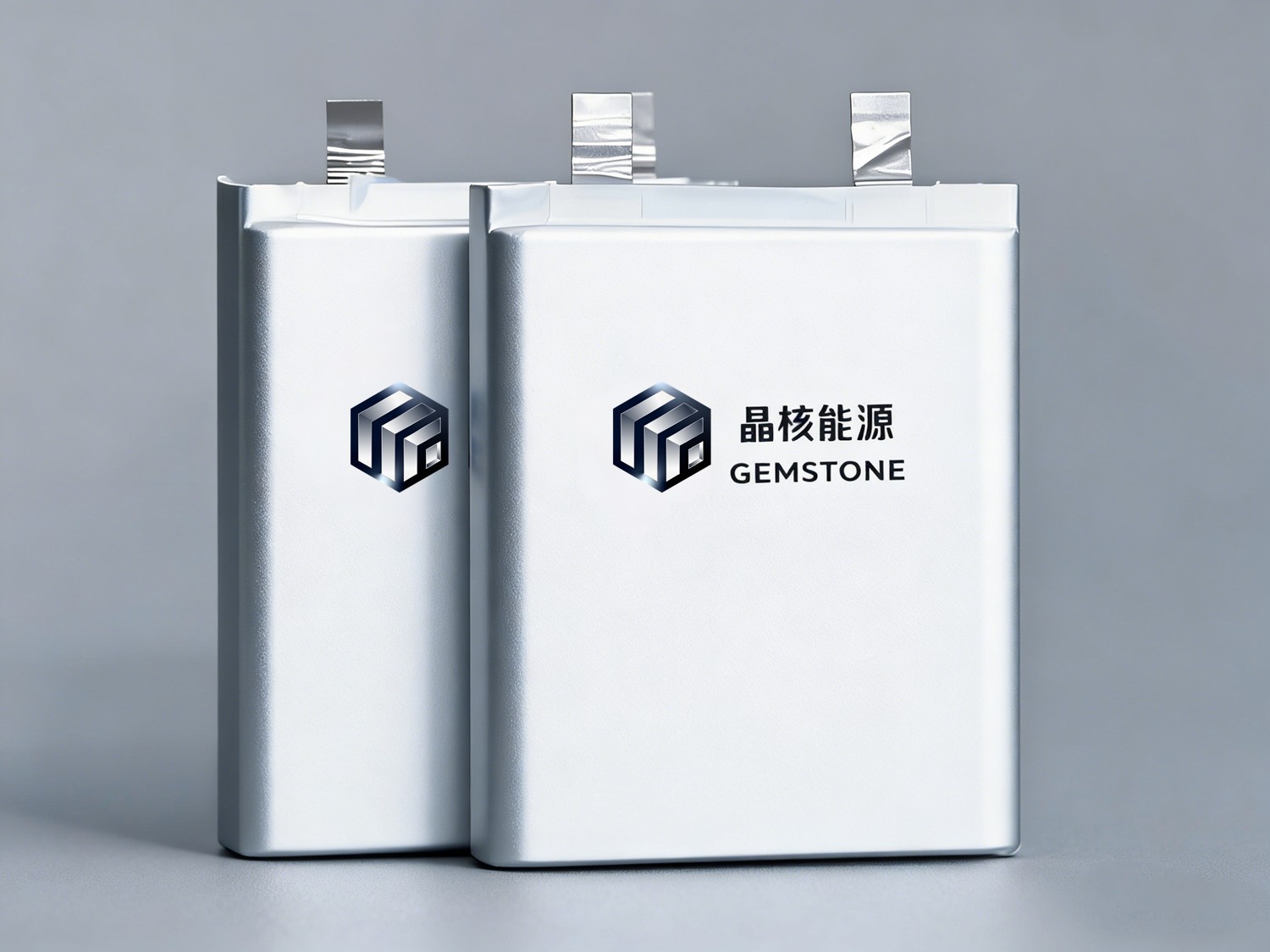
晶核能源融资数千万元,专攻固态电池“固固界面”难题丨36氪首发
3 6 Ke· 2026-01-20 13:08
除此之外,晶核能源的全固态电池正极,所采用的材料是富锂锰基,而非高镍原材料,据李延涛介绍,富锂锰基作为正极材料,"能够将电芯能量密度提升 至800Wh/kg"。 36氪获悉,诞生于"星空计划"的全固态电池企业晶核能源,近日完成数千万元天使轮融资,本轮融资由追觅天空工场创投基金领投。 晶核能源是一家全固态电池电芯与系统解决方案供应商,其创始人兼CEO李延涛曾是中航锂电及吉利动力电池创始骨干成员。李延涛告诉36氪,这轮融资所 获得资金,将用于全固态电池技术商业化落地、核心团队人才引进,以及全球商业化版图快速拓展。 在新能源汽车领域,全固态电池因其高能量密度与安全冗余,长期被视为行业的圣杯。但宥于工艺复杂、成本高企,且核心技术长期未取得突破,全固态电 池至今未能实现大规模量产。 聚焦全固态电池行业痛点,晶核能源提出了自己的解决方案。全固态电池量产的最大掣肘,是固固界面阻抗问题。对此,李延涛表示,晶核能源研发了正负 极包覆技术,"在制备正负极材料时,在外面做一层硫化物包覆,这样一来,相同材料间的致密性会更好,其电导率较目前的全固态电池能够提升一个量 级"。晶核能源计划,"在2027年底,将全固态电池的充放电倍率提升至 ...