
共同富裕

Search documents
奋楫扬帆,不断取得现代化建设新成效
Xin Hua She· 2025-11-09 00:51
Group 1 - The core message emphasizes the importance of deepening reform and opening up to promote high-quality development in China [1][10] - The focus on strengthening the leadership of the Communist Party is highlighted as essential for national strength and success [5] - The significance of integrating technology and industry innovation is underscored, with a call for a modern industrial system with international competitiveness [11][12] Group 2 - The promotion of rural revitalization and the development of characteristic rural industries are identified as foundational for economic growth [8][9] - The need for enhancing public services and regional coordination to achieve common prosperity is stressed [9] - The importance of leveraging the advantages of the Greater Bay Area for economic development and innovation is noted [12][13]
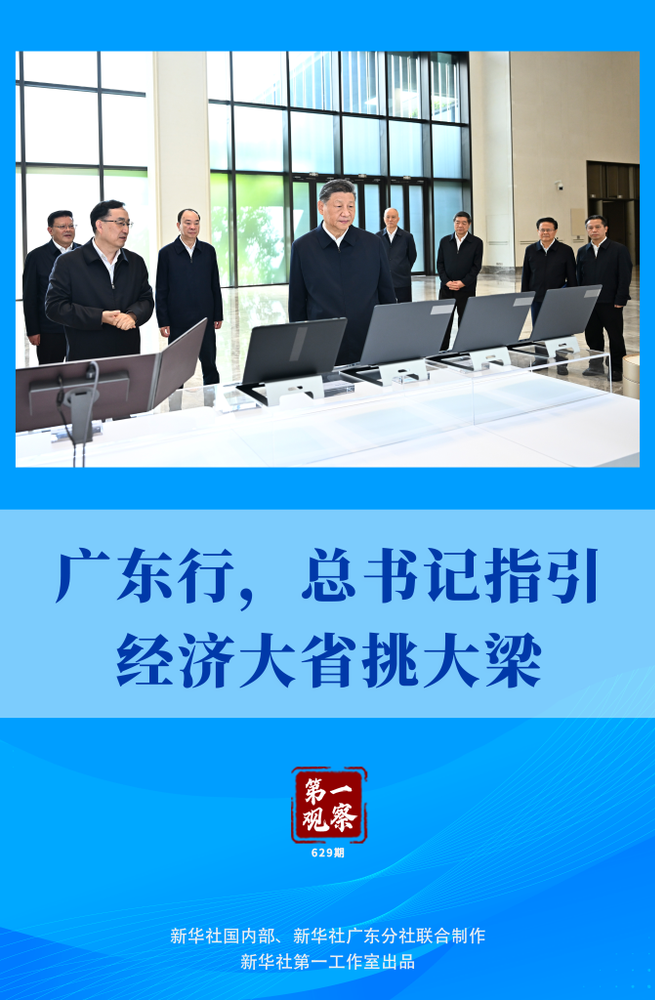
第一观察 | 广东行,总书记指引经济大省挑大梁
Xin Hua She· 2025-11-08 15:30
Core Viewpoint - The visit of General Secretary Xi Jinping to Guangdong emphasizes the province's role as a leader in reform and opening up, highlighting the need for high-quality development and the importance of deepening reforms to address challenges in the upcoming "14th Five-Year Plan" period [4][5]. Group 1: High-Quality Development and Reform - Guangdong has historically been at the forefront of China's reform and opening up, and the emphasis on high-quality development is reiterated by Xi Jinping, who calls for a spirit of reform and innovation to drive this progress [5]. - The key to addressing deep-seated issues in high-quality development lies in deepening reforms, as highlighted by Xi's remarks on using reform methods to solve development challenges [5]. Group 2: Guangdong-Hong Kong-Macao Greater Bay Area - The upcoming 15th National Games will showcase the integration of Guangdong, Hong Kong, and Macao, reflecting the achievements of the Greater Bay Area's development [6]. - Xi Jinping stresses that building the Greater Bay Area is both a significant responsibility and a rare opportunity for Guangdong, which contributes to 1/9 of the national economic output despite only occupying 0.6% of the land area and 6% of the population [6]. Group 3: Rural Revitalization and Income Growth - The visit to Meizhou highlights the importance of developing rural specialty industries as a foundation for comprehensive rural revitalization, with a focus on technology application and the integration of agriculture, culture, and tourism [7]. - Xi Jinping emphasizes the need for coordinated regional development and urban-rural integration to enhance income growth for farmers [7]. Group 4: Technological and Industrial Innovation - Guangdong is urged to take the lead in integrating technological and industrial innovation, which is crucial for maintaining its status as a leading economic province [8]. - The focus is on building a modern industrial system with international competitiveness, which requires a commitment to innovation-driven development strategies [9].

解民生难题 促共同富裕
Ren Min Ri Bao Hai Wai Ban· 2025-11-08 12:06
Core Viewpoint - The article emphasizes that achieving the people's aspiration for a better life is the starting point and goal of Chinese-style modernization, with a focus on improving and safeguarding people's livelihoods [1] Summary by Relevant Sections - The "14th Five-Year Plan" has established solid achievements in safeguarding people's livelihoods, including maintaining urban employment growth at over 12 million annually and ensuring that residents' income growth is in sync with economic growth [1] - The article highlights the importance of a comprehensive, foundational, and safety-net approach to social welfare, with over 95% coverage in nine-year compulsory education, basic pension insurance, and basic medical insurance [1] - As China moves towards the "15th Five-Year Plan," there is a call to accelerate the filling of gaps in social welfare and continuously transform the results of reform and development into improved quality of life for the people [1]
蔡昉:加强再分配缩小收入差距的作用|宏观经济
清华金融评论· 2025-11-08 09:31
Core Viewpoint - The article emphasizes the importance of improving the income distribution system in China to achieve common prosperity and enhance the quality of life for residents, linking it to the broader goals of modernization and economic growth [2][4]. Group 1: Current State of Income Distribution - Since the 18th National Congress, China's income distribution has improved significantly, with the urban-rural income ratio decreasing from 3.14 in 2007 to 2.34 in 2024, and the Gini coefficient dropping from 0.491 in 2008 to 0.465 [4]. - The article highlights that while urban-rural income disparity has decreased, the overall income distribution remains uneven, with the Gini coefficient still above the 0.4 threshold, indicating that substantial work is needed to achieve a more equitable distribution [5][10]. Group 2: Challenges in Income Distribution - The article identifies the urgent task of alleviating income growth pressure on residents and addressing gaps in social security, particularly in rural areas [4][5]. - It notes that the income gap within urban areas has been widening, with data showing that from 2015 to 2020, the Gini coefficient for urban areas increased by 1.4%, while it decreased for the national and rural levels [6][10]. Group 3: Importance of Redistribution Policies - The article argues for a coordinated approach involving initial distribution, redistribution, and third distribution to effectively narrow income gaps and enhance social welfare [8][12]. - It stresses that relying solely on initial distribution mechanisms is insufficient for achieving common prosperity in a shorter time frame, necessitating a stronger focus on redistribution policies [8][9]. Group 4: Recommendations for Policy Improvement - The article suggests that improving public services and social security systems is crucial for achieving equitable income distribution, with a focus on education, healthcare, and social welfare [13][14]. - It highlights the need for a more robust social safety net to protect workers from the adverse effects of technological advancements, particularly in the context of artificial intelligence [10][15].
五矿证券:“十五五”规划建议全面解读
Sou Hu Cai Jing· 2025-11-08 02:04
Core Insights - The "15th Five-Year Plan" is positioned as a critical transitional phase towards achieving the goal of basic socialist modernization by 2035, building on the achievements of the "14th Five-Year Plan" [5][14] - The plan emphasizes high-quality development, balancing stable growth with efficiency improvements, and includes new targets for technological self-reliance and enhanced national security [6][22] Group 1: Development Goals - The plan sets multi-dimensional development goals, highlighting the importance of increasing total factor productivity (TFP) and improving the resident consumption rate [5][18] - It introduces a focus on technological self-reliance and prioritizes the well-being of citizens over ecological goals, reflecting a heightened emphasis on industrial autonomy and social welfare [6][22] Group 2: High-Quality Development - High-quality development is the central theme, aiming to enhance the global competitiveness of traditional industries while fostering strategic emerging industries such as renewable energy and low-altitude economy [6][25] - The plan stresses the integration of technology and industry, particularly in critical areas like integrated circuits and industrial machinery, to drive innovation [6][29] Group 3: Domestic and International Circulation - The plan aims to strengthen domestic circulation by boosting employment, increasing income, and enhancing public services to unlock consumption potential [2][33] - It emphasizes the construction of a unified national market to eliminate regional and industry barriers, facilitating smoother circulation of goods and services [2][35] Group 4: Common Prosperity - The plan addresses common prosperity by focusing on employment, income distribution, education, social security, and housing, aiming to expand the middle-income group and promote equitable access to public services [2][7] - It highlights the need for sustainable social security systems and improved housing security to enhance the quality of life for all citizens [7][22] Group 5: Safety and Development - The plan integrates safety and development, establishing a risk prevention system across key sectors such as supply chains, technology, energy, data, and finance [2][6] - It aims to enhance resilience by embedding risk management into economic activities and ensuring that safety requirements are reflected in market regulations [6][17] Group 6: Party Leadership - The comprehensive leadership of the Party is emphasized as a fundamental guarantee for the implementation of the plan, ensuring that political advantages are translated into governance effectiveness [2][7] - The plan calls for the establishment of a robust leadership system and the promotion of strict party governance and anti-corruption measures [2][7]

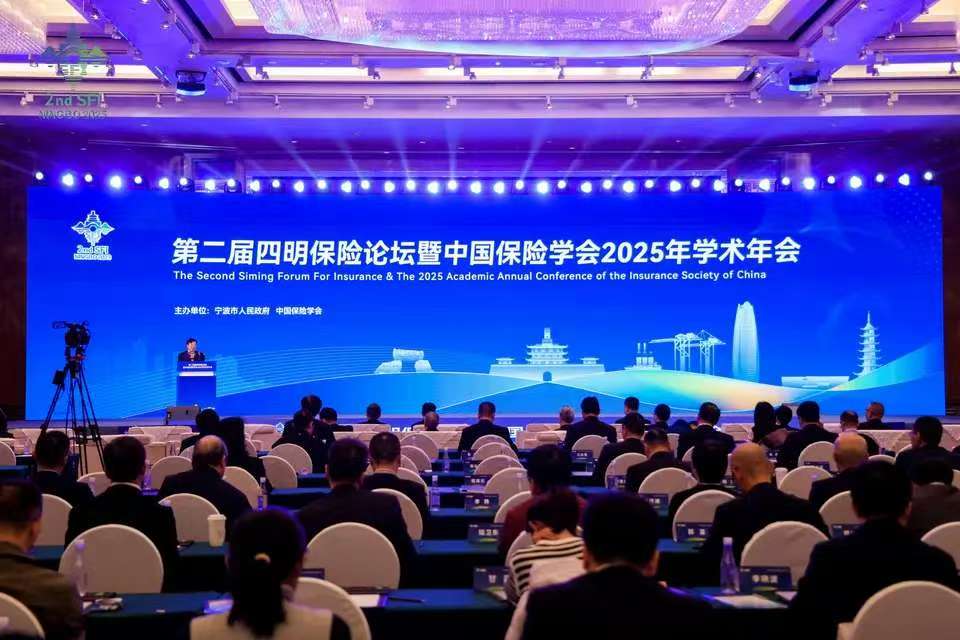
深化保险改革实践 助力共富示范先行 第二届四明保险论坛暨中国保险学会 2025年学术年会在甬开幕
Xin Lang Cai Jing· 2025-11-07 04:06
Core Insights - The second Fourming Insurance Forum and the 2025 Academic Annual Meeting of the China Insurance Society were held in Ningbo, focusing on the theme of "High-Quality Insurance Services for Common Prosperity" [1] Group 1: Key Themes and Objectives - The forum gathered financial and insurance professionals from across the country to explore the future paths of insurance in supporting common prosperity [1] - The Chief Risk Officer of the National Financial Regulatory Administration emphasized the steady growth and structural optimization of the insurance industry during the 14th Five-Year Plan period, highlighting the importance of technological self-reliance and innovation in insurance [3] - The forum aims to deepen reforms and improve mechanisms in the insurance sector, promoting a collaborative policy system and a comprehensive service ecosystem [3] Group 2: Regional Focus and Initiatives - Zhejiang Province is advancing a unique financial development path, focusing on high-quality development and supporting key areas such as social governance and rural revitalization through innovative insurance products [4] - Ningbo is recognized as a national insurance innovation comprehensive pilot zone, integrating insurance deeply into economic construction and social governance [4] - The forum serves as a platform to promote the "Insurance Innovation in Ningbo" brand and to share replicable experiences in insurance reform [4] Group 3: Reports and Discussions - The opening ceremony featured the release of the "2025 Inclusive Insurance High-Quality Development White Paper" and a plan for Ningbo's insurance reform initiatives from 2025 to 2027 [5] - Key industry leaders participated in discussions on implementing the spirit of the 20th Central Committee, focusing on the insurance sector's role in national strategy and high-quality service [5] Group 4: Event Structure - The forum was organized in a "1+2+7" format, including one main forum, two special sessions, and seven thematic activities [6] - The thematic activities covered various topics such as government-bank-insurance collaboration, technological finance, and the application of AI in the insurance industry [7]



幸福生活入画来
Hai Nan Ri Bao· 2025-11-07 01:44
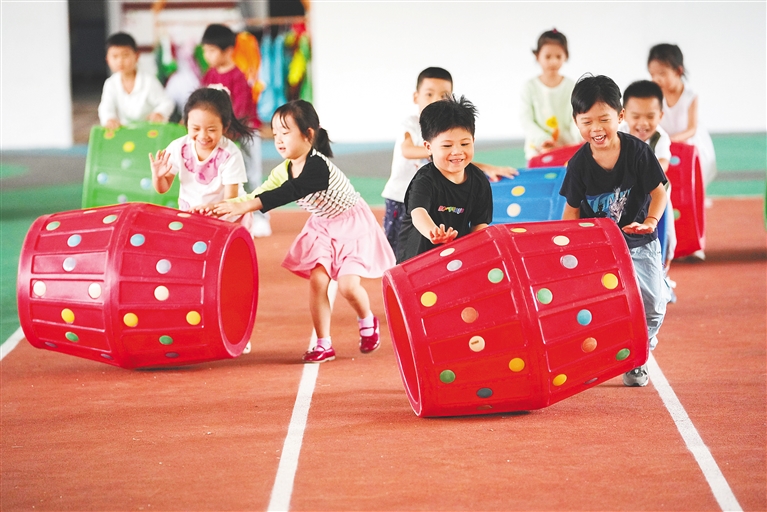
Core Viewpoint - The article highlights the efforts made by Hainan province to improve the quality of life for its residents through various initiatives in education, healthcare, housing, and elderly care, aligning with the goals of common prosperity as outlined in the 20th National Congress of the Communist Party of China [17]. Group 1: Education Initiatives - Hainan Province has established various educational programs, including courses at the Hainan Provincial Senior University, to engage elderly learners and promote lifelong learning [7]. - Local schools, such as the Water Full Central School in Wuzhishan City, are actively engaging children in physical activities like soccer, contributing to their overall development [14]. Group 2: Healthcare Services - Medical personnel are providing home-based healthcare services in rural areas, such as in Nanjing Village, ensuring that residents have access to necessary medical care [3]. - The province is implementing policies to enhance community-based elderly care services, aiming to improve the quality of life for senior citizens [17]. Group 3: Employment and Economic Development - The 2025 Longhua District Autumn Job Fair in Haikou is facilitating job placements for job seekers, reflecting the province's commitment to improving employment opportunities [9]. - The establishment of agricultural parks, like the Haitou Sweet Potato Modern Agricultural Industrial Park, is promoting local products and encouraging young people to return to their hometowns for entrepreneurship [17]. Group 4: Cultural and Community Engagement - Cultural events, such as the Qiong Opera performances and the "Kua Xia Haikou" lawn music concert, are enriching the spiritual and cultural lives of the community [11][12]. - The 2025 Volleyball League in Tunchang County is actively involving local residents, fostering community spirit and participation in sports [15].
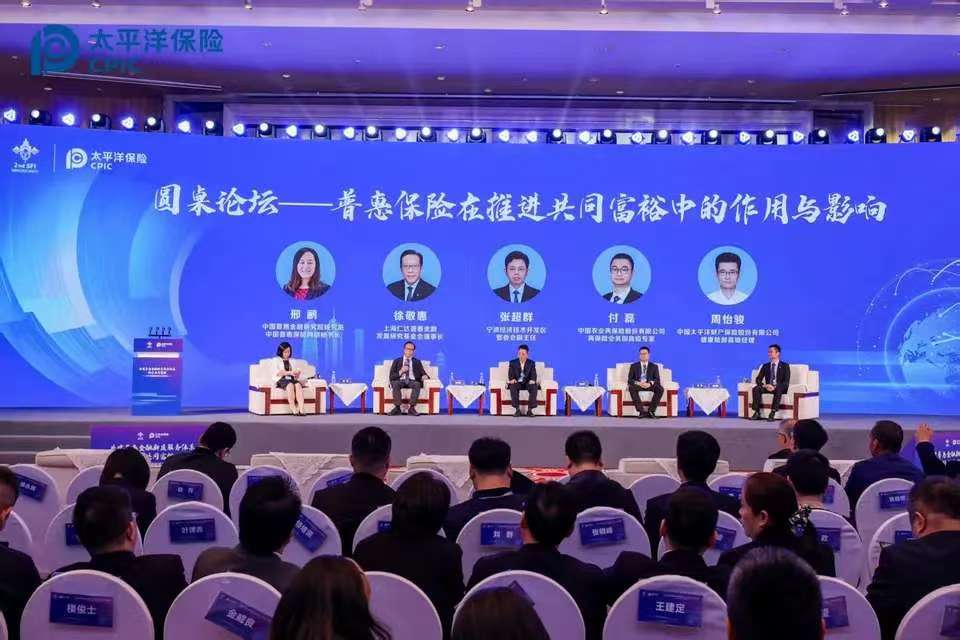
“共建普惠金融新质服务体系·助力 共同富裕”全国性专场活动在甬成功举办
Xin Lang Cai Jing· 2025-11-06 13:32
Core Insights - The event focused on "Inclusive Insurance, Intelligent Services, and Common Prosperity," highlighting the importance of inclusive finance in supporting local economic development [1][3] - The Ningbo government is leveraging its status as a national insurance innovation pilot zone to explore new paths and models for inclusive insurance services [3][7] Group 1: Event Overview - The event was co-hosted by the Ningbo Municipal Government and the China Insurance Society, attracting over 180 participants from various sectors [1] - Key speakers included Ningbo's Deputy Mayor Xu Qiang and China Pacific Insurance Group's Secretary Su Shaojun, who emphasized the significance of inclusive finance in achieving high-quality development [3] Group 2: Key Presentations - Dr. Xing Li from the China Inclusive Finance Research Institute compared international practices in inclusive insurance and their implications for China's insurance industry [5] - Zheng Yimin from China Pacific Insurance highlighted the company's efforts in product innovation and service empowerment to meet public needs [5] - Professor Qiu Bo from Ningbo University presented a book detailing over 30 innovative inclusive insurance products developed in Ningbo [5] Group 3: Roundtable Discussion - A roundtable discussion was held, featuring experts discussing the role and impact of inclusive insurance in promoting common prosperity [6] Group 4: Ningbo's Insurance Innovations - Ningbo has launched over 80 inclusive insurance products, establishing a mature operational mechanism characterized by low premiums and high coverage [7] - The "Flexible Insurance" product, aimed at flexible employment individuals, has covered over 500,000 people and has been recognized as a best practice [7] - The "Tianyi Ningbao" medical insurance product has served over 12 million participants since its launch, effectively reducing citizens' medical burdens [7]

【图解】谋篇布局“十五五”|人民至上!感受建议的民生“温度”
Zhong Guo Jing Ji Wang· 2025-11-06 07:19
Group 1 - The core viewpoint emphasizes the need to enhance and improve people's livelihoods, ensuring common prosperity for all citizens through inclusive and foundational social welfare initiatives [2][12] - There is a focus on increasing support for entrepreneurship to boost employment opportunities and promote flexible employment and new job forms [3][4] - The strategy aims to encourage a fair distribution of wealth by supporting hard work, innovation, and legal wealth accumulation, while implementing income growth plans for urban and rural residents [5] Group 2 - The plan includes the gradual increase of basic pensions for urban and rural residents to improve social security [7] - There is an initiative to expand educational resources for school-age populations in urban areas, including the exploration of extending compulsory education and increasing the enrollment scale of quality higher education [8] - The proposal aims to enhance the coverage of unemployment and work injury insurance, ensuring that flexible workers, migrant workers, and new employment forms are adequately insured [9] Group 3 - The development of a new model for real estate is proposed, focusing on optimizing the supply of affordable housing and increasing the availability of improved housing [10] - Support for the development of innovative drugs and medical devices is highlighted, along with measures to reduce the costs associated with childbirth and child-rearing [11] - The plan includes the promotion of integrated childcare services and the gradual implementation of a delayed retirement age policy to optimize employment and social security regulations [12]

好评中国|增进民生福祉,绘就中国式现代化温暖底色
Huan Qiu Wang· 2025-11-06 02:49
Group 1 - The core viewpoint emphasizes that the modernization of China is fundamentally about achieving common prosperity for all people, with a focus on improving people's livelihoods and ensuring that development benefits everyone fairly [1][4] - The "14th Five-Year Plan" period has seen significant improvements in people's welfare, including stable urban employment exceeding 12 million annually and the construction of over 11 million housing units for vulnerable populations, benefiting more than 30 million people [2][3] - The proposal aims to build a more equitable and sustainable social security system, focusing on increasing the income of low-income groups and promoting a more reasonable income distribution structure [3] Group 2 - The relationship between improving people's livelihoods and economic development is highlighted as mutually reinforcing, with enhanced social welfare contributing to economic growth and consumer potential [4] - Continuous efforts to improve living standards are essential, with a commitment to addressing urgent issues faced by the populace, which is seen as a key aspect of the socialist system's advantages [4] - The modernization model that prioritizes comprehensive human development and social equity is expected to contribute significantly to the progress of human civilization [4]