
核聚变能源

Search documents
全文丨中法两国关于持续推进和平利用核能领域合作的联合声明
Xin Hua She· 2025-12-05 09:13
Group 1 - The core viewpoint of the joint statement emphasizes the importance of nuclear energy as a clean, low-carbon, stable baseload energy source in addressing global challenges such as climate change and energy security [2] - Both parties reaffirm their commitment to the international non-proliferation regime, particularly the Treaty on the Non-Proliferation of Nuclear Weapons, and recognize the role of the International Atomic Energy Agency in ensuring nuclear safety and security [4] - The joint statement supports the goal of tripling global nuclear power capacity by 2050 as part of efforts to achieve carbon neutrality [5] Group 2 - The two countries will continue to cooperate in areas such as the construction and operation management of third-generation pressurized water reactor nuclear power units, extending the life of existing nuclear power plants, and the decommissioning of permanently closed nuclear power plants [2] - There is a mutual recognition of the need for coordinated cooperation in nuclear fuel supply, nuclear equipment manufacturing, and uranium resource security to ensure the stability of the nuclear energy supply chain [3] - Both parties emphasize the importance of technical innovation in enhancing the safety and economic viability of nuclear energy, exploring new cooperation projects in areas such as small modular reactor development and the application of artificial intelligence [2][3] Group 3 - The joint statement highlights the significance of training skilled professionals in nuclear science and engineering, with a commitment to continue cooperation in education and training for nuclear reactor construction and operation personnel [3] - Both parties express their willingness to deepen participation in the International Thermonuclear Experimental Reactor (ITER) project, recognizing nuclear fusion energy as a vital development direction for peaceful nuclear energy utilization [3] - The commitment to support international nuclear energy development aligns with the obligations of nuclear safety, security, and non-proliferation [5]
关于核能,中法发布联合声明
Wind万得· 2025-12-05 06:20
Core Viewpoint - The joint statement emphasizes the importance of nuclear energy as a clean, low-carbon, and stable energy source in addressing global challenges such as climate change and energy security [2][3]. Group 1: Cooperation Framework - Both parties recognize that nuclear energy cooperation is a vital part of the comprehensive strategic partnership between China and France, building on existing successful collaborations [3]. - The cooperation will focus on areas such as the construction and operation management of third-generation pressurized water reactor nuclear power plants, extending the life of existing nuclear power plants, decommissioning permanently closed plants, and managing radioactive waste [3]. Group 2: Technological Innovation - Both parties agree that technological innovation is crucial for enhancing the safety and economic viability of nuclear energy, and they will continue to leverage existing projects for innovation and research collaboration [3]. - New potential cooperation projects will be explored in areas such as small modular reactor development, application of artificial intelligence (especially through digitalization and automation in manufacturing), and peaceful uses beyond electricity production, such as thermal energy and medical radioactive isotopes [3]. Group 3: Supply Chain Coordination - The parties acknowledge the importance of coordinated cooperation in nuclear fuel supply, nuclear equipment manufacturing, and uranium resource security to ensure the stability of the nuclear industry supply chain [3]. - They commit to ensuring safe, reliable, and sustainable management of spent fuel and radioactive waste, while also enhancing collaboration in the nuclear energy industry chain [3]. Group 4: Nuclear Fusion and Safety - Both parties recognize nuclear fusion energy as a significant development direction for peaceful nuclear energy use and a future option for abundant zero-carbon energy, committing to deep participation in the International Thermonuclear Experimental Reactor (ITER) project [4]. - They emphasize the need to maintain and strengthen nuclear safety and security efforts, enhancing experience exchange and technical cooperation between government departments, regulatory agencies, and relevant technical support units [5]. Group 5: Education and Training - The development of nuclear science and industry requires sustainable and sufficient professional skills training, and both parties will continue to collaborate in education and training for nuclear science and engineering [5]. - This collaboration aims to solidify the talent foundation necessary for the sustainable development of nuclear energy in both countries [5]. Group 6: Commitment to Non-Proliferation - Both parties reaffirm their commitment to the international nuclear non-proliferation regime, particularly the Treaty on the Non-Proliferation of Nuclear Weapons, and recognize the role of the International Atomic Energy Agency in establishing a robust global framework for nuclear safety and security [5]. - They will provide necessary resources to achieve these goals, within the limits of available funding and domestic legal requirements [5]. Group 7: Global Nuclear Energy Development - Both parties support the development of international nuclear energy, aiming for a low-carbon energy structure in accordance with international obligations on nuclear safety, security, and non-proliferation [5]. - They recognize the aspiration to develop global nuclear energy and support France's declaration to triple global nuclear energy from 2020 to 2050 as part of accelerating carbon neutrality commitments [5].


中法两国联合声明:将加强核基础研究、核技术应用、核聚变技术等合作
Yang Shi Xin Wen· 2025-12-05 05:43
Group 1 - Both China and France recognize the unique importance of nuclear energy as a clean, low-carbon, stable, and reliable baseload energy source in addressing global challenges such as climate change and energy security [1] - The two countries will continue to cooperate under the framework of the intergovernmental agreement on peaceful use of nuclear energy signed in 1997 and the protocol signed in 1982, focusing on industrial and technological collaboration [1] - Nuclear cooperation is considered a vital component of the comprehensive strategic partnership between China and France, with ongoing collaboration in areas such as the construction and operation management of third-generation pressurized water reactors, extending the life of existing nuclear power plants, decommissioning closed plants, and managing radioactive waste [1] Group 2 - Both parties acknowledge the critical importance of coordinated cooperation in areas such as nuclear fuel supply, nuclear equipment manufacturing, and uranium resource security to ensure the stability of the nuclear energy supply chain [2] - The two countries are committed to ensuring safe, reliable, and sustainable management of spent fuel and radioactive waste, emphasizing the need for collaboration in enhancing the resilience of the nuclear energy industry [2] - The development of nuclear fusion energy is recognized as a significant direction for the peaceful use of nuclear energy, with both countries willing to participate deeply in the International Thermonuclear Experimental Reactor (ITER) project [2] Group 3 - Both nations emphasize the importance of maintaining and strengthening nuclear safety and security efforts for the sustainable development of peaceful nuclear energy [2] - There is a commitment to enhance experience exchange and technical cooperation between government departments, regulatory agencies, and relevant technical support units in the field of nuclear safety and security [2] - The development of nuclear technology and industry requires sustainable and sufficient training of skilled professionals, with both countries willing to continue cooperation in education and training for nuclear science and engineering [2] Group 4 - Both countries reaffirm their commitment to the international non-proliferation regime, particularly the Treaty on the Non-Proliferation of Nuclear Weapons, and recognize the core role of the International Atomic Energy Agency (IAEA) in ensuring nuclear safety and security [3] - The two nations support international nuclear energy development in line with obligations for nuclear safety, security, and non-proliferation, aiming for a low-carbon energy structure [3] - China agrees with France's declaration to triple global nuclear energy from 2020 to 2050 as part of efforts to accelerate carbon neutrality commitments [3]

中华人民共和国和法兰西共和国关于持续推进和平利用核能领域合作的联合声明
Yang Shi Xin Wen· 2025-12-05 05:22
Group 1 - Both China and France recognize the unique importance of nuclear energy as a clean, low-carbon, stable, and reliable baseload energy source in addressing global challenges such as climate change and energy security [1] - The two countries will continue to cooperate under the framework of the intergovernmental agreement on peaceful use of nuclear energy signed in 1997 and the cooperation protocol signed in 1982, focusing on industrial and technological collaboration [1] - Nuclear cooperation is considered a vital component of the comprehensive strategic partnership between China and France, with ongoing collaboration in areas such as the construction and operation management of third-generation pressurized water reactor nuclear power plants, extending the life of existing nuclear power plants, decommissioning permanently closed plants, and managing radioactive waste [1] Group 2 - Both parties acknowledge the importance of coordinated cooperation in areas such as nuclear fuel supply, nuclear equipment manufacturing, and uranium resource security to ensure the stability of the nuclear energy supply chain [2] - The commitment to the development of nuclear fusion energy is recognized as a significant direction for the peaceful use of nuclear energy, with both countries willing to participate deeply in the International Thermonuclear Experimental Reactor (ITER) project [2] - Emphasis is placed on the need for sustainable and sufficient professional skills training in nuclear technology and industry development, with ongoing collaboration in education and training for nuclear science and engineering [2] Group 3 - Both countries reaffirm their commitment to the international non-proliferation regime, particularly the Treaty on the Non-Proliferation of Nuclear Weapons, and recognize the role of the International Atomic Energy Agency in ensuring nuclear safety and security [3] - The commitment to supporting international nuclear energy development while adhering to international obligations regarding nuclear safety, security, and non-proliferation is emphasized [4] - China supports France's declaration to triple global nuclear energy from 2020 to 2050 as part of efforts to accelerate carbon neutrality commitments [4]
中国“点燃”全球聚变合作新火种
Xin Hua She· 2025-11-27 02:18
Core Insights - The article highlights the global collaboration in fusion energy research, particularly through China's BEST project, which aims to advance the development of fusion energy as a clean and sustainable power source [1][2][3] Group 1: Global Collaboration in Fusion Research - The Chinese Academy of Sciences has launched an international scientific program focused on "burning plasma," allowing global scientists to access advanced fusion energy experimental facilities, including BEST [1][2] - The BEST device is designed to achieve high fusion power output, with goals of producing between 20 megawatts and 200 megawatts, demonstrating energy output exceeding energy input [3] Group 2: Scientific Advancements and Future Goals - The focus on "burning plasma" represents a critical phase in fusion research, where the heat generated from the fusion reaction itself sustains the process, essential for continuous energy production [2][3] - The BEST project is seen as a significant step forward, with its compact high-field technology enabling higher fusion power in a smaller volume, marking a new stage in China's fusion research [2][3] Group 3: International Support and Commitment - Experts from various countries, including France, the UK, and Germany, have expressed strong support for the BEST initiative, emphasizing its potential as a model for global scientific cooperation [3][4] - The signing of the "Hefei Fusion Declaration" by international scientists underscores a commitment to open collaboration and shared goals in fusion research, reflecting a collective effort to address global energy challenges [3][4]
欧洲聚变专家缘何“向东看”?
Sou Hu Cai Jing· 2025-11-26 19:10
Core Viewpoint - Nuclear fusion energy is regarded as the ultimate goal for clean energy, often referred to as "artificial sun," with increasing international collaboration, particularly between Europe and China, as the U.S. faces technical and funding challenges [1][3]. Group 1: International Collaboration - The "International Scientific Program on Burning Plasma" initiated by the Chinese Academy of Sciences in Hefei marks a significant step in global cooperation for fusion energy research [3]. - A declaration called the "Hefei Fusion Declaration" was signed by researchers from multiple European countries, emphasizing their commitment to align their efforts with China's timeline for sustainable nuclear fusion [3]. Group 2: Project Development - The BEST (Burning Plasma Experimental Superconducting Tokamak) project in Hefei is set to be completed by 2027, aiming to conduct experiments that validate its long-pulse steady-state operation capability, targeting fusion power output between 20 megawatts and 200 megawatts [3]. - The EAST (Experimental Advanced Superconducting Tokamak) facility in Hefei has achieved multiple breakthroughs, setting world records for high-temperature plasma confinement time, thus providing critical data for global fusion research [5]. Group 3: China's Position in Fusion Research - China's robust engineering capabilities, open collaboration spirit, and long-term investment have positioned it as a potential catalyst in making nuclear fusion a reality, attracting the attention of top European experts [5]. - The competition in nuclear fusion research is seen as a contest of organizational efficiency and strategic foresight, with China currently demonstrating strong momentum in leading this race [5].
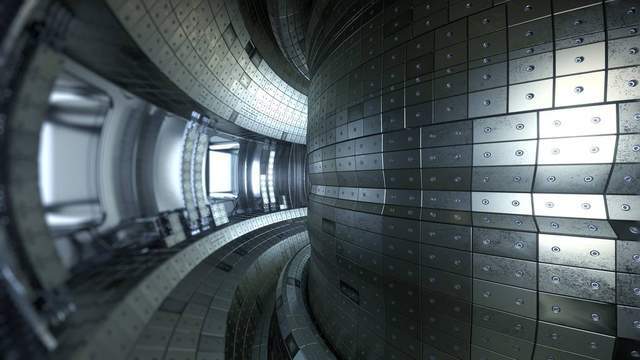
核聚变工程进入关键期,业内:开始密集招投标,未来潜力巨大
Shang Hai Zheng Quan Bao· 2025-11-25 00:11
Core Insights - The "Burning Plasma" international scientific program initiated by the Chinese Academy of Sciences aims to enhance global collaboration in fusion research, with a focus on sustainable energy generation through nuclear fusion [1][2] - The BEST research plan, set to be completed by the end of 2027, will conduct experiments on deuterium-tritium burning plasma, targeting a fusion power output between 20 megawatts and 200 megawatts [2] Industry Developments - The global fusion energy landscape is rapidly evolving, with nearly 40 countries advancing fusion plans and over 160 fusion devices in operation, construction, or planning stages [1] - The international cooperation in fusion research is entering a critical phase, with significant breakthroughs achieved but ongoing challenges requiring collective efforts from scientists worldwide [1][3] Investment and Procurement Trends - The fusion energy sector is witnessing unprecedented procurement and financing activity, with significant projects announced, including a procurement project exceeding 2 billion yuan for key components related to the BEST project [3][4] - Recent financing rounds for companies in the fusion energy supply chain indicate a strong market interest, with investments from institutional investors and state-owned enterprises, focusing on high-value core hardware and materials [4]
聚力点燃“人造太阳” 产业链上市公司筑起技术保障
Zheng Quan Ri Bao Wang· 2025-11-24 11:52
Group 1 - The compact fusion energy experimental device (BEST) has officially launched its research plan, marking a new phase in burning plasma research, which is crucial for sustainable power generation [1] - The BEST device aims to conduct deuterium-tritium burning plasma experiments by the end of 2027, targeting fusion power output between 20 megawatts and 200 megawatts, demonstrating energy production exceeding consumption [1] - The supply chain for the BEST project includes at least 16 listed companies in the A-share market, focusing on key areas such as superconducting materials [1] Group 2 - West Superconducting Materials Technology Co., Ltd. has made breakthroughs in high-temperature superconducting materials and is involved in the construction of the BEST project, ensuring product demand is met [2] - Shanghai Electric Group Co., Ltd. participates in multiple major engineering projects related to controllable nuclear fusion, including the BEST device, and is responsible for the integration of the magnet system and vacuum chamber [2] - Xi'an Aike Cyber Electric Co., Ltd. is expanding its business to cover key projects like BEST and is actively pursuing various technological routes in commercial reactor fields [2] Group 3 - The influx of capital has accelerated the fusion industry, with the leading company in the BEST project, Fusion New Energy (Anhui) Co., Ltd., increasing its registered capital from 5 billion to 14.5 billion yuan through equity expansion [3] - The collaborative structure of local industrial capital and private innovative capital ensures long-term project stability and injects efficient vitality into market development [3] - Fusion New Energy aims to advance from the BEST experimental device to a fusion engineering demonstration reactor and ultimately to the first commercial fusion reactor, indicating a strategic three-step approach [3]

电新行业周报:工信部发文避免风电“唯价格论”,OpenAI营收预期上调-20251123
Western Securities· 2025-11-23 07:37
Investment Rating - The report recommends investment in the wind power sector, specifically highlighting companies such as 大金重工, 金风科技, 中天科技, and 东方电缆, while suggesting to pay attention to 德力佳, 运达股份, 海力风电, and 金雷股份 [1] Core Insights - The Ministry of Industry and Information Technology has issued documents to avoid a "price-only" approach in the wind power equipment sector, promoting healthy industry development [1] - In October, the national electricity consumption reached 857.2 billion kWh, showing a year-on-year increase of 10.4%, with the tertiary industry experiencing the most significant growth [1] - The report highlights a significant increase in nuclear fusion project tenders, amounting to 2.17 billion yuan this week [1] - The report recommends investment in the power equipment sector, specifically mentioning 东方电气, 思源电气, 神马电力, and 国能日新, while suggesting to pay attention to 特变电工 [1] Summary by Sections Wind Power Equipment - The Ministry of Industry and Information Technology has encouraged user enterprises to optimize bidding rules and introduce various evaluation systems to avoid a "price-only" approach [1][45] - The report recommends several companies in the wind power sector, including 大金重工, 金风科技, and 东方电缆 [1] Electricity Consumption - In October, the total electricity consumption in China reached 857.2 billion kWh, marking a 10.4% year-on-year increase [1][9] Nuclear Fusion - This week, nuclear fusion project tenders reached 2.17 billion yuan, indicating a growing interest and investment in this area [1][48] Power Equipment - The report recommends investment in companies such as 东方电气, 思源电气, and 神马电力, while suggesting to pay attention to 特变电工 [1]
“被忽略”的牛市
2025-11-18 01:15
Summary of Key Points from Conference Call Records Industry or Company Involved - The discussion primarily revolves around the **AI industry**, **U.S. stock market**, **Hong Kong stock market**, and **nuclear fusion technology**. Core Insights and Arguments 1. **Credit Cycle and Market Trends** - The credit cycle is peaking and beginning to decline, as evidenced by weak financial credit data in October. Structural income expectations and cost-return inversion are the main causes. If policy responses are not timely, market volatility may persist. The optimistic scenario for the Hong Kong stock market is around 26,000 points by year-end, with a recommendation to focus on dividend configurations and low-priced stock opportunities [2][7][8]. 2. **AI Industry Valuation and Sensitivity** - The AI industry currently has high short-term valuations and expectations, making it sensitive to negative news. However, the widespread adoption of generative AI in enterprises and households can significantly reduce costs, with an average cost reduction of 10% across U.S. industries. This indicates substantial growth potential for the AI sector despite short-term volatility [2][5]. 3. **U.S. Stock Market Outlook** - The S&P 500 index is expected to fluctuate around 6,700 points in the short term due to high valuations and lack of new catalysts. If the fundamentals, credit cycle, and profit trends improve next year, short-term volatility may present better entry opportunities. By 2026, the U.S. credit cycle is anticipated to recover or even overheat, supported by Federal Reserve actions and liquidity from TGA [2][6]. 4. **Lessons from Japan's 1990s Real Estate Bubble** - The experience of Japan's three overlooked bull markets post-1990s real estate bubble offers valuable lessons. Relying solely on liquidity is insufficient for sustaining long-term bull markets; fundamental improvements and policy support are crucial. Current A-shares and Hong Kong stocks are highly valued, with total policy-driven growth but no significant fundamental improvement, raising concerns about potential risks [2][9][11]. 5. **Nuclear Fusion Technology Development** - Nuclear fusion is seen as a key energy revolution with advantages such as environmental friendliness, minimal resource bottlenecks, and high safety. Most global nuclear fusion technologies are still in experimental stages, with significant progress reported in China's and the U.S.'s projects. Cost reduction is critical for commercialization, with high-temperature superconducting material costs decreasing significantly [26][27][28][29]. Other Important but Possibly Overlooked Content 1. **Macroeconomic Environment Challenges** - The current macroeconomic environment faces challenges from weak financial credit data, rising inflation, and uncertainties regarding the Federal Reserve's interest rate decisions. Concerns about an AI bubble are also significant, as AI-related sectors are central to global markets, particularly in the U.S. and China [3][4]. 2. **Investment in U.S. Manufacturing** - U.S. manufacturing is experiencing a gradual return, driven by policy incentives, but construction investments have not yet significantly translated into output. The manufacturing sector's investment in electronics and electrical equipment has increased, but overall production value may lag behind construction investment growth [17][19]. 3. **Market Valuation Concerns** - Current market valuations for A-shares and Hong Kong stocks are high, with the Hong Kong market exceeding its historical average. The divergence between financial market enthusiasm and weak fundamentals raises questions about the sustainability of current market trends [9][13]. 4. **Potential for AI Industry Growth** - Despite high valuations, the AI industry has considerable growth potential due to its ability to lower operational costs significantly. The overall SG&A expenses for the S&P 500 could see a substantial reduction if AI is widely adopted [5][6]. 5. **Future of Nuclear Fusion Projects** - China is making strides in nuclear fusion with projects like EAST and BEST, which are expected to drive market interest and investment in related companies. The focus on domestic production and engineering integration is crucial for the success of these projects [31][32][33].