
楼市调控

Search documents
“10万+”们称霸上海楼市
Mei Ri Jing Ji Xin Wen· 2025-10-02 23:44
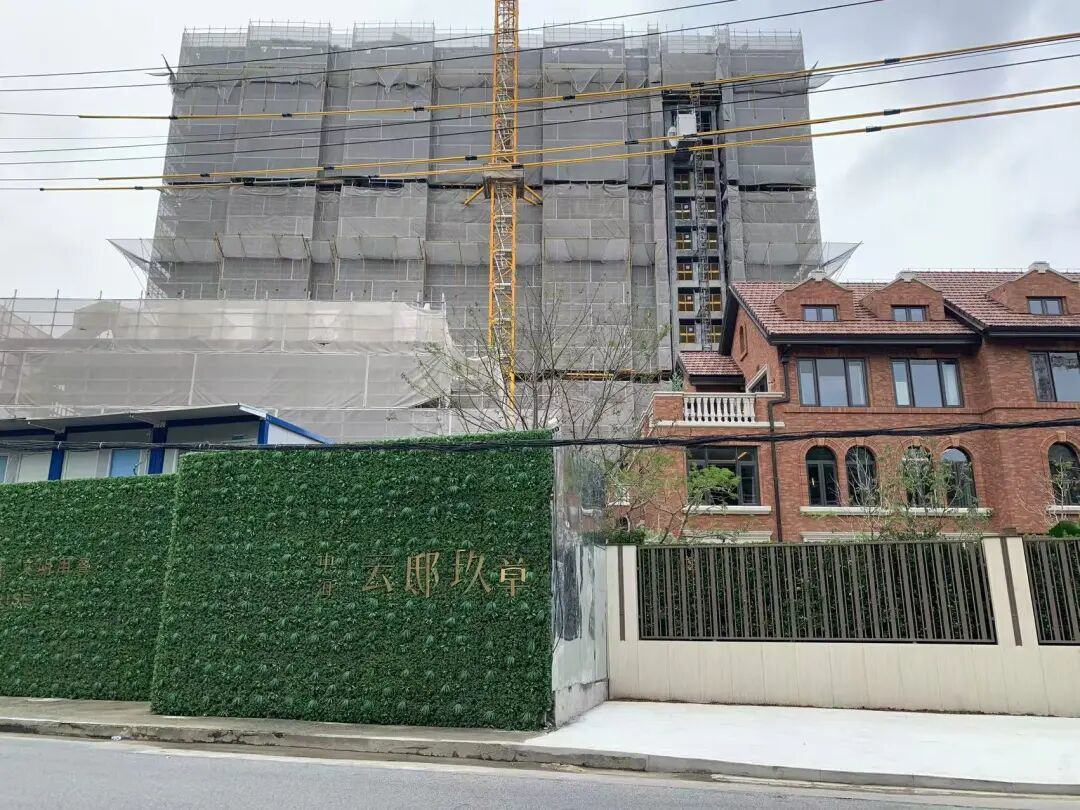
Core Viewpoint - The luxury housing market in Shanghai is showing resilience, with significant sales activity despite overall market challenges, driven by new policies and high-demand projects [3][11]. Market Performance - In September, Shanghai's total housing transactions reached 2.07 million square meters, marking an 8% month-on-month increase and a 24% year-on-year increase [3]. - New housing sales accounted for 550,000 square meters, up 28% month-on-month and 14% year-on-year, while second-hand housing transactions totaled 18,000 units, reflecting a 3% month-on-month increase and a 27% year-on-year increase [3]. - The average subscription ratio for new projects in September was 0.75, higher than the year-to-date average of 0.71, indicating increased market activity following policy adjustments [8]. Luxury Segment Insights - High-end residential properties are becoming a significant support for the market, with luxury projects making up half of the top ten sales in September [8]. - The project "嘉里金陵华庭" recorded over 40,000 square meters in sales, with 107 units sold, showcasing strong market acceptance [8]. - The "10万+" price segment is gaining traction, with seven such projects recently launched [9]. Policy Impact - The "沪六条" policy adjustments have positively influenced market sentiment, leading to a 12% increase in daily second-hand housing transactions post-implementation [12]. - The first week after the policy saw an 8.5% increase in second-hand transactions, indicating immediate market responsiveness [12]. Sales Dynamics - The market is experiencing a divergence, with some projects achieving high sales rates while others struggle, as seen in the "翎翠滨江" project with a net signing rate of only 12.6% [7][8]. - Developers are increasing supply to boost performance, focusing on mid-to-high-end products priced above 50,000 yuan per square meter [9][10]. Buyer Behavior - The average transaction price for new units is between 11 million and 12 million yuan, reflecting the ongoing demand for high-quality housing [10]. - Buyers are becoming more strategic, often negotiating prices based on market conditions, which suggests a stable pricing environment with limited potential for significant price drops [15].

环比涨超20%!深圳楼市,最新数据出炉→
Zheng Quan Shi Bao· 2025-10-01 11:59
Group 1 - The core viewpoint of the news is that the new housing policy in Shenzhen has led to a significant increase in market activity, with both new and second-hand residential transactions rising sharply in September 2023 [1][2]. - In September, Shenzhen's total residential transactions reached 7,633 units, a month-on-month increase of 20.7% and a year-on-year increase of 38.3%. The first-hand residential transactions were 3,087 units, up 43.5% month-on-month and 32.7% year-on-year, while second-hand transactions were 4,546 units, up 8.9% month-on-month and 42.5% year-on-year [1]. - The average transaction price for second-hand residential properties in Shenzhen was 58,700 yuan per square meter, showing a slight month-on-month decline of 1.5%, while the listing price was 62,600 yuan per square meter, down 0.6% [1]. Group 2 - Analysts believe that the new policy has effectively stimulated the market, particularly in non-core areas where restrictions have been eased, leading to increased participation from first-time buyers and cross-city purchasing groups [2]. - The policy's targeted approach aims to address the issues of inventory in peripheral areas while stabilizing expectations in core areas, setting a foundation for a robust market during the peak season of September and October [2]. - Nationally, the new housing market has remained stable since 2025, but there has been a slight decline in sales since the second quarter of 2023. However, September saw a recovery in sales due to improved supply [2][3].
多地密集优化楼市政策
21世纪经济报道· 2025-09-30 11:56
Core Viewpoint - The article discusses recent policy optimizations in the real estate sector across various Chinese cities, highlighting measures aimed at stimulating housing demand and stabilizing the market, particularly in the context of the upcoming National Day holiday [1][5][10]. Group 1: Policy Measures - Wuhan's "Han Eight Articles" includes eight measures such as increasing housing provident fund loan limits, enhancing subsidies for rigid housing demand, and optimizing home purchase residency procedures [1][5]. - Guangzhou and Changchun have also announced optimizations to their housing provident fund policies, including lowering the minimum down payment ratio for new homes from 20% to 15% in Changchun [1][5]. - Other cities like Hefei and Dongguan have released favorable policies to support the housing market, with a focus on stabilizing prices and boosting demand [1][5]. Group 2: Market Context - The article notes that the end of September has seen a steady release of housing policies, with many cities expected to continue this trend as the market enters a traditional peak season for real estate sales [1][10]. - Historical patterns indicate that significant real estate policies are often announced before the National Day holiday, suggesting a strong expectation for further policy adjustments [9][10]. Group 3: Future Expectations - Analysts predict that there will be more measures aimed at stabilizing the housing market, with a focus on structural adjustments and targeted policies for specific housing types [11]. - The Central Bank's recent shift towards a rate-cutting cycle may provide additional room for domestic monetary policy, potentially leading to more supportive measures for the real estate sector in the fourth quarter [11].

深圳楼市热度持续回升 成交量稳步增长
Zheng Quan Shi Bao Wang· 2025-09-22 11:57
Core Insights - The new housing policy implemented in Shenzhen on September 5 has significantly stimulated various housing demands, leading to a rebound in the real estate market [1] - The policy has resulted in a notable increase in both second-hand and new housing transactions, with specific areas experiencing substantial growth [1][2] Market Performance - The Shenzhen Real Estate Association reported that the number of second-hand homes sold reached 1,554 units last week, reflecting a 15.4% increase compared to the previous week [1] - The average daily signing volume for second-hand homes increased by 34% on weekdays and 41% on weekends compared to July and August [1] - New home subscriptions also saw a rise, with a 30% increase on weekdays and 38% on weekends during the same period [1] Buyer Sentiment - Over 35.8% of surveyed respondents indicated an increase in their willingness to purchase homes, showing a positive shift in buyer confidence [3] - More than 20% of respondents noted an increase in inquiries from out-of-town clients, suggesting the policy's effectiveness in attracting external buyers [3] Policy Impact - The survey conducted by the Shenzhen Real Estate Association revealed that over half of the respondents believe that the policy adjustments, such as the relaxation of purchase restrictions in certain areas, have the most significant impact on the market [2] - The combination of zoning adjustments, cost reductions, and expanded eligibility is expected to stabilize the market and support a healthy development trajectory [3]
2026年房价已定调!四大信号曝光,未来买房逻辑或已经变了!
Sou Hu Cai Jing· 2025-09-22 10:56
Core Viewpoint - Recent government policies aimed at stimulating the housing market have sparked widespread attention, with a notable example being Guangxi's financial subsidy of 120 million yuan for new home purchases from September 15 to October 31, 2023, raising questions about its effectiveness in reversing market trends [2] Group 1: Policy Signals - The government's approach has shifted from broad market stimulation to targeted support for genuine housing needs, moving away from high-leverage growth models [3] - The introduction of the 120 million yuan subsidy is seen as a temporary measure to support a sluggish market rather than a long-term solution [3] Group 2: Market Signals - A "K-shaped" market differentiation is emerging, where high-quality properties continue to appreciate while lower-quality, less desirable properties face declining values [6] - Data from August 2025 indicates that over 60% of new home prices in 70 major cities have decreased, with only a few cities experiencing slight increases [6] - For instance, in Q1 2025, new homes in Shenzhen's Nanshan area saw a 12% price increase, while a city in Northeast China experienced a 23.5% drop in second-hand home prices [6] Group 3: Changing Perspectives - A growing number of young people, such as a 00s generation individual from Yulin, are opting to rent rather than buy, reflecting a shift in attitudes towards homeownership as a necessity for marriage [4][8] - The average cost of a suitable wedding home in Yulin is around 800,000 yuan, with monthly mortgage payments significantly higher than rental costs, leading to a preference for renting [8] Group 4: Development Models - The traditional "sprawling" new city development model is becoming less viable, with a focus shifting towards optimizing existing land use and enhancing living quality [9] - The national residential land supply plan for 2025 indicates a 20% decrease in supply, particularly in second-tier cities, emphasizing the need for efficient land utilization [9]

帮主郑重:外资敲门楼市,这杯“活水”该怎么喝?
Sou Hu Cai Jing· 2025-09-21 06:37
Core Insights - The recent changes in the payment process for foreign investors in the real estate market have simplified transactions, allowing payments to be made upon signing contracts, with subsequent registration [1] - The policy change is aimed at improving efficiency rather than loosening restrictions, maintaining strict entry rules for foreign buyers [3] Group 1: Policy Changes - The new policy provides a more straightforward payment process for compliant foreign buyers, while still enforcing existing restrictions on property purchases [3] - The focus is on attracting genuine demand rather than speculative investments, with measures in place to prevent market overheating [4] Group 2: Market Impact - Concerns about foreign investment driving up property prices are mitigated by the relatively small scale of foreign capital compared to the overall market, with significant inventory available [3] - Foreign investors are shifting their focus from residential properties to long-term rental opportunities in commercial real estate, indicating a change in investment strategy [3][4] Group 3: Investment Outlook - Core urban areas with quality assets are expected to see increased demand, but a broad price increase across the market is unlikely [4] - The market is characterized by a clear distinction between high-demand areas and those with excess inventory, with foreign investment primarily targeting scarce, high-value properties [4]

莱坊:美联储降息减缓香港楼市压力 楼价大幅回升尚需时间
智通财经网· 2025-09-18 02:27
Core Viewpoint - The high interest rate environment is expected to gradually ease its impact on the Hong Kong property market, with a forecasted bottom in property prices by 2025 [1] Group 1: Interest Rate Impact - The U.S. Federal Reserve announced a 0.25% interest rate cut in September, with an additional 0.25% cut anticipated within the year [1] - The high interest rate environment has been affecting the purchasing power in the Hong Kong property market, which requires time to adjust [1] Group 2: Market Dynamics - New property launches are expected to perform better than the secondary market in the coming months, with attractive pricing and financial plans offered by developers to lower entry barriers for buyers [1] - The property prices in Hong Kong are projected to decline by 0-3% throughout 2025, with a potential recovery of 5% in the following year [1] Group 3: Market Conditions - The current high inventory levels are preventing significant rebounds in property prices, indicating a slow improvement in the market conditions [1]
上海825楼市新政后:外环外冷热不均,环沪遭虹吸
首席商业评论· 2025-09-17 02:53
Core Viewpoint - The introduction of the 8.25 policy aims to stimulate the Shanghai real estate market, particularly during the traditional peak sales period of "Golden September and Silver October," by easing restrictions and providing financial incentives to buyers [3][8][10]. Summary by Sections Market Response - After the implementation of the 8.25 policy, Shanghai's second-hand housing transactions reached 19,912 units in August, a month-on-month increase of 2.97% and a year-on-year growth of 11.34% [3]. - New housing projects in the outer ring, such as Poly Haishangyin and Jinmao Tang, experienced immediate sales success, indicating a localized surge in demand [4]. Policy Details - The 8.25 policy includes three main components: relaxation of purchase restrictions in the outer ring, optimization of public housing fund policies, and adjustments to property tax regulations [6]. - Key changes include the removal of purchase limits for eligible residents in the outer ring, a 15% increase in public housing loan limits, and the introduction of tax exemptions for first-time buyers [6][8]. Market Conditions - The policy was introduced in response to a declining market characterized by falling prices and extended transaction cycles, with second-hand housing prices dropping for seven consecutive months [8][11]. - The average price of second-hand homes in Shanghai fell to 46,738 yuan per square meter in September, reflecting a month-on-month decrease of 0.79% and a year-on-year decline of 9.17% [11]. Regional Dynamics - The outer ring market shows signs of increased activity, but underlying pressures remain, with many sellers willing to lower prices to facilitate sales [11][17]. - In contrast, the inner ring market demonstrates stability due to its limited supply and high demand, maintaining its value amidst broader market fluctuations [18][20]. Implications for Buyers and Sellers - The new policy creates a favorable environment for first-time buyers, significantly lowering entry barriers and encouraging purchases in high-potential areas [25][27]. - Sellers in the outer ring are advised to adjust their pricing strategies to remain competitive, especially as new housing options become more attractive [25][27]. Broader Market Context - The 8.25 policy is seen as a targeted measure to alleviate high inventory levels in the outer ring while avoiding overheating in core areas [8][22]. - The surrounding regions, such as Suzhou, are experiencing challenges as they respond to Shanghai's policy changes, indicating a potential shift in demand dynamics [22][24].

观察:一线城市放“房票” 楼市“金九银十”成色加码
Zheng Quan Shi Bao Wang· 2025-09-10 12:19
Group 1 - Major cities in China, including Beijing, Shanghai, and Shenzhen, have introduced new real estate policies aimed at optimizing the housing market, with a focus on loosening purchase restrictions [1] - The adjustments in purchase policies are targeted at areas with concentrated transactions and inventory, which is expected to stimulate market activity and improve housing conditions for residents [1] - Following the new policies, Shenzhen reported a significant increase in second-hand housing transactions, with a doubling of signed contracts in Luohu and a 69% increase in Bao'an district during the first weekend after the policy announcement [1] Group 2 - Despite the new policies, there remains a cautious sentiment among homebuyers, with a tendency to delay decisions due to a "buy high, not low" mentality, indicating a need for time to rebuild confidence in the market [2] - The market is anticipated to require stable expectations and genuine demand for a healthy recovery, with ongoing support from coherent and sustained policy measures [2] - Future policy directions may include stabilizing housing price expectations, effectively activating homebuyer demand, and implementing measures for inventory management and urban village renovations [2]
深圳楼市新政实施首个周末火热 专家:有助于稳预期提信心
Zheng Quan Shi Bao· 2025-09-08 00:37
Core Viewpoint - Shenzhen has introduced significant real estate policy changes aimed at optimizing housing purchase restrictions, enhancing corporate purchasing policies, and adjusting personal housing credit policies, reflecting a combination of urban governance and public welfare [1][6]. Group 1: Policy Changes - The new policy allows eligible resident families, including both local and non-local families with certain qualifications, to purchase an unlimited number of properties in specific districts such as Luohu and Baoan [2][3]. - Non-local families without proof of continuous social insurance or income tax payments in Shenzhen can still purchase up to two properties in the same districts [2]. Group 2: Market Reactions - Following the announcement of the new policy, there was a noticeable increase in property viewings and consultations, indicating heightened interest from potential buyers [2][3]. - The number of inquiries at real estate agencies surged, with some agencies reporting the highest consultation levels in nearly 90 days, particularly in the Luohu district [3]. Group 3: Future Expectations - The release of pent-up demand may not be fully realized until the upcoming National Day holiday, suggesting a gradual market recovery [5]. - Analysts believe that the new policies will stimulate market activity, particularly in areas with a high concentration of industrial enterprises, thereby enhancing overall demand [5][6]. Group 4: Strategic Implications - The policy reflects a strategic approach to real estate governance, aiming to stabilize market expectations and boost confidence among buyers [6]. - The timing of the policy rollout aligns with the traditional peak sales period in September and October, which may further enhance its effectiveness [6].
