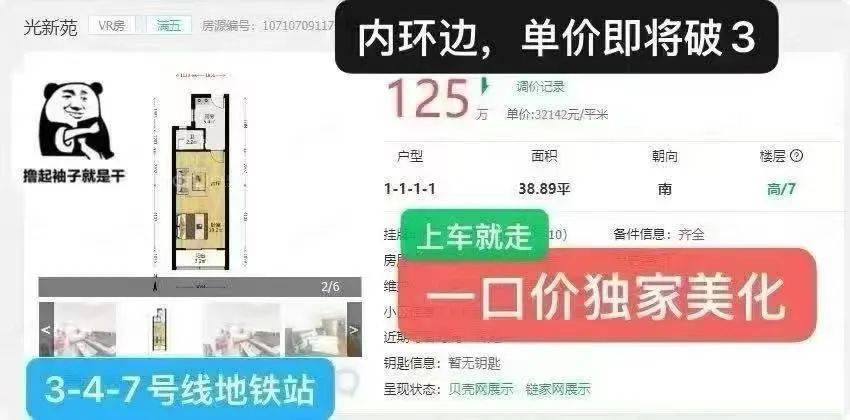
上海房产

Search documents
重大工程、城市更新,上海楼市还有一堆隐形利好
Di Yi Cai Jing· 2026-02-26 14:32
Core Viewpoint - The recent policy adjustments in Shanghai's real estate market, known as "沪七条," are interpreted as a signal to lower home purchase barriers and release potential buying power, alongside significant investments in major infrastructure projects for 2026 [1] Group 1: Policy Adjustments - Shanghai's new real estate policy includes optimizations in home purchase qualifications, public housing loans, and property taxes [1] - The adjustments are seen as a move to stimulate the housing market and enhance purchasing power [1] Group 2: Major Infrastructure Investments - The 2026 Shanghai Major Engineering Project List has been published, with an annual investment plan of 255 billion yuan, marking a historical high [1] - A total of 184 formal projects have been arranged, covering various sectors including technology, social welfare, ecological civilization, and urban infrastructure [1] - Urban infrastructure projects account for the highest proportion, with 68 projects included [1] Group 3: Key Projects and Impact - Several major hub-level projects are included in the investment list, such as the Shanghai East Station and the fourth phase of Pudong International Airport [1] - The construction of 15 new rail transit lines is planned, which will enhance commuting efficiency and the maturity of supporting facilities, particularly in outer ring and new city areas [1]
最近五年上海哪里的房价最稳定
3 6 Ke· 2026-02-05 02:50
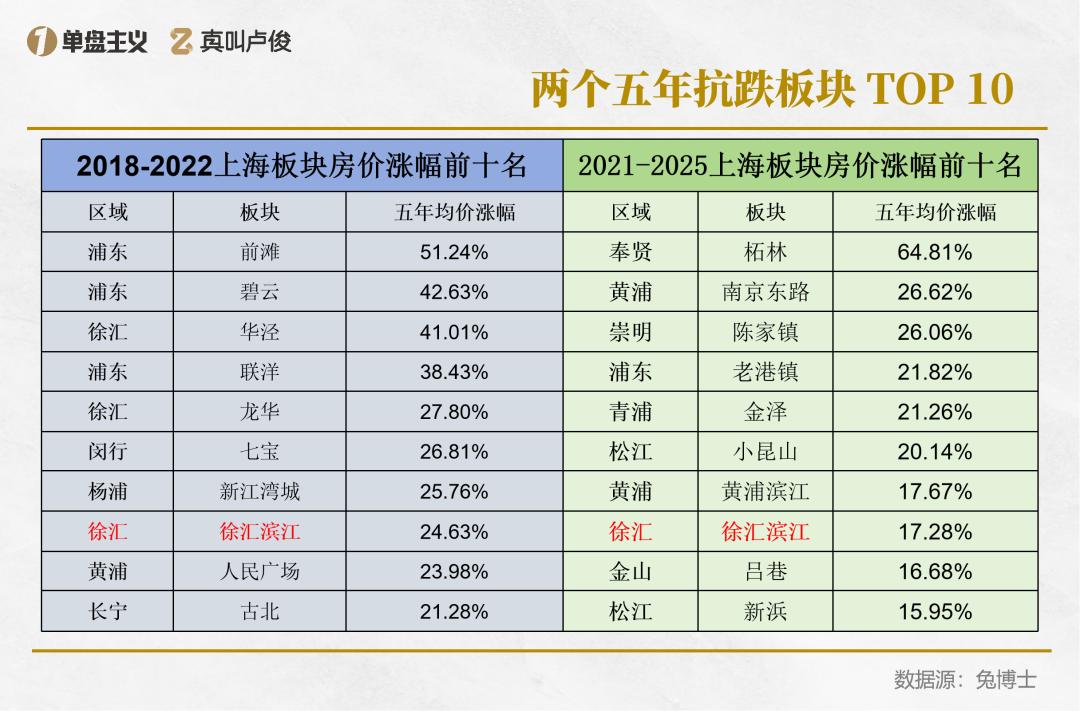
Core Insights - The article discusses the increasing divide in Shanghai's housing market, highlighting a disparity between perceived price drops and actual market conditions, particularly in desirable areas where prices remain stable or even increase [1] - It emphasizes that the resilience of housing prices in certain districts is influenced by various factors beyond just location, including infrastructure development and demographic changes [27] Group 1: Market Trends - The market temperature has indeed cooled, but the actual median price drop across major districts is only around 3.5% from the peak in 2021 to 2025, which contrasts sharply with more dramatic narratives of price declines [3] - Among 209 districts, 24 experienced over a 20% price drop, primarily in suburban areas where supply exceeds demand and amenities are still developing [5] - The average transaction size has increased, with over 80% of districts seeing growth in average transaction area, indicating a shift towards larger, more desirable living spaces [8] Group 2: Price Dynamics - Significant price increases in certain districts are driven by three key factors: major infrastructure projects, urban integration, and the release of scarce resources [12][19] - For example, the completion of new transit lines has redefined the accessibility and value of areas like Chenjia Town, leading to price increases [12] - The average price per square meter in various districts has shown substantial growth, with areas like Zhulin seeing a rise from 14,364 yuan/m² in 2021 to 23,673 yuan/m² in 2025 [16] Group 3: Structural Challenges - Districts experiencing significant price declines often face structural issues, such as outdated housing stock and slow urban renewal, leading to a net outflow of higher-income residents seeking better living conditions [21] - Traditional industries' migration or stagnation has also weakened local purchasing power, particularly in areas like Pudong's Gaoqiao and Caolu, where industrial shifts have not been matched by new job creation [21] - Over-supply of homogeneous housing in new urban developments has led to imbalances in supply and demand, causing price pressures in some areas [24] Group 4: Value Assessment - The article suggests that the importance of location is evolving, with a more complex value system emerging that includes factors like resource availability, demographic trends, and urban amenities [27] - Areas like Qingpu Jinze have seen price stability due to successful integration of industry and population growth, demonstrating the importance of planning and development [29] - High-end markets in central districts like Xuhui and Huangpu are less affected by market fluctuations due to their unique offerings and limited supply [31]

00后:我不要房子,我要开法拉利!上海楼市接盘侠,不见了?
Sou Hu Cai Jing· 2026-01-26 12:42
Core Insights - The Shanghai real estate market is experiencing significant price declines, with average listing prices for new and second-hand homes dropping nearly double digits over the past year, indicating a shift in market dynamics [3][5][19] - A generational shift in attitudes towards homeownership is evident, with younger generations prioritizing luxury items like cars over property, reflecting a broader change in lifestyle and investment perspectives [9][19] Market Trends - The market has seen a reversal in dynamics, with developers now in a reactive position, offering incentives such as parking spaces and discounts to attract buyers, who are now more patient and strategic in their purchasing decisions [5][15] - The traditional "buy high" mentality has shifted to a "wait and see" approach, where buyers are more inclined to hold off on purchases until prices drop further [5][17] Buyer Demographics - There is a noticeable "gap" in the buyer demographic, with the middle-class replacement chain for property purchases stagnating, leading to a decline in transactions among the core buyer groups [7][17] - High-end properties are still selling well, primarily to wealthy individuals and families, while the average young buyer is either opting to rent or completely disengaging from the market [11][19] Changing Attitudes - Younger generations, particularly those born after 2000, are increasingly viewing homeownership as less essential, with many expressing a preference for experiences and luxury items over property [9][19] - The perception of real estate as a primary asset class is diminishing, with a growing trend towards alternative investments such as stocks and funds, reflecting a shift in asset allocation strategies among middle-class families [17][19] Market Dynamics - The influx of investors in previous years has led to an oversaturation of the market, with many now facing financial strain and selling properties at a loss, further contributing to market volatility [15][17] - Developers are attempting to adapt by introducing new regulations and improving property features to attract buyers, but overall sales remain weak outside of the luxury segment [15][19]
对2026房价的侧面判断
Sou Hu Cai Jing· 2026-01-21 15:34
Group 1 - The core viewpoint indicates that the real estate market in Shanghai is currently driven by low-priced properties under 3 million, primarily catering to first-time homebuyers, with a notable decrease in the influx of new residents [1] - Shanghai's permanent resident population is projected to be 24.8 million, with a target of 25 million by 2035, suggesting limited growth in demand for affordable housing in the coming years [1] - The effective demand for properties priced around 3 million is expected to be low unless there is significant urban renewal, which may create new demand [1] Group 2 - The article suggests that the cyclical nature of the real estate market is unavoidable, and the best approach is to manage the pain through policy measures rather than attempting to eliminate the cycle [2] - There are rumors of potential policy relaxations in 2026, but the effectiveness of such measures in meeting market expectations is uncertain [2] - The current stability in the Shanghai real estate market indicates a period of observation is advisable, with ongoing policies suggesting that the market will continue in its current state [2]
对话楼市大咖:一线交易视角看上海楼市Q4的微观变化及未来展望
2025-11-26 14:15
Summary of Shanghai Real Estate Market Conference Call Industry Overview - The conference focuses on the Shanghai real estate market, particularly the trends in housing prices and transaction volumes from 2021 to 2026 [1][2][3]. Key Points and Arguments 1. **Price Trends**: - After a significant decline in housing prices from 2021 to 2024, a slowdown in the decline is expected in 2025, with an average drop of about 10% for ordinary residential properties and 20% for high-end properties priced over 10 million [1][3][30]. - The average monthly transaction volume in November 2025 is projected to reach approximately 22,000 units, comparable to 2019 levels [1][5][14]. 2. **Transaction Volume**: - The transaction volume for second-hand homes in Shanghai is expected to be significantly higher in 2025 compared to 2024, with November 2025 showing a notable increase in sales [1][5][29]. - A slight increase in transaction volume to about 21,000 units is anticipated for 2026, with overall housing prices remaining stable [2][20]. 3. **Market Dynamics**: - New policies have led to a reduction of approximately 20,000 listings in Shanghai, tightening the bargaining space to within 5% [1][7][8]. - The introduction of the "Nine Hui Fang" project by Lianjia has further reduced the negotiation space by promoting properties with prices close to market transaction prices [8][9]. 4. **Buyer Sentiment**: - Some buyers are hesitant due to concerns about further price declines, particularly in the high-end market [10][28]. - Tax reductions and low loan interest rates have attracted some buyers, especially for properties priced under 2 million [10][11]. 5. **Property Segmentation**: - Properties priced below 3 million account for over 60% of transactions, while those above 10 million represent less than 5% [4][28]. - Small units have seen a price drop of about 5%, while larger units may experience declines of up to 10% [13][32]. 6. **Future Market Outlook**: - The market's stability is contingent on employment and economic conditions, with potential speculation arising from the full lifting of purchase restrictions [2][20][33]. - The impact of the upcoming lifting of restrictions in 2026 is expected to primarily affect newer properties, with gradual price adjustments rather than immediate sell-offs [15][16]. Additional Important Insights - The rental yield for larger units is around 1.6%-1.7%, while older small units can exceed 2% [34]. - The current market is characterized by a predominance of first-time buyers, with a significant portion of transactions driven by local residents [31][27]. - The overall health of the Shanghai real estate market is deemed stable, with no immediate need for drastic policy interventions, although a complete lifting of purchase restrictions could lead to speculative activities [21][33]. This summary encapsulates the key insights from the conference call regarding the Shanghai real estate market, highlighting trends, buyer behavior, and future expectations.
2022年在上海买房的,亏了多少?
Sou Hu Cai Jing· 2025-11-18 19:14
Core Viewpoint - Shanghai's housing prices have been on a downward trend since mid-2022, with a projected decline of approximately 30% by early 2025, averaging a monthly decrease of 1% over 30 months [1] Group 1: Price Trends - The decline in Shanghai's housing prices is widely recognized, with reports indicating that certain areas may experience accelerated drops in the latter half of 2025 [1] - A specific case in the Yangpu District shows a significant price drop from 105,000 yuan per square meter in Q3 2022 to a current listing of 80,000 yuan, with potential negotiations bringing the effective price down further [1] Group 2: Market Dynamics - Despite ongoing reports of new homes seeing price increases and "sunshine" openings, the reality is that new homes often provide high commissions to agents, which are then returned to customers, indicating a disconnect between new and second-hand housing markets [1] - The narrative that new and second-hand homes are completely separate is inaccurate, as the decline in second-hand home prices is impacting the new home market more objectively [1]

花一代人的努力在上海买房定居值得吗?
Sou Hu Cai Jing· 2025-10-20 01:50
Group 1 - The article discusses the responsibilities of parents in supporting their children, emphasizing the importance of providing material support and removing obstacles for their success [1] - It highlights the significance of Shanghai as a city with abundant opportunities and a transparent competitive environment, making it an attractive place for individuals to settle down [2] - The article suggests that renting in Shanghai before making a long-term commitment to buying property is a prudent approach, allowing individuals to assess the city's suitability for their development [5] Group 2 - It notes that the real estate market in Shanghai has seen a decline, with overall second-hand housing prices dropping by 30% over the past three years, and some areas experiencing declines of up to 40% [5] - The article indicates that it is now possible to purchase property in Shanghai for around 3 million, countering the perception that a minimum of 5 million is required [5] - The decision-making process for individuals should consider their parents' expectations, financial capabilities, and personal aspirations, leading to a more informed conclusion about settling in Shanghai [5]
高频数据透视:上海房价到底了吗?
3 6 Ke· 2025-09-22 02:52
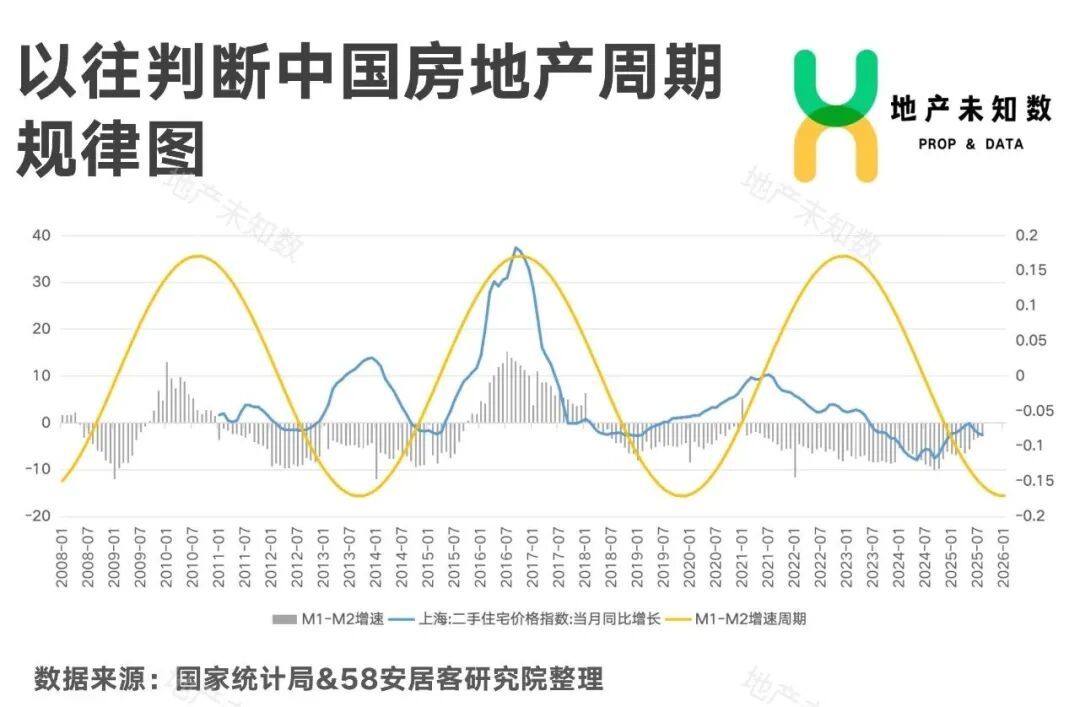
Core Viewpoint - The current focus on whether Shanghai's housing prices have bottomed out is driven by various signals, but uncertainties remain in the market [1] Group 1: Signals of Potential Bottoming - Historical cycles suggest a turning point may occur in January 2026, indicating a critical observation period for the current housing market [2][4] - The classic investment logic in Shanghai indicates that housing prices typically rise after a sustained increase in transaction volume, which has been observed with monthly transactions exceeding 20,000 units since last year [5][7] - The average price of second-hand homes in Shanghai has dropped by 32% from previous highs, nearing the threshold where policy intervention is expected [9] Group 2: Policy and External Environment - Recent policy changes have significantly lowered the barriers to home buying, including reduced costs and relaxed qualification requirements, which may stimulate demand [10] - The stock market's rise from 3,000 to 3,800 points could lead to a reallocation of profits into the real estate market, potentially increasing investment [10] - Simplified foreign exchange processes for overseas buyers may attract foreign investment, especially as the U.S. enters a rate-cutting cycle [10] Group 3: Diverging Predictions from Investment Banks - Various investment banks have revised their predictions regarding the bottoming of the housing market, with estimates ranging from late 2025 to 2027 based on different market conditions and inventory levels [11] Group 4: Market Dynamics and Data Insights - The current market is characterized by a "divided" landscape, where traditional indicators may no longer apply uniformly across different segments [12] - The 58 Anjuke Leading Index, which tracks online housing search behaviors, provides timely insights into market demand and price expectations, offering a more granular view of market dynamics [12][13] - Key high-frequency data indicates that the market adjustment is not yet complete, with declining search interest and high listing volumes suggesting ongoing supply pressures [14][17] Group 5: Current Market Conditions - The average time for a second-hand home to sell has exceeded 100 days, indicating a sluggish market where buyer hesitation is prevalent [25] - The "buyer hesitation index" remains high, reflecting cautious buyer sentiment, while sellers are still in a weaker position, necessitating price reductions to stimulate interest [28]
上海825楼市新政后:外环外冷热不均,环沪遭虹吸
首席商业评论· 2025-09-17 02:53
Core Viewpoint - The introduction of the 8.25 policy aims to stimulate the Shanghai real estate market, particularly during the traditional peak sales period of "Golden September and Silver October," by easing restrictions and providing financial incentives to buyers [3][8][10]. Summary by Sections Market Response - After the implementation of the 8.25 policy, Shanghai's second-hand housing transactions reached 19,912 units in August, a month-on-month increase of 2.97% and a year-on-year growth of 11.34% [3]. - New housing projects in the outer ring, such as Poly Haishangyin and Jinmao Tang, experienced immediate sales success, indicating a localized surge in demand [4]. Policy Details - The 8.25 policy includes three main components: relaxation of purchase restrictions in the outer ring, optimization of public housing fund policies, and adjustments to property tax regulations [6]. - Key changes include the removal of purchase limits for eligible residents in the outer ring, a 15% increase in public housing loan limits, and the introduction of tax exemptions for first-time buyers [6][8]. Market Conditions - The policy was introduced in response to a declining market characterized by falling prices and extended transaction cycles, with second-hand housing prices dropping for seven consecutive months [8][11]. - The average price of second-hand homes in Shanghai fell to 46,738 yuan per square meter in September, reflecting a month-on-month decrease of 0.79% and a year-on-year decline of 9.17% [11]. Regional Dynamics - The outer ring market shows signs of increased activity, but underlying pressures remain, with many sellers willing to lower prices to facilitate sales [11][17]. - In contrast, the inner ring market demonstrates stability due to its limited supply and high demand, maintaining its value amidst broader market fluctuations [18][20]. Implications for Buyers and Sellers - The new policy creates a favorable environment for first-time buyers, significantly lowering entry barriers and encouraging purchases in high-potential areas [25][27]. - Sellers in the outer ring are advised to adjust their pricing strategies to remain competitive, especially as new housing options become more attractive [25][27]. Broader Market Context - The 8.25 policy is seen as a targeted measure to alleviate high inventory levels in the outer ring while avoiding overheating in core areas [8][22]. - The surrounding regions, such as Suzhou, are experiencing challenges as they respond to Shanghai's policy changes, indicating a potential shift in demand dynamics [22][24].

上海房东扛不住了?上海房价正在疯狂打折出货。
Sou Hu Cai Jing· 2025-08-20 04:22
Core Insights - The article discusses the current state of the real estate market in Shanghai, highlighting a significant drop in property prices and the implications for potential investors and first-time buyers [5][7][8]. Group 1: Market Trends - Property prices in Shanghai have reportedly decreased by approximately 30%, yet they remain significantly higher than prices from 2015, indicating a potential overvaluation in the current market [7][8]. - The article notes that the historical trend of property prices suggests that after prolonged periods of increase or decrease, prices tend to revert to their intrinsic value, which is a pattern observed in the broader market [7][8]. Group 2: Investment Considerations - A specific property in the Putuo District is being marketed at a low price of around 30,000 yuan per square meter, attracting interest from potential investors despite concerns about rental yields and market risks [5]. - The discussion among potential investors reflects a cautious approach, weighing the benefits of immediate rental income against the risks of property depreciation and market volatility [5]. Group 3: Buyer Sentiment - There is a noticeable shift in sentiment among younger buyers, who are increasingly skeptical about the value of investing in real estate, feeling disillusioned by past price surges that outpaced their income growth [8]. - The article suggests that the current market conditions may deter young buyers from entering the market, as they prioritize financial stability over property investment [5][8].