
狭义货币(M1)

Search documents
促消费政策显效 企业贷款保持增势 电商物流指数走高 多项数据释放需求端积极信号
Zhong Guo Zheng Quan Bao· 2025-10-21 22:26
Group 1: Economic Indicators - The core Consumer Price Index (CPI) has increased for the fifth consecutive month, with a year-on-year rise of 1% in September, marking the first time in 19 months that the increase has returned to 1% [2] - The narrow gap between narrow money (M1) and broad money (M2) has shrunk to 1.2 percentage points, the lowest this year, indicating improved business activity and personal investment demand [3] - The logistics industry has maintained a positive outlook, with the logistics industry prosperity index at 51.2% in September, reflecting a continuous demand for logistics services [4] Group 2: Consumer Demand and Spending - The rise in core CPI suggests accelerated consumer demand, particularly in quality and upgraded consumption, with notable price increases in sectors such as arts and crafts (14.7%), sports equipment (4%), and nutritional foods (1.8%) [2] - E-commerce logistics have shown strong demand, with the e-commerce logistics index reaching a new high of 112.7 points in September, driven by seasonal consumption and holiday factors [5][6] - The overall consumer market remains stable, with policies aimed at expanding domestic demand and promoting consumption showing positive effects [2] Group 3: Financial Sector and Lending - Corporate loans have shown a positive growth trend, particularly in key sectors like equipment manufacturing and high-tech manufacturing, with a year-on-year increase of 8.2% in medium to long-term loans for the manufacturing sector [3] - Personal credit demand has rebounded, supported by lower interest costs and adjustments in housing purchase policies in major cities, leading to a 7% year-on-year increase in housing transaction volume in September [3] - Financial mechanisms are expected to play a crucial role in stimulating effective demand in the real economy through interest rate adjustments and coordinated market rates [3]
A500ETF基金(512050)成交额超32亿居同类第一,机构称“活钱”的持续提升或助推市场上行
Xin Lang Cai Jing· 2025-10-17 03:30
Group 1 - The A500 index components showed mixed performance, with Huatian Technology leading the gains at 10.02%, followed by Wentai Technology at 5.96% and Shandong Gold at 3.29%, while Desay SV fell [1] - The A500 ETF fund's latest price is 1.15 yuan, with a turnover rate of 19.72% and a trading volume of 3.248 billion yuan, indicating active market trading [1] - As of October 16, the A500 ETF fund had an average daily trading volume of 5.003 billion yuan over the past month, ranking first among comparable funds [1] Group 2 - The A500 index consists of 500 securities selected from various industries based on market capitalization and liquidity, reflecting the overall performance of representative listed companies [2] - As of September 30, 2025, the top ten weighted stocks in the A500 index accounted for 19% of the index, including Ningde Times, Kweichow Moutai, and China Ping An [2] - The A500 ETF fund and its enhanced version closely track the A500 index, with various related index funds available for investment [2]






M1与M2剪刀差明显收敛 9月末社融存量同比增8.7%
Mei Ri Jing Ji Xin Wen· 2025-10-16 14:53
Core Insights - The People's Bank of China reported that the total social financing scale reached 437.08 trillion yuan by the end of September, with a year-on-year growth of 8.7% [1] - The increase in social financing is significantly supported by accelerated government bond issuance and improved corporate bond and equity financing channels [4] Monetary Policy and Financing - The broad money supply (M2) stood at 335.38 trillion yuan at the end of September, reflecting a year-on-year increase of 8.4%, supported by proactive fiscal policies and moderately loose monetary policies [3][8] - The weighted average interest rate for new corporate loans was approximately 3.1%, down about 40 basis points year-on-year, indicating a generally abundant supply of credit resources [3][5] Social Financing Growth - In the first three quarters, the incremental social financing totaled 30.09 trillion yuan, which is 4.42 trillion yuan more than the same period last year [4] - Government bonds played a crucial role in supporting social financing, with net financing of 11.46 trillion yuan in the first three quarters, an increase of 4.28 trillion yuan year-on-year [4] Credit Supply and Demand - By the end of September, the balance of RMB loans was 270.39 trillion yuan, showing a year-on-year growth of 6.6% [5] - The low interest rates indicate a high level of credit resource supply, meeting the financing needs of the real economy effectively [6][7] Consumer Behavior and Market Dynamics - The recent increase in M1, which reached 113.15 trillion yuan with a year-on-year growth of 7.2%, signals a recovery in personal investment and consumption demand [8] - The phenomenon of "deposit migration" reflects residents reallocating their savings into higher-yielding assets, influenced by changing interest rates and market conditions [9]

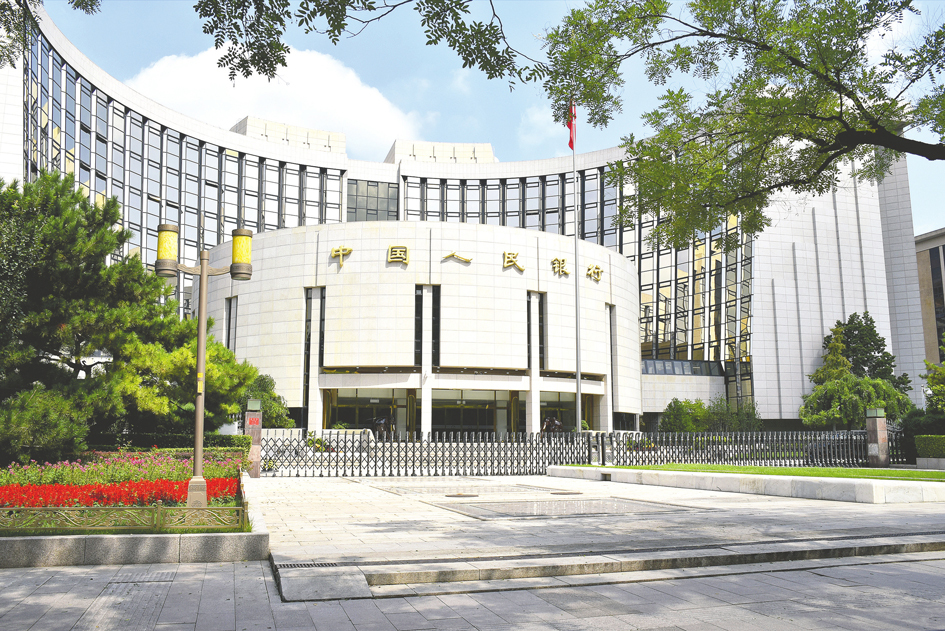
最新金融数据出炉 释放了什么信号?
Sou Hu Cai Jing· 2025-10-16 05:19
Core Insights - The People's Bank of China reported a strong growth in social financing and monetary supply, indicating a supportive monetary environment for economic recovery [1][3][8] Group 1: Social Financing and Monetary Supply - As of September 2025, the total social financing stock reached 437.08 trillion yuan, a year-on-year increase of 8.7% [1] - The broad money supply (M2) stood at 335.38 trillion yuan, growing by 8.4% year-on-year, while the narrow money supply (M1) was 113.15 trillion yuan, up 7.2% [1] - The incremental social financing for the first three quarters was 30.09 trillion yuan, exceeding the previous year's figure by 4.42 trillion yuan, reflecting a robust financial support for the real economy [1][3] Group 2: Government and Corporate Financing - In the first three quarters, net financing through corporate bonds was 1.57 trillion yuan, a decrease of 151 billion yuan year-on-year, while government bonds saw net financing of 11.46 trillion yuan, an increase of 4.28 trillion yuan [3] - The issuance of special long-term government bonds amounted to 1.3 trillion yuan, an increase of 300 billion yuan compared to the previous year [4] Group 3: Credit Growth and Loan Distribution - Corporate loans increased by 13.44 trillion yuan in the first three quarters, with medium to long-term loans accounting for over 60% of this amount [5] - By the end of September, the balance of inclusive small and micro loans was 36.09 trillion yuan, reflecting a year-on-year growth of 12.2% [5] - Household loans increased by 1.1 trillion yuan in the first nine months, with medium to long-term loans rising by 1.33 trillion yuan [6] Group 4: Economic Implications - The data indicates a commitment from policymakers to maintain a stable economic growth through a moderately loose credit environment, especially in light of ongoing internal and external demand challenges [8] - The narrowing gap between M1 and M2 growth rates suggests an increase in business activity and a recovery in personal consumption demand [7]
2025年前三季度国内金融数据概览
Sou Hu Cai Jing· 2025-10-16 02:52
Monetary Supply and Growth - As of the end of September, the broad money supply (M2) reached 335.38 trillion yuan, reflecting a year-on-year growth of 8.4% [1] - The narrow money supply (M1) stood at 113.15 trillion yuan, with a year-on-year increase of 7.2% [1] - The currency in circulation (M0) amounted to 13.58 trillion yuan, showing a year-on-year growth of 11.5% [1] - In the first three quarters, a net cash injection of 761.9 billion yuan was recorded [1] Social Financing and Loans - The total social financing scale increased by 30.09 trillion yuan in the first three quarters, surpassing the previous year's figure by 4.42 trillion yuan [2] - The balance of loans to the real economy reached 267.03 trillion yuan by the end of September, with a year-on-year growth of 6.4% [3] - In the first three quarters, RMB loans increased by 14.75 trillion yuan, with household loans rising by 1.1 trillion yuan and corporate loans increasing by 13.44 trillion yuan [4] Deposits and Financial Market Rates - By the end of September, the total balance of RMB deposits was 324.94 trillion yuan, reflecting a year-on-year growth of 8% [5] - The average interbank borrowing rate in September was 1.45%, down 0.33 percentage points from the same period last year [6] - The one-year loan market quoted interest rate was 3.00%, and the rate for loans over five years was 3.50%, both lower by 0.1 percentage points compared to the end of last year [7] Currency Exchange Rates - As of the end of September, the CFETS RMB exchange rate index was 96.77, a decrease of 4.63% compared to the end of last year [8] - The RMB appreciated by 1.17% against the US dollar but depreciated by 9.71% against the euro and 3.40% against the Japanese yen [8]
9月末中国M2余额同比增8.4%
Zhong Guo Xin Wen Wang· 2025-10-15 19:49
Core Insights - The People's Bank of China reported that as of the end of September, the broad money supply (M2) reached 335.38 trillion yuan, reflecting a year-on-year growth of 8.4% [1] - The narrow money supply (M1) stood at 113.15 trillion yuan, with a year-on-year increase of 7.2% [1] - The currency in circulation (M0) amounted to 13.58 trillion yuan, showing a year-on-year growth of 11.5% [1] - In the first three quarters, a net cash injection of 761.9 billion yuan was recorded [1] Monetary Trends - The "scissors gap" between M1 and M2 has narrowed significantly this year, with the gap reducing to 1.2 percentage points in September, indicating increased business activity and a recovery in personal investment and consumption demand [1] - In terms of loan data, total new RMB loans increased by 14.75 trillion yuan in the first three quarters [2] - Household loans rose by 1.1 trillion yuan, with short-term loans decreasing by 230.4 billion yuan and medium to long-term loans increasing by 1.33 trillion yuan [1] - Corporate loans increased by 13.44 trillion yuan, with short-term loans rising by 4.53 trillion yuan and medium to long-term loans increasing by 8.29 trillion yuan [1] Economic Support - The chief economist of China Minsheng Bank noted that credit issuance typically increases seasonally at the end of the quarter, but efforts are made to balance scale and efficiency, maintaining a steady overall credit scale in September [1] - The financial system's support for the real economy remains robust, with loan interest rates remaining low for an extended period, indicating ample supply of credit resources and high satisfaction of financing needs in the real economy [2]
前三季度社会融资增量突破30万亿元
Qi Huo Ri Bao Wang· 2025-10-15 19:30
Core Insights - The People's Bank of China reported that in the first three quarters, RMB loans increased by 14.75 trillion yuan, and the total social financing scale increased by 30.09 trillion yuan, which is 4.42 trillion yuan more than the same period last year [1] - The growth in social financing reflects strong financial support for the real economy, with government bonds and on-balance-sheet loans being the main contributors [1][2] - The broad money supply (M2) grew by 8.4% year-on-year, while narrow money (M1) increased by 7.2%, indicating improved liquidity and efficiency in the financial system [3] Group 1: Social Financing and Loans - In September, RMB loans increased by 1.29 trillion yuan, and social financing increased by 35.34 billion yuan, maintaining a robust growth trend [1] - The structure of new loans shows an improvement, with short-term corporate loans increasing by 250 billion yuan, while bill financing decreased by 471.2 billion yuan [2] - The overall loan balance growth rate was 6.6%, which is significantly higher than the nominal GDP growth rate, indicating strong support for the macroeconomic recovery [2] Group 2: Monetary Supply and Policy Outlook - The M1 and M2 growth rates indicate a narrowing gap, reflecting increased activity in corporate operations and a recovery in personal consumption [3] - The central bank is expected to implement a new round of interest rate cuts and reserve requirement ratio reductions by the end of the year to stimulate financing demand [4] - A policy tool worth 500 billion yuan is set to be released in October, which may further support credit expansion and boost infrastructure investment [3]
央行:9月末,广义货币(M2)余额335.38万亿元,同比增长8.4%
Mei Ri Jing Ji Xin Wen· 2025-10-15 16:02
Core Insights - As of the end of September, the broad money supply (M2) reached 335.38 trillion yuan, reflecting a year-on-year growth of 8.4% [1] - The narrow money supply (M1) stood at 113.15 trillion yuan, with a year-on-year increase of 7.2% [1] - The currency in circulation (M0) amounted to 13.58 trillion yuan, showing a year-on-year growth of 11.5% [1] - In the first three quarters, a net cash injection of 761.9 billion yuan was recorded [1]
同比增长8.4%!刚刚,央行重磅发布
2 1 Shi Ji Jing Ji Bao Dao· 2025-10-15 11:45
Key Points - The People's Bank of China released financial statistics for the first three quarters of 2023, highlighting significant monetary and financing data [1] Monetary Data - As of September 2025, the broad money supply (M2) reached 335.38 trillion yuan, with a year-on-year growth of 8.4%, which is 1.5 percentage points higher than the same period last year [3] - The narrow money supply (M1) stood at 113.15 trillion yuan, showing a year-on-year increase of 7.2% [3] Financing Data - The total social financing stock was 437.08 trillion yuan, reflecting a year-on-year growth of 8.7%, which is 0.7 percentage points higher than the previous year [3] - In the first three quarters, the incremental social financing amounted to 30.09 trillion yuan, which is 4.42 trillion yuan more than the same period last year [3] Loan and Deposit Data - By the end of September, the balance of various RMB loans was 270.39 trillion yuan, with a year-on-year growth of 6.6% [3] - The total balance of deposits in both RMB and foreign currencies reached 332.18 trillion yuan, marking an 8.3% year-on-year increase, while the RMB deposit balance was 324.94 trillion yuan, up 8% year-on-year [3]

前9月新增社融30.09万亿元 9月末M2同比增长8.4%
Zhong Guo Jing Ji Wang· 2025-10-15 11:26
Group 1 - The total social financing stock reached 437.08 trillion yuan by the end of September 2025, showing a year-on-year growth of 8.7% [2][3] - The balance of RMB loans to the real economy was 267.03 trillion yuan, increasing by 6.4% year-on-year, while foreign currency loans decreased by 18% [2][3] - The government bond balance grew significantly by 20.2% year-on-year, reaching 92.55 trillion yuan [2][3] Group 2 - The cumulative increase in social financing for the first three quarters of 2025 was 30.09 trillion yuan, which is 4.42 trillion yuan more than the same period last year [4] - RMB loans to the real economy increased by 14.54 trillion yuan, which is a decrease of 8.51 billion yuan compared to the previous year [4] - The net financing of government bonds was 11.46 trillion yuan, an increase of 4.28 trillion yuan year-on-year [4] Group 3 - The broad money supply (M2) reached 335.38 trillion yuan by the end of September, with an annual growth of 8.4% [5] - The narrow money supply (M1) was 113.15 trillion yuan, growing by 7.2% year-on-year [5] - Cash in circulation (M0) increased by 11.5% year-on-year, totaling 13.58 trillion yuan [5] Group 4 - RMB deposits increased by 22.71 trillion yuan in the first three quarters, with household deposits rising by 12.73 trillion yuan [6][7] - The total balance of foreign currency deposits was 1.02 trillion USD, reflecting a year-on-year growth of 20% [8] Group 5 - By the end of September, the total balance of RMB and foreign currency loans was 274.33 trillion yuan, with RMB loans increasing by 14.75 trillion yuan [9] - The balance of foreign currency loans was 554.4 billion USD, showing a year-on-year decline of 5.3% [10] Group 6 - The national foreign exchange reserves stood at 3.34 trillion USD by the end of September [11] - The cross-border RMB settlement amount under the current account reached 13.06 trillion yuan in the first three quarters [11]