稀土博弈

Search documents
特朗普投资几百亿开发稀土,中国稀土出口暴增660%的致命逻辑
Sou Hu Cai Jing· 2025-07-23 05:10
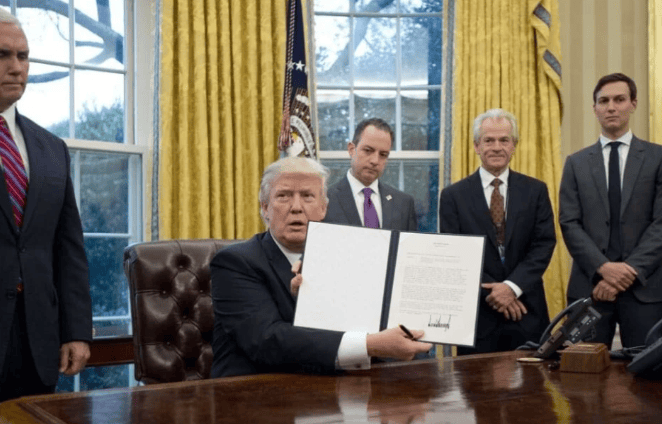
Core Viewpoint - The U.S. is facing a significant crisis in rare earth elements (REE), heavily reliant on China for military applications, which exposes strategic vulnerabilities and may lead to costly failures in its "decoupling" strategy from Chinese supply chains [1][3][10] Group 1: U.S. Military and Supply Chain Issues - The U.S. military's dependence on China for REE is critical, with 90% of military-grade REE sourced from China, leading to production halts in key defense projects like the Raytheon Tomahawk missile and Pratt & Whitney engine upgrades [1][3] - The Pentagon's strategic reserves are only sufficient for 9 months, highlighting the urgency of the situation [1] Group 2: Legislative and Corporate Responses - The U.S. Senate is attempting to advance the Critical Minerals Act, but major companies like General Motors and Tesla oppose it due to potential cost increases of $500 for electric vehicles if they sever ties with Chinese supply chains [1][3] - The U.S. government has invested hundreds of billions to reduce reliance on China, including a $4 billion acquisition of MP Materials shares and a $110 per kilogram long-term procurement contract [3] Group 3: China's Strategic Position - China has increased its REE exports to the U.S. significantly in June, but this was primarily due to the release of previously backlogged orders rather than a genuine increase in supply [5] - China's export strategy is selective, prioritizing long-term contracts and controlling high-purity REE exports critical for military applications [5][9] Group 4: Technological and Market Control - China is advancing its technological edge in REE extraction and processing, with estimates suggesting that the U.S. may need 10 to 20 years and trillions in investment to catch up [3][7] - China has also implemented stricter export controls on REE technologies, which could hinder U.S. capabilities in critical sectors [7][9] Group 5: Long-term Implications - The U.S. is at a crossroads, facing the dilemma of either paying high prices for Chinese REE or risking paralysis in its military and renewable energy sectors [9][10] - The competition for REE has evolved beyond a trade war, with China potentially monopolizing the secondary supply of REE by 2030, further complicating U.S. efforts to establish independence [10]


三倍出口量破局!巴西稀土倒戈中国,美国万亿布局彻底崩塌
Sou Hu Cai Jing· 2025-07-22 11:16
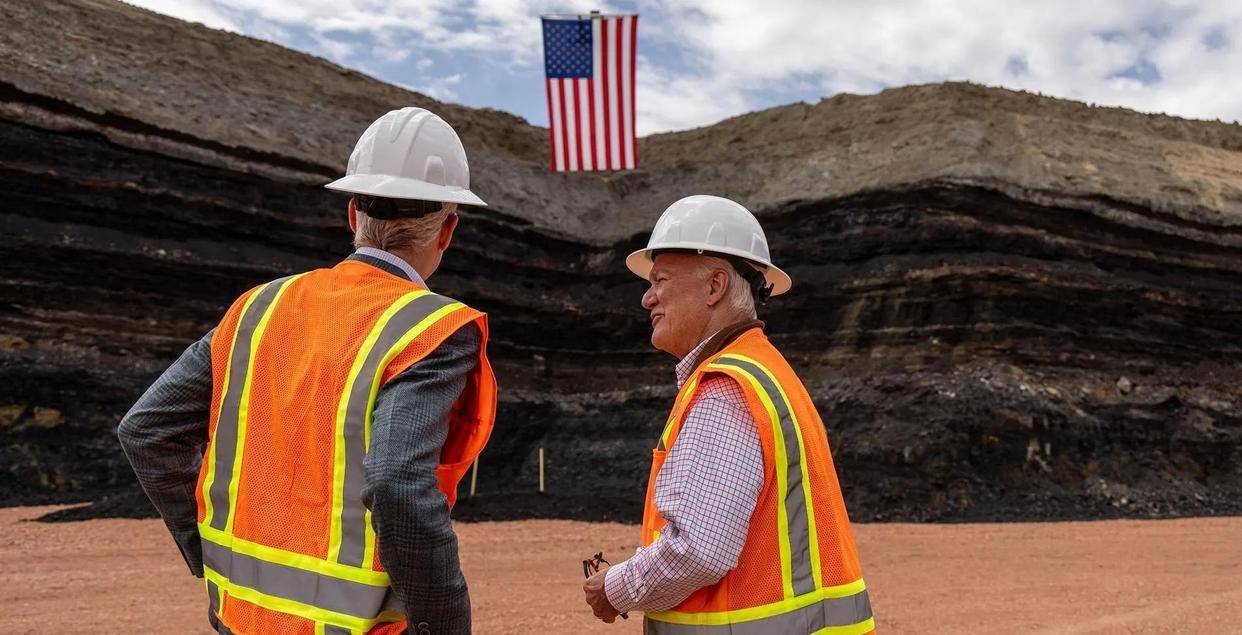
Core Insights - The article highlights the significant shift in the global rare earth market, particularly focusing on Brazil's increasing exports to China, which have reached 32,000 tons, four times the annual production of the United States, marking the end of the "rare earth cold war" initiated in 2018 [1] Group 1: Brazil-China Cooperation - Brazil's Minister of Mining, Gustavo Mendes, emphasized the strategic decision to align with China rather than the U.S., citing Brazil's 21 million tons of rare earth reserves, with 37% being heavy rare earths, which complement China's supply [2] - The signing of the "Rare Earth Full Chain Cooperation Agreement" has led to an 8.3% GDP growth in Northern Brazil and the creation of 27,000 jobs in the first year of cooperation [2] - The agreement includes technology transfer from China to Brazil, with China providing patents for permanent magnet technology in exchange for priority purchasing rights [2] Group 2: U.S. Challenges - The U.S. faces a significant challenge as China's processing capacity accounts for 92% of the global market, while the U.S. only produces 8,000 tons annually with lower purity [4] - The U.S. has attempted to counter this by employing tactics such as technology coercion, price suppression, and negative media campaigns against Chinese rare earths [4][5][6] - Despite these efforts, China has implemented a "rare earth RMB settlement" mechanism, which has altered the pricing dynamics in the market [5] Group 3: China's Technological Advancements - China has developed advanced extraction technologies, achieving a 40% reduction in energy consumption for ion-type rare earth extraction [4] - The production efficiency in China is significantly higher, with a single production line capable of processing 500 tons daily compared to the U.S. counterpart's 80 tons [8] - China holds 62% of global rare earth patents, creating substantial barriers for U.S. companies to compete effectively [10] Group 4: Future Trends in Rare Earths - The article discusses the emerging "element wars" in the context of the new energy era, highlighting the critical role of rare earths in technologies such as electric vehicles and military applications [10] - Countries like Australia are shifting their alliances, moving away from U.S. joint ventures to engage with Chinese rare earth funds [10] - Innovations in recycling and deep-sea mining are being explored, with significant cost advantages over traditional mining methods [10]
刚接受中国帮助的友国,转头就要“叛变”帮美国解决稀土问题,中方会如何应对挑战?
Sou Hu Cai Jing· 2025-07-01 08:47
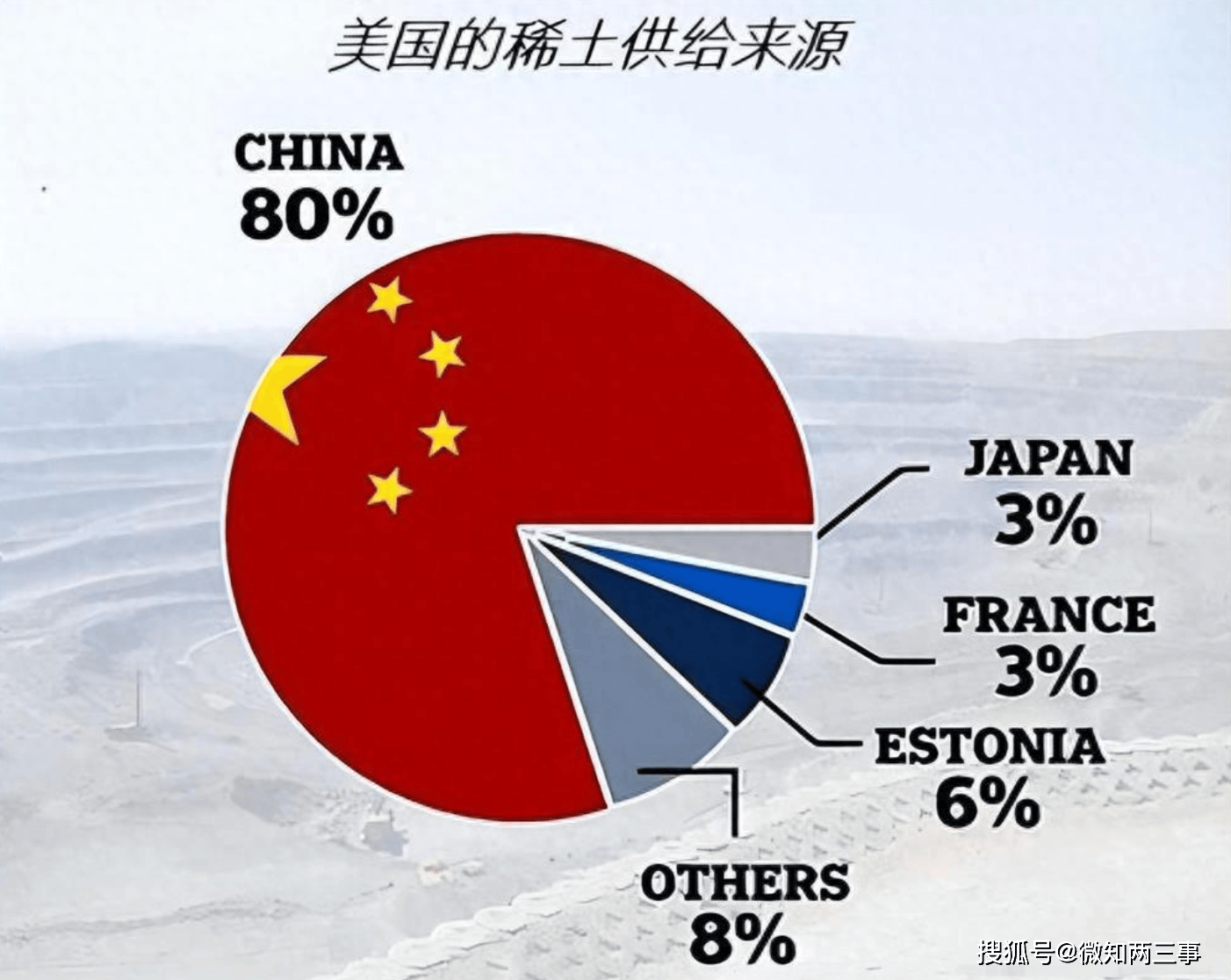
Group 1 - Indonesia has recently completed a $5.9 billion electric vehicle battery center funded by China, symbolizing the close relationship between China and Indonesia [1] - Indonesia's Economic Coordinating Minister, Airlangga, has proposed a joint investment in rare earth mineral projects with the United States, indicating a shift in strategy amidst economic pressures [1][3] - The U.S. imposed a 32% "reciprocal tariff" on Indonesia, prompting the country to seek exemptions through cooperation with the U.S. [1][3] Group 2 - The U.S. has rich rare earth resources but lacks the technology for extraction and processing, while Indonesia possesses 2.8 million tons of rare earth resources but also lacks mature refining capabilities [3][4] - Rare earth elements are crucial for modern technology, including smartphones and electric vehicles, making them a focal point in U.S.-China relations [3][4] - Japan is also attempting to challenge China's dominance in rare earths by planning to start deep-sea mineral resource extraction by 2026, although it faces significant technical and cost challenges [3][4] Group 3 - The complexity of the global rare earth supply chain is highlighted by the interwoven interests and geopolitical struggles among nations, with both Indonesia's and Japan's efforts reflecting anxiety over China's dominance [4][6] - Indonesia's strategy to escape U.S. tariff threats may not be wise without addressing technological and market gaps [6] - The situation serves as a reminder for China to focus on technological accumulation and industry chain improvement to maintain competitive advantages in international trade [6][7] Group 4 - The rare earth issue represents not only a technological and market competition but also a clash of national will and strategic positioning [7] - The evolving global economic landscape will determine which nations can navigate the challenges and emerge successfully in the ongoing geopolitical contest over rare earth resources [7]
中国商务部重磅发声,“坚决反对”四个字,美国人能看懂
Sou Hu Cai Jing· 2025-06-28 16:51
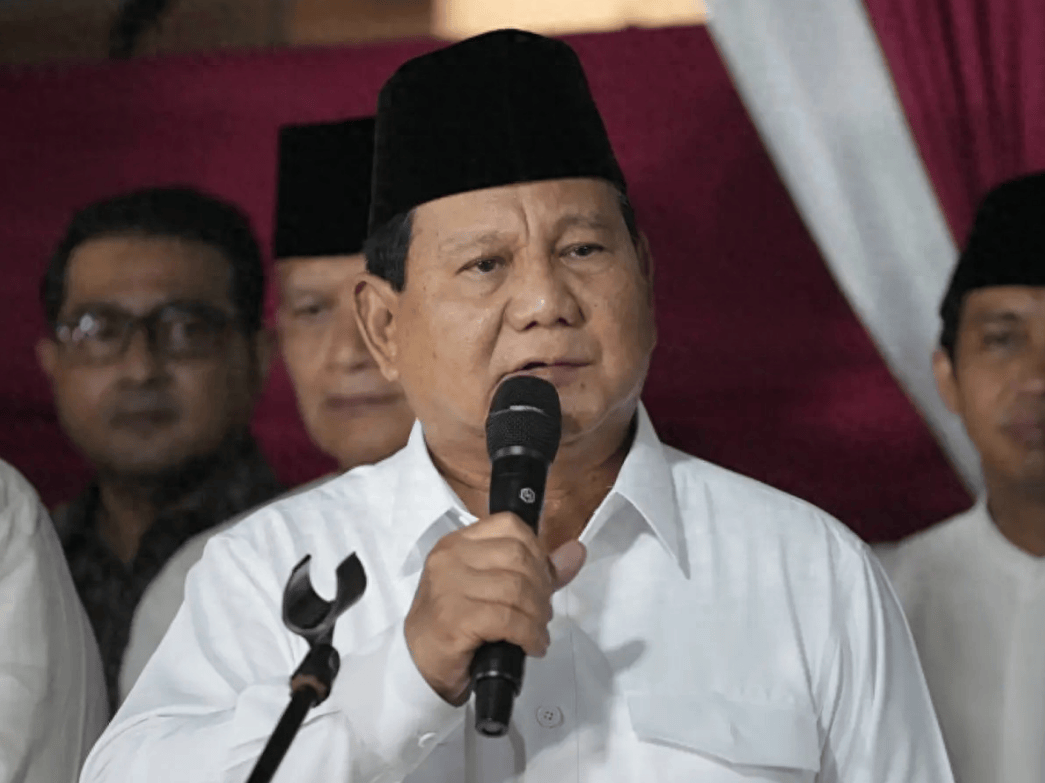
Core Viewpoint - The article discusses the escalating trade tensions between the United States and China, highlighting China's firm opposition to U.S. tariffs and the broader implications for global trade dynamics [1][3]. Group 1: U.S. Tariff Strategy - Trump's "reciprocal tariffs" are characterized as a gamble, with a sudden increase of 10% tariffs on all trade partners and a 34% tariff on Chinese goods, aiming to reshape global trade rules through unilateral actions [4]. - The U.S. strategy involves a "divide and conquer" approach, attempting to isolate trade partners and force them into unequal agreements, as evidenced by the announcement of potential agreements with select countries while sidelining others [4][6]. - The European Union faces a dilemma, with leaders warning against accepting unequal agreements while preparing for potential high tariffs [4]. Group 2: China’s Response and Strategy - China has established a counter-strategy, including significant price reductions in semiconductor manufacturing and strengthening regional trade agreements, such as the China-ASEAN Free Trade Area [9]. - The Chinese government emphasizes its control over strategic resources, particularly rare earth elements, which are crucial for U.S. military applications, indicating a strategic leverage point in the trade conflict [7][11]. - China's response mechanisms have evolved, with quicker reaction times and a more sophisticated array of countermeasures, including tariffs and legal actions through the WTO [11]. Group 3: Global Trade Dynamics - The article highlights the shifting trade landscape, with ASEAN's trade with China surpassing that with the U.S., indicating a realignment of global trade relationships [9]. - The establishment of a cross-border payment system in RMB and various currency swap agreements signifies China's efforts to enhance its financial influence globally [9]. - The ongoing negotiations and strategic maneuvers reflect a broader struggle for dominance in global trade, with both nations seeking to secure their interests amid rising tensions [3][9].
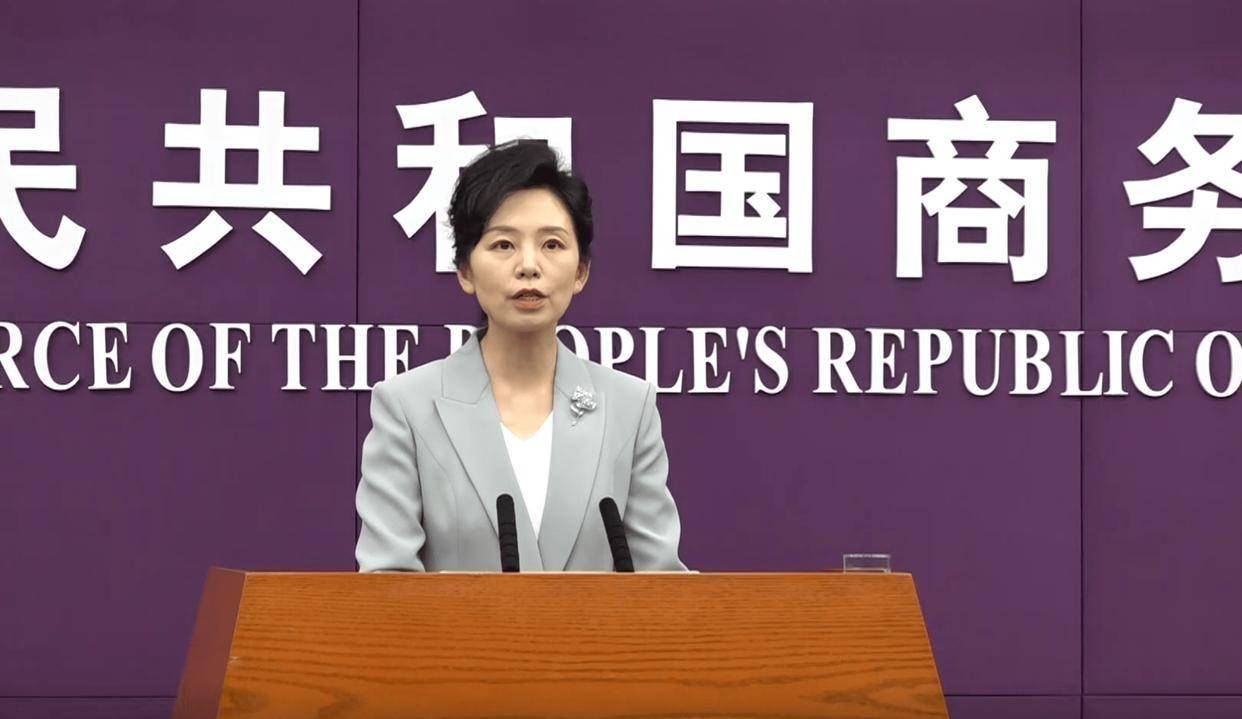
长江商学院副院长滕斌圣:稀土博弈像掼蛋一样,中国在关键节点打了手好牌
Feng Huang Wang Cai Jing· 2025-06-28 06:30
Group 1 - The "2025 China Enterprises Going Global Summit" was held in Shenzhen, focusing on providing a high-end platform for Chinese companies to tackle challenges in globalization amidst global industrial chain restructuring [1] - The theme of the summit was "For an Open World," aiming to facilitate resource connection and dialogue on rules among Chinese enterprises [1] Group 2 - Teng Binsheng, Vice Dean of the Cheung Kong Graduate School of Business, described the current globalization process for Chinese enterprises as a "breakthrough battle," emphasizing the necessity for companies to "go out" due to intense internal competition [3] - He compared the global landscape to the late Zhou Dynasty or the Spring and Autumn period, indicating that the international frameworks represented by the WTO and the UN have been significantly weakened [3] - Teng highlighted the challenges faced by Chinese companies, using the example of the US-China tariff war, where tariffs on Chinese products increased by 30% during a 90-day equal tariff window, complicating the situation for Chinese enterprises [4]

欧盟“臭鱼论”背后的稀土博弈:中欧战略互信的试金石
Sou Hu Cai Jing· 2025-06-28 02:19
Group 1 - The EU expresses frustration and strategic anxiety regarding China's rare earth export controls, highlighting its vulnerability in the supply chain [2][3] - The EU's automotive and renewable energy sectors are facing significant production challenges due to shortages of rare earth materials, with major companies like Volkswagen and BMW forced to reduce output [2] - The EU's contradictory stance of imposing restrictions on Chinese companies while demanding China to ease rare earth export controls reflects a strategic inconsistency [2][4] Group 2 - China's rare earth policy is framed as aligning with international norms, emphasizing national security and the prevention of military proliferation [3] - The core objectives of China's rare earth policy include maintaining national security, establishing new global supply chain governance rules, and differentiating its approach to various markets [3][4] - The EU's "stinking fish" metaphor reveals its short-sightedness in acknowledging its dependence on Chinese rare earths while attempting to pressure China instead of seeking cooperation [4][8] Group 3 - The upcoming China-EU summit will focus on the rare earth issue, with potential for dialogue if the EU shifts from a victim mentality to respecting China's core interests [5][7] - China's Foreign Minister Wang Yi is actively engaging in diplomacy with the EU, signaling a desire for cooperation to resolve differences [6][7] - The future of China-EU relations hinges on the EU's ability to adopt a respectful and equal approach in negotiations, as continued double standards may exacerbate tensions over rare earths [8]

中国稀土卡脖子有多狠?印度稀土“双面操作”让日本傻眼了
Sou Hu Cai Jing· 2025-06-17 09:09
Group 1 - The core issue revolves around India's sudden decision to halt rare earth exports to Japan, which has significant implications for the global rare earth market and geopolitical dynamics [1][8][10] - The backdrop of this decision includes a recent meeting between Chinese and Indian diplomats, where India requested a relaxation of China's rare earth export controls due to pressures on its automotive industry [4][6][12] - India's automotive sector is facing a crisis due to China's stringent export regulations, which have severely limited India's access to necessary rare earth materials [12][18][19] Group 2 - The abrupt termination of the supply agreement with Japan, which involved over 1,000 tons of rare earth materials annually, highlights India's reliance on rare earth imports for its manufacturing sector [23][25] - Japan's dependency on India for approximately 13% of its rare earth imports underscores the strategic importance of this relationship, especially in light of Japan's efforts to diversify away from Chinese sources [25][27] - India's rare earth production capabilities are limited, with a significant portion of its output being unprocessed ore, raising questions about its ability to meet domestic demand despite the halt in exports to Japan [21][29] Group 3 - The decision to cut off supplies to Japan may be a strategic move by India to leverage its position for technology transfers and industrial cooperation, rather than a purely domestic supply issue [30][32] - India's actions could damage its international credibility, making future collaborations in sensitive sectors more challenging [32][34] - The broader context reveals that technological capabilities in refining and processing rare earths are more critical than mere resource availability, with China currently dominating the global market [34][36]
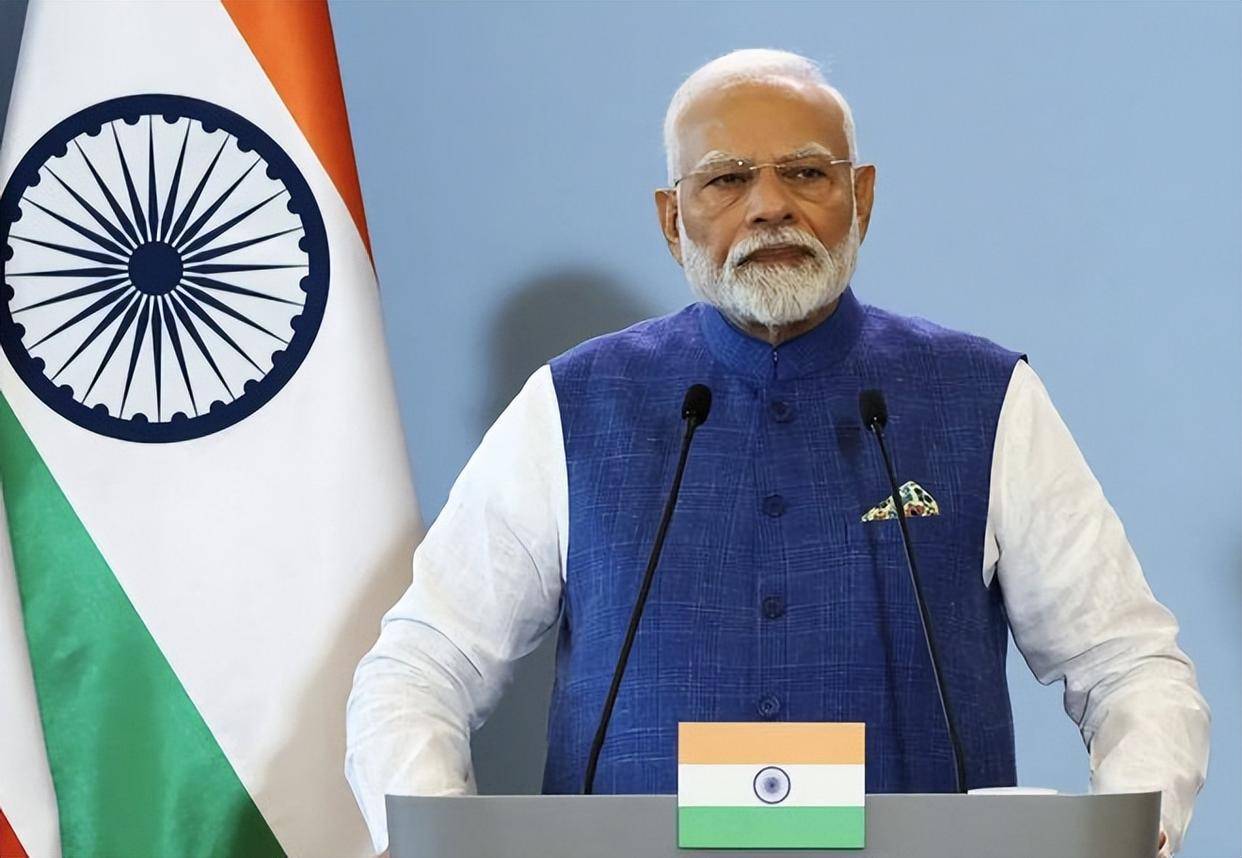
商务部最新官宣,中国稀土出口突然开闸,美国为什么更慌了?
Sou Hu Cai Jing· 2025-06-13 10:50
Core Viewpoint - The recent approval of certain rare earth export licenses by China is a strategic move that highlights the importance of rare earth materials in the ongoing geopolitical tensions, particularly between China and the United States [1][6]. Group 1: Rare Earths as Strategic Assets - Rare earth materials are increasingly viewed as a "nuclear weapon" in the context of great power competition, especially for the U.S. military, which relies heavily on these materials for advanced weaponry like the F-35 fighter jet [3][4]. - The U.S. Department of Defense acknowledges that 97% of its heavy rare earth supply is dependent on China, indicating a significant vulnerability in U.S. military production capabilities [4]. Group 2: U.S.-China Negotiations - During recent trade talks in London, the U.S. aimed to address rare earth supply issues, with high-ranking officials suggesting that U.S. export controls would be relaxed if China increased its rare earth exports [6]. - China has strategically linked rare earth exports to broader trade negotiations, demanding concessions from the U.S. such as the removal of tariffs and the opening of markets, showcasing a calculated approach to leverage its position [6][10]. Group 3: China's Strategic Control - China's control over the entire rare earth supply chain—from mining to refining—gives it a dominant position in the global market, with 92% of refining capacity concentrated in China [4][10]. - The Chinese strategy involves a gradual tightening of export controls on various materials, which could leave the U.S. unprepared for the consequences of a supply disruption [10][12]. Group 4: Implications for Global Trade - The situation underscores a shift in global trade dynamics, where China aims to reshape international rules and break the U.S.-led technological hegemony, promoting a more equitable global supply chain [12]. - The ongoing tensions and strategic maneuvers indicate that the ultimate winner in this geopolitical contest will be the nation that can maintain a long-term vision and stability in its approach [12].
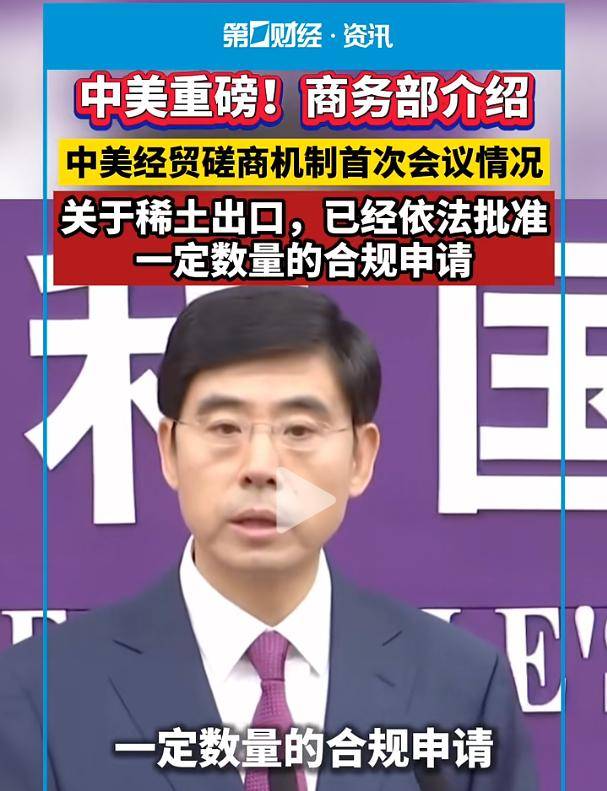
伦敦谈判落幕!特朗普7字坦言中美交锋,稀土博弈暴露美国软肋?
Sou Hu Cai Jing· 2025-06-11 04:58
Group 1 - The core issue of the negotiations revolves around the U.S. desire for China's rare earth resources, which are critical for various industries, including military and technology [1][12] - China has implemented export controls on seven types of heavy rare earths, significantly impacting U.S. manufacturing, with over 80% of global rare earth processing capacity located in China [1][12] - The U.S. military and technology sectors are highly dependent on rare earths, with a reliance rate exceeding 60%, leading to supply chain vulnerabilities for companies like Toyota and Boeing [1][9] Group 2 - The U.S. attempted to leverage three major strategies: upgrading AI chip bans, halting engine supplies for China's C919 aircraft, and tightening student visa regulations for Chinese STEM students [4] - These strategies have proven ineffective, highlighting vulnerabilities in U.S. dominance as China controls critical segments of the global supply chain [6][12] - The negotiations revealed that unilateral pressure from the U.S. could accelerate the "de-Americanization" process in global supply chains [6][12] Group 3 - The U.S. offered to relax some restrictions on chip design software and jet engine components in exchange for China lifting its rare earth export controls, indicating a zero-sum game approach [8] - China's countermeasures have effectively disrupted the U.S. military supply chain, with the F-35 production facing shutdown due to shortages of critical materials [9] - The U.S. has suffered significant losses, estimated at over $120 billion, due to its technology blockade against China, while China's domestic production rates in key sectors have improved significantly [10] Group 4 - The negotiations signify a shift in global power dynamics, with the era of coercive tactics yielding diminishing returns for the U.S. [12][13] - Rare earths are recognized as strategic resources essential for modern industries, and China's control over this resource is reshaping global supply chains [13] - China's proposal for a "rare earth industry community" aims to build a cooperative framework with ASEAN and EU countries, countering U.S. unilateralism [13][14]
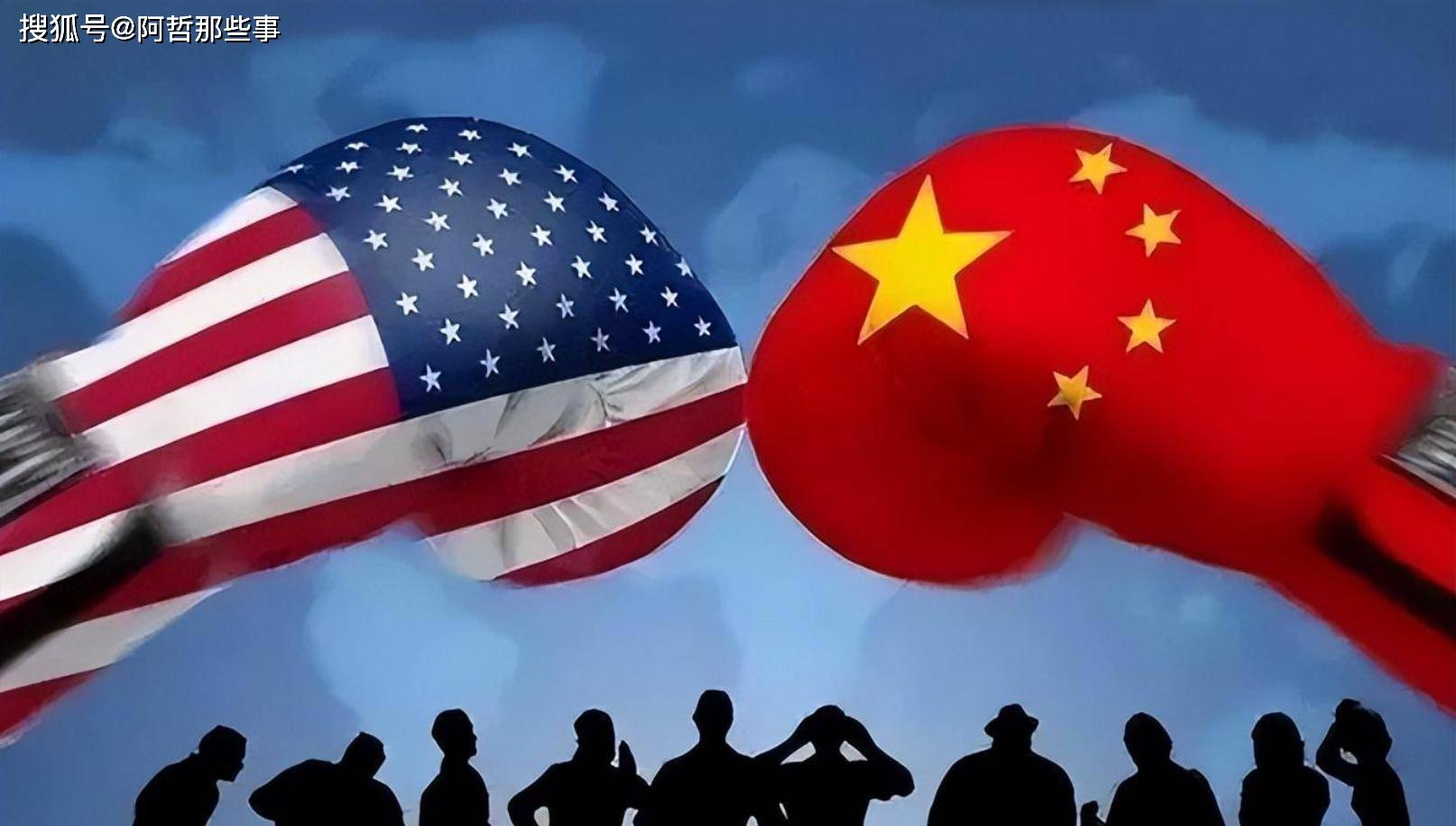
中美连谈90分钟,美国作出妥协,特朗普终于盼到了中方点头
Sou Hu Cai Jing· 2025-06-09 05:01
Group 1 - The 90-minute phone call between China and US President Trump marks a significant shift in the complex US-China relationship, drawing global attention [1][3] - Trump's administration has previously implemented a series of tough measures against China, including raising tariffs to a high of 145%, which has severely impacted bilateral trade [1][3] - The US consumer price index (CPI) surged to 8.5% in April, leading to widespread domestic dissatisfaction and increasing political pressure from agricultural states affected by China's countermeasures [3] Group 2 - China emphasized the importance of adhering to the Geneva consensus on trade, proposing to reduce tariffs from 140% to a range of 10%-45% [3] - The phone call addressed sensitive issues such as Taiwan, with China urging the US to handle the situation carefully, while Trump reaffirmed the commitment to the One China policy [5] - The discussion included the critical issue of rare earth exports, with China controlling exports of seven types of heavy rare earths, which has significant implications for the US military and manufacturing sectors [5][7] Group 3 - The topic of Chinese students studying in the US was also highlighted, with Trump expressing a welcoming stance towards Chinese students, recognizing their economic contribution to the US education sector [7] - The potential for future negotiations between the economic teams of both countries was mentioned, with hopes for improved relations if the US follows through on its commitments [7] - The overall significance of the call lies in its potential to either ease tensions or exacerbate them, depending on the subsequent actions taken by the US [7]