能源安全

Search documents
42.1%!日本油气自给率升至2009年以来最高水平!背后有何布局?
Sou Hu Cai Jing· 2026-02-17 09:38
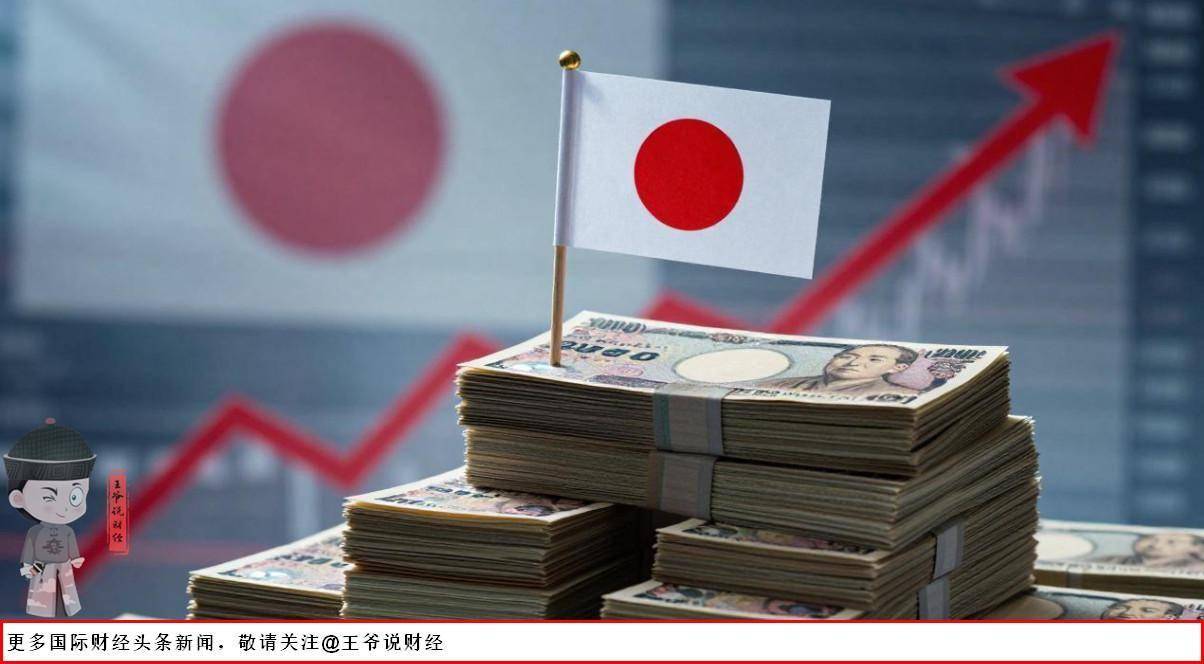
Core Insights - Japan's oil and gas self-sufficiency rate has surged to 42.1%, the highest level since 2009, marking a significant recovery from a low of under 10% post-Fukushima disaster [2][3] Group 1: Background - Japan is heavily reliant on energy imports, previously exceeding 92% dependency, and has been the world's third-largest oil and gas importer [3] - Following the Fukushima nuclear disaster in 2011, Japan's nuclear power generation halted, leading to increased reliance on imported oil and gas, resulting in substantial trade deficits [3] Group 2: Reasons for the Surge - The increase in self-sufficiency is attributed to three main actions: - Significant investment in domestic oil and gas production, with over a trillion yen spent on upgrading technology in local oil fields, leading to a projected 28% increase in domestic crude oil production and a 22% increase in natural gas production by 2025 [5] - Acceleration of nuclear power plant restarts, with over 10 reactors back online, raising nuclear's share in the energy mix from under 3% to 18% [6][7] - Implementation of energy-saving technologies and growth in renewable energy, with industrial energy consumption down by 11% and renewable energy generation exceeding 25% [7][9] Group 3: Economic Implications - The rise in self-sufficiency is expected to reverse Japan's trade deficit, potentially saving over ten trillion yen annually on energy imports, thus stabilizing the yen [10] - The manufacturing sector, particularly in automotive and electronics, will benefit from reduced energy costs, improving profit margins and retaining jobs [11] - Enhanced energy self-sufficiency increases Japan's economic resilience against global geopolitical tensions and energy supply disruptions [12] Group 4: Broader Context - Japan's energy self-sufficiency surge reflects a broader global shift from prioritizing efficiency to ensuring energy security, indicating a significant transformation in global energy dynamics [14]

石油输送中断,匈斯两国归咎乌克兰
Sou Hu Cai Jing· 2026-02-17 08:51
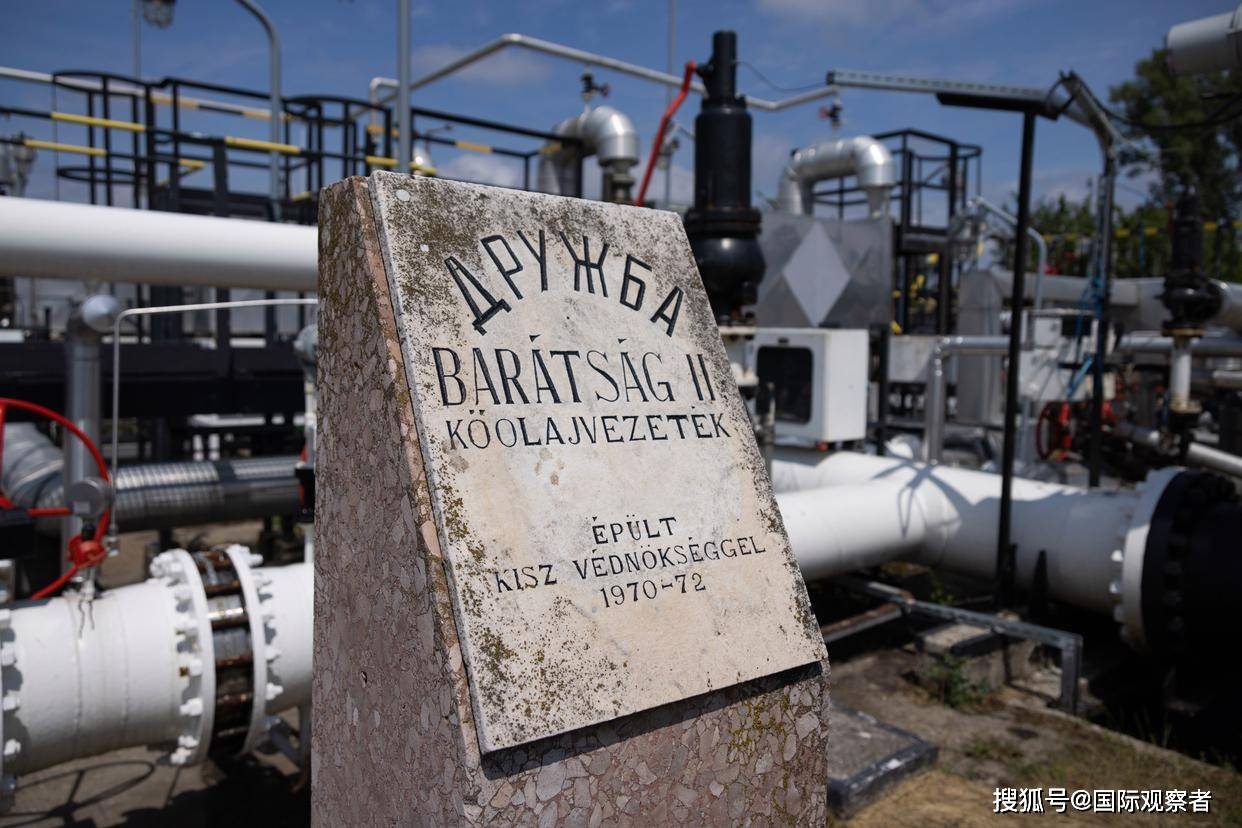
乌克兰方面则全盘否认政治操弄,公布管道遇袭现场画面,强调俄罗斯1月下旬对乌西部能源基础设施发动精准打击,造成布罗迪泵站等关键节点严重损 毁,在持续空袭下无法安全修复。乌方反驳称,匈斯的指责无视战场安全现实,是转嫁国内压力的政治操作。双方各执一词,让本就复杂的俄乌冲突外溢效 应,进一步撕裂欧洲内部立场。 面对管道断供的现实压力,匈牙利与斯洛伐克迅速启动备用方案。两国正式致函克罗地亚,请求允许俄油经亚得里亚海港口上岸,再通过亚得里亚管道转运 入境,依托此前获得的海运进口豁免权,搭建陆上管道之外的应急补给线。克罗地亚方面回应,将在不违背欧盟规则与制裁框架下予以协调,这一方案若落 地,可有效缓解两国供应缺口,也为中东欧国家能源多元化提供临时范本。 这场管道风波,本质是俄乌冲突外溢与欧洲能源格局撕裂的缩影。"友谊"管道曾是冲突中少有的稳定合作纽带,如今沦为博弈筹码,既暴露欧洲内部对俄立 场的严重分歧,也凸显能源安全在地缘政治中的脆弱性。匈斯弃陆走海的应急之举,虽解燃眉之急,却难以替代传统管道的成本与效率优势,长期仍将面临 供应成本上涨、物流链条拉长的压力。 友谊管道断供!俄乌各执一词,匈斯急寻克罗地亚海运俄油。 近日, ...
伊朗误判中国?对华态度反复,本想卡中国能源,却没看清自己处境
Sou Hu Cai Jing· 2026-02-17 05:35
Core Viewpoint - Iran's fluctuating attitude towards China reflects a strategic gamble, oscillating between friendship and negotiation leverage, revealing a miscalculation in understanding China's strategic priorities [1][3][5] Group 1: Iran's Strategic Calculations - Certain factions in Iran perceive the global landscape as a binary conflict between the US and China, positioning themselves as frontline fighters against the US, expecting China to support them unconditionally [3][5] - Iran believes it holds a critical bargaining chip: the option to align with the US if China does not comply with its demands, underestimating the implications of such a shift on China's Belt and Road Initiative [3][5] - This outdated Cold War mentality leads Iran to misinterpret China's strategic logic, failing to recognize the significant military and economic disparities between the two nations [5][9] Group 2: Economic and Military Disparities - Iran's military capabilities are significantly outdated compared to the US, with recent military maneuvers showcasing the stark contrast in power, as evidenced by the downing of an Iranian drone by a US F-35 [5][9] - Economically, Iran's heavy reliance on oil exports, particularly to China, creates a one-sided dependency that undermines its negotiating power, especially in light of US sanctions [5][7] - The Iranian economy is under severe strain, with rampant inflation and currency devaluation, leading to social unrest and increasing pressure on the government [5][7] Group 3: China's Position and Strategy - China maintains a clear and consistent stance, adhering to a non-alignment policy and refusing to be drawn into military alliances or become a unilateral supporter of any nation [9][11] - China's support for Iran is based on mutual respect for sovereignty and development, emphasizing that cooperation should not lead to coercion or dependency [9][11] - In the context of rising tensions in the Persian Gulf, China advocates for diplomatic solutions and respects Iran's sovereignty while simultaneously engaging with other regional partners, ensuring a diversified approach to its foreign relations [11][13]
China Hits Renewable Milestone, But Coal Isn’t Going Anywhere
Yahoo Finance· 2026-02-17 00:00
For the first time ever, China now has more operating power capacity from clean energy sources than capacity running on fossil fuels, thanks to a decade of booming solar and wind installations. China, the undisputed global leader in clean energy investment, has 52% of operating power capacity coming from non-fossil fuel sources as of February 2026, while 48% of installed capacity is fossil fuel-based, according to data tracked by Global Energy Monitor. For years, China, the world’s biggest greenhouse g ...
美国若打击伊朗,后果更致命!中国能源与经济将迎三重挑战?
Sou Hu Cai Jing· 2026-02-16 04:54
中美贸易关系本就复杂敏感,2025年尽管在会谈后关税暂时稳定,但伊朗问题却再次激化了潜在的经济矛盾。特朗普政府对与伊朗进行贸易的国家发出了警 告,宣布可能对这些国家加征额外关税。中国与伊朗有着深厚的经贸关系,向伊朗出口大量的机械产品。若因局势恶化而重新引发关税战争,中国企业的订 单将会减少,利润空间也会被压缩。此外,中国在伊朗有着不小的投资项目,尤其是在基础设施领域,包括港口和铁路的建设。如果战乱导致这些项目停 工,前期的投资将面临巨大风险。中东地区的战略布局也会因此受挫,中国不得不调整自己的供应链,寻求与其他产油国的合作机会。 中东局势自2025年起逐渐陷入紧张局面,尤其是美国与伊朗之间的矛盾日益激化。冲突的导火索源自伊朗的核计划,美国怀疑伊朗在秘密研发核武器,这被 视为对该地区安全的严重威胁。冲突爆发的第一步来自以色列,在2025年6月13日发起了空袭,瞄准了伊朗的多个核设施及军事目标。伊朗迅速展开反击, 向以色列的城市发射导弹,爆发了激烈的报复战。战事持续了整整十二天,期间美国也未能置身事外。特朗普政府坚决表示要遏制伊朗的核野心,派遣军舰 和战机进驻海湾地区进行示威,试图通过力量震慑伊朗。对此,伊朗方面 ...
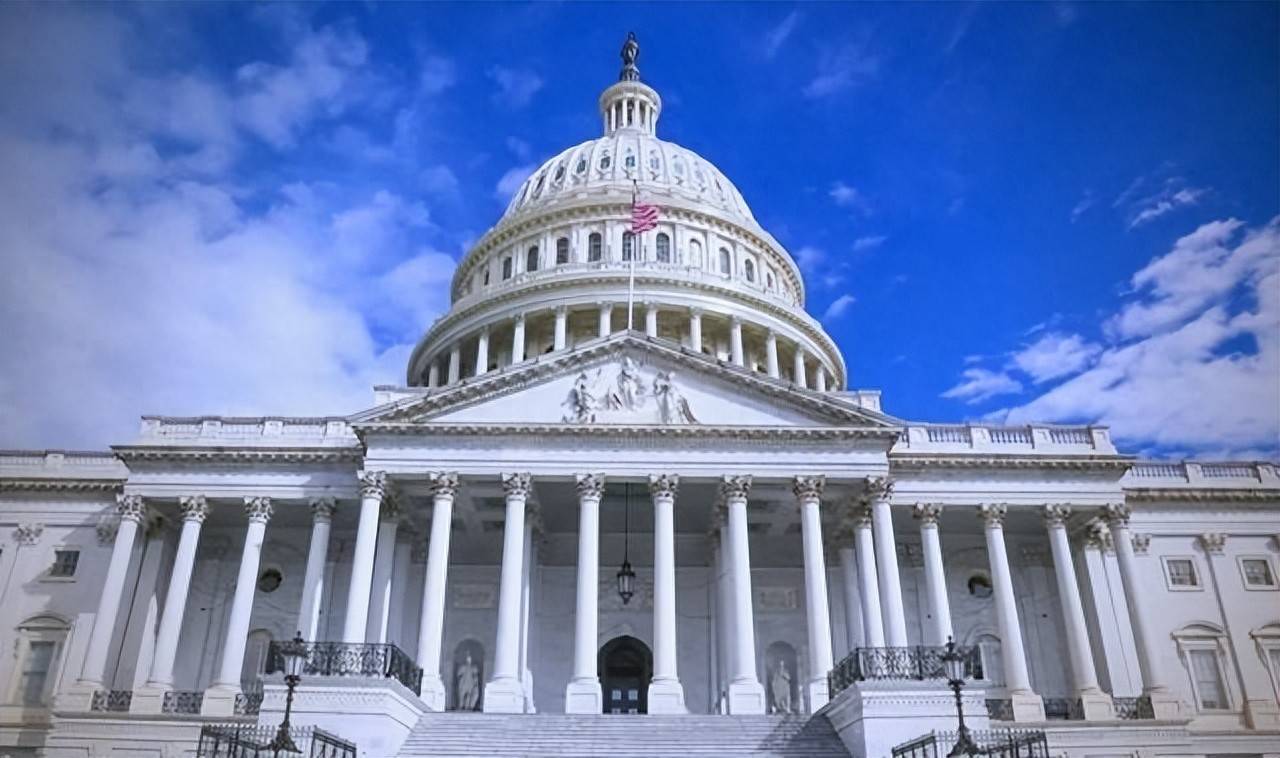
巴彦油田攻坚记
Xin Lang Cai Jing· 2026-02-15 08:33
Core Viewpoint - The Ba Yan Oilfield is recognized as the youngest billion-ton oilfield in China, showcasing advancements in carbon capture, utilization, and storage (CCUS) technology to enhance oil extraction while promoting green transformation [1] Group 1: Technology and Innovation - The CCUS technology team at Ba Yan Oilfield has a significant portion of its workforce, nearly one-third, choosing to work during the Spring Festival to support the oilfield's operations [1] - The team injects carbon dioxide into geological formations nearly 8,000 meters deep, which not only aids in oil extraction but also ensures permanent carbon storage [1] Group 2: Environmental Impact - The oilfield has achieved a carbon reduction effect equivalent to planting 2 million trees through the injection of 170,000 tons of carbon dioxide [1] - The commitment to environmental sustainability is highlighted by the continuous dedication of employees who have not returned home for three consecutive Spring Festivals [1] Group 3: Energy Security and Transition - The efforts at Ba Yan Oilfield reflect a broader narrative of energy security in China, emphasizing the importance of transitioning to greener energy practices while maintaining oil production [1]
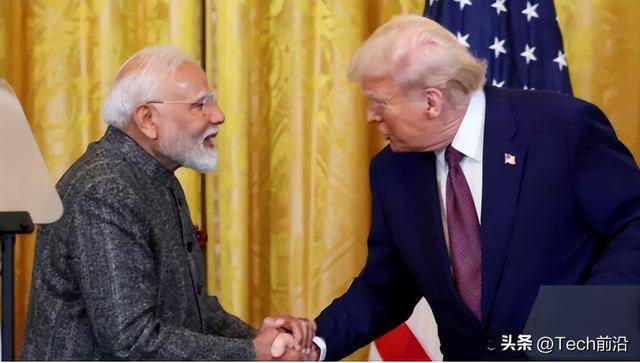
特朗普炫耀印度停购俄油,遭印部长打脸:14亿人能源安全优先
Sou Hu Cai Jing· 2026-02-15 05:43
近日,白宫官网发布了美印贸易协议框架的具体内容,令人意外的是,在这份美国官方发布的内容中,并未提到印度将停止采购俄罗斯石油这一话题。取而 代之的是,美国宣布印度承诺将在未来五年内从美国购买价值5000亿美元的能源、飞机等产品。 这一点,似乎是美印贸易中的一项重大承诺。然而,与此同时,关于俄罗斯石油进口的话题,却引发了美俄印三方态度的明显差异。美国总统特朗普曾一再 声称,印度总理莫迪已经向他承诺,印度将停止采购俄罗斯的石油。因此,美国决定将对印度的关税降至18%。然而,俄罗斯总统新闻秘书佩斯科夫却坚 称,俄方并未收到印度政府正式宣布停止采购俄罗斯石油的任何消息。与此同时,印度政府则显得模糊不清,印度商业和工业部长戈亚尔在接受国会质询时 强调,保障14亿印度人的能源安全是政府的首要任务,并指出,在全球能源格局不断变化的背景下,印度将坚持推动能源多元化。 但即便如此,印度的这番表态依然未能给出是否继续采购俄罗斯石油的明确答复。究竟是什么背景下,导致美俄印三方在这一问题上的态度如此不同呢?经 过分析,至少可以归结为三个关键原因。 数据显示,2023年1月,中国通过海运进口的俄罗斯原油量高达每日170万桶,创下了历史新 ...
中国又火了!发现地底超级能源库,是煤炭4亿倍,网友:天佑我国
Sou Hu Cai Jing· 2026-02-14 16:05
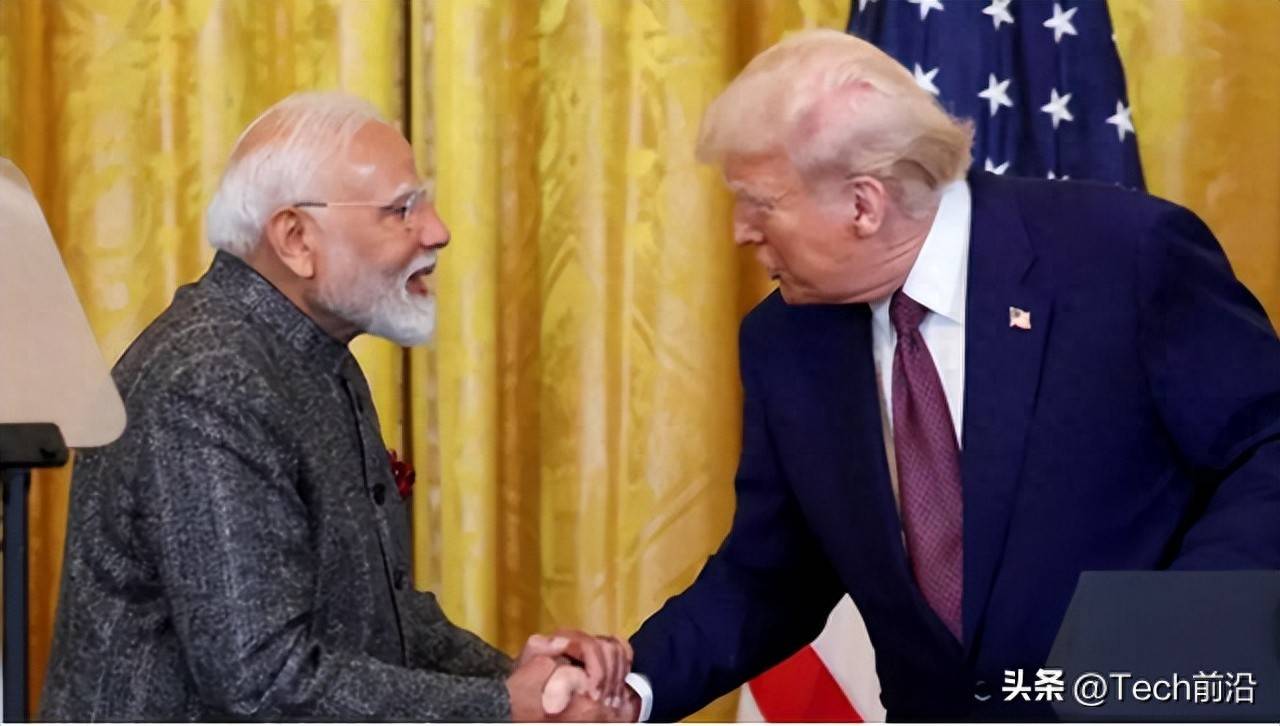
聊起能源,大家总先想到石油、煤炭、风电光伏,却很少有人留意脚下地壳深处的地热能宝库! 它不像化石能源会被耗尽,也不像风光电靠天吃饭,稳定又可持续。 有数据测算,中国地下可开发的地热资源,相当于全球煤炭储量的四亿倍,这规模简直吓人! 网友表示:这简直就是天佑我国! 近几年咱们在深层地热井钻探、干热岩发电技术上接连突破,雄安新区等示范区也落地见效,让地热能从边缘走向能源舞台中央。 这座沉默的地下宝库,会不会彻底改写中国未来的能源格局? 换句话说,每一份地热能都是地球漫长历史的沉淀,它的总量巨大,稳定性远超传统能源。 根据现有科学测算,中国地下可开发的干热岩资源,换算成石油当量,大约等于二十万个大庆油田的储量。 如果将视角拉到整个地壳层面,地热能储量大约是全球煤炭储量的四亿倍,这意味着中国脚下的地下能量足够支撑上百年甚至更长时间的能源需求。 更重要的是,地热与煤炭、石油等一次性消耗能源不同,它属于典型的可持续能源,只要开发方式合理,就能长期稳定输出。 这一特性对能源安全和应对全球减排压力的中国而言,有着无可替代的战略意义。 过去地热能未能成为主流,并不是它不重要,而是技术条件限制了它的发展。 浅层地热资源分布有限, ...
委内瑞拉石油没进入中国,却出口以色列,证明美国有个隐秘路线图
Sou Hu Cai Jing· 2026-02-14 05:10
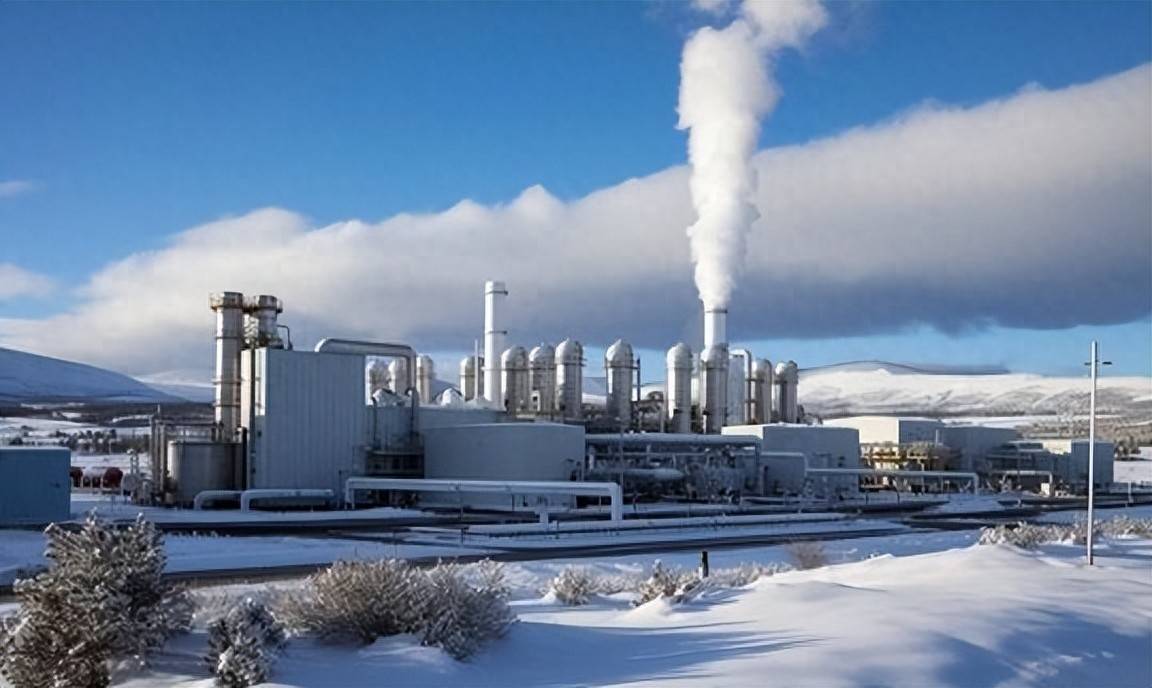
时间回到2026年1月,表面上,国际能源市场依然如常运转,各国发布合作声明、签署合同,强调互利共赢,但如果你将目光从新闻发布会转向海上的航 线,现实却显得更加直接、更加严峻。在北京的一场外交活动中,委内瑞拉驻华大使信心满满地表示,自己国家对华石油出口拥有完全的自主权,不会受到 美国制裁的干扰。这番话显得十分有底气,仿佛是对外界的一种宣告:能源合作不受任何外部力量左右。然而,几天后发生的一件事,让这句话看起来如此 脆弱。 2025年2月11日,在印尼附近海域,美军对一艘满载委内瑞拉原油,目的地是中国的油轮进行了扣押。整整一个月的情报监控、卫星定位以及航迹分析,表 明这并非临时起意,而是早有准备。美国给出的理由是涉嫌规避制裁以及属于影子船队。结果,这艘油轮上的几万吨原油被停在了公海,合同无法履行,买 卖双方都无能为力。 这一事件的关键,并不在于具体的法律条文,而是一个非常简单的事实:谁掌握航道,谁就拥有最终的控制权。当军事力量和金融制裁能够轻松介入时,即 使在北京宴会厅里做出再多承诺,它们在军舰和制裁面前,也不过是纸上谈兵。能源交易若缺乏对运输通道的安全保障,本质上也只能是空谈。很多人习惯 从供需角度来理解石油贸 ...
特朗普炫耀“印度停购俄油”,遭印部长打脸:14亿人能源安全优先
Sou Hu Cai Jing· 2026-02-13 08:55
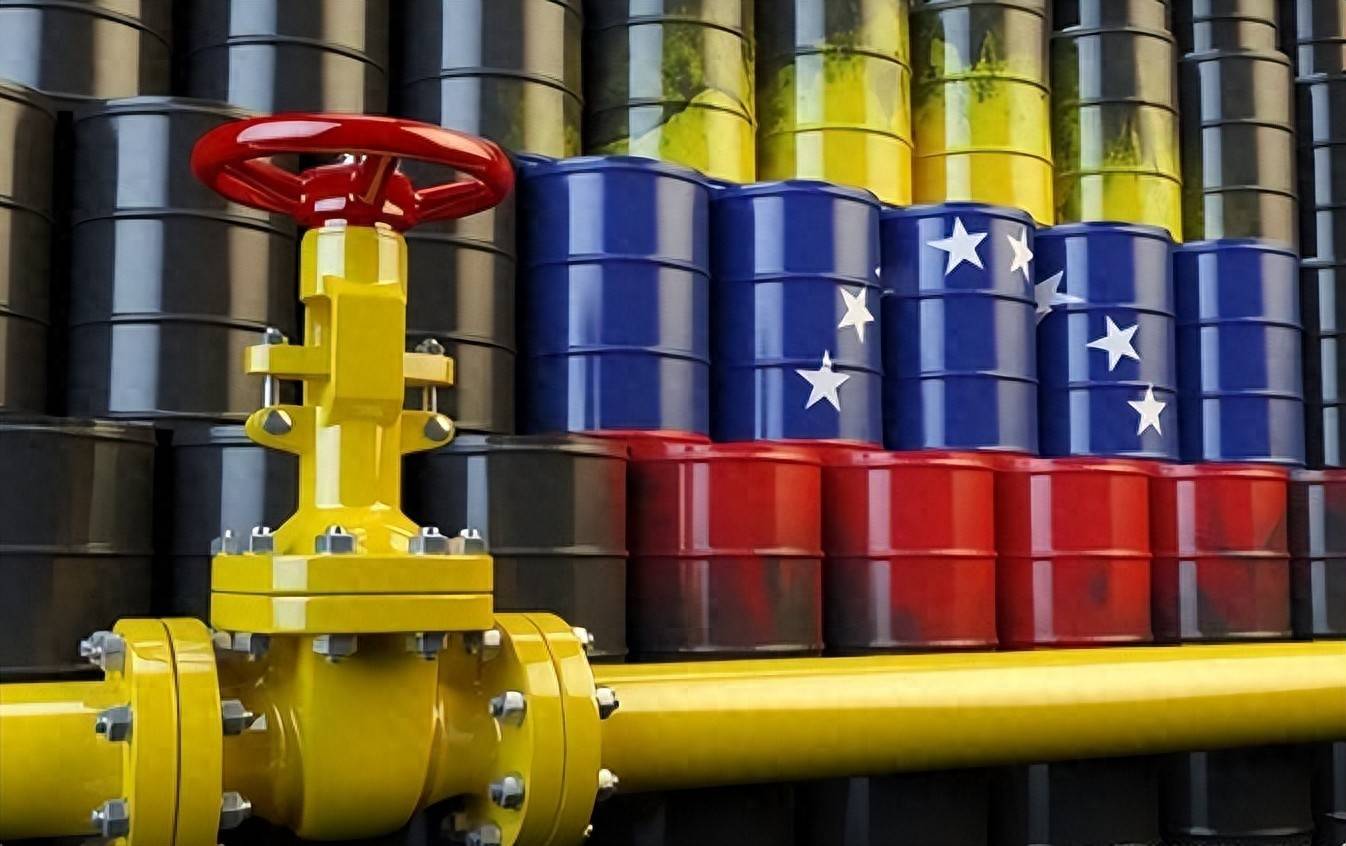
美印官方通报都没有提及俄罗斯石油话题,印度为何选择偷偷停止采购俄罗斯石油?俄罗斯又对中国释 放出了怎样的诚意? 而印度政府则态度模糊,印度商业和工业部长戈亚尔在接受国会质询时,强调保障14亿印度人的能源安 全始终是政府最高级别的优先事项,在全球能源格局不断变化的背景下,印度将坚持推进能源多元化。 但是这番表态,并没有就是否继续采购俄罗斯石油给出清晰的表态。 那么,到底是基于怎样的背景,才会导致美俄印三方会出现这种差异化的表态呢?这背后至少有3个方 面的原因。 第一,美印私下达成默契,避免激怒俄罗斯。 日前,白宫官网发布了美印贸易协议框架的具体内容,令人意外的是,在这份美国官方发布的内容中, 却并没有提到印度要停止采购俄罗斯石油的内容,只是说印度承诺要在未来5年内从美国购买价值5000 亿美元的能源、飞机等产品。 事实上,目前关于俄罗斯石油进口的话题,美俄印三方对外表达的态度都出现了明显的差异。 其中美国总统特朗普一再声称,印度总理莫迪已经向他承诺,将停止采购俄罗斯的石油,因此美国决定 将对印度的关税降至18%。 俄罗斯总统新闻秘书佩斯科夫却坚称,俄方并没有收到印度官方要停止采购俄罗斯石油的消息。 虽然俄罗斯在 ...