预制菜风波

Search documents
西贝“冰与火”:多个门店关闭,也有门店大排长龙
Sou Hu Cai Jing· 2025-11-10 09:21
Core Viewpoint - The company is undergoing a strategic restructuring, closing underperforming stores while simultaneously implementing aggressive promotional activities to drive traffic to core locations [1][4][8]. Group 1: Store Closures - Since October, the company has closed nearly 10 stores across various locations due to lease expirations and operational adjustments [1][3]. - The closures are part of a unified strategy to eliminate unprofitable and inefficient outlets while focusing on enhancing the performance of core stores [4][8]. - The company operates nearly 400 stores across 60 cities in China, employing over 20,000 staff [3]. Group 2: Customer Promotions - The company has launched significant promotional campaigns, including issuing large dining vouchers to attract customers back to its restaurants [5][7]. - From September 24 to October 8, the company offered 100 yuan dining vouchers, followed by a promotion from October 9 to October 31, where customers received 50 yuan vouchers for every 50 yuan spent [5]. - Reports indicate that some locations experienced long queues during peak hours due to these promotions, although not all stores saw the same level of customer traffic [5][8]. Group 3: Market Analysis - Industry experts suggest that the company's closure of stores is a necessary measure to mitigate losses following a decline in customer traffic due to a recent public relations crisis [4][8]. - The long-term impact of the promotional strategies on brand value remains uncertain, as ongoing competition from rivals could challenge the company's market position [8][9]. - The varying performance of different stores highlights the uneven impact of the recent crisis and the need for tailored strategies to restore customer trust and brand integrity [8][9].


“西贝”预制菜风波之后 餐饮企业掀起“爆改”潮
Sou Hu Cai Jing· 2025-11-05 09:28
Core Insights - The "Xibei pre-made dish" controversy has created significant public pressure on Xibei and other restaurant businesses, but it also presents opportunities for transformation in the industry [1][2] - Many restaurant companies are shifting towards "made-to-order" and "transparent kitchen" models to regain consumer trust and improve their image [3][4] Industry Trends - Despite reluctance to adopt the "pre-made dish" label, many chain restaurants may find it necessary due to operational demands for standardized and efficient service [2][8] - Rising operational costs, including labor and rent, are pushing restaurants to consider pre-made dishes as a cost-saving measure [2][8] - A significant portion of the restaurant market is already utilizing central kitchens and pre-made processing, which simplifies the cooking process and reduces costs [2][8] Consumer Sentiment - Approximately 50% of surveyed consumers reject pre-made dishes, with over 60% opposing their presence in restaurants, indicating a strong consumer preference for freshly prepared meals [2][3] - Consumers associate pre-made dishes with a lack of freshness and quality, leading to a negative perception of restaurants that do not transparently disclose their food preparation methods [3][8] Response from Restaurants - In response to the controversy, many restaurants are emphasizing "made-to-order" and showcasing their cooking processes to enhance transparency and consumer trust [3][4] - Some smaller restaurant brands are prominently advertising their lack of pre-made dishes to attract customers, while larger chains like Xibei are also making significant branding changes to align with consumer expectations [6][7] Balancing Pre-made and Fresh - There is a notable disconnect between consumer perceptions of pre-made dishes and the actual standards of pre-made food in the industry, which can lead to misunderstandings [8][9] - Transparency in food preparation can help bridge the gap between consumer expectations and restaurant practices, allowing for a potential coexistence of pre-made and freshly prepared dishes [8][9]
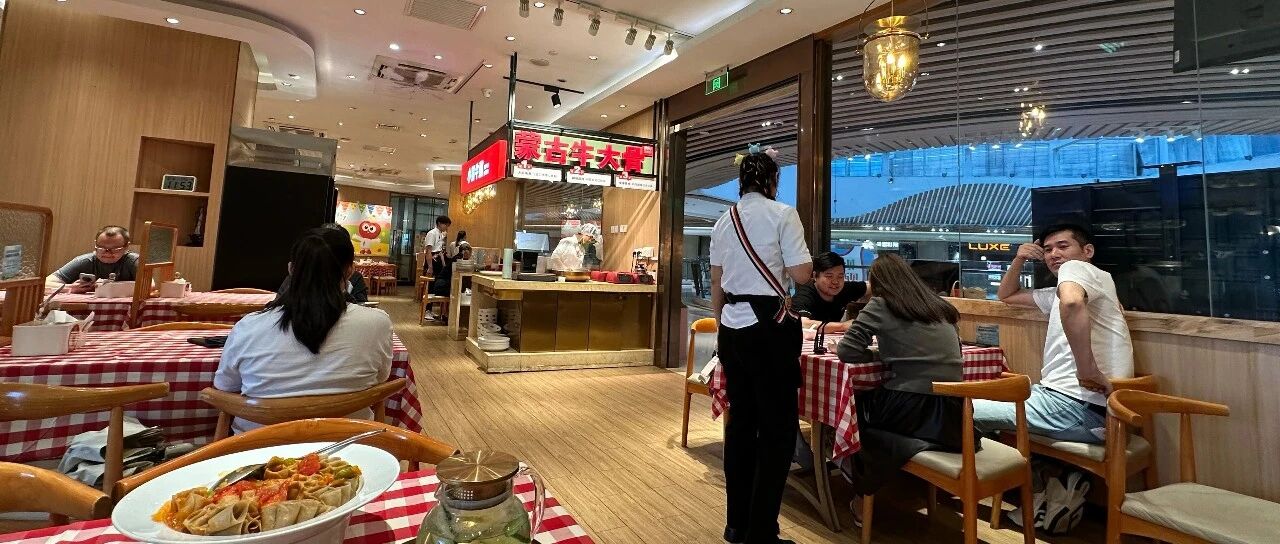
实探节后西贝:有门店约50%上座率、烤鸭半天售罄、菜品十分钟上齐
第一财经· 2025-10-10 08:34
Core Viewpoint - The article discusses the impact of promotional vouchers and holiday consumption on the performance of Xibei restaurants, highlighting a temporary increase in customer traffic following a period of decline due to the pre-prepared food controversy [3][7]. Group 1: Customer Traffic and Performance - During the holiday period, some Xibei locations experienced over 80% occupancy rates, with customers needing to queue [3]. - Post-holiday, occupancy rates dropped to around 50% during lunch hours, although this was an improvement compared to the initial decline when the pre-prepared food issue arose [3][5]. Group 2: Promotional Strategies - Xibei launched a "Xibei Treats You" campaign, distributing 100 yuan dining vouchers to customers, which significantly attracted patrons [5]. - A new promotion was introduced offering 50 yuan vouchers for every 50 yuan spent, valid from October 9 to October 31, 2025, further incentivizing customer visits [5]. Group 3: Market Dynamics - The trading of Xibei's 100 yuan vouchers on second-hand platforms like Xianyu has seen a resurgence, with transaction prices ranging from 50 to 60 yuan [6]. - Xibei has stated that vouchers are for personal use only and require membership verification upon redemption [6]. Group 4: Long-term Considerations - Industry experts suggest that while short-term strategies like promotions are effective, Xibei must focus on improving product quality, pricing, branding, and crisis management for sustainable growth [7].
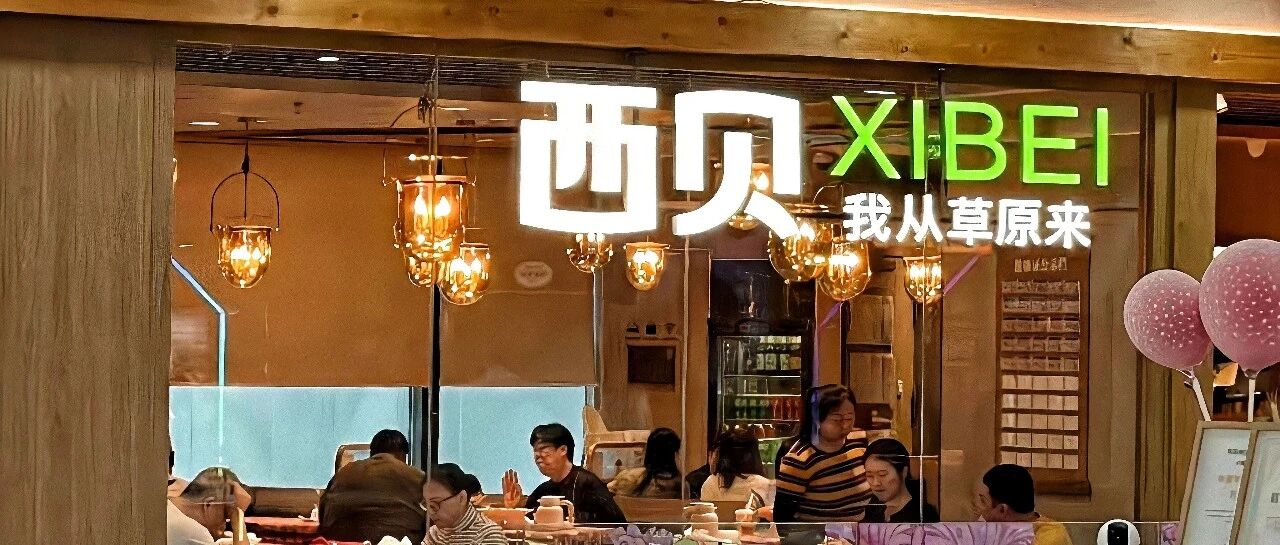
独家 | 贾国龙回应西贝更换门头:不会普及全国
新浪财经· 2025-10-10 08:22
Core Viewpoint - The article discusses the recent changes at Xibei's Beijing Shijingshan Wanda store, including a logo change and price adjustments on menu items, in response to declining sales and customer feedback following a "pre-made dish" controversy. Group 1: Logo Change and Brand Strategy - Xibei has changed its logo from red and white to white and green, with the slogan "I come from the grassland" replacing "Yao Mian Village" [4] - The founder, Jia Guolong, stated that this logo change is a small-scale trial and will not be implemented nationwide, with potential for a few stores in major cities to adopt it [4] Group 2: Sales and Pricing Adjustments - Following a significant sales decline since mid-September, Xibei is implementing measures such as issuing consumer vouchers and adjusting menu prices [6] - During the National Day period, Xibei has reportedly reduced menu prices by 20% to 40%, although actual reductions observed were around 9.8% for specific items [6][7] - For example, the price of the "Roaming Menu" has decreased from 663 yuan to 598 yuan, with specific dishes like grassland tender roasted lamb rack dropping from 119 yuan to 99 yuan [6][7] Group 3: Customer Experience and Promotions - Despite the price adjustments, customer traffic has not significantly increased, with many seats remaining empty during peak hours [8] - Customers have noted improvements in service, with staff offering complimentary tea and snacks [8] - Xibei launched a promotional campaign offering 100 yuan dining vouchers to customers, which has led to some consumers reselling these vouchers at a lower price [10][12] - The company plans to continue issuing vouchers through the end of October, with various thresholds for receiving additional vouchers based on spending [15]
实探节后西贝:有门店约50%上座率、烤鸭半天售罄、菜品十分钟上齐
Di Yi Cai Jing· 2025-10-10 07:54
Core Insights - The article highlights the impact of holiday consumption and discount vouchers on the customer traffic at Xibei restaurants, with some locations experiencing over 80% occupancy during the holiday period [1] - Post-holiday, customer traffic has decreased, with occupancy rates around 50% during lunch hours, although this is an improvement compared to the initial drop in traffic following the pre-prepared food controversy [1][4] Group 1: Customer Traffic and Occupancy Rates - During the holiday, certain Xibei locations had occupancy rates exceeding 80%, leading to queues [1] - After the holiday, some locations saw occupancy rates drop to about 50% during lunch, but this is still higher than the low traffic observed during the pre-prepared food issue [1][4] Group 2: Discount Vouchers and Promotions - Xibei launched a promotional campaign offering 100 yuan dining vouchers to customers, which significantly attracted visitors [5] - Following the holiday, Xibei introduced a new 50 yuan voucher promotion, valid from October 9 to October 31, 2025, incentivizing customers based on their spending [5] - The trading of Xibei's 100 yuan vouchers on second-hand platforms has increased, with prices ranging from 50 to 60 yuan, although the vouchers are intended for personal use only [5] Group 3: Industry Analysis and Future Outlook - Industry experts suggest that while holiday consumption and discount vouchers have provided a temporary boost, Xibei needs to focus on long-term improvements in product quality, pricing, branding, and crisis management to sustain growth [5]
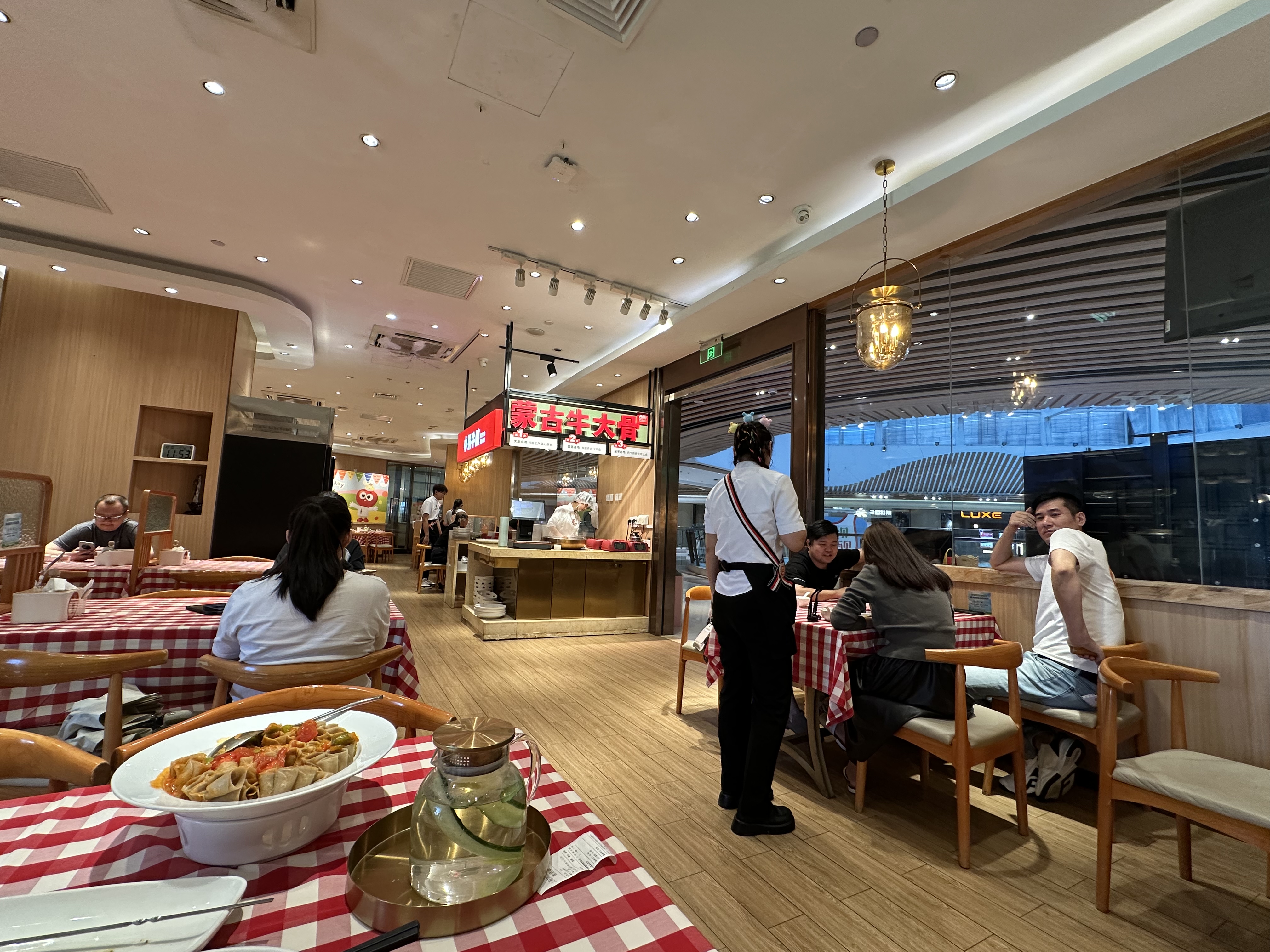
西贝一门店调整logo颜色和广告语,工作人员回应
Sou Hu Cai Jing· 2025-10-10 04:14
Core Viewpoint - The company Xibei is undergoing significant brand changes and promotional activities in response to a decline in sales due to recent controversies, aiming to restore its image and boost consumer confidence. Group 1: Brand Changes - The logo of Xibei's Beijing Shijingshan Wanda store has changed from a red and white color scheme to a white and green one, and the name "Yomiancun" has been replaced with "I Come from the Grassland" [1][3] - Staff at the store confirmed the logo change but did not provide clear information regarding the name change, indicating a lack of communication from headquarters [3] Group 2: Sales Promotions - Xibei has launched multiple promotional campaigns, including issuing consumption vouchers to encourage customer visits. From October 9 to October 31, customers can receive vouchers based on their spending, with specific conditions for usage [3] - A previous promotion, "Xibei Treats You to Dinner," offered customers a free 100 yuan dining voucher for in-store purchases, valid until October 31, 2025 [5] Group 3: Menu Adjustments - In response to customer feedback, Xibei is implementing menu changes, including price reductions on certain dishes. For example, the price of grassland tender grilled lamb chops has decreased from 119 yuan to 99 yuan [5] - The company has committed to adjusting its food preparation processes, with plans to shift from centralized kitchen operations to on-site cooking by October 1, 2025, including using non-GMO soybean oil for all dishes [5]
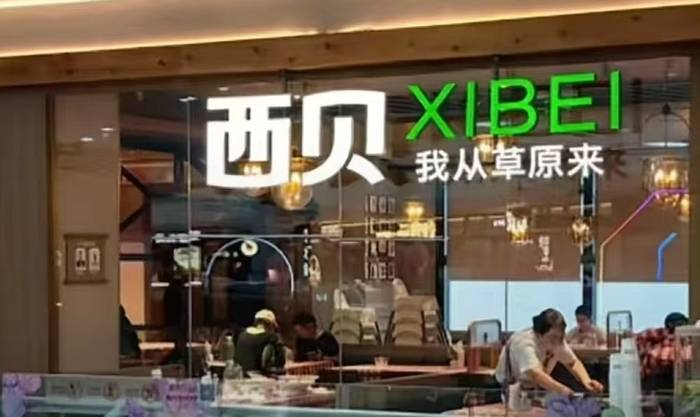
刚刚,西贝删除了!
Zhong Guo Ji Jin Bao· 2025-09-25 07:54
Group 1 - The article published by Xibei on September 23, titled "7-year-old Maomao: I thought I would never eat Xibei again," faced significant criticism from netizens, who described the public relations department's efforts as "epic-level failure" and called for a ban on emotional manipulation [1][2] - Following the backlash, Xibei deleted the article by September 25 [1] - In response to the criticism, Xibei launched a promotional campaign called "Xibei Treats You to a Meal," offering customers a 100 yuan dining voucher for in-store consumption, valid at all Xibei locations nationwide [2] Group 2 - Xibei, also known as Xibei Catering Group, was founded in 1988 by Jia Guolong and is headquartered in Beijing, specializing in regional Chinese cuisine [2] - The brand has recently faced controversy regarding the quality of its food, particularly after a public figure criticized the prevalence of pre-prepared dishes at Xibei, which has led to negative perceptions about the brand [2]
西贝删除“煽情公关”文《7岁的毛毛:我以为我再也吃不到西贝了》
Zhong Guo Ji Jin Bao· 2025-09-25 07:49
Group 1 - The core viewpoint of the article revolves around a recent public relations misstep by Xibei, which faced criticism for a sentimental story about a child named Mao Mao, leading to its deletion shortly after publication [1][8] - The article narrates Mao Mao's emotional attachment to Xibei, highlighting that he has been dining there since the age of 2, and his mother's decision to avoid the restaurant due to negative online sentiment [6][7] - The company initiated a promotional campaign called "Xibei Treats You to Dinner," offering customers a 100 yuan dining voucher to encourage in-store visits, which reflects an effort to regain customer trust and support [10][12] Group 2 - Xibei, founded in 1988 by Jia Guolong, is a major player in the Chinese restaurant industry, specializing in regional Chinese cuisine [12] - The brand has recently been embroiled in controversy regarding the quality of its food, particularly accusations of serving pre-prepared dishes, which has affected its public image [13]
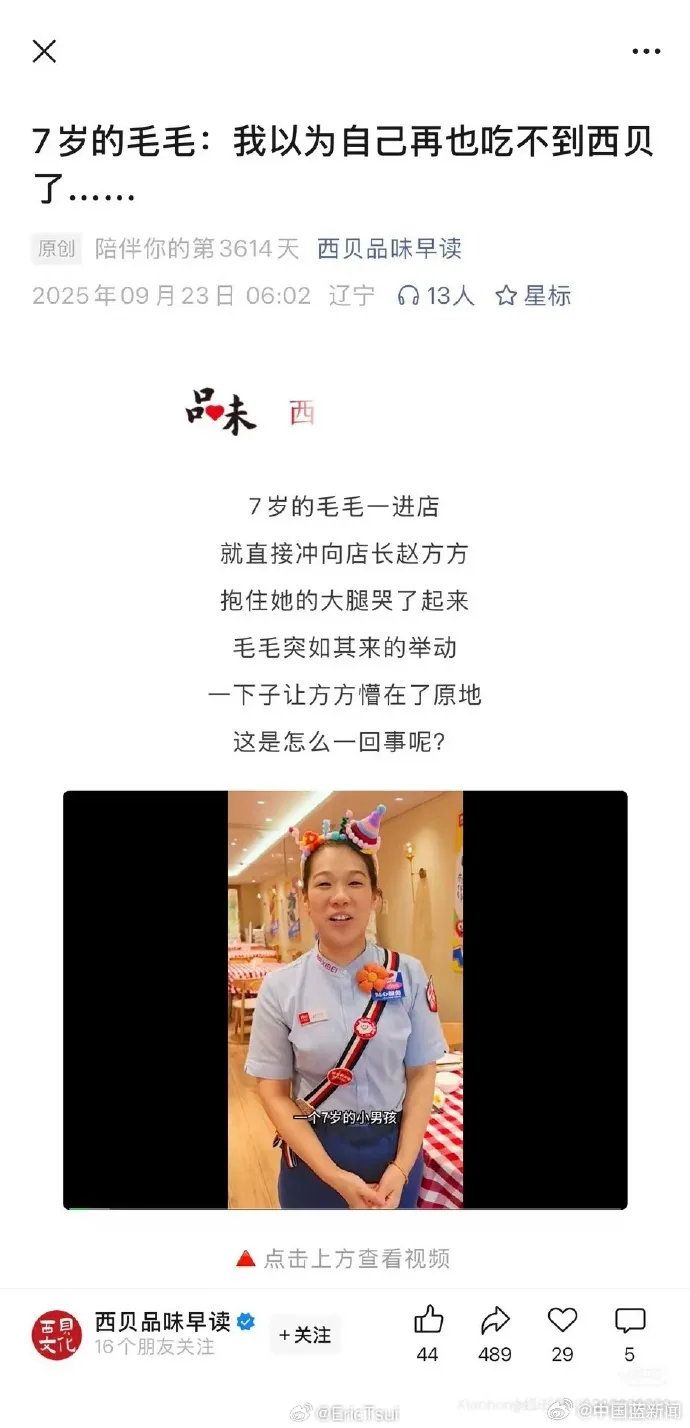
刚刚,西贝删除了!
中国基金报· 2025-09-25 07:23
Core Viewpoint - The article discusses the emotional connection between a child and the restaurant chain Xibei, highlighting the impact of recent negative publicity on customer trust and loyalty [1][10]. Group 1: Article Summary - The article features a 7-year-old child named Maomao who has been eating at Xibei since the age of 2. Due to recent negative news, Maomao's mother suggested not visiting Xibei, which led to Maomao's emotional reaction [1][7]. - Maomao's insistence on going to Xibei reflects a deeper bond formed over five years, emphasizing that dining at Xibei is more than just a meal; it represents trust and a routine in their family life [7][12]. Group 2: Company Response - In response to the negative publicity, Xibei launched a promotional campaign called "Xibei Invites You to Dinner," offering customers a 100 yuan dining voucher for in-store consumption, valid at all locations [12][15]. - The initiative aims to thank customers for their support and to reinforce the brand's commitment to quality and customer satisfaction [15].
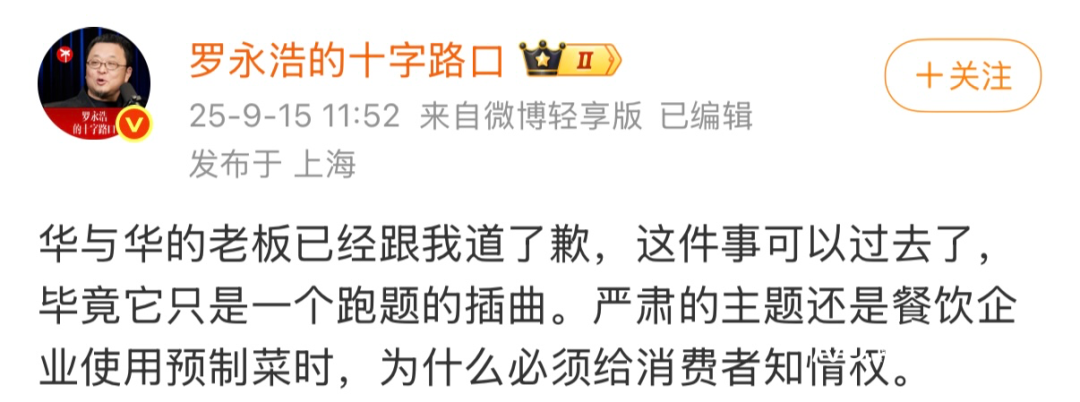
华与华,曾多次被罚
Nan Fang Du Shi Bao· 2025-09-20 01:25
Core Viewpoint - The recent controversy surrounding the pre-made dishes at Xibei has escalated, involving the marketing consulting company "Hua Yu Hua" and its founder Hua Shan, who publicly supported Xibei's founder Jia Guolong while criticizing Luo Yonghao as a "network black mouth" [1][2]. Group 1: Incident Overview - The "pre-made dishes controversy" began on September 10 when Luo Yonghao claimed on social media that his meal at Xibei consisted mostly of pre-made dishes [2]. - Jia Guolong responded the next day, asserting that Xibei does not serve any pre-made dishes and announced plans to sue Luo Yonghao, leading to a series of exchanges between the two [2]. - Hua Shan, the founder of Hua Yu Hua, defended Xibei and criticized Luo Yonghao, stating that Xibei is a company dedicated to quality and that Jia Guolong would not tolerate such slander [2][3]. Group 2: Hua Yu Hua's Background - Hua Yu Hua, founded in 2002 by brothers Hua Shan and Hua Nan, provides marketing consulting services and has been working with Xibei since 2013, making it their first client in the restaurant sector [4]. - The average annual consulting fee for their services to Xibei is over 6 million yuan, totaling more than 60 million yuan over ten years [5]. - Hua Yu Hua has worked with various well-known brands across different sectors, including internet, food and beverage, and seasoning industries, creating popular advertising campaigns [5]. Group 3: Legal and Financial Issues - Hua Yu Hua has faced multiple penalties for advertising violations, including a fine of 1 million yuan in 2017 for an ad that damaged national dignity and interests [6][7]. - The company was also penalized in 2021 for misleading advertising related to a food product, resulting in a fine of 20,000 yuan [7]. - Additionally, Hua Yu Hua has been accused of design plagiarism in 2020, leading to public backlash [7]. Group 4: Related Business Ventures - Besides managing Hua Yu Hua, the founders also hold significant shares in Du Ke Culture, which was established in 2006 and went public in 2021 [8]. - Du Ke Culture has experienced declining performance since its IPO, with revenue dropping from 519 million yuan in its first year to an estimated 406 million yuan in 2024, reflecting a 6.61% year-on-year decline [8]. - The net profit of Du Ke Culture peaked at 67.36 million yuan in 2021 but has since turned into losses, with a reported loss of 3.28 million yuan in 2023 [10].