
好房子

Search documents
财经聚焦丨活跃度提升 “好房子”受期待——“五一”假期多地楼市
Xin Hua Wang· 2025-05-07 02:34
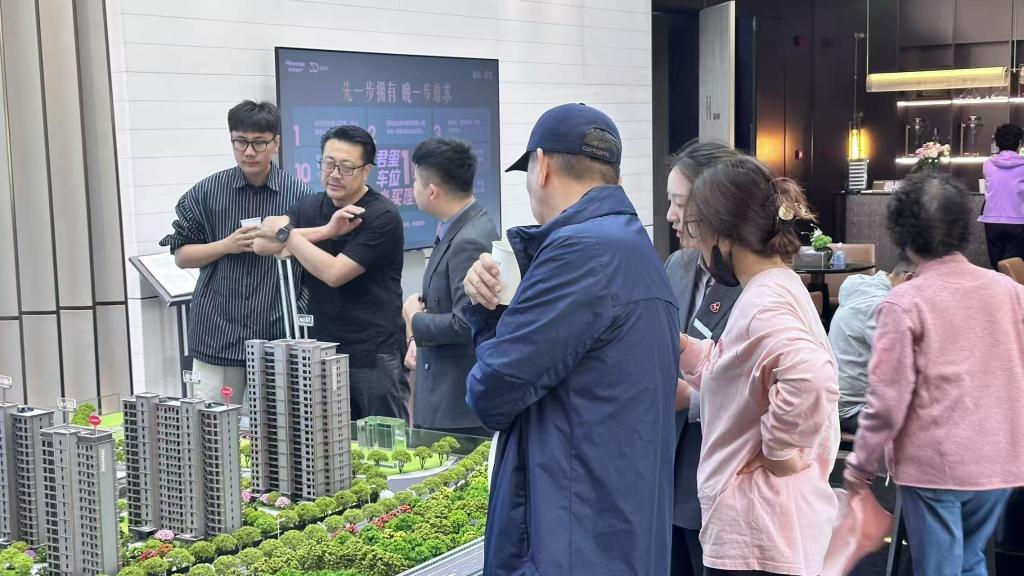
部分城市持续加大住房补贴、住房"以旧换新"等优惠支持力度;多地提高公积金贷款最高额度,降低公积金贷款首付比例;国家标准《住宅 项目规范》5月1日起施行……记者"五一"假期走访上海、深圳、成都、南京、青岛等地看到,政策利好下,多地楼市带看量、成交量明显上 涨,"好房子"令人期待。 "五一"假期多地楼市活跃度提升 5月1日10时许,在位于山东青岛的海信·君玺项目,讲解问答声打破了售楼处的寂静。记者在现场看到,前来看房、签约的市民中,既有"全 家福"式的看房阵容,也不乏刚下火车便拎着箱子前来签约的年轻人。 据这个项目的营销经理朱文祥介绍,目前小区的去化率已达80%,"假期首日前来复看的购房者已达25组,预计签约量较去年同期上涨 30%。" 新华社北京5月7日电 题:活跃度提升 "好房子"受期待——"五一"假期多地楼市观察 新华社记者 5月1日,在山东青岛的海信·君玺项目售楼处,购房者正在咨询。新华社记者 张钟仁 摄 同样在"五一"假期,位于成都市青羊区的建发书香云锦项目样板间人来人往。记者了解到,"五一"期间,该项目每天大约接待客户百余组, 成交以建面143平方米以上的改善型户型为主。 记者走访深圳、青岛、南京等地 ...

“五一”楼市表现平淡,“好房子”仍有热度
3 6 Ke· 2025-05-07 02:12
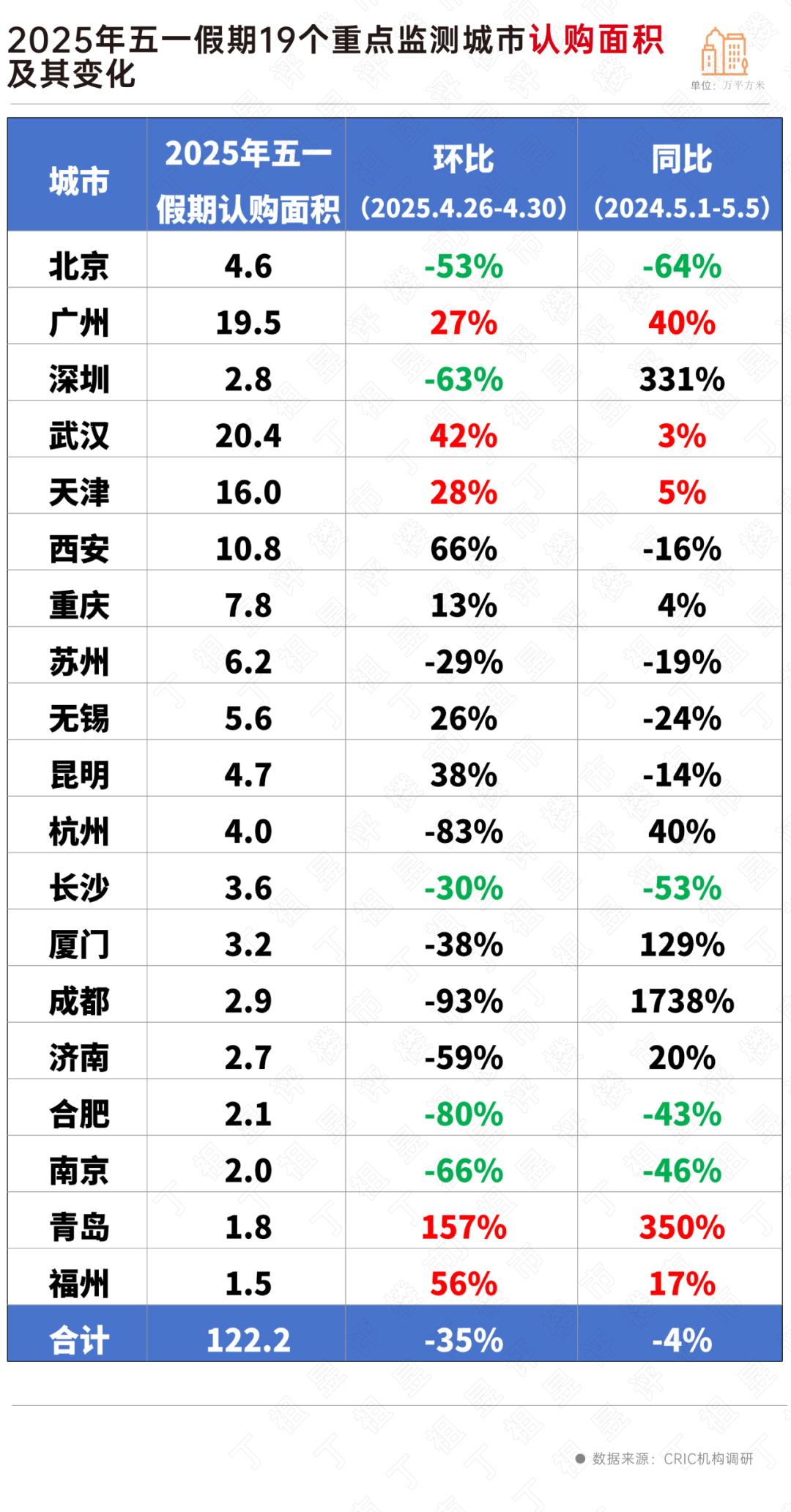
Core Viewpoint - The overall performance of the real estate market during the May Day holiday was relatively flat, with a slight year-on-year decline in subscription area across 19 key cities, influenced by increased travel enthusiasm among residents [1][10]. Group 1: Market Performance - Subscription area in 19 key cities during the holiday was 1.22 million square meters, representing a 35% month-on-month decline and a 4% year-on-year decline [1][4]. - Some cities, such as Guangzhou, Wuhan, and Tianjin, experienced growth in subscription area both month-on-month and year-on-year, with Guangzhou showing a 27% month-on-month increase and a 40% year-on-year increase [2][3]. Group 2: City-Specific Trends - Cities like Beijing and Shenzhen saw significant declines in subscription area, with Beijing down 53% month-on-month and 64% year-on-year, while Shenzhen experienced a 63% month-on-month decline but a 331% year-on-year increase [3][4]. - In contrast, Guangzhou's performance was notable, with a 200% increase in project visits and a 191% year-on-year increase in average subscriptions per project [5][7]. Group 3: Consumer Behavior - The demand for housing was affected by residents' preference for travel over home buying during the holiday, leading to a temporary bottleneck in purchasing activity [5][10]. - The market showed a clear preference for high-value properties in core areas and discounted first-time buyer properties, indicating a focus on value for money among consumers [8][9]. Group 4: Future Outlook - The market is expected to gradually release housing consumption demand in May, with overall transaction volumes likely to remain stable or slightly increase compared to April, while year-on-year comparisons may hold steady [10].
“金三银四”升温明显,五一北京多个新盘推特价房,一套房便宜几十万元 | 五一促消费观察
Hua Xia Shi Bao· 2025-05-06 23:58
Group 1 - The real estate market in Beijing experienced a significant surge in activity during March and April, with over 19,000 second-hand homes signed in March and more than 15,000 in April, indicating a strong market performance referred to as "golden March and silver April" [1][6] - The introduction of "special price" homes during the May Day holiday has proven effective for sales, with properties like a 140 square meter unit priced at 9.8 million yuan and a 93 square meter unit at 6.45 million yuan, showcasing competitive pricing in the market [2][3] - The overall market heat continued into April, with a reported 15,569 second-hand home transactions, reflecting a year-on-year increase of 16.59%, despite a month-on-month decrease of 19.05% [6][7] Group 2 - The easing of credit policies and the optimization of purchase restrictions have contributed to a recovery in buyer confidence, leading to increased demand in the housing market [6][10] - The trend of "price for volume" is expected to continue in the second-hand housing market, as inventory levels rise and sellers face pressure to reduce prices to stimulate sales [7][10] - The recent land auction activity indicates a growing interest in high-quality projects, with significant transactions such as a 12.6 billion yuan land deal in Chaoyang District, suggesting a robust outlook for future developments [9][10]
楼市改善性需求进一步释放
Jing Ji Ri Bao· 2025-05-06 21:55
"五一"期间的销售情况对于房企整个二季度销售业绩至关重要,北京市的很多房地产项目均推出了花样 繁多的促销活动,还有众多新盘在"五一"期间推出。 刚刚过去的"五一"小长假,一些城市的楼市延续三四月份的活跃,热度依旧。不少购房者趁小长假空闲 时间看房,很多售楼处看房者络绎不绝。这表明,一段时间以来,随着一系列调控政策持续落地见效, 房地产市场呈现积极变化。下一步,还须持续巩固市场稳定态势,促进房地产市场平稳健康发展。 一线城市楼市更活跃。"五一"小长假期间,上海市的个别新楼盘当天开盘、当天售罄。个别楼盘的认购 量远大于供给量,甚至需要通过积分摇号确定购买机会。小长假前两天,广州市黄埔区47个在建在售楼 盘累计到访超2000组,认购量较去年同期上涨37%,到访转成交率显著提升。深圳市在"五一"期间举办 了"好房节",5月1日当天就吸引4万多名市民到场,期间推出的某房地产项目当天售出92%。 也应该看到,房地产市场现在还处在调整阶段。从发展空间看,我国的消费结构总体上还处在升级过程 中,城镇化并没有完成,房地产市场成长空间巨大,居民对绿色、宽敞、舒服的"好房子"市场需求较 大。下一步,各地应认真贯彻落实促进房地产止跌 ...
新房销售火热,“好房子”助力“五一”楼市升温
Zhong Guo Xin Wen Wang· 2025-05-06 15:16
以深圳为例,"五一"期间全市新建商品住房认购826套,较去年同期增长23.89%,其中已网签认购书317 套。 中新网北京5月6日电(记者左宇坤)走过"金三银四"传统销售旺季,房地产市场在"五一"假期展现出持续 回暖的势头。 机构分析认为,多地举办的购房季、好房节等活动,以及推出的配套优惠措施,显著激活楼市。未来在 房企促销、"好房子"供应增加及政策利好预期带动下,核心城市住房市场有望持续得到支撑。 另据上海市房管局数据,"五一"假期上海市一手房成交同比增加,假期5天成交量同比增加12%。一手 房项目认购热度较高,假期内共有9个项目完成认购,其中有4个项目认购比超过1。 二手房交易谨慎 相较于新房市场的火热,二手房市场则展现出更明显的分化状态。 新房市场火热 "这个假期,北京新房项目推出的优惠活动比较多,特价促销的力度不小,一些外围区域楼盘的特价房 源甚至还有'折上折'的活动,能达到7-8折。"北京市一位新房销售人员对记者表示。 另一位福建厦门新房销售人员对记者提到,"五一"假期的5天时间里,自己平均每天要带看5组客 户。"尤其是一处热门新盘,感兴趣的客户特别多,我每天都得跑两三次。好在最后一天定下来了2套, ...
“更好地保障了购房者权益”,河北石家庄原佳兆业项目探索多方共建模式
Mei Ri Jing Ji Xin Wen· 2025-05-06 09:54
每经记者 包晶晶 每经编辑 陈梦妤 经历了停工、破产重整、多轮谈判筛选后,河北省石家庄市正定县云栖泊缦(原名佳兆业·悦峰)终于 在4月23日宣布正式重启,并移交"章、证、照"和2025年度回迁过渡费。 《每日经济新闻》记者了解到,云栖泊缦项目共计42万平方米,涉及2600余户家庭。2022年4月,项目 因资金链断裂等问题停工,最终在多方联动下,形成了五矿信托、蓝绿恒睿(蓝绿双城旗下公司)、中 国二十冶等多方共建的模式。 "更好地保障了购房者权益" "按照惯例,法院会先对企业进行重整,但这一程序相对复杂,周期也很长。这个项目曾经进行过相关 探讨,最终没有成功。现在这个项目没有进行这样的程序,而是由新的投资人把债务债权一次性兜 底。"蓝绿双城相关负责人通过电话对每经记者表示,"简单来说,相当于重新引入了投资人、总包单 位、开发操盘单位等一组单元"。 据蓝绿双城方面透露,这一项目中,五矿信托更接近整合资源的平台角色,蓝绿恒睿作为操盘运营方, 承担"变量共建"角色。 蓝绿双城总裁、蓝绿恒睿总经理姚光叶曾表示,当前已经进入"住上好房子,过上好生活"的新阶段。云 栖泊缦项目计划额外投入千万元提升已交付区域景观品质,并针对 ...
行业透视|五一假期新房认购同比微降4%,“好房子”项目热度延续
克而瑞地产研究· 2025-05-06 09:30
Core Viewpoint - The article highlights a mixed performance in the real estate market during the May Day holiday, with a notable increase in domestic tourism while the housing market shows signs of stagnation or slight recovery in certain cities [2][13]. Group 1: New Housing Subscription - New housing subscriptions in 19 key cities saw a slight year-on-year decline of 4%, with a total subscription area of 122.2 million square meters during the May Day holiday, reflecting a 35% decrease from the previous month [4][3]. - Major cities like Beijing, Shanghai, and Shenzhen experienced insufficient growth momentum, with Beijing and Shenzhen seeing a significant drop in project visits and subscriptions [5][6]. - Cities such as Guangzhou, Wuhan, and Tianjin maintained a weak recovery, with Guangzhou's project visits increasing by over 200% during the holiday due to aggressive marketing and discounts [5][6]. Group 2: Market Dynamics - The article notes a significant disparity in market performance across different cities, with cities like Hefei, Nanjing, and Changsha showing a decline in subscription areas of over 40% year-on-year [7]. - In Wuhan, the market showed a steady increase in activity, with visits up 45% and subscriptions up 70% compared to April, driven by limited new supply and strong demand for upgraded housing [6][7]. - The overall market sentiment indicates that consumers are prioritizing value for money, leading to strong sales in core area properties and heavily discounted entry-level homes [10][13]. Group 3: Future Outlook - The article predicts that overall transaction volumes in May will remain at low levels, potentially stabilizing or slightly increasing compared to April, with year-on-year comparisons expected to hold steady [13]. - The introduction of quality housing products in cities like Guangzhou and Chongqing is anticipated to further stimulate demand and increase new housing transactions [13].

“五一”北京多个新盘销售火热,得房率之后市场更关注什么?
Mei Ri Jing Ji Xin Wen· 2025-05-06 08:05
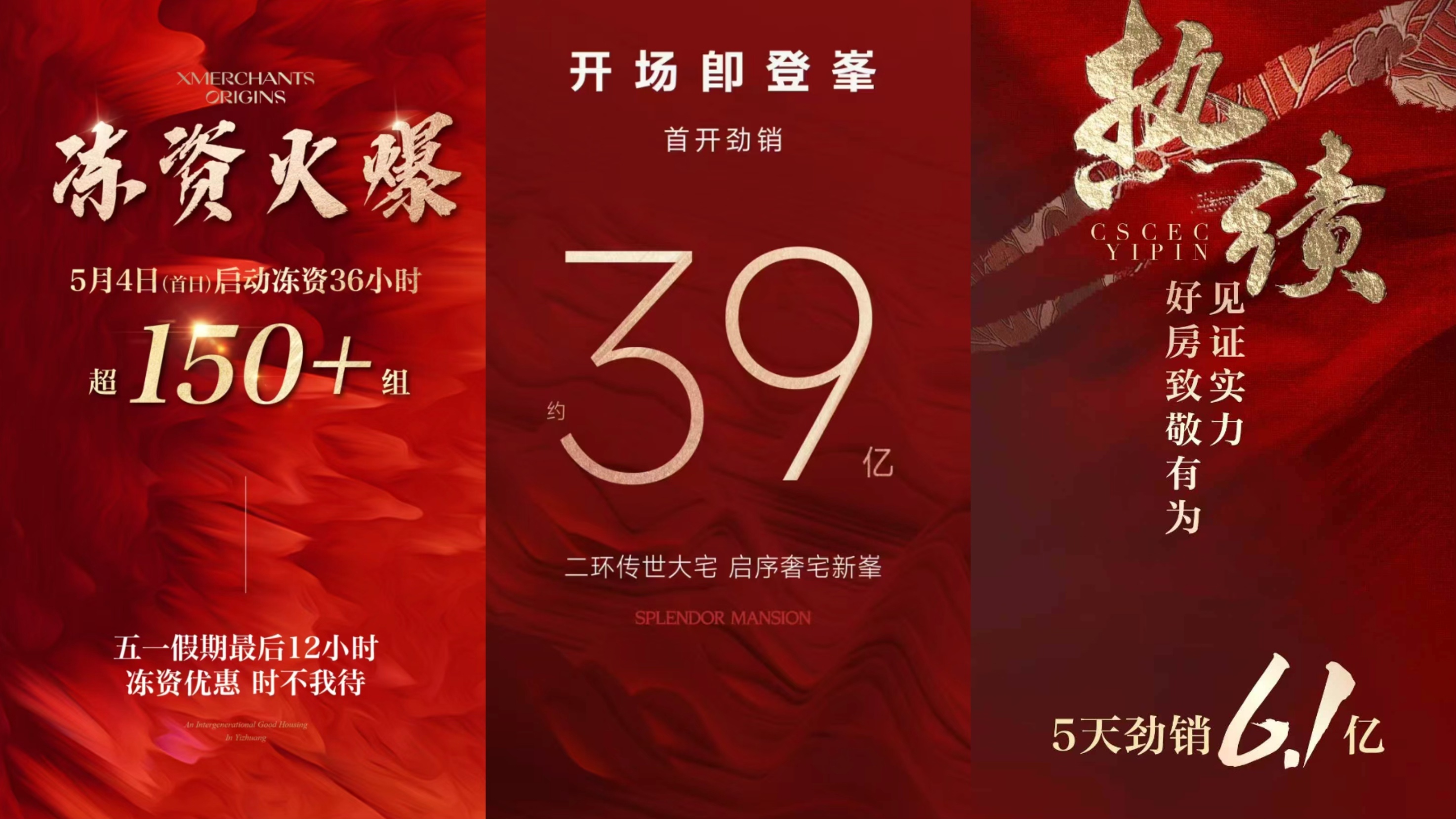
Core Viewpoint - The recent "May Day" holiday has seen a significant uptick in real estate transactions in Beijing, with developers reporting high visitor numbers and substantial sales figures, indicating a renewed interest in the housing market driven by new regulations and consumer expectations for quality housing [1][3][6]. Group 1: Sales Performance - Developers such as China Merchants Shekou and Poly Developments reported sales of 1.8 billion yuan and 705 million yuan respectively during the "May Day" period [1]. - The China State Construction Engineering Corporation's project achieved sales of 610 million yuan, with specific projects like Yuanqi selling 36 units [1]. - The Beijing Jinju Wangjing Yunshang project experienced overwhelming customer interest, with 18 sales staff struggling to manage the influx of clients [3]. Group 2: Market Trends - The introduction of the "Good House" national standard has shifted public focus from just usable area ratios to the quality of public spaces, emphasizing community living [1][11]. - The average sales price for new projects ranges from 11,000 to 13,000 yuan per square meter, reflecting a competitive pricing strategy among developers [3]. - Online property search activity increased by approximately 3.9% during the "May Day" holiday compared to the previous five days, indicating heightened consumer interest [6]. Group 3: Consumer Preferences - Buyers are increasingly inquiring about usable area ratios and overall living quality, reflecting a shift from merely acquiring housing to seeking better living experiences [11][13]. - The focus on community spaces and social interaction is becoming a critical factor in home buying decisions, with developers like Longfor Group emphasizing the importance of public areas in their projects [11][13]. - The expectation for higher quality housing is evident, as consumers are now more discerning about design and functionality, with a preference for projects that offer better living conditions [13].





实探北京楼市:“好房子”卖点十足 二手房持续回稳
Zheng Quan Ri Bao· 2025-05-05 16:24
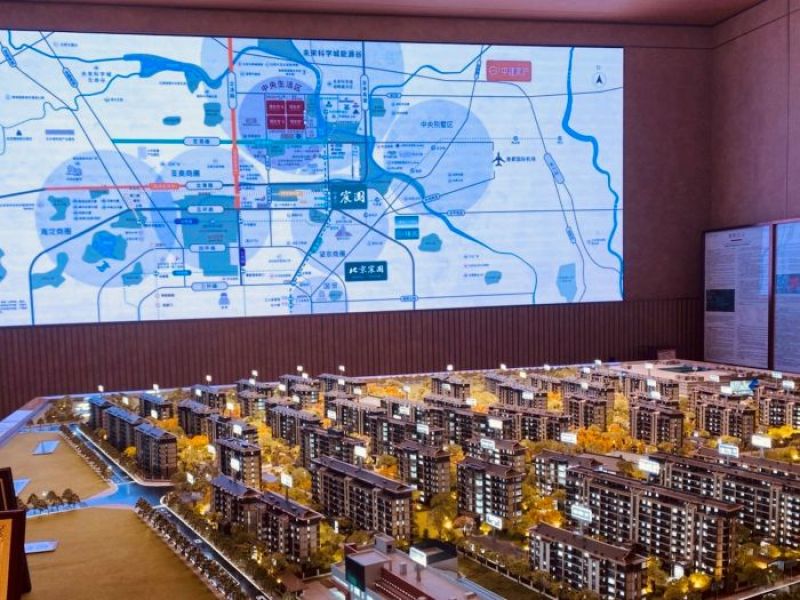
"五一"小长假,北京楼市情况如何?《证券日报》记者"五一"期间走访了解到,北京新房市场热度延 续,很多楼盘都推出较大的优惠力度,到访客户络绎不绝;与此同时,二手房市场则维持平稳成交,支 撑市场保持回稳态势。 新楼盘接连入市 "抱歉,今天客户比较多,户型图您可以带回去和家人商量下,首付如果一周内交齐的话,折扣力度更 大。"5月1日下午,《证券日报》记者来到丰台区一处刚刚开盘4天的新房售楼处,预约的置业顾问黎女 士在介绍完项目亮点、带记者参观完样板间后,便开始忙着为下一批客户计算户型面积总价。 当天,记者先后探访了位于北京朝阳、丰台的多个新楼盘,在"五一"假期的首日,售楼处已有不少客户 在看房。 "重点城市新房市场呈现改善为主,刚需为辅的供应结构。"上海易居房地产研究院副院长严跃进对记者 表示,随着"好房子"政策落地,居民对于品质高、户型好、配套完善、性价比高的项目欢迎度高,开发 商也在供给端积极迎合市场需求。 二手房市场韧性足 在二手房方面,"五一"小长假期间,北京二手房市场延续回稳态势,尽管热度相较"小阳春"有所回落, 但记者实地走访发现,核心板块买卖意愿仍然稳定,市场运行表现出较强韧性。 "3月份,这几个大 ...
“好房子”建设按下快进键 助推居住品质提升
Ren Min Wang· 2025-05-03 01:53
Core Viewpoint - The implementation of the "Good House" national standard, known as the "Residential Project Specification," on May 1 marks a significant shift in the real estate industry towards quality competition, establishing quantifiable indicators for residential products [1] Group 1: Policy and Standards - The "Residential Project Specification" introduces 38 core clauses, including minimum ceiling heights of 3 meters, mandatory elevators for buildings with four or more floors, and strict limits on sunlight and noise [1] - This is the first national standard in China that covers the entire lifecycle of residential projects, focusing on safety, comfort, sustainability, and intelligence [1] - The new policy presents both challenges and opportunities for real estate companies, emphasizing the need to align with national policy and meet the growing housing quality demands of the public [1] Group 2: Industry Response and Development - State-owned enterprises are taking the lead in exploring development models that align with the "Good House" standards, aiming to create higher quality and more comfortable living products [2] - The Xiyue Xingcheng project by Shichuang City Development Group in Daxing New City exemplifies this approach, integrating new national standards into residential construction [2] - The project benefits from its proximity to major transportation networks, enhancing accessibility to key business districts and improving the overall attractiveness of the area [2] Group 3: Quality Control and Community Development - Quality control in project construction is a focal point, with the implementation of a "sample first" system to ensure stable engineering quality [3] - The project features a green space ratio of approximately 30% and is designed to provide seasonal ecological experiences [3] - The development also emphasizes the creation of well-rounded communities, with educational, commercial, medical, and recreational facilities in close proximity [4] Group 4: Market Trends and Consumer Demand - The real estate industry is undergoing a supply-side structural reform, with many top 50 real estate companies launching products that meet the new national standards, particularly among state-owned enterprises [4] - There is a growing consumer focus on high-quality residential projects, driven by increasing demands for improved living conditions [4] - The combination of policy guidance and market demand is accelerating the industry's transition towards high-quality development, enhancing the living experience for residents [4]