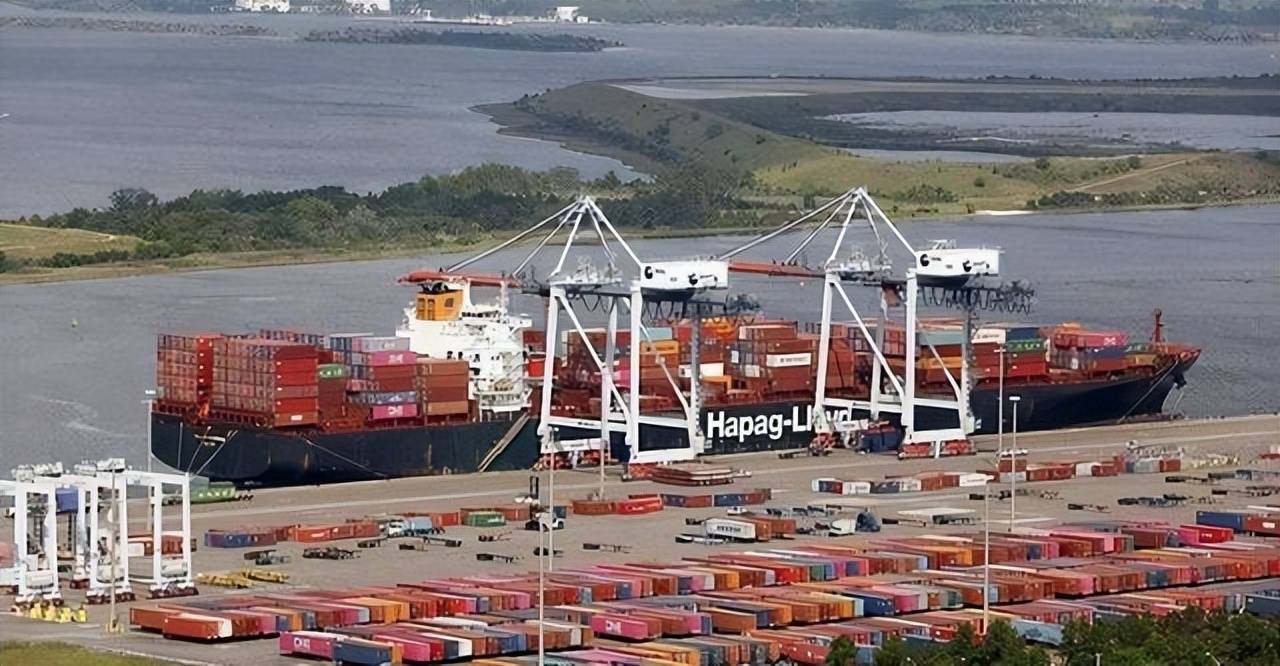
贸易保护主义

Search documents
中原期货晨会纪要-20251029
Zhong Yuan Qi Huo· 2025-10-29 01:22
Report Summary 1. Industry Investment Rating No industry investment rating is provided in the report. 2. Core Viewpoints - The report presents the price changes of various commodities on October 29, 2025, compared to October 28, 2025, including chemicals, agricultural products, and more. It also covers macro - economic news and provides trading strategies for different commodities and financial products based on their fundamentals and market trends [4]. - Macroeconomic news shows positive developments in China - ASEAN cooperation, potential progress in Sino - EU trade talks, and China's stance on financial opening - up and economic policies. The performance of the A - share market and international stock markets is also analyzed [7][8][20][21]. 3. Summary by Category 3.1 Commodity Price Changes - **Chemicals**: On October 29, 2025, among chemicals, glass had the highest increase rate of 1.348% (from 1,113.00 to 1,128.00), while crude oil had the largest decline rate of - 0.994% (from 462.70 to 458.10) [4]. - **Agricultural Products**: Among agricultural products, soybean meal had the highest increase rate of 0.538% (from 2,975.00 to 2,991.00), and palm oil had the largest decline rate of - 1.496% (from 8,958.00 to 8,824.00) [4]. 3.2 Macroeconomic News - China and ASEAN signed the FTA 3.0 upgrade protocol, expanding cooperation in emerging fields [7]. - There will be a Sino - EU talk on rare earths, and China hopes for dialogue to solve trade differences [7]. - China is committed to financial opening - up, and the central bank will implement a moderately loose monetary policy [7]. - The revised Network Security Law will take effect on January 1, 2026, and the Environmental Protection Tax Law will include volatile organic compounds in the tax scope [8]. - The number of overseas travelers for tax - free shopping and the tax - free amount in China have increased significantly this year [8]. - The 8th China International Import Expo will be held from November 5th to 10th, with an expanded scale [8]. - China's soybean area and output are expected to remain high, and the number of breeding sows has decreased [8]. - China's wholesale and retail industries have shown growth in the first three quarters [8]. - The 2025 Hurun Rich List was announced, with Zhong Shanshan becoming the richest man in China [9]. 3.3 Commodity Trading Strategies - **Agricultural Products** - **Peanuts**: The price is expected to fluctuate between 7700 - 7900, and it is recommended to wait and see [13]. - **Sugar**: Consider selling call options at high prices, with a support level at 5450 yuan/ton [13]. - **Corn**: Observe the support in the 2100 - 2120 range [14]. - **Pigs**: The near - term futures are expected to be strong, and the long - term futures will remain weak [14]. - **Eggs**: Short - sell on the futures and conduct inter - month reverse arbitrage [16]. - **Cotton**: Wait and see, and consider going long if it breaks through 13600 yuan/ton [16]. - **Energy and Chemicals** - **Urea**: The UR2601 contract is expected to operate in the 1580 - 1670 yuan/ton range [16]. - **Caustic Soda**: The 2601 contract is under pressure [16]. - **Coking Coal and Coke**: They are expected to remain strong, with coking coal facing pressure around 1300 and coke around 1800 [16]. - **Industrial Metals** - **Copper and Aluminum**: Prices are expected to remain high, but beware of macro - risks [17]. - **Alumina**: The 2601 contract is operating at a low level [17]. - **Steel Products**: Steel prices are expected to fluctuate strongly, with rebar facing pressure around 3200 and hot - rolled coils around 3400 [17]. - **Ferroalloys**: They will maintain a wide - range fluctuating follow - up trend, and the industrial rebound hedging idea remains unchanged [19]. - **Lithium Carbonate**: Adopt a bullish strategy, with a support level at 80000 and a pressure level at 84000 [19]. - **Options and Finance** - **Stock Index Futures**: Trend investors can focus on inter - variety spread arbitrage opportunities, and volatility investors can consider buying straddles or wide straddles after the HO volatility decline [19]. - **Stock Index**: Although the Shanghai Composite Index broke through 4000 points, there is still a need for consolidation. Pay attention to the performance of the third - quarter reports of listed companies [20][21].
卡尼称不排除放宽对中资投资限制,专家:展现了加方战略自主性
Huan Qiu Shi Bao· 2025-10-28 22:32
Group 1 - Canadian Prime Minister Carney plans to meet with Chinese leaders during the APEC summit to repair diplomatic relations and address trade disputes [1] - Carney has praised China as a country "led by engineers" and is looking to reset expectations for future relations, including the possibility of easing investment restrictions and negotiating a free trade agreement [1] - China is identified as Canada's second-largest trading partner and a significant global economic player, with no high-level contact between the two countries for seven years until Carney's recent meeting with the Chinese Premier [1] Group 2 - Professor Li Haidong suggests that Carney's statements reflect a pragmatic choice in response to internal and external challenges, emphasizing the need for Canada to change its previous ideologically biased policies towards China [2] - Canada is seeking to reduce its dependence on the U.S. amid rising trade protectionism, with recent U.S. tariffs on Canadian goods, including a 50% tariff on steel and aluminum, significantly impacting Canadian manufacturing [2]
加拿大总理最新表态:和中国合作,大有可为!此前美国突然中止和加贸易谈判 特朗普还称“不想与加总理见面”
Mei Ri Jing Ji Xin Wen· 2025-10-28 17:39
Group 1 - Canadian Prime Minister Carney emphasizes the importance of strengthening relations with China, noting that China is Canada's second-largest trading partner and a significant global economic player [1] - Carney highlights the lack of high-level contact with China over the past seven years, indicating a potential for substantial progress moving forward [1] - The Canadian government plans to double exports to non-U.S. markets over the next decade, aiming for a value exceeding 300 billion CAD [2] Group 2 - U.S. President Trump announced the suspension of trade negotiations with Canada, citing dissatisfaction with an advertisement sponsored by the Ontario government [2] - The advertisement features former U.S. President Ronald Reagan's views on trade barriers, which Trump claims misrepresents Reagan's stance [2] - Ontario Premier Doug Ford defends the advertisement, stating its purpose is to inform Americans that protectionism is ineffective, and he will not apologize for it [3]


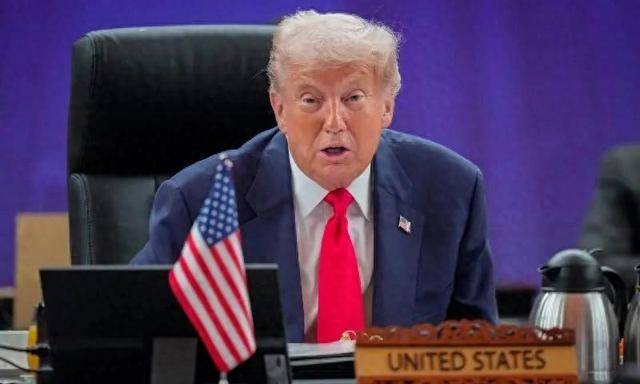
6小时签6国协定!特朗普吉隆坡“闪电外交”,却对加拿大狠加关税
Sou Hu Cai Jing· 2025-10-28 09:39
Core Points - Trump's visit to Malaysia initiated a significant shift in trade diplomacy within the Asia-Pacific region, with multiple trade agreements announced within hours of his arrival [1][3][17] - The agreements include a key mineral cooperation pact with Malaysia and Thailand, which ensures the export of critical minerals and rare earth elements to the U.S., supporting industries like renewable energy and semiconductors [5][6] - The U.S. maintains a 19% tariff rate on most exports from Malaysia, Thailand, and Cambodia, while a 20% rate applies to Vietnam, with potential for tariff reductions on specific products [6][8] Trade Agreements - Six trade agreements were signed with four countries, with a focus on critical minerals and broader trade frameworks with Cambodia and Thailand [3][6] - The U.S. aims to provide unprecedented market access for exporters in Vietnam, enhancing trade relations [6][8] Regional Dynamics - The U.S. is positioning itself as a steadfast partner to Southeast Asia, addressing concerns over high tariffs impacting the region [8][17] - The ASEAN summit also marked East Timor's official entry as the 11th member, expanding the geographical coverage of ASEAN and opening new trade and investment opportunities [12][14][15] Economic Context - The U.S. faces pressure from high tariffs, with an average effective tariff rate of 17.9%, the highest since 1934, prompting a search for new trade partnerships [8][17] - China's trade with ASEAN continues to grow, with a 9.6% increase in trade volume, highlighting the competitive landscape in the region [17]
外交部:中欧经贸关系本质是优势互补 互利共赢
Yang Shi Xin Wen Ke Hu Duan· 2025-10-28 08:40
Core Viewpoint - The essence of China-Europe economic and trade relations is complementary advantages and mutual benefits, emphasizing the importance of free trade and opposition to protectionism [3]. Group 1: Economic and Trade Relations - China hopes that the European side will adhere to its commitments to support free trade and oppose trade protectionism [3]. - The Chinese government advocates for resolving trade differences through dialogue and consultation, rather than resorting to restrictive measures [3]. - There is a call for providing a fair, transparent, and non-discriminatory business environment for enterprises from all countries [3]. Group 2: Market Economy and WTO Rules - The statement emphasizes the need to uphold market economy principles and the rules of the World Trade Organization (WTO) through concrete actions [3].

中方是否将与欧盟谈判放松对稀土的出口管制?外交部回应
Zhong Guo Xin Wen Wang· 2025-10-28 07:57
Core Viewpoint - The Chinese Ministry of Foreign Affairs emphasizes the importance of maintaining a mutually beneficial trade relationship with the EU, advocating for dialogue over restrictive measures regarding rare earth export controls [1]. Group 1: Trade Relations - The essence of China-EU economic and trade relations is characterized by complementary advantages and mutual benefits [1]. - China hopes that the EU will adhere to its commitments to support free trade and oppose trade protectionism [1]. Group 2: Export Controls - The Chinese government encourages the EU to resolve trade differences through dialogue and consultation rather than imposing restrictive measures [1]. - There is a call for the EU to provide a fair, transparent, and non-discriminatory business environment for enterprises from all countries [1].
中欧将讨论稀土问题?外交部回应
券商中国· 2025-10-28 07:56
Core Viewpoint - The essence of China-EU economic and trade relations is complementary advantages and mutual benefits, emphasizing the need for dialogue and cooperation to resolve trade differences and maintain a fair business environment [1]. Group 1 - The Chinese Foreign Ministry spokesperson, Guo Jia Kun, addressed a question regarding the potential relaxation of China's export controls on rare earths during a press conference [1]. - Guo emphasized that the EU should adhere to its commitments to support free trade and oppose protectionism, avoiding restrictive measures [1]. - The spokesperson suggested that specific inquiries regarding export controls should be directed to the relevant Chinese authorities [1].
中欧将讨论稀土问题?外交部回应
财联社· 2025-10-28 07:44
Core Viewpoint - The essence of China-EU economic and trade relations is mutual complementarity and win-win cooperation, emphasizing the importance of free trade and opposition to trade protectionism [2] Group 1 - The upcoming trade talks in Brussels will focus on trade agreements and issues related to rare earth exports [2] - China urges the EU to adhere to commitments supporting free trade and to avoid restrictive measures, advocating for dialogue to resolve trade differences [2] - The Chinese government emphasizes the need for a fair, transparent, and non-discriminatory business environment for enterprises [2]

中国和欧盟代表将在布鲁塞尔会谈讨论稀土问题,外交部回应
Huan Qiu Wang· 2025-10-28 07:34
Core Viewpoint - The essence of China-EU economic and trade relations is complementary advantages and mutual benefits, emphasizing the importance of dialogue and cooperation in addressing trade issues [1] Group 1: China-EU Trade Relations - China hopes the EU will adhere to its commitment to support free trade and oppose trade protectionism [1] - The Chinese side advocates for resolving trade differences through dialogue and consultation rather than imposing restrictive measures [1] - There is a call for providing a fair, transparent, and non-discriminatory business environment for enterprises from all countries [1]
数十年的布局,一夜坍塌!美国亲密盟友,不顾一切转向中国
Sou Hu Cai Jing· 2025-10-28 02:36
Core Viewpoint - The relationship between Canada and the United States, historically characterized by close economic ties, is facing significant challenges due to protectionist policies initiated by former President Trump, leading to increased tariffs and a shift in Canada's trade strategy towards diversification and new markets [1][3][9]. Economic Impact - Over 70% of Canada's exports are directed towards the U.S., making the Canadian economy heavily reliant on American markets [1]. - Following the imposition of a 25% tariff on steel and aluminum, Canada's export volume significantly decreased, resulting in factory closures and job losses [1][3]. - By 2025, the export share to the U.S. dropped by 10 percentage points to 68%, while non-U.S. exports began to grow [5]. Political Response - The Canadian government, under Prime Minister Mark Carney, is actively seeking to reduce dependency on the U.S. by doubling exports to non-U.S. markets within ten years, aiming for an additional 300 billion CAD in revenue [4][5]. - Carney's administration is focusing on strengthening ties with countries like China and India, as well as engaging in free trade agreements with Indonesia and the UAE [5][7]. Trade Strategy - Canada is pivoting towards Asia, with a focus on enhancing trade relations with China, despite recent challenges due to tariffs on Canadian agricultural products [7][8]. - The government is also negotiating with Germany for technological cooperation and with the EU for defense collaboration, aiming to create a more diversified economic landscape [5][8]. Future Outlook - Despite the ongoing trade tensions and economic challenges, Canada is projected to maintain a modest economic growth rate of 1.2% in 2025, supported by its diversification strategy [9][11]. - The situation serves as a cautionary tale for smaller nations facing larger powers, emphasizing the importance of finding alternative markets and upgrading industries to mitigate risks associated with over-reliance on a single country [11].