
预制菜

Search documents
商业头条No.92 | 西贝惊魂120小时
Sou Hu Cai Jing· 2025-09-16 10:43
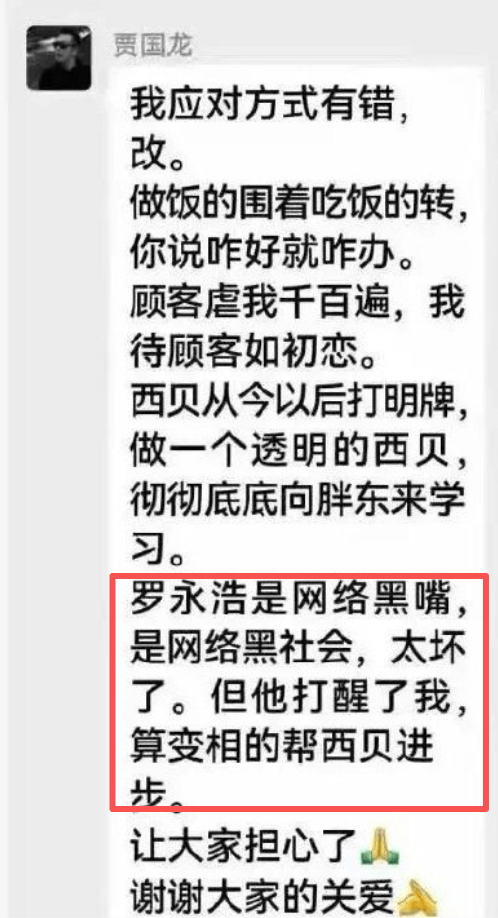
Core Viewpoint - The article discusses the significant external crisis faced by the restaurant chain Xibei, triggered by public criticism from internet entrepreneur Luo Yonghao regarding the use of pre-prepared dishes, leading to a public relations disaster for the brand [5][11][28]. Group 1: Company Response and Crisis Management - Xibei's founder, Jia Guolong, held a large meeting with 18,000 employees to boost morale amidst the crisis, emphasizing the importance of confidence in the brand [1][11]. - Jia Guolong provided a 500 yuan subsidy to frontline employees to alleviate their concerns about the impact of the crisis on their livelihoods [1][11]. - Following Luo's accusations, Jia Guolong publicly declared intentions to sue Luo and opened Xibei's kitchens for media and consumer inspection to demonstrate transparency [8][12][15]. Group 2: Public Reaction and Social Media Impact - Luo Yonghao leveraged his significant social media following to amplify his criticism of Xibei, leading to widespread public scrutiny and media attention [6][12]. - The public's reaction intensified as videos of Xibei's kitchen practices surfaced, revealing the use of long-shelf-life ingredients, which contradicted the brand's claims of freshness [12][13][14]. - Luo's live streams dissecting Xibei's operations further fueled public outrage, with many consumers expressing dissatisfaction with the perceived quality and pricing of Xibei's offerings [15][39]. Group 3: Financial Implications and Business Performance - Xibei experienced a significant drop in daily revenue, estimating losses of 1 million yuan prior to the crisis and potentially 2 to 3 million yuan on the peak day of public scrutiny [26][28]. - The brand's average profit margin was reported to be below 5%, with high costs attributed to raw materials and labor [39]. - Despite the crisis, Jia Guolong maintained that Xibei's pricing was justified, labeling public perceptions of high costs as a misunderstanding [39][41]. Group 4: Industry Context and Future Outlook - The restaurant industry is still recovering from the impacts of the pandemic, and Xibei's struggles reflect broader challenges within the sector [11][28]. - Jia Guolong's approach to standardization in food preparation has been both a point of innovation and contention, as the industry grapples with consumer expectations for transparency and quality [20][24]. - The ongoing crisis may prompt Xibei to reevaluate its operational strategies and public relations tactics to better align with consumer sentiments and industry standards [31][38].

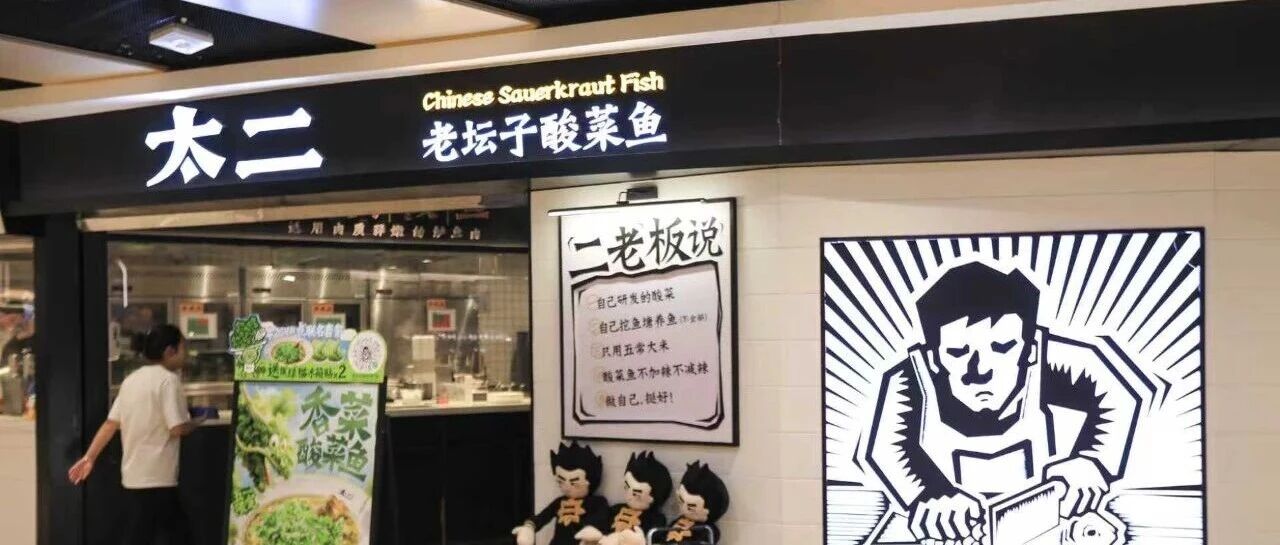
「点单7分钟后,三道菜全部上齐」,太二酸菜鱼客服回应「有无使用预制菜」质疑
Di Yi Cai Jing· 2025-09-16 10:08
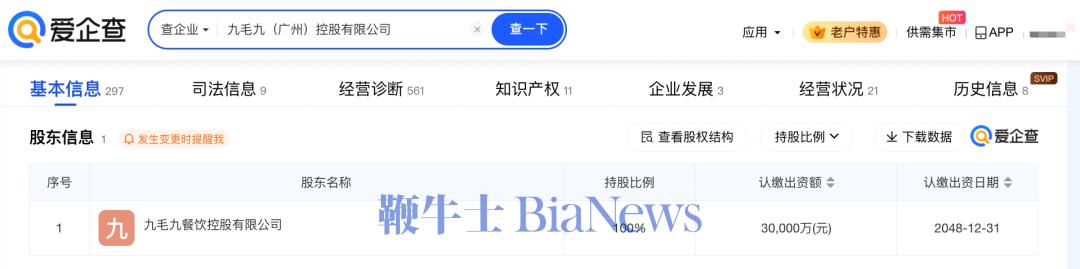
Group 1 - The topic "Why is Tai Er Sauerkraut Fish not being eaten?" has recently gained attention, sparking discussions about whether it is a pre-prepared dish [1] - A media report on September 14 revealed that at a Tai Er Sauerkraut Fish store in Hangzhou, three dishes were served within 7 minutes, indicating a potential use of pre-prepared ingredients [1] - Customer service stated that many ingredients are freshly made daily, but some are processed in a central kitchen, highlighting a mix of fresh and pre-prepared food [1] Group 2 - Tai Er Sauerkraut Fish's parent company, Jiumaojiu (Guangzhou) Holdings Co., Ltd., was established in May 2019 with a registered capital of 300 million RMB [2] - Jiumaojiu's 2025 semi-annual report indicated a revenue of 2.753 billion RMB in the first half of the year, a year-on-year decline of 10.14%, with net profit down 16.05% [4] - Revenue from Tai Er Sauerkraut Fish was 1.949 billion RMB, a decrease of 13.3%, and its contribution to total revenue fell from 73.4% to 70.8% [4]
“点单7分钟后,三道菜全部上齐”,太二酸菜鱼客服回应“有无使用预制菜”质疑
第一财经· 2025-09-16 09:57
Core Viewpoint - The recent discussions surrounding "Tai Er Sauerkraut Fish" and its classification as a pre-made dish have gained significant attention, particularly after reports indicated a decline in customer interest and sales [3][4]. Company Overview - Tai Er Sauerkraut Fish is associated with the company Jiumaojiu (Guangzhou) Holdings Co., Ltd., which was established in May 2019 with a registered capital of 300 million RMB [4]. - The company operates various restaurant brands, including Tai Er Sauerkraut Fish, Chong Hot Pot, and Jiumaojiu Northwest Cuisine, all of which have reported revenue declines in the first half of 2025 [5][6]. Financial Performance - In the first half of 2025, Jiumaojiu reported a revenue of 2.753 billion RMB, a year-on-year decrease of 10.14%, with a net profit of 60.69 million RMB, down 16.05% [6]. - Revenue from Tai Er Sauerkraut Fish specifically was 1.948 billion RMB, reflecting a 13.3% decline, and its contribution to total revenue fell from 73.4% to 70.8% compared to the same period last year [6]. Operational Insights - The number of self-operated Tai Er restaurants decreased from 612 to 547 within a year, indicating a reduction of 65 locations, which has contributed to the decline in same-store sales [6]. - Currently, there are 68 "fresh live" stores across the country, with only one in Hangzhou using live fish, while others utilize daily fresh fish fillets [3][4].
都是华与华的甲方,西贝为什么没像蜜雪冰城一样逆转危机?
Sou Hu Cai Jing· 2025-09-16 06:47
Core Viewpoint - The conflict between Xibei and Luo Yonghao escalated into a public dispute over food quality and consumer rights, highlighting issues in the restaurant industry regarding transparency and consumer trust [1][2][17]. Group 1: Incident Overview - Luo Yonghao criticized Xibei for using pre-prepared dishes, claiming they were overpriced and of poor quality, which sparked significant public interest and debate [2][3]. - Xibei's founder, Jia Guolong, responded by denying the use of pre-prepared dishes and threatened legal action against Luo Yonghao for damaging the company's reputation [2][3]. - In an effort to prove their commitment to transparency, Xibei announced that all kitchens would be open for public inspection and introduced a special menu for consumers to taste their dishes [2][3]. Group 2: Public Reaction and Media Coverage - Media investigations revealed that Xibei's children's meals included frozen ingredients, raising further consumer concerns about food quality and safety [3][11]. - The public's reaction was largely negative, with many questioning Xibei's practices and expressing dissatisfaction with the quality of their meals [3][11]. - Xibei's official communications included an apology and a commitment to improve, but the damage to their reputation was significant, leading to a reported drop in daily revenue by over 2 million yuan [15][17]. Group 3: Industry Implications - The incident reflects broader issues in the restaurant industry regarding the use of pre-prepared foods and the lack of clear regulations on food labeling, which can mislead consumers [14][19]. - The upcoming national standards for pre-prepared foods may provide clarity and enforce transparency in the industry, potentially reshaping consumer expectations and restaurant practices [14][19]. - The contrasting public perception of Xibei and other brands like Mixue Ice City illustrates the importance of aligning product quality with consumer expectations, especially in a price-sensitive market [15][16].
西贝道歉|首席资讯日报
首席商业评论· 2025-09-16 04:16
Group 1 - Xibei Restaurant Group issued an apology on September 15, acknowledging a significant gap between their production processes and customer expectations, committing to complete necessary adjustments by October 1 [2] - Xiaomi announced the launch of the new Xiaomi 17 series on September 15, which includes three models and features the world's first Snapdragon 8 Gen 2 mobile platform, positioning itself to compete directly with Apple's iPhone [3] - The China Alcoholic Drinks Association stated that the trend of low-alcohol liquor is not yet definitive, emphasizing the need for liquor companies to engage with younger consumers and understand their preferences [4] Group 2 - Founder of Pang Donglai expressed support for Xibei, highlighting the challenges of running a business and encouraging a constructive approach to help improve the company rather than destroy it [5] - Union Pacific's CEO discussed a proposed $85 billion acquisition of Norfolk Southern with President Trump, with both companies seeking regulatory approval for the merger [6] - Google Gemini surpassed ChatGPT in downloads, becoming the top free app in the US App Store [8] Group 3 - Apple customer service advised against using metal phone cases for the iPhone 17 Pro due to potential signal interference, although they have not confirmed any issues related to the phone's network performance [9] - The China Chain Store and Franchise Association clarified the definition and scope of pre-prepared dishes, emphasizing that products meeting food safety regulations and prepared in-store do not fall under the category of "pre-prepared dishes" [10] - BYD and Seres both responded positively to the China Automotive Industry Association's initiative on supplier payment norms, committing to uphold timely payments and promote a healthy industry ecosystem [11][12][14]
X @𝘁𝗮𝗿𝗲𝘀𝗸𝘆
𝘁𝗮𝗿𝗲𝘀𝗸𝘆· 2025-09-16 03:09
Consumer Concerns Regarding Prepared Meals - The primary concern is the lack of transparency regarding prepared meals, not necessarily safety or health issues [1] - Consumers advocate for mandatory labeling of prepared meals, specifying the degree of processing and shelf life [1] - The core issue revolves around information transparency and consumers' right to know [1] Counterarguments and Rebuttals - Some argue that they have consumed prepared meals for years without any adverse effects [2] - Counterarguments emphasize that the debate is not about safety, but about clear labeling and informed consumer choice [1]
X @𝘁𝗮𝗿𝗲𝘀𝗸𝘆
𝘁𝗮𝗿𝗲𝘀𝗸𝘆· 2025-09-16 03:09
所谓预制脑子:a:没有人反对预制菜,大家反对的是预制菜不透明。b:预制菜很安全啊。a:没有人说它不安全,但是商家应该注明,尤其不同程度、不同的保质期限应该立法要求注明。b:很多预制菜更健康啊。a:这不是健不健康的问题,是信息透明和知情权的问题。b:我吃了很多年预制菜都没事。 ...
西贝致歉,8道菜将改现做!网友:吃不吃预制菜,让我自己选
Qi Lu Wan Bao· 2025-09-16 03:08
Core Viewpoint - The recent controversy surrounding pre-prepared dishes (pre-cooked meals) has sparked intense public discussion regarding consumer rights to know about food preparation methods in the restaurant industry, particularly highlighted by the chain restaurant group Xibei's apology and commitment to shift several dishes back to in-store preparation, including three children's meals [1][5][20] Group 1: Definition and Standards - Pre-prepared dishes are defined as meals made from one or more food products that undergo industrial pre-processing and require heating or cooking before consumption, as per the recent notification from the market regulatory authority [7][8] - Certain items, such as dishes made in central kitchens or minimally processed fresh foods, do not fall under the category of pre-prepared dishes, which complicates regulatory oversight due to varying standards among companies [8][9] - A draft national standard for pre-prepared dishes has passed expert review and will soon enter a public consultation phase, aiming to clarify definitions and requirements for processing, storage, and transportation [9] Group 2: Consumer Rights and Industry Implications - Consumers are primarily concerned about transparency regarding whether dishes labeled as freshly cooked are actually pre-prepared, indicating a desire for clear information to make informed choices [10][14] - The divergence between consumer understanding and legal definitions is a root cause of disputes, emphasizing the need for businesses to respect consumer rights to know about the nature of the food they are purchasing [14] - The ongoing debate is expected to drive industry standardization, with the establishment of national standards and increased consumer awareness contributing to healthier industry development [14][19] Group 3: Food Safety and Quality Assurance - Current regulatory practices for pre-prepared dishes rely heavily on post-incident reporting and investigation, highlighting a weakness in proactive oversight [15] - Ensuring the quality of pre-prepared dishes involves stringent control over raw materials, production processes, and compliance with food safety regulations, as outlined in the recent notification [17][18] - Experts suggest enhancing consumer complaint channels and encouraging third-party platforms to monitor compliance with disclosure obligations to improve accountability in the industry [18]
天邦食品跌2.18%,成交额1.01亿元,主力资金净流出2100.17万元
Xin Lang Cai Jing· 2025-09-16 02:29
Company Overview - Tianbang Food Co., Ltd. is located in Minhang District, Shanghai, and was established on September 25, 1996. The company was listed on April 3, 2007. Its main business involves pig farming and pork product processing [1] - The revenue composition of Tianbang Food includes 63.82% from pig farming, 33.25% from food processing, 2.85% from feed products, and 0.08% from other sources [1] Stock Performance - As of September 16, Tianbang Food's stock price decreased by 2.18%, trading at 3.14 CNY per share, with a total market capitalization of 6.977 billion CNY [1] - Year-to-date, the stock price has increased by 12.54%, with a 1.95% rise over the last five trading days, 4.67% over the last 20 days, and 6.08% over the last 60 days [1] - The company has appeared on the "Dragon and Tiger List" once this year, with the most recent occurrence on May 8, where it recorded a net purchase of 20.5299 million CNY [1] Financial Performance - For the first half of 2025, Tianbang Food achieved a revenue of 4.693 billion CNY, representing a year-on-year growth of 8.69%. However, the net profit attributable to shareholders decreased by 58.14% to 352 million CNY [2] - The company has distributed a total of 1.185 billion CNY in dividends since its A-share listing, with no dividends paid in the last three years [3] Shareholder Information - As of September 10, Tianbang Food had 80,800 shareholders, an increase of 0.33% from the previous period. The average number of tradable shares per shareholder is 24,415, which has decreased by 0.33% [2]

步步高跌2.07%,成交额10.07亿元,主力资金净流出7191.06万元
Xin Lang Zheng Quan· 2025-09-16 02:22
Group 1 - The core viewpoint of the news highlights the recent stock performance and financial metrics of the company, Bubu Gao, indicating a mixed trading activity with a notable increase in stock price year-to-date [1][2] - As of September 16, Bubu Gao's stock price decreased by 2.07% to 6.63 CNY per share, with a total market capitalization of 17.826 billion CNY [1] - The company has seen a year-to-date stock price increase of 67.85%, with a 0.60% decline over the last five trading days, and a 38.12% increase over the last 20 days [1] Group 2 - Bubu Gao operates primarily in the retail sector, with its main business revenue composition being 64.34% from supermarkets, 27.44% from other sources, 6.01% from department stores, and 2.21% from logistics and advertising [1] - For the first half of 2025, Bubu Gao reported a revenue of 2.133 billion CNY, reflecting a year-on-year growth of 24.39%, and a net profit of 201 million CNY, which is a significant increase of 357.71% [2] - The company has a total of 88,500 shareholders as of June 30, with an increase of 96.50% compared to the previous period, while the average circulating shares per person decreased by 49.11% [2][3]
