出口管制

Search documents
涉美国实体出口管制管控 商务部回应
Zheng Quan Shi Bao· 2025-08-12 03:00
Core Points - The Ministry of Commerce announced adjustments to export control lists and unreliable entity lists in response to the recent China-US economic talks, indicating a temporary suspension of certain measures against US entities [1] Export Control Summary - The Ministry of Commerce issued announcements on April 4 and April 9, 2025, adding 28 US entities to the export control list, prohibiting the export of dual-use items to these entities [1] - Effective August 12, 2025, the measures against 16 of the entities listed on April 4 will be suspended for 90 days, while measures against 12 entities listed on April 9 will be halted [1] - Exporters wishing to export dual-use items to these entities must apply to the Ministry of Commerce, which will review applications according to relevant regulations [1] Unreliable Entity List Summary - The Ministry of Commerce, based on the Foreign Sanctions Law and the Unreliable Entity List regulations, added 17 US entities to the unreliable entity list on April 4 and April 9, 2025, prohibiting these entities from engaging in import and export activities related to China and from making new investments in China [1] - Starting August 12, 2025, the measures against the entities listed on April 4 will be suspended for 90 days, and measures against those listed on April 9 will be stopped [1] - Domestic companies can apply to engage in transactions with these entities, and the review process will be conducted according to the Unreliable Entity List regulations [1]
商务部重要发布
Zhong Guo Ji Jin Bao· 2025-08-12 02:03
答:根据出口管制相关法律法规规定,商务部于2025年4月4日和9日分别发布了第21号和22号公告,将 28家美国实体列入出口管制管控名单,禁止向其出口两用物项。为落实中美经贸高层会谈共识,决定自 2025年8月12日起,对于2025年4月4日被列入出口管制管控名单的16家美国实体,继续暂停上述相关措 施90天;对于2025年4月9日被列入出口管制管控名单的12家美国实体,停止执行相关措施。出口经营者 如需向上述实体出口两用物项,应当根据《中华人民共和国两用物项出口管制条例》相关规定向商务部 提出申请;商务部将依法依规进行审查,符合规定的将准予许可。 商务部新闻发言人就调整不可靠实体清单措施答记者问 问:中美斯德哥尔摩经贸会谈联合声明提到中方将采取或者维持必要措施,暂停或取消针对美国的非关 税反制措施。请问在不可靠实体清单方面有什么考虑? 答: 根据《中华人民共和国反外国制裁法》《不可靠实体清单规定》及有关规定,不可靠实体清单工 作机制于2025年4月4日和9日,将17家美国实体列入不可靠实体清单,禁止上述企业从事与中国有关的 进出动,以及在中国境内新增投资。为落实中美经贸高层会谈共识,自2025年8月12日起 ...
商务部就出口管制管控名单和调整不可靠实体清单措施答问
Ren Min Ri Bao· 2025-08-12 01:14
答: 根据《中华人民共和国反外国制裁法》《不可靠实体清单规定》及有关规定,不可靠实体清单工 作机制于2025年4月4日和9日,将17家美国实体列入不可靠实体清单,禁止上述企业从事与中国有关的 进出口活动,以及在中国境内新增投资。为落实中美经贸高层会谈共识,自2025年8月12日起,继续暂 停4月4日公告(不可靠实体清单工作机制〔2025〕7号)相关措施90天,停止4月9日公告(不可靠实体 清单工作机制〔2025〕8号)相关措施。根据《不可靠实体清单规定》相关规定,国内企业可申请与上 述实体进行交易,不可靠实体清单工作机制将依法进行审核,对符合条件的申请予以批准。 (文章来源:人民日报) 商务部新闻发言人就出口管制管控名单答记者问 商务部新闻发言人就调整不可靠实体清单措施答记者问 问:中美斯德哥尔摩经贸会谈联合声明提到中方将采取或者维持必要措施,暂停或取消针对美国的非关 税反制措施。请问在不可靠实体清单方面有什么考虑? 问:我们注意到,中美斯德哥尔摩经贸会谈联合声明提到中方将采取或者维持必要措施,暂停或取消针 对美国的非关税反制措施。请问在出口管制管控名单方面有何考虑? 答:根据出口管制相关法律法规规定,商务部 ...
商务部新闻发言人就出口管制管控名单答记者问
Xin Hua She· 2025-08-12 01:05
(文章来源:新华社) 问:我们注意到,中美斯德哥尔摩经贸会谈联合声明提到中方将采取或者维持必要措施,暂停或取消针 对美国的非关税反制措施。请问在出口管制管控名单方面有何考虑? 答:根据出口管制相关法律法规规定,商务部于2025年4月4日和9日分别发布了第21号和22号公告,将 28家美国实体列入出口管制管控名单,禁止向其出口两用物项。为落实中美经贸高层会谈共识,决定自 2025年8月12日起,对于2025年4月4日被列入出口管制管控名单的16家美国实体,继续暂停上述相关措 施90天;对于2025年4月9日被列入出口管制管控名单的12家美国实体,停止执行相关措施。出口经营者 如需向上述实体出口两用物项,应当根据《中华人民共和国两用物项出口管制条例》相关规定向商务部 提出申请;商务部将依法依规进行审查,符合规定的将准予许可。 商务部新闻发言人就出口管制管控名单答记者问 ...
美官员:英伟达和AMD同意向美政府上缴15%收入换出口许可
2 1 Shi Ji Jing Ji Bao Dao· 2025-08-11 23:45
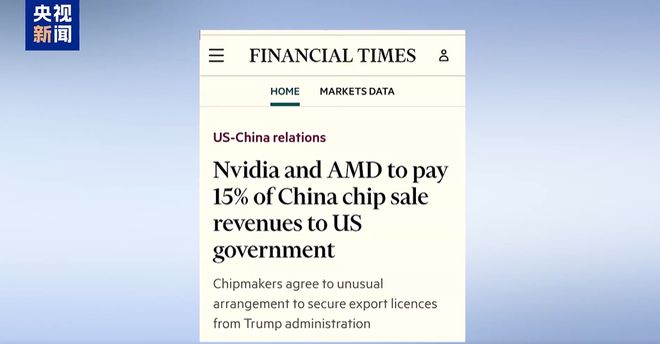
Core Viewpoint - The article discusses a unique agreement between U.S. chip manufacturers Nvidia and AMD with the Trump administration, where both companies will pay 15% of their chip sales revenue from China to the U.S. government in exchange for export licenses [1][3]. Group 1: Agreement Details - Nvidia will pay 15% of its revenue from H20 chip sales in China, while AMD will do the same for its MI308 chip [3]. - This financial arrangement was made to secure export licenses from the U.S. government for products sold to China [3]. - The U.S. Department of Commerce has begun issuing export licenses to these companies for the Chinese market [3]. Group 2: Company Responses - Nvidia stated that it complies with U.S. government rules for participating in the global market and will continue to serve as many customers as possible within those rules [5]. - AMD has not yet responded to the agreement [5]. Group 3: Context and Implications - The practice of requiring companies to pay a portion of their revenue for export licenses is unprecedented [7]. - This approach aligns with the Trump administration's strategy of demanding specific actions from companies, such as investing in the U.S. in exchange for benefits like tariff exemptions [7].


美官员:英伟达和AMD同意向美政府上缴15%收入换出口许可
21世纪经济报道· 2025-08-11 23:41
Core Viewpoint - The article discusses a unique agreement between U.S. chip manufacturers Nvidia and AMD with the Trump administration, where both companies will pay 15% of their chip sales revenue from China to the U.S. government in exchange for export licenses [1][3][7]. Group 1: Agreement Details - Nvidia and AMD have agreed to pay 15% of their sales revenue from specific chips (H20 for Nvidia and MI308 for AMD) sold in China to the U.S. government to obtain export licenses [3]. - The U.S. Department of Commerce has begun issuing export licenses for these companies targeting the Chinese market [3]. Group 2: Government's Approach - This revenue-sharing arrangement for export licenses is unprecedented, aligning with the Trump administration's approach of requiring companies to take specific actions, such as investing in the U.S., in exchange for benefits like tariff exemptions [7]. - The U.S. government has not yet decided how to utilize the funds collected from these companies [3]. Group 3: Company Responses - Nvidia stated that it complies with the rules set by the U.S. government for participating in the global market and will continue to serve as many customers as possible within those rules [5]. - AMD has not yet responded to the agreement [5].
几无先例!美政府从对华出口芯片“抽成”引哗然,多种政策疑成“创收手段”
Huan Qiu Shi Bao· 2025-08-11 22:45
Core Viewpoint - Nvidia and AMD have reached an unprecedented agreement with the U.S. government to pay 15% of their sales revenue from the Chinese market in exchange for semiconductor export licenses, reflecting increased government intervention in business operations [1][3][4]. Group 1: Agreement Details - Nvidia will pay 15% of its sales revenue from the H20 chip in China, while AMD will do the same for its MI308 chip [3][4]. - This financial arrangement was a condition for obtaining export licenses after both companies were previously banned from exporting these chips to China [3][4]. - The expected sales revenue from Nvidia's H20 chip in China is projected to exceed $15 billion by the end of the year, while AMD's MI308 chip is expected to generate around $800 million, resulting in over $2 billion in revenue for the U.S. government [4]. Group 2: Government Intervention - The agreement is seen as part of the Trump administration's broader strategy to encourage domestic investment and job creation while imposing export controls [3][4]. - This type of financial arrangement for export licenses is rare and aligns with the Trump administration's increasing intervention in international business operations [4]. - The U.S. government has previously used similar tactics, such as the "golden share" condition in other acquisitions, to maintain control over companies [4]. Group 3: Reactions and Implications - Critics, including former U.S. Commerce Department advisors, argue that this practice compromises national security for financial gain [5]. - The situation raises questions about the ultimate goals of U.S. trade policies, particularly regarding tariffs and their dual role as a means of revenue generation [5]. - The Chinese government has expressed opposition to the politicization of technology and trade issues, emphasizing that such actions disrupt global supply chains and do not serve any party's interests [6].
美绕开中国禁令狂购锑,泰墨成“中转站”,出口管制漏洞何在?
Sou Hu Cai Jing· 2025-08-11 06:06
Core Insights - The U.S. has imported 3,834 tons of antimony oxide through Thailand and Mexico in just five months, nearly matching the total amount imported over the past three years, coinciding with China's planned export control policy for minerals by the end of 2024 [1][3] - The surge in imports raises questions about the effectiveness of China's export bans and whether Thailand and Mexico are acting as "bridges" for the U.S. to circumvent these restrictions [1][3] Group 1: Import Dynamics - Thailand and Mexico are not major producers of antimony, yet there has been an unusual increase in antimony product exports from China to these countries, indicating a strategy of "washing" the origin of products [3][4] - The increase in imports from Thailand and Mexico aligns with China's announcement of export controls on critical minerals, suggesting that the U.S. is using these countries as transit points to bypass direct purchases from China [4][6] Group 2: Supply Chain Complexity - The global supply chain is intricate and interconnected, making it challenging to enforce export bans effectively, especially when products are exported to third countries for minimal processing before reaching the U.S. [4][6] - The presence of Chinese capital in many of the new mineral transshipment companies in Mexico raises concerns about the effectiveness of the export controls [4][6] Group 3: Strategic Materials Concerns - Gallium procurement is also problematic, with U.S. companies managing to acquire it from China through undisclosed channels, highlighting the secretive nature of these transactions [6] - The situation underscores the need for China to enhance its regulatory mechanisms to close supply chain loopholes and strengthen its strategic deterrence against attempts to circumvent export bans [6]


金融时报:英伟达和AMD上缴15%的中国AI芯片收入,换取特朗普“放行”
美股IPO· 2025-08-11 03:36
Core Viewpoint - The unprecedented arrangement between Nvidia and AMD to pay 15% of their sales revenue from chip sales in China to the U.S. government marks a significant shift in U.S. export control policies [1][3][5]. Group 1: Export License Conditions - Nvidia and AMD have received export licenses to sell chips in China, contingent upon paying 15% of their sales revenue to the U.S. government [3][6]. - Nvidia is expected to generate approximately $23 billion in revenue from selling around 1.5 million H20 chips in China by 2025, which could result in over $3 billion in payments to the U.S. government [3]. Group 2: Implications of the Arrangement - This arrangement is seen as a new phase in the trade war, with analysts highlighting its significance as it involves revenue sharing rather than profit sharing [5]. - The U.S. government is negotiating "trade agreements" on a company-by-company basis, indicating a more tailored approach to trade relations [5]. Group 3: Government Stance and Reactions - The U.S. Commerce Department has begun issuing export licenses for H20 chips, coinciding with a meeting between Nvidia's CEO and former President Trump [6]. - The Chinese Ministry of Commerce has expressed concerns over U.S. export controls, emphasizing the need for cooperation and a stable semiconductor supply chain [7]. Group 4: Tariff Policies - Trump has announced a 100% tariff on semiconductor imports but offers exemptions for companies that commit to building factories in the U.S. [8].
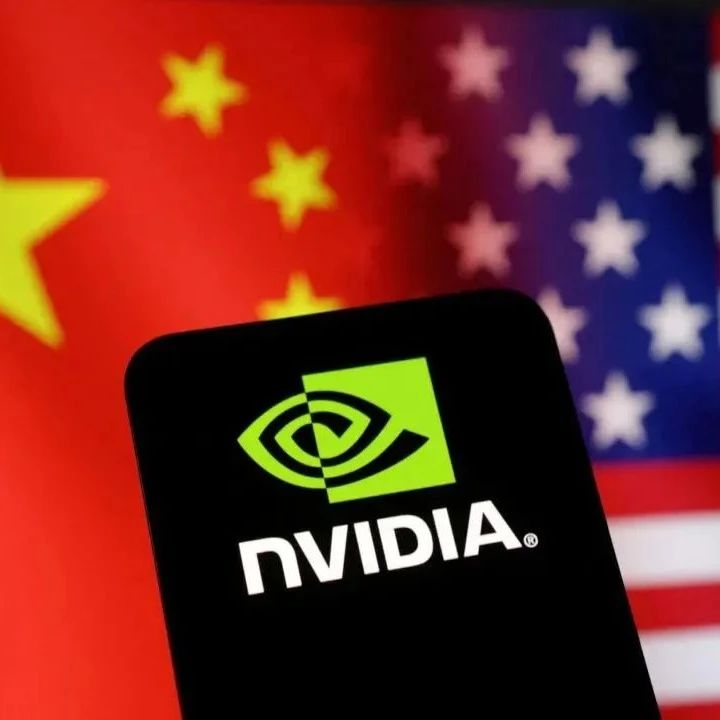
报道称:英伟达和AMD上缴15%的中国AI芯片收入,换取特朗普「放行」
Hua Er Jie Jian Wen· 2025-08-11 01:20
Core Points - NVIDIA and AMD have agreed to pay 15% of their sales revenue from specific chips sold in China to the U.S. government in exchange for export licenses, marking a significant shift in U.S. export control policy [1][2] - The agreement involves NVIDIA's H20 and AMD's MI308 chips, with analysts estimating NVIDIA's H20 sales could reach $23 billion in 2025, implying a payment of over $3 billion to the U.S. government [1][3] - This unprecedented arrangement reflects the Trump administration's approach of encouraging domestic investment to avoid tariffs and generate U.S. jobs and revenue [2][3] Group 1 - The U.S. Commerce Department began issuing export licenses for H20 chips shortly after a meeting between NVIDIA's CEO and Trump, indicating a potential shift in U.S.-China trade relations [4] - The Chinese Ministry of Commerce stated that the U.S. has agreed to approve the sale of NVIDIA's H20 chips to China, emphasizing the need for cooperation and mutual benefit [5] - Analysts suggest that this arrangement signifies a new era in the trade war, with the U.S. negotiating "trade agreements" on a company-by-company basis [3][2]