数字金融

Search documents
工行苏州分行:以金融之笔助力绘就中国式现代化苏州新实践美丽画卷
Xin Lang Cai Jing· 2025-12-09 06:11
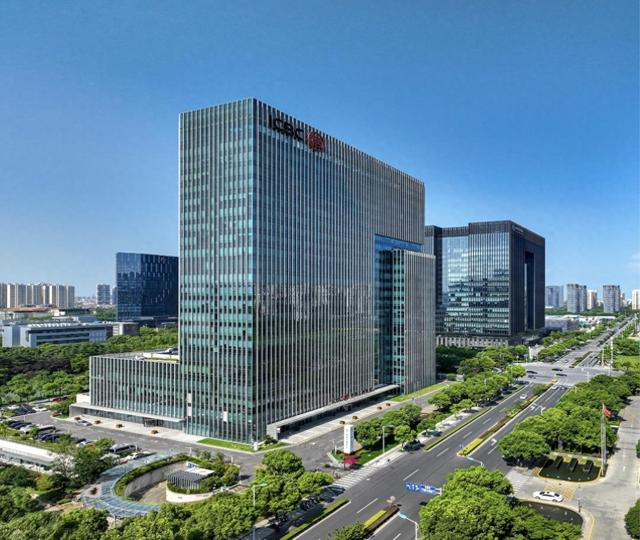
Core Viewpoint - The Industrial and Commercial Bank of China (ICBC) Suzhou Branch is committed to implementing national policies and enhancing financial services to support the high-quality development of the local economy, with a target of exceeding 780 billion yuan in financing by the end of November 2025 [1] Group 1: Financial Services and Support for Key Projects - ICBC Suzhou Branch has engaged with over 550 key projects in Suzhou since 2025, providing more than 22 billion yuan in credit to meet the funding needs of major regional projects [3] - The branch has innovated financing solutions for modern industrial systems, with manufacturing loans exceeding 200 billion yuan and coverage for specialized small and medium enterprises surpassing 80% [3] Group 2: Support for Small and Micro Enterprises - By the end of Q3 2025, the loan balance for private enterprises reached 187.6 billion yuan, with a net increase of 25.6 billion yuan since the beginning of the year [4] - The branch has provided 113.6 billion yuan in loans to small and micro enterprises, focusing on sectors like accommodation, catering, and new consumption models [5] Group 3: Innovation and Digital Finance - ICBC Suzhou Branch has established a digital currency laboratory and launched projects like "Digital RMB+" to enhance digital financial services [7] - The branch has created an AI laboratory to develop innovative financial service applications, contributing to the city's goal of becoming a preferred location for entrepreneurship [7] Group 4: Green Finance Initiatives - The branch has introduced green financial products, with over 1.2 billion yuan allocated to support 196 enterprises in their green and low-carbon development [8] - By the end of Q3 2025, the balance of green loans reached 160.7 billion yuan, an increase of 15.1 billion yuan since the beginning of the year [8] Group 5: Support for International Expansion - ICBC Suzhou Branch has facilitated cross-border financial services, with over 100 billion yuan in cross-border RMB transactions and support for nearly 1,000 foreign trade enterprises [10] - The branch has participated in multilateral central bank digital currency projects to enhance cross-border financial service capabilities [11] Group 6: Consumer Finance and Community Engagement - The branch has launched various consumer finance initiatives, including personal loans exceeding 400 million yuan to stimulate local consumption [12] - ICBC Suzhou Branch has collaborated with local communities to provide financial education and services tailored to the needs of elderly residents [14] Group 7: Commitment to Local Economic Development - ICBC Suzhou Branch aims to align its operations with Suzhou's development plans, enhancing its role in supporting the local economy and maintaining financial stability [14]


大国五年 | 金融血脉,澎湃高质量发展动能
Xin Hua Wang· 2025-12-09 01:04
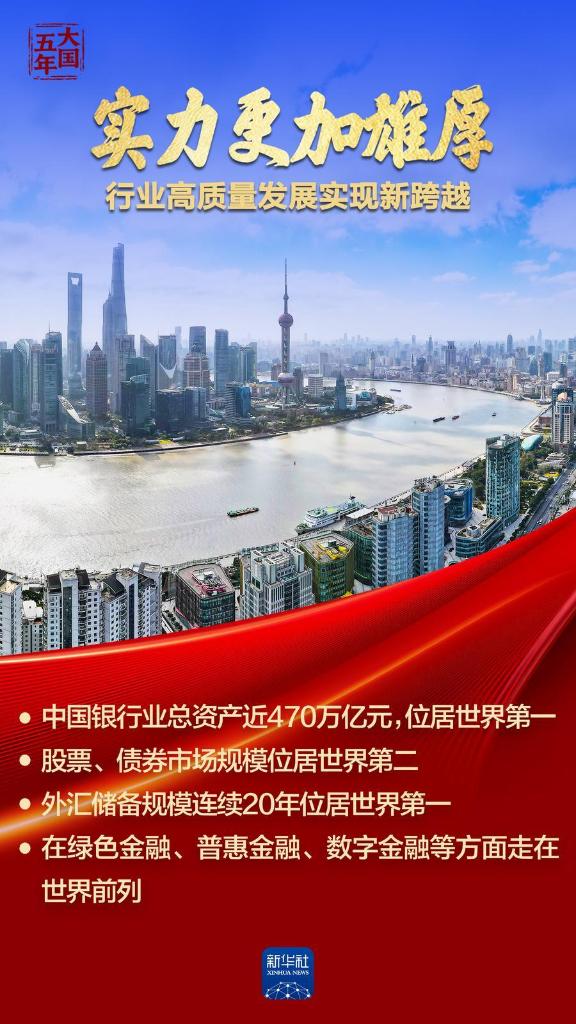
新华社 ar · 中国银行业总资产近470万亿元,位居世界第一 ● 股票、债券市场规模位居世界第二 · 外汇储备规模连续20年位居世界第一 ● 在绿色金融、普惠金融、数字金融等方面走在 世界前列 A 面积:12 85 加快餐建现代金 金融是国民经济的血脉。"十四五"时期,我国加快构建中国特色现代金融体系,牢牢守住系统性风 险安全底线,为高质量发展注入磅礴动能。银行业总资产近470万亿元,稳居世界第一;股票、债券市 场规模全球第二,彰显市场深度;五年间为实体经济提供新增资金170万亿元,畅通高质量发展血 脉…… 金融活则经济活,金融稳则全局稳。从服务实体的坚定不移,到金融开放的波澜壮阔,中国金融正 以更雄浑的格局、更蓬勃的活力,迈向规模更庞大、结构更优化、运行更稳健的现代化金融强国。 力量力的能 MIT 凯信斯 ● 设立中央金融委员会、中央金融工作委员会 ● 加强党中央对金融工作的集中统一领导 ● 加快构建现代金融体系 ● 金融治理体系和治理能力现代化迈上新台阶 HE READ THE · 银行业保险业为实体经济提供新增资金170万亿元 新华社 95 ●科研技术贷款、制造业中长期贷款年均增长 27.2%、21. ...
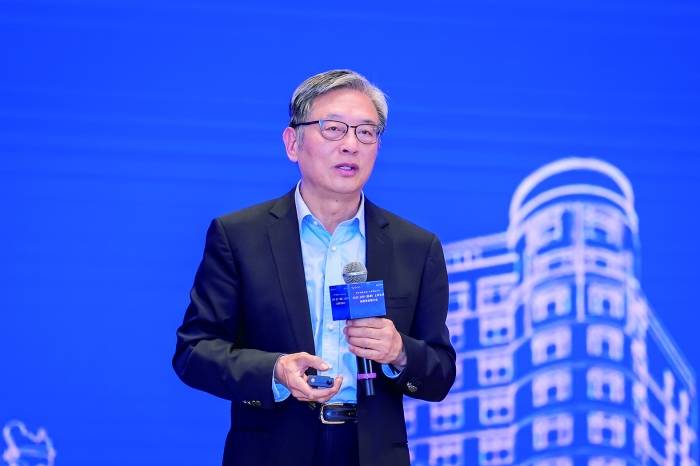
上海交大上海高级金融学院创院理事长屠光绍:发挥长三角区域优势 打造科技金融协同发展高地
Sou Hu Cai Jing· 2025-12-09 00:08
Core Viewpoint - The transformation from industrial capital to financial capital and now to technological capital is reshaping economic development, with technological capital becoming a significant driving force for both technological and economic advancement [1][3]. Group 1: Capital Accumulation in Technology - Capital is increasingly concentrating in the technology sector, significantly promoting technological development and the emergence of new productive forces [4]. - Investment in technology is becoming a key driver in financial markets, with venture capital flowing into the technology sector. In China, the proportion of venture capital in the technology sector is rising, while in the U.S., it remains high [5]. - By the end of 2024, the market capitalization of the technology sector in A-shares is expected to reach 42.7%, while in U.S. markets, it is projected to be 46.5% [5]. Group 2: Investment Institutions and Financial Tools - The focus of technology financing is shifting from Wall Street to industrial capital, with corporate venture capital and strategic investments from technology leaders reshaping the venture capital landscape [6]. - By 2025, funds led by technology core enterprises are expected to account for 51% of total venture capital, surpassing traditional venture capital for the first time [6]. - The global allocation of insurance funds to technology equity is projected to reach 1.32 trillion yuan, representing 35% of total technology equity financing by 2025 [6]. Group 3: Mergers and Acquisitions - The proportion of mergers and acquisitions in China's technology sector is showing a fluctuating upward trend, reaching 30.4% of total industry mergers by the end of 2024 [6]. - The U.S. continues to dominate the global technology M&A landscape, leading market trends [6]. Group 4: Regional Dynamics - Global technology investment is forming a "three-pole pattern," with capital rapidly concentrating in technology-financially developed regions such as North America, Asia-Pacific, and Europe [7]. - Different economies are developing differentiated technology financing models, with the U.S. excelling in venture capital and the EU focusing on policy-driven financing [7]. Group 5: Empowering Financial Systems - The financial system is undergoing profound changes driven by technology, transitioning from mere technical applications to fundamentally reshaping financial services [8]. - The proportion of technology talent in major financial centers is increasing, reflecting the deepening digital transformation in the financial sector [8]. Group 6: Collaborative Development in the Yangtze River Delta - Anhui, as a key region in the Yangtze River Delta, is encouraged to leverage its regional advantages to foster collaborative development in technology and finance [9]. - Specific recommendations include deepening market reforms to empower technology financial product innovation and enhancing knowledge property financing practices [9][10].
农行山东省分行:以“大棚保”破题,数字金融赋能乡村振兴
Feng Huang Wang Cai Jing· 2025-12-08 14:08
Core Viewpoint - The People's Bank of China and seven departments issued an action plan to promote high-quality development of digital finance, supporting financial institutions in enhancing service quality through digital technology, thereby contributing to the high-quality development of China's digital economy [1] Group 1: Digital Financial Services - Agricultural Bank of China Shandong Branch quickly responded to the policy by utilizing digital technology to optimize financial products, launching the "Dapengbao" service to help farmers address production challenges [1] - The "Dapengbao" service provides real-time monitoring of temperature and humidity in greenhouses, significantly improving management efficiency for farmers [2][4] - The service is offered at no cost to farmers, making it an attractive option compared to market alternatives that charge annual fees [2] Group 2: Case Studies - Liu Jie and Yan Qingxiang, a couple from Dongyan Village, benefited from the "Dapengbao" service, which helped them avoid significant losses by alerting them to critical changes in greenhouse conditions [2][3] - Zhu Haisheng, a cattle farmer, received financial support from Agricultural Bank of China and was provided with the "Dapengbao" system to monitor his cattle's environment, reducing the need for manual checks and enhancing operational efficiency [5][6] - The implementation of digital monitoring has led to improved health and growth rates of livestock, contributing to increased income for farmers [7] Group 3: Future Prospects - The ongoing innovation in digital finance by Agricultural Bank of China Shandong Branch is expected to expand the reach of quality digital solutions across various agricultural sectors, fostering a more prosperous and intelligent rural landscape in Shandong [7]

产融携手共绘五篇新章 北上协密集调研三家银行解码金融高质量发展
Zhong Guo Zheng Quan Bao· 2025-12-08 13:12
Core Viewpoint - The Beijing Listed Companies Association (北上协) is conducting a series of research activities focused on "high-quality financial development and the five major topics," engaging with major banks to explore how financial institutions can empower the real economy through various financial innovations [1][6]. Group 1: Beijing Bank - Beijing Bank prioritizes technology finance as its "first strategy" and emphasizes specialized and innovative enterprises as its "number one project" [2]. - The bank's board secretary highlighted that technological innovation is a core driver for reshaping the global economic landscape and that finance plays a crucial role in supporting technological innovation and industrial upgrades [2]. - The association's secretary-general expressed the importance of high-quality financial development as a support for national economic growth and encouraged listed companies to leverage financial market resources for innovation [2]. Group 2: Agricultural Bank - Agricultural Bank focuses on serving rural revitalization, with 40% of its loans and 44% of its deposits located in county areas [3]. - The bank is committed to urban business development while maintaining a collaborative operational model between urban and rural areas [3]. - The discussions during the research highlighted the bank's practices in technology finance and digital transformation, clarifying the direction for collaboration between enterprises and financial institutions [3]. Group 3: Postal Savings Bank - Postal Savings Bank aims to serve agriculture, rural areas, and small and medium-sized enterprises, enhancing service quality and creating new development momentum [4]. - As of Q3 2025, the bank reported positive growth in revenue and profit, with a net interest margin of 1.68% and a non-performing loan ratio of 0.94%, indicating strong performance in the industry [4]. - The bank's strategy focuses on aligning financial resources with key areas of economic development in the capital [4]. Group 4: Financial Development Strategies - The association emphasizes the need for financial companies to focus on strategic planning, risk prevention, technology empowerment, international cooperation, and talent development to ensure long-term growth [5]. - The "five major topics" are seen as essential for enhancing the quality of service to the real economy and mitigating systemic risks [6]. Group 5: Future Directions - The implementation of the "five major topics" is expected to transform banking service models, shifting from traditional collateral-based assessments to a focus on technology and future potential [6]. - Suggestions from company representatives include optimizing risk assessment models for technology finance and enhancing green finance standards [7]. - The association plans to continue facilitating high-quality exchanges and training sessions to foster collaboration among listed companies [7].


浩丰科技旗下华软金科获数字金融服务创新奖
Zheng Quan Ri Bao Wang· 2025-12-08 12:45
Group 1 - The "2025 Digital Finance and Technology Finance Conference" was recently held in Zhongguancun, showcasing innovative digital financial services and application cases [1] - Beijing Haofeng Chuangyuan Technology Co., Ltd. (Haofeng Technology) won the "2025 5th Digital Financial Service Innovation and Application Case Excellent Case Award" for its "Big Data-based Intelligent Financial Statistical Data Management System" [2] - The award-winning system is based on domestic Kunpeng processors, Galaxy Kirin (openEuler system), domestic openGauss database, and DeepSeek-R1 model, providing a high-performance platform for financial data statistical analysis [2] Group 2 - Haofeng Technology's wholly-owned subsidiary, Huasoft Jinke, has become a prominent IT partner for many financial institutions in China, adhering to the development philosophy of "Technology for Innovation, Finance for Simplicity" [3] - The company has received various certifications, including high-tech enterprise recognition, dual-software enterprise certification, and CMMI Level 3, ISO9001, ISO27001, and ISO20000 standards [3] - Huasoft Jinke holds over 40 independent intellectual property software copyrights and has been awarded titles such as "Shandong Excellent Software Enterprise" and "Technology Market Golden Bridge Award" [3]

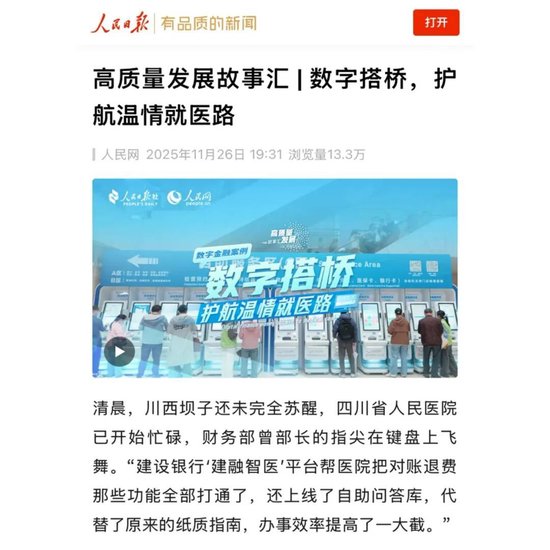
数字搭桥,护航温情就医路!建行“数字金融”故事获人民日报点赞
Xin Lang Cai Jing· 2025-12-08 09:59
Core Viewpoint - The "Jianrong Zhiyi" platform by China Construction Bank (CCB) is highlighted as a successful case of digital finance, significantly improving the efficiency of refund reconciliation processes at Sichuan Provincial People's Hospital, aligning with the national goal of building a financial powerhouse and promoting high-quality financial development [1][29]. Group 1: Digital Finance Implementation - The "Jianrong Zhiyi" platform has streamlined the refund reconciliation process, reducing the number of personnel required from 7 to 1 [2][30]. - The average response time for single query retrieval has decreased from 63 seconds to under 12 seconds, enhancing operational efficiency [2][30]. - The platform has implemented a self-service Q&A database, replacing traditional paper guides, which has led to a significant increase in service efficiency [2][30]. Group 2: Broader Financial Initiatives - CCB's initiatives, including "Yunong Tong" and "Jianrong Huixue," reflect its commitment to serving the public and supporting various sectors through financial services [3][31]. - The integration of advanced technologies such as distributed banking core systems and natural language processing has underpinned the success of these digital finance initiatives [3][31]. - CCB aims to accelerate its digital and intelligent transformation to contribute to the development of the digital economy and enhance financial productivity [29][31]. Group 3: Communication and Outreach - CCB's digital finance stories are being disseminated in both Chinese and English through various media platforms, including People's Daily and its online channels [3][31]. - The outreach efforts aim to showcase the impact of digital finance on improving public services and enhancing the quality of life [3][31].
莒县农商银行:数字金融助力塑业焕新提质
Qi Lu Wan Bao· 2025-12-08 07:46
Group 1: Company Overview - Shandong Kaiguite Plastic Industry Co., Ltd. is a leading enterprise in the high-end plastic industry park in Ju County, with products exported to Europe, America, and Central Asia [1] - The company has experienced a 60% year-on-year increase in order volume, particularly for self-developed high-end products like rice husk tableware and functional preservation films, achieving a daily shipment volume of 5,000 to 6,000 boxes [1] - To seize market opportunities and strengthen its industry position, the company plans to expand biodegradable product capacity and upgrade product testing equipment, enhancing core competitiveness through technological iteration [1] Group 2: Financial Services - Ju County Rural Commercial Bank focuses on online digital financial services, with the "Plastic Ten Thousand Families" special credit product at its core, precisely addressing the high-quality development needs of plastic enterprises [2] - The bank has integrated multi-dimensional data from various government departments and industry associations to create a comprehensive data system, enabling it to capture the financing needs of enterprises for capacity expansion and upgrades [2] - The "Plastic Ten Thousand Families" service allows for a streamlined online financing process, with loans approved and funds disbursed within 48 hours, significantly improving the efficiency of obtaining financing for enterprises [2][3] Group 3: Impact on Industry - Shandong Kaiguite Plastic Industry has deeply integrated with the "Plastic Ten Thousand Families" online digital financial service, allowing for efficient management of loans and repayments through mobile banking [3] - The bank has provided over 210 million yuan in loans to 25 enterprises in the Ju County plastic industry association, leading to an increase in production capacity of nearly 20,000 tons and promoting the transformation of the county's plastic industry towards environmental protection, high-end products, and internationalization [3] - The online service model of the bank has broken spatial and temporal limitations, enhancing financing efficiency and positioning "Plastic Ten Thousand Families" as a strong engine for high-quality development in the county's plastic industry [3]
广东重磅发布,23次提及金融,信息量大
2 1 Shi Ji Jing Ji Bao Dao· 2025-12-08 05:34
Core Viewpoint - The Guangdong "14th Five-Year" planning proposal emphasizes the strategic role of finance in supporting technological innovation, industrial upgrading, and high-quality development, integrating finance into the construction of a strong technological province [1][3]. Financial Strategy and Innovation - Finance is positioned not just as a resource allocation tool but as a core engine driving technological self-reliance and new development momentum [3]. - The proposal outlines a comprehensive innovation chain that includes "basic research + technological breakthroughs + results transformation + technology finance + talent support" to enhance regional innovation system efficiency [3]. Investment and Capital Development - The document details the creation of an innovative entrepreneurial investment and financing system, fostering high-quality venture capital institutions, and guiding capital towards early, small, long-term, and hard technology investments [3][4]. - It emphasizes the need for collaboration between finance, fiscal policy, and state-owned assets to strengthen government investment fund systems and enhance the effectiveness of fund utilization [4]. Financial Sector Growth - The proposal envisions the construction of a "financial strong province," promoting the development of technology finance, green finance, inclusive finance, pension finance, and digital finance [4]. - It encourages national financial institutions to increase resource allocation in Guangdong and deepen strategic cooperation with large domestic and foreign financial institutions [4]. Market and Investment Dynamics - The proposal aims to leverage government investment to stimulate private sector participation in major projects, enhance private investment activity, and increase the proportion of private investment [4]. - It calls for reforms in the investment and financing system to broaden diversified investment channels and establish a market-driven investment growth mechanism [4]. Risk Management - The proposal highlights the importance of preventing and mitigating risks associated with real estate and small financial institutions to maintain economic and financial security [4].

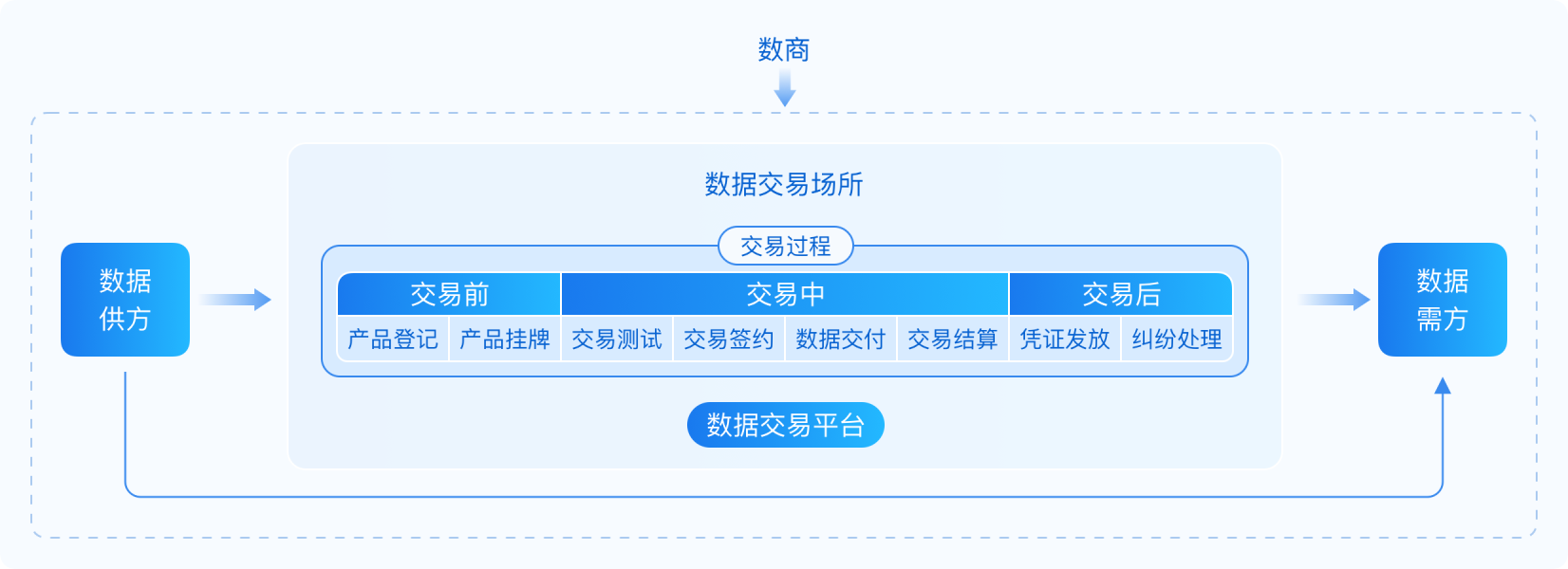
聚焦金融“五篇大文章”:新经济环境下券商数据资产证券化的创新路径与实践探索
Zheng Quan Shi Bao Wang· 2025-12-08 03:21
Core Insights - The article emphasizes the importance of asset securitization in connecting capital markets with the real economy, particularly under the strategic guidance of the central financial work conference focusing on technology finance, green finance, inclusive finance, pension finance, and digital finance [1][2] Group 1: New Economy and Digital Finance - The new economy is characterized by the integration of digital and intelligent technologies, which transforms real-world information into digital information, facilitating rapid dissemination and interaction [2] - The government report for 2025 highlights "new quality productivity" as a primary task, aiming to enhance emerging industries and support small and medium enterprises through digital financial services [2][3] - Digital finance leverages technologies like the internet and big data to provide financial services, which is crucial for the development of the new economy and the real sector [2] Group 2: Asset Securitization and Data Assets - Asset securitization is a vital financing method that offers low costs, quick liquidity, and risk diversification, particularly beneficial for revitalizing state-owned enterprises [3] - The integration of data assets into securitization represents a significant innovation, allowing for a new valuation basis and enabling brokers to convert data assets into tradable securities [3][4] - The article discusses the need for innovative approaches to securitize data assets, focusing on the use of data usage rights and revenue rights as underlying asset pools [4] Group 3: Regulatory Framework and Policy Support - The "three rights" mechanism proposed in the "Data Twenty Articles" aims to separate management, usage, and operational rights of data assets, enhancing their circulation and utilization [6][7] - Recent policies provide a solid foundation for exploring innovative paths in data asset securitization, ensuring compliance and effective management of state-owned data assets [7] Group 4: Innovation in Data Asset Securitization Models - As of September 2025, the Shanghai and Shenzhen exchanges have issued nine data asset-related products, totaling 9.92508 billion yuan, primarily based on infrastructure REITs [8] - The article highlights the emergence of data asset pledge financing as a new funding avenue, although it notes that this method does not fully capture the independent value creation potential of data assets [8][9] - A proposed ideal model focuses on future revenue rights as core assets, aiming to establish a market pricing mechanism for data products and ensure stable cash flow [9][10] Group 5: Practical Exploration and Case Studies - The article outlines the process from data to data asset securitization, emphasizing the importance of rights confirmation, valuation, credit enhancement, and liquidity [12] - A pilot project in Shanghai involving health data products demonstrates the potential for data asset securitization to create stable cash flows and enhance market liquidity [14][16] - The successful implementation of data asset securitization can facilitate the transformation of data from a resource into capital, broadening financing channels for enterprises [17] Group 6: Challenges and Future Directions - Despite ensuring data security and compliance, pricing and valuation of data products remain significant challenges in asset securitization [18] - The need for a dynamic pricing model that considers data quality and market factors is highlighted, along with the importance of collaboration between brokers and technology firms to establish industry standards [18]