
中美关系

Search documents
股指日报:情绪反扑,但量能继续收窄-20250820
Nan Hua Qi Huo· 2025-08-20 09:00
Report Summary 1. Report Industry Investment Rating No relevant content provided. 2. Core View - Overnight US stocks tumbled and the stock market corrected yesterday, leading to a subdued market sentiment at today's opening. After the mid - session, optimism resurfaced, possibly influenced by some positive interim report data and the expectation of eased Sino - US relations. Short - term market sentiment remains volatile, with shrinking trading volume, indicating that some funds have become cautious. The market is expected to fluctuate near the pressure line for some time, awaiting signals of the Fed's monetary policy adjustment at the Jackson Hole meeting. Currently, maintain positions and be prepared to hedge against downside risks. Given the continuous rise of futures basis boosted by sentiment, using options for hedging may be a better choice [4]. 3. Summary by Related Catalogs Market Review - Today, the stock index rose with shrinking volume, and the small and medium - cap stocks performed relatively strongly, while the gap between large and small - cap stocks narrowed. In terms of funds, the trading volume of the two markets decreased by 180.1 billion yuan. In the futures index market, all varieties rose with increasing volume [2]. Important Information - The US Treasury Secretary said that the US and China had a "very good dialogue" on economic and trade issues, and the current work is progressing smoothly. - The parade will last about 70 minutes and will showcase some strategic heavy weapons, high - precision strike equipment, and unmanned and anti - unmanned equipment from the land, sea, and air for the first time [3]. Strategy Recommendation - Insurance strategy: Hold spot and buy put options [5]. Futures Index Market Observation | | IF | IH | IC | IM | | --- | --- | --- | --- | --- | | Main contract intraday change (%) | 1.16 | 1.08 | 1.40 | 1.23 | | Trading volume (10,000 lots) | 13.0668 | 6.3114 | 11.9244 | 29.8722 | | Trading volume change compared to the previous day (10,000 lots) | 2.1399 | 0.0678 | 1.6892 | 6.2534 | | Open interest (10,000 lots) | 26.7018 | 10.6633 | 22.8358 | 40.0625 | | Open interest change compared to the previous day (10,000 lots) | 0.8761 | 0.2909 | 0.7608 | 2.3675 | [5] Spot Market Observation | Name | Value | | --- | --- | | Shanghai Composite Index change (%) | 1.04 | | Shenzhen Component Index change (%) | 0.89 | | Ratio of rising to falling stocks | 2.35 | | Trading volume of the two markets (billion yuan) | 2408.234 | | Trading volume change compared to the previous day (billion yuan) | - 180.135 | [6]

美代表取消访印行程,50%关税已成定局?莫迪还未访华,王毅外长要先去印度一趟!
Sou Hu Cai Jing· 2025-08-18 06:27
Group 1 - The meeting between Trump and Putin on August 15 marks a subtle "thaw" in US-Russia relations, indicating a willingness to address mutual concerns despite no formal agreements being signed [1][3] - Trump's positive remarks about Putin and the meeting's atmosphere suggest a potential shift in diplomatic engagement, although he deflected responsibility for the Ukraine issue onto Zelensky [1][3] - The cancellation of the US Treasury Secretary's visit to India casts a shadow over India's trade prospects, highlighting the complexities of US-India relations amid rising tensions [1][5] Group 2 - Wang Yi's visit to India following the US-Russia meeting is seen as a strategic move by China to strengthen ties with India, especially after recent high-level interactions have improved bilateral relations [3][5] - The economic complementarity between China and India, particularly in manufacturing and services, presents opportunities for collaboration, but security issues must be addressed first [5][7] - India's recognition of the impracticality of a strict alignment with the US indicates a strategic shift towards a more independent foreign policy, seeking to balance relations between China and the US [7]

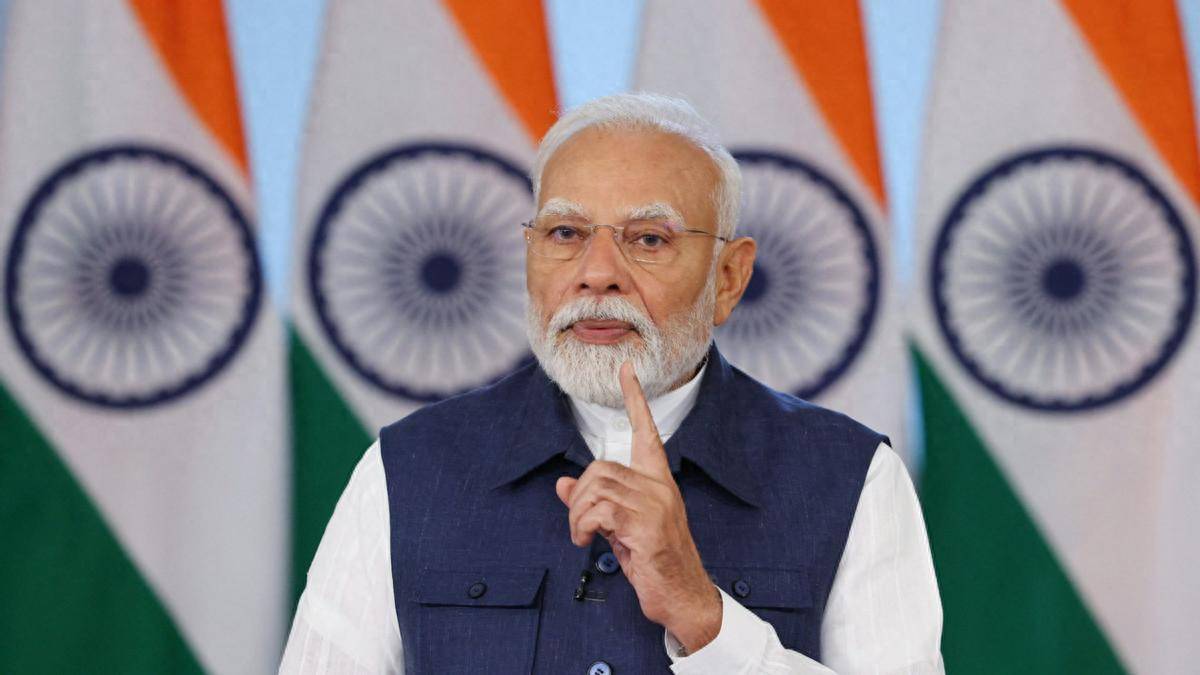
特朗普谈阿拉斯加峰会,果然提到中国,说了2次,都和俄罗斯有关
Sou Hu Cai Jing· 2025-08-18 04:50
Group 1 - The meeting between Trump and Putin in Alaska concluded without any specific agreements, but Trump expressed satisfaction, calling it "perfect" [1] - Trump announced a temporary delay in imposing tariffs on China due to its purchase of Russian oil, interpreting this as a potential softening of U.S. policy towards China [2] - Trump's strong rhetoric regarding potential sanctions on countries trading with Russia, including China, indicates a strategy to exert pressure on China while negotiating with Putin [2][4] Group 2 - China's purchase of Russian oil is a natural outcome of their long-term strategic partnership, and the ongoing conflict has not altered this relationship [4] - Trump criticized previous U.S. administrations for their policies towards Russia and China, claiming they contributed to a closer Sino-Russian relationship, which he views as a risk to the U.S. [6] - The historical context of Sino-Russian relations shows that their cooperation is based on mutual respect and shared interests, rather than solely on U.S. policy [6][11] Group 3 - Trump's arguments questioning the sustainability of Sino-Russian relations based on geographical and demographic factors are deemed flawed, as successful international relations depend on shared interests [8] - The deepening economic ties between China and Russia, including a record bilateral trade of over $240 billion in 2023, highlight the strength of their partnership [11] - The cooperation between China and Russia is characterized as a new model of great power relations, emphasizing non-alignment and mutual respect, countering U.S. attempts to undermine it [13]
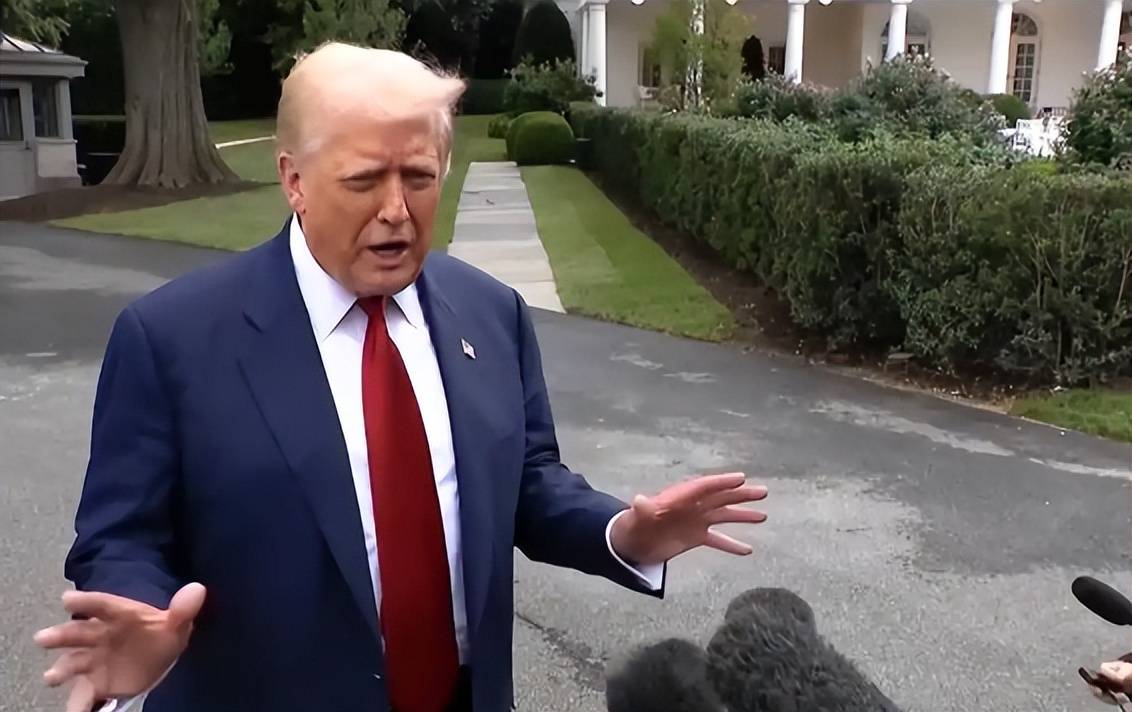
前总统之子150次访华后发声,美国制造中国威胁论,真相是什么
Sou Hu Cai Jing· 2025-08-17 05:17
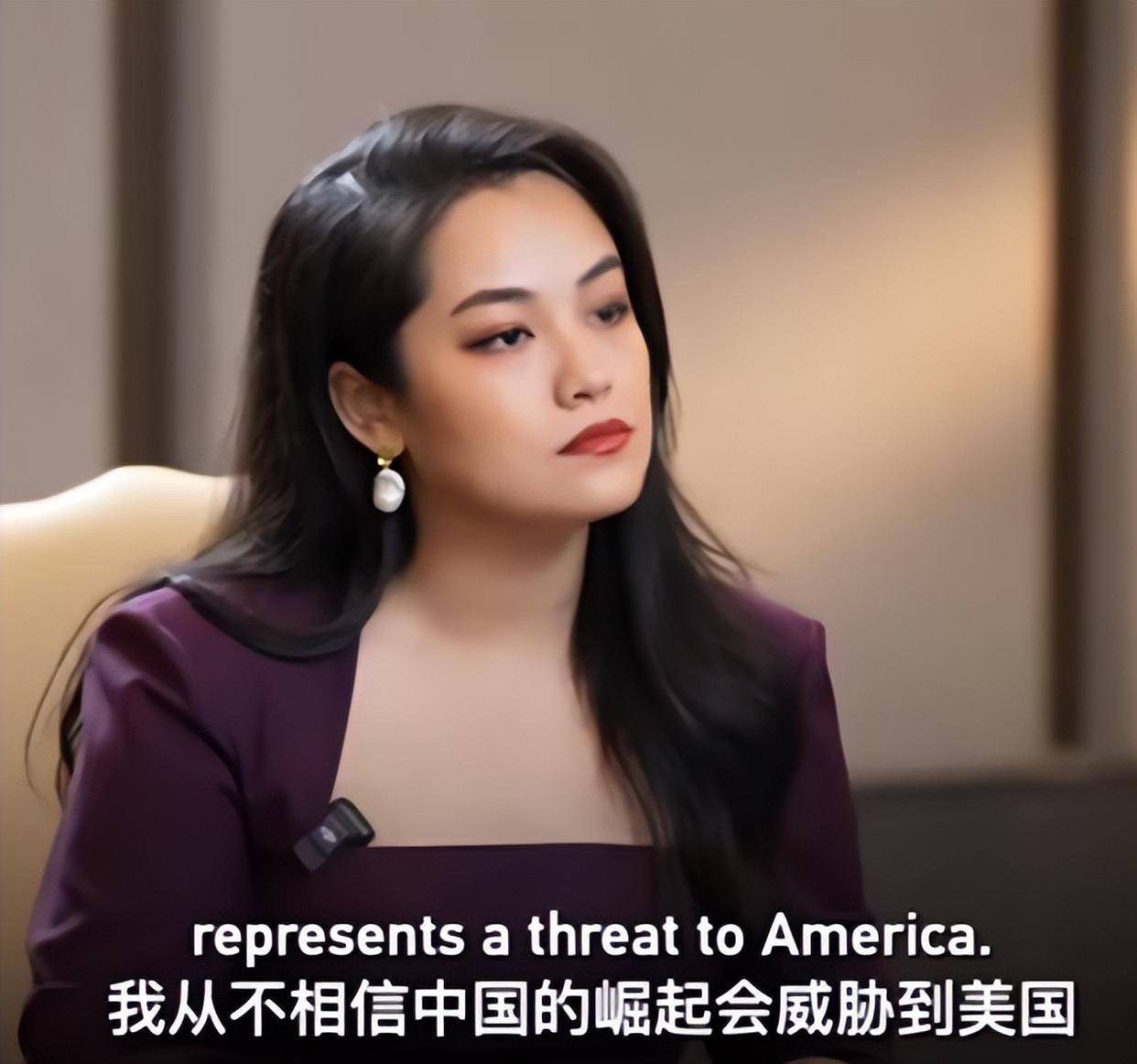
Group 1: Soybean Industry Impact - Soybean prices have dropped to $10 per bushel, significantly below the $12 production cost, leading to a loss of $200 per acre for farmers [1] - The U.S.-China tariff war has resulted in a decline in U.S. soybean demand, while Brazilian soybeans have gained market share due to higher protein content and competitive pricing [1] - In July, soybean imports reached 11.67 million tons, the highest for the same period historically, with most imports coming from Brazil rather than the U.S. [1] Group 2: U.S.-China Relations and Economic Strategy - The tariff war is part of a broader U.S. strategy against China, which is often portrayed as a threat by U.S. politicians [2] - Former President's son Neil Bush challenges the narrative of China as a threat, highlighting China's economic growth and poverty alleviation efforts [2][4] - The U.S. has implemented policies like chip bans that have negatively impacted American businesses while failing to hinder China's advancements [4] Group 3: Perception and Policy Critique - Neil Bush argues that the U.S. is creating a false narrative of China as an enemy to distract from domestic issues [4][6] - He emphasizes that China's rise does not pose a threat to the U.S., as China seeks internal prosperity rather than external conquest [8] - The current U.S. policies, including tariffs and technology restrictions, are seen as harmful to both U.S. interests and global stability [6][8] Group 4: Call for Understanding - Neil Bush calls for Americans to visit China to gain a true understanding of the country, rather than relying on political rhetoric [10] - He stresses the importance of positive interaction between the U.S. and China, as both are major global economies [10]
美国对华提出5条要求,中方不会妥协!白宫传出重大消息:特朗普不来看阅兵了?
Sou Hu Cai Jing· 2025-08-14 06:35
据极目新闻报道,彭博社记者提问,特朗普表示可能会因中国购买俄罗斯石油对华征收次级关税,但未 提供具体细节。外交部对此有何评论?外交部发言人表示,中方在有关问题上的立场是一贯、明确的。 中国同包括俄罗斯在内的世界各国开展正常经贸能源合作,正当合法。我们将继续根据自身国家利益, 采取合理的能源保障措施。 未来,中美关系走向何方,还得看美方能否摒弃霸权思维,以平等、尊重的态度与中方进行对话和合 作。要是美方还继续这样无理取闹,那中美之间的矛盾恐怕还会进一步加剧。咱就拭目以待,看看美方 接下来还会耍出什么花样。 另外,美方还要求中方增加对美国农产品的采购,还要限制高科技产品的出口。这不是典型的双标嘛! 他们想把自己的农产品强行塞进中国市场,却又害怕中国的高科技产品威胁到他们的优势地位。中国的 市场是开放的,但这种带有明显不公平性的要求,中方当然不会买账。 最后一条,美方要求中方在国际组织中支持美国的立场,跟随美国的指挥棒转。中国在国际事务中一直 秉持着独立自主的和平外交政策,根据事情本身的是非曲直来决定立场,怎么可能沦为美方的附庸。这 5条要求,每一条都不合理,每一条都触及到中国的核心利益,中方全部拒绝,那是理所当然 ...

宋雪涛:对等关税继续延期后,需要担心次级关税吗?
雪涛宏观笔记· 2025-08-13 06:53
Core Viewpoint - The article discusses the implications of the recent U.S.-China trade negotiations, particularly focusing on the potential threat of secondary tariffs and the overall strategic stability in U.S.-China relations [4][5][6]. Summary by Sections Trade Negotiations and Tariff Delays - On August 12, Trump signed an executive order to delay 24% of reciprocal tariffs for 90 days while maintaining 10% tariffs, which was anticipated by the market [4]. - The delay occurred at the last moment, suggesting a possible deterrent strategy [4]. Secondary Tariff Threats - Trump's threat to impose a 25% secondary tariff on China is not merely about increasing oil purchases but is aimed at leveraging China's influence on the Russia-Ukraine ceasefire [5][6]. - The U.S. trade war has not effectively pressured China’s manufacturing or exports, and it has provided other countries with reasons to remain passive [5]. Energy Security Concerns - The secondary tariff threat touches on China's energy security, which is a more sensitive issue compared to trade in oil or agricultural products [6]. - The Chinese government has expressed strong opposition to unilateral sanctions and the trade war, emphasizing that there are no winners in such conflicts [6]. U.S.-Russia Relations and Its Impact - Trump's dual approach towards Russia includes military support for Ukraine and economic pressure through tariffs on countries buying Russian oil [6]. - A successful U.S.-Russia meeting could reduce the immediate need for secondary tariffs against China [6]. Future of U.S.-China Relations - The article predicts that U.S.-China relations will remain "strategically stable" and gradually improve, setting the stage for potential high-level meetings [7]. - The U.S. has specific demands from China regarding issues like rare earths and fentanyl, but the leverage has diminished recently [7]. Negotiation Dynamics - Achieving significant breakthroughs in negotiations will take time and depend on the outcomes of future high-level dialogues [7]. - The current trade war may hinder the U.S. from effectively engaging allies, as countries may choose to wait and see how U.S.-China relations evolve [7].
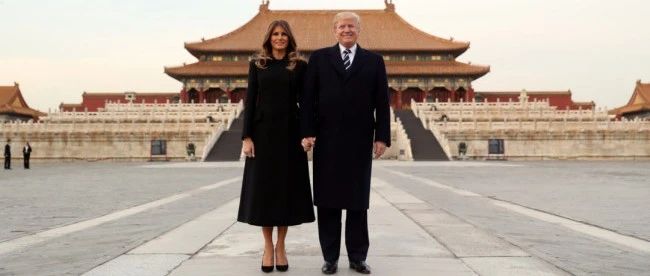
外交部:中方在中美关系和中美经贸问题上的立场是一贯、明确的
Huan Qiu Wang· 2025-08-12 10:17
Group 1 - The core point of the article is the extension of the "truce period" for tariffs between the US and China by 90 days, as stated by US President Trump, who emphasizes the importance of dialogue to address trade imbalances and national economic security issues [1] - Trump highlighted his good relationship with Chinese leaders and indicated a wait-and-see approach regarding future developments in US-China relations [1] - The Chinese Ministry of Commerce has released information regarding the US-China Stockholm economic and trade talks, but specific details were not provided in the response [1]
特朗普CNBC访谈说了啥
2025-08-06 14:45
Summary of Key Points from the Conference Call Industry or Company Involved - The discussion primarily revolves around the U.S. economy, trade policies, and the geopolitical landscape, particularly focusing on the implications for the semiconductor and pharmaceutical industries due to tariff policies. Core Points and Arguments 1. **U.S. Economic Performance**: The U.S. GDP grew by 3% quarter-on-quarter in Q2, with a year-on-year growth of approximately 2%, indicating marginal resilience despite overall economic weakening [1][3]. 2. **Potential Fed Chair Nominee**: Kevin Hassett is a leading candidate for the next Federal Reserve Chair, known for his pragmatic approach, which may align with Trump's economic policies while maintaining professional integrity [3][4]. 3. **Tariff Policies**: The Trump administration has imposed tariffs on industries such as automotive, steel, aluminum, pharmaceuticals, and semiconductors under the guise of national security, aiming to protect traditional heavy industries and key sectors [4][6]. 4. **Tariffs on Semiconductors and Pharmaceuticals**: The rationale for tariffs includes high dependency on imports for chemical products and pharmaceutical precursors, with a significant decline in domestic production capacity [5][6]. 5. **Multi-faceted Tariff Strategy**: The tariffs serve multiple purposes, including addressing trade imbalances, enhancing national security, generating fiscal revenue, and exerting geopolitical pressure [6][7]. 6. **U.S.-China Relations**: Current tensions in U.S.-China relations stem from various issues, including tariffs on Russian oil purchases and negotiations surrounding TikTok, agricultural products, and U.S. debt purchases [7][9]. 7. **Upcoming China Visit**: Trump is expected to visit China between late October and early November, which could stabilize relations if successful negotiations occur [10][11]. 8. **Geopolitical Dynamics**: The ongoing Russia-Ukraine conflict and its implications for U.S.-China relations are critical, with potential impacts on market conditions and international cooperation [17][18]. Other Important but Possibly Overlooked Content 1. **Tariff Exemptions**: The U.S. has granted some exemptions, such as allowing 100,000 cars from the UK to bypass the 232 tariffs, indicating selective enforcement of tariff policies [4]. 2. **Strategic Use of Tariffs**: The tariffs are not only a tool for economic adjustment but also a means of diplomatic leverage against other nations, showcasing a broader strategy of economic coercion [6][13]. 3. **Market Implications**: The current geopolitical climate, including the potential for improved U.S.-China relations, could influence market trends, particularly in the tech sector, which has shown resilience recently [17][19].
中美关系有变?特朗普签了,1周内生效,真正赢家是中美友谊,连美国对中国的称呼都变了
Sou Hu Cai Jing· 2025-08-05 22:15
Group 1 - The recent shift in the U.S. Treasury Secretary's attitude towards China indicates a recognition of the complexities in U.S.-China relations, moving from a confrontational stance to acknowledging China's significance as a major global player [1][3] - The U.S. government initially prepared 12 measures against China but decided to withdraw them, reflecting internal divisions regarding China policy [1][3] - Trump's recent executive order on tariffs, while appearing strong, is influenced by practical considerations, such as maintaining trade benefits with countries like Brazil, indicating a more pragmatic approach to trade disputes [3][4] Group 2 - China is recognized as a vital market and a key player in global economic growth, particularly in high-tech sectors like renewable energy and 5G, which presents significant opportunities for U.S. companies [3][4] - The ongoing trade tensions and tariffs between the U.S. and China have implications for global trade dynamics, affecting other countries' economic stability and growth [6][4] - Cultural and educational exchanges between the U.S. and China are fostering mutual understanding and cooperation, which could help mitigate tensions and promote a more stable relationship [7][9]

【每周经济观察】海外周报第101期:美国总统访华的小规律-20250804
Huachuang Securities· 2025-08-04 15:12
Group 1: Historical Overview of US Presidential Visits to China - Since Nixon's first visit in 1972, there have been a total of 10 official visits by US presidents to China[1] - Except for Carter and Biden, all US presidents since Nixon have visited China, with Carter's absence attributed to the nascent bilateral relationship and domestic election needs[1] - George W. Bush holds the record for the most visits, totaling 2 official visits, 1 APEC meeting, and 1 attendance at the Beijing Olympics[1] Group 2: Nature of Visits - Only Nixon (1972), Reagan (1984), and Clinton (1998) made dedicated trips to China without other travel arrangements[2] - Most presidential visits since the 21st century have been part of broader Asia-Pacific itineraries, indicating a trend of combined regional travel[2] - Bush's 2001 trip to Shanghai for the APEC summit was not classified as a visit to China by both sides[2] Group 3: Upcoming International Meetings - Significant upcoming international meetings in the Asia-Pacific region include the ASEAN Summit in Malaysia from October 26 to 28, 2025, and the APEC Leaders' Meeting in South Korea from October 28 to November 1, 2025[2]