双碳目标

Search documents
工银全指电力ETF:捕捉能源变革的时代脉搏
Xin Lang Cai Jing· 2026-01-23 13:38
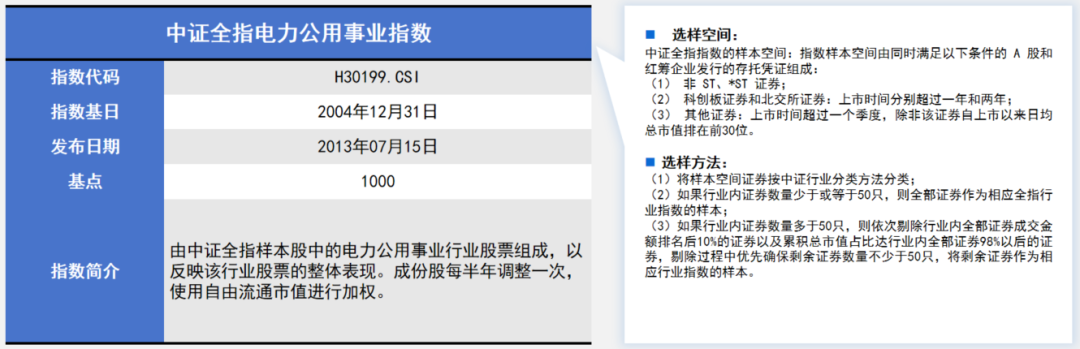
Group 1 - The core viewpoint of the articles indicates that China's electricity consumption is expected to reach a historic high of 10.4 trillion kilowatt-hours by 2025, driven by a 5% year-on-year growth, with AI's explosive growth significantly increasing electricity demand [1][21] - The electricity industry is poised for unprecedented development opportunities due to the dual drivers of global energy transition and domestic "dual carbon" goals [2][21] - The CSI All Share Power Utility Index reflects the overall performance of stocks in the power utility sector, with constituent stocks adjusted semi-annually and weighted by free float market capitalization [3][21] Group 2 - As of November 30, 2025, the CSI All Share Power Utility Index has a total market capitalization distribution where stocks with a market cap over 100 billion account for 44.88%, while those between 50-100 billion account for 14.78% [4][21] - The top ten weighted stocks in the index include leading companies such as Yangtze Power, China Nuclear Power, and Three Gorges Energy, collectively accounting for 54.21% of the index weight [4][6][21] - The index has shown superior performance compared to other power indices in recent years, with a Sharpe ratio of 0.20 since 2011, outperforming mainstream broad-based indices [7][24] Group 3 - The CSI All Share Power Utility Index is currently valued at a relatively low level, with a price-to-earnings ratio (PE_TTM) of approximately 17.02 and a price-to-book ratio (PB_LF) of about 1.66, indicating good investment value [13][29] - The index's historical performance has been stable, with annualized returns of 3.04% and a maximum drawdown of -16.92% [8][24] - The index's performance statistics show a recent closing price of 2,822.26 with a decline of 1.28% as of December 31, 2025 [10][26]

双碳目标下BIPV产业突围 建筑与能源融合催生新生态
Zhong Guo Neng Yuan Wang· 2026-01-23 12:31
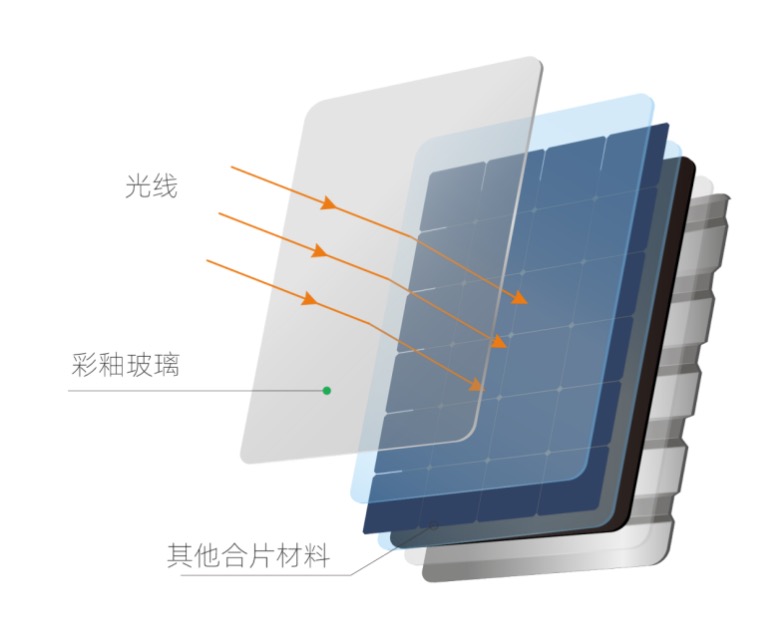
Core Viewpoint - The exploration of China State Construction Engineering Corporation (CSCEC) in the Guangdong-Hong Kong-Macao Greater Bay Area exemplifies the integration of building and photovoltaic (BIPV) technology, driving a green revolution in the traditional construction industry and showcasing how state-owned enterprises can lead high-quality development through technological innovation [1][10]. Group 1: Technological Breakthroughs - The Shenzhen Qianhai Ice and Snow World features a 35,000 square meter facade system equipped with CSCEC's LIGHT series products, transforming the building from an energy consumer to a producer [2]. - The integration of photovoltaic technology into the building's design addresses aesthetic and structural challenges, achieving a balance between aesthetics, safety, and energy production [2]. - Innovations include the use of a 0.7mm stainless steel corrugated structure to withstand typhoon conditions while keeping the photovoltaic product weight within roof load limits, demonstrating a commitment to safety and efficiency [4]. Group 2: Industrial Innovation - The Zhuhai base showcases automated production lines and intelligent systems, enhancing production efficiency and transitioning from a single engineering contractor to a technology-driven, service-oriented enterprise [5]. - The current photovoltaic component conversion efficiency has reached 24%, with potential advancements in perovskite solar cells suggesting future efficiencies could exceed 32%, making facade-mounted photovoltaic systems financially viable [5]. Group 3: Business Model Innovation - CSCEC has introduced an "investment + profit-sharing" model for retrofitting old buildings, allowing the company to fully fund energy-efficient upgrades and share savings with property owners [6]. - The "zero down payment for old-for-new" model addresses market needs amid financial constraints, while expanding into energy services through BIPV [6]. Group 4: Ecological Construction - CSCEC is actively involved in setting local BIPV standards in cities like Shenzhen and Shanghai, aiming to align the 50-year lifespan of buildings with the 20-30 year operational cycle of photovoltaic systems [7][8]. - The company emphasizes the importance of stringent local standards to drive the industry towards high-quality development [8]. Group 5: Practical Empowerment - CSCEC's practices provide a valuable model for traditional industries undergoing transformation, highlighting the role of state-owned enterprises in driving systemic innovation [9]. - The integration of technology into engineering and manufacturing systems demonstrates the potential for state-owned enterprises to support the application of new technologies [9][10].
横店东磁产业基金落子算力基础设施服务商BCI Group 向零碳化转型迈出关键一步
Quan Jing Wang· 2026-01-23 12:22
Core Viewpoint - Hengdian East Magnetic has made a strategic investment in BCI, marking a significant step in its dual-driven strategy of magnetic materials and new energy, aiming to enhance its data center industry chain layout and transition towards zero-carbon computing infrastructure [1][2][4]. Investment Details - The investment involves a total of 600 million yuan, with Hengdian East Magnetic contributing 300 million yuan, alongside partners Baihui Qiushi and Dongyang Yingluohua [1]. - This investment is the first project following the expansion of the company's industrial fund to 500 million yuan [1]. Industry Context - BCI operates in the low-carbon, zero-carbon computing infrastructure sector, focusing on the "energy + equipment + park" industrial chain, which is essential for the green transformation of data centers [2][3]. - The digital economy in China is entering a new phase of high-quality development, with a growing demand for data centers and supporting industries, indicating a broad growth outlook for the sector [2]. Strategic Alignment - The investment aligns with Hengdian East Magnetic's strategy to strengthen its magnetic materials and develop new energy, leveraging BCI's capabilities in providing customized, high-performance computing infrastructure services [1][2][4]. - BCI's integrated low-carbon computing platform complements Hengdian East Magnetic's technological advantages in magnetic materials, particularly in AI server power management [1][2]. Operational Synergies - BCI has established multiple green computing infrastructure clusters and has developed a GW-level renewable energy reserve, which includes centralized wind and solar power [3]. - The collaboration is expected to create a mutually beneficial relationship, enhancing both companies' market positions and operational efficiencies [5].

陕天然气(002267) - 002267陕天然气投资者关系管理信息20260123
2026-01-23 12:02
Group 1: Company Performance and Operations - In 2025, the company focused on long-distance pipelines and urban gas, achieving an asset scale of approximately 13 billion yuan and operating about 4,600 kilometers of long-distance pipelines, covering all 10 cities and districts in the province [2][3] - The annual gas transmission volume saw a slight increase from approximately 13 billion cubic meters in 2024, although direct sales of urban gas experienced a slight decline due to intensified market competition and upstream gas price fluctuations [2][3] - A reduction in gas transmission prices starting June 2025 (e.g., from 0.289 yuan/cubic meter to 0.25 yuan/cubic meter) is expected to impact annual profits by nearly 300 million yuan [2][3] Group 2: Pricing and Regulatory Environment - Future adjustments to gas transmission prices will depend on the results of the next cost monitoring cycle, with significant pipeline investments expected to be completed by 2027 [3] - The current pricing cycle is at a peak of fixed investment construction, with several key projects expected to transition to fixed assets by 2027, potentially allowing for price adjustments if conditions are favorable [3] Group 3: Market Trends and Consumption - The current heating season has seen an increase in upstream gas prices compared to last year, but overall gas consumption is expected to grow, mitigating the impact on costs [4] - Urban gas consumption during the 2025 winter heating season is projected to remain flat or decline due to warmer temperatures, reduced industrial gas usage, and increased market competition [5] - In 2026, domestic natural gas consumption is expected to be primarily residential, with industrial gas accounting for about one-third of total consumption [6] Group 4: Strategic Initiatives and Future Outlook - The company is actively pursuing the acquisition of natural gas assets in Tongchuan, with ongoing efforts to standardize asset ownership and business separation [8] - Market acquisitions are currently focused on provincial projects, with a cautious approach due to complex equity structures and overall industry profitability pressures [8] - The 2026 dividend policy is expected to maintain a high ratio, but total amounts may adjust based on profit fluctuations and capital expenditure needs [8] - The company is exploring strategic transformation opportunities in the context of dual carbon goals, including comprehensive utilization of the natural gas industry chain and innovative energy solutions [9]

能源转型下虚拟电厂的崛起
Lian He Zi Xin· 2026-01-23 11:30
Investment Rating - The report indicates a positive investment outlook for virtual power plants, emphasizing their essential role in the new power system and potential for significant returns as technology matures and market mechanisms improve [2][27]. Core Insights - Virtual power plants (VPPs) are defined as intelligent power operation models that aggregate distributed resources to optimize power system operations and market transactions [4]. - The development of VPPs in China has progressed through three phases: exploration and initiation (2015-2020), policy construction and large-scale exploration (2021-2024), and market-oriented development (from 2025 onwards) [6][7]. - The report highlights the critical value of VPPs in enhancing system stability at lower costs compared to traditional power generation methods, improving renewable energy consumption, and supporting carbon reduction goals [13][27]. Summary by Sections Definition and Development of Virtual Power Plants - VPPs are not physical power plants but rather a smart organization model that integrates various distributed energy resources [4]. - The development stages of VPPs include initial exploration, policy support, and a shift towards market-oriented operations with clear targets set for 2027 and 2030 [6][7]. Core Value of Virtual Power Plants - VPPs can significantly reduce costs associated with system stability, with an estimated investment of 500-600 billion yuan compared to 4000 billion yuan for traditional methods [13]. - They enhance the consumption of renewable energy by optimizing load timing and collaborating with storage systems to mitigate waste [13]. - VPPs are pivotal in transitioning the market from supply-side dominance to a more interactive supply-demand model, increasing profitability for participants [13]. Operational Models and Market Mechanisms - The operational models of VPPs in China are diverse, including demand response aggregation, auxiliary services, and participation in spot markets [19][20]. - The report emphasizes the need for improved market mechanisms and compensation standards to fully realize the value of user-side resources [26]. Financial Projections and Profitability - A simplified model for a 100 MW VPP project estimates annual revenues of approximately 12.15 million yuan, with a payback period of 6-8 years and an internal rate of return of 9-11% [23][24]. - The profitability of VPPs is highly dependent on market activity and regulatory support, with a significant reliance on demand response subsidies [20][22]. Challenges and Recommendations - The report identifies technological innovation and market mechanism improvements as key drivers for the scalable development of VPPs [25]. - Recommendations include advancing critical technologies, establishing unified standards, and enhancing market participation pathways for VPPs [26].
浙江巨化股份有限公司董事会 九届二十三次(通讯方式) 会议决议公告
Sou Hu Cai Jing· 2026-01-23 10:40
Core Viewpoint - Zhejiang Juhua Co., Ltd. has announced a significant impairment provision of 320.89 million yuan for fixed assets in 2025, reflecting the company's efforts to accurately represent its asset status and optimize its asset structure [1][5][6]. Group 1: Impairment Provision Details - The impairment provision includes 99.55 million yuan for the cyclohexanone unit, 206.71 million yuan for the caprolactam unit, and 14.63 million yuan for the diketoxime unit [5]. - The cyclohexanone unit, operational since July 1987, has a net book value of 111.73 million yuan as of December 31, 2025 [2]. - The caprolactam unit, which began operations in 2014 and was expanded in 2020, has a net book value of 232.10 million yuan as of December 31, 2025 [2]. - The diketoxime unit, operational since 2019, has a net book value of 15.63 million yuan as of December 31, 2025 [2]. Group 2: Reasons for Impairment - The cyclohexanone unit faces significant operational challenges due to outdated technology and high production costs, especially under increasing environmental regulations [3]. - The caprolactam unit has been operating at a loss due to market competition and low downstream demand, making recovery to previous profit levels unlikely [3][4]. - The diketoxime unit has been out of production since September 2025 due to changes in market supply and demand [4]. Group 3: Financial Impact - The impairment provision is expected to reduce the company's net profit attributable to shareholders by 320.89 million yuan for the year 2025 [5]. - The provision aligns with industry policies and accounting standards, ensuring that the financial statements accurately reflect the company's asset values [6]. Group 4: Performance Forecast - The company anticipates a net profit attributable to shareholders of between 3.54 billion yuan and 3.94 billion yuan for 2025, representing an increase of 1.58 billion yuan to 1.98 billion yuan compared to the previous year [8][10]. - The expected growth in net profit is attributed to the recovery in prices of core products, particularly fluorinated refrigerants, and stable production and sales volumes [14][15].

行业景气度欠佳叠加能源替代加速 2025年柴油消费延续收缩态势
Zhong Guo Neng Yuan Wang· 2026-01-23 10:29
Group 1 - The apparent consumption of diesel in 2025 is projected to be 19,298.5 million tons, a decrease of 4.483 million tons year-on-year, representing a decline of 2.27% [1] - The diesel demand is facing multiple challenges including technological substitution, policy adjustments, industry transformation, and market competition, leading to an overall downward trend [1] - Monthly data indicates that diesel consumption showed a "first decline then rise, stabilizing towards the end of the year" trend, with negative growth observed from January to May, particularly a significant drop of 8.6% in April [1] Group 2 - The transportation sector, which accounts for over 80% of diesel consumption, is experiencing reduced oil usage primarily due to increased energy substitution [3] - The logistics prosperity index averaged 50.83% for the year, indicating a slight year-on-year decline of 0.87%, while the usage rate of traditional fuel trucks is being pressured by the rise of new energy and LNG trucks [3] - Sales of natural gas heavy trucks increased by 12% year-on-year, while sales of new energy heavy trucks surged by 182%, with a penetration rate exceeding 28%, significantly up from 13.61% in 2024 [3] Group 3 - The real estate sector's policies in 2025 focus on "stopping the decline and stabilizing," but the ongoing drop in housing prices and reduced rigid demand have not alleviated the downward trend [4] - National real estate development investment in 2025 is projected at 82,788 billion yuan, a year-on-year decrease of 17.2%, with housing construction area down by 10.0% [4] - The apparent consumption of diesel is expected to decline further to 18,150 million tons in 2026, with a projected drop of approximately 5.95% [4]
高特电子冲刺创业板,“储能BMS第一股”,与三条越勒越紧的绳索
3 6 Ke· 2026-01-23 10:28
Core Viewpoint - The IPO approval for Gaote Electronics marks a significant milestone as it becomes the first company in the A-share market to focus on energy storage BMS (Battery Management System), despite facing declining profit margins and increasing competition in the industry [1][2]. Group 1: Company Growth and Challenges - Gaote Electronics has experienced substantial revenue growth, with main business income increasing from 346 million yuan in 2022 to 919 million yuan in 2024, reflecting a compound annual growth rate of 63.31% [1]. - The company's gross profit margin has decreased from 28.53% in 2022 to 22.01% in the first half of 2025, trailing behind the industry average [1][3]. - The company has undergone three significant business transformations since its founding in 1998, ultimately pivoting to energy storage BMS in response to market trends [2]. Group 2: Industry Context and Competition - The energy storage industry is experiencing a price war, leading to a significant drop in the average bidding price for 2-hour energy storage systems from approximately 1.50 yuan/Wh to 0.56 yuan/Wh, a decline of over 60% from 2022 to 2025 [3]. - Gaote Electronics' gross margin for its energy storage BMS modules has fallen from 30.52% to 26.82% between 2022 and 2024, indicating a broader industry trend of "increasing revenue without increasing profit" [3]. Group 3: IPO and Future Plans - The company plans to raise 850 million yuan through its IPO, with 600 million yuan allocated for building its own energy storage BMS production line, aiming for large-scale production of BMS modules and related products [4][5]. - Despite high capacity utilization rates exceeding 100% in 2023, there are concerns about the wisdom of aggressive expansion in a declining margin environment [5]. Group 4: Financial Health and Risks - Gaote Electronics' accounts receivable surged from 180 million yuan in 2022 to 577 million yuan by mid-2025, representing over 61% of its revenue, indicating cash flow pressures [6]. - The company has faced negative operating cash flow in 2022 and 2023, with significant reliance on a few large clients, which poses risks to financial independence [6].

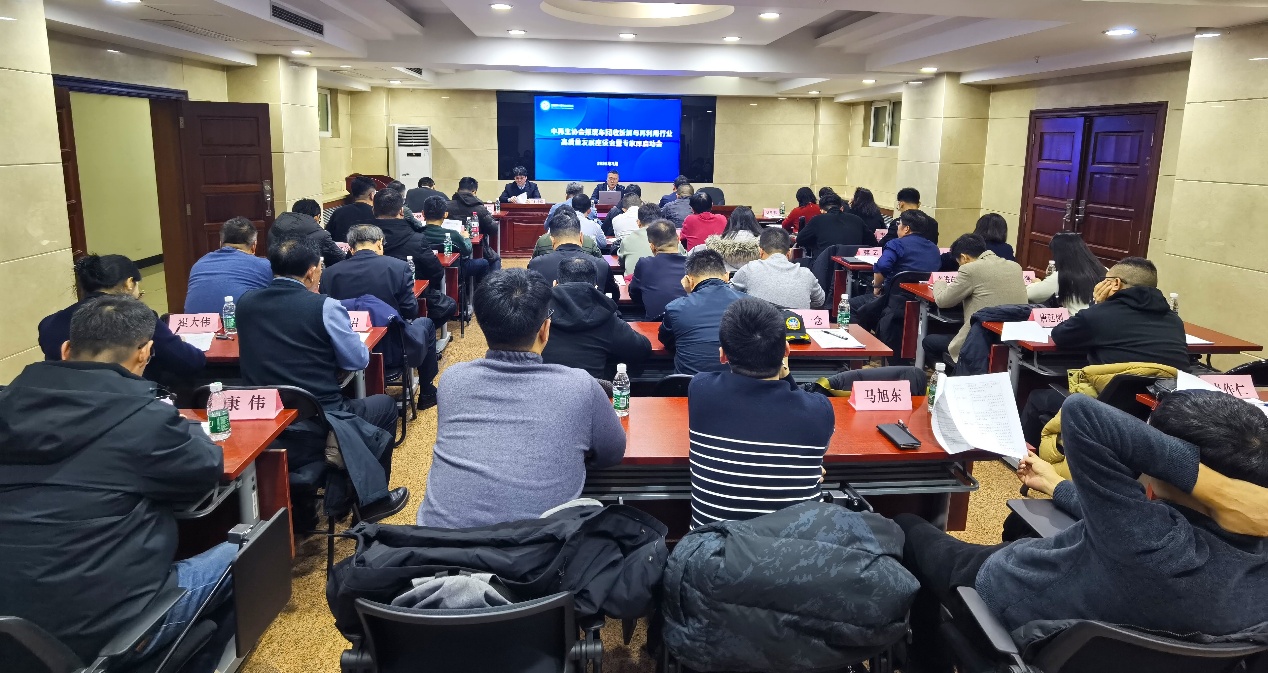
报废车回收拆解与再利用行业高质量发展座谈会 暨专家库启动会在京召开
Zhong Guo Qi Che Bao Wang· 2026-01-23 09:47
Core Insights - The meeting aimed to promote high-quality development in the scrapped vehicle recycling and dismantling industry by establishing a high-end dialogue platform integrating government, industry, academia, research, and application [1][12] - The establishment of the expert database is seen as a strategic move to gather industry wisdom and support government decision-making, enterprise innovation, and optimization of the industrial ecosystem [3] Industry Trends and Policy Insights - The Director of the Industrial Economy Department at the State Council Development Research Center provided an in-depth analysis of the development trends and policy directions for the scrapped vehicle recycling and dismantling industry, outlining a clear blueprint for future growth [6] - Discussions included the circular regeneration technology and industrialization paths for retired power batteries, contributing new ideas for industry development [6] Key Discussions and Challenges - The roundtable discussion focused on critical issues during the industry's transformation period, addressing pain points and development challenges such as policy compliance, technological innovation, safety regulations, business model transformation, and efficient resource recycling [8] - Experts shared valuable insights on the current state of the scrapped vehicle recycling and dismantling industry, emphasizing the need for collaboration across the industry chain and innovative solutions to overcome challenges [10] Expert Database and Strategic Collaborations - The establishment of the "Expert Database" by the China Recycling Association aims to strengthen the industry's intellectual foundation and integrate core intellectual resources for industrial transformation [10] - A strategic cooperation agreement was signed between the China Recycling Association and Maifule Technology Development (Tianjin) Co., Ltd. to build a training base for talent cultivation in the industry [10] Overall Impact - The meeting injected new momentum into the high-quality development of the scrapped vehicle recycling and dismantling industry, providing a robust platform for industry collaboration and offering important references for enterprises to seize policy opportunities and optimize development strategies [12]
宁德时代放大招!推天行Ⅱ系列欲锁轻商定制化未来
Guo Ji Jin Rong Bao· 2026-01-23 09:33
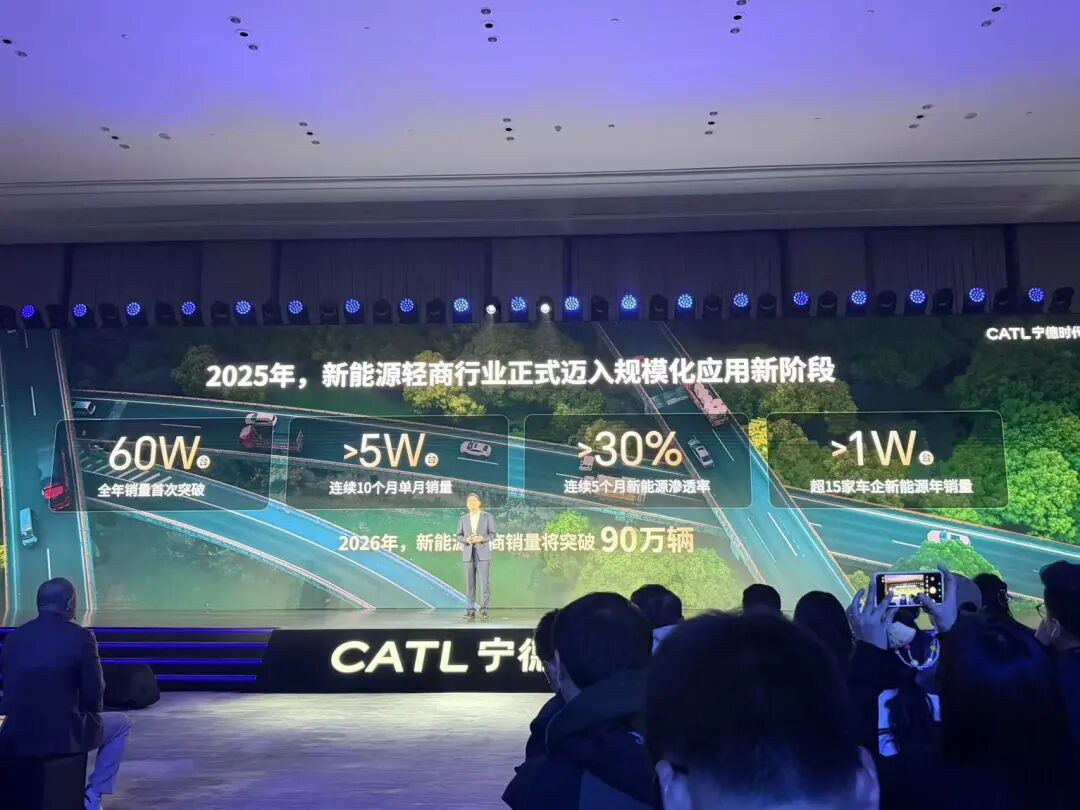
Core Insights - CATL launched the Tianxing II light commercial vehicle (LCV) series solutions and the industry's first intelligent battery management application, marking a shift towards customized battery technology for specific operational scenarios in the commercial vehicle sector [1][5] Group 1: Product Features - The Tianxing II light commercial series includes multiple versions tailored for different operational needs, such as high-frequency urban distribution and intercity operations, showcasing a shift towards refined operational strategies in the commercial vehicle market [1][5] - The Tianxing II LCV Super Charging version features significant upgrades in cold resistance, power output, and lifespan, with a charging time reduction of approximately 30%, allowing for 100 km/h operation under full load at -15°C [3] - The Long Range version incorporates a hybrid chemical system, achieving a maximum single battery capacity of 253 kWh, enabling a real-world range of 800 km and reducing vehicle weight by over 260 kg [3] - The High-Temperature Super Charging version supports peak charging rates of 4C, allowing for a 60% charge in just 18 minutes, and features a unique thermal management technology that reduces energy consumption by 5% [4] - The Low-Temperature version is the first mass-produced sodium-ion battery in the light commercial sector, maintaining over 92% usable capacity at -20°C and capable of operating in extreme cold conditions [4] Group 2: Market Position and Trends - The launch of the Tianxing II series reflects a broader industry trend from standardized supply to scenario-based services, addressing the diverse cost, efficiency, and safety needs of electric commercial vehicles [5] - By 2025, lithium iron phosphate batteries are projected to hold an 81.2% market share in the power battery sector, with CATL leveraging its technological expertise to secure partnerships with major commercial vehicle manufacturers [6] - CATL maintains a leading market share of 43.42%, excelling in both lithium iron phosphate and ternary lithium battery segments, while emphasizing the importance of customization capabilities in a competitive landscape [7] - The commercial vehicle sector is expected to see significant growth, with electric truck sales projected to increase by 246.0% year-on-year, driving the average battery capacity per vehicle to 55.2 kWh [6]