
脑机接口

Search documents
全国首届脑机接口开发者大会在津举办
Ren Min Ri Bao· 2026-02-04 22:08
为进一步构建覆盖基础研究到应用开发、人才培养的完整学术生态,大会发布了《脑机接口产业的人才 摸底和分析研究》,揭晓了2025年度中国脑机接口"华瑙奖",27名在该领域作出突出贡献的学者分别被 授予终身成就奖、卓越学者奖、杰出青年奖和学术新星奖。 本次会议还设立了9个分论坛,深入探讨算法模型与数据软件、应用技术与临床验证等议题。 (文章来源:人民日报) 本报天津2月4日电 3日,全国首届脑机接口开发者大会在天津举办,近千名来自各地脑机接口领域的技 术开发者、算法工程师、企业代表、临床医生及行业专家,集中探讨脑机接口技术的前瞻布局和场景落 地,展望脑机接口未来产业的创新生态。 会上,《脑机接口开源软件平台应用与实践教程》正式发布,该教程由天津大学牵头,联合相关领域专 家学者合作编写,阐释了脑机接口开源软件平台MetaBCI形成的多设备兼容、多范式统一、多场景应用 的创新生态体系。大会还发布了脑机接口开发者创新生态社区,通过汇聚技术经验、激发开源分享、沉 淀开发成果,致力于解决脑机接口协作开发交流难、资源散的痛点。 ...
“脑机谷”迎首批企业入驻
Xin Lang Cai Jing· 2026-02-04 21:35
Group 1 - The "Brain-Computer Valley" has welcomed its first batch of resident companies, marking a significant step in the development of the brain-computer interface industry from research to large-scale and clustered growth [1][2] - The core innovation source of the "Brain-Computer Valley" is the Brain-Computer Interaction and Human-Machine Integration Haihe Laboratory, focusing on breakthroughs in key technologies, clinical transformation, and industrial application [1] - Tianjin Binhai High-tech Zone is one of the city's first pilot areas for future industries, with plans to optimize the innovation environment and enhance policy support to promote the construction of the "Brain-Computer Valley" [1] Group 2 - Tianjin Tiankai Development Group's Vice General Manager stated that the Tiankai Higher Education Science and Technology Innovation Park is a crucial platform for promoting technological innovation and achievement transformation [2] - The "Brain-Computer Valley" is positioned as an important outcome of the Tiankai Park's layout in frontier interdisciplinary fields, aiming to create an industrial ecosystem led by high-end research platforms and innovative enterprises [2] - Multiple cooperation agreements were reached during the event, covering aspects such as company residency, investment intentions, and strategic partnerships [3]
量产快 扩产忙 并购热 上市公司开年首月干劲足
Shang Hai Zheng Quan Bao· 2026-02-04 18:12
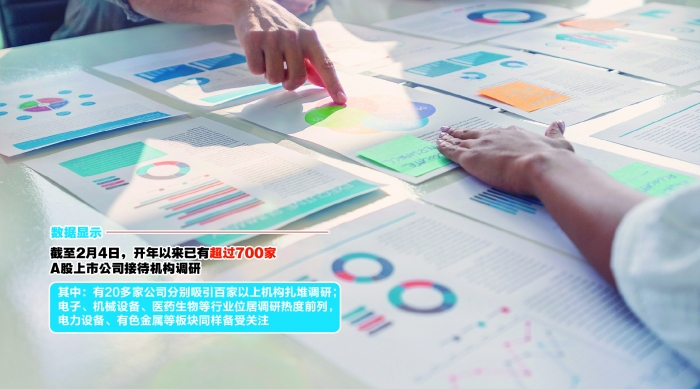
Core Insights - The article highlights the accelerated pace of institutional research on A-share listed companies as they prepare for investment opportunities in 2026, with over 700 companies receiving institutional inquiries since the beginning of the year [2] Group 1: Institutional Research Trends - More than 700 A-share listed companies have been visited by institutional investors for research since the start of 2026, with over 20 companies attracting more than 100 institutions each [2] - Key sectors attracting attention include electronics, machinery, pharmaceuticals, power equipment, and non-ferrous metals [2] Group 2: New Product Launches - Several companies have announced timelines for mass production of new products, indicating a strong growth outlook for 2026 [3] - Nepean Mining revealed plans to globally promote its innovative composite lining board, with production ramping up in 2026 [3] - Huajin Technology's robotics division is set to deliver mass-produced robots in 2026, enhancing flexible manufacturing capabilities [3] - Jiemai Technology is investing in a production line for critical products, expected to achieve scale production by mid-2026 [3] Group 3: Brain-Computer Interface Developments - Companies like Xiangyu Medical are focusing on brain-computer interface technologies, with plans to launch nearly 100 products by the end of 2026 [4] - The integration of software with rehabilitation equipment is expected to enhance product offerings and reduce upgrade cycles [4] Group 4: High-Growth Sector Expansion - The demand for AI and computing power is driving growth in sectors like optical communication and liquid cooling, prompting companies to accelerate production capacity [5] - Daikin Heavy Industries reported a tight production schedule for overseas projects, anticipating significant growth in offshore wind energy markets [5] - Zhongji Xuchuang noted a strong order backlog extending into Q4 2026, indicating sustained demand in the optical module sector [5] Group 5: Storage and Liquid Cooling Innovations - Dike Technology plans to increase its storage chip output target to between 30 million and 50 million units in 2026, aiming for significant revenue growth [6] - Dingtong Technology is expanding its liquid cooling production capacity to meet rising customer demand [6] - Haitan Ruisheng is enhancing its overseas operations, planning to establish a second local delivery base in Southeast Asia by the end of 2026 [6] Group 6: Mergers and Acquisitions for Growth - Companies are increasingly pursuing acquisitions to enter new markets and drive business transformation [7] - Yingtang Zhikong plans to acquire Guanglong Integration and Ao Jian Microelectronics to enter the optical communication sector [7] - Dinglong Co. is acquiring Haofei New Materials to expand into the lithium battery materials market, with expected sales growth in 2026 [7] - Tianlu Technology is reallocating funds to projects aimed at enhancing its product offerings in the display industry [8]

专家研判:脑机接口应从“治疗”走向“预测”
Shang Hai Zheng Quan Bao· 2026-02-04 15:40
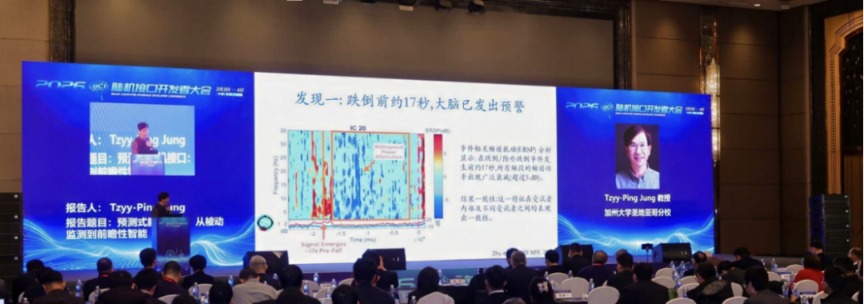
Core Insights - Brain-computer interface (BCI) technology is transitioning from laboratory research to clinical applications and everyday life, supported by a developing ecosystem of policies, standards, insurance, talent, and collaboration between academia and industry [1][2] Clinical Applications - BCI can be applied in areas such as neural function regulation, stroke, movement disorders, and spinal cord injuries, with the first Class III medical device registration for a BCI expected to be approved this year in China [2] - Milestone cases include successful surgeries for spinal cord injury patients and improvements in motor function through multi-center clinical trials [2] - Future applications may extend beyond current uses to include treatments for neurological diseases, depression, anxiety, and sleep disorders [2] Shift from Treatment to Prediction - Experts suggest that BCIs should evolve from passive monitoring and reactive treatment to predictive and preventive applications [3][4] - Examples of predictive capabilities include forecasting sleep quality, migraine warnings, and fall risk detection in elderly individuals [4] Research and Development Focus - Current R&D efforts are concentrated on signal feature extraction and device improvement, particularly in overcoming noise interference in non-invasive or shallow implanted BCIs [5][7] - Progress has been made in decoding language for ALS patients, achieving a 75% accuracy rate in simple language decoding [7] - The future direction of BCI technology is expected to focus on single-neuron decoding for more precise intent recognition and control [7] Community and Collaboration - The establishment of the "Brain Machine Seeking Truth" (BCIES) community aims to facilitate collaboration and resource sharing among diverse BCI research entities [8] - The platform has already gathered over 1,000 core researchers and aims to create standardized open data resources to address data acquisition challenges in algorithm development [8] Policy Support - The National Medical Insurance Bureau has initiated pricing projects for BCI services, with specific charging standards established in 28 provinces, addressing concerns from medical institutions and manufacturers [9] - Key standards for BCI medical devices have been published, and a national-level testing platform has been established to ensure product safety and effectiveness [9] - The Chinese government is encouraged to develop clinical guidelines for BCI technology, potentially leading to international standards through initiatives like the Belt and Road [9]
首个中医脑机接口装备落地,脑机交互商业化加速
Xuan Gu Bao· 2026-02-04 14:49
Group 1 - The "Shengong-Hua Tuo" platform, the first brain-controlled acupuncture and neuro-rehabilitation equipment in China, has been launched, targeting patients with neurological disorders such as stroke-induced paralysis [1] - The platform is being tested in clinical trials at several top-tier hospitals, supported by the National Acupuncture Clinical Research Center [1] - According to Founder Securities, brain-machine interfaces are expected to become a core technology for human-machine interaction, initially focusing on medical rehabilitation and eventually enhancing brain-machine integration intelligence [1] Group 2 - Weisi Medical is focusing on non-invasive EEG collection and magnetic stimulation technology to build a closed-loop system for neuro-rehabilitation [1] - Innovative Medical is investing in both invasive and non-invasive brain-machine interface technologies through its stake in Boling Brain Machine, with its rehabilitation products already commercialized [2]
晚报 | 2月5日主题前瞻
Xuan Gu Bao· 2026-02-04 14:35
Group 1: Brain-Computer Interface - The "Shengong-Hua Tuo" platform, the first brain-controlled acupuncture and neural rehabilitation equipment platform in China, has been developed by a research team led by the Brain-Machine Interaction and Human-Machine Integration Haihe Laboratory [1] - The brain-computer interface technology is accelerating towards commercialization, with the medical and health sector identified as a core growth engine [1] - China's 14th Five-Year Plan emphasizes the development of brain-computer interfaces as a new economic growth point, with a goal to establish a safe and reliable industrial system by 2030 [1] Group 2: Measurement Equipment - The State Administration for Market Regulation has released 32 national measurement technical standards covering various fields, including smart connected vehicles and health [2] - The demand for high-precision measurement and testing in emerging industries such as new energy and aerospace is increasing, with the manufacturing measurement market expected to exceed 150 billion RMB by 2025, maintaining a CAGR of over 10% [2] Group 3: Emergency Equipment - The Ministry of Emergency Management and the Ministry of Industry and Information Technology have issued guidelines to accelerate innovation in emergency management equipment, focusing on 12 specific areas of work [3] - By the end of 2027, the goal is to overcome over 20 key core technologies and develop more than 20 innovative equipment types [3] Group 4: Semiconductor Industry - Yangtze Memory Technologies' third-phase project is set to be completed and operational by the second half of 2026, one year ahead of schedule, and will drive the aggregation of 200 upstream and downstream enterprises [4] - Yangtze Memory Technologies ranks among the top in the global 3D NAND storage chip market, with a market share of 13% as of Q3 2025, expected to reach 15% by the end of 2026 [4] Group 5: AI Animation - Tencent has launched its first independent app "Huo Long Man Ju," which integrates comic storyboards, AI technology, and dynamic effects, targeting the emerging AI animation market [5] - The AI animation market is projected to exceed 20 billion RMB by 2025, with significant growth potential driven by AI technology reducing costs and enhancing efficiency [5]
类权益月报:如何欢度新春行情?-20260204
HUAXI Securities· 2026-02-04 14:33
Market Overview - In January, the market transitioned from volatility to consolidation, with the Wind All A index rising by 5.83% and the China Convertible Bond index increasing by 5.82%[7][8] - The policy change on January 14 raised the minimum margin requirement from 80% to 100%, cooling speculative market sentiment and shifting focus to high-quality and high-elasticity stocks like computing power and non-ferrous metals[19][22] Market Structure - Despite a calm index, sector performance was turbulent, with significant outflows from equity ETFs totaling 817.5 billion CNY from January 14 to 29, indicating a correction of irrational behaviors[22][23] - The implied volatility dropped significantly post-policy announcement, suggesting a reduction in speculative funds[26][28] Convertible Bonds - Convertible bond demand remains strong but is sensitive to market fluctuations; the valuation of convertible bonds has been stretched, with the valuation center for bonds priced at 100 CNY dropping by 1.55 percentage points to 39.57%[13][41] - The tendency for forced redemptions remains around 50%, indicating potential volatility risks, especially as the earnings season approaches[52][60] Investment Strategy - There are opportunities in undervalued large-cap stocks, as the excess return of the CSI 300 over the CSI 500 has decreased at an unprecedented rate since 2016[64] - Seasonal effects suggest that small-cap stocks typically perform well in February, with historical data showing positive returns for the National Index 2000 in most years since 2010[65][69]
证券研究报告、晨会聚焦:医药祝嘉琦:战略重视原料药板块,价格修复+新业务增量,积极把握医药底部机会-20260204
ZHONGTAI SECURITIES· 2026-02-04 14:23
Core Insights - The report emphasizes the strategic importance of the raw material pharmaceutical sector, highlighting price recovery and new business increments as key drivers for growth in the industry [3][4][9] - The pharmaceutical sector is currently viewed as being at a bottoming phase, with opportunities arising from innovative drug developments and the integration of new technologies such as AI and brain-computer interfaces [4][6][8] Market Performance - In January 2026, the pharmaceutical and biotechnology sector saw a 3.1% increase, outperforming the CSI 300 index, which rose by 1.7%, resulting in a 1.49 percentage point lead [3][11] - Specific segments within the pharmaceutical industry, such as medical services and medical devices, experienced significant gains, with increases of 8.82% and 5.28% respectively [3][11] Investment Strategy - The report suggests focusing on the raw material pharmaceutical sector, which is expected to benefit from price recovery and the introduction of new business lines, particularly in small nucleic acids, peptides, and ADCs [4][5][9] - Companies with strong technical capabilities and production capacity, such as Lianhua Technology and Aorite, are highlighted as key players to watch [5] Innovation and New Opportunities - The report identifies several innovative drug sectors, including small nucleic acids and ADCs, as having significant growth potential, driven by clinical advancements and market demand [5][9] - The report also notes that the ADC market is expected to grow significantly, with a projected market size of $11 billion by 2030, indicating a strong opportunity for companies involved in this space [9] Recommendations - Key stocks recommended for investment include WuXi Biologics, Tigermed, and Kanghong Pharmaceutical, which have shown strong performance and are expected to continue to do so [10] - The report also highlights the importance of monitoring developments in AI and brain-computer interface technologies, which are anticipated to drive future growth in the pharmaceutical sector [8]
公司互动丨这些公司披露在太空光伏、汽车等方面最新情况
Xin Lang Cai Jing· 2026-02-04 14:19
Group 1 - The company Hekang New Energy has no plans to engage in space photovoltaic business [1] - JinkoSolar stated that it will fulfill information disclosure obligations according to exchange regulations regarding contracts signed in daily operations [1] - Weining Health has not made any investments in brain-computer interface technology [1] Group 2 - Qianli Technology's subsidiary Qianli Zhijia has officially submitted an application for L3-level intelligent driving testing license [1] - Aokang Co. plans to sell part of its silver assets based on market conditions [1] - Changguang Huaxin denied rumors of a 4.5 billion strategic investment from Huawei [1] - Guancheng New Materials reported that the prices of different products for electrolyte additives have increased to varying degrees [1] - Wireless Media confirmed that it does not have any films for the Spring Festival release [1]


上海未来产业基金“扩容” 强化“投早、投小、投硬”功能
Zhong Guo Xin Wen Wang· 2026-02-04 14:10
Group 1 - The Shanghai Future Industry Fund has increased its scale from 10 billion to 15 billion yuan [1] - By 2025, Shanghai plans to accelerate the investment layout of the Future Industry Fund, with a total of 38 sub-funds and direct investment projects approved, amounting to 3.32 billion yuan [1] - Among the approved projects, 23 sub-funds have a total investment of 2.855 billion yuan, leveraging over 19 billion yuan in additional funding, focusing on cutting-edge technology fields [1] Group 2 - In 2024, Shanghai will launch three major parent funds with a total scale of 100 billion yuan, including integrated circuits, biomedicine, and artificial intelligence [1] - The Shanghai Future Industry Fund has a 15-year cycle and is positioned as a counter-cyclical patient capital aimed at promoting the transformation of technological achievements from 0 to 1 in Shanghai and China [1] - The General Manager of the Future Industry Fund emphasized the need for long-term patient capital and deep understanding of future trends to effectively nurture future industries [2]