
数字贸易

Search documents
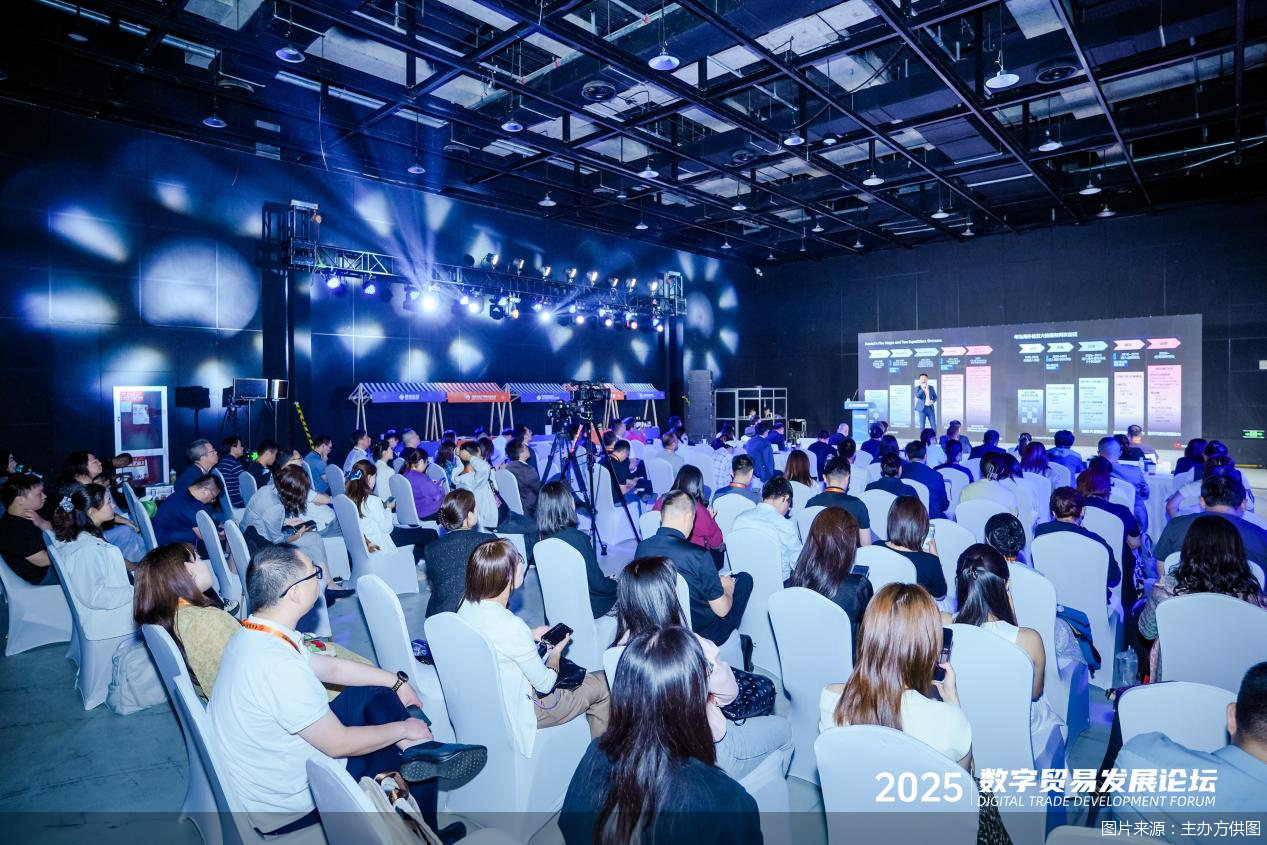
2025数字贸易发展论坛搭建高效合作平台 探讨数字贸易出海战略机遇与实施路径
Xin Hua Cai Jing· 2025-09-13 08:44
Core Insights - The 2025 Digital Trade Development Forum was held in Beijing, focusing on strategic opportunities and implementation paths for digital trade expansion [1][2] - The forum emphasized the theme "Digital Empowerment for Global Integration," aiming to create a collaborative platform across regions and industries [1] - Key reports and case studies were presented, including the "2024 Sino-Japanese IT Service Business Cooperation Development Report" [1] Group 1: Government and Institutional Perspectives - The Chinese government prioritizes the development of the digital economy and trade as a core strategy for fostering new productive forces [1] - Beijing is positioned as a leader in exploring high-quality trade development, integrating digital trade with traditional goods trade [2] - The Haidian District has developed a knowledge-intensive industry cluster, fostering nearly 10,000 national-level high-tech service enterprises [2] Group 2: Corporate Contributions and Innovations - Huawei Cloud shared insights on its overseas strategy and localization practices [2] - Companies like Bo Yan Technology and Li Weike Technology presented best practices and innovations in digital trade, including AI applications [3] - The forum introduced an immersive "Overseas Market" concept, facilitating direct interaction and collaboration among participants [3] Group 3: International Collaboration - Representatives from Japan, the Philippines, Singapore, and Brazil participated, highlighting the importance of international cooperation in digital trade [4] - The forum aimed to deepen collaboration between Chinese and Japanese enterprises in exploring international markets [2]
WTO首个全球数字贸易规则在京试行 中国开放迈向“引领规则实施”
Di Yi Cai Jing· 2025-09-13 07:17
Core Points - The 2025 China International Service Trade Fair was held in Beijing, where the Ministry of Commerce released a work plan to support the implementation of the WTO's Electronic Commerce Agreement [1][2] - China is the first WTO member to pilot the agreement, marking a shift from "leading rule-making" to "leading rule implementation" [1][2] - The Electronic Commerce Agreement, reached by 71 members including China, the EU, and Australia, covers four pillars: digital facilitation, digital openness, digital trust, and digital inclusion [2] Summary by Sections Work Plan Overview - The work plan consists of five parts with 41 specific measures aimed at enhancing trade digitalization, improving data governance, optimizing the digital consumption environment, ensuring transparency in telecommunications, and strengthening international cooperation in digital trade [3][4] - Key measures include promoting the use of electronic bills of lading and invoices to enhance customs efficiency and reduce operational costs for cross-border e-commerce and supply chain enterprises [3][4] Implementation and Impact - The work plan aims to create a stable, transparent, and predictable regulatory environment for global digital trade, benefiting consumers and businesses involved in digital trade [2][4] - Beijing, as the only pilot city, will explore pathways and accumulate experience in digital trade governance, which can be replicated and promoted [2][3] Strategic Importance - The work plan aligns with high-level international digital trade rules and aims to modernize digital trade governance while expanding international cooperation opportunities [4] - The measures not only respond to the requirements of the Electronic Commerce Agreement but also provide policy tools for China's exploration of institutional innovation in digital trade [4]
9月杭州:云栖大会、数贸会、出海第一课,3场重磅活动等你来
吴晓波频道· 2025-09-13 00:30
Core Insights - The article emphasizes the shift in Chinese companies' approach to globalization, moving from "borrowing boats" to "building boats" as they adapt to changing international circumstances [2][11]. - Brand, technology, and supply chain upgrades are identified as key drivers for this new wave of Chinese companies going global [3][11]. Group 1: Events and Initiatives - The "Hua Shang Outbound Industry Alliance" has been established, attracting over 200 service organizations and 2000 outbound enterprises since its inception in September 2024, creating a community of thousands of entrepreneurs [3][11]. - The "2025 Yunqi Conference" will take place on September 24, focusing on AI's role in reshaping the logic and rhythm of Chinese companies going global [4][6]. - A special session titled "Born Global: Chinese Enterprises Going Global in the AI Era" will be held on September 25, discussing globalization trends and strategies for Chinese companies [6][8]. Group 2: Key Themes and Discussions - The article highlights the importance of "digital capability output" and "brand globalization" as new pathways for Chinese enterprises amid high tariffs and supply chain pressures [11]. - The "Silk Road E-commerce" concept is evolving into a new commercial civilization, serving as a core pathway for promoting Chinese brands globally [12]. - The upcoming "Global Digital Trade Expo" will focus on the latest trends and cooperation opportunities in digital trade, with a series of events aimed at addressing the pain points of enterprises going global [14][16]. Group 3: Educational Opportunities - The "First Course on Outbound Enterprises" will take place from September 27-29, providing practical guidance on key aspects such as country selection, team building, compliance, and overseas marketing [18][20]. - The course will feature experienced mentors sharing insights on global market strategies and compliance pitfalls, aimed at enhancing the success rate of outbound enterprises [21][25]. - Participants will receive a comprehensive toolkit including a methodology system, case studies, and practical tools for successful international expansion [20][25].


新华视点 | 2025年服贸会观察:这些“新”意值得关注
Xin Hua She· 2025-09-13 00:28
Group 1 - The 2025 China International Service Trade Fair (CIFTIS) is themed "Digital Intelligence Leading, Service Trade Renewed," showcasing new trends and innovations in service trade [1] - The fair features advanced technologies such as AI-driven travel planning tools and smart logistics solutions, enhancing service efficiency and customer experience [2][3] - A total of 190 new service trade achievements were presented, with 91 being global or national debuts, highlighting the event's role in promoting innovation and marketization [4] Group 2 - The fair emphasizes green and low-carbon initiatives, showcasing technologies and practices that support sustainable development [5][6] - China's commitment to green development is evident, with significant exports in renewable energy sectors, including a 71.9% increase in wind turbine exports and over 200 billion yuan in solar product exports [8] - The event serves as a platform for international cooperation, with participation from nearly 60 Australian institutions, indicating a focus on expanding global service trade opportunities [9] Group 3 - Digital trade is highlighted as a key driver of international economic cooperation, with innovations like blockchain technology improving trade document efficiency [10] - China's service import and export reached 3.9 trillion yuan in the first half of the year, marking an 8% year-on-year growth, reflecting the country's expanding service trade landscape [10] - The fair's policies aim to enhance openness in the service trade sector, demonstrating China's commitment to deeper international collaboration [10][11]
商贸大区“数”聚变——郑州传统商业核心区转型升级观察
He Nan Ri Bao· 2025-09-12 23:34
Group 1: Overview of the Erqi Commercial Circle - The Erqi Commercial Circle in Zhengzhou is a historical commercial hub, known for its significant contributions to the local economy and culture [1][2] - The area has evolved over the years, with notable developments such as the Asia Joy City and the introduction of innovative concepts like the BYD Space for electric vehicles [1][2] - The transformation of traditional commercial landmarks into modern shopping and entertainment spaces reflects the changing consumer preferences, particularly among the younger generation [1][2] Group 2: Economic and Business Landscape - The Erqi District is home to 22 large supermarkets, 283 regulated trade enterprises, and 42 trade markets, employing over 140,000 people in the wholesale and retail sectors [2] - The district is exploring the "Yiwu model" of global trade, aiming to integrate local commerce with digital trade opportunities [2][4] - Companies like Haiyi Cloud Commerce have successfully transitioned from traditional retail to e-commerce, showcasing the potential for growth in the digital economy [2][3] Group 3: Cross-Border E-Commerce Development - Zhiou Home Technology is recognized as the first cross-border e-commerce listed company in Henan, with a strong presence in international markets [3] - The district is focusing on building a robust supply chain and brand incubation platform to enhance its position in the clothing trade [3] - The establishment of logistics hubs and international trade centers is expected to facilitate the growth of cross-border e-commerce in the region [4][5] Group 4: Future Prospects and Strategic Initiatives - The Erqi District aims to develop a high-efficiency trade service platform to support local businesses in accessing global markets [5] - Plans include the construction of various centers to enhance cross-border e-commerce capabilities and foster international trade [5] - The district's strategy emphasizes the integration of digital trade with traditional commerce, positioning it as a key player in the evolving commercial landscape [4][5]
2025年服贸会观察:这些“新”意值得关注
Xin Hua She· 2025-09-12 19:54
Group 1 - The 2025 China International Service Trade Fair is themed "Digital Intelligence Leading, Service Trade Renewed," showcasing new technologies and service solutions [1][5] - The fair features over 190 new achievements in service trade, with 91 of them being globally or nationally first releases [3] - The event highlights the integration of AI and big data in logistics, exemplified by SF Express's "SF Super Brain," which optimizes resource allocation and improves delivery efficiency [2][5] Group 2 - The fair emphasizes green and low-carbon development, showcasing technologies that help achieve near-zero carbon emissions in industrial parks [6][7] - China's exports in renewable energy sectors, such as wind and solar, have seen significant growth, with wind turbine exports increasing by 71.9% in 2024 [7] - The global green trade scale reached $1.22 trillion in 2023, reflecting a 3.5% year-on-year growth, indicating a strong trend towards sustainable practices in international trade [6] Group 3 - Australia is the guest country at the fair, with nearly 60 institutions showcasing their latest innovations, highlighting the importance of the Chinese market for global companies [8] - The fair facilitates the digital transformation of trade, with companies like COFCO utilizing blockchain technology to enhance the efficiency of cross-border trade documentation [8][9] - China's service trade imports and exports reached 3.9 trillion yuan in the first half of the year, marking an 8% year-on-year increase, indicating robust growth in the sector [9]
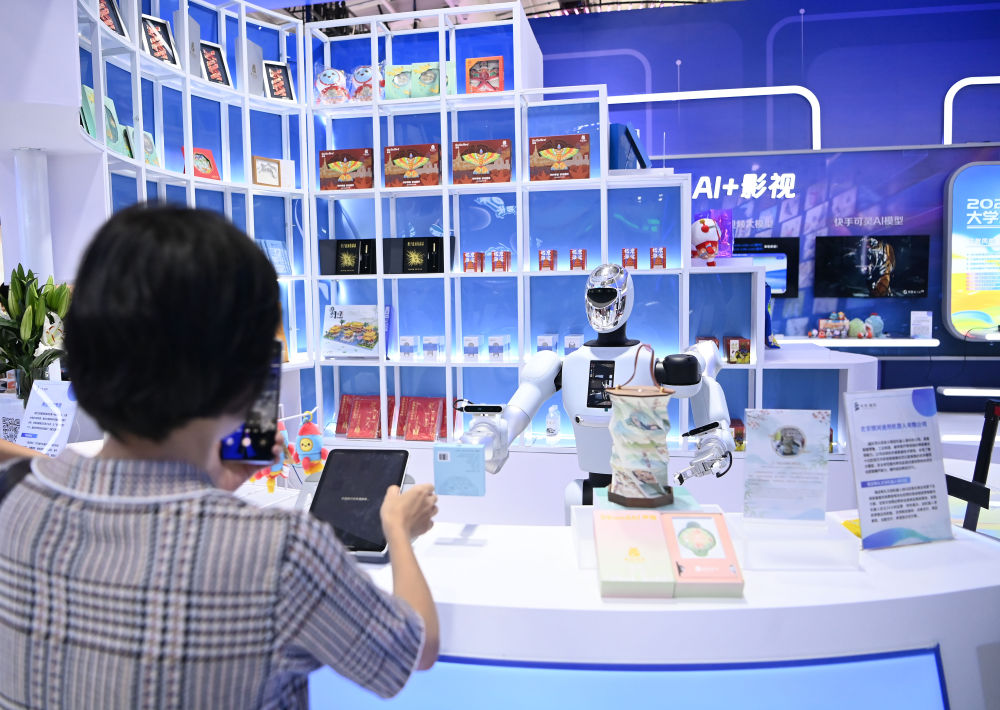
海淀透露数字贸易“攻坚路线图”
Bei Jing Shang Bao· 2025-09-12 15:17
Group 1 - The global economy is entering a new phase characterized by digital productivity, with digital trade emerging as a new engine for growth [1] - Digital trade is a core component of the digital economy, driven by advanced technologies such as artificial intelligence and blockchain, facilitating deep integration of industrial, supply, and value chains [1] - China's digital trade market is projected to exceed 4.5 trillion yuan by 2025 and reach 8.2 trillion yuan by 2030, with a compound annual growth rate of over 12% [1] Group 2 - Beijing is leading the nation in digital trade, with a projected growth of 7.7% in digital economy value in 2024, and core industries growing over 10% [2] - Haidian District in Beijing is a key area for digital economy and trade development, with its core industries accounting for 53.1% of the district's GDP in 2024 [2] - Haidian District has developed a knowledge-intensive industrial cluster, housing nearly 10,000 high-tech enterprises, 262 listed companies, and 50 unicorns, with major firms like Douyin and Xiaomi originating from the area [2] Group 3 - The rapid growth of digital trade is closely linked to the emphasis placed by national and local governments, with policies such as the 18 measures to support digital trade reform introduced in August 2024 [3] - Haidian District has outlined its development strategy focusing on enhancing global competitiveness and fostering new digital industry clusters [3] - The district aims to create a high-standard open environment, aligning with international trade rules, and exploring innovative practices in technology governance and intellectual property protection [3]
2025服贸会|海淀透露数字贸易“攻坚路线图”
Bei Jing Shang Bao· 2025-09-12 14:04
Core Insights - The global economy is entering a new phase characterized by digital productivity, with digital trade emerging as a new engine for growth [1][3] - Digital trade is a core component of the digital economy, driven by advanced technologies such as artificial intelligence and blockchain, facilitating innovation and integration across various sectors [3] - China's digital trade market is projected to exceed 4.5 trillion yuan by 2025 and reach 8.2 trillion yuan by 2030, with a compound annual growth rate of over 12% [3] Industry Developments - Beijing is leading the nation in digital trade, with a projected growth of 7.7% in digital economy value in 2024, and core industries expected to grow over 10% [3][4] - Haidian District in Beijing is a key player in digital economy and trade, with its core industries contributing 53.1% to the district's GDP in 2024 [4] - The rapid development of digital trade is closely linked to supportive policies from both national and local governments, including recent initiatives to promote cross-border data flow and establish digital trade pilot zones [4] Future Directions - Haidian District aims to enhance global competitiveness by focusing on four key areas: optimizing the innovation ecosystem, accelerating the development of new digital infrastructure, exploring institutional innovations in the digital economy, and establishing a high-standard open environment for international trade [5] - The district plans to build a comprehensive digital free trade brand by focusing on the release of digital factors, cultivating digital trade growth, and exploring rules in the digital domain [5]
鼎韬产业研究院发布《数字贸易蓝皮书》
Bei Jing Shang Bao· 2025-09-12 14:01
Group 1 - The core viewpoint of the article highlights the rapid growth of digital trade as a key driver of global economic growth and value chain restructuring in the context of an evolving digital economy and international trade landscape [1] - The "Digital Trade Blue Book" released by Dingtao Industrial Research Institute estimates that the global digital trade scale will reach $7.39 trillion in 2024, accounting for 22.22% of total global goods and services exports [1] - Digital delivery trade and digital ordering trade are identified as the dual engines of growth, with respective scales of $4.78 trillion and $2.62 trillion, representing 64.63% and 35.37% of the total digital trade [1] - The United States, the United Kingdom, and Ireland are the top three countries in global digital trade scale, while China ranks fourth with a strong competitive position at $765.9 billion [1] Group 2 - Artificial intelligence is recognized as a core variable shaping the future global trade landscape, moving beyond being merely an auxiliary tool [2] - It is projected that by 2040, artificial intelligence will drive growth in global digital delivery service trade by 18 percentage points above the baseline [2] - China is positioned as a global leader in the artificial intelligence industry, with significant advantages in scale, patent quantity, market application, and computing power deployment, indicating its potential to lead a new wave of digital trade transformation [2]
北京率先试行全球数字贸易新规则,41条措施对接国际高标准
Xin Jing Bao· 2025-09-12 10:52
Core Points - The Ministry of Commerce released a work plan to support Beijing as the first pilot city for the implementation of the WTO's Electronic Commerce Agreement, aiming to accelerate the establishment of global digital trade rules in China [1][2] - The work plan includes 41 specific measures across five key areas to enhance digital trade, improve data governance, optimize the digital consumption environment, expand telecommunications business openness, and strengthen international cooperation in digital trade [1][2] Group 1 - The work plan emphasizes three major innovations to systematically align with international high-standard rules, modernize digital trade governance, and expand international cooperation in digital trade [2] - Beijing has made significant progress in digital openness, being selected as one of the first pilot cities for expanding value-added telecommunications business, with 10 companies receiving pilot approvals [2] - The city has established a cross-border electronic contract signing platform with over 14,000 certified enterprises and leads the nation in data outbound diversity and success rates [2] Group 2 - The next steps involve establishing a city-level coordination mechanism to detail task assignments and ensure the effective implementation of policies, aiming to create replicable and scalable experiences for future nationwide promotion of the agreement [2]