
耐心资本

Search documents
2025上半年中国母基金全景报告
母基金研究中心· 2025-09-02 08:52
Group 1 - The core viewpoint of the article emphasizes the rapid development and structural changes in China's private equity mother fund industry, particularly highlighting the transition from high-speed growth to a phase of high-quality development since 2022 [2][3][4] - The article outlines the definition and criteria for mother funds, including minimum capital requirements and investment activity [6][7] - The report provides a comprehensive list of mother funds in China, detailing the number and scale of these funds as of June 30, 2025, indicating a total of 460 mother funds with a total management scale of 348.45 billion RMB, reflecting a decline from previous years [13][14][26] Group 2 - The analysis of newly established mother funds in the first half of 2025 shows a total of 33 new funds, with a significant drop in scale compared to previous years, indicating a trend of reduced fundraising activity [20][23] - The report discusses the overall management scale of mother funds, noting a decrease of 23.7% compared to the end of 2024, with government-guided funds experiencing a 24% decline [26][29] - The article highlights the employment situation within the mother fund industry, reporting a workforce of approximately 9,243, which is a 7.29% decrease from the end of 2024 [19] Group 3 - The article discusses the current state and trends of the private equity mother fund industry, noting that since 2019, the industry has entered a deep adjustment period due to regulatory tightening and external economic pressures [57][58] - It highlights the introduction of significant policy changes, such as the "State Council Document No. 1," which aims to standardize the establishment and operation of government investment funds, promoting a more structured approach to fund management [59][60] - The report indicates a shift towards "patient capital," emphasizing long-term investment strategies and a greater tolerance for project losses, which is becoming a new norm in the industry [66][69] Group 4 - The article notes the emergence of "technology bonds" as a new fundraising tool for private equity firms, allowing them to raise funds for investment in a more flexible manner [72][73] - It discusses the tightening of management fee mechanisms, pushing smaller general partners (GPs) towards a "lightweight" operational model to adapt to the changing market conditions [75][77] - The report emphasizes the importance of nurturing "patient capital" to support the high-quality development of the real economy, indicating a strategic shift in investment focus [68]


2025年中国PE_VC基金行业CFO白皮书-沙利文&头豹
Sou Hu Cai Jing· 2025-09-01 14:29
Summary of the 2025 China PE/VC Fund Industry CFO White Paper Core Viewpoint The 2025 China PE/VC fund industry is experiencing fluctuations in registration numbers and a decline in scale due to dual influences from policy and market conditions. The number of registered PE/VC funds decreased by 44.1% year-on-year in 2024, with a registration scale of 2,690 billion yuan, down 30.3% year-on-year. This decline is primarily attributed to stricter entry thresholds and reduced registration efficiency as per the new regulations, alongside market volatility and tightened IPO conditions, which have exacerbated fundraising difficulties [1][2][5]. Group 1: Overview of the PE/VC Fund Industry - The number of registered PE/VC funds has significantly decreased, from 4,329 in 2017 to 118 in 2024, largely due to regulatory tightening and market uncertainties [5][30]. - The registration scale of PE/VC funds has also declined, with a total of 2,690 billion yuan registered in 2024, a decrease of 30.3% year-on-year [19][24]. - Despite the overall decline in registration numbers and scale, the proportion of PE/VC funds within the total private fund sector has increased, indicating their critical role in industrial integration and technological innovation [18][24]. Group 2: Investment Trends and Challenges - In the first half of 2025, the PE/VC market showed signs of recovery, with 5,074 investments totaling 5,748 billion yuan, representing year-on-year increases of 28% and 18%, respectively [48][53]. - Key investment sectors include electronic information, advanced manufacturing, and healthcare, with a preference for industries with high technological barriers and strong policy support [59]. - The trend of "capital migration" is evident, with a significant decline in A-round investments, as investors are increasingly favoring later-stage projects due to improved exit channels [54][58]. Group 3: CFO Insights and Fundraising Challenges - Over 80% of surveyed CFOs prefer long-term value creation, but less than half are increasing their allocation to "patient capital," facing challenges from LPs' short-term return expectations and uncertainties in portfolio company growth [6][7]. - The fundraising environment remains challenging, with 45% of institutions reporting stable fundraising amounts compared to the previous year, while 26.8% experienced a decrease [7][8]. - Innovative fundraising channels, such as science and technology bonds and follow-on funds, are gradually being adopted to address the ongoing fundraising difficulties [7][8]. Group 4: Digital Transformation and Service Provider Preferences - The core needs for digital transformation among institutions include data management, team collaboration, and cost reduction, with many institutions allocating limited budgets for these initiatives [6][7]. - Institutions are increasingly sensitive to costs when selecting third-party fund operation service providers, prioritizing value for money and one-stop services over brand prestige [7][8]. Group 5: CFO Rankings and Recommendations - The white paper also includes the 2025 CFO rankings for PE/VC institutions, recognizing various award winners across multiple dimensions [6][7]. - Recommended service providers include ICS and Shanghai Lianchuang Capital, highlighting the importance of local and flexible pricing service providers in the current market environment [6][7].

时间会奖励种树的人!粤开证券诠释“慢投资”之道
券商中国· 2025-08-31 23:29
Core Viewpoint - The article emphasizes the strategic significance of "technology finance" in China's economic transformation and global competition, highlighting the integration of finance and technology in fostering new productive forces and achieving high-quality development [2]. Group 1: Financial Empowerment in Emerging Industries - The government work report for 2024 highlights the importance of developing a modern industrial system and nurturing new growth engines, including commercial aerospace, which is now recognized as a representative of new productive forces [3]. - Beijing Xinghe Power Aerospace Technology Co., Ltd. has successfully launched rockets multiple times, positioning itself as a leader in the commercial aerospace sector, despite facing challenges such as a recent launch failure [3][4]. - Yuekai Capital's strategic investment in Xinghe Power is aimed at accelerating the development of commercial aerospace and supporting the construction of a strong aerospace nation [4]. Group 2: Long-term Investment Strategy - Yuekai Capital focuses on creating a value-creation loop that integrates capital patience, technological breakthroughs, and industrial transformation, emphasizing post-investment value creation rather than just financial returns [5]. - The company has made significant investments in the low-altitude economy and biomedicine sectors, including leading financing rounds for companies like Xiaopeng Huitian and Guangzhou Anjisheng, to support innovative projects and accelerate their market entry [6]. - The concept of "patient capital" is highlighted as essential for overcoming the challenges faced by technology companies, with Yuekai Capital adopting a long-term investment approach to foster sustainable growth [7][8].

政策红利及产业需求升级驱动 中国PE/VC市场今年上半年呈现回暖态势
Zheng Quan Shi Bao Wang· 2025-08-31 12:12
Core Insights - The 2025 China PE/VC Fund Industry CFO White Paper indicates a recovery in the market, with a 28% year-on-year increase in investment quantity to 5,074 deals and an 18% increase in investment scale to 574.8 billion yuan in the first half of the year, driven by policy incentives and industrial demand upgrades [1] Investment Trends - A significant decline in A-round transaction scale is noted, with transactions under 10 million yuan accounting for 38% and those between 100 million to 500 million yuan at 23.8%, while transactions over 1 billion yuan only represent 3% [2] - The market is primarily focused on mid-range transactions, indicating a preference for smaller projects with clear growth potential, characterized by "early and small investments" closely tied to industry needs [3] - A-round transactions saw a notable drop in scale compared to the previous year, attributed to the explosive growth of the Hong Kong IPO market and relaxed policies for unprofitable companies, leading investors to favor later-stage projects [3][4] Sector Focus - Artificial intelligence has emerged as a focal point for global venture capital, with 83% of attention directed towards this sector, benefiting from breakthroughs in generative AI technology and expanded application scenarios [6] - Approximately 55% of surveyed institutions increased their investment in hard technology, with 21% significantly raising their stakes by over 30% [5] Long-term Investment Strategies - A majority of 80.3% of surveyed institutions define "patient capital" as a 5-10 year long-term hold, reflecting a shift towards long-term value creation rather than short-term gains [8] - 57.7% of institutions are collaborating with industrial capital to extend investment cycles, while 45% are dynamically adjusting fund terms to manage liquidity needs [9]
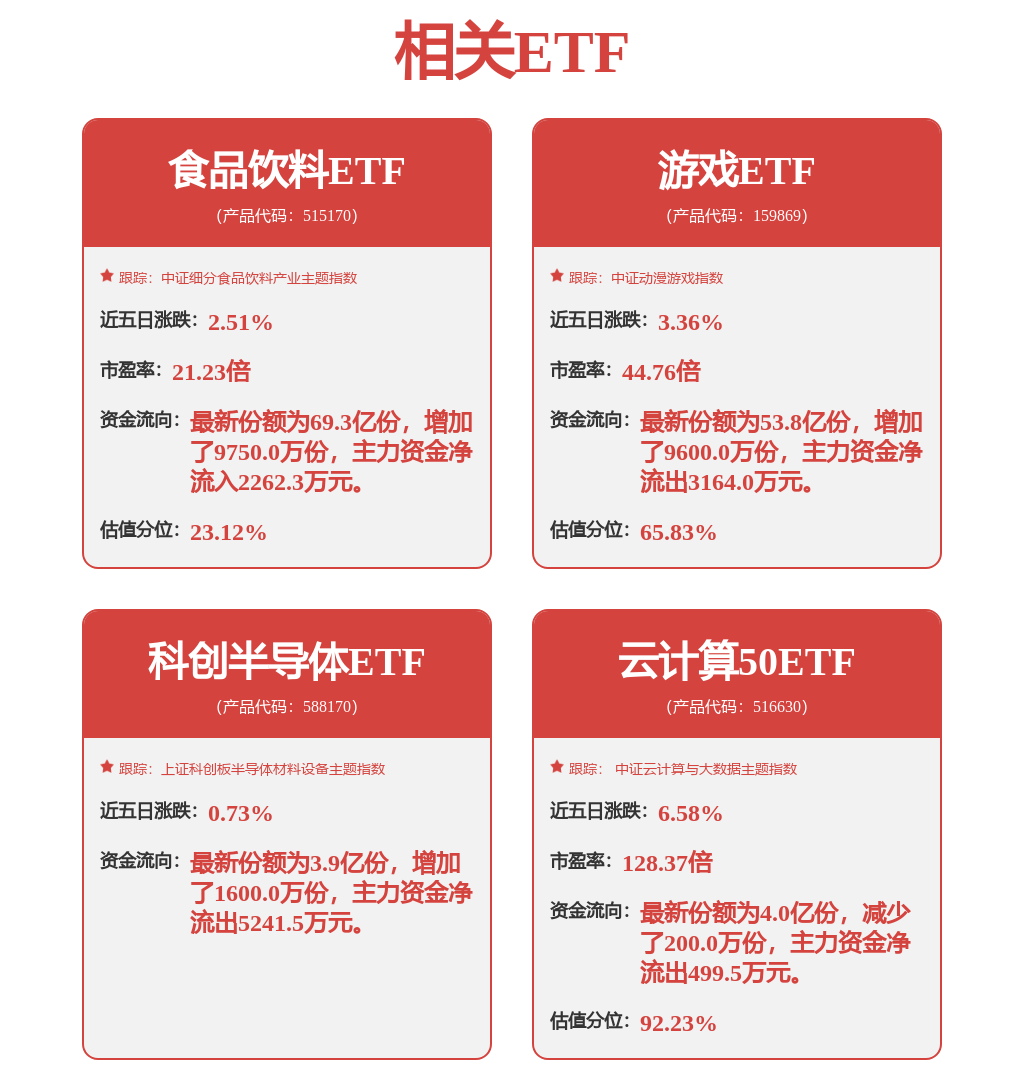
广东证监局:构建并购重组“标的库” 着力提升上市公司并购质效
Zheng Quan Shi Bao Wang· 2025-08-30 14:35
Group 1 - The Guangdong Securities Regulatory Bureau aims to enhance financial services for high-quality technology enterprises to facilitate their listing and financing [1] - The bureau will support various enterprises in expanding direct financing through improved bond market mechanisms and financing tools [1] - There is a focus on promoting mergers and acquisitions among listed companies, with new policies to enhance transaction tools and regulatory inclusiveness [1] Group 2 - The initiative includes fostering "patient capital" to promote a virtuous cycle among technology, industry, and finance [2] - The bureau will support the standardized development of private equity institutions and enhance market operation levels [2] - There will be continued efforts to deepen the pilot construction of equity investment and venture capital fund share transfers [2]
化工资本市场奔向高价值——2025上市化工企业高质量发展暨首届资本市场助力石化“专精特新”企业对接工作会发言集萃
Zhong Guo Hua Gong Bao· 2025-08-29 02:50
Group 1 - The core viewpoint of the articles emphasizes the importance of capital in supporting the high-end development of the chemical industry, with strategies such as mergers and acquisitions, patient capital support, and ESG governance improvements being crucial for transitioning to a high-end, green, and intensive development phase [1][2][10] - The capital market is addressing the shortcomings of "long money" to support the development of new productive forces, with a focus on deepening reforms in the Sci-Tech Innovation Board and the Growth Enterprise Market, promoting long-term capital entry, and enhancing the linkage between equity and debt [2][12] - The chemical industry is experiencing a shift in capital operations characterized by clear policy guidance, active cross-border financing, and a clearer logic for mergers and acquisitions, particularly in new materials and green technologies [8][10] Group 2 - Mergers and acquisitions have become a core pathway for the chemical industry to move towards high-end development, supported by policies encouraging mergers that enhance industrial chains and promote technological upgrades [10][12] - The introduction of patient capital is seen as a key to overcoming the challenges of low economic prosperity and financing difficulties in the chemical sector, with a focus on long-term value and stability [12][13] - ESG governance is reshaping the valuation of chemical companies, with a growing emphasis on integrating green and low-carbon technologies into core strategies to attract long-term capital [15][17] Group 3 - The Lanzhou New Area is emerging as a significant investment hub for the chemical industry, leveraging its status as a national-level new area, low-cost resources, and comprehensive support systems to attract substantial investments [22] - Companies like Limin Holdings are implementing ESG-driven strategies to transition from traditional manufacturing to sustainable value leadership, showcasing the importance of innovation and compliance with global standards [17][20] - The Lanzhou Additive Plant is adopting a green low-carbon strategy centered on process innovation, achieving significant reductions in energy consumption and carbon emissions while enhancing production efficiency [20]
共富路上的耐心资本:国家级基金“双轮”赋能乡村振兴
Zheng Quan Shi Bao· 2025-08-28 17:56
Core Insights - The article highlights the role of Guotou Chuangyi Industrial Fund in supporting rural revitalization through substantial investments in agriculture and resource development, managing over 50 billion yuan across more than 10 rural revitalization funds [1][2][3] Group 1: Investment Impact - Guotou Chuangyi has shifted the focus of agricultural investment from traditional methods to modern agricultural and resource development, significantly aiding in farmer income and employment [2][3] - The fund has supported projects that have created over 10 million job opportunities, contributing more than 1 trillion yuan in income for the employed population [2][3] - Investments in resource development projects in underdeveloped areas have proven to be more effective in driving local economic growth and attracting social capital [2][3] Group 2: Agricultural Technology - The fund emphasizes the importance of agricultural technology and has made significant investments in biotechnology, covering core enterprises and technologies in the sector [4][5] - The mechanization rate for major crops has exceeded 75%, with specific rates for wheat, corn, and rice surpassing 97%, 91%, and 88% respectively, indicating a shift towards full mechanization [4][5] Group 3: Future Challenges and Recommendations - The article discusses the ongoing challenges in agricultural modernization, particularly in underdeveloped regions, and the need for innovative mechanisms to enhance farmer participation and benefits [6][7] - Recommendations include strengthening project management, enhancing social service systems, and promoting technology and skills training for farmers to better integrate into modern industrial development [6][7] - Guotou Chuangyi faces the challenge of balancing technological innovation with job creation while ensuring sustainable market operations supported by national policies [6][7]
普洛斯集团获阿布扎比投资局全资子公司15亿美元投资
Zheng Quan Ri Bao Wang· 2025-08-28 10:45
Core Viewpoint - Prologis Group has secured a $1.5 billion investment from Abu Dhabi Investment Authority (ADIA), recognizing its ability to create value in high-growth new economy sectors [1][3] Group 1: Investment Details - The investment marks a new collaboration model between Prologis and ADIA, building on years of successful partnership at the fund level [1] - The initial deployment of $500 million will enhance Prologis's financial strength and accelerate the development of its new economy businesses [1] Group 2: Strategic Focus - Prologis is focused on building differentiated and scalable business platforms in logistics supply chain, digital infrastructure, and new energy sectors [1] - The investment will optimize Prologis's capital structure and enhance its investment and expansion capabilities [1] Group 3: Market Position and Recognition - ADIA, one of the largest sovereign wealth funds in the Middle East with over $1 trillion in assets, is a significant player in global capital markets [2] - Prologis has established itself as a bridge for foreign investment in China, collaborating with over 140 diverse investment institutions [2]
中东财团,投了普洛斯100亿
投资界· 2025-08-28 09:48
Core Viewpoint - GLP Group has secured a strategic investment of $1.5 billion (over 100 billion RMB) from the Abu Dhabi Investment Authority (ADIA) to support its next phase of growth, highlighting foreign capital's positive outlook on Chinese assets [3][4][5]. Investment and Partnership - ADIA, established in 1976, is a global diversified investment institution with over $1 trillion in assets, and has a long-standing relationship with GLP, having invested in multiple flagship Chinese logistics funds [5][6]. - The recent investment marks a significant upgrade in the partnership, with ADIA committing $500 million in the first round to help GLP capture new growth opportunities [6][8]. Business Model and Strategy - GLP has developed a unique model that combines investment and operations, addressing pain points in traditional development and construction methods, and creating a global, collaborative new economic infrastructure ecosystem [7][9]. - The company has demonstrated its ability to generate substantial returns for investors, exemplified by a $18.7 billion deal with Blackstone in 2019, showcasing over $10 billion in asset appreciation within five years [7][9]. Market Position and Growth - GLP has transformed into a super industry service and investment company focused on supply chain, big data, and new energy, with a global asset management scale of approximately $800 billion [9][10]. - The company operates over 400 parks across 70 regional markets in China, with a logistics and industrial infrastructure network totaling nearly 50 million square meters [9][10]. New Infrastructure Development - GLP is actively expanding into new economic infrastructure areas, including smart cold chain logistics and computing power centers, with significant investments in these sectors [10][13]. - The company has developed over 2 GW of renewable energy capacity, aligning with its strategic goals of creating green infrastructure assets [13][18]. Future Outlook - GLP is positioned as a bridge for overseas capital investing in China, having established a strong presence in the Chinese market since 2003 [16][17]. - The company is considering an IPO in Hong Kong, reflecting its growth and the increasing interest from global investors in Chinese assets [17][18].

张偲院士:引全球人才和“耐心资本”打造广东海洋牧场
2 1 Shi Ji Jing Ji Bao Dao· 2025-08-26 05:44
Core Insights - Guangdong province is accelerating the construction of a modern industrial system, particularly focusing on marine ranching, which has a competitive advantage in climate, market, and industrial foundation [1][2] - The marine production value of Guangdong is projected to exceed 2 trillion yuan in 2024, maintaining its position as the leading province in China for 30 consecutive years, accounting for approximately 20% of the national total [1] - The transition of marine ranching from a public welfare attribute to an ecological economic composite model is emphasized, with a call for increased participation from enterprises and social capital [1][2] Industry Development Recommendations - It is suggested to gradually remove eligible fishing ports and traditional aquaculture areas from ecological protection lines to enhance the development environment for marine ranching [2] - Establishment of innovation centers for marine ranching seed industry, equipment technology, and deep processing of marine products is recommended to tackle key technologies and improve the conversion rate of scientific achievements [2] - Emphasis on market development, including logistics system construction and promotion of marine products, is crucial, with a potential market expansion for high-quality fish species estimated to reach 500,000 tons [2] Strategic Initiatives - A full-chain upgrade for marine ranching is proposed, including the implementation of plans for billion-level industrial clusters for species like triploid oysters and tuna [3] - Development of new business models such as "wind-fishing integration" and "fishing-tourism integration" is encouraged, along with the creation of a regional public brand for "Guangdong Seafood" [3] - The establishment of large-scale and intensive deep-sea aquaculture models is suggested, using local laboratories as examples to provide a "Guangdong solution" for national development [3]