
能源安全

Search documents
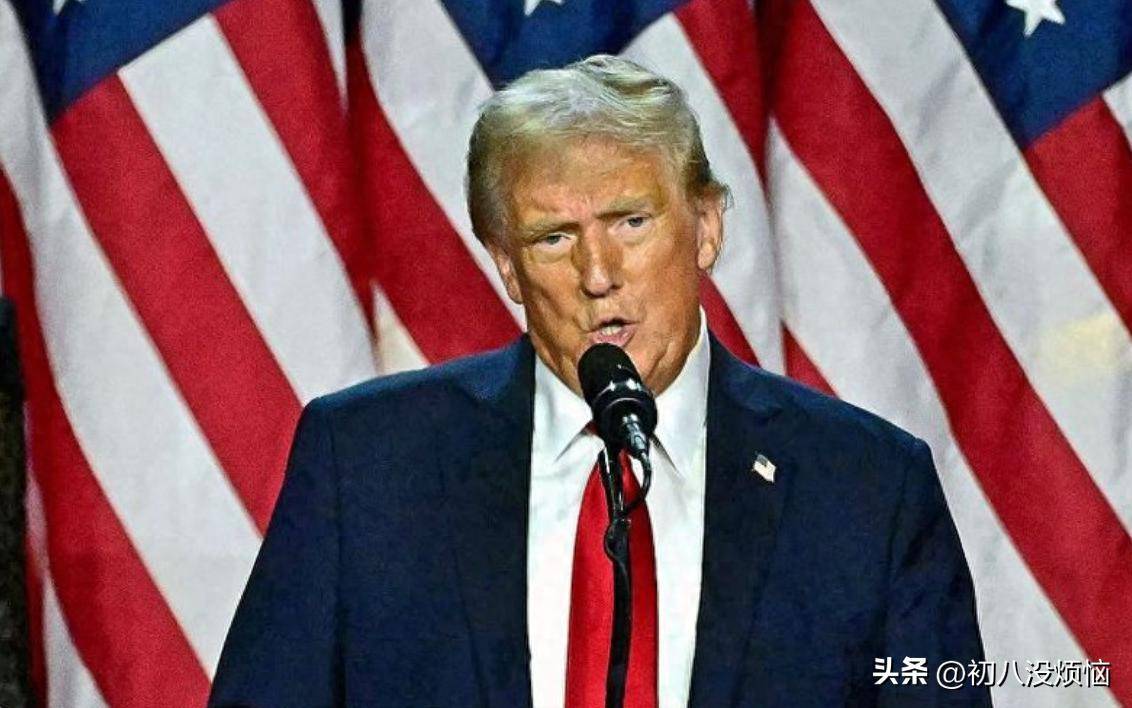
60国开国际大会,特朗普想夹带私货,中国拒绝参会,专家:强硬!
Sou Hu Cai Jing· 2025-08-09 15:27
Group 1 - The meeting focuses on energy issues, marking the first significant international gathering since the trade war initiated by the Trump administration, highlighting the importance of communication among nations [3] - China's absence from the meeting is significant, as it is a leading player in green energy, and experts suggest this refusal is a strong stance against U.S. hegemony related to recent tariff policies [3][19] - The global energy landscape is undergoing dramatic changes, with renewable energy investments surpassing fossil fuels for the first time in 2022, although oil and gas still account for 55% of global energy consumption [6] Group 2 - The guest list for the summit is notable, with over 75 countries invited but only about 60 confirming attendance, including major oil-producing nations like Saudi Arabia, Qatar, and the UAE, while Russia is excluded [6][10] - Despite claims of investing in renewable energy, countries like Saudi Arabia still rely heavily on oil exports for their revenue, indicating a complex relationship with climate issues [8][10] - The absence of vulnerable African nations from the summit raises concerns, as these countries bear the brunt of climate change impacts despite having minimal carbon emissions [12] Group 3 - The U.S. delegation includes an official who publicly questions climate science, reflecting a strategy to promote American oil and gas resources while delaying global energy transition efforts [15][17] - The U.S. has become the largest oil producer globally, with a daily output of 11.8 million barrels in 2022, driven by relaxed regulations and tax incentives for oil and gas companies [17] - China's rapid growth in clean energy sectors, holding over 60% of global clean energy equipment production, positions it as a key player in the energy transition, despite its absence from the summit [19] Group 4 - The international community's reaction to the U.S. strategy includes criticism from environmental groups and growing dissatisfaction among developing countries regarding Western climate policies [22] - The ambiguous stance of oil-producing nations like Saudi Arabia reflects a reluctance to abandon traditional energy revenues while also seeking opportunities in the renewable sector [24] - The complex dynamics between Western nations and China in energy cooperation reveal a contradiction where countries seek benefits while publicly opposing China's influence [24] Group 5 - Climate change is a shared challenge, and the success of energy transition relies on technology sharing, financial support, and inclusive policies, emphasizing the need for developed nations to stop politicizing climate issues [26]

气候变化威胁能源安全,如何应对和评估
Di Yi Cai Jing· 2025-08-09 08:34
Group 1 - Extreme weather poses systemic threats to energy systems, including reduced wind power efficiency due to weakened wind speeds and increased power supply tensions from high temperatures and droughts [1] - Climate change is a global challenge affecting energy security, social stability, and risk distribution, particularly impacting underdeveloped regions [1] - The IPCC report indicates that human activities have led to a 1.2°C increase in global average temperatures since pre-industrial times, with a high probability of exceeding the 1.5°C threshold in the next five years [1] Group 2 - Energy systems need to shift from "passive recovery" to "active transformation" through technological innovation, such as floating solar power stations that enhance land use and mitigate extreme temperature impacts on power generation [2] - A model shows that for every unit increase in the extreme climate risk index, total power generation significantly decreases, with wind power being the most affected by wind speed changes [2] - Four strategies proposed to address extreme climate impacts include establishing a climate risk monitoring and early warning system, optimizing diversified energy supply, creating emergency mechanisms for electricity markets under extreme weather, and innovating climate financial products [2] Group 3 - The existing global development indicator system, including the Human Development Index (HDI) and Sustainable Development Goals (SDGs), has significant limitations, such as contradictions between goals and data deficiencies [3] - The new Comprehensive Development Goals (CDGs) framework emphasizes a "bottom-up, practice-driven" approach, focusing on human development and social progress across five dimensions: innovation, coordination, green, openness, and sharing [3] - The CDGs report suggests incorporating natural capital into core indicators, enhancing spatial dimension analysis using satellite data, and utilizing AI technology for future trend predictions [3]
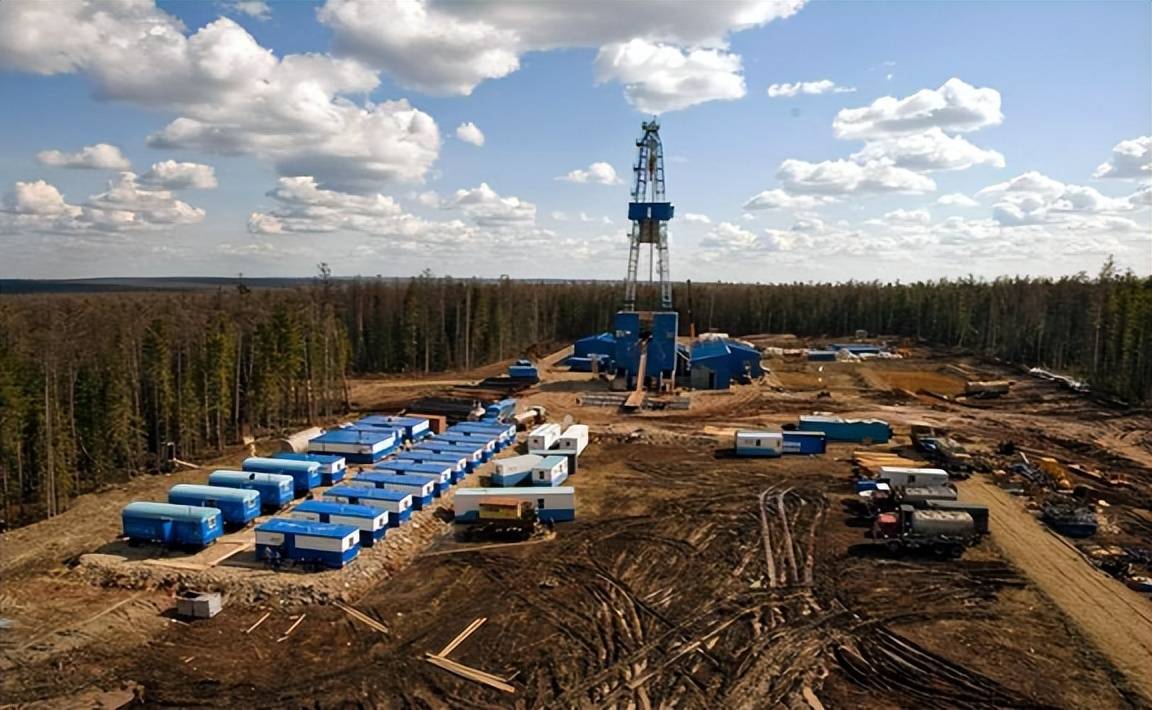
中俄合作天然气管道,俄坚持要途经蒙古国,我国为何拒绝投资?
Sou Hu Cai Jing· 2025-08-08 04:27
Core Viewpoint - The energy cooperation between China and Russia, particularly in the natural gas sector, has deepened over the years, with both countries having significant interests in expanding their collaboration despite facing challenges in new pipeline projects [1][3]. Group 1: Historical Context and Existing Projects - China and Russia began discussions on natural gas pipelines in the early 2000s to efficiently transport Russian gas to meet China's growing energy demands [1]. - The "Power of Siberia" pipeline, which started operations in 2019, has a capacity of 38 billion cubic meters per year and has been a successful model of energy cooperation between the two nations [4]. Group 2: Challenges in New Pipeline Projects - The proposed "Power of Siberia 2" pipeline, intended to transport 50 billion cubic meters of gas annually, has faced significant obstacles, particularly due to Russia's insistence on routing the pipeline through Mongolia [3][6]. - China's refusal to accept the proposed route through Mongolia stems from concerns over geopolitical security, environmental impact, and increased economic costs associated with a longer pipeline [9][11][12]. Group 3: Economic and Strategic Considerations - Russia's strategic interest in routing the pipeline through Mongolia includes strengthening ties with Mongolia and diversifying its gas export markets, especially in light of reduced demand from the EU [7]. - The ongoing negotiations have been complicated by price disputes, with Russia seeking European market prices while China insists on domestic market rates, leading to a stalemate in discussions [14][16]. Group 4: Future Prospects - As of 2023, negotiations remain unresolved, with China demanding that Russia cover construction costs and maintain lower prices, while Russia may need to consider alternative routes or expand existing pipelines [16][17]. - The potential for Mongolia's involvement in the project appears increasingly unrealistic, and future energy cooperation will depend on resolving these ongoing disputes [17].
印美“硬碰硬”,为了什么?
第一财经· 2025-08-07 14:56
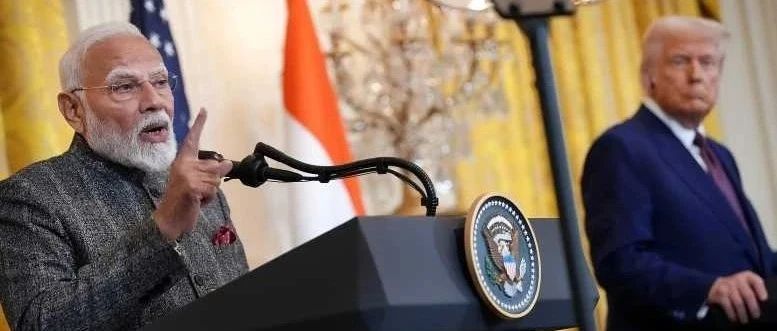
2025.08. 07 本文字数:1926,阅读时长大约4分钟 作者 | 第一 财经 钱 小岩 据新华社报道,根据白宫6日发布的公告,特朗普称俄罗斯政府的行为和政策继续对美国国家安全和外交政策构成"异常威胁",为应对俄乌冲突引发的 国家紧急状态,"对直接或间接进口俄罗斯石油的印度征收额外从价关税是必要和合适的"。 新的关税措施将在行政令公布21天后(即8月27日)实施 ,届时印度的纺织品、珠宝首饰、汽车零部件、海产品等主要出口商品将课以50%的重税, 而像苹果手机等电子产品,以及医药产品仍将享受关税豁免待遇。 特朗普近日多次以印度购买俄罗斯石油为由,威胁大幅提高对印度产品的关税。他称,印度不仅大量购买俄罗斯石油,还在二级市场上销售并获取大额 利润。 半年前美国总统特朗普还将印度总理莫迪称之为"伟大的朋友",如今双方关系在贸易战的硝烟下,露出了明显的裂痕。 据新华社报道,特朗普6日签署行政令,以印度"以直接或间接方式进口俄罗斯石油"为由,对印度输美产品征收额外的25%关税。 此前特朗普已经签署行政令,美国从8月7日开始对印度输美商品征收25%的关税。两者叠加后,印度输美商品将总体适用50%的关税税率。印度也由 ...
印度再批美国以印度购俄石油为由加税
Yang Shi Xin Wen· 2025-08-06 15:56
Core Viewpoint - The Indian Ministry of External Affairs criticized the United States for imposing additional tariffs on Indian products, citing India's imports of Russian oil as the reason. India emphasized that its oil imports are based on market factors and aimed at ensuring energy security for its 1.4 billion citizens [1]. Group 1 - The Indian government has reiterated its stance on importing oil from Russia, stating that these imports are necessary for national energy security [1]. - The U.S. has responded to India's oil imports by imposing a 25% additional tariff on goods from India, as announced by President Trump [1]. - India views the U.S. tariffs as unfair and unreasonable, and it plans to take necessary actions to protect its national interests [1].
【环球财经】墨西哥和加拿大商讨应对美国关税压力
Xin Hua She· 2025-08-06 14:42
Group 1 - Mexican President Claudia Sheinbaum met with Canadian officials to discuss responses to U.S. tariff policies and deepen bilateral cooperation [1] - Canadian Foreign Minister Anita Anand and Finance Minister Chrystia Freeland engaged in discussions with Mexican officials, focusing on economic growth, security, and trade diversification [1] - A consensus was reached to develop a work plan between Canada and Mexico, emphasizing resilient supply chains, port-to-port trade, artificial intelligence, digital economy, and energy security [1] Group 2 - The U.S. announced an increase in tariffs on Canadian goods from 25% to 35% due to perceived lack of cooperation on controlling fentanyl and other illegal drug flows [2] - Canadian Prime Minister Carney expressed disappointment over the impact of U.S. tariffs on Canadian industries such as lumber, steel, aluminum, and automotive [2] - U.S. and Mexico leaders agreed to maintain current tariff rates for 90 days while negotiating a new trade agreement, with specific tariffs still in place for various goods [2]
Emerson(EMR) - 2025 Q3 - Earnings Call Transcript
2025-08-06 12:32
Financial Data and Key Metrics Changes - Adjusted earnings per share (EPS) for the quarter was $1.52, which met the top end of guidance and represented a 6% year-over-year growth [11][22] - Underlying sales growth was 3%, with a strong performance in Process and Hybrid businesses, which grew 3.5%, while discrete businesses turned positive, up 2% year over year [20][22] - Free cash flow generation was better than expected at $970 million, resulting in a margin of 21.3% [22][26] Business Line Data and Key Metrics Changes - Industrial Software annual contract value (ACV) grew double digits year-over-year, ending the quarter at $1.5 billion [10] - Test and Measurement orders were up 16%, contributing to a 6% growth in underlying orders for discrete businesses [15][20] - Software and Control grew 2%, while Intelligent Devices was up 3% [20] Market Data and Key Metrics Changes - Underlying orders in the Americas grew 7%, while Asia and the Middle East and Africa saw a 2% increase, and Europe experienced a decline of 7% [21] - The demand for LNG, power, and life sciences is driving significant activity, with underlying orders in the Ovation business up 40% in the quarter [14][15] - The tariff environment improved, with the annualized gross incremental tariff impact reduced to approximately $210 million from a prior estimate of $455 million [18][19] Company Strategy and Development Direction - Emerson is focused on innovation in automation, highlighted by collaborations such as the one with Total Energies to enhance operational performance through advanced data solutions [6][10] - The company aims to leverage its differentiated technology to serve diverse industries and create value for investors [5][6] - Future growth is expected to be supported by strong demand in LNG, power generation, and life sciences, with a healthy outlook for underlying orders [12][14] Management's Comments on Operating Environment and Future Outlook - Management expressed confidence in the recovery of discrete markets, expecting underlying sales growth of 5% to 6% in the fourth quarter [12][16] - The company anticipates strong exit rates for underlying orders to support sales growth within its growth framework [12][16] - Management noted that the dynamic tariff environment has improved, allowing for eased surcharges and better pricing actions [19][22] Other Important Information - Emerson's backlog increased to $7.6 billion, with a book-to-bill ratio of one for the quarter [21] - The company plans to host an investor conference on November 20 in New York City to discuss its transport portfolio and value creation framework [12] Q&A Session Summary Question: Can you clarify the margins in Intelligent Devices? - Management noted that tariffs and unexpected foreign exchange impacts affected margins, but excluding these, margins were up 20 basis points [32] Question: How did orders trend in May and June? - Management indicated that MRO bookings remained consistent, while capital bookings fluctuated based on timing [43] Question: What is the outlook for the discrete side of the business? - Management highlighted that the recovery in Test and Measurement is strong, while legacy discrete markets are facing challenges, particularly in automotive and packaging [74][76] Question: What is the expected growth rate for the power vertical? - Management believes the growth rate can remain elevated in the high teens over the next couple of years due to strong visibility in generation and transmission distribution markets [83][84] Question: How has the dialogue with customers changed regarding large projects? - Management reported no slowdown in decision-making or approvals for projects in LNG, power, and life sciences, maintaining a consistent project win rate [90][91] Question: Can you provide an update on the Ovation AI rollout? - Management confirmed that the Ovation Virtual Advisor has been launched and is already seeing good customer adoption [109]

墨西哥和加拿大商讨应对美国关税压力
Yang Shi Xin Wen· 2025-08-06 08:52
Group 1 - The core focus of the meetings between Mexican President Claudia Sheinbaum and Canadian officials is to address U.S. tariff policies and enhance bilateral cooperation in various sectors [1] - Canadian Foreign Minister Anita Anand and Finance Minister Chrystia Freeland discussed with Mexican officials the need for collaboration on economic growth, security, and trade diversification [1] - A consensus was reached to develop a work plan between Canada and Mexico, focusing on resilient supply chains, port-to-port trade routes, artificial intelligence, digital economy, and energy security [1] Group 2 - The U.S. has increased tariffs on Canadian goods from 25% to 35% due to perceived lack of cooperation from Canada regarding the control of fentanyl and other illegal drug flows [2] - Canadian Prime Minister Mark Carney expressed disappointment over the impact of U.S. tariffs on Canadian industries such as lumber, steel, aluminum, and automotive, indicating government action to protect jobs and diversify export markets [2] - The U.S. and Mexico agreed to maintain current tariff rates for the next 90 days while negotiating a new trade agreement, with specific tariffs still in place for certain products [2]
能源安全与环保,欧洲的两难选择
Zhong Guo Hua Gong Bao· 2025-08-06 02:41
Group 1 - The core viewpoint of the articles highlights the tension between the EU's energy security needs and its environmental commitments, particularly regarding LNG imports from Qatar and the US [1][2] - In the first half of this year, the EU's LNG imports reached a historical high, with Qatar supplying 12% to 14% of the EU's LNG needs since the reduction of Russian pipeline gas supplies in 2022 [1] - Qatar's energy minister has expressed strong opposition to the EU's Corporate Sustainability Due Diligence Directive (CSDDD), which mandates strict net-zero emissions plans for companies, warning that compliance could lead to a 5% revenue loss, prompting Qatar to consider exiting the European market [1][2] Group 2 - The EU has made adjustments to the CSDDD in response to Qatar's concerns, including simplifying reporting requirements and delaying the directive's implementation from 2027 to 2028, yet Qatar remains firm in its stance [2] - The EU faces a critical decision point, needing to balance its reliance on Qatari LNG against its commitment to net-zero emissions, with current leadership prioritizing the latter [2] - Over-reliance on US LNG could increase energy costs for the EU, exacerbating the industrial crisis, as the EU aims to reduce energy bills to prevent industrial collapse [2]
能源安全与环保,欧洲的两难选择
Zhong Guo Hua Gong Bao· 2025-08-06 02:31
Group 1 - The core viewpoint of the articles highlights the tension between the EU's energy security needs and its environmental commitments, particularly regarding LNG imports from Qatar and the U.S. [1][2] - In the first half of this year, the EU's LNG imports reached a historical high, with Qatar supplying 12% to 14% of the EU's LNG needs since the reduction of Russian pipeline gas supplies in 2022 [1] - Qatar's energy minister has expressed strong opposition to the EU's Corporate Sustainability Due Diligence Directive (CSDDD), which mandates strict net-zero emissions plans for companies, warning that compliance could lead to a 5% revenue loss, prompting Qatar to consider exiting the European market [1][2] Group 2 - The EU has made adjustments to the CSDDD in response to Qatar's concerns, including simplifying reporting requirements and delaying the directive's implementation from 2027 to 2028, yet Qatar remains firm in its stance [2] - The EU faces a critical decision point, needing to balance its reliance on Qatari LNG against its commitment to net-zero emissions, with current leadership prioritizing the latter [2] - Over-reliance on U.S. LNG could increase energy costs for the EU, exacerbating the industrial crisis, as the EU aims to reduce energy bills to prevent industrial collapse [2]