冰雪经济

Search documents
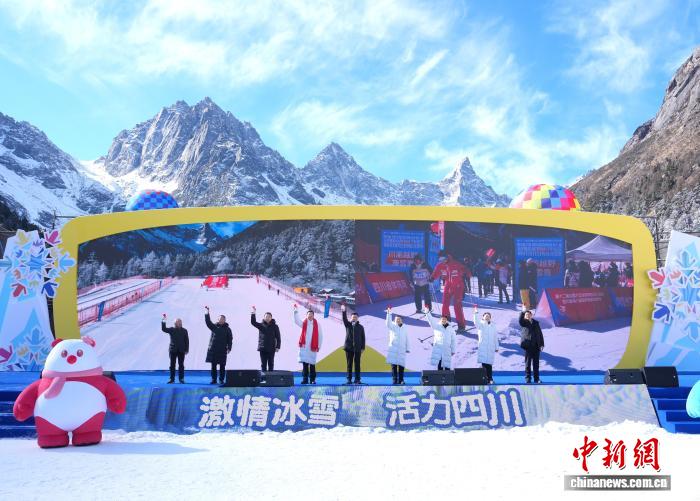
四川全民健身冰雪季启幕 “冰雪+N”激活冰雪经济
Zhong Guo Xin Wen Wang· 2026-01-05 13:19
Core Viewpoint - The twelfth National Mass Ice and Snow Season (Sichuan sub-venue) and the eighth Sichuan Provincial Mass Fitness Ice and Snow Season have commenced, aiming to activate the ice and snow economy through a comprehensive "Ice and Snow + N" model [1][3]. Group 1: Event Overview - The event, themed "Passionate Ice and Snow, Vibrant Sichuan," will last for three months and cover 19 snow venues and 12 ice venues across Sichuan Province [1][3]. - The opening ceremony featured real-time connections to five sub-venues, showcasing local ice and snow cultural activities [3]. Group 2: Economic Impact - The event is expected to directly involve over 20,000 participants and drive more than 6 million people in skiing experiences and training, with online participation projected to exceed 10 million [3]. - The anticipated economic benefit from the event is over 100 million yuan [3]. Group 3: Policies and Incentives - Various inclusive policies have been introduced, including free tickets, discounted tickets, and family packages at multiple ice and snow venues [5]. - The Aba Prefecture is issuing 100,000 consumer vouchers worth a total of 1 million yuan, aimed at both local residents and national tourists [5]. Group 4: Historical Context and Future Plans - Since its inception in 2019, the ice and snow season has attracted over 57 million participants and distributed more than 23.4 million yuan in subsidies, generating over 400 million yuan in related consumption [5]. - The current ice and snow season will continue until March 2026, leveraging digital platforms for precise promotion of discounts and seamless consumer access [5].

中国旅游研究院发布报告 预计3.6亿人次共赴今冬“冰雪之约”
Xin Hua She· 2026-01-05 11:55
Group 1 - The core viewpoint of the articles is that China's ice and snow tourism is entering a new stage of sustained prosperity, with significant growth expected in both visitor numbers and revenue during the 2025-2026 winter season [1][2] - It is projected that the number of ice and snow tourism leisure participants will reach 360 million, with expected revenue of 450 billion yuan [1] - Northern cities like Harbin, Shenyang, Changchun, and Zhangjiakou are transitioning from attracting visitors through resources to retaining them through warm services, enhancing the overall tourism experience [1] Group 2 - The report indicates a new pattern in China's ice and snow tourism, characterized by "south-north resonance, central rise, and east-west collaboration," with South China leading in investment [2] - In 2025, South China is expected to account for 30% of the investment, totaling approximately 30 billion yuan, with indoor ice and snow theme complexes being the most active investment category [2] - The ice and snow economy is projected to exceed 1 trillion yuan by 2025, with over 14,000 related enterprises in the country, reflecting an annual growth rate of 11% [2]
邀约全世界!哈尔滨冰雪节又来了
Xin Hua Wang· 2026-01-05 10:54
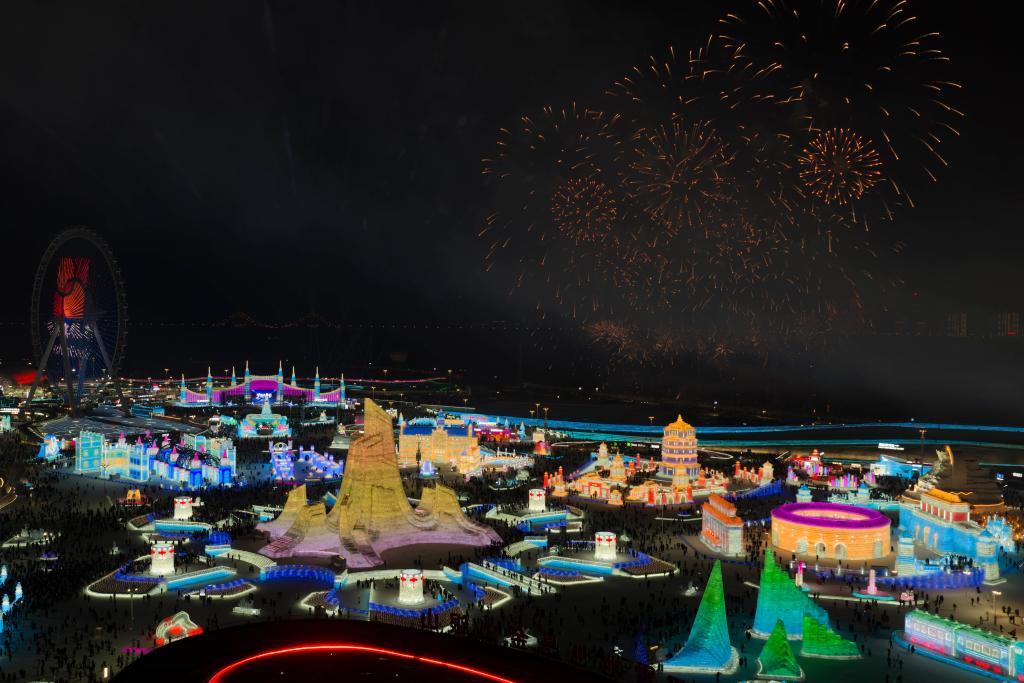
Core Viewpoint - The 42nd Harbin International Ice and Snow Festival has commenced, showcasing Harbin as a premier destination for ice and snow tourism, with a focus on cultural exchange and international cooperation [1][2][4]. Group 1: Event Highlights - The Ice and Snow Festival features the largest ice and snow park, covering 1.2 million square meters, with new interactive areas such as the "Rose Ice Wall" and "Hot Spring Camp" [2]. - The festival includes the 37th China Harbin International Ice Sculpture Competition and the 28th China Harbin International Snow Sculpture Competition, attracting over a hundred artists from various countries [2]. - Harbin has been recognized as a "World Ice and Snow Tourism Excellence City" by the United Nations World Tourism Organization, enhancing its global appeal [1][2]. Group 2: Economic Impact - The festival is expected to drive significant tourism, with over 90 million visitors recorded in the previous season, contributing to the local economy [4]. - During the recent New Year holiday, Harbin received 4.1 million tourists, generating 5.56 billion yuan in revenue [8]. - The upcoming Harbin International Ice and Snow Economic Expo aims to establish a global hub for the ice and snow industry, showcasing the entire industry chain from equipment manufacturing to tourism [8]. Group 3: Tourism Development - Harbin is focusing on high-quality development in winter tourism, emphasizing modern governance and innovative services to enhance visitor experience [7]. - The city has introduced various themed tourism routes and upgraded attractions to cater to diverse visitor interests, particularly targeting younger demographics [5][7]. - The China Ice and Snow Tourism Development Report (2026) predicts that ice and snow tourism participation will reach 360 million people, generating an estimated 450 billion yuan in revenue during the 2025-2026 winter season [8].
新华鲜报丨邀约全世界!哈尔滨冰雪节又来了
Xin Hua Wang· 2026-01-05 10:51
Core Viewpoint - The 42nd Harbin International Ice and Snow Festival has commenced, showcasing Harbin as a global winter tourism destination and emphasizing its cultural, sports, and economic integration [1][3]. Group 1: Event Highlights - The Ice and Snow Festival features the largest ice and snow park, covering 1.2 million square meters, with new interactive areas such as the "Rose Ice Wall" and "Hot Spring Camp" [3]. - The festival includes the 37th China Harbin International Ice Sculpture Competition and the 28th China Harbin International Snow Sculpture Competition, attracting over a hundred artists from various countries [3][5]. - The event aims to foster international friendship through artistic creation and showcase the charm of Harbin as the "Ice City" [3][6]. Group 2: Tourism Impact - Last winter season, Harbin attracted over 90 million domestic and international tourists, highlighting its popularity as a winter tourism destination [5]. - The festival is expected to enhance the local economy, with the recent New Year holiday seeing 4.1 million visitors and total spending of 5.56 billion yuan [9]. - The city is launching ten new winter tourism routes and upgrading attractions to enhance visitor experiences [6][8]. Group 3: Economic Development - The first Harbin International Ice and Snow Economic Expo is set to establish a global platform for the ice and snow industry, showcasing the entire industry chain from equipment manufacturing to tourism [9]. - The China Ice and Snow Tourism Development Report (2026) predicts that winter tourism participants will reach 360 million, generating an income of 450 billion yuan during the 2025-2026 season [9]. - Harbin's approach to winter tourism is shifting from merely attracting visitors to ensuring they have memorable experiences that encourage repeat visits [8].
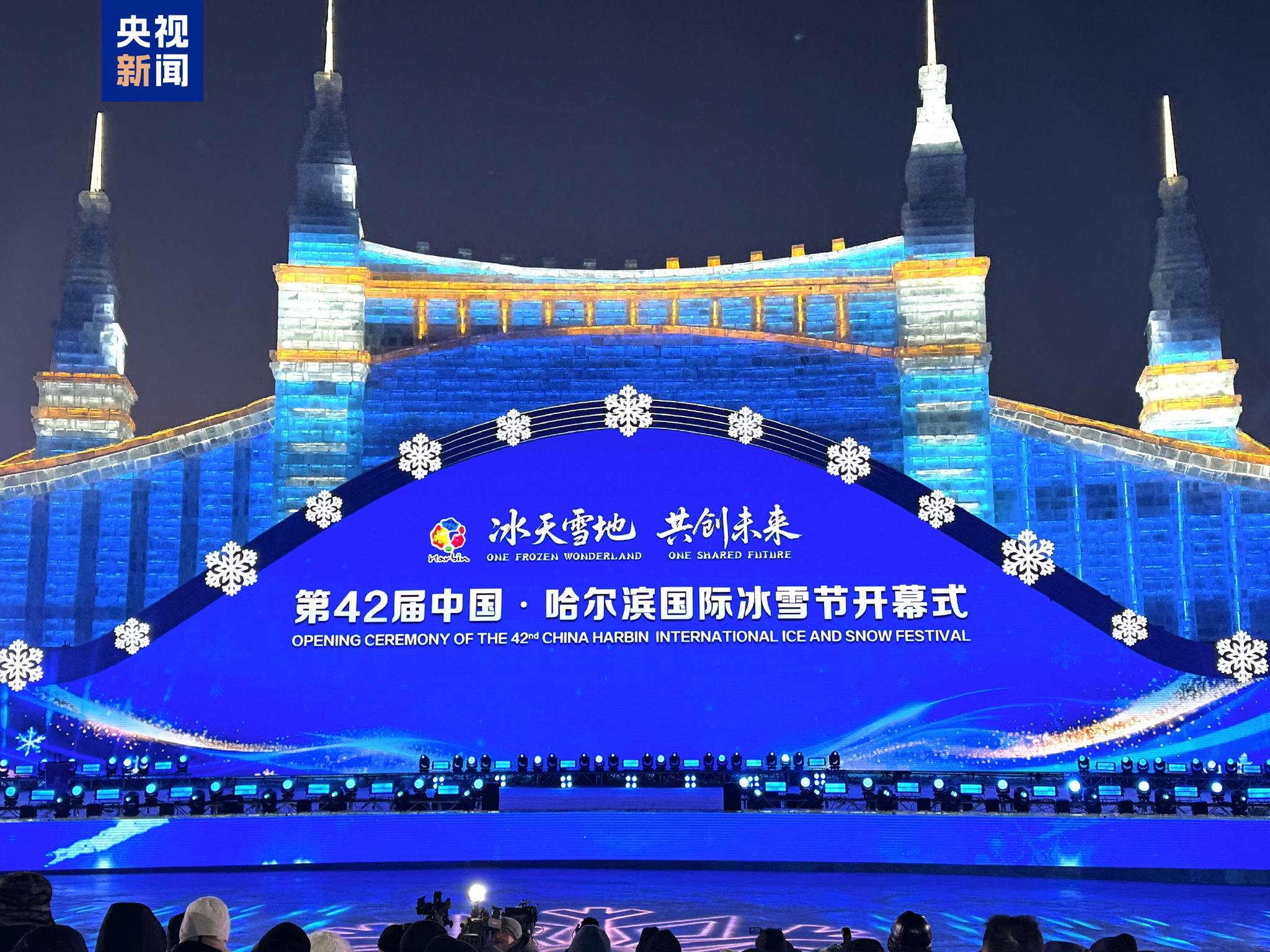
第42届中国·哈尔滨国际冰雪节今日开幕
Xin Lang Cai Jing· 2026-01-05 10:27
Group 1 - The 42nd China Harbin International Ice and Snow Festival opened on January 5, marking a significant event in the ice and snow tourism sector [1] - The Harbin Ice and Snow Festival, established in 1985, is the first international festival in China focused on ice and snow activities, recognized as one of the world's four major ice and snow festivals alongside events in Sapporo, Quebec, and Oslo [3] - Last ice and snow season, Heilongjiang Province saw a year-on-year increase of 18.5% in tourist numbers and 30.7% in total tourism spending, with projections indicating that the province's ice and snow economy will exceed 300 billion RMB by 2025, reflecting a growth rate of over 12% [4] Group 2 - The current festival features the theme "Ice and Snow Together, Creating the Future," offering ten premium ice and snow tourism routes and hosting over 200 cultural, sports, and economic activities [4] - The festival has introduced guest countries, provinces, and cities for the first time, aiming to strengthen cultural ties and stimulate new momentum in the ice and snow economy [4]
2025年国家铁路发送旅客42.55亿人
Ren Min Wang· 2026-01-05 09:17
Core Insights - The National Railway Group of China aims to achieve a passenger volume of 4.255 billion by 2025, representing a year-on-year growth of 4.2% [1] - On peak days, the railway is expected to handle 23.132 million passengers, setting a new historical record [1] Group 1: Passenger Services and Development - The company will enhance passenger service quality through special actions and improve dining services on trains [1] - A total of 2,485 tourist trains will be launched, marking a 33.6% increase year-on-year, to support tourism, ice and snow economy, and senior citizen economy [1] - The implementation of electronic tickets and expanded services such as convenient transfers and online meal ordering will be prioritized [1] Group 2: Future Goals - For 2026, the railway aims to maintain safety and stability while achieving a passenger volume of 4.402 billion, reflecting a 3.5% year-on-year growth [1] - The railway's efforts are aligned with the broader goal of supporting the realization of socialist modernization [1]
元旦假期带动新年消费活力满满
Sou Hu Cai Jing· 2026-01-05 06:28
冰雪经济点燃假期文旅市场元旦期间,从北国冰雪世界到南方温暖海岸,在文旅消费、首店经济、冰雪 经济等消费热点推动下,各地消费市场活力四射。经文化和旅游部数据中心测算,元旦假期3天,全国 国内出游1.42亿人次,国内出游总花费847.89亿元,文旅消费活力持续释放。 蓬勃的消费图景是政策支 持与市场信心同频共振的结果。元旦和春节是传统消费旺季,也是新一年消费政策落地的关键节点。创 新多元化消费场景、增加优质商品和服务供给、优化实施消费品以旧换新政策……一系列促消费实招、 新招渐次落地,将为新年消费市场注入活力、为全年消费增长注入信心。(央广财经评论员 邵蓝洁) 来源:央广网 各地探索"花式"旅游体验,文旅 消费动能强劲。跨年之夜,10万余名 游客在零下二十多摄氏度的哈尔滨冰 雪大世界参加跨年活动,迎接新的一 年。1月1日,哈尔滨全市接待游客14 0.5万人次,省外游客占比达42.1% ,客流的涌入直接带动了消费的深度 转化。北京环球影城开展跨年灯光 秀、花车巡游等多元活动,打造沉浸 式假日体验,点燃冬日狂欢氛围,带 动商圈客流量日均同比增长3.8倍。 经文化和旅游部数据中心测算,元旦 假期3天,全国国内出游1.4 ...

“尔滨”3.0,不止有冰雪!
Xin Lang Cai Jing· 2026-01-05 06:23
Core Viewpoint - The article highlights the upcoming 2026 Harbin International Ice and Snow Economic Expo, emphasizing its role in promoting Harbin as a hub for ice and snow-related industries and tourism, showcasing a comprehensive approach to the ice and snow economy that includes various sectors and opportunities for businesses [3][26]. Group 1: Event Overview - The Harbin International Ice and Snow Economic Expo will take place from January 6 to 8, 2026, featuring ice sculptures and a wide range of activities [3]. - The expo aims to present a "full-chain win" approach to the ice and snow economy, covering everything from equipment manufacturing to tourism operations [14][26]. Group 2: Economic Opportunities - The event is designed to attract both international and local businesses, with over 300 domestic and foreign enterprises expected to participate, including representatives from ice and snow industry powerhouses like Canada and Finland [26]. - The expo will serve as a platform for cross-border cooperation, enhancing Harbin's global business network and positioning it as a key player in the ice and snow economy [22][24]. Group 3: Community Engagement - The expo will feature over 300 million square meters of interactive experience areas, promoting a vibrant atmosphere for visitors and enhancing the overall experience of the ice and snow culture [4]. - Local culinary offerings will be integrated into the event, showcasing a blend of northern and southern Chinese cuisines, further enriching the visitor experience [10][12]. Group 4: Technological Integration - The expo will highlight advancements in technology related to the ice and snow industry, including VR skiing experiences and smart ice control systems, showcasing the innovative aspects of the sector [18][21]. - The event will also focus on the integration of technology with traditional ice and snow activities, appealing to a broader audience and enhancing engagement [22].
哈尔滨空港口岸:冰雪节期间出入境客流将达7.9万人次
Zhong Guo Xin Wen Wang· 2026-01-05 06:13
中新网哈尔滨1月5日电(姜辉 孙中大)5日,第42届中国·哈尔滨国际冰雪节启幕。据哈尔滨出入境边防检 查站统计,冰雪节开幕前后,哈尔滨空港口岸出入境客流同比增长10.4%,日韩、东南亚等地区旅客占 比显著提升,1月5日至2月5日冰雪节期间出入境客流预计将达7.9万人次。 哈尔滨出入境边防检查站相关负责人表示,针对冰雪节期间入境客流攀升态势,该边检站实行"高峰加 开通道、平峰弹性值守"模式,开足人工查验通道,启用智能查验设备,将人均通关时间压缩至45秒 内。持续依托240小时过境免签政策红利,动态优化服务举措,让中外游客在便捷通关中感受冰城温 情,为冰雪经济发展注入强劲动能。(完) 来源:中国新闻网 编辑:张澍楠 哈尔滨空港口岸:冰雪节期间出入境客流将达7.9万人次 本文为转载内容,授权事宜请联系原著作权人 中新经纬版权所有,未经书面授权,任何单位及个人不得转载、摘编或以其它方式使用。 关注中新经纬微信公众号(微信搜索"中新经纬"或"jwview"),看更多精彩财经资讯。 出入境旅客在哈尔滨空港口岸办理通关手续。 陈尚楠 摄 广告等商务合作,请点击这里 ...

“冰雪+”多元场景点燃冬日消费热情 “冷资源”撬动文旅“热经济”
Yang Shi Wang· 2026-01-05 04:31
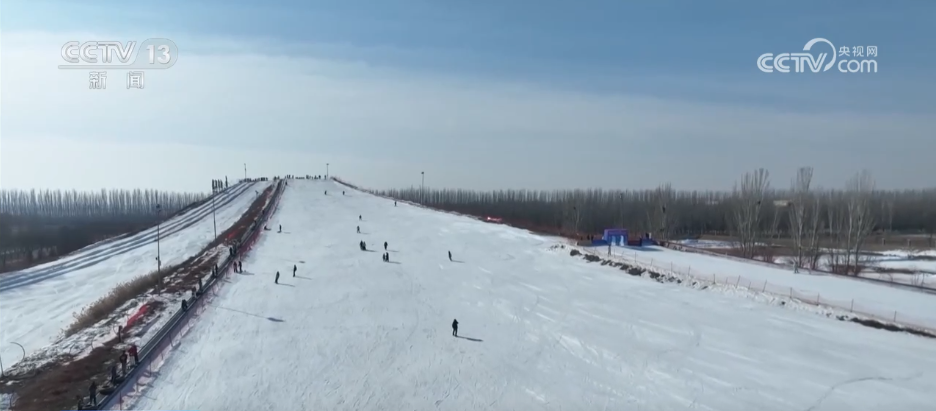
Group 1 - The winter tourism in Ningxia Yinchuan is revitalized through diverse consumption scenarios such as "ice and snow + sports" and "ice and snow + intangible cultural heritage" [2][3] - The local government is promoting the ice and snow economy by issuing consumption vouchers and offering discounts on scenic area tickets, aiming to shift tourism from "peak season" to "year-round" [3] Group 2 - In Harbin, Heilongjiang, despite temperatures dropping to around -20°C, residents and tourists continue to enjoy ice treats, showcasing a unique cultural habit [4][9] - The ice cream sold in Harbin has become a cultural tourism innovation product, reflecting the rising "ice and snow" economy in the region [9] - The Sun Island in Harbin features completed artistic snow sculptures, including a giant snow sculpture titled "Praise China," which is 103 meters long and made from 30,000 cubic meters of snow [13][15] - The snow used for sculptures is artificially created from purified water, ensuring high quality and ease of sculpting, which contributes to the impressive detail and aesthetics of the artworks [15]