数字化转型

Search documents
多家机构预测,非洲2026年经济增速将在4%以上,高于全球平均水平——非洲经济在转型中积蓄增长动能(国际视点)
Ren Min Ri Bao· 2026-01-28 22:11
Core Insights - The article highlights the transformative impact of digital financial services like M-Pesa on rural farmers in Kenya, showcasing the broader trend of digital financial inclusion across Africa, which has over 51 million users [1] - The International Monetary Fund (IMF) projects that Africa's economy will show resilience and steady growth, with a forecasted growth rate of over 4% in 2026, surpassing the global average [1][2] Economic Growth Projections - Africa is expected to remain a hub for high-growth economies, with at least half of the world's fastest-growing economies located on the continent [2] - The African Development Bank forecasts a 4.2% economic growth rate for 2025, increasing to approximately 4.3% in 2026, with 13 African countries projected to exceed 6% growth [2] Debt and Inflation Trends - The median public debt-to-GDP ratio for African countries is projected to decrease from 66.3% in 2023 to 65.5% in 2024, remaining below 65% through 2026 [2] - The average inflation rate in the region is expected to decline from 13.7% in 2025 to 10.3% in 2026, creating a more favorable fiscal environment [2] Regional Economic Performance - East Africa is projected to maintain a growth rate of about 6.2% in 2026, driven by investments in agriculture and energy infrastructure [3] - West Africa is undergoing significant economic transformation, with countries like Senegal, Guinea, Côte d'Ivoire, and Ghana expected to achieve over 6% growth in 2026 [3] - Southern Africa faces slower growth due to challenges like power shortages and high domestic interest rates, but a moderate recovery is anticipated in the latter half of 2026 [3] Digital and E-commerce Growth - The rapid proliferation of digital technology and e-commerce is significantly contributing to Africa's economic growth, with active mobile payment accounts exceeding 800 million in sub-Saharan Africa [4] - The e-commerce market in Africa is experiencing rapid growth, with user numbers increasing at an annual rate of approximately 18% since 2014, projected to reach about 518 million users by 2025 [4] Renewable Energy Initiatives - African nations are accelerating the development of green energy projects to address energy bottlenecks, with South Africa aiming to attract over 130 billion rand in private investment for renewable energy by 2030 [5] - Ethiopia is exploring various renewable energy sources, while Morocco aims to capture 4% of the global green hydrogen market by 2030 [5] Trade and Investment Dynamics - China remains Africa's largest trading partner, with bilateral trade exceeding $300 billion for the first time in 2025, reflecting a diverse trade structure [6] - The African Continental Free Trade Area is progressing, with 48 countries having ratified the agreement, expected to boost intra-African trade significantly by 2045 [5][6] Infrastructure and Cooperation - Significant progress has been made in infrastructure projects, such as the completion of the Guinea-Bissau bridge and the activation of the Tanzania-Zambia Railway project [7] - Chinese enterprises are increasingly involved in infrastructure and renewable energy projects across Africa, contributing to the continent's industrialization and economic integration [7]
盐城西团镇产业发展的实践探索
Xin Hua Ri Bao· 2026-01-28 21:45
在时代浪潮的推动下,地方产业如何实现从无到有、从有到优、从优到强的跨越,是一个具有重要理论 意义和实践价值的课题。江苏省盐城市大丰区西团镇,作为"中国抛丸机之乡",在不足100平方公里的 土地上集聚300余家企业,2024年产业销售额突破30亿元,占据全国40%的市场份额。其发展历程不仅 是一部地方产业的奋斗史,更是区域经济在时代机遇中不断探索、创新与传承的生动写照。本文从历史 逻辑、实践路径与精神内核三个维度,系统梳理了西团镇抛丸机产业的发展经验,以期为新时代地方产 业高质量发展提供借鉴。 技术革新成为供给侧改革的微观实践。面对"低端过剩、高端不足"的产业矛盾,西团镇企业积极响应供 给侧结构性改革战略。2017年,丰特、成越等企业引进大型激光切割机,实现能耗降低、精度提升; 2018年,三星公司引入机器人焊接技术,推动非标产品生产从"人工依赖"转向"智能驱动"。目前,产业 已拥有上百项专利,从"行业跟随者"蜕变为"行业风向标",这正是对"科学技术是第一生产力"科学论断 的有力印证。 □ 张静思韦炜 历史逻辑:从盐碱洼地到产业高地的跨越 西团镇抛丸机产业从无到有、从弱到强的发展历程,充分印证了理论指导实践、实 ...
技术攻关“先行者” 服务企业“贴心人”
Xin Lang Cai Jing· 2026-01-28 19:57
Core Viewpoint - The article highlights the contributions of Xu Xuanhe, a representative figure in the digital economy innovation sector in Guizhou, who has been recognized for his efforts in driving digital transformation and talent development in the region [1][2]. Group 1: Contributions to Digital Economy - Xu Xuanhe is a core member of the first national-level digital economy innovation center in Guizhou, focusing on integrating technology innovation with local industries [1]. - He has provided tailored digital services to over 600 enterprises and developed 15 industry-specific solution scenarios [1]. - Xu has facilitated the adaptation of domestic technology systems, supporting 300 companies in implementing localized solutions [2]. Group 2: Talent Development and Ecosystem Building - Xu emphasizes the importance of talent in the digital age, organizing training for over 5,000 individuals and injecting digital thinking into 450 enterprise executives [2]. - He has collaborated with 11 universities to promote industry-education integration, ensuring that academic programs align with industry needs [2]. - Xu's initiatives have led to the establishment of over 85 ecological partners in Guizhou, with quarterly digital application scenario release events resulting in the implementation of over 300 scenarios [2].
方大特钢2025年业绩预增亮眼 “精细管理+科技创新”筑牢盈利根基
Zheng Quan Ri Bao· 2026-01-28 16:11
Core Viewpoint - Fangda Special Steel (600507) is expected to achieve a net profit of between 835 million yuan and 998 million yuan for the year 2025, driven by a decline in raw material costs exceeding the drop in steel prices, alongside refined management and technological innovation [1] Industry Overview - The steel industry is undergoing deep adjustments in 2025, characterized by "reduction in quantity and optimization of stock," with persistent supply-demand contradictions and narrow fluctuations in steel prices [1] - The overall operating efficiency of the industry has improved due to falling raw material prices, but the foundation for stable growth remains weak amid complex external conditions [1] - In 2025, the black metal smelting and rolling processing industry achieved operating revenue of 77,268.3 billion yuan, a year-on-year decrease of 4.7%, while total profit increased by 299.2% to 1,098.3 billion yuan [1] Company Strategy - Fangda Special Steel is actively implementing a development direction focused on "controlling total volume, optimizing supply, expanding demand, and promoting transformation," adhering to operational principles that ensure stable production [2] - The company emphasizes the stability of raw material supply and inventory management, establishing a scientific inventory warning mechanism to maintain stable supply under low inventory conditions [2] - A dual production mode for flat steel has been initiated to ensure timely delivery of orders, significantly supporting the company's profit growth [2] Technological Advancements - Digital transformation, equipment upgrades, and technological innovation are key drivers for expanding profit margins [3] - In 2025, the company completed a comprehensive overhaul and optimization of equipment systems, achieving real-time monitoring of over 220 key devices, significantly enhancing operational efficiency [3] - The establishment of two 65MW ultra-high temperature subcritical power generation projects is expected to add approximately 680 million kWh of self-generated electricity annually, reducing external electricity costs and lowering carbon emissions by 364,900 tons per year [3] Strategic Collaborations - In 2025, Fangda Special Steel is focusing on industry frontiers by engaging in comprehensive strategic collaborations with Huawei and CATL to integrate digital intelligence and green energy technologies [4] - The company has developed high-performance new energy vehicle chassis components in collaboration with CATL, completing the development of five types of steel plate springs and two types of stabilizers [4] - A partnership with Huawei aims to develop an intelligent coal blending system, optimizing resource allocation and reducing energy waste, thereby achieving cost reduction and quality improvement [4]

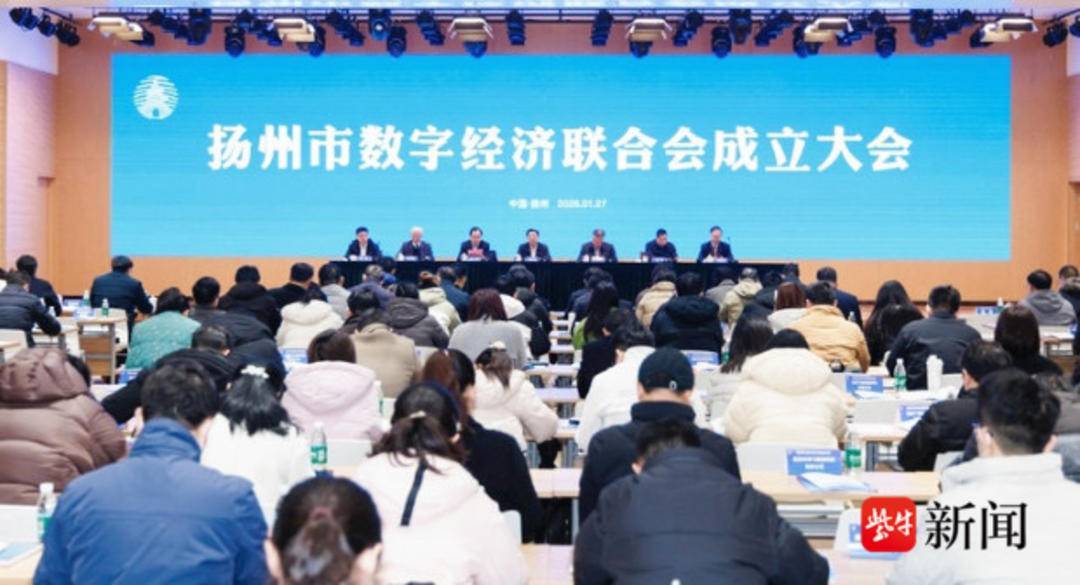
扬州市数字经济联合会成立,助力企业破解数字化转型难题,促进融通创新
Sou Hu Cai Jing· 2026-01-28 13:30
"我们将坚持正确方向,自觉将联合会工作置于全市发展大局中去谋划和推进,以数据为基、以智联为网,构建产业新生态。"孙建年表示,将做好数字扬 州建设的"推动者",赋能产业升级的"服务者",数字生态建设的"组织者",行业健康发展的"守护者",让扬州数字经济根深叶茂、枝繁果硕。 扬子晚报/紫牛新闻记者采访了解到,扬州近年来将数字经济作为高质量发展的战略选择,超前布局建设处在全国第一方阵的算力设施,全国首创"算力券 +数据券+AI人才券+Token券"政策组合,去年成功获批国家数据产业集聚区和省数字经济创新发展试点,先后荣获"世界智慧城市大奖""2025中国领军智 慧城市"等殊荣。 成立现场 数字经济作为以数据为关键要素的新经济形态,通过驱动创新、优化资源配置和赋能产业升级,在经济增长、社会发展和全球竞争中能够发挥核心作用。 1月27日,扬州市数字经济联合会成立,旨在搭建连接政府与市场的综合性服务平台,汇聚优质资源破解共性难题,推动扬州数字经济实现更高水平发 展。 扬州市委常委、常务副市长潘学元出席活动并致辞。市人大常委会副主任孙建年当选首届会长。"期望联合会成为赋能发展的'战略平台'、协同创新的'生 态枢纽'、城市发 ...

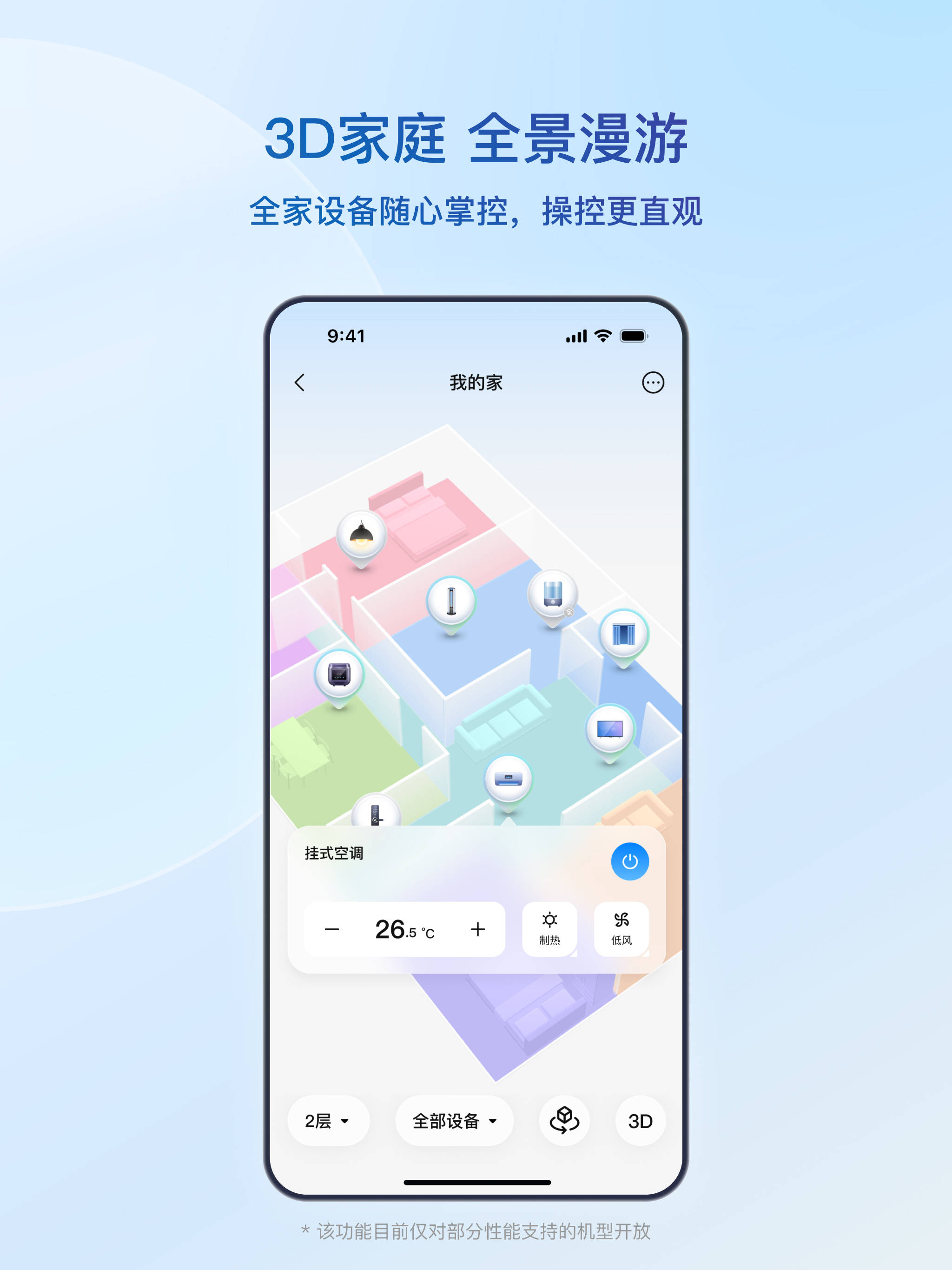
海尔智家APP实现智慧家庭全生命周期服务
Quan Jing Wang· 2026-01-28 11:36
Core Insights - The article highlights the digital transformation of Haier Smart Home, which has improved user experience by providing a seamless service process for home appliances, moving away from fragmented interactions with third-party platforms and customer service [1][6]. Group 1: Digital Transformation - Haier Smart Home's app has undergone significant upgrades, allowing users to track logistics orders, manage all categories of home appliances, and receive reminders for consumables and cleaning through a single platform [1][6]. - The app features a 3D home view using digital twin technology, enabling users to easily locate and control devices in a virtual environment, enhancing user interaction with smart appliances [6]. Group 2: Enhanced Service Efficiency - The upgraded app includes real-time logistics tracking, allowing users to view the location and status of their orders, similar to food delivery services, and supports self-service options for rescheduling [6]. - The app's AI self-diagnosis feature monitors device performance and allows users to report issues directly, enabling service personnel to arrive with the necessary parts, thus reducing the need for multiple service visits [9]. Group 3: User-Centric Innovations - The integration of an AI voice assistant named "Xiao You" simplifies the process of consulting, reporting issues, and scheduling services, significantly improving operational efficiency for users [9]. - The comprehensive lifecycle service upgrades address common user pain points, such as reducing the need for phone calls and ensuring timely maintenance of appliances, thereby enhancing overall customer satisfaction and solidifying Haier's position in the digital transformation of the industry [9].

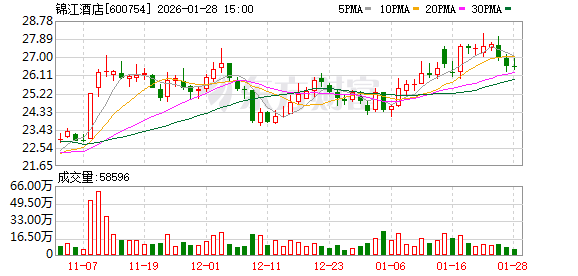
锦江酒店(中国区)副总裁莫敏俭:加速推进数字化转型,提升万店管理能效
Xin Hua Cai Jing· 2026-01-28 11:24
Core Insights - The company aims to leverage AI technology to accelerate its digital transformation, focusing on systematically reshaping business processes and organizational efficiency to support high-quality development across over 10,000 stores [2][3] - The launch of the AI collaborative office platform "JinKun" in partnership with Feishu marks a significant step in the company's digital transformation journey [2] - As of June 30, 2025, the company expects to have over 16,300 signed hotels and more than 1.54 million rooms, maintaining its leadership in the domestic hotel industry [2] Digital Transformation Strategy - The company recognizes that standardization of products and services is crucial for the survival of chain hotel brands, yet faces challenges such as information fragmentation and low efficiency in communication [2] - The company has been a pioneer in exploring and practicing digital transformation within the hotel management sector [2] AI Integration and Future Outlook - AI is viewed not just as a technical tool but as a key driver of industry evolution, with the potential to profoundly reshape business processes and employee roles [3] - The ultimate goal of technology in the service industry is to enhance human service rather than replace it, allowing employees to focus more on customer needs and market expansion [3] - The year 2025 is anticipated to be a breakthrough year for the application of large models and AI agents, with a significant divergence expected between general and industry-specific AI agents by 2026 [3]

借力“中国大集”织密全球数字商贸网络
Qi Lu Wan Bao· 2026-01-28 11:05
Group 1 - The core viewpoint emphasizes the internationalization and digital transformation of Linyi Mall, aiming to establish the "China Grand Market" brand [1][2] - Linyi Mall has achieved significant growth, including the establishment of 30 overseas warehouses and hosting 267 trade events in 52 countries, resulting in a 49% increase in international visitors [1] - The city recognizes the need to improve its service capabilities and global resource integration efficiency to match international trade hubs, using Yiwu as a benchmark [1] Group 2 - The construction and strengthening of the "China Grand Market" brand is a key indicator of Linyi Mall's transition from concept to implementation in its internationalization and digital transformation efforts [2] - The global W2W digital trade platform of "China Grand Market" has surpassed 10 billion yuan in business scale, covering 162 countries and regions [2] - Linyi is addressing internal challenges such as high business investment pressure and talent shortages, while also focusing on external strategies to enhance global trade facilitation through various logistics and digital platforms [2]
中交设计:已建立财务共享中心
Ge Long Hui· 2026-01-28 11:00
Group 1 - The company has established a financial shared service center to enhance its financial management efficiency and service level [1] - The company will continue to focus on and actively adapt to the trend of digital transformation [1] - The company aims to steadily advance financial information and intelligent construction in line with its business development needs and actual operating conditions [1]

重庆银行调整董事会专门委员会设置及成员
Zhi Tong Cai Jing· 2026-01-28 10:12
重庆银行(601963)(01963)发布公告,自2026年1月28日起,本行对第七届董事会专门委员会设置及成 员进行调整。上述调整乃为进一步完善规範高效的董事会专门委员会治理结构,着力加强董事会专门委 员会建设,推动和促进战略落地,实现公司长期稳健发展,具体如下: 一、董事会专门委员会设置调整情况: 1.为进一步落实数字化转型的战略布局,加强对信息工作的战略统筹,撤销董事会信息科技指导委员会 并将相关职责并入董事会战略与创新委员会。 关联交易控制委员会:主任委员为朱燕建,委员为刘瑞晗、曾宏; 提名与薪酬委员会:主任委员为刘瑞晗,委员为汪钦琳、陈凤翔; 消费者权益保护委员会:主任委员为汪钦琳,委员为周宗成、朱燕建。 战略与创新委员会:主任委员为杨秀明,委员为侯曦蒙、黄汉兴、郭喜乐、吴珩; 风险管理委员会:主任委员为高嵩,委员为黄汉兴、刘瑞晗、曾宏、陈凤翔; 审计委员会:主任委员为曾宏,委员为付巍、余华、朱燕建、汪钦琳; 2.为提高董事会专门委员会的运行效率,结合同业情况和本行公司治理实践,将董事会提名委员会、薪 酬与考核委员会合并为董事会提名与薪酬委员会,原董事会提名委员会、薪酬与考核委员会的职责亦全 部由董 ...