
个性化

Search documents
现制饮品行业机遇分析
博晓通科技· 2025-06-09 01:25
Investment Rating - The report indicates a positive investment outlook for the new tea beverage industry, highlighting significant growth potential driven by consumer demand and market expansion strategies [4][10][11]. Core Insights - The new tea beverage industry is experiencing rapid growth due to rising consumer spending power and a shift towards quality and value, with a focus on high-quality ingredients and innovative product offerings [4][6][21]. - The market is projected to reach a scale of 546 billion by 2023, with a compound annual growth rate (CAGR) of 17.6% from 2023 to 2028 [10][11]. - The report emphasizes the importance of digital transformation and supply chain optimization as key strategies for sustainable growth in the industry [20][34]. Market Size and Growth Forecast - The current market size for ready-to-drink tea is estimated at 546 billion, with projections indicating it could exceed 600 billion by 2028 [9][10]. - The report forecasts that the retail tea market will reach 647 billion by 2028, contributing to a total market potential exceeding 6 trillion when combined with surrounding retail markets [11]. Market Expansion Potential - The report identifies significant growth opportunities in second-tier and lower-tier cities, where the density of tea beverage stores is still low, indicating a large untapped market [12][13]. - The international market, particularly in Southeast Asia, is highlighted as a key area for expansion, with these regions expected to contribute nearly 40% of global market growth from 2022 to 2028 [15][17]. Consumer Trends - Consumer preferences are shifting towards quality, personalization, and health-conscious options, with a growing demand for low-sugar and natural ingredient beverages [21][26]. - The report categorizes consumer segments, noting that health-conscious consumers and those in lower-tier markets represent significant growth potential for the industry [21][22]. Strategic Insights - Companies are encouraged to adopt targeted strategies for market penetration in lower-tier cities, focusing on enhancing store density and improving product quality to meet evolving consumer demands [13][34]. - Digitalization is identified as a critical enabler for operational efficiency and customer engagement, allowing brands to optimize supply chains and enhance consumer experiences [20][34]. Competitive Landscape - Leading brands like 喜茶 (Heytea) and 沪上阿姨 (Hushang Auntie) are noted for their innovative product strategies and strong market positioning, contributing to their competitive advantages in the industry [37][32]. - The establishment of industry-wide initiatives, such as the "New Tea Beverage Public Welfare Fund," reflects a commitment to social responsibility and community engagement among top brands [35][48].
全球快消品市场格局演变白皮书
RUNINDA&LI· 2025-06-06 09:25
Investment Rating - The report does not explicitly state an investment rating for the FMCG industry Core Insights - The global FMCG market is projected to grow from $12.8 trillion in 2023 to $17.5 trillion by 2030, with China's FMCG market expected to reach 81,761 billion yuan by 2025 [18][15] - The growth is driven by increasing consumer purchasing power and the rise of e-commerce channels, while traditional categories face saturation and intense competition [20][18] - Health and personalization trends are reshaping consumer preferences, with 55% prioritizing healthier options and 23% seeking personalized products [29][37] Summary by Sections 1. Overview of the FMCG Industry - FMCG refers to fast-moving consumer goods characterized by high consumption frequency and short usage life [9][10] - The industry includes personal care, household care, packaged food and beverages, and tobacco products [11][13] 2. Current Status of the Global FMCG Market - The FMCG market in China was valued at 52,181 billion yuan in 2019, with continuous growth expected [18] - The market size is projected to reach 68,072 billion yuan in 2023 and 72,746 billion yuan in 2024 [18] - Different categories show varied growth rates, with high-end health foods and functional beverages growing over 20% [20] 3. Development Trends in the FMCG Industry - Health and green trends are prominent, with consumers increasingly concerned about product safety and sustainability [39][43] - Digitalization and smart technologies are enhancing marketing and operational efficiency, with AI and IoT playing significant roles [45][48] 4. Competitive Landscape of the FMCG Market - Leading companies like Nestlé and Procter & Gamble leverage brand strength and supply chain efficiency to maintain market dominance [64][66] - Emerging brands are focusing on health-oriented products and innovative marketing strategies to capture market share [66][65] 5. Channel Transformation in the FMCG Industry - Traditional retail channels are evolving, with supermarkets optimizing product offerings and convenience stores enhancing product diversity [72][78] - New channels like instant retail and social e-commerce are rapidly growing, with platforms like Douyin showing significant sales increases [55][85] 6. Strategies for FMCG Companies - Companies are focusing on health-oriented product development and personalized offerings to meet changing consumer demands [101][104] - Multi-channel strategies are being employed to enhance market reach and consumer engagement [109][113] 7. Future Outlook for the FMCG Industry - Technological innovations, particularly in AI and blockchain, are expected to drive efficiency and enhance product safety [120][121] - The shift towards sustainable practices is anticipated to reshape the industry, aligning with consumer preferences for eco-friendly products [127][131] 8. Case Studies - Successful companies like Yuanqi Forest and Nongfu Spring have effectively utilized innovative marketing and multi-channel strategies to enhance brand visibility and market share [143][144] - Failed cases highlight the importance of clear product positioning and the need for innovation to avoid market marginalization [145][146]
SWIFT 斯伟特联合创始人兼 CEO专访:打造真正“为家而生”的家用电梯
Sou Hu Cai Jing· 2025-05-09 10:48
Core Insights - SWIFT is recognized as an innovative leader in the European home elevator industry, with a strong global presence and a focus on technology and design [1][3] Group 1: Technological Innovation - SWIFT's home elevators utilize an advanced nut-screw drive system and proprietary SWIFT Eco-Drive technology, providing a smoother, quieter, and more energy-efficient experience for users [3] - The elevators can operate 10 to 20 times at full speed during power outages, addressing the common issue of traditional elevators relying solely on electricity [3] - The SWIFT Pro model features a Dynamic Display smart touchscreen that adapts to the needs of different family members, enhancing user experience [3] Group 2: Global Strategy - SWIFT operates in over 25 countries and regions, establishing itself as a high-end home elevator brand in markets such as Europe, the Middle East, and Australia [5] - The company's growth is attributed to its commitment to long-termism and a relentless pursuit of quality and innovation [5] - All SWIFT products are certified by DNV GL and undergo rigorous safety testing to ensure consistent quality worldwide [5] Group 3: Future Outlook - The home elevator industry is expected to focus more on personalization and technology, with SWIFT committed to continuous innovation to adapt to market changes [6] - SWIFT aims to integrate home elevators into living spaces, emphasizing aesthetic value, technological sophistication, and warmth in home environments [6] Group 4: Company Background - SWIFT is a Swedish brand dedicated to providing high-quality, safe, and aesthetically pleasing home elevators for villa families, with a strong emphasis on detail and quality [7]


自动套袋机厂家介绍未来发展趋势
Sou Hu Cai Jing· 2025-05-07 20:02
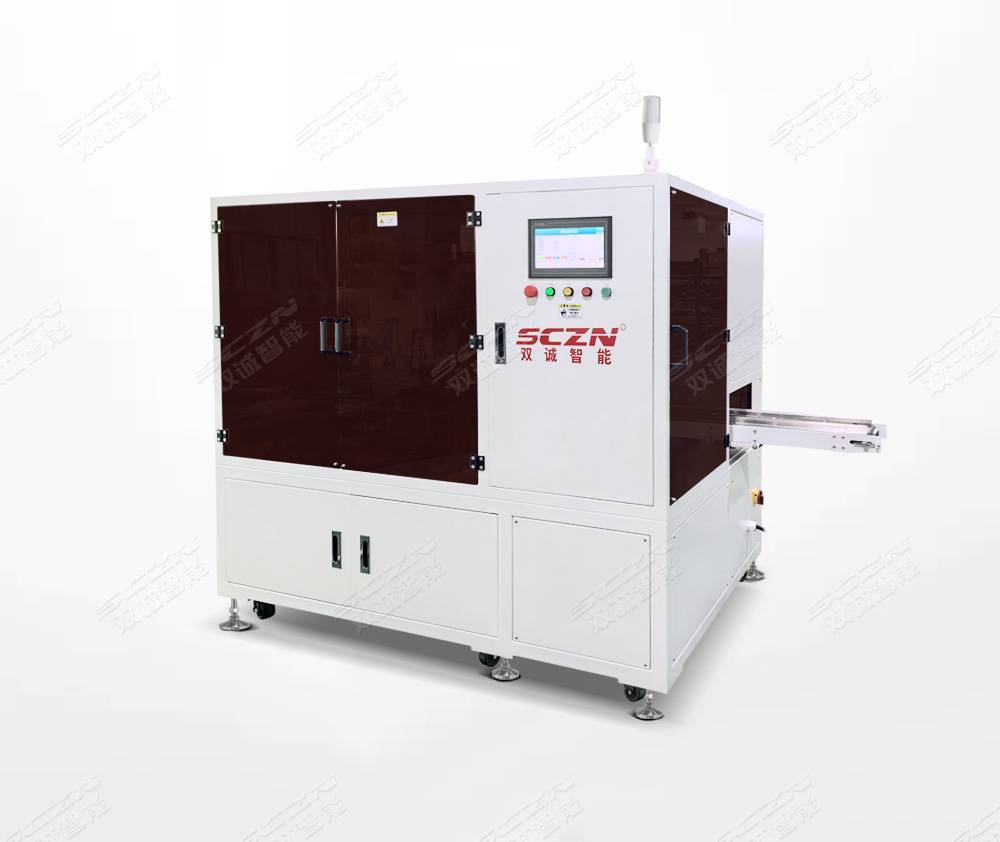
Core Insights - The future development trends of automatic bagging machines will focus on intelligence, environmental sustainability, diversity, simplicity, and customization [8] Group 1: Intelligent Development - Intelligent manufacturing will be a key direction for the future of automatic bagging machines, integrating more intelligent control systems for real-time monitoring and adjustments [1] - The incorporation of data collection and analysis will enhance production efficiency and reduce labor costs while improving product quality consistency [1][6] Group 2: Environmental Sustainability - The use of eco-friendly materials will become a significant trend, with companies seeking biodegradable and recyclable packaging solutions [3] - This shift aligns with global environmental protection efforts and meets the growing consumer demand for sustainable products [3] Group 3: Technological Diversity - Future automatic bagging machines will offer diverse designs and functionalities, catering to different product characteristics [5] - Custom packaging solutions will be developed for fragile items and food products, adhering to safety standards [5] Group 4: Simplified Operation and Maintenance - Advances in technology will lead to lower failure rates and reduced maintenance needs for automatic bagging machines [5] - User-friendly interfaces will allow operators to easily manage the machines with minimal training, decreasing reliance on highly skilled personnel [5] Group 5: Customization and Market Competitiveness - Personalization will become an important trend, with manufacturers needing to innovate and provide tailored packaging solutions based on specific customer requirements [5] - This flexibility will enhance market competitiveness and meet the increasing consumer demand for personalized products [5] Group 6: Integration with IoT - The combination of automation and networking through IoT technology will enable real-time connections between automatic bagging machines and other production line equipment [6] - This integration will optimize production efficiency and reduce costs, positioning automatic bagging machines as essential components of the overall production system [6]
楚天科技(300358) - 楚天科技投资者关系管理信息20250507
2025-05-07 10:18
Group 1: Industry Trends - The global pharmaceutical equipment market has surpassed $50 billion in 2024 and is expected to exceed $80 billion by 2030, with a compound annual growth rate (CAGR) of approximately 6-8% [1] - The "14th Five-Year" Pharmaceutical Industry Development Plan supports the development of high-end pharmaceutical equipment, with "domestic substitution" becoming a market trend [1] - The demand for equipment is rapidly increasing due to the transformation and upgrading of the pharmaceutical industry, driven by the rise of innovative drugs, biopharmaceuticals, and personalized formulations [2] Group 2: Technological Advancements - The construction of smart pharmaceutical factories is accelerating, with the adoption of MES systems, SCADA systems, and intelligent robots [2] - Data traceability has become a core element of GMP compliance, necessitating automated recording, audit trails, and electronic signatures [2] - The National Medical Products Administration's draft for the revised Good Manufacturing Practice (GMP) for sterile drugs aims to enhance the quality of sterile drug production in China [2] Group 3: Market Dynamics - There is a rising demand for personalized, small-batch, and multi-variety production, particularly for oncology drugs and rare disease medications [2] - Chinese pharmaceutical equipment companies are increasingly achieving international quality standards, enabling them to compete with top global firms [3] - The Asia-Pacific region, especially China and India, along with Latin America and the Middle East, is becoming a new growth driver for the global pharmaceutical equipment market [3] Group 4: Company Performance and Strategy - The increase in contract liabilities is attributed to a rise in orders and corresponding prepayments, without significant changes to the company's credit policy [3] - The company aims to enhance its international market presence and improve the quality of domestic contracts to drive business growth [3] - The company is focused on cost reduction and efficiency improvement through product optimization, supply chain cost management, and enhanced production efficiency [3] Group 5: Financial Overview - As of December 31, 2024, Chutian Microbead reported total assets of ¥81,528,093.58, net assets of ¥44,136,789.35, revenue of ¥14,738,069.68, and net profit of ¥635,992.39 [4] - Chutian Siwei Kang reported total assets of ¥24,429,337.66, net assets of ¥18,291,639.27, revenue of ¥9,688,180.16, and net profit of ¥5,529,069.30 as of December 31, 2024 [4] - Chutian Siyoute reported total assets of ¥32,086,926.74, net assets of -¥38,928,231.79, revenue of ¥7,933,943.61, and a net loss of -¥22,328,736.00 as of December 31, 2024 [4]

Arc浏览器创始人专访:复盘Arc得失,想用Dia重新定义AI浏览器
Founder Park· 2025-04-27 13:06
Dia 应该是在目前在用户实测中体验反馈效果最好的 AI 浏览器之一。 不同于其他产品在已有浏览器上进行「雕花」,增添 AI 功能的做法,Dia 将 AI 作为核心构建理念,想要打造一个由 AI 驱动的全新浏览环境。 在 Dia 之前,The Browser Company 的核心产品是一个拥有上百万高粘性用户的浏览器「Arc」,但在此基础之上,创始人 Josh Miller 选择了「推翻重 来」。 Miller 并不是一个典型意义上的硅谷科技创业者,出身社会学专业,接触科技行业也相对较晚。在近期的一场播客访谈中,Miller 很坦诚地讲道,「Dia 的发展方向仍在摸索之中,现在还不确定 Dia 最终会吸引哪些人,但我们想让浏览器变得很不一样。」 同时,Miller 对于「Dia 的推出是否意味着抛弃 Arc」的说法也做出了回应,「Arc 浏览器不会消失,对于 Dia 和 Arc 之间的联动很期待。」 在这场播客访谈中,Miller 分享了做 Arc 浏览器时的教训、做 Dia 时的产品哲学转变、以及「少讨论多原型」独特的产品开发模式等。 Miller 的这次分 享可以说是一众创业者访谈中少有的「真诚」,非常 ...
明新旭腾2024年营收同比增长30% 转型智能表面系统解决方案商
Zheng Quan Shi Bao Wang· 2025-04-22 02:51
Group 1 - The core viewpoint of the articles highlights Mingxin Xuteng's financial performance and strategic direction, indicating a shift from automotive interior materials to intelligent surface system solutions, aiming for sustainable development and innovation [1][2][3] - In 2024, the company reported a revenue of 1.18 billion yuan, a year-on-year increase of 30.21%, but a net loss of 170 million yuan, a significant decline of 412.54%, primarily due to credit asset impairment [1] - The company emphasizes its commitment to sustainable development, focusing on "technology breakthroughs, customer engagement, and capacity empowerment" to achieve steady growth in a complex market environment [1][2] Group 2 - Mingxin Xuteng has optimized its product structure by introducing low-carbon and environmentally friendly leather processing technologies, resulting in leather material revenue of 747 million yuan, accounting for 63.32% of total revenue [2] - The company is responding to market trends by enhancing the performance and reducing costs of interior materials, aligning with stricter global environmental regulations and increasing consumer awareness of sustainability [2] - The first quarter of 2025 saw the company achieve approximately 282 million yuan in revenue, a year-on-year increase of 25.6%, while net profit attributable to shareholders decreased by 19.62% to 10.496 million yuan [3]

报名:家用美容仪市场与技术研讨会 | 深圳
思宇MedTech· 2025-02-14 09:26
活动时间: 2025年 2月20日周四 上午10:15 家用美容仪市场近年来发展迅猛,成为美容行业的重要分支。随着消费者对便捷、高效 美容护理的需求不断增加,家用美容仪市场规模持续扩大。 2023年,中国家用美容仪 市场规模已接近100亿元,并以超过30%的年复合增长率持续增长 。 产品种类丰富多 样,涵盖面部护理、身体护理和美发护理等多个领域,包括射频美容仪、激光脱毛仪、 超声波导入仪等。线上渠道成为主要销售渠道,推动了产品的普及和市场的增长。 未来, 家用美容仪市场将继续保持增长态势, 预计到2025年市场规模将达到400亿元 。 智能化、多功能集成化和个性化将成为主要发展趋势, 产品将通过技术创新提升用 户体验,同时,随着行业监管的加强,企业将更加注重产品质量和安全性,以满足更高 的市场标准。 报名方法: 请复制下面链接填写或点击文末 "阅读原文" 进行填写 活动地点: 深圳市. 国家高性能医疗器械创新中心 (仅现场交流,无线上) 活动议程: 11:00- 11:15 八大处整形医学概念验证中心介绍 八大处整形医学概念验证中心,是 国内首家专注 整形外科 科技成果转化的概念验证中 心。依托于中国医学科学 ...