产业集群

Search documents
山东代表委员关注大健康产业 建议科技创新与产业集群“双轮驱动”
Xin Lang Cai Jing· 2026-01-30 08:15
Group 1 - The health industry is crucial for national economy and people's livelihood, serving as a key support for cultivating new productive forces and meeting the demand for a better life [1] - Innovation is considered the soul of the pharmaceutical and health industry, with a call for improved collaboration between enterprises, universities, and research institutions to tackle major diseases [3] - There is a need to enhance the dynamic adjustment mechanism for national drug procurement and medical insurance directories to control medical costs while ensuring reasonable profit margins for companies [3] Group 2 - The health industry is expected to see significant product development, with plans for over 2,000 new products annually, aiming for a total sales scale exceeding 3 billion RMB during the 14th Five-Year Plan [4] - The establishment of an integrated industry cluster is essential for enhancing the overall competitiveness of the health industry, avoiding redundant investments among different enterprises [4] - The creation of upstream agricultural clusters for raw materials is equally important, as the industry requires a high proportion of these inputs [4]

冲上万亿!南山一路攀登永似少年 解码如何从“土地有限”迈向“发展无限”
Shen Zhen Shang Bao· 2026-01-29 17:37
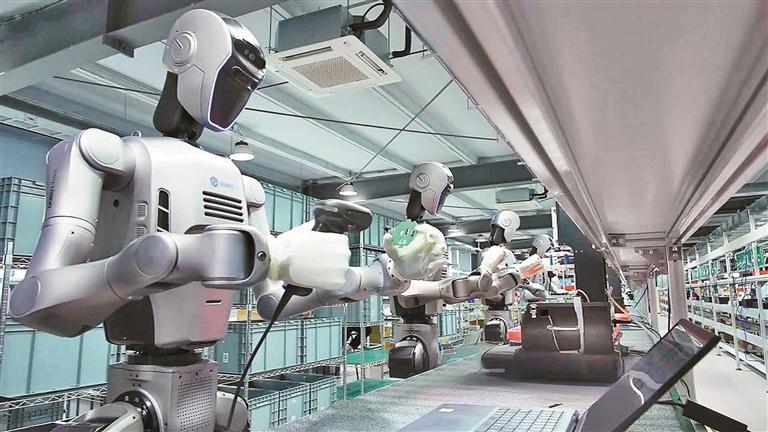
Core Insights - Nanshan District is set to become the first district in China to surpass a GDP of 1 trillion yuan by 2025, contributing over 25% of Shenzhen's economic output with less than 10% of its land area [5][6] - The district's economic growth is characterized by a balanced approach involving investment, consumption, and exports, which collectively form a "stability triangle" against economic fluctuations [5][6] Economic Performance - Nanshan's GDP growth during the 14th Five-Year Plan period is projected to exceed 5.8% annually, with the district achieving 12 economic indicators ranked first in Shenzhen [5][6] - The total investment in projects signed in Nanshan for 2025 is expected to exceed 150 billion yuan, accounting for nearly 20% of Shenzhen's global investment conference total [6] Industrial Structure - Strategic emerging industries now account for 60% of Nanshan's GDP, showcasing a robust industrial structure [7][9] - The district hosts over 200 robotics companies, forming a collaborative ecosystem that enhances innovation and productivity [7][9] Innovation Ecosystem - Nanshan's innovation is driven by a unique ecosystem where large enterprises, SMEs, and innovative startups coexist, fostering a strong internal growth dynamic [8][10] - The district's R&D intensity has reached 7.87%, nearly three times the national average, with a high local conversion rate of R&D results exceeding 60% [9][10] Future Growth Areas - Nanshan is focusing on three future growth areas: low-altitude economy, embodied intelligence, and synthetic biology, aiming to cultivate new economic engines for the next decade [14] - The establishment of the Guangdong Provincial Laboratory for embodied intelligence and the development of low-altitude economic zones are part of Nanshan's strategic initiatives [14] Land Utilization and Development - Nanshan is leveraging limited land resources through innovative projects like the "industrial building up" model, which integrates manufacturing and R&D vertically [12] - The district's GDP per square kilometer is projected to reach 54 billion yuan by 2025, significantly higher than global benchmarks such as Silicon Valley and Singapore [12]
“市长天团”代言带货,广东在下一盘大棋
Xin Lang Cai Jing· 2026-01-29 13:37
Core Viewpoint - The recent initiative by local government officials in Guangdong to promote local products is a strategic economic action aimed at boosting confidence and reshaping the brand value of "Guangdong goods" in the context of high-quality development [7][8][20]. Group 1: Government Actions - Local government leaders, including mayors, have actively participated in promoting local products through various media channels, signaling a shift from traditional management roles to more service-oriented and empowering roles [10][15]. - The "Guangdong Goods Going Global" campaign was launched to stimulate economic growth, featuring 12 promotional events and 18 supporting activities [7][20]. - The involvement of mayors in product promotion is seen as a way to reduce trial and error costs for businesses and accelerate market cultivation in areas where market mechanisms are not fully developed [13][14]. Group 2: Economic Context - The campaign reflects a historical context where Guangdong's products were once popular nationwide, indicating a renewed effort to adapt to changing global economic conditions and consumer behaviors [9]. - The government aims to embed itself within the industrial, supply, and innovation chains, moving beyond traditional methods like infrastructure development and tax reductions [10]. Group 3: Market Strategy - The focus is shifting from promoting individual star products to leveraging regional industrial clusters, enhancing competitiveness through collective branding [16]. - There is a call for a transition from government-led initiatives to market-driven strategies, emphasizing the need for businesses to develop their own brand and distribution capabilities [17]. - Future marketing efforts should highlight the cultural narratives behind "Guangdong goods," promoting not just products but also the lifestyle and values associated with them [18].
两会观察丨从委员热议看贵州“六大产业集群”发展新机遇
Xin Lang Cai Jing· 2026-01-29 12:38
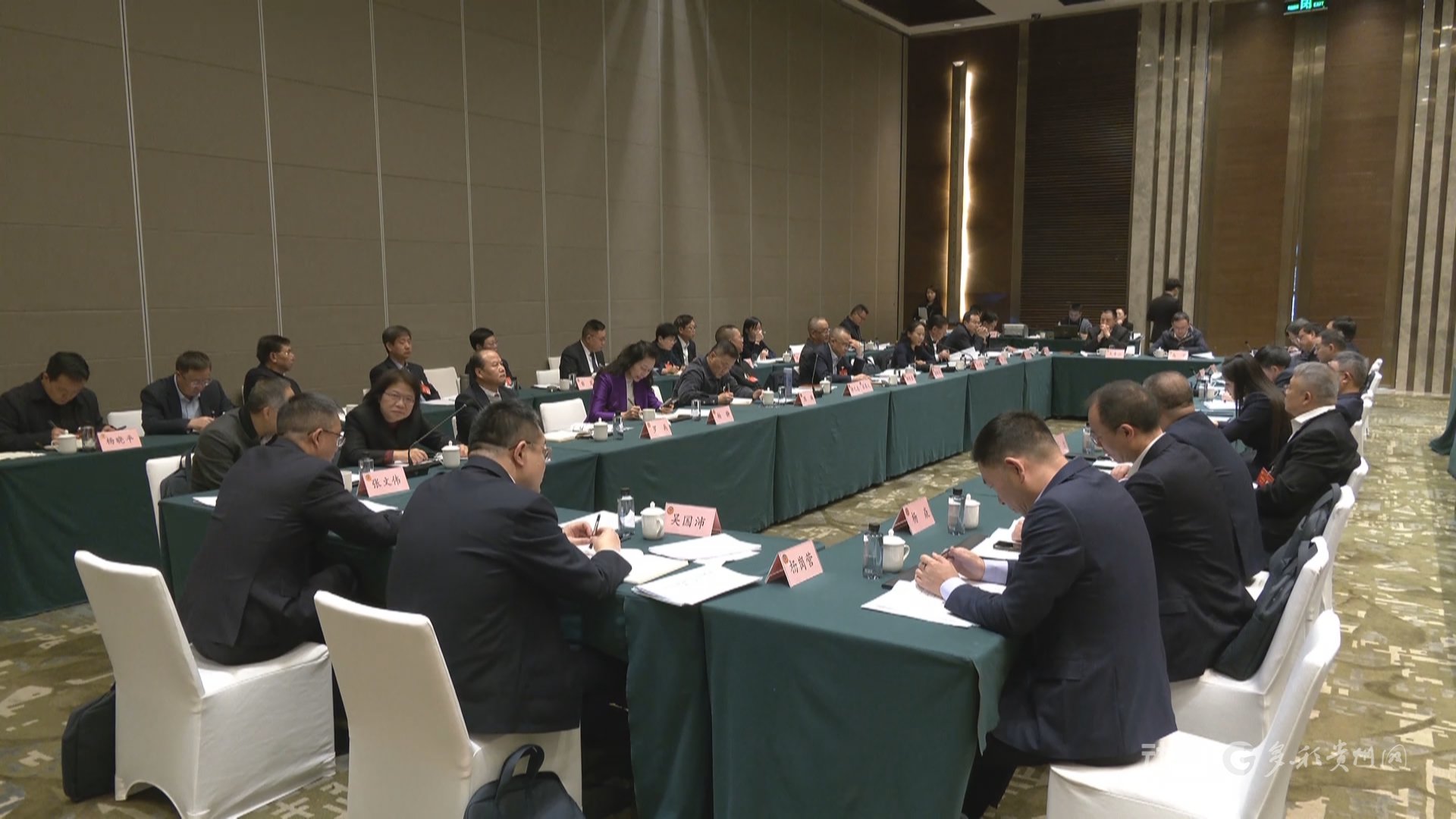
Core Viewpoint - The focus on the "Six Major Industrial Clusters" is central to Guizhou's economic strategy, emphasizing industrial chain investment, private sector revitalization, and the transition from industrial bases to interconnected industrial clusters [1] Group 1: Industrial Development Strategy - Guizhou's economic work prioritizes industrial development, project execution, investment attraction, and operational entity enhancement as its "number one project" [1] - The concept of "clusters" aims to shift industries from isolated operations to collaborative development, enhancing both quantity and quality [3] Group 2: Trade and Economic Transition - Guizhou aims to strengthen its export-import trade, which has been identified as a weakness, by establishing a foreign trade group to support the manufacturing and equipment sectors [3] - The goal is to transition from merely selling resources to offering finished products and brands, thereby creating a stable overseas market channel [3] Group 3: Aluminum Industry Insights - The aluminum industry is being developed as an integrated cluster, focusing on planning, resource management, smelting, processing, and technological advancements [5] - There is a need to enhance the supply chain for raw materials through improved exploration, extraction, and transportation systems [5] - Opportunities exist in high-end applications such as 3C product components and lightweight materials for aerospace, aiming for high-end, intelligent, and green development [5] Group 4: Low-altitude Economy Development - The development of the low-altitude economy is seen as a multi-industry integration opportunity, leveraging existing capabilities in aviation equipment manufacturing [7] - Guizhou has established a foundation in aviation engine research and high-end aluminum 3D printing, which can seamlessly integrate into low-altitude economic manufacturing [7] - The synergy between different industries allows for shared resources and complementary advantages, enhancing overall industrial growth [7]

欧盟商会:中国产业集群是全球供应链基石
Guo Ji Jin Rong Bao· 2026-01-28 14:31
Group 1 - The report from the EU Chamber of Commerce highlights that China's efficient industrial clusters make it the only manufacturing superpower globally and a cornerstone of the global supply chain [1] - Shanghai plays a crucial role in China's supply chain system, with the Shanghai Port projected to exceed a container throughput of 55 million TEUs by 2025, ensuring a stable connection between Chinese manufacturing and global markets [1] - Carlo D'Andrea, Vice Chairman of the EU Chamber of Commerce, emphasizes the importance of maintaining supply chain stability in Shanghai, which serves as a major export gateway for China [1] Group 2 - China's exports to the European market have been steadily increasing, particularly in industries related to green transformation and advanced manufacturing [2] - China is the largest source of imports for the EU, while the EU holds a significant position in China's export market and high-tech cooperation [2] - In the first half of 2025, trade between China and the EU reached 2.82 trillion yuan, reflecting a year-on-year growth of 3.5%, indicating closer trade ties [2]
上海浦东VS深圳南山,谁是中国第一强区
Sou Hu Cai Jing· 2026-01-28 10:29
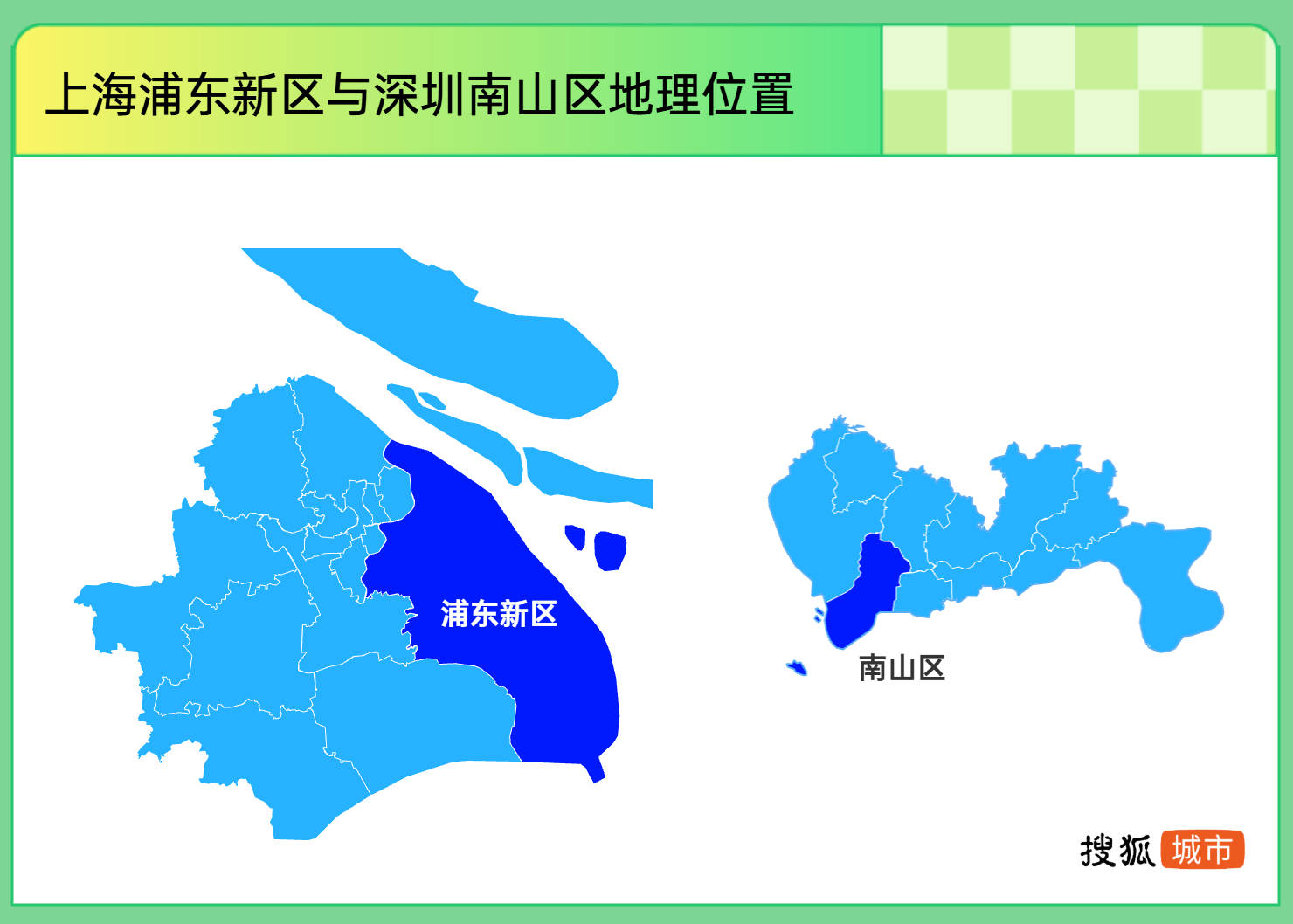
Group 1 - Shenzhen Nanshan District officially announced that its GDP will exceed 1 trillion yuan by 2025, becoming the third "trillion-yuan district" in the country and the first trillion-yuan district under a city jurisdiction [1] - Shanghai Pudong New Area disclosed that its GDP is expected to reach approximately 1.88 trillion yuan by 2025, positioning it as the first "2 trillion-yuan economic region" in the country [1][3] - In terms of economic scale, Pudong has a significant advantage with a resident population of 5.7858 million and a GDP of 1.88 trillion yuan, nearly double that of Nanshan [1][3] Group 2 - Nanshan District has a higher development efficiency, with a per capita GDP exceeding 500,000 yuan, which is 1.7 times that of Pudong, and a land GDP of over 5 billion yuan, which is 3.5 times that of Pudong [1][3] - Pudong New Area is a core functional area for Shanghai's international economy, finance, trade, shipping, and technological innovation, housing numerous high-end platforms [6][8] - Nanshan District is recognized for its high density of listed companies, with 218 listed companies and 6,037 high-tech enterprises, making it the highest in the country [10] Group 3 - Beijing's Chaoyang District is projected to be the next to reach a GDP of 1 trillion yuan, with an expected GDP of 966.85 billion yuan in 2025, just 350 billion yuan short of the target [11][13] - Chaoyang's economy is heavily reliant on the service sector, with over 95% of its GDP coming from tertiary industries, significantly higher than that of Pudong and Nanshan [13]
「向新而行·湖南经济新动能」永州:新兴纺织小镇的现代产业经纬
Xin Lang Cai Jing· 2026-01-27 23:08
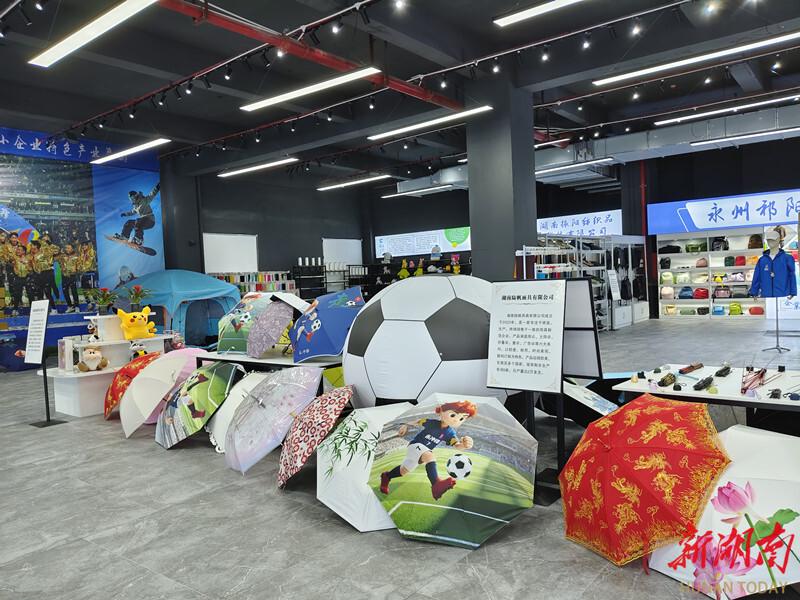
Core Insights - The article highlights the development of the Baishui Textile Town in Qiyang, which has successfully established a complete textile industry chain and attracted significant investment, leading to substantial economic growth and job creation [1][16]. Group 1: Industry Development - Baishui Textile Town has introduced 38 large-scale textile enterprises and established 15 provincial and above technology innovation platforms, producing 1 billion meters of umbrella fabric, 300 million meters of tent fabric, 300 million meters of luggage fabric, and 500 million meters of high-end elastic fabric annually [1]. - The town achieved a total output value of 9.744 billion yuan and tax revenue of 986.475 million yuan in 2025, representing growth rates of 18.15% and 19.78% respectively [10]. Group 2: Business Growth - Qiyang Dongjun Textile Co., Ltd. has expanded from a small operation with 30 employees to a full-chain enterprise with over 1,700 employees and a factory area of 331 acres [5]. - The company has improved its production efficiency significantly, with one worker now managing 60 weaving machines compared to 22-24 previously, and has saved nearly 3 million yuan in electricity costs annually due to equipment upgrades [10]. Group 3: Technological Innovation - The integration of information technology into production has led to advancements such as zero wastewater discharge and improved product quality, with companies adopting automated processes that enhance efficiency and reduce labor costs [6][17]. - Qiyang Dongjun Textile Co., Ltd. has transitioned from manual color matching to computer-assisted processes, resulting in faster production times and reduced errors [10]. Group 4: Community Impact - The textile industry has created over 15,000 jobs in the region, with local residents increasingly filling management and technical roles, reflecting a shift from reliance on external labor [11][12]. - The establishment of processing points in villages has provided flexible employment opportunities for over 8,000 villagers, with average monthly incomes exceeding 4,000 yuan [15].
以招商模式之变,育产业集群之基
Xin Lang Cai Jing· 2026-01-27 23:07
Core Viewpoint - Attracting investment is crucial for promoting high-quality economic development, and this requires a continuously optimized policy environment [1] Group 1: Current Investment Attraction Practices - The prevalent method of local investment attraction is still the "landlord leasing" model, which relies on providing land, factory space, and tax incentives to attract businesses [1] - Many enterprises and projects fail to remain after the expiration of policies or incentives, indicating a short-term focus in current practices [1] Group 2: Recommendations for Improvement - It is suggested that local governments should shift from "landlord thinking" to a "partner logic" approach, focusing on deep industrial collaboration for investment attraction [1] - Local governments and park platforms could consider equity participation in competitive enterprises through factories, land, and services, or jointly establish industrial development funds to invest directly in key local industries [1] - Collaborating with leading enterprises and universities to build R&D platforms and laboratories can lower innovation costs for businesses and enhance talent development [1] Group 3: Long-term Focus - "Landlord thinking" addresses immediate issues of business establishment, while "partner logic" emphasizes long-term industry roots and mutual growth [1] - By fostering solid industrial collaboration, it is possible to cultivate resilient and vibrant industrial clusters that contribute to high-quality economic and social development [1]
温州、大连晋级“万亿元城市俱乐部”,徐州“不急”?
Mei Ri Jing Ji Xin Wen· 2026-01-27 13:24
这可能是近五年"万亿元城市俱乐部"最热闹的一次"纳新"。 1月22日、23日,温州市、大连市统计局先后发布2025年经济运行情况,两地分别实现地区生产总值 10213.9亿元、10002.1亿元,完成历史性晋级。 另一个"种子选手"徐州市,虽统计局尚未公布去年经济运行情况,但在其政府工作报告中提到"地区生 产总值增长5.8%左右(预计)",对是否破"万亿"未作表示。 引发热议的是徐州当地主政者的表态。据《新华日报·交汇点新闻》报道,徐州市地方两会期间,徐州 市委书记宋乐伟在参加铜山区代表团讨论时表态:实事求是,顺其自然,"不要纠结于这个数字,不能 被数字所累。" 这使得外界将徐州冠为第一座"不着急官宣万亿"的城市,甚至引发关于"过了万亿怎么样,不过怎么 样?"的讨论。从2006年上海GDP率先突破万亿元至今,全国"万亿元城市俱乐部"有望扩容至30个,东 北、浙南、苏北或将实现"万亿"城市的历史性"破零"。 这些城市中包括4个直辖市、11个省会城市、4个计划单列市,以及11个普通地级市,是带动区域经济高 质量发展最重要的引擎。眼下正值地方两会密集召开,仍有不少城市划定"万亿"目标。当多维评价体系 成为衡量城市发 ...
“经济媒体调研行”:莆田,一瓶啤酒的“十五五”叙事——20家财经媒体解码中国制造新质生产力、夜间经济与零碳未来
Bei Jing Wan Bao· 2026-01-27 11:38
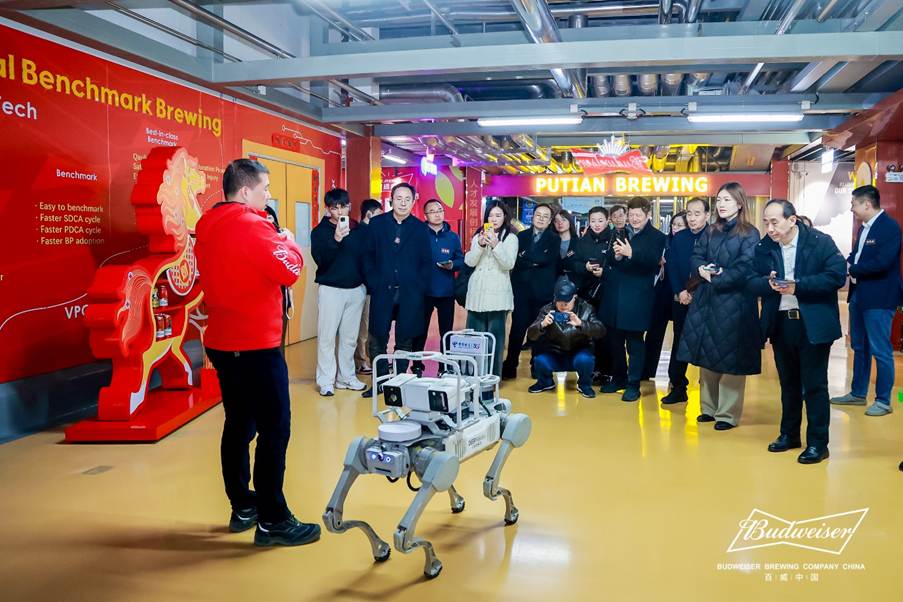
Core Insights - The article highlights the transformation of the Chinese beer industry from "scale expansion" to "value growth," aligning with national policies to enhance domestic consumption and quality development [1] - The Budweiser Snow Beer factory in Putian is showcased as a model of modern manufacturing, integrating advanced technology and sustainable practices to drive efficiency and environmental responsibility [4][7] Industry Overview - The Chinese beer industry is undergoing a shift towards high-quality development, responding to the government's call for expanding the supply of quality goods and services [1] - The Budweiser Snow Beer factory is positioned as a leading player in this transformation, with a focus on digitalization, green manufacturing, and regional economic development [10][12] Technological Advancements - The factory employs a comprehensive management system based on 5G technology, enabling real-time monitoring of production processes and achieving a daily output of 2,550 tons of beer [4][5] - Automation is enhanced through the use of a robotic dog for inspections, reducing inspection time from 2 hours to 40 minutes and improving detection accuracy [5] Sustainability Practices - The factory has implemented a green manufacturing system, achieving a water usage efficiency of 94% and reducing carbon emissions significantly through solar energy and waste recycling initiatives [7][8] - Budweiser's commitment to sustainability is evident in its zero-waste policy and the conversion of by-products into valuable resources, contributing to a circular economy [8] Economic Impact - The Budweiser factory is a key driver of regional economic growth, with plans to create a food processing hub generating over 30 billion yuan in annual output [10][11] - The establishment of a beer town and food industry park around the factory is expected to attract numerous suppliers and create thousands of jobs, enhancing local tax revenues [11] Consumer Engagement - The factory's initiatives include the development of a beer museum and tourism projects, which have become popular attractions, drawing over 80,000 visitors annually [12] - Budweiser is actively promoting a vibrant night economy in Putian through themed events and unique consumer experiences, further integrating beer culture into the city's identity [13]