
人文经济学

Search documents
为全国同行树“标杆”:江苏艺术品价值评估标准化建设全面启动
Jiang Nan Shi Bao· 2025-12-22 14:35
Core Viewpoint - The establishment of the Jiangsu Province Art Industry Association's Standard Management Office marks a significant step towards the scientific quantification of art value, moving away from traditional experience-based judgments [1][2]. Group 1: Standardization and Value Assessment - The newly established Standard Management Office will serve as a permanent executive body to connect experts and institutions, promoting comprehensive standard coverage across the entire art industry chain from creation to transaction [2]. - The initiated "Comprehensive Assessment System for Art Value" will focus on craft art, evaluating artistic, cultural, market values, and scientific testing data to create a complete, objective, and fair value assessment standard [2]. Group 2: Collaboration and Industry Support - The Jiangsu Province Art Industry Association signed cooperation agreements with various organizations to collaborate on standard development, copyright registration, and protection [2]. - Experts from various fields discussed top-level design, price assessment, market regulation, and standardization support, emphasizing that standardization can help curb market chaos and stimulate the creativity of artists [3]. Group 3: Industry Impact and Future Outlook - The meeting received high praise for its focus on standardization as a practical guide for industry progress, with the belief that establishing standards will enhance trust and market integrity [3]. - The Standard Management Office is expected to leverage Jiangsu's rich resources and talent to produce high-quality group standards, contributing valuable insights and solutions to the national art market [3].
领悟“中国之理” 推进“中国之治”
Ren Min Ri Bao· 2025-12-22 02:59
Group 1 - The core idea of the articles emphasizes the importance of theoretical innovation guiding new development practices in China, particularly under the leadership of Xi Jinping and the Communist Party [1][2][3] - The contribution rate of China's economy to global economic growth has remained stable at around 30% over the past five years, despite significant external shocks [1] - The "Five Musts" outlined in the Central Economic Work Conference highlight the need to fully tap economic potential, combine policy support with reform and innovation, and invest in both material and human resources [1][3] Group 2 - The "14th Five-Year Plan" aims to achieve decisive progress in modernizing socialism, with a focus on solidifying the foundation and ensuring comprehensive efforts [2][9] - The agricultural sector has seen a significant increase in the contribution rate of technological progress, reaching 62.4% in 2022, indicating a shift towards high-quality development [3] - The establishment of nearly 8,000 digital workshops and smart factories by July 2023 reflects the integration of advanced technologies in manufacturing [3][5] Group 3 - The concept of "new quality productivity" has emerged as a driving force for high-quality development, necessitating new theoretical frameworks to guide this transition [3][6] - The "15th Five-Year Plan" emphasizes the strategic importance of developing a strong domestic market as a foundation for modernization, with a focus on stabilizing domestic circulation to counter international uncertainties [9][10] - The articles highlight the need for continuous theoretical innovation to address new challenges and guide effective solutions in the evolving economic landscape [10][12]
经济大省挑大梁丨江苏无锡:以文为墨,绘就“江南新图景”
Xin Lang Cai Jing· 2025-12-21 14:32
Core Perspective - Wuxi is focusing on cultural development during the 14th Five-Year Plan, emphasizing the integration of culture into various aspects of urban life, which enhances the quality of life and economic growth. Group 1: Cultural Engagement and Community Involvement - The revitalization of cultural heritage, such as the Huishan clay figurines, has attracted many young people to participate in traditional crafts, leading to innovative product development and successful sales [3] - Community cultural activities, like the "Jasmine Flower Blooms" series, have increased local engagement, with over 10,000 cultural events held annually, fostering a vibrant cultural atmosphere [4] Group 2: Cultural Infrastructure Development - Wuxi has achieved full coverage of public cultural facilities across all levels, with all public libraries and cultural centers meeting top-tier standards [7] - The city is enhancing its cultural service capacity through major projects, including the Wuxi Art Museum and the Wuxi Symphony Hall, set to open in 2026 [7] Group 3: Cultural Achievements and Recognition - Wuxi has seen significant cultural production, with awards for films, music, and dance, reflecting the city's commitment to cultural excellence [8] - The city is actively preserving local theatrical traditions through legislation and has initiated projects to document its cultural history [8] Group 4: Economic Impact of Cultural Initiatives - The cultural industry in Wuxi is projected to generate significant revenue, with over 1,000 cultural enterprises expected to achieve a total income of 183.14 billion yuan by 2024 [10] - The city is fostering a positive cycle of cultural empowerment and economic development, with initiatives like the National Digital Film Industry Park attracting talent and investment [10]

“场景经济”引领文旅消费新浪潮
Huan Qiu Wang· 2025-12-21 01:30
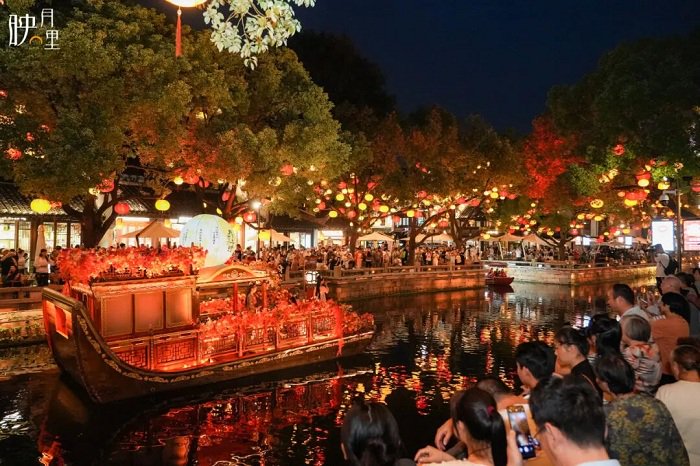
Core Insights - Qingdao's cultural tourism industry is transitioning from traditional ticket sales to a new consumption ecosystem characterized by "scene economy" and thematic monthly events [1][2] - The city is leveraging "IP + scene" strategies to extend the cultural tourism consumption chain and integrate various sectors, effectively driving cross-industry collaboration [1] - A comprehensive year-round thematic activity system is being established to smooth seasonal tourism fluctuations, enhancing visitor overnight and repeat rates [1][2] Group 1: Consumption Dynamics - Qingdao hosted 34 large-scale performances in 2025, selling 808,000 tickets and generating box office revenue of 590 million yuan, which stimulated approximately 3.4 billion yuan in overall consumption [1] - The city issued 17 million yuan in cultural tourism consumption vouchers during monthly themed events, directly boosting consumption by nearly 9 million yuan [1] Group 2: Policy and Governance - A "government guidance, market leadership, and financial empowerment" mechanism has been established to lower visitor costs through combined incentives like payment discounts and transportation subsidies [2] - Qingdao is focusing on both short-term incentives and long-term cultivation of new business formats, such as immersive experiences and low-altitude tourism, while implementing differentiated rewards for off-peak seasons [2] - The city has improved market order and visitor safety through rapid complaint handling, preemptive compensation mechanisms, and credit rating supervision [2]
从群众赛事看人文经济学(体谈·关注群众体育)
Ren Min Ri Bao· 2025-12-18 07:26
Core Insights - The article emphasizes the multifaceted value of community sports events, likening their impact to ripples created by a stone thrown into a lake, which stimulates the integration of urban economy, culture, tourism, and sports [1][2] Group 1: Economic Impact - Successful sports events can significantly boost a city's economic and social development, acting as a new engine for urban growth [2] - Events like "Xiang Super" and "Gan Super" not only attract crowds but also release urban energy, contributing to local economies through initiatives like "night market economy" and cultural product sales [2] Group 2: Cultural Significance - Local sports events evoke nostalgia and pride among residents, with unique cultural elements in team uniforms and logos reflecting local heritage [1] - The participation of local workers in community sports fosters a sense of belonging and community spirit, enhancing the cultural fabric of the city [1] Group 3: Community Engagement - Community sports events are designed to be accessible, with matches held close to home, increasing public participation and engagement [1] - The involvement of various local workers as main participants in events like the "Factory Basketball Association" highlights the grassroots nature of these competitions [1]
人文经济学的杭州样本 | 每个人都在创造杭州
Hang Zhou Ri Bao· 2025-12-14 14:34
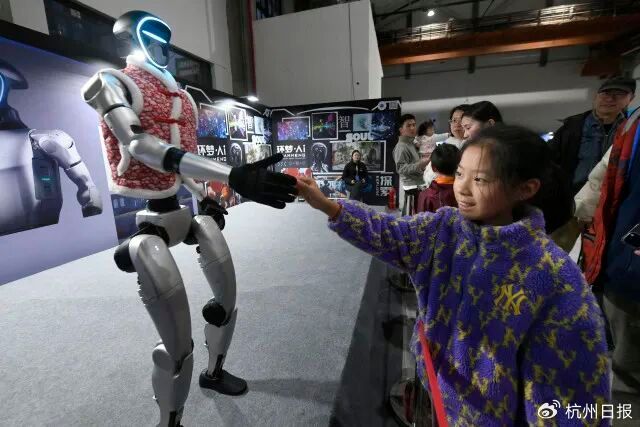
Group 1 - The AI application sector has seen significant activity recently, with Ant Group launching the AI health application AQ and the general AI assistant "Lingguang," which quickly rose to the seventh position on the App Store overall chart and first on the free tools chart [3] - Alibaba also introduced the AI application "Qianwen App," further spotlighting Hangzhou as a hub for technological innovation [3] - The city has become a focal point for various tech advancements, including advancements in brain-machine interfaces and robotics, showcasing its cultural and technological significance [3][4] Group 2 - Hangzhou's entrepreneurial spirit is characterized by a blend of traditional values and modern innovation, with local businesses adapting to economic fluctuations and industry transformations [5] - The city has a rich history of integrity and craftsmanship, exemplified by companies like Wanshili Group, which integrates AI technology with cultural heritage [5][7] - The entrepreneurial landscape in Hangzhou is marked by a commitment to social responsibility, with companies like Qiangna Technology focusing on aiding those in need through technological advancements [7] Group 3 - Hangzhou has been proactive in its technological development, having proposed various strategies since 2003 to promote education and talent in the tech sector [11] - The city has positioned itself as a leader in the digital economy, aiming to become the "first city of digital economy" in China [11][12] - The establishment of the West Science and Technology Innovation Corridor has facilitated the growth of high-tech enterprises, contributing to the city's innovation ecosystem [12][13] Group 4 - The city’s natural beauty and quality of life contribute to a conducive environment for innovation, with parks and green spaces enhancing the well-being of its residents [17][19] - Hangzhou's unique urban layout fosters a balance between nature and urban development, which is essential for the success of innovative enterprises [17] - The local government promotes a supportive ecosystem for startups, emphasizing a responsive policy framework that respects and nurtures grassroots innovation [19][20] Group 5 - The cultural ethos of Hangzhou encourages a blend of pragmatism and creativity, making it an attractive destination for talent and innovation [21] - The city has successfully attracted a diverse range of talent, contributing to its reputation as a "dream city" for young innovators [24][26] - Hangzhou's commitment to fostering a vibrant innovation culture is evident in its continuous support for emerging tech companies and initiatives aimed at nurturing young talent [24][26]

我们需要更多的公园文艺队
Bei Jing Ri Bao Ke Hu Duan· 2025-12-10 02:23
Core Viewpoint - The article highlights the growing trend of public art performances in Beijing's parks, emphasizing the importance of making culture accessible and engaging for the general public, which in turn fosters community spirit and economic growth [1] Group 1: Cultural Engagement - The viral video of young artist Sun Chubo performing in a Beijing park illustrates the public's enthusiasm for accessible art, with large crowds expressing appreciation for the performance [1] - The initiative has been supported by local government departments, which have facilitated grassroots cultural events, enhancing public engagement with the arts [1] Group 2: Economic Impact - Beijing's cultural industry development index has ranked first for nine consecutive years, with the cultural sector's contribution to GDP consistently leading the nation [1] - The article notes that as the post-industrial era progresses, there is a growing emphasis on cultural and spiritual fulfillment, which is becoming a core variable in economic and social development [1] Group 3: Future Directions - There is a need for more inclusive cultural offerings that cater to diverse audience preferences, particularly for the elderly demographic, indicating a gap in "age-friendly" cultural products [1] - The article suggests that future public cultural services should focus on both universal needs and specific audience tastes, creating a more varied cultural landscape [1] - Collaboration among cultural, tourism, and educational sectors is essential to enhance the cultural experience and stimulate economic activity through art [1]
孙楚泊为何爆红
Bei Jing Ri Bao Ke Hu Duan· 2025-12-10 01:50
Core Viewpoint - The "Sun Chubo phenomenon" highlights the importance of cultural empowerment in making art accessible to the public, emphasizing the need for more inclusive participation spaces and lower engagement costs to integrate art into everyday life [1] Cultural Empowerment - Cultural empowerment is essential for economic and social development, with Beijing experiencing a growing demand for cultural engagement as a core variable in its economic landscape [1] - The cultural industry in Beijing has maintained the highest comprehensive development index for nine consecutive years, with the cultural industry's value added to GDP consistently ranking first in the nation [1] Public Engagement in Arts - Recent performances by young artist Sun Chubo in public parks have attracted large crowds, demonstrating the public's desire for accessible, high-quality cultural experiences [1] - The phenomenon indicates a shift towards making art a part of daily life, with local authorities actively supporting grassroots cultural initiatives [1] Market Dynamics - The commercial performance market in Beijing is thriving, with approximately 57,000 performances scheduled for 2024, yet there remains significant potential to broaden access to serious art forms [1] - There is a noted mismatch in cultural supply and demand, particularly in catering to diverse audience preferences, including the elderly demographic [1] Future Directions - Future public cultural services should focus on both universal needs and the specific tastes of different demographic groups, ensuring a diverse cultural offering [1] - Collaboration among various departments is crucial to enhance cultural integration with other sectors, creating a multiplier effect that benefits the economy [1]
杨玉珍:人文经济学的丰富内涵与时代关切
Jing Ji Ri Bao· 2025-12-09 00:28
Core Viewpoint - The article emphasizes the integration of economics and culture, highlighting the development of a humanistic economics that combines Marxist principles with Chinese traditional culture, providing a solid cultural foundation for China's modernization [1][2][3]. Group 1: Humanistic Economics - Humanistic economics focuses on the interaction between people, culture, and economy, advocating for a development model that prioritizes human needs and social equity [2][3]. - The essence of "cultural economy" is the fusion of culture and economy, emphasizing the importance of human-centered development [2][3]. - The theoretical foundation of humanistic economics is rooted in Marxist political economy, which views human needs as central to economic development [3]. Group 2: Cultural Integration - Humanistic economics is deeply rooted in Chinese traditional culture, which has unique perspectives on wealth, competition, morality, and family, differing from Western economic theories [4]. - The article stresses the need to incorporate traditional cultural elements into economic behavior and decision-making, exploring how these elements have supported China's rapid economic growth over the past 40 years [4]. Group 3: Digital Era Concerns - The article addresses the challenges posed by the digital age, such as the digital divide and the need for humanistic values in technology-driven economic development [5][6]. - It advocates for embedding human values in technological advancements to ensure that they serve the overall well-being of society [6]. - The integration of digital technology with traditional culture is seen as a means to enhance cultural transmission and economic benefits [7]. Group 4: Economic Development Ecosystem - The vision for a new economic ecosystem is one where economic growth and human development create a virtuous cycle, balancing efficiency with equity and innovation with regulation [8]. - The article calls for a modern economic system that is innovative yet infused with humanistic values, ensuring that technological applications prioritize human needs and experiences [8].
人文经济学的丰富内涵与时代关切
Sou Hu Cai Jing· 2025-12-08 22:50
Core Perspective - The article emphasizes the integration of economics and culture, highlighting the importance of human-centered development in the context of humanistic economics, which combines Marxist principles with Chinese traditional culture [1][2][3]. Group 1: Humanistic Economics - Humanistic economics focuses on the interaction between culture and economy, advocating for the coordination of material and spiritual civilization [2][3]. - The essence of "cultural economy" is the fusion of culture and economy, emphasizing the role of people as the main agents in economic activities [2][3]. - The theoretical foundation of humanistic economics is rooted in Marxist political economy, which prioritizes human needs and social relationships over mere economic gain [3][4]. Group 2: Cultural Integration - Humanistic economics is deeply rooted in Chinese traditional culture, which has unique perspectives on wealth, competition, morality, and family compared to Western culture [4]. - The article argues that traditional Chinese culture contains essential elements that have supported China's rapid economic growth over the past 40 years [4][5]. - It stresses the need to incorporate cultural factors into economic behavior and decision-making processes [4][5]. Group 3: Digital Era Concerns - The article addresses the challenges posed by the digital age, such as the digital divide and the need for humanistic values in technology-driven economic development [5][6]. - It advocates for embedding human values in technology development to ensure it serves the overall well-being of society [6][7]. - The integration of digital technology with traditional culture is seen as a means to enhance cultural transmission and economic benefits [7][8]. Group 4: Economic Development Ecosystem - The vision for a new economic ecosystem involves a harmonious relationship between economic growth and human development, where efficiency and fairness coexist [8]. - The article calls for a balanced approach that combines innovation with humanistic values to create a modern economic system that is both dynamic and compassionate [8].