
城乡融合

Search documents
2025年四川全面深化改革十件大事发布
Si Chuan Ri Bao· 2026-01-21 00:36
Group 1 - The core focus is on the "Ten Major Events" for deepening reforms and high-level opening-up in Sichuan during the 14th Five-Year Plan period, aimed at overcoming institutional barriers to high-quality development [1] - The ten major events include strategic restructuring of state-owned enterprises, integration of culture and tourism, and the establishment of a service system for the elderly and children [1] - The plan emphasizes the construction of an innovation hub in the western region and the development of a "Tianfu Granary" support system [1] Group 2 - The provincial reform office highlights that these events are representative of significant reforms from the past year that impact high-quality development in Sichuan [2] - In the context of building an innovation hub, Sichuan has initiated major technology projects with a provincial financial investment of 1.445 billion yuan, leading to the successful landing of 101 projects with a total investment of 2.65 billion yuan [2]
抓住“桥头堡”机遇 释放发展新动能
Xin Lang Cai Jing· 2026-01-20 17:50
衢州地处浙闽赣皖四省交界,区位优势独特。然而,地理位置的中心不等于发展的中心,物理空间 的"桥头堡"不等于开放的高地。真正的"中心城市"与"桥头堡",应当是要素集聚的洼地、创新涌流的高 地、产业联动的枢纽。这需要我们打破思维定势,以更加开放的姿态、更加创新的举措,将地理优势转 化为发展胜势。 当前,衢州面临着前所未有的发展机遇。长三角一体化发展国家战略纵深推进,为内陆城市融入区域发 展提供了政策东风;高质量发展建设共同富裕示范区的要求,为我们探索现代化市域实践指明了方向。 抓住这些机遇,关键要在"彰显"二字上下功夫——彰显特色、彰显优势、彰显作为。 我们要在产业发展上彰显特色。避开与沿海地区的同质化竞争,立足衢州产业基础和资源禀赋,大力发 展新材料、新能源、集成电路、高端装备等特色产业,打造一批具有核心竞争力的产业集群。同时,要 推动传统产业智能化改造、数字化转型,让"老树发新芽",形成新旧动能转换的良性循环。 我们要在开放合作上彰显优势。以杭衢高铁通车为契机,加速"融杭联甬接沪"步伐,主动承接优质产业 溢出。不仅要打通交通"大动脉",更要疏通政策、机制、服务等方面的"微循环",打造一流营商环境, 让各类市场 ...
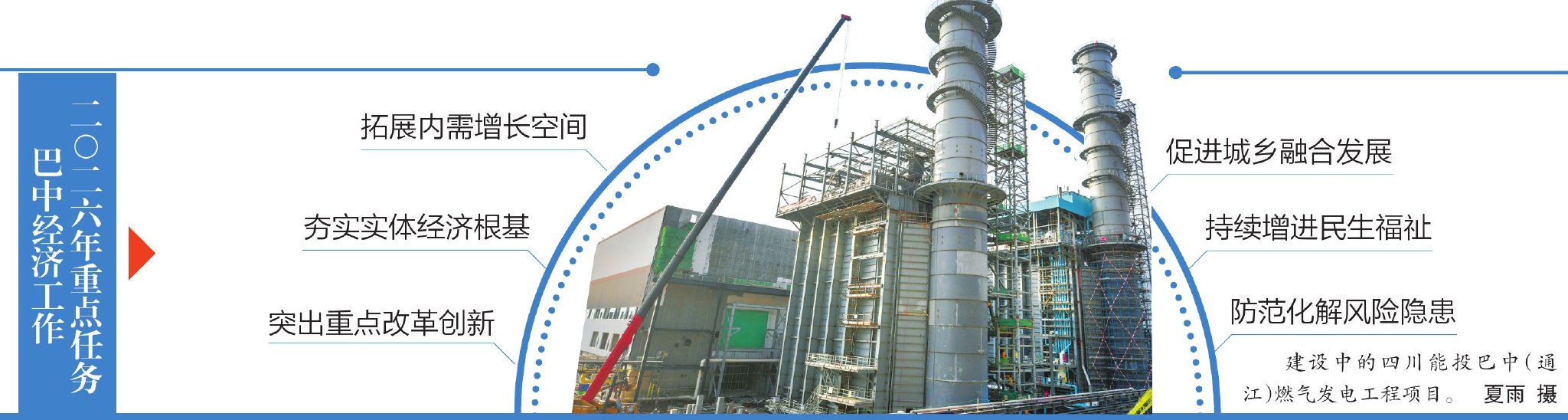
“十五五”开局之年定下“实干实绩攻坚”基调 巴中画定今年经济发展“施工图”
Si Chuan Ri Bao· 2026-01-20 08:20
Group 1: Economic Goals and Strategies - The core goal for Bazhong is to achieve a rapid economic growth rate while aiming for a total economic output of 100 billion yuan by 2026, marking it as a year of practical achievements [1] - The annual economic work focuses on six key tasks, emphasizing the importance of expanding domestic demand and boosting consumption as primary objectives [2][3] Group 2: Investment and Industrial Development - Bazhong plans to combine investments in physical infrastructure and human resources, focusing on industries with sustainable tax sources and effective investments [3] - The city aims to strengthen its industrial foundation by developing key industries such as energy and chemicals, advanced materials, food and beverage, electronic information, and healthcare [5][6] Group 3: Urban-Rural Integration and Social Welfare - The city is committed to enhancing urban planning and development, promoting urban-rural integration, and improving the quality of life for residents [7][8] - Specific initiatives include creating modern urban spaces and improving employment services, education, and healthcare, with a focus on enhancing public cultural services [8]
促进人口高质量发展有哪些着力点
Xin Lang Cai Jing· 2026-01-20 06:32
Core Viewpoint - The article emphasizes the importance of population quality development as a fundamental aspect of China's modernization, highlighting the need for a comprehensive strategy to enhance human resources and address demographic challenges [1]. Group 1: Understanding Population Quality Development - The comprehensive quality of the population has significantly improved, with life expectancy projected to reach 79.0 years by 2024, and infant mortality rates dropping to 2.5‰ [2]. - Education has seen remarkable advancements, with a gross enrollment rate of 92.0% in preschool education and over 2.5 billion people having received higher education, making China the country with the highest number of university graduates annually [2]. Group 2: Population Scale and Structure - China's total population peaked at 1.413 billion in 2021 and is projected to decrease to 1.405 billion by the end of 2025, while still remaining the second-largest globally [3]. - The aging population is a significant issue, with 297 million elderly individuals in 2023, expected to rise to 323 million by 2025, indicating a deepening of the aging society [3]. Group 3: Regional Population Dynamics - The movement of people, including migrant workers, has been a driving force for economic growth, maintaining a high level of population mobility that enhances urbanization and labor participation [4]. Group 4: Key Tasks for Promoting Population Quality Development - Enhancing population quality is crucial, with a focus on health and education, and the implementation of a comprehensive support system for marriage and childbirth to stabilize population numbers [5][6]. - Policies such as childcare subsidies, tax deductions, and improved maternity leave are essential to reduce the costs associated with childbirth and child-rearing [7]. Group 5: Labor Resource Optimization - Improving labor supply and employment capabilities is vital for economic development, with a focus on stabilizing employment rates and enhancing vocational training [8]. - The strategy includes promoting flexible employment and ensuring the rights of new employment forms, while also addressing the aging workforce by gradually raising the retirement age [8]. Group 6: Addressing Population Aging - A comprehensive approach to aging is necessary, including the development of a multi-tiered pension system and enhancing healthcare services for the elderly [9]. - The article advocates for the growth of the silver economy and the integration of elderly care services to improve the quality of life for older adults [9].
巴中画定今年经济发展“施工图”
Xin Lang Cai Jing· 2026-01-19 22:17
Core Viewpoint - The Ba Zhong Municipal Economic Work Conference emphasizes the necessity of maintaining a relatively fast economic growth rate despite the small economic scale, setting ambitious targets for 2026, including a focus on expanding domestic demand and enhancing the industrial foundation [1][2]. Group 1: Domestic Demand Expansion - Ba Zhong prioritizes expanding domestic demand as a key task for the year, focusing on boosting consumption and effective investment as core strategies [2]. - In the first three quarters of 2025, Ba Zhong achieved a total retail sales of consumer goods amounting to 40.362 billion yuan, reflecting a year-on-year growth of 6.7% [2]. - The city plans to implement special actions to stimulate consumption, innovate consumption formats, and enhance the consumption environment, including a series of promotional activities [2]. Group 2: Strengthening the Real Economy - Ba Zhong aims to solidify its industrial foundation by focusing on key industries such as energy and chemicals, advanced materials, electronic information, food and beverage, and healthcare [3][4]. - The city is leveraging its natural gas reserves of 1.4 trillion cubic meters and shale oil resources of approximately 2.5 billion tons to develop the energy and chemical industry [3]. - A sodium-ion battery industry park is being established, with over 1,500 acres allocated for development, aiming to attract leading companies in the sector [4]. Group 3: Urban-Rural Integration and Social Welfare - The city is committed to enhancing urban-rural integration and improving the well-being of its residents, with a focus on modernizing agriculture and rural areas [5][6]. - Plans include the development of a modern urban area in the Mengzi River section, featuring parks and recreational facilities [6]. - Initiatives to boost employment, improve education and healthcare, and enhance cultural services are being prioritized to elevate the quality of life for residents [7].

简阳这五年:从“规划蓝图”到“落笔生花”
Zhong Guo Xin Wen Wang· 2026-01-19 08:20
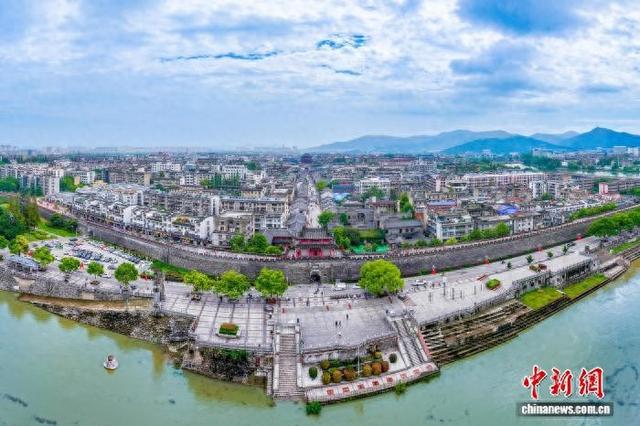
Core Viewpoint - The article highlights the significant progress made by Jianyang over the past five years in transforming its development blueprint into tangible outcomes, focusing on high-quality urban-rural integration and economic growth [1]. Group 1: Development Achievements - Jianyang has risen to 79th place among the top 100 counties in China, achieving continuous improvement for five consecutive years, and has been designated as the "first county" in Sichuan Province [3]. - The city has been assigned key roles such as "international airport hub city" and "important node in the Chengdu-Chongqing development axis," reflecting its strategic importance in regional development [3]. - The urban brand image of "Tianfu Gateway, Airport Jianyang" has become increasingly prominent, enhancing the city's recognition and reputation [3]. Group 2: Economic Transformation - Jianyang is leveraging the Tianfu International Airport as a strategic resource to develop a new economic engine focused on the airport economy, aiming to convert the airport's passenger flow into urban development benefits [5][6]. - The expected revenue for enterprises in the Jianyang Airport Economic Industrial Park is projected to exceed 60 billion yuan, marking an increase of 15 billion yuan compared to the end of the 13th Five-Year Plan [6]. - The city is transitioning from a "city airport" to an "airport city," focusing on sectors such as high-end hotels, cultural tourism, and headquarters economy [6]. Group 3: Advanced Manufacturing - Jianyang is enhancing its industrial economy by focusing on advanced manufacturing, particularly in equipment manufacturing and new materials, positioning itself as a strategic growth area for Chengdu's manufacturing sector [7]. - The low-temperature equipment industry cluster in Jianyang has become a leading base for research and manufacturing in China, with a market share of 27.96% in the medical gas system sector [7][8]. - The number of industrial projects with investments exceeding 100 million yuan has significantly increased, with new projects rising to 2.5 times compared to the 13th Five-Year Plan period [8]. Group 4: Technological Innovation - Jianyang is prioritizing technological innovation to overcome development bottlenecks and enhance urban capabilities, with a focus on new industrialization and agricultural modernization [9]. - The Sichuan Air Separation Equipment Group has been recognized as a national enterprise technology center, contributing to over 200 patents and participating in the formulation of numerous national standards [9][10]. - The emergence of high-tech enterprises and innovative platforms has accelerated, with Jianyang achieving breakthroughs in various technological fields [10]. Group 5: Social Welfare and Quality of Life - Jianyang is committed to improving the quality of life for its residents through various social welfare projects, including education and healthcare initiatives [11]. - The establishment of the first Qian Xuesen class in Southwest China and the creation of over 6,000 new educational slots reflect the city's focus on enhancing educational opportunities [11]. - A comprehensive healthcare network has been developed, ensuring that residents can access medical services within a 15-minute walk, with a stable in-county treatment rate of over 90% [11].

湖北襄阳奋力打造中西部发展的区域性中心城市
Xin Lang Cai Jing· 2026-01-17 09:29
Group 1: Core Objectives - The city of Xiangyang aims to accelerate its development as a provincial sub-center city during the "14th Five-Year Plan" period, contributing to the regional development of the Han River Basin and the southern Xiangfan Basin [1] - Xiangyang plans to transform its industrial structure from a single-industry focus to a multi-support model, establishing a modern industrial system that leverages its advantages [2] Group 2: Economic Development Initiatives - By 2025, Xiangyang will implement the "Two Capital Three Capabilities" project, aiming to attract over 456 projects with a total investment of 350.4 billion yuan, achieving an 88.9% commencement rate for major investment projects [2] - The city will enhance its automotive, modern chemical, and agricultural processing industries while fostering new energy materials, high-end equipment manufacturing, biomanufacturing, and low-altitude economy sectors [2] Group 3: Urban and Rural Integration - Xiangyang is committed to promoting new urbanization and rural revitalization, aiming for a modern, livable, and resilient city that supports agricultural modernization [3] - The city is actively renovating historical sites, such as the ancient city, to enhance urban aesthetics and community engagement [3][4] Group 4: Consumer and Cultural Development - Xiangyang is focusing on expanding new consumption models, leveraging cultural resources to boost economic growth, and enhancing its identity as a cultural tourism destination [7] - The city has 59 A-level tourist attractions, and efforts are underway to develop high-quality cultural tourism to contribute to Hubei's goal of becoming a world-renowned cultural tourism destination [7] Group 5: Social Welfare and Employment - During the "14th Five-Year Plan" period, Xiangyang has achieved significant progress in social welfare, including the creation of 510,000 new urban jobs and an increase in per capita disposable income exceeding 40,000 yuan [8] - The city plans to conduct over 600 recruitment events and provide various social services to enhance the quality of life for its residents [8]
清远“十四五”成果丰硕:经济总量破两千亿,融湾崛起加速
Nan Fang Du Shi Bao· 2026-01-16 16:28
Core Viewpoint - The "14th Five-Year Plan" period has seen significant economic and social development in Qingyuan, with a GDP surpassing 200 billion yuan, effectively responding to challenges such as the pandemic and major floods [1] Economic Development - Qingyuan focuses on the real economy, with a modern industrial system structured as "14321". The city's GDP grew by 19.5% over the first four years, with industrial output increasing by an average of 7.5% annually and foreign trade growing by 10.5% [2] - The number of large-scale industrial enterprises increased from 790 at the end of 2020 to 1,188 by 2025 [2] - The proportion of advanced and high-tech manufacturing industries rose to 53.6%, while the share of high-energy-consuming industries decreased [2] - Agricultural sectors, including Qingyuan chicken and Yingde black tea, saw annual output growth exceeding 25%, with several agricultural industries surpassing 10 billion yuan in total output [2] - The tourism industry thrived, with annual visitor numbers and tourism revenue growing by 13.9% and 23%, respectively, following the opening of the Qingyuan Changlong [2] Urban-Rural Integration and Regional Coordination - The "Hundred Million Project" aims to address the urban-rural dual structure, with significant improvements in county-level development and industrial park coverage [3] - The urban-rural income ratio improved to 1.71, better than national and provincial averages [3] - Infrastructure connectivity was enhanced, with the completion of the Guangqing Intercity North Extension Line, making Qingyuan the only non-Bay Area city with intercity rail access to the Greater Bay Area [3] - The establishment of the Guangqing Economic Cooperation Zone has attracted significant investment, with planned projects exceeding 210 billion yuan [3] Reform and Innovation - Key reforms have been implemented, including significant improvements in administrative efficiency, reducing business setup time to within one working day [4] - R&D investment intensity increased to 1.07%, ranking first in the region, with a notable rise in high-tech enterprises [4] - Qingyuan became the first city in the region to achieve "Gigabit City" status in information technology [4] Environmental Sustainability - Qingyuan's ecological environment quality remains high, with water quality indices ranking well in the province and forest coverage exceeding 70% [5] - Energy consumption intensity decreased significantly, surpassing provincial targets by 131% [5] - The city is advancing in green energy, with non-fossil energy accounting for over 60% of installed capacity [5] Social Progress - Nearly 80% of fiscal spending is allocated to social welfare, with urban employment exceeding 190,000 and per capita disposable income growing by an average of 6.1% annually [7] - Significant investments in education and healthcare, including the addition of over 105,000 public school places and three new top-tier hospitals [7] - Qingyuan has achieved recognition as a national civilized city and a model city for dual-support [7]
乡村振兴战略下 县域经济发展路径
Xin Lang Cai Jing· 2026-01-16 16:00
Core Viewpoint - The comprehensive promotion of the rural revitalization strategy provides a significant historical opportunity for the transformation and upgrading of county economies, emphasizing the importance of optimizing resource allocation and enhancing the quality, efficiency, and dynamics of county economic development [1][8]. Summary by Sections Current Challenges in County Economic Development - The industrial structure in counties remains low-level, dominated by traditional agriculture and resource processing, with limited value addition and weak deep processing capabilities [1]. - There are significant constraints in key supporting factors such as talent, capital, and land, with issues like rural labor outflow and financing bottlenecks for small and micro enterprises [1][2]. Mechanisms Empowering County Economic Development through Rural Revitalization - Rural revitalization expands agricultural functions, laying the foundation for the transformation of county industrial structures, with new business forms emerging from the integration of primary, secondary, and tertiary industries [3]. - Deepening rural reforms helps activate dormant rural resources, injecting sustained momentum into county development through land system reforms and collective property rights system improvements [4]. - The strategy aims to eliminate barriers to resource flow, enhancing the efficiency of resource allocation within counties through improved policies and financial collaboration [5]. Implementation Strategies for High-Quality County Economic Development - Establish a distinctive modern industrial system by identifying leading industries based on local resources and fostering competitive industrial clusters, enhancing agricultural value chains, and developing new business forms like rural tourism [6][7]. - Strengthen the comprehensive service and radiation functions of county towns by improving infrastructure and public services, thereby enhancing their attractiveness to population and industry [7]. - Innovate institutional supply for urban-rural integration by reforming land systems, improving talent mechanisms, and expanding financial services to guide more resources into county economies [7][8].
加快农业农村现代化扎实推进乡村全面振兴为全市高质量发展现代化建设提供坚实支撑
Xi An Ri Bao· 2026-01-16 02:44
Core Viewpoint - The meeting emphasized the importance of modernizing agriculture and rural areas, aligning with Xi Jinping's directives for the "Three Rural Issues" work, and aims to enhance urban-rural integration and rural revitalization efforts [1][2]. Group 1: Agricultural Modernization - The meeting highlighted the need to firmly uphold food security responsibilities and maintain arable land boundaries while advancing key agricultural industry chains [2]. - There is a focus on improving the efficiency of technology transfer and application to enhance overall agricultural production capacity and quality [2]. Group 2: Poverty Alleviation and Support Systems - The meeting stressed the importance of consolidating and expanding the achievements of poverty alleviation, optimizing the regular support system, and ensuring that large-scale poverty does not reoccur [2]. - It was noted that a development-oriented support approach should be prioritized [2]. Group 3: Rural Development and Environment - The meeting called for the application of the "Ten Million Project" experience to optimize rural land use and improve living conditions in rural areas [2]. - There is a commitment to deepen rural reforms and accelerate the establishment of a modern agricultural management system [2]. Group 4: Political Responsibility and Planning - The meeting underscored the necessity of implementing political responsibilities for rural revitalization at all levels and selecting capable leaders for village committees [2]. - A high-quality plan for the agricultural and rural sectors for the 14th Five-Year Plan period is to be developed, with a focus on key tasks for the year ahead [2].