
民间投资

Search documents
不只“国补”升级!促内需一揽子政策落地
Xin Hua Wang· 2026-01-21 04:08
Group 1: Core Policy Initiatives - The Ministry of Finance and other departments have officially launched a package of policies aimed at promoting domestic demand, including interest subsidies for loans to small and micro enterprises and special guarantee plans for private investment [1] - A total of 500 billion yuan will be allocated over two years through the National Financing Guarantee Fund to support small and micro private enterprises with fixed asset loans starting from January 1, 2026 [2] Group 2: Consumer and Business Support - The consumer loan sector will see enhanced support with increased interest subsidy limits, broader coverage of consumer fields, and extended implementation periods [4] - For individual consumers, the maximum interest subsidy per loan will be raised significantly, and for businesses in the service sector, the loan limit for interest subsidies will increase from 1 million yuan to 10 million yuan [4]

两部委同日重磅发声!政策靠前发力 多措并举扩内需
Sou Hu Cai Jing· 2026-01-21 00:10
Core Viewpoint - The Chinese government is implementing a series of policies aimed at stimulating domestic consumption and investment in 2026, marking the beginning of the "14th Five-Year Plan" period, with a focus on high-tech industries and expanding domestic demand [1][2]. Policy Initiatives - The National Development and Reform Commission (NDRC) and the Ministry of Finance have outlined key policy directions for 2026, including promoting consumption, stabilizing investment, and nurturing emerging industries [1]. - A comprehensive package of policies was released by the Ministry of Finance, which includes optimizing personal consumption loan interest subsidies, implementing special guarantees for private investment, and enhancing support for small and micro enterprises [2][7]. Consumption Promotion - A significant focus for 2026 is to boost consumer spending, with an emphasis on short-term consumption policies and long-term reforms aimed at increasing residents' income [2][3]. - The government has allocated 625 billion yuan to support a "trade-in" program for consumer goods, which has already been initiated in several provinces [2]. - The personal consumption loan interest subsidy policy has been optimized to include a 1% subsidy for loans used for consumption, including credit card installment payments [3][4]. Investment Support - The government aims to stabilize and increase fixed asset investment, which saw a decline in 2025, with a target to reverse this trend in 2026 [7]. - The package includes policies specifically designed to support private investment, such as interest subsidies for loans to small and micro enterprises and a special guarantee plan for private investments [8][9]. High-Tech Industry Focus - There is a strong emphasis on fostering investment in high-tech industries, with plans to launch significant projects during the "14th Five-Year Plan" period [10][11]. - The National Venture Capital Guiding Fund has been established with an initial capital of 100 billion yuan to attract social capital for investment in high-tech sectors [10]. Economic Growth and Employment - The government recognizes that consumer spending is closely linked to employment and income stability, and is working on plans to enhance job security and increase disposable income for residents [6]. - The implementation of structural reforms and policy support is aimed at improving market expectations and boosting consumer confidence [6].
如何更好激发民间投资?财政部答上证报记者
Sou Hu Cai Jing· 2026-01-20 23:50
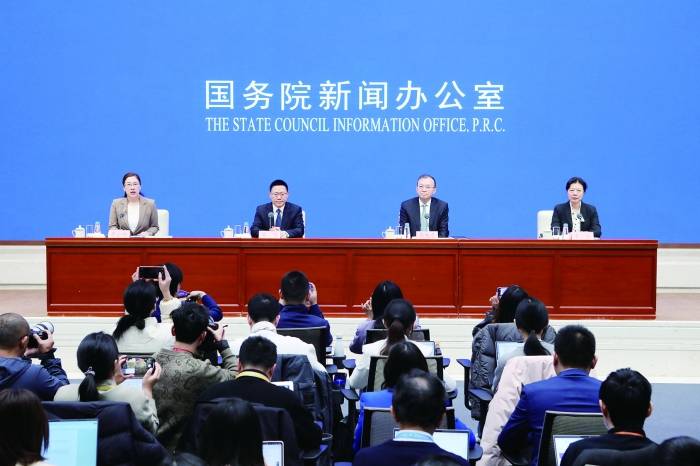
◎记者 白丽斐 李苑 1月20日,财政部副部长廖岷在国新办新闻发布会上回答上海证券报记者提问时表 示,激发民间投资是此次一揽子政策的"重头戏"。期待通过这一套"组合拳",实实在在地助力企业节约 融资成本、增强盈利,更好地激发民间投资这"一池春水"。 当天,财政部等部门发布实施民间投资专 项担保计划、优化实施设备更新贷款财政贴息政策、实施中小微企业贷款贴息政策等一揽子政策,其中 四项是支持民间投资的政策。此外,财政部还就2026年积极财政政策支持方向、加快培育新动能、推进 全国统一大市场建设等市场热点作出回应。 政策同向发力 助力企业降低融资成本和融资门槛 此次支持 民间投资的四项政策,惠及领域很广,支持力度比较大,工具箱也很丰富,有信贷、有贴息、有担保、 有补偿。 廖岷在回答上海证券报记者提问时表示,几项政策同向发力,对企业来说主要有两个方面直 接利好:一方面,降低融资成本,解决民营企业融资贵的问题;另一方面,降低融资门槛,解决民营企 业融资难的问题。 比如一家企业想申请一笔2000万元的中长期贷款,但可能自身的信用水平还不够, 这就需要担保进行增信的支持。传统的担保模式下,单个企业可获得的担保额度一般不超过 ...
多省市已全面启动新一年国补工作
Xin Lang Cai Jing· 2026-01-20 23:19
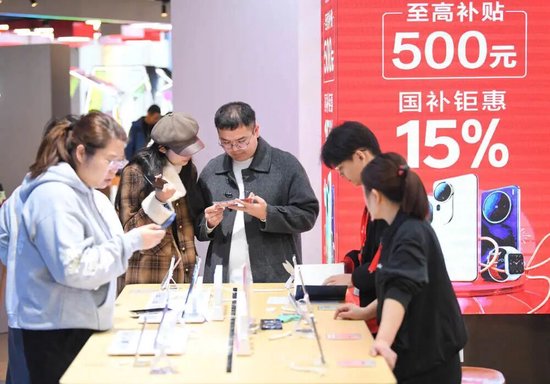
Core Viewpoint - The Chinese government is implementing a series of policies aimed at stimulating consumption, stabilizing investment, and fostering emerging industries as part of the 2026 economic strategy, marking the beginning of the "14th Five-Year Plan" [1][13]. Policy Directions - The National Development and Reform Commission (NDRC) is planning to advance significant high-tech projects and develop a strategy for expanding domestic demand from 2026 to 2030 [1][13]. - The focus is on enhancing domestic circulation and adapting to the trends of demand upgrades, alongside the needs of a new round of technological revolution and industrial transformation [1][13]. Financial Measures - The Ministry of Finance has introduced a comprehensive set of policies, including optimizing personal consumption loan subsidies, equipment update loan subsidies, and special guarantees for private investment [1][14]. - A key emphasis is on stimulating private investment and promoting consumer spending, particularly in the first quarter when credit volume is typically higher [2][14]. Consumer Support Initiatives - The government is continuing to promote consumption through policies such as the "trade-in" program for consumer goods, with an initial allocation of 625 billion yuan for 2026 [3][15]. - A unified subsidy standard for various consumer goods, including automobiles and home appliances, will be implemented nationwide [3][15]. Loan Subsidy Enhancements - The personal consumption loan subsidy policy allows residents to receive a 1% subsidy on loans used for consumption, including credit card installment payments [5][17]. - The maximum loan amount for businesses eligible for subsidies has been increased from 1 million yuan to 10 million yuan, with a 1% subsidy for one year [6][18]. Investment in Emerging Industries - The government is focusing on releasing investment demand in high-tech industries and accelerating the cultivation of new growth drivers [11][23]. - The National Venture Capital Guiding Fund has been established with an initial investment of 100 billion yuan, aiming to attract over a trillion yuan in total investment [11][23]. Support for Small and Medium Enterprises - New policies are being introduced to support small and medium-sized enterprises (SMEs), including loan interest subsidies for key industries such as new energy vehicles and medical equipment [9][21]. - The maximum loan amount eligible for subsidies for SMEs is set at 50 million yuan, with a subsidy rate of 1.5% for up to two years [9][21]. Structural Reforms - The government is also working on a plan to increase residents' income and stabilize employment, which is crucial for boosting consumption [7][19]. - Structural reforms will include enhancing fiscal transfers to support low-income groups and optimizing tax policies to improve disposable income [7][19].
财政金融协同促内需一揽子措施出台 加大个人消费贷款和服务业经营主体贷款贴息力度
Zhong Guo Zheng Quan Bao· 2026-01-20 23:16
Group 1 - The core viewpoint of the article is the introduction of a comprehensive set of fiscal and financial policies aimed at boosting domestic demand, particularly through enhancing consumer spending and supporting private investment [1][4]. Group 2 - The optimization of the "dual subsidy" policy includes increased subsidy amounts for personal consumers, with the subsidy per transaction rising from 500 yuan to 3000 yuan, and for service industry enterprises, the loan subsidy limit increased from 1 million yuan to 10 million yuan [2]. - The implementation period for the optimized personal consumption and service industry loan subsidy policies has been extended to the end of 2026, with potential for further extension based on effectiveness [2]. - The coverage of financial institutions has expanded from over 20 national institutions to more than 500, enhancing accessibility for consumers and businesses [3]. Group 3 - The policy to stimulate private investment includes a subsidy of 1.5% on fixed asset loans for equipment updates, applicable for a maximum of two years, and covers loans issued from 2026 onwards for technology innovation [4]. - The subsidy for small and micro enterprises includes a 1.5% annual subsidy on fixed asset loans, with a maximum loan size of 50 million yuan, and is set to be implemented for one year with the possibility of extension [5]. - A special guarantee plan for private investment has been established with a total quota of 500 billion yuan, aimed at enhancing government financing guarantees and directing financial resources to support quality goods and services [5].
多项财税金融支持稳投资促消费政策发布 以更大力度激发民间投资、促进居民消费
Sou Hu Cai Jing· 2026-01-20 22:50
Core Viewpoint - The Chinese government is implementing a more proactive fiscal policy in 2025 to support economic growth and enhance social welfare, with significant measures including the issuance of long-term special bonds and increased government debt to stimulate consumption and investment [1][2][3]. Fiscal Policy Measures - In 2025, the issuance of long-term special bonds will amount to 1.3 trillion yuan, aimed at supporting "two new" and "two heavy" initiatives [1]. - The fiscal deficit rate is set at around 4%, with new government debt totaling 11.86 trillion yuan, significantly higher than previous years [1]. - A special bond issuance of 500 billion yuan will be allocated to replenish the core tier one capital of major state-owned commercial banks [1]. Consumer Support Initiatives - The government plans to enhance consumer spending by allocating 300 billion yuan for a trade-in program for consumer goods, expected to drive sales exceeding 2.6 trillion yuan [1]. - Policies such as personal consumption loans and service industry loans will be implemented to encourage and expand consumption [1]. Social Welfare Enhancements - Employment support funds of 66.74 billion yuan will be allocated, alongside increased subsidies for social insurance and unemployment insurance [1]. - Additional funding of 100 billion yuan will be provided for childcare subsidies for children under three years old, enhancing social welfare and consumer capacity [1]. Debt Management and Investment Support - A total of 20 trillion yuan will be arranged for the replacement of existing hidden debt, with 800 billion yuan in new special bonds to support local government financial capacity [2]. - The average interest cost of local government debt has decreased by over 2.5 percentage points, reducing the financial burden on local governments [2]. Support for Private Investment - New policies include interest subsidies for loans to small and micro enterprises in key industries, with a maximum loan amount of 50 million yuan and a subsidy rate of 1.5% [4]. - A special guarantee plan for private enterprises will provide loan guarantees up to 20 million yuan for eligible small and micro enterprises [4]. Optimization of Consumption Policies - The consumer service loan subsidy has been enhanced, with the maximum subsidy amount increased from 500 yuan to 3,000 yuan per transaction [7]. - The loan limit for service industry enterprises has been raised from 1 million yuan to 10 million yuan, expanding the scope of eligible consumption areas [7][8]. Long-term Fiscal Strategy - The fiscal strategy for 2026 will focus on increasing total spending while ensuring that key areas receive stronger support, with an emphasis on boosting consumption and social welfare [3]. - The government aims to deepen fiscal and tax reforms to stimulate economic vitality and adapt to new economic models [9]. Overall Economic Impact - The coordinated fiscal and monetary policies are expected to effectively address bottlenecks in production, circulation, and consumption, enhancing the internal economic cycle [10][11]. - The proactive measures are designed to instill confidence in the market, encouraging both enterprise investment and consumer spending, thereby strengthening the resilience of the economy [11].
财政金融协同促内需一揽子措施出台
Zhong Guo Zheng Quan Bao· 2026-01-20 21:04
Group 1 - The core viewpoint of the article is the introduction of a comprehensive policy package by the Ministry of Finance, the Central Bank, and the Financial Regulatory Authority to stimulate domestic demand through enhanced consumer loans and support for private investment [1] - The optimization of the personal consumption loan subsidy policy allows consumers to receive a subsidy of up to 3000 yuan per transaction, significantly increasing from the previous 500 yuan [1] - The subsidy for service industry enterprises has been raised from 1 million yuan to 10 million yuan, with the subsidy amount increasing from 10,000 yuan to 100,000 yuan [1] Group 2 - The implementation period for the optimized policies has been extended to the end of 2026, with potential for further extension based on effectiveness [1] - The policy now includes credit card installment payments and expands the support to cover digital, green, and retail consumption sectors, in addition to the existing eight service categories [2] - The number of financial institutions involved has expanded from over 20 to more than 500, enhancing accessibility for consumers [2] Group 3 - The policy package aims to invigorate private investment through various measures including credit, subsidies, guarantees, and compensations [2] - The subsidy for fixed asset loans related to equipment updates is set at 1.5% for a maximum of two years, applicable to loans issued from the date of the policy [2] - The central government will provide a 1.5% annual subsidy for eligible small and micro enterprises' fixed asset loans, with a loan cap of 50 million yuan per entity [2] Group 4 - The policy supports key industries such as new energy vehicles, medical equipment, and artificial intelligence, among others, to enhance investment in critical supply chains [3] - A special guarantee plan for private investment has been established with a total quota of 500 billion yuan, to be implemented over two years [3] - This guarantee plan aims to strengthen government financing capabilities and guide financial resources to support the expansion of quality goods and services in the private sector [3]
财政金融支持民间投资“一揽子”政策落地
Xin Lang Cai Jing· 2026-01-20 20:57
Group 1 - The central government has introduced a bond risk-sharing mechanism to support private enterprises in issuing bonds, providing credit enhancement and compensating investors for partial losses to broaden financing channels [1] - A new loan interest subsidy policy for small and micro enterprises has been implemented, offering a 1.5% interest subsidy on loan amounts up to 50 million yuan for a maximum of two years, targeting key industries such as new energy vehicles and industrial robots [2][3] - The policy aims to guide small and micro enterprises to invest in state-prioritized sectors, enhancing their technological capabilities and market competitiveness [2] Group 2 - The central government will subsidize 1.5% of the principal on fixed asset loans for equipment updates, with a focus on advanced manufacturing, green low-carbon initiatives, and digital transformation [3] - The active fiscal policy aims to leverage fiscal funds to stimulate private investment, technological innovation, and consumption expansion, promoting sustainable domestic demand [4] - The fiscal policy emphasizes precision, collaboration, sustainability, and risk prevention, ensuring that financial resources are effectively utilized [5]
如何更好激发民间投资? 财政部答上证报记者
Shang Hai Zheng Quan Bao· 2026-01-20 18:53
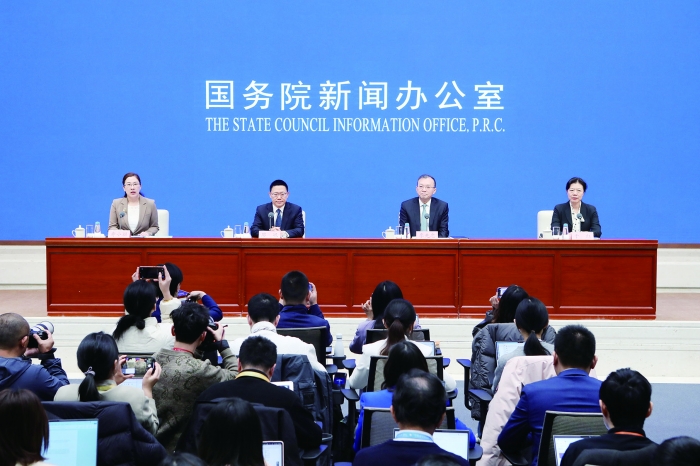
1月20日,国新办举行新闻发布会,财政部有关负责人介绍发挥积极财政政策作用,推动经济社会高 质量发展有关情况。上海证券报记者在会上提问。(上图) 记者 史丽 摄 ◎记者 白丽斐 李苑 1月20日,财政部副部长廖岷在国新办新闻发布会上回答上海证券报记者提问时表示,激发民间投资是 此次一揽子政策的"重头戏"。期待通过这一套"组合拳",实实在在地助力企业节约融资成本、增强盈 利,更好地激发民间投资这"一池春水"。 当天,财政部等部门发布实施民间投资专项担保计划、优化实施设备更新贷款财政贴息政策、实施中小 微企业贷款贴息政策等一揽子政策,其中四项是支持民间投资的政策。此外,财政部还就2026年积极财 政政策支持方向、加快培育新动能、推进全国统一大市场建设等市场热点作出回应。 政策同向发力 助力企业降低融资成本和融资门槛 此次支持民间投资的四项政策,惠及领域很广,支持力度比较大,工具箱也很丰富,有信贷、有贴息、 有担保、有补偿。 廖岷在回答上海证券报记者提问时表示,几项政策同向发力,对企业来说主要有两个方面直接利好:一 方面,降低融资成本,解决民营企业融资贵的问题;另一方面,降低融资门槛,解决民营企业融资难的 问题。 ...
财政金融协同促内需一揽子政策落地
Xin Lang Cai Jing· 2026-01-20 17:50
Core Viewpoint - The implementation of a comprehensive policy package aimed at promoting domestic demand through financial collaboration has officially launched, focusing on enhancing micro and small enterprises, boosting private investment, and stimulating consumer spending [1][2]. Group 1: Policy Implementation - The policy package includes measures such as interest subsidies for loans to micro and small enterprises, a special guarantee plan for private investment, and optimized loan interest subsidies for service industry operators and personal consumption loans [1][2]. - The central economic work conference in 2025 emphasized the importance of domestic demand, and the State Council's recent meeting outlined the specific arrangements for this policy package [1]. Group 2: Support for Private Investment - A special guarantee plan with a scale of 500 billion yuan will be established through the National Financing Guarantee Fund, implemented over two years [3]. - Financial subsidies will be provided for fixed asset loans to eligible micro and small private enterprises starting from January 1, 2026, with a focus on long-term loans for scene expansion and upgrades [3]. Group 3: Encouragement of Consumer Spending - The upgraded subsidy policies for personal consumption loans and service industry loans will have greater subsidy amounts, broader coverage, and longer implementation periods [4]. - The subsidy cap for individual consumers has increased from 500 yuan to 3,000 yuan per transaction, while the loan limit for service industry enterprises has risen from 1 million yuan to 10 million yuan [4]. - The inclusion of credit card installment payments and the expansion into digital, green, and retail sectors for consumption activities will further stimulate consumer spending [4].