磷化工产品

Search documents
化工行业2026年度投资策略:“十五五”规划引领化工行业高质量发展
Shanghai Securities· 2026-03-24 10:40
Key Points - The "14th Five-Year Plan" is expected to lead the chemical industry towards high-quality development through supply and demand side reforms, focusing on green development and technological self-reliance [5][6] - The chemical industry is anticipated to experience a recovery in prosperity, with supply growth expected to slow down and a replenishment cycle beginning, supported by national policy guidance [5][6] - Key sectors to watch include refrigerants, potash fertilizers, organic silicon, phosphorus chemicals, and coal chemicals, which are expected to benefit from the upward trend in market conditions [5][6] Section Summaries Industry Review: Recovery Expected - The chemical industry is currently at a low point but is expected to recover as supply-side pressures ease and demand improves [18][19] - The basic chemical index rose by 33.29% by the end of 2025, indicating a positive trend [21] Focus Sectors: Improving Supply and Demand - The supply of refrigerants is expected to contract due to regulatory measures, while demand from air conditioning and refrigeration markets is projected to grow, leading to a favorable market environment [52][45] - The potash fertilizer market is characterized by high concentration and oligopoly, with global demand expected to grow by 5.5% in 2024 [60][61] - The organic silicon industry is transitioning from an expansion phase to a balanced supply-demand situation, with profitability expected to recover as production capacity stabilizes [68][76] - Phosphorus chemicals are benefiting from high market prices and increasing demand from the energy storage sector, particularly for lithium iron phosphate [86][87] New Materials Opportunities - The solid-state battery industry is advancing, with significant developments expected in the coming years, creating opportunities for related materials [95][96] - The photolithography market is expanding due to strong demand from the semiconductor industry, with domestic companies accelerating their production capabilities [97][100]
【华西宏观】资产配置日报:再战前高
Xin Lang Cai Jing· 2026-02-27 19:50
Market Overview - The equity market saw a significant increase on February 25, with the Wind All A Index rising by 1.05% and a total trading volume of 2.48 trillion yuan, an increase of 262.7 billion yuan compared to the previous day [2] - The Hang Seng Index rose by 0.66%, while the Hang Seng Technology Index fell by 0.19%. Southbound capital experienced a net outflow of 4.057 billion HKD [2] Sector Performance - Resource sectors, particularly industrial metals, benefited from price increases, with the Wind Rare Earth and Copper Industry Indexes rising by 8.45% and 3.67%, respectively. The Phosphate Chemical Index also increased by 6.74% [3] - The Wind PCB Index rose by 3.63%, with copper-clad laminate and fiberglass indexes increasing by 4.36% and 3.90%, indicating sustained interest from investors despite index fluctuations [3] Commercial Aerospace and Semiconductor Equipment - The commercial aerospace sector saw a notable rebound, with the Wind Commercial Aerospace Index increasing by 3.02%. This sector remains a focal point for market sentiment [4] - The semiconductor equipment sector also performed well, with the corresponding Wind Index rising by 3.86%. However, the sector's congestion level increased from 22% to 27%, indicating potential challenges ahead [4] Real Estate and Debt Market - The real estate sector received a boost from new policies in Shanghai, which led to a temporary increase in the sector's performance, although it later retreated [4][6] - The bond market experienced a decline due to the impact of real estate news, with the 10-year government bond yield rising to 1.81% and the 30-year bond reaching 2.23% [6] Commodity Market Dynamics - The commodity market showed mixed performance, with precious metals experiencing divergence; gold slightly decreased by 0.04%, while silver rose by 4.57%. Industrial metals continued to show strength [7] - A significant outflow of 93.2 billion yuan from commodity indices was noted, primarily affecting precious metals, non-ferrous, and chemical sectors due to the restoration of margin requirements to pre-holiday levels [7] Geopolitical Tensions - Tensions surrounding U.S.-Iran negotiations have heightened, with military deployments influencing market sentiment and leading to increased gold and silver prices [8] - Supply disruptions in the non-ferrous sector, particularly in tin and lithium, have contributed to strong market performance in these commodities [8]

未知机构:化工持续强Call建议上仓位拥抱好机会短期为什么上涨-20260227
未知机构· 2026-02-27 02:30
Summary of Conference Call Notes Industry Overview - **Industry**: Chemical Industry - **Key Insights**: The chemical sector is experiencing a bullish trend, with recommendations to increase positions and embrace opportunities due to various catalysts and market dynamics [1][3]. Short-term Catalysts - **Geopolitical Factors**: Ongoing geopolitical conflicts and the upcoming peak season are driving oil prices up, leading to price increases in certain chemical products [1]. - **Inventory Dynamics**: Current low inventory levels in the supply chain, following a previous price decline, are encouraging restocking and price hikes as the peak season approaches [1]. - **Strategic Importance**: The emphasis by U.S. officials, including Trump, on the strategic importance of resources like phosphorus is contributing to market optimism [1]. Competitive Landscape - **Market Evolution**: The competitive environment has shifted from aggressive market share acquisition to a more concentrated industry structure, where leading companies are likely to collaborate rather than compete destructively [1]. - **Price Trends**: Price increases are expected to gain momentum, particularly in sectors such as textile raw materials, polyester filament, and certain chemical chains [1]. Long-term Outlook - **Market Cycle**: A long-term upward trend in market conditions is anticipated, driven by a combination of reduced production expansion and policy restrictions on inefficient growth, leading to a gradual balance in supply and demand [1][2]. - **Demand Dynamics**: Unlike previous cycles driven by high global demand, the current cycle is characterized by proactive supply management and regulatory measures [1]. Investment Recommendations - **Investment Focus**: Recommendations include investing in cyclical sectors and emerging materials, with a focus on three categories: 1. **Cyclical Growth Leaders**: Companies with strong alpha potential in cyclical growth [7]. 2. **Elasticity-Focused Products**: Bottom-tier products that may not have high alpha but show significant elasticity, such as textile raw materials and chlor-alkali [7]. 3. **High Prosperity Products**: Products already in a growth phase, including refrigerants and phosphate chemicals [7]. - **Emerging Materials**: Investment in new materials related to emerging industries such as AI, renewable energy, and commercial aerospace is also recommended [7]. Additional Insights - **Market Sentiment**: The market has been performing well for over six months, with some companies reaching new highs and pricing expectations being set [5]. - **Price Prediction Challenges**: Historically, predicting peak prices in cyclical commodities has been difficult, suggesting that following market trends may be a more effective strategy [6]. - **Self-Discipline in Production**: A slight reduction in production can lead to higher profitability, indicating a shift in strategy among companies [3][2].
集体大涨!300164,一分钟拉涨停
Zhong Guo Ji Jin Bao· 2026-02-24 05:09
Market Overview - The A-share market experienced a significant opening on the first trading day of the Year of the Horse, with major indices rising sharply. The Shanghai Composite Index increased by 1.17%, the Shenzhen Component Index rose by 1.82%, and the ChiNext Index gained 1.76% [2] - Over 4,200 stocks in the market saw an increase, indicating a broad-based rally [2] Sector Performance - The oil and gas sector saw a surge, with multiple stocks hitting the daily limit up. Notable performers included Tongyuan Petroleum, which achieved a 20% increase, along with Blue Flame Holdings and Zhun Oil [7][8] - The chemical sector continued to rise, with companies like Meibang Co., Chuanfa Longmang, and Jinzhengda hitting the daily limit up. Other companies such as Hubei Yihua and Taihe Co. also showed strong performance [5][6] - Precious metals stocks strengthened, with Xiaocheng Technology rising over 14%, and companies like Hunan Silver and Sichuan Gold hitting the daily limit up [10][11] - The communication equipment sector experienced a rebound, with Tianfu Communication and Dekeli leading the gains, and several other stocks also reaching the daily limit up [13][14] Commodity Prices - WTI crude oil futures for March rose by 1.9%, while Brent crude oil futures for April increased by 1.86%, reflecting a positive trend in oil prices [9] Strategic Developments - The U.S. has classified phosphorus and glyphosate as strategic resources, which may impact the chemical sector. Additionally, Indian urea tender prices have reached a new high, with significant increases compared to previous months [7]


国信证券:石化行业盈利逐渐企稳复苏 推荐油气、炼油炼化、钾肥、磷化工的投资方向
Sou Hu Cai Jing· 2026-02-03 02:42
Core Viewpoint - The petrochemical industry is experiencing a gradual recovery, with a year-on-year increase of 10.56% in net profit attributable to shareholders in the first three quarters of 2025, indicating stabilization in industry profitability [1] Supply Side - Investment in fixed assets in the chemical raw materials and products manufacturing industry turned negative starting June 2025, with capital expenditure in several sub-sectors declining for multiple consecutive quarters, signaling the end of the current expansion cycle [2] - The "anti-involution" policy introduced in July aims to address low-price competition and promote the orderly exit of outdated production capacity, with various sub-sectors responding by developing industry guidelines [2] - The industry is expected to see stricter approvals for new chemical product capacities and accelerated clearance of outdated capacities, effectively alleviating the oversupply issue in the petrochemical sector [2] Demand Side - Traditional demand is anticipated to recover moderately due to global central banks entering a rate-cutting cycle and fiscal stimulus measures [3] - Emerging demand driven by sectors such as renewable energy and AI is expected to support the technological upgrade of key chemical materials [3] Overseas Chemical Capacity Clearance - The European chemical industry has faced a wave of plant closures since 2025 due to high energy costs and aging facilities, while China's chemical product sales account for over 40% of the global market [4] - The domestic petrochemical industry chain is well-established, and many chemical products are highly competitive globally, suggesting that Chinese chemical companies will continue to increase their market share amid overseas capacity clearance and anticipated demand recovery [4] Macroeconomic and Chemical Product Prices - As of January 2026, China's comprehensive PMI output index was 49.8%, indicating a slowdown in production activities compared to the previous month [5] - The chemical product price index (CCPI) reported at 4120 points on January 30, 2026, a decrease of 4.83% from the end of the previous year, although the ex-factory prices of major chemical products have increased [5] Oil Prices - Geopolitical risks have increased in January, leading to fluctuations in international oil prices, with WTI and Brent crude oil prices rising by 13.57% and 16.17% respectively compared to the end of the previous year [6]

基础化工行业周报:金浦钛业子公司徐州钛白停产,汇得科技聚氨酯项目开工-20260125
Huafu Securities· 2026-01-25 07:45
Investment Rating - The report maintains a strong rating for the chemical industry, indicating a positive outlook for the sector [5]. Core Insights - The chemical sector has shown resilience with the CITIC Basic Chemical Index rising by 5.73% and the Shenwan Chemical Index increasing by 7.29% this week [13][16]. - Key sub-industries such as soda ash, chlor-alkali, and dyeing chemicals have experienced significant price increases, with soda ash rising by 13.3% [16]. - The report highlights the competitive strength of domestic tire manufacturers and suggests focusing on companies like Sailun Tire and Linglong Tire as potential growth opportunities [4]. - The polyurethane project by Huide Technology, with an annual production capacity of 600,000 tons, has commenced, indicating strategic growth in the new materials sector [3]. - The report emphasizes the tightening supply-demand dynamics in the phosphate chemical sector due to environmental regulations and increasing demand from the new energy sector [4]. Summary by Sections Market Overview - The Shanghai Composite Index increased by 0.84%, while the ChiNext Index decreased by 0.34% [13]. - The overall performance of the chemical sector is positive, with notable gains in various sub-industries [16]. Key Sub-Industry Developments - **Polyurethane**: The price of pure MDI in East China is reported at 17,600 RMB/ton, showing a week-on-week decline of 1.12% [28]. - **Tires**: The operating load for all-steel tires in Shandong is at 62.70%, reflecting a year-on-year increase of 20.70% [49]. - **Fertilizers**: Urea prices are at 1,757.45 RMB/ton, with a week-on-week decrease of 0.4% [63]. - **Vitamins**: The price of Vitamin A is reported at 61.5 RMB/kg, down 1.6% week-on-week [79]. Investment Themes - **Tire Sector**: Domestic tire companies are positioned strongly, with a focus on growth stocks [4]. - **Consumer Electronics**: Recovery in demand is anticipated, benefiting upstream material companies [4]. - **Phosphate Chemicals**: Supply constraints due to environmental policies are expected to tighten the market [4]. - **Vitamin Supply**: Supply disruptions in Vitamin A and E are noted, creating potential investment opportunities [4].





2026出海向中上游去-千万别忽视化工的转机与重生
2026-01-22 02:43
Summary of Key Points from Conference Call Industry Overview - The chemical industry in Europe is facing declining capacity utilization rates, currently at 74.6% in Q3 2025, down from 75.6% in Q2 2025, significantly below the long-term average of 80% [2][3] - In contrast, China's chemical exports have shown significant growth, with 60% of monitored chemical products achieving export volumes at over 80% of the past six years' levels [2] Core Insights and Arguments - European chemical companies are challenged by high energy costs and stringent environmental regulations, with natural gas prices approximately three times higher than in the US [3] - China is investing heavily in its chemical industry, accounting for 47% of global capital expenditure and 32% of R&D spending in 2023, which is driving industry scale and efficiency [4] - The "super factory" model in China is optimizing production costs and enhancing international competitiveness, allowing Chinese firms to capture market share more effectively [5][6] Trade Barriers and Their Impact - Trade barriers, such as the EU's carbon border tax, are affecting Chinese chemical exports, with potential additional costs of 300 to 2,700 RMB per ton for fertilizers [7] - The EU has temporarily suspended carbon tariffs on certain products, which may provide short-term relief but does not change the long-term trend towards stricter regulations [7] Industry Response to Market Dynamics - The chemical industry is responding to "involution" through both proactive measures, like joint production cuts, and reactive policies, such as energy consumption limits [8][9] - The PTA sector is expected to see improved profitability due to production cuts and a favorable demand-supply dynamic, with a projected increase in prices and earnings recovery [9][11] Specific Market Opportunities - The MDI market is influenced by US anti-dumping measures, but Chinese exports remain competitive in North America and Europe despite challenges [12] - China's ethylene production is expected to grow significantly, transitioning from a net importer to a potential net exporter by 2024, driven by increased domestic capacity and the exit of older European facilities [13][14] Investment Directions - The potassium fertilizer, phosphorus chemical, and pesticide sectors are highlighted as key areas for investment, with potassium fertilizer prices expected to remain strong due to tight supply-demand dynamics [16][17] - Companies with overseas resource development strategies, such as Yara International and Dongfang Iron Tower, are recommended for investment consideration [17] Future Development Logic - The underlying logic for the chemical industry's growth in 2026 is centered around international expansion and addressing market involution, with specific focus on MDI, PTA, ethylene, phosphorus chemicals, and potassium fertilizers as promising investment areas [18]
财政部:今年财政总体支出力度“只增不减”
Qi Huo Ri Bao Wang· 2026-01-21 02:53
Group 1 - The Chinese government is implementing a package of policies aimed at boosting effective demand through increased consumption and expanded private investment [1] - In 2026, the fiscal department will continue to adopt a more proactive fiscal policy characterized by increased total volume, optimized structure, improved efficiency, and stronger momentum [1] - The total scale of fiscal deficit, debt, and expenditure will be maintained at necessary levels, ensuring that overall expenditure increases and key areas remain well-supported [1] Group 2 - The export tax rebate is a significant tax system arrangement in China, with adjustments made based on economic and social development needs [2] - Starting from April 1, 2026, the export tax rebate for products such as photovoltaic and phosphochemical products will be canceled, with battery product rebates phased out over two years [2] - This adjustment in export tax policy is aimed at promoting efficient resource utilization, reducing environmental pollution and carbon emissions, and facilitating a comprehensive green transformation of economic and social development [2]
东方证券:聚焦化工行业景气修复 主要看好MDI、石化、磷化工、PVC和聚酯瓶片
Zhi Tong Cai Jing· 2026-01-21 01:49
Core Viewpoint - The chemical industry is experiencing a collective shift in business strategies driven by multiple factors, leading to a recovery in industry prosperity [1] Group 1: Industry Trends - The long-standing focus on market share in China's chemical industry is being transformed, with companies now facing increased barriers to entry due to supply-side reforms, environmental checks, and dual carbon goals [1] - Internal policy adjustments and external anti-dumping investigations are signaling a necessary change in the expectations surrounding market share [2] Group 2: Business Strategy Shifts - Companies are moving towards sacrificing existing market share to enhance short-term return rates, as merely halting expansion is no longer sufficient to address inventory and excess capacity [2] - The change in business strategies is primarily driven by shifts in the mindset of entrepreneurs and management, marking a significant departure from previous industry recovery patterns [2] Group 3: Selection Criteria for Investment - The preferred selection criteria for the industry include the strength of expansion constraints and the depth of leading companies' advantages, with stronger constraints leading to lower expectations for market share-driven growth [3] - The depth of leading companies' advantages not only constrains industry expansion but also determines the potential recovery in industry return rates [3] Group 4: Investment Recommendations - Recommended investment opportunities include: - MDI: Wanhua Chemical (600309) - Petrochemicals: Sinopec (600028), Rongsheng Petrochemical (002493), Hengli Petrochemical (600346) - Phosphate Chemicals: Chuanheng Shares (002895), Yuntianhua (600096), Xingfa Group (600141) - PVC: Zhongtai Chemical (002092), Xinjiang Tianye (600075), Chlor-alkali Chemical (600618), Tianyuan Shares (002386) - Polyester Bottle Chips: Wankai New Materials (301216) [4]





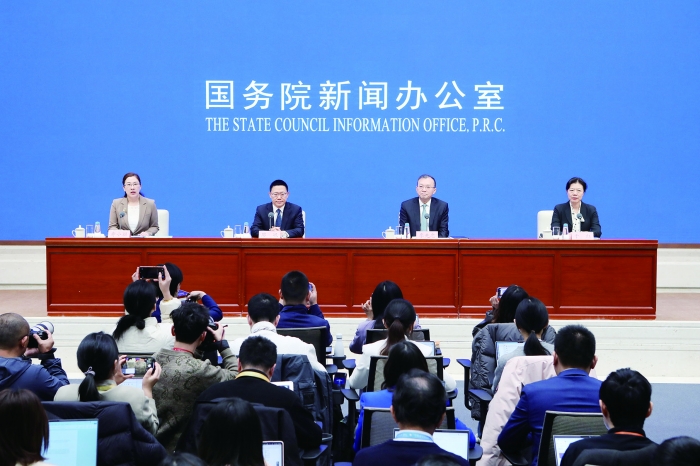
如何更好激发民间投资? 财政部答上证报记者
Shang Hai Zheng Quan Bao· 2026-01-20 18:53
Group 1 - The core focus of the recent policies is to stimulate private investment, which is considered a key element in the overall economic strategy [3] - A series of policies have been introduced, including a special guarantee plan for private investment, optimized loan interest subsidy policies, and support for small and micro enterprises [3][4] - The policies aim to lower financing costs and reduce barriers for private enterprises, addressing the issues of expensive and difficult financing [4] Group 2 - The special guarantee plan allows for increased loan guarantees, with the maximum guarantee amount raised from 1 million to 2 million yuan, significantly easing the financing process for enterprises [4] - The national financing guarantee fund's risk-sharing ratio will increase from 20% to 40%, enhancing the support for loans [4] - Direct financing challenges for private enterprises are acknowledged, with the central government planning to allocate risk-sharing funds to facilitate bond issuance [5] Group 3 - The fiscal policy for 2026 will focus on increasing total expenditure while ensuring that key areas receive strong support, maintaining a necessary level of fiscal deficit and debt [6] - The government aims to optimize expenditure structure, ensuring funds are directed towards critical areas such as consumption, human investment, and social welfare [6] - Efforts will be made to enhance the effectiveness of fund utilization, with a focus on long-term special bonds for infrastructure and innovative policy tools to maximize public fund impact [6][7] Group 4 - Recent adjustments to export tax rebates for certain products, including solar and battery products, are aimed at promoting efficient resource use and reducing environmental impact [8] - The adjustments are part of a broader strategy to guide industrial restructuring and promote high-quality economic development [8] - The Ministry of Finance will continue to support the establishment of a unified and competitive market system through ongoing reforms in fiscal and tax policies [8]