消费主义

Search documents
消费主义的魔法
Hu Xiu· 2025-06-13 16:01
Core Perspective - The article discusses the evolution of consumerism over the past 200 years, highlighting how capitalism has transformed individuals into consumers through various means such as department stores, branding, advertising, and consumer psychology [1]. Group 1: Historical Context of Consumerism - Until 1800, walking was the most common mode of transportation, and society was predominantly agricultural. The introduction of the steam locomotive in 1814 revolutionized transportation, enabling faster and more reliable movement of goods [3]. - The relationship between people and products has changed significantly due to industrialization and commodification, leading to a sense of alienation from the production process [3]. Group 2: The Role of Branding - In the pre-market era, consumers relied on local knowledge and trust in specific shops. The rise of large food manufacturing and distribution companies created a need for branding to establish trust in products that consumers could no longer see or touch [4]. - Branding has become a hallmark of consumer society, allowing consumers to identify product quality and positioning without direct sensory experience. Brands evoke associations and values, transforming products into symbols of status and identity [4][5]. Group 3: The Impact of Imagery - The history of consumer society can be understood as the proliferation of images in people's lives. The evolution of printing technology in the 19th century allowed for widespread distribution of images, which became powerful tools for advertising and consumer engagement [6][7]. - Magazines emerged as a significant medium for advertising, blending product promotion with visual storytelling to capture consumer attention and drive sales [7][8]. Group 4: The Transformation of Self-Identity - The concept of self has been reshaped by capitalism, where individuals are encouraged to construct their identities through consumption. This new cultural narrative emphasizes personal expression and autonomy through the acquisition of goods [10][11]. - Advertising strategies have shifted to focus on individualism and authenticity, encouraging consumers to "be themselves" and view products as tools for self-liberation [11]. Group 5: Gender and Consumerism - Women have been particularly affected by the consumerism revolution, with societal expectations linking their identity and value to their appearance. The 1920s marked a shift where women's bodies became ongoing "consumer projects" [12]. - The modern consumer landscape often perpetuates anxiety among women, as they navigate various pressures related to beauty, identity, and societal expectations [12].

杜淳妻子王灿晒Labubu潮玩收藏:明星效应与消费争议的双重镜像
Sou Hu Cai Jing· 2025-06-12 21:56
Group 1 - The event surrounding Wang Can's display of her Pop Mart collection, particularly the Labubu series, has sparked widespread attention and discussions about celebrity consumption and the cultural significance of trendy toys [1][3] - Pop Mart's stock price has increased over 11 times in 2024, attributed to its unique IP designs, while some items in the secondary market have seen significant price premiums, leading to comparisons with "plastic Maotai" [3] - The public's reaction to Wang Can's display has been polarized, with supporters viewing trendy toys as a form of personal expression and critics accusing her of flaunting wealth, highlighting social class disparities [5] Group 2 - The phenomenon reflects the blurred lines between celebrities' private lives and public personas, as well as the amplifying effects of consumerism on social media [5][7] - The success of Labubu illustrates a deep integration of design, marketing, and psychological needs, with the trendy toy culture serving as both emotional solace and a means of social interaction [5][7] - The controversy surrounding the event emphasizes the need to examine the balance between consumerism and personal values, especially when items like "plastic Maotai" serve dual roles as emotional attachments and investment targets [7]

从《祷》的爆火看艺术作品与当下社会的交融
Jing Ji Guan Cha Bao· 2025-06-11 04:59
Core Perspective - The artwork "Prayer" by Anqi stands out in the diverse landscape of contemporary art, attracting significant attention and sparking widespread discussion across various media and social platforms [1][2]. Group 1: Relationship Between Art and Society - "Prayer" serves as a profound reflection on the relationship between art and contemporary society, aiming to remind individuals not to lose themselves in consumerism [2]. - The use of inexpensive materials in the artwork effectively deconstructs the falsehood of a "refined life," prompting reflection on whether the pursuit of materialism leads to a loss of self-identity [2]. - Many graduation works from art schools are interconnected with current societal issues, such as environmental protection and the alienation in human relationships, showcasing students' observations and expressions of societal conditions [2]. Group 2: Value of the Artwork - "Prayer" exhibits high aesthetic value through its meticulous brushwork, precise color application, and realistic detail, providing viewers with a rich visual experience [3]. - The artwork conveys a critique of consumerism, encouraging reflection on modern lifestyles and elevating the audience's spiritual awareness [3]. - The increasing attention on outstanding graduation works in the painting market indicates a shift towards valuing innovative and thought-provoking pieces, with "Prayer" already sold, reflecting strong market interest in such works [3].
讳疾忌医的,不止拜登的前列腺
Hu Xiu· 2025-05-26 13:05
Group 1 - The article discusses the recent health announcement of former President Biden, who has been diagnosed with prostate cancer and significant bone metastasis, raising concerns about his health status during his presidency [4][6] - There are speculations regarding the timing of Biden's cancer diagnosis, questioning whether it was recently discovered or if it had been previously concealed for political reasons [6][9] - The article highlights the importance of prostate cancer screening, especially for individuals with a family history or at higher risk, suggesting that Biden's case reflects broader issues in health management and transparency [10][11] Group 2 - The narrative suggests that Biden's health issues may have been downplayed to maintain a political image, particularly in the context of the upcoming 2024 elections [9][10] - The article critiques the Democratic Party's handling of health-related issues, including the COVID-19 pandemic, suggesting that political motivations have influenced public health narratives [12][14] - It emphasizes the need for a more honest discourse around health and disease, arguing that ignoring health issues for political gain can have detrimental effects on public perception and policy [12][25]
撕拉片出圈:火的是情怀,烧的是钱包
3 6 Ke· 2025-05-26 10:18
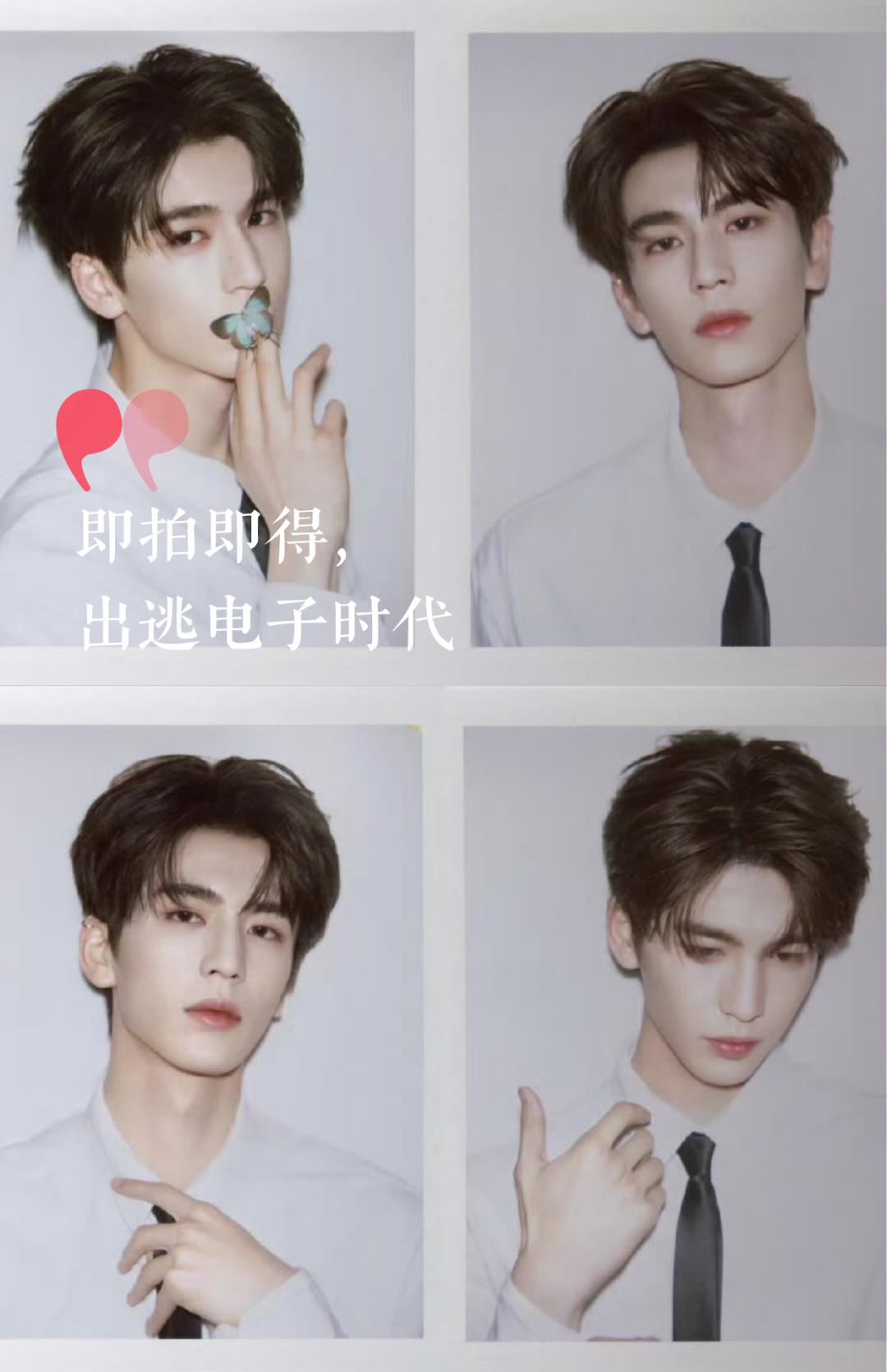
Core Insights - The phenomenon of "撕拉片" (Peel-apart film) has seen a dramatic price increase, with prices reaching around 400 yuan per sheet, significantly higher than traditional instant film prices [3][5][9] - The appeal of "撕拉片" lies in its nostalgic and emotional value, despite its impracticality and high failure rate in producing usable photographs [5][14] - The rise of "撕拉片" is driven by a combination of celebrity influence and the allure of scarcity marketing, creating a unique consumer culture around this product [10][12][13] Price Dynamics - The price of "撕拉片" has skyrocketed, with previously unwanted cameras now selling for thousands of yuan, and the cost of unused film packs reaching between 1500 to 4000 yuan [7][9] - The price of related equipment, such as the Polaroid Bigshot camera and its accessories, has also increased significantly, indicating a broader trend of inflation in this niche market [9][12] Consumer Behavior - Consumers are increasingly drawn to the process of using "撕拉片," which involves a level of uncertainty and anticipation, contrasting with the instant gratification of digital photography [5][14] - The younger generation is actively participating in this trend, sharing their experiences on social media platforms, which further fuels demand and drives prices up [12][19] Market Trends - The scarcity of "撕拉片" has been strategically marketed, creating a perception of exclusivity that appeals to consumers [13][16] - There is a growing divide among consumers, with some engaging in the trend for social media clout while others are more serious about the artistic aspects of photography [16][19] Future Outlook - The sustainability of the "撕拉片" trend is uncertain, as the novelty may wear off and consumers may become disillusioned with the high costs and low success rates [16][19] - The potential for "撕拉片" to evolve from a trendy item to a cultural symbol hinges on its ability to maintain emotional value beyond mere price inflation [19]
今年520静悄悄,年轻人正在逃离消费骗局
3 6 Ke· 2025-05-21 11:32
Core Insights - The "520 economy," once celebrated for its consumerism, is experiencing a silent collapse, reflecting deeper changes in the consumption market [1][3] - Young consumers are moving away from ritualistic spending associated with love, opting for more rational and value-driven purchasing decisions [1][6] Group 1: Changing Consumer Behavior - Young people are demystifying the "love KPI," no longer compelled to spend for the sake of ritual, and are instead evaluating the cost-effectiveness of their purchases [1][6] - There is a growing trend of emotional and behavioral disengagement as a response to systemic anxiety related to declining consumption [4][5] - The traditional "gift economy" is shifting, with men gaining autonomy in their purchasing decisions, leading to the decline of "舔狗经济" (the "dog licking" economy) [5] Group 2: Evolving Expressions of Love - The concept of romantic gestures is being re-evaluated, with consumers prioritizing long-term value over short-lived emotional highs [6][11] - New consumption philosophies are emerging, such as opting for affordable alternatives, investing in items with lasting value, and prioritizing time over spending during holidays [6][11] Group 3: Social Dynamics and Market Shifts - Social currency is depreciating, with the act of showcasing romantic gestures losing its appeal due to privacy concerns and the rise of social media [9][10] - The "悦己经济" (self-love economy) is replacing the couple-centric economy, with single individuals finding opportunities during traditional romantic holidays [11][12] Group 4: Marketing Strategies and Brand Adaptation - Brands must cease excessive marketing that emotionally manipulates consumers, as this approach is increasingly met with backlash [14][15] - There is a call for brands to focus on genuine connections and the intrinsic value of products rather than relying on romanticized marketing tactics [14][15] - The decline of the "520 economy" is viewed as a necessary evolution in the consumption market, emphasizing the need for a deeper understanding of consumer needs [15]
学会真正的爱,是我们一生的必修课
3 6 Ke· 2025-05-21 00:48
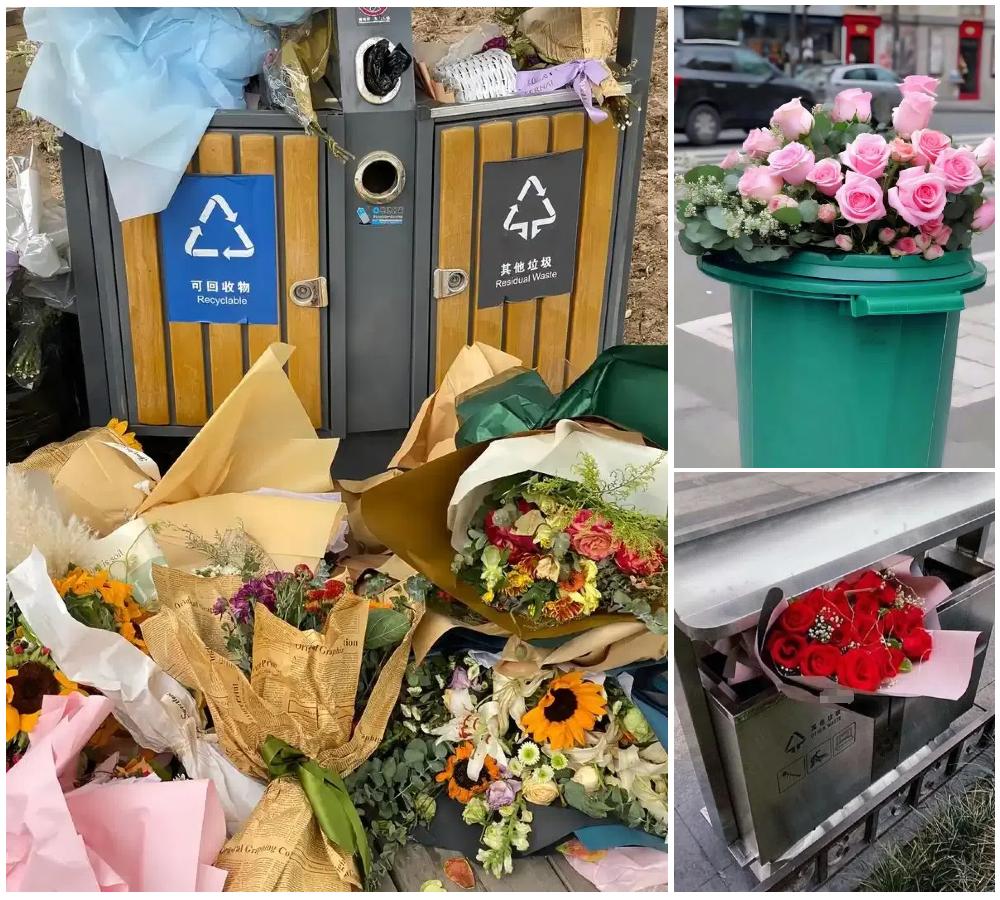
Core Viewpoint - The article emphasizes that true love transcends consumerism and requires genuine investment, sacrifice, and care, as articulated by management thinker Umair Haque [1][10]. Group 1: Concept of Love - Love is multifaceted, with distinctions made by the Greeks between agápe (universal love), éros (romantic love), philía (friendship), and storgē (familial love) [5]. - A more nuanced understanding of love existed 5,000 years ago, suggesting that without experiencing various forms of love, individuals may feel a sense of emptiness [6]. Group 2: Action and Commitment - Love is described as a verb, indicating that it involves active engagement, sacrifice, and care, which can ignite creativity and generate true human wealth [7]. - The ability to endure some pain is essential for understanding love; without this capacity, one may struggle to appreciate the fragility of life and relationships [8]. Group 3: The Nature of Love - Love is portrayed as the most complex and transformative concept invented by humanity, distinct from material possessions and consumer goods [9]. - Despite attempts to commercialize love, its significance remains profound and essential for a fulfilling life, requiring continuous nurturing and renewal [10].
美媒:剩菜剩饭变身冰箱“风景线”
Huan Qiu Shi Bao· 2025-05-14 22:50
但当男朋友约翰逊的旅行结束后,一切回归现实,"他到家后,冰箱风景只撑了十分钟。"去年,"冰箱 造景"风靡互联网,越来越多家庭琢磨起了冰箱这方小小天地,这不失为一次对当前社会政治经济局势 的逃离。 藤条编织的篮子摆放在冷藏货架上,奶酪和牛奶旁放着带框的相片,每当打开冰箱门,就会亮起一串串 闪烁的装饰灯,"冰箱造景"设计师林奇·朱迪什在社交媒体上展示其作品,灵感来自于电影《了不起的 盖茨比》、美剧《布里奇顿》等。 美国《华尔街日报》 5 月 7 日文章,题目:有人爱,就有人恨 —— 在冰箱里的 " 风景线 " 去年11月,在男 朋友外出的一周内,苏珊·沃尔夫给自己找了个打发时间的事情做:先清空冰箱,再做个深度清洁,最 后就是"筑造和搭建"。精美容器中的芥末、酱油和其他调料,浸没在水中的小胡萝卜,错落有致的迷你 南瓜、蔬菜、花瓶和水盅,无不体现着主人的巧思,几个小时后,苏珊的第一件"冰箱造景"大功告成。 但这个爱好的代价就是,取食物的时候只能小心翼翼,不过此时的她顾不上这些,冰箱的灯光照着她陶 醉的脸,她已经开始计划如何美化冷冻层。 也有不少网友都吐槽自己的伴侣或家人过分沉迷"冰箱造景",精美的鲜花、篮子和瓶瓶罐罐 ...
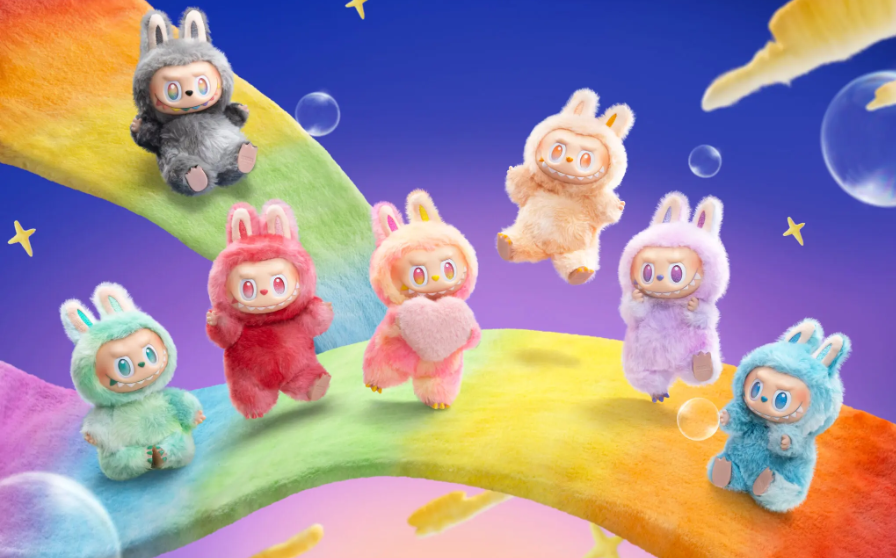
Labubu已经成了当代人的新佛牌
虎嗅APP· 2025-05-10 13:44
Core Viewpoint - The article discusses the rising popularity of Labubu, a plush toy character from Pop Mart, which has become a cultural phenomenon in both Eastern and Western markets, symbolizing good luck and personal empowerment through its unique design and marketing strategies [4][40][52]. Group 1: Labubu's Cultural Impact - Labubu is described as a character that connects with both Western celebrities and Eastern cultural practices, being referred to as a "perfect match" with luxury items like the Hermès Birkin bag [4]. - The character is marketed not just as a toy but as a talisman for good fortune, with consumers associating it with positive energy and luck [12][21]. - The character's design and backstory allow consumers to project their desires and aspirations onto it, enhancing its appeal [36][37]. Group 2: Consumer Behavior and Trends - The article highlights a shift in consumer behavior where individuals are increasingly seeking psychological comfort through purchases, such as lucky charms and decorative items [29][64]. - The popularity of blind box toys like Labubu reflects a growing trend of consumers wanting to personalize their belongings and express individuality [58][60]. - The article notes that the demand for plush toys and decorative charms is particularly strong in East Asian cultures, contrasting with Western preferences for more rigid and direct expressions of style [61][62]. Group 3: Cultural Differences in Consumption - The article emphasizes the cultural differences in how consumers in Eastern and Western markets perceive and utilize decorative items, with Eastern consumers favoring plush and soft materials while Western consumers lean towards harder materials [60][61]. - The phenomenon of "Kidult" culture in East Asia, where adults seek comfort in childhood toys, is highlighted as a significant factor driving the popularity of characters like Labubu [62][64]. - The article also discusses how the rise of social media and influencer marketing has contributed to the rapid spread of Labubu's popularity in both markets [46][49].

泡泡玛特修炼成仙
Hu Xiu· 2025-05-10 02:06
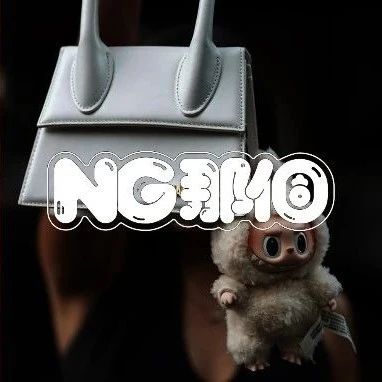
Core Insights - Labubu, a character from Pop Mart, is gaining global popularity and is being compared to luxury items like the Hermes Birkin bag, indicating a strong cultural and consumer trend towards collectible toys and accessories [1][26][31] - The character is associated with good luck and positive energy, appealing to consumers' desires for spiritual and emotional support through physical items [5][15][20] - The rise of Labubu reflects broader cultural differences in consumer behavior between Eastern and Western markets, particularly in the context of plush toys and accessories [38][41][47] Group 1: Cultural Significance - Labubu is seen as a modern talisman, with consumers attributing protective and luck-bringing qualities to it, similar to traditional Feng Shui practices [9][15][28] - The character's design and backstory allow consumers to project their own desires and aspirations onto it, enhancing its appeal [24][47] - The popularity of Labubu in Thailand, where it has been integrated into local culture and spirituality, highlights the character's adaptability and resonance with different cultural contexts [26][28] Group 2: Market Trends - The blind box trend, particularly in the context of Pop Mart, is becoming increasingly popular in Western markets, with Labubu being a key driver of this trend [32][43] - The search for "bag charms" has reached a ten-year high in Google searches, indicating a growing interest in personalized accessories in the West [43] - The cultural preference for softer, plush materials in Eastern markets contrasts with the Western inclination towards harder, more direct expressions in accessories [44][45] Group 3: Consumer Behavior - Consumers are increasingly seeking emotional connections with products, using items like Labubu as a form of psychological comfort in stressful environments [20][47] - The phenomenon of "Kidult" culture, where adults seek comfort in childhood toys, is particularly pronounced in East Asian markets, influencing the popularity of plush accessories [47] - The emotional value attached to items like Labubu transcends their material worth, reflecting a deeper need for spiritual and emotional support among consumers [51]