品牌

Search documents
品牌是一种持久的生存模式,越做护城河越宽越深
创业家· 2026-03-04 10:26
Core Viewpoint - Building a brand is about establishing a stronghold, transitioning from a nomadic lifestyle to a settled one, creating a fortress and a moat that allows for long-term focus in a specific field, leading to a deeper and wider moat over time [1]. Group 1 - The process of branding is likened to creating a base that supports sustained growth and focus in a particular industry [1]. - A strong brand serves as a protective barrier, enhancing competitive advantage and ensuring longevity in the market [1].


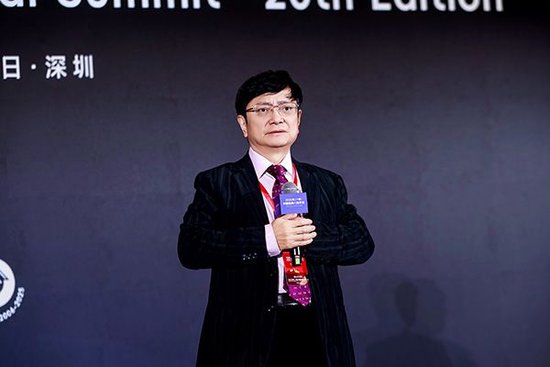
知名学者,浙江大学求是特聘教授郑强:中国品牌的文化底气与时代抉择
Xin Lang Cai Jing· 2026-01-19 06:35
Core Viewpoint - The 20th China Brand Person Annual Conference will be held on December 29 in Shenzhen, focusing on the theme "Who Earns Respect for China" and gathering over 2,000 elites from various sectors to reflect on the development of Chinese brands and explore new trends and opportunities in brand building [2][12]. Group 1: Brand Significance - The term "brand" originally meant a mark used to distinguish livestock, which has evolved into a symbol for products [4][14]. - The Chinese translation of "brand" emphasizes the importance of user experience, with three key aspects: user preference, user satisfaction, and word-of-mouth reputation [4][14]. - The current industrial development in China should focus on creating unique brands rather than merely increasing production volume [4][14]. Group 2: Transformation and Competition - The concept of transformation in business should not be overemphasized, as constant changes can undermine the establishment of long-lasting brands [5][15]. - Companies should endure challenges and focus on long-term success rather than following trends blindly [5][15]. - Competition, referred to as "卷," is a natural part of business, and it is essential to avoid negative forms of competition such as homogeneity [7][17]. Group 3: Role of AI and Education - AI is acknowledged as beneficial, but it should not replace human wisdom and experience in guiding future developments [5][15]. - The importance of independent thinking and innovation among entrepreneurs is crucial for avoiding homogenization in the market [9][19]. - Education is highlighted as a key factor in fostering vitality in cities like Shenzhen, Guangzhou, and Hangzhou, emphasizing the need for a focus on youth [10][20].
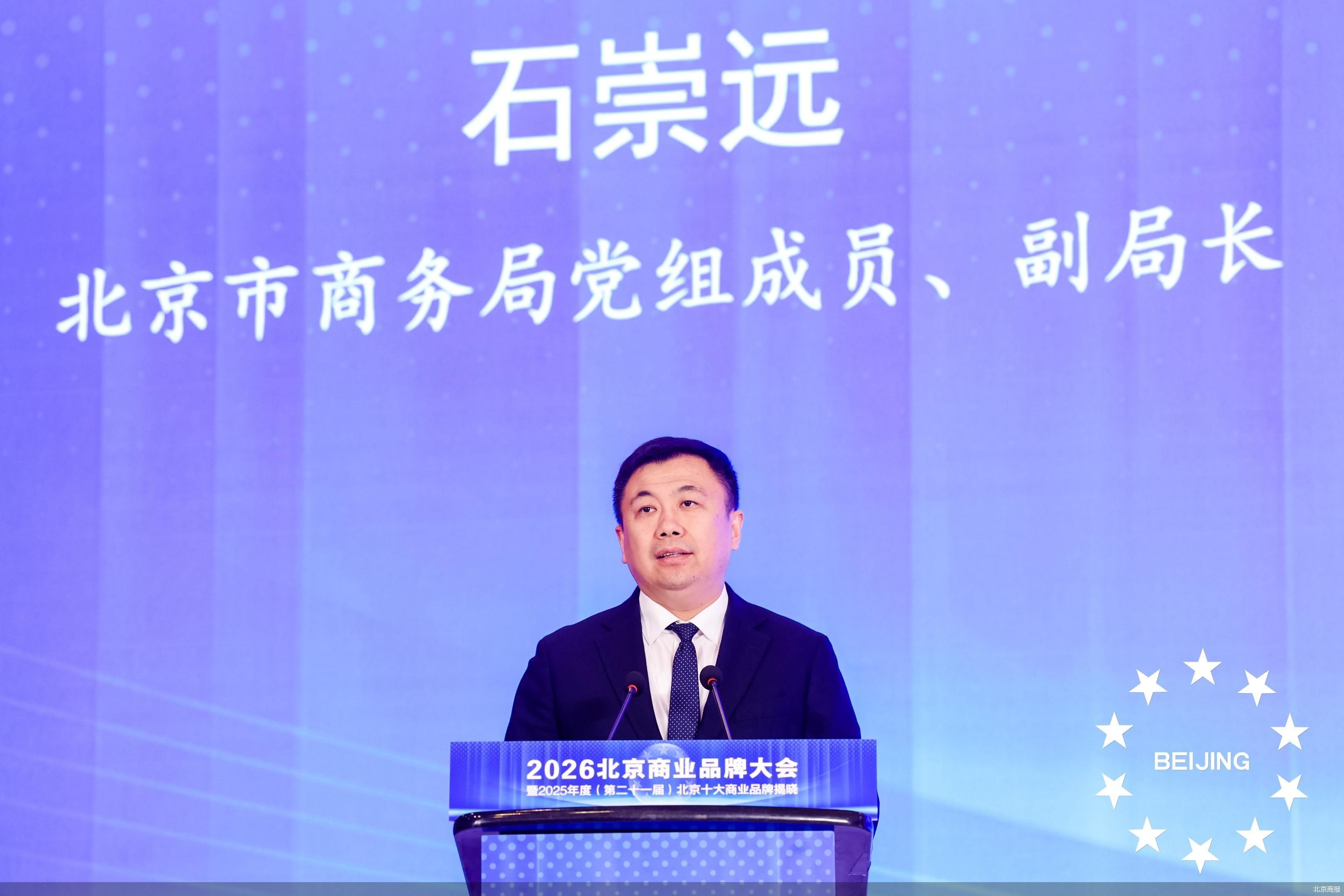
北京市商务局党组成员、副局长石崇远:品质、品位、品牌是市场竞争核心制胜三要素
Bei Jing Shang Bao· 2026-01-16 09:58
Core Insights - The 2026 Beijing Commercial Brand Conference and the announcement of the 2025 Top Ten Commercial Brands took place, focusing on the theme "New Demand, New Supply" [1] Group 1: Brand Development - The success of various brands in Beijing demonstrates that building a brand requires a commitment to quality and an understanding of consumer preferences in a competitive market [4] - Notable consumer landmark brands have emerged in Beijing, such as "Wenli," which attracted 600,000 visitors in its first three days, showcasing a blend of cultural, commercial, and recreational offerings [4] Group 2: Fashion and Trendy Brands - A number of unique fashion brands have emerged in Beijing, with companies like Pop Mart and 52toys establishing themselves as cultural symbols for the youth, promoting Chinese design internationally [5] - The fashion industry is supported by organizations like the China Fashion Designers Association and Beijing Institute of Fashion Technology, which focus on industry development and talent cultivation [5] Group 3: Local Specialty Stores - Local specialty stores, often located in alleys and neighborhoods, have gained popularity through word-of-mouth, becoming "queue kings" despite minimal marketing efforts [5] - The sustained commitment to quality and brand integrity by these businesses has earned them high consumer trust and loyalty, leading to spontaneous consumer demand [5]
白牌跟品牌,中间到底差着啥?
3 6 Ke· 2025-12-30 08:55
Core Viewpoint - The article discusses the differences between "white label" products and established brands, highlighting the challenges and strategies within the white label industry, particularly in the beauty and skincare sectors. Group 1: White Label Concept and Operations - White label refers to products without a fixed brand, relying on OEM production and marketing to generate quick profits without investing in R&D or quality control [7] - The "Xiamen Gang" is a group of white label players known for their rapid market entry and aggressive marketing strategies, particularly in the beauty sector [8] - White label operations typically follow a three-step process: product selection based on trends, extreme cost-cutting to offer low prices, and aggressive marketing through high-volume advertising [10][13][14] Group 2: Challenges Faced by White Label Products - White label sales are heavily reliant on advertising, making them vulnerable to changes in platform algorithms or negative publicity [17] - Many white label brands inflate their sales figures through practices like fake orders, leading to questions about the sustainability of their sales [18] - The average lifecycle of white label products is short, with sales quickly declining once initial consumer interest wanes [19] Group 3: Differences Between White Label and Established Brands - White label businesses prioritize short-term profits and rapid market entry, while established brands focus on long-term value creation and customer trust [20] - The operational logic of white label companies is results-driven, often neglecting brand management and long-term strategy [25] - Established brands benefit from systematic management practices that ensure consistent quality and brand integrity, which white label companies often lack [25] Group 4: Future of White Label Products - The white label industry is facing increased competition and pressure to evolve, with many companies needing to transition towards brand-building strategies to survive [26] - Successful transitions from white label to brand status require a shift in mindset, focusing on long-term growth and brand management rather than short-term gains [30] - Key elements for this transition include developing unique brand identities and enhancing operational capabilities across multiple channels [32]

为什么拥有强大品牌力至关重要?
Xin Lang Cai Jing· 2025-12-21 11:27
Core Viewpoint - A strong brand serves as a remedy for information overload, helping organizations navigate through the chaos of misinformation and establish trust with their audience [2][6][24] Group 1: Information Overload and Misinformation - The world is currently facing an overwhelming amount of information, generating approximately 400 million terabytes of data daily, which is difficult for the human brain to process [3] - Misinformation and disinformation are recognized as significant global risks, with the World Economic Forum reporting that misinformation costs the global economy around $78 billion annually [5][9] - Over 90% of individuals in the UK have encountered misinformation on social media, and 70% believe that leaders from businesses, governments, and media intentionally mislead the public [9] Group 2: Importance of Brand and Reputation - Distinguishing between brand and reputation is crucial; while reputation is shaped by external perceptions, a brand is a proactive expression of an organization's identity and values [10][15] - A strong, values-driven brand can help organizations shape public expectations and protect against harmful misinformation [12][24] - Trust has become a critical factor in driving key business outcomes, ranking second only to product and service quality [17] Group 3: Building a Strong Brand - Three key actions are essential for effective brand implementation: clarity, consistency, and credibility [20][22] - A clear brand narrative helps unify the organization and ensures that all external communications are aligned with the brand's core message [20] - Internalizing the brand within the organization is vital, as employees serve as the best brand ambassadors, ensuring that everyone communicates the same message from day one [26] Group 4: Continuous Brand Evolution - Brands are dynamic ecosystems that evolve with organizational growth and stakeholder needs, necessitating ongoing assessment and adaptation [23] - Establishing a brand health dashboard can help measure internal and external perceptions of the brand, ensuring that the organization remains responsive to its audience [23] - The ultimate success of a brand lies in the collective understanding of its importance among all employees, rather than merely repeating the same narrative [23]

为什么孙悟空一个筋斗十万八千里还必须取经?李光斗:因为唐僧是个品牌
Xin Lang Cai Jing· 2025-12-10 09:55
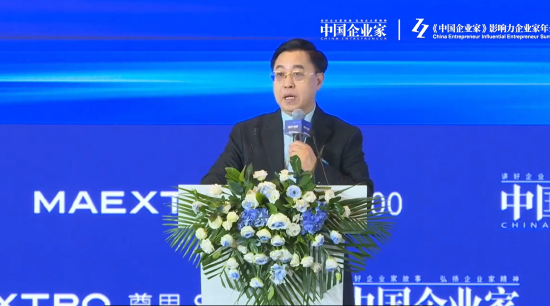
Core Insights - The 2025 China Entrepreneur Influence Conference is themed "Emergence·Infinity - Co-creating New Forms of Intelligent Business" and is held in Beijing from December 5 to 7 [1][6] - Renowned brand strategy expert Li Guangdou delivered a speech discussing the business lessons derived from "Journey to the West" [3][8] Group 1: Business Lessons from "Journey to the West" - The narrative of "Journey to the West" can be divided into three parts: the Great Havoc in Heaven, the King of Tang's journey to the underworld, and the journey to the West, which correspond to top-level design, project management, and execution in business [3][8] - Li Guangdou emphasizes that everyone resonates with the character Sun Wukong because they share an unsettled heart, highlighting the importance of self-reflection and growth for entrepreneurs [3][8] - The character Sun Wukong represents common pitfalls for middle management, including the ability trap, efficiency trap, and identity misalignment [3][8] Group 2: Leadership and Team Dynamics - Li Guangdou discusses the qualities of a good leader, using the character Guanyin as an example, who effectively manages key members and issues while balancing authority and guidance [4][9] - The importance of choosing the right team is illustrated through the example of Sun Wukong's journey; aligning with the wrong leader, like the Bull Demon King, could lead to disastrous outcomes [10]
李光斗解读《西游记》:孙悟空犯了中层领导常见错误——能力陷阱、效率陷阱与身份错位
Xin Lang Cai Jing· 2025-12-10 09:55
Core Insights - The 2025 China Entrepreneur Influence Conference is themed "Emergence·Infinity - Co-creating New Forms of Intelligent Business" and is held in Beijing from December 5 to 7 [1][6] - Renowned brand strategy expert Li Guangdou delivered a speech discussing the business lessons derived from "Journey to the West" [3][8] Business Lessons from "Journey to the West" - The narrative of "Journey to the West" can be divided into three parts: the Great Havoc in Heaven, the King of Tang's journey to the underworld, and the journey to the West, which correspond to top-level design, project management, and execution in business [3][8] - Li emphasizes that everyone resonates with the character Sun Wukong due to an inherent sense of restlessness, highlighting the importance of reflection and growth for entrepreneurs [3][8] - The character of Tang Seng represents a brand, and Sun Wukong's journey illustrates the necessity of following effective leadership to achieve success [3][8] Common Leadership Mistakes - Li identifies common pitfalls for middle managers, including the ability trap, efficiency trap, and identity misalignment, which can hinder organizational growth [3][8] - He stresses that being skilled at tasks does not equate to effective management, and that a leader's capabilities can set the ceiling for the company's potential [3][8] Importance of Team Dynamics - The discussion includes the significance of choosing the right team, as illustrated by Sun Wukong's choice to follow Tang Seng instead of the powerful Bull Demon King, which could have led to a very different outcome [4][10] - Li notes that successful business involves both creating and distributing value, encapsulated in the saying "wealth gathers and people disperse, wealth disperses and people gather" [4][9]
李光斗:创业者如果你共情孙悟空,说明你还没有成长、成熟
Xin Lang Cai Jing· 2025-12-10 09:49
Core Insights - The 2025 China Entrepreneur Influence Conference will be held from December 5 to 7 in Beijing, focusing on the theme "Emergence·Infinity - Co-creating New Forms of Intelligent Business" [1][6] - Renowned brand strategy expert Li Guangdou delivered a speech discussing the business lessons derived from the classic Chinese novel "Journey to the West" [3][8] Business Lessons from "Journey to the West" - The narrative of "Journey to the West" can be divided into three parts: the Great Havoc in Heaven, the King of Tang's journey to the underworld, and the journey to the West, which correspond to top-level design, project management, and execution in business [3][8] - Li emphasized that everyone resonates with the character Sun Wukong (Monkey King) due to an inherent sense of restlessness, and noted that even Elon Musk identified with this character after watching "Black Myth: Wukong" [3][8] - The importance of reflection and growth for entrepreneurs was highlighted, with Li stating that many capable young individuals fail because they are unwilling to seek help and let go of their pride [3][8] Leadership and Team Dynamics - Li pointed out that the character Tang Seng (the monk) represents a brand, and questioned why he, rather than Sun Wukong, is the one on the journey to obtain scriptures [3][8] - Common mistakes made by middle managers were identified, including the capability trap, efficiency trap, and identity misalignment, which can hinder organizational growth [3][8] - The significance of choosing the right team was illustrated through the example of Sun Wukong's journey, contrasting it with the potential downfall if he had allied with the wrong character, like the Bull Demon King [4][10]

经观传媒总裁、《现代广告》杂志出品人王咏静:品牌是企业唯一不可复制的资产
Jing Ji Guan Cha Bao· 2025-12-10 07:00
Core Viewpoint - The essence of a brand is that it is the only irreplaceable asset of a company, emphasizing the need for companies to focus on building strong brands rather than merely chasing short-term traffic [1][3]. Group 1: Brand Definition and Importance - A brand is formed through the long-term accumulation of products, services, marketing, and culture, creating a unique recognition, trust, and emotional connection in the minds of consumers [3]. - The uniqueness of a brand stems from its strategic resource characteristics, which include value, scarcity, and irreplaceability, making it difficult for competitors to replicate [4]. Group 2: Factors Contributing to Brand Uniqueness - The uniqueness of a brand is rooted in three core logics: 1. The uniqueness of emotions and trust, which cannot be obtained through mere product or technology replication [4]. 2. The scarcity of time and history, as strong brand recognition often requires decades or even centuries to develop [4]. 3. The uniqueness of culture and values, which are deeply tied to the brand's development path and cannot be precisely replicated [4]. Group 3: Strategies for Building Uncopyable Brand Assets - Companies should focus on long-term brand building by connecting with user emotions and establishing a consistent brand proposition, creating a strong cognitive moat [5]. - High recognition brand symbols and unique rituals should be developed to ensure strong memorability, while maintaining a long-term perspective to build trust and warmth in the brand [5]. - Companies must avoid the pitfalls of being overly influenced by short-term traffic and instead adopt a rational approach to the relationship between traffic and brand value [5]. Group 4: The Role of Chinese Brands on the Global Stage - The vision of "Chinese culture, world brands" represents a mission for Chinese companies to promote their cultural values globally, transforming traditional wisdom into brand essence [6]. - The current period is seen as the best opportunity for Chinese brands to enter the global market, aligning with the goal of high-quality development in the upcoming "15th Five-Year Plan" [6].
本周在哪儿投资你的「商业注意力」?WISE 2025为你划重点!
36氪· 2025-11-24 14:19
Group 1 - The WISE 2025 Business Conference will take place on November 27-28 in Beijing, focusing on the integration of technology and business in 2025, highlighting the strengths of Chinese brands and technology on the global stage [2][3] - The conference will feature a new format using "tech short dramas" to illustrate how disruptive innovations are reshaping the Chinese business landscape, with a focus on AI, overseas expansion, and branding [2][3] - Keynote speeches will include discussions on the role of hardware as a medium connecting people to the world, the evolution of robotics, and the potential of AI in enhancing human lifespan and life sciences [5][11][13] Group 2 - The conference will address the challenges and opportunities presented by the technological wave, emphasizing the transformation of devices into intelligent partners and the implications for user relationships [38][40] - Discussions will explore how AI can redefine logistics and the automotive finance industry, focusing on the shift from single-point technology competition to collaborative ecosystem development [61][66] - The event will also feature deep talks on the future of embodied intelligence and its impact on various industries, including logistics and manufacturing [56][64] Group 3 - The conference aims to foster a dialogue on the future of Chinese innovation and entrepreneurship, encouraging participants to rethink what types of companies will attract long-term capital investment in today's innovation environment [69][70] - The event will highlight the importance of building a robust entrepreneurial ecosystem to drive China's economic growth, leveraging technology as a foundation for consumer expansion [48][54] - The conference will conclude with insights on how to navigate the complexities of AI implementation in industries, aiming to bridge the gap between technology concepts and practical applications [51][66]