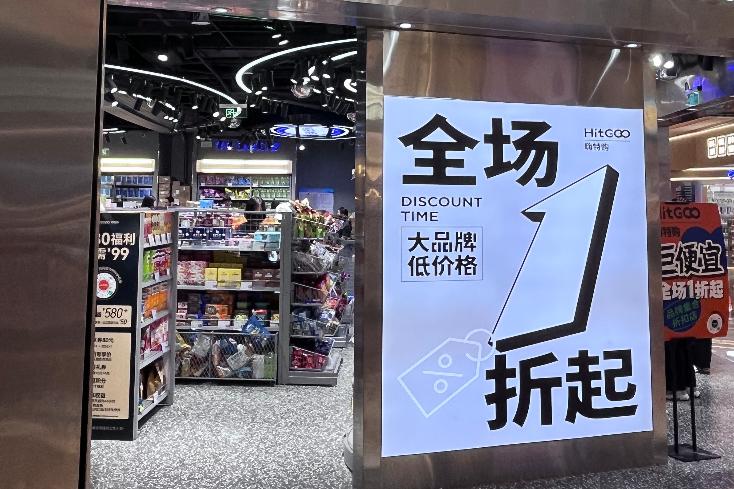
硬折扣模式

Search documents
外卖三巨头,暗中卷起了折扣超市
创业邦· 2025-09-19 10:26
Core Viewpoint - The article discusses the ongoing competition among major players in the Chinese retail market, particularly focusing on the rise of "hard discount" stores as a new business model that emphasizes low prices and high quality, driven by digitalization and supply chain efficiencies [5][12][20]. Group 1: Market Dynamics - The competition has shifted from food delivery to in-store retail, with major companies like Alibaba, JD, and Meituan opening new stores to capture market share [5][6][10]. - JD opened its first discount supermarket in Hebei and quickly expanded with multiple locations, while Alibaba rebranded its "盒马NB" to "超盒算NB" and opened 17 new stores in 10 cities [7][9]. - Meituan launched its self-operated brand "快乐猴" in Hangzhou, emphasizing direct sourcing and low prices, attracting significant customer traffic [10][12]. Group 2: Hard Discount Model - The "hard discount" model is characterized by long-term low prices without compromising quality, contrasting with short-term promotional strategies [12][20]. - These stores focus on essential goods, utilizing a simplified store design and direct sourcing from manufacturers to reduce costs [17][19]. - The model targets price-sensitive consumers, aiming for high turnover rates and maintaining product freshness, particularly in perishable goods [19][20]. Group 3: Competitive Landscape - The penetration rate of hard discount stores in China is currently only 8%, indicating significant growth potential compared to 42% in Germany and 31% in Japan [30]. - Foreign brands like ALDI have struggled to adapt to the Chinese market due to cultural differences and operational inefficiencies, while local players are better positioned to meet consumer needs [24][25]. - The competition among major players will likely intensify as they seek to replicate successful models and expand into lower-tier markets [33][38]. Group 4: Strategic Advantages - JD's strengths lie in its extensive logistics infrastructure and self-operated supply chain, while Alibaba benefits from its established ecosystem and brand recognition in fresh produce [36][38]. - Meituan has a robust instant delivery network and local market presence but needs to enhance its product development and supply chain capabilities [38]. - All three companies face the challenge of achieving sustainable profitability in a low-margin environment while differentiating their offerings to avoid homogenization [38].





零售巨头激战社区店:沃尔玛、奥乐齐、盒马争夺600-800平米新战场!
Sou Hu Cai Jing· 2025-09-15 07:55
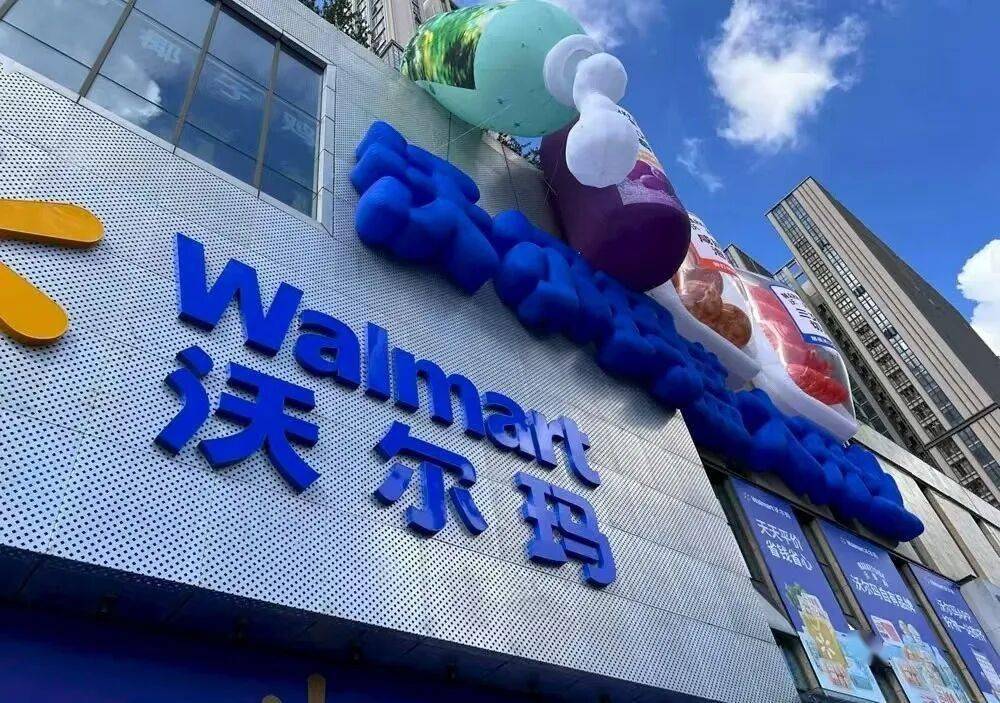
Group 1: Core Insights - The community retail sector is experiencing significant growth, with major players like Walmart, Hema, and Aldi expanding their community store formats to meet consumer demand for convenience and immediacy [2][3][22] - Walmart's community store model emphasizes a "10-minute walking radius" and features around 2,000 selected products in a compact space of approximately 500 square meters, marking a shift from traditional large-format stores [2][4] - The community retail market is projected to reach a scale of 2.8 trillion yuan in 2024, with a compound annual growth rate of 15.3% from 2023 to 2025 [13] Group 2: Competitive Landscape - Hema's community store "Super Box" has nearly 300 locations, focusing on a streamlined SKU strategy with a maximum of 1,500 products and store sizes between 600-800 square meters [6] - Aldi has begun expanding beyond Shanghai, with its first store in Wuxi achieving sales of over 1 million yuan on its opening day, utilizing aggressive pricing strategies [8] - Meituan's discount supermarket "Happy Monkey" plans to open 10 stores by 2025, with a long-term goal of 1,000 locations [10] Group 3: Business Model and Strategy - The hard discount model is characterized by a focus on supply chain efficiency, with a significant reduction in SKU counts to enhance purchasing power and maintain quality at lower prices [11] - The integration of instant retail with hard discounting allows for a new operational model where stores serve as both sales points and local warehouses, enabling rapid delivery services [12] - The average gross margin in the hard discount sector is only 10-15%, necessitating a careful balance between scale expansion and cost control to maintain profitability [11] Group 4: Consumer Trends - Over 60% of consumers in Shanghai prioritize "low price without compromising quality," indicating a shift in perception towards hard discounting [16] - Fresh produce remains a key driver of sales in discount stores, highlighting the importance of quality alongside competitive pricing [16] - The consumer expectation for "good quality at a reasonable price" is becoming increasingly prevalent, with over 70% of consumers expressing this sentiment [15] Group 5: Market Potential - The community retail market in China is still in its early stages, with a projected market size of 3.5 trillion yuan by 2025 [13] - The penetration rate of hard discount retail in China is currently only 8%, compared to 42% in Germany and 31% in Japan, indicating substantial growth potential [20][21] - The hard discount market in China is expected to grow at a compound annual growth rate of 5.6% over the next decade, outpacing traditional hypermarkets [21]

万辰集团20250914
2025-09-15 01:49
Summary of the Conference Call for Wancheng Group Industry Overview - The snack retail industry exhibits significant head effect, with leading brands like "Ling Shi Hen Mang" and "Zhao Yi Ming" merging, and Wancheng Group integrating its brands, leading to rapid store expansion and improved supply chain efficiency [2][4] - The snack retail sector is large, with specialty stores (including snack retail) and e-commerce channels showing strong performance, achieving double-digit compound growth over the past five years [2][7] Key Points and Arguments - **Growth Drivers for Wancheng Group**: - Scale effect from increased store numbers enhancing supply chain efficiency [2][6] - Cost control through reducing intermediaries and lowering markup rates [2][6] - Market demand driven by economic downturn, with consumers seeking affordable snacks (lipstick effect) [2][6] - **Competitive Landscape**: - The competition is expected to solidify, with leading brands maintaining their advantage and expanding store numbers, potentially reaching 46,000 to 56,000 stores [4][13] - The gap between leading brands and smaller brands is widening, with leading brands rapidly increasing their store counts to 5,000-6,000, while smaller brands lag behind [5][13] - **Store Performance and Profitability**: - Wancheng Group's stores have a gross margin of approximately 10-11%, while competitors like "Ming Ming" have lower margins of 7-8% [8][18] - The company’s net profit is lower than industry leader "Ming Ming" due to high minority equity ratios and significant employee stock incentive costs [18] - **Future Growth Projections**: - Wancheng Group's snack retail business revenue is projected to reach 50.6 billion RMB, 60.2 billion RMB, and 68.6 billion RMB from 2025 to 2027, with a gradual increase in gross margin [4][23] - The company anticipates a net profit margin of around 5% in the coming years, driven by scale effects and cost optimization [19][23] Additional Important Insights - **Store Experience and Franchise Appeal**: - Snack retail stores enhance shopping experience through well-designed environments and a wide variety of products, making them attractive to franchisees [9][11] - Franchisees can expect quick returns on investment, with high turnover rates and low entry barriers [11] - **Supplier Relationships**: - Snack retail stores maintain good relationships with upstream suppliers, with short accounts payable turnover days (around 20 days), enhancing cash flow [12] - The absence of entry fees and low sales expense ratios help suppliers improve their net profit levels [12] - **Market Trends and Challenges**: - The industry is shifting towards full-category supermarkets to increase SKU variety and attract more consumers [20] - Companies need to balance product selection for sales velocity and profitability to avoid lowering efficiency [20] - **Investment Recommendations**: - Based on PEG valuation methods, a target price of 232.88 RMB per share is suggested, indicating a potential upside of 20%-30% from current prices [26]
外卖三巨头,暗中卷起了折扣超市
吴晓波频道· 2025-09-14 00:29
Core Viewpoint - The article discusses the rise of "hard discount" supermarkets in China, highlighting how major players like JD, Alibaba, and Meituan are innovating in the retail space to offer stable low prices and efficient shopping experiences, contrasting with traditional supermarkets and farmers' markets [2][10][35]. Group 1: Market Dynamics - The competition among major players has shifted from food delivery to in-store shopping, with JD opening its first discount supermarket and Alibaba rebranding its "盒马NB" to "超盒算NB" [4][5]. - Meituan has also launched its self-operated brand "快乐猴" in Alibaba's headquarters city, emphasizing direct sourcing and everyday low prices [6][12]. - The popularity of these new stores is evident, with JD's store attracting 100,000 visitors in its first two days, indicating strong consumer interest [6][10]. Group 2: Hard Discount Model - The "hard discount" model is characterized by long-term low prices without compromising quality, as opposed to short-term promotional discounts [9][10]. - These stores focus on high-frequency, essential goods, utilizing a direct-to-consumer (F2C) model to reduce costs by eliminating middlemen [16][17]. - The operational efficiency is enhanced through minimalistic store designs and high product turnover, which keeps inventory fresh and reduces labor costs [17][18]. Group 3: Competitive Landscape - The article notes that while international hard discount brands like ALDI have struggled in China, local players are adapting the model to better fit consumer preferences and market conditions [20][21]. - The current penetration rate of hard discount stores in China is only 8%, suggesting significant growth potential compared to 42% in Germany [30]. - The competition among the three giants—JD, Alibaba, and Meituan—will likely intensify as they seek to establish unique advantages in the hard discount space [32][35].
“外卖三巨头”奔向千亿新战场
财富FORTUNE· 2025-09-05 13:09
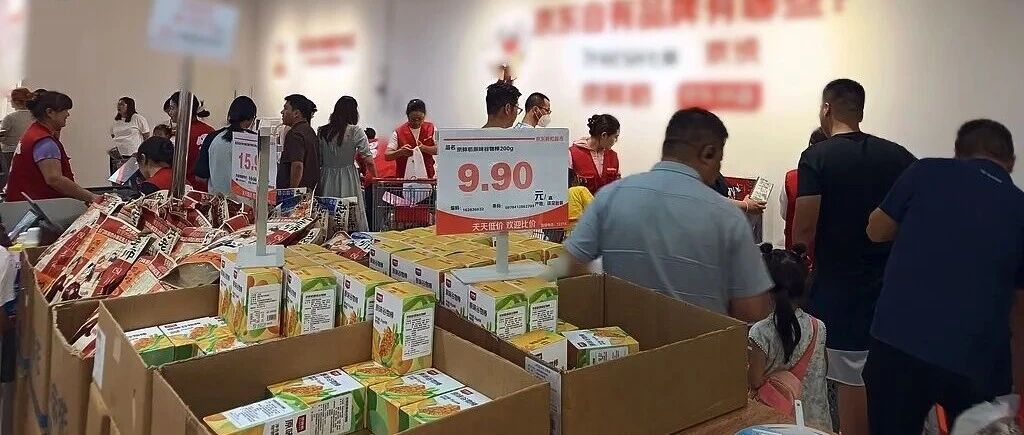
Core Viewpoint - The article discusses the competitive landscape of the food delivery and hard discount supermarket sectors in China, highlighting the strategic shifts of major players like Alibaba, Meituan, and JD.com as they adapt to market changes and seek new growth opportunities [2][4]. Group 1: Hard Discount Supermarket Strategy - The hard discount model offers lower prices compared to traditional supermarkets by optimizing supply chains and reducing intermediaries, with strategies such as streamlining SKUs and developing private labels [2][4]. - Hema, under CEO Yan Xiaolei, has streamlined its operations from over ten formats to just two, focusing on Hema Fresh and Hema NB, achieving profitability and a GMV exceeding 75 billion yuan [2][4]. - Hema NB plans to expand to 300 stores by the end of the 2025 fiscal year, with reports indicating that it may have already reached this target [2][3]. Group 2: Competitor Movements - Meituan launched its hard discount supermarket "Happy Monkey" in Hangzhou, featuring a significant number of private label products and aiming for 1,000 stores, although achieving this goal may be challenging [4][5]. - JD.com has also entered the hard discount space with its discount supermarket opening four stores in Suqian, Jiangsu, featuring a larger store size and a diverse product range compared to Hema NB [5][6]. - The hard discount market in China has a current size exceeding 200 billion yuan with a penetration rate of only 8%, indicating substantial growth potential, with a projected CAGR of 5.6% over the next decade [4][6]. Group 3: Market Dynamics - The competition in the hard discount sector is not limited to domestic players; international brands like Aldi are also entering the market, posing additional challenges for local companies [5][6]. - The article emphasizes the need for these internet giants to explore new operational experiences in the offline retail space, as they face competition from both established and emerging brands [5][6].
互联网大厂们,扑向「穷鬼超市」
3 6 Ke· 2025-09-04 11:04
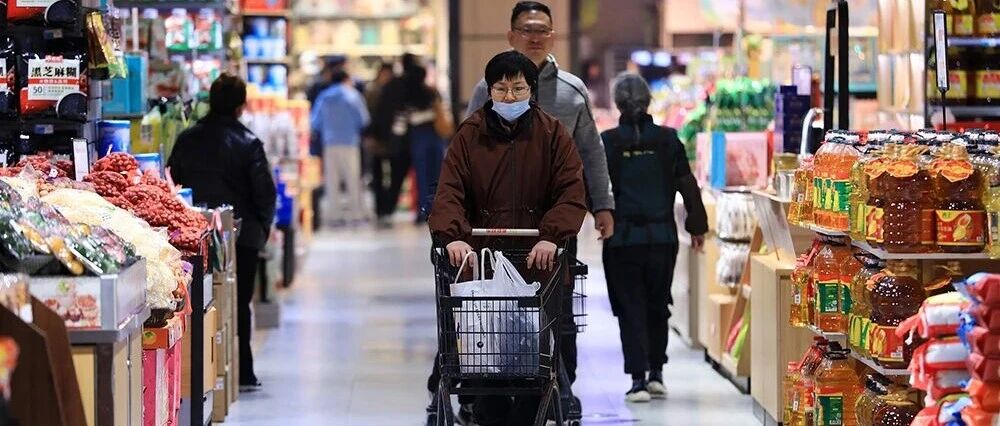
Core Insights - The hard discount supermarket model is gaining traction among major players like Meituan, Hema, and JD, with multiple stores opening in Jiangsu, Zhejiang, and Shanghai [1][2] - The hard discount model, initially popularized by Aoleqi, is being embraced by these giants as they seek new growth avenues amid a saturated online market [1][2] - The focus on fresh food and competitive pricing, typically between 19.9 to 29.9 yuan, is central to the hard discount strategy [5][14] Group 1: Market Dynamics - Meituan's first hard discount store, "Happy Monkey," opened on August 29, with Hema and JD also expanding their hard discount formats [1][2] - The competition is intensifying, with new entrants like JD and Meituan targeting lower-tier cities while established players like Aoleqi and Hema are expanding their market presence [2][16] - The hard discount market in China is projected to exceed 200 billion yuan by 2024, with a current penetration rate of only 8%, indicating significant growth potential compared to mature markets like Germany and Japan [9] Group 2: Operational Strategies - Hard discount supermarkets leverage supply chain efficiencies to enhance private label offerings, which helps in differentiating their product lines [2][5] - The operational model requires time and meticulous management to achieve profitability, as evidenced by Meituan's "Happy Monkey," which is currently estimated to be losing around 10,000 yuan daily due to high staffing levels and initial subsidies [2][15] - Efficient store management, including reduced SKU counts and streamlined staffing, is crucial for enhancing operational efficiency and profitability [15][16] Group 3: Competitive Landscape - The pricing strategy of hard discount stores positions them as "price killers," with significant price advantages over traditional supermarkets [5][14] - Aoleqi's success in the market is attributed to its high private label penetration, which has reached 90%, compared to lower figures for newer entrants like "Happy Monkey" [14][15] - The competition is not only among hard discount players but also includes traditional supermarkets adapting to the new market dynamics, indicating a broader shift in the retail landscape [16]
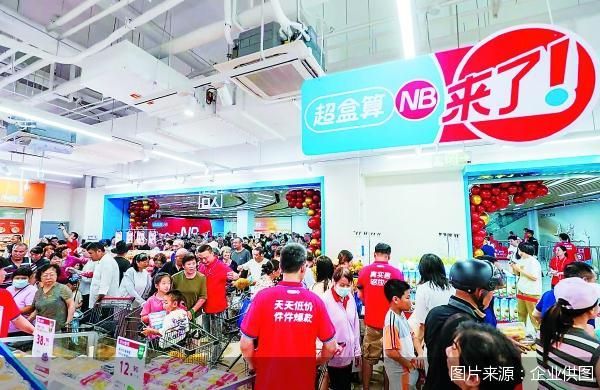
电商巨头纷纷布局硬折扣超市寻增量 或推动传统零售洗牌转型
Zheng Quan Ri Bao· 2025-09-04 01:48
Core Insights - Multiple e-commerce platforms are increasing their investment in offline hard discount supermarket businesses, viewing them as a new growth point for market expansion [1] - The hard discount model is characterized by sustainable low-price supply achieved through supply chain optimization and reduced intermediaries, differentiating it from soft discount models [1][3] Group 1: Company Strategies - JD.com has opened five discount supermarkets in Jiangsu and Hebei, focusing on mass consumer goods with an average store size of over 5,000 square meters and offering more than 5,000 products at prices generally lower than market levels [2] - Meituan has launched its self-operated hard discount brand "Happy Monkey," with plans to open approximately 10 stores this year, utilizing a dynamic pricing model and near-unmanned operations [2] - Alibaba's Hema has rebranded its hard discount brand to "Super Box Calculation NB," with nearly 300 stores, focusing on high efficiency and low prices while maintaining a dual business model alongside Hema Fresh [2] Group 2: Market Trends - The global discount retail channel is projected to grow by 8.2% year-on-year in 2024, with an incremental sales increase of $6.11 billion, making it the third fastest-growing segment in retail [1] - The rise of hard discount stores is expected to drive a transformation in traditional retail, as they can compete on price due to lower operational costs, while convenience stores may coexist by leveraging their network density [3][4] Group 3: Operational Efficiency - The hard discount model emphasizes self-owned brands as a core competitive advantage, allowing for differentiation in a saturated market and appealing to a broader consumer base [3] - Internet giants are leveraging digital capabilities to enhance bargaining power, reduce premiums through self-owned brands, and achieve efficient operations, making hard discounting a sustainable business model driven by supply chain and operational efficiency [3][4]
电商巨头纷纷布局硬折扣超市寻增量
Zheng Quan Ri Bao Zhi Sheng· 2025-09-03 16:40
Core Viewpoint - Major e-commerce platforms are increasingly investing in offline hard discount supermarket businesses as a new growth point for market expansion [1][4] Group 1: Company Strategies - JD.com has opened five discount supermarkets in Jiangsu and Hebei, focusing on direct sourcing and private label products, with an average store size exceeding 5,000 square meters and over 5,000 product offerings [2][3] - Meituan has launched its self-operated hard discount brand "Happy Monkey," with its first store in Hangzhou, targeting community daily consumption and utilizing a dynamic pricing model [2][3] - Alibaba's Hema has rebranded its hard discount brand to "Super Box Calculation NB," aiming to enhance its cost-performance strategy and has nearly 300 stores [2][3] Group 2: Market Trends - According to Nielsen IQ, global discount retail channels are expected to grow by 8.2% in 2024, with an incremental sales increase of $6.11 billion, making it the third fastest-growing segment in retail [1] - The hard discount model is characterized by sustainable low-price supply through optimized supply chains and reduced intermediaries, appealing to price-sensitive consumers [1][3] Group 3: Industry Insights - Experts suggest that the hard discount model, leveraging private labels, can create differentiated advantages in a saturated market, appealing to a broader consumer base [3] - The rise of hard discount stores is expected to drive a transformation in traditional retail, as they can compete on price due to lower operational costs [3][4] - The competition among e-commerce giants in the hard discount space is not just about price but also revolves around supply chain efficiency, digital capabilities, and refined operations [4]
揭开互联网硬折扣超市的底牌
Bei Jing Shang Bao· 2025-08-31 15:55
Core Insights - The competition in the hard discount supermarket sector has intensified, with major players like Hema, Meituan, and JD launching new stores focused on community family consumption [1][3][4] - These supermarkets emphasize low prices and low margins through private label products and direct sourcing to enhance supply chain efficiency [1][11] - The shift in focus from rapid store openings and fast delivery to deep operational management of community and family consumption scenarios is evident [1][3] Group 1: Store Launches and Strategies - Hema has rebranded its 300 stores to "Chao He Suan NB," while Meituan's "Happy Monkey" opened its first store in Hangzhou, and JD launched four new discount stores in Suqian [3][4] - The average store size for Hema and Meituan is around 600 to 1000 square meters, while JD's stores exceed 5000 square meters to accommodate more foot traffic [3][4] - All three brands target community commercial areas, focusing on high-density residential neighborhoods to support daily consumption needs [3][5] Group 2: Product Offering and Supply Chain Management - The product selection emphasizes stability in essential goods, with a focus on high-frequency daily items like vegetables and staple foods, while also introducing new products to maintain consumer interest [4][5] - Hema's private label products account for 60% of sales, while JD and Meituan also heavily feature their own brands in their stores [7][8] - The supply chain management is crucial, with a focus on direct sourcing and reducing middlemen to achieve sustainable low prices [6][12] Group 3: Pricing and Profit Margins - Hema's average gross margin is approximately 15%, with private label products typically having a margin of 20% to 40% [11][12] - The strategy of "low margin, high sales" is essential for hard discount supermarkets, allowing them to offer competitive pricing while maintaining profitability [11][12] - Cost-saving measures include minimizing store decoration and using standard packaging to reduce operational costs [13]
当选择只剩下“Yes” or “No”:看看我们如何被硬折扣“PUA”
3 6 Ke· 2025-08-22 01:52
Core Viewpoint - The article discusses how discount stores manipulate consumer behavior through pricing strategies and store layouts, effectively transforming shoppers into efficient purchasing machines, while also raising questions about consumer autonomy in decision-making [4][5][16]. Group 1: Consumer Behavior Manipulation - Discount stores attract consumers with extreme low prices, creating a sense of trust and dependency [5]. - The use of cardboard shelves not only reduces operational costs but also creates a "warehouse" pressure that aligns with consumers' desire to save money during economic downturns [5][19]. - Consumers' shopping behavior is subtly influenced by store layouts, guiding them through a predetermined path that encourages quicker purchasing decisions [9][10]. Group 2: Limited Choices and Decision Simplification - Discount stores often limit the number of SKUs (Stock Keeping Units) to between 1,000 and 2,000, focusing on high-purchase-rate items, which reduces consumer choice and simplifies decision-making [10]. - The reduction in product variety leads to a phenomenon where 73% of consumers will opt for the cheapest available option when familiar brands are unavailable [10][15]. - Consumers experience increased indecision when returning to standard supermarkets, with hesitation times increasing by 2.8 times and a 37% decrease in price tolerance for non-discount items [15]. Group 3: Psychological Implications of Discount Shopping - The article questions whether the perceived self-discipline in frugal shopping is genuinely self-imposed or a result of external manipulation by discount stores [16]. - The hard discount model effectively recovers decision-making power from consumers while making them feel they are benefiting from the low prices [16][17]. - The article emphasizes that true freedom in consumer choice involves not just the content of purchases but also the breadth and quality of options available [19].